After the US-Israel-Iran war — and the strikes that followed the cease-fire — the Gulf states find themselves dangerously exposed. Host Alistair Taylor is joined by MEI Associate Fellow Gregory Gause to discuss the war’s impact on the Gulf, their partnership with the United States, and whether the turmoil of recent months will push Gulf leaders to reassess their alliances and international engagement.
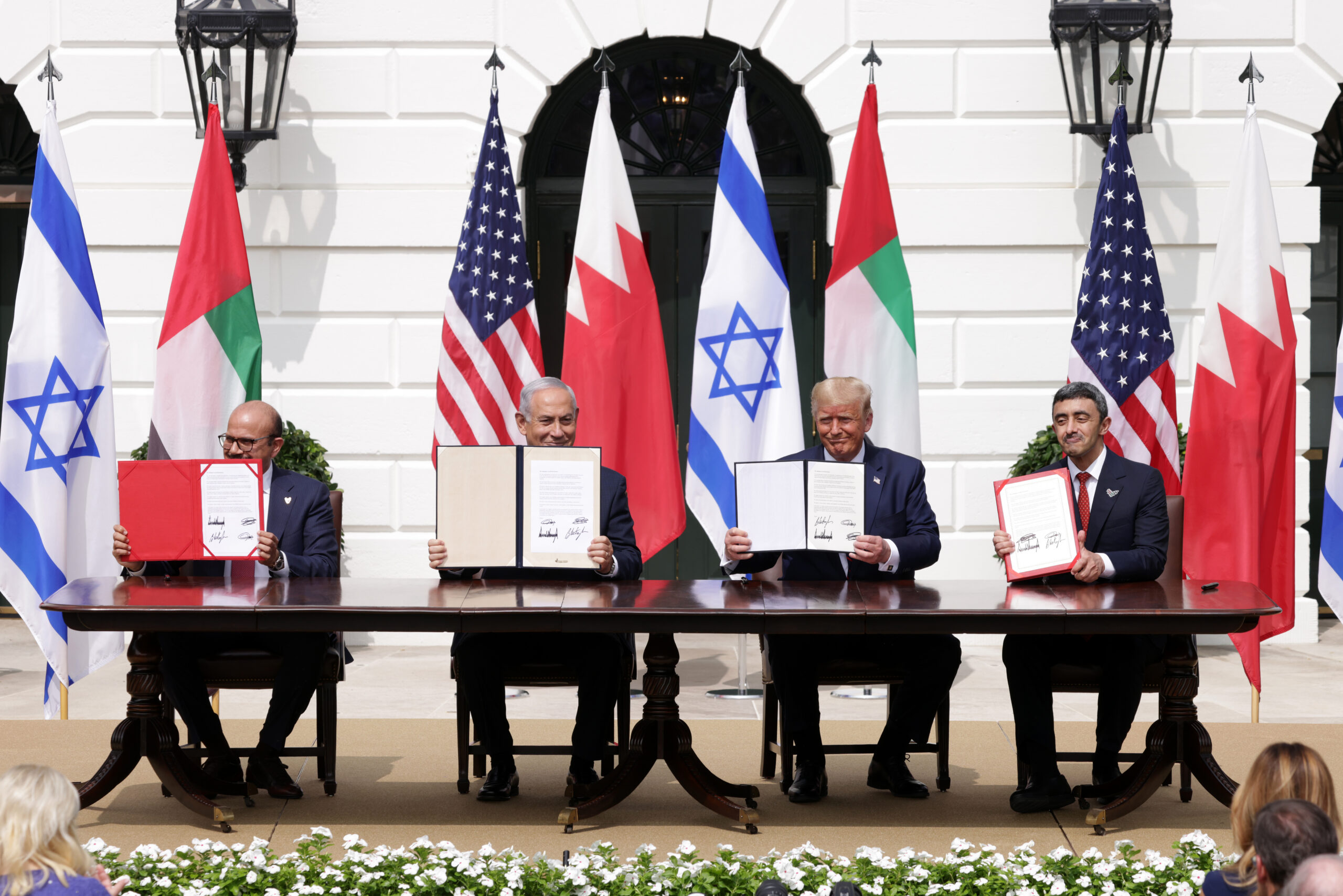
The Abraham Accords have represented a remarkable shift in U.S. Middle East policy. They reframed Arab-Israeli normalization as a result of shared interests – within the Middle East and directly with the US, rather than as a byproduct of Israeli-Palestinian peace. Signed in September 2020, on the last leg of the first Trump administration, the Accords brokered by Washington normalized relations between Israel and the United Arab Emirates (UAE) and Bahrain, followed by framework agreements with Morocco and Sudan. From the American perspective, the Accords were intended to break decades of diplomatic stagnation in the Middle East in order to establish a regional framework aligned with American strategic objectives.
The Gulf’s water crisis: Why cooperation is crucial — and complicated
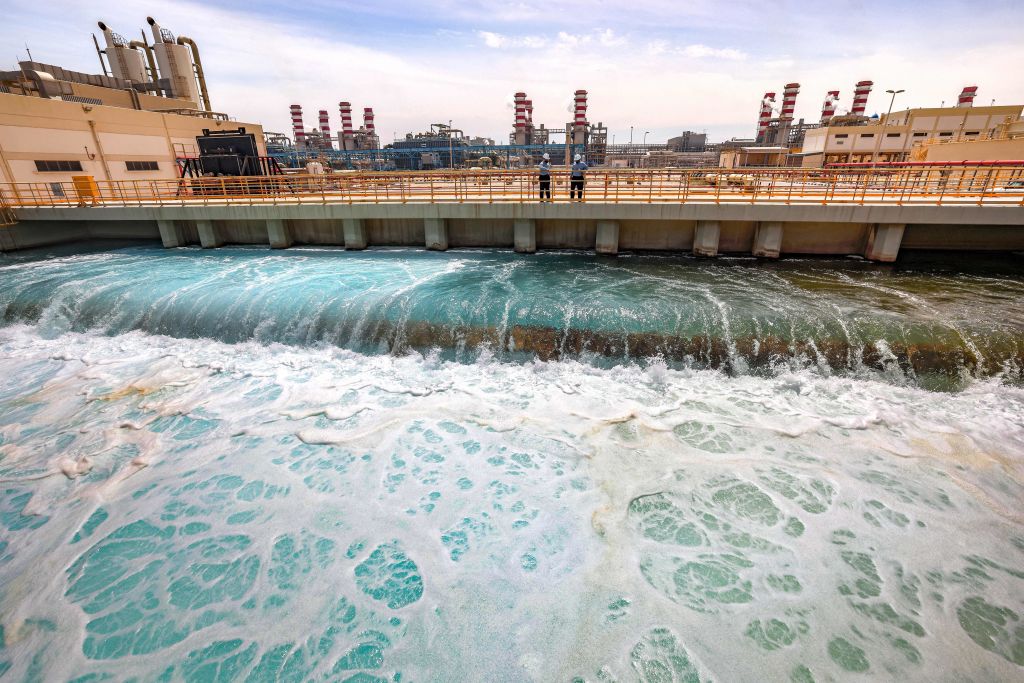
On June 19, false reports of an Israeli strike on Iran’s Bushehr nuclear plant sparked alarm across the Gulf. Though denied by Israeli officials, the claim traces back to a warning from Qatar’s prime minister of a potential catastrophe in the event of nuclear contamination — no water, no food, no life — due to the Gulf’s reliance on desalinated seawater. Gulf governments moved quickly to reassure the public that no radiation had been detected, but the episode underscored the region’s growing sense of vulnerability. A regional approach to water security could help to mitigate such risks.
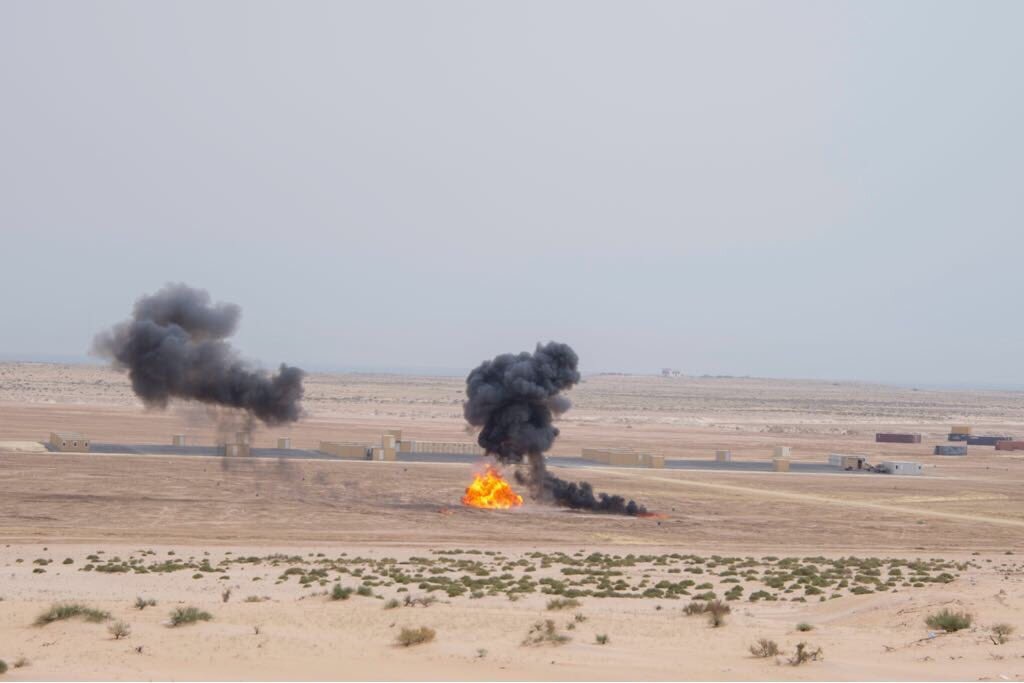
As naval, air, and ground units from Bahrain, Egypt, Jordan, Kuwait, Saudi Arabia, and the UAE conduct war games in western Egypt this month, many speculate that this could represent the birth of the so-called “Arab NATO.”
The GCC aid package for Bahrain illustrates how massive capital flows underlie the contentious politics and strategic alliances within the Gulf and broader Middle East.
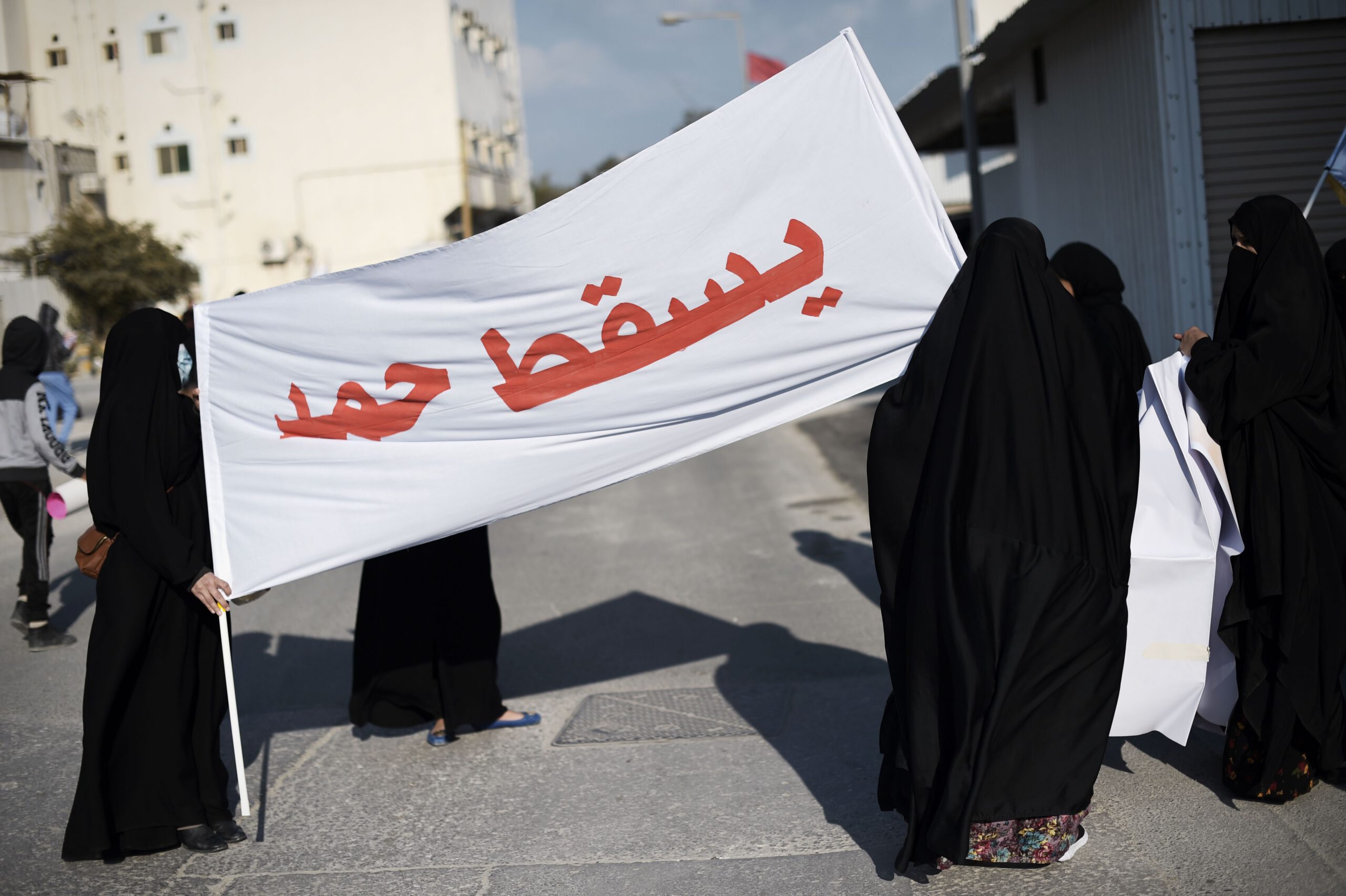
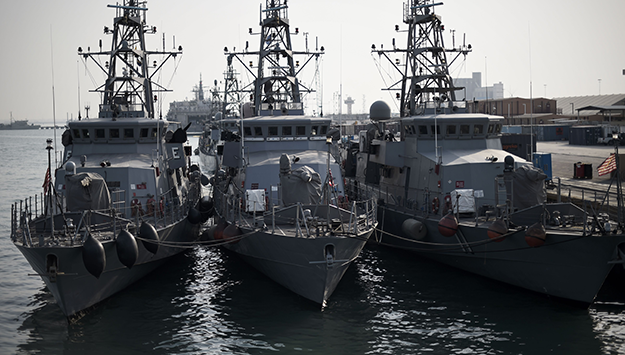
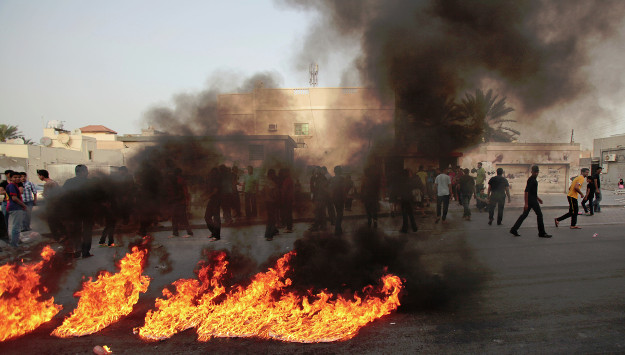
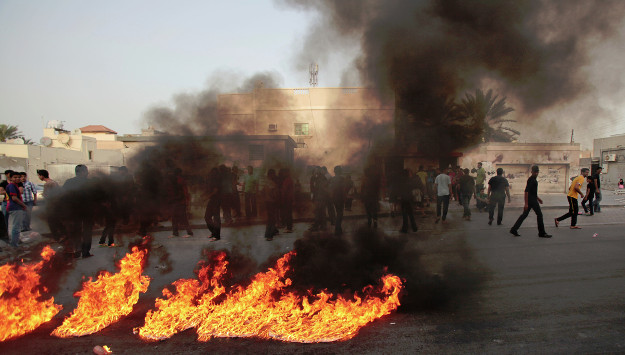
As Bahraini government security services cracked down hard on popular protests against the ruling Al-Khalifa family in February 2011, the U.S. Department of Defense quietly considered alternative basing options for the Fifth Fleet, stationed permanently in Bahrain since 1995.
Even though energy production and exports are the lifeblood of all Arab states in the Gulf, the present crisis between Qatar on the one hand and Saudi Arabia, the United Arab Emirates, Bahrain, and Egypt on the other has had very little influence on the economics of oil and gas either internationally or within the region. However, the countries involved have a lot to gain from a resolution of the conflict, particularly if it leads to greater energy market integration.
Bahrain says arrested 116 members of IRGC-established “terror cell”
The Bahraini government said on Saturday that its security forces had foiled a number of terrorist plots and arrested 116 people who were allegedly members of an armed group run by Iran’s Islamic Revolution Guards Corps (IRGC). “The Revolutionary Guards formed several terrorist organizations and brought them together under one umbrella,” a statement released by the Bahraini Interior Ministry said.
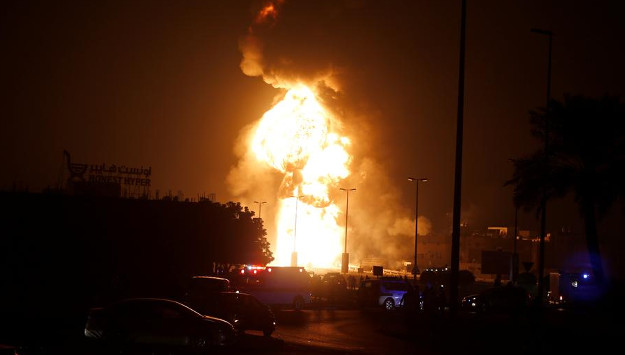
Bahrain says IRGC plotted pipeline bombing near Manama
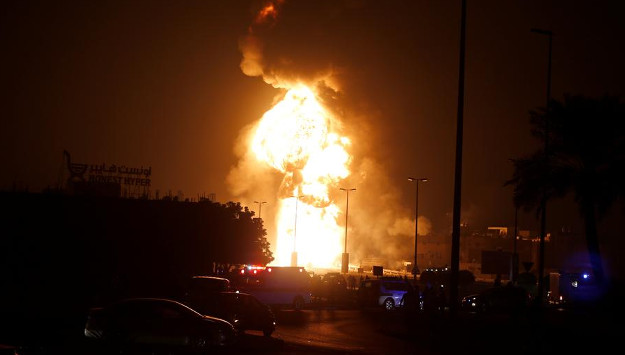
On Wednesday, the Bahraini Foreign Ministry announced that the country’s security forces have arrested four members of a “terrorist cell” involved in a bomb attack on an oil pipeline and claimed that the suspects had received training in Iran by the Islamic Revolution Guards Corps (IRGC).
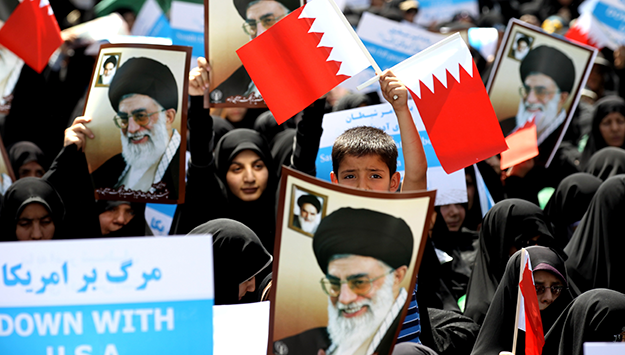
Manama says Tehran and its regional allies sponsor “terrorist cells” to destabilize Bahrain
Bahrain’s interior minister said on Sunday that Tehran and its regional proxies are supporting militant groups that carry out terrorist actions on the Bahraini soil, Iranian and
Bahrain Claims Iran Plotted Pipeline Blast near Manama
The Bahraini government’s claim that Iran was directly involved in an oil pipeline explosion near the Bahraini capital of Manama is the latest sign of heightening tension in the Gulf region. Bahrain’s Interior Minister Sheikh Rashid bin Abdullah al-Khalifa said the blast was the latest example of a “terrorist act” under instructions from Tehran, the state-run Bahrain News Agency reported.
Bahrain Says It Dismantled Terrorist Cell with Links to Iran’s I.R.G.C.
The Bahraini government said today that the country’s security forces have arrested seven members of a cell suspected of carrying out acts of terrorism in the island country, the Bahraini and Iranian media reported.
A Band of (Muslim) Brothers? Exploring Bahrain’s Role in the Qatar Crisis
The crisis which has engulfed the Gulf Cooperation Council (G.C.C.) states since June 5, 2017, leading to an unprecedented diplomatic and economic blockade of Qatar, has effectively split the Gulf into three camps, fracturing the uneasy yet much-lauded unity of an alliance which has long prided itself on stability and security. This essay offers a possible explanation for Bahrain’s contradictory position regarding the crisis, and considers whether Manama can maintain it.
The oldest peer-reviewed publication dedicated to the study of the modern Middle East, MEI’s flagship journal covers politics, society, and culture in the region.