Skip to Content

Ferid Belhaj

This individual is a guest contributor. MEI is not able to assist with contact requests.

Ferid Belhaj is a Senior Fellow at the Policy Center for the New South and Adjunct Professor at Mohammed VI Polytechnic University. Previously, he was vice president for the Middle East and North Africa at the World Bank from July 2018 until March 2024. Prior to this, Belhaj served 15 months as chief of staff of the president of the World Bank Group. From 2012 to 2017, Belhaj was director for the Middle East, in charge of programs in Lebanon, Syria, Jordan, Iraq and Iran. In this capacity, he led the bank engagement on the Syrian refugee crisis and its impact on the region, including the creation of new financing instruments to help countries hosting forcibly displaced people. Before taking up his Mashreq assignment, Belhaj served as director for the Pacific Department (2009-12), where he developed a regional strategy that scaled up bank engagement in small and fragile states, and tripled lending operations of the International Development Agency. Belhaj was the World Bank’s special representative to the United Nations in New York, where he engaged with various UN agencies on a range of programs, mainly climate change, the Millennium Development Goals, fragile and post-conflict states and more. Belhaj also served as country manager for Morocco and developed a new and multifaceted dialogue with one of the best performing middle income countries.

The Latest from Ferid Belhaj

Filter by
9 Results
Currency Boards as Political Commitments: Comparative Experience, Gold Reserves, and the Lebanese Case
  • Report
  • Currency Boards as Political Commitments: Comparative Experience, Gold Reserves, and the Lebanese Case

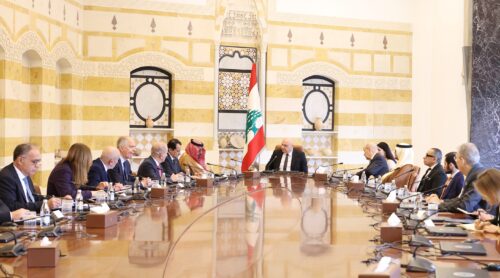
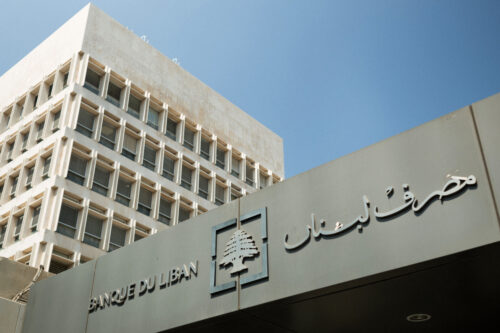
    The following study discusses the role of Lebanon’s gold reserves in the establishment of a currency board and evaluates four policy options: a true currency board, constrained central bank reform, full dollarization, and a unified managed float. Gold reserves are relevant under all four. The conclusion is consistent across them: no monetary framework, however carefully designed and however well backed, can substitute for the prior political decision on who bears Lebanon’s losses and how the state will finance itself sustainably.

    April 7, 2026

    Navigating the crossroads: Actionable cooperative measures to address global development challenges
    Photo by KHALED DESOUKI/AFP via Getty Images
  • Analysis
  • Navigating the crossroads: Actionable cooperative measures to address global development challenges

    As the world faces unprecedented challenges, from climate crises to migration pressures, the need for concerted action to address financing for development has never been more urgent. Against a backdrop of resource constraints, geopolitical shifts, and faltering progress on the UN Sustainable Development Goals, it is imperative to chart a course of action that is both pragmatic and visionary. This piece outlines 10 actionable measures to tackle these multifaceted challenges and pave the way for a more sustainable and equitable future.

    May 2, 2024

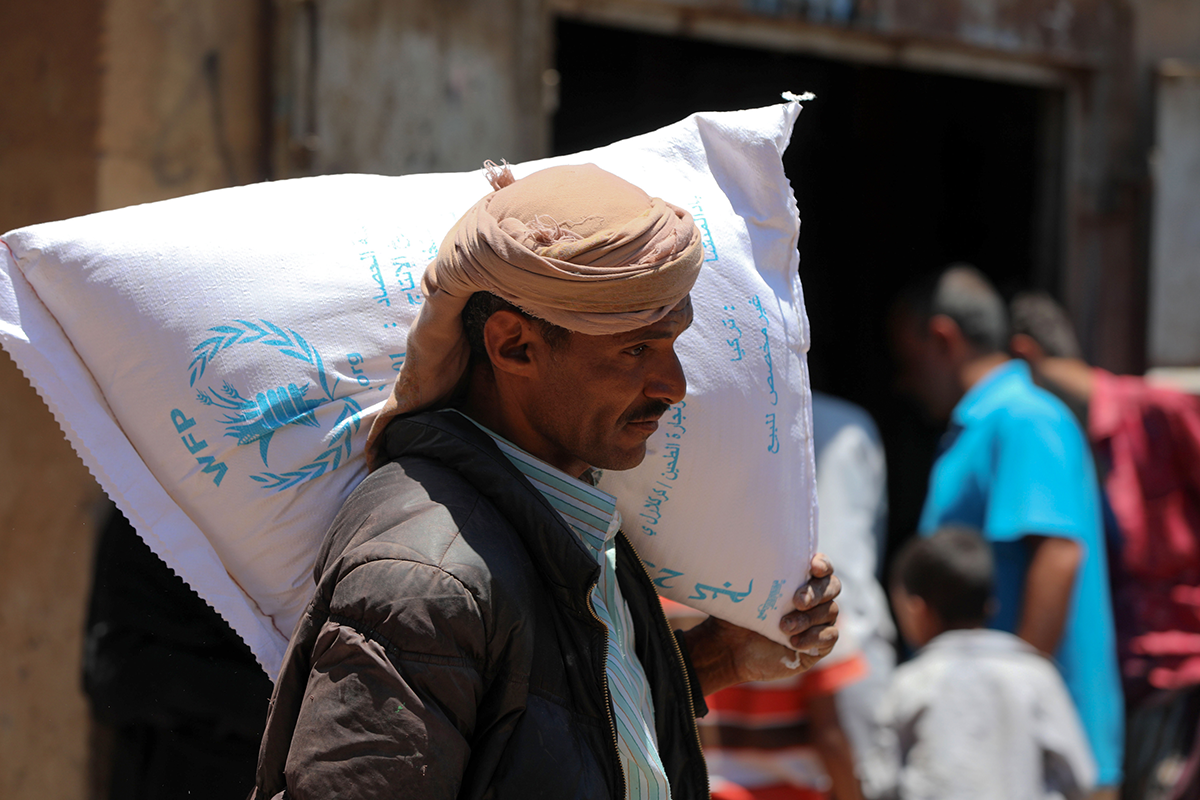
    Compounded stress: The impact of the war in Ukraine on the Middle East and North Africa
    Photo by AHMAD AL-BASHA/AFP via Getty Images
  • Analysis
  • Compounded stress: The impact of the war in Ukraine on the Middle East and North Africa

    The rapid evolution of the war in Ukraine and its horrendous humanitarian consequences caught many of us by surprise. The effects of the crisis will materially — although heterogeneously — impact MENA economies, and, sadly, can have a compounding negative effect on food security and welfare across the region.

    March 7, 2022

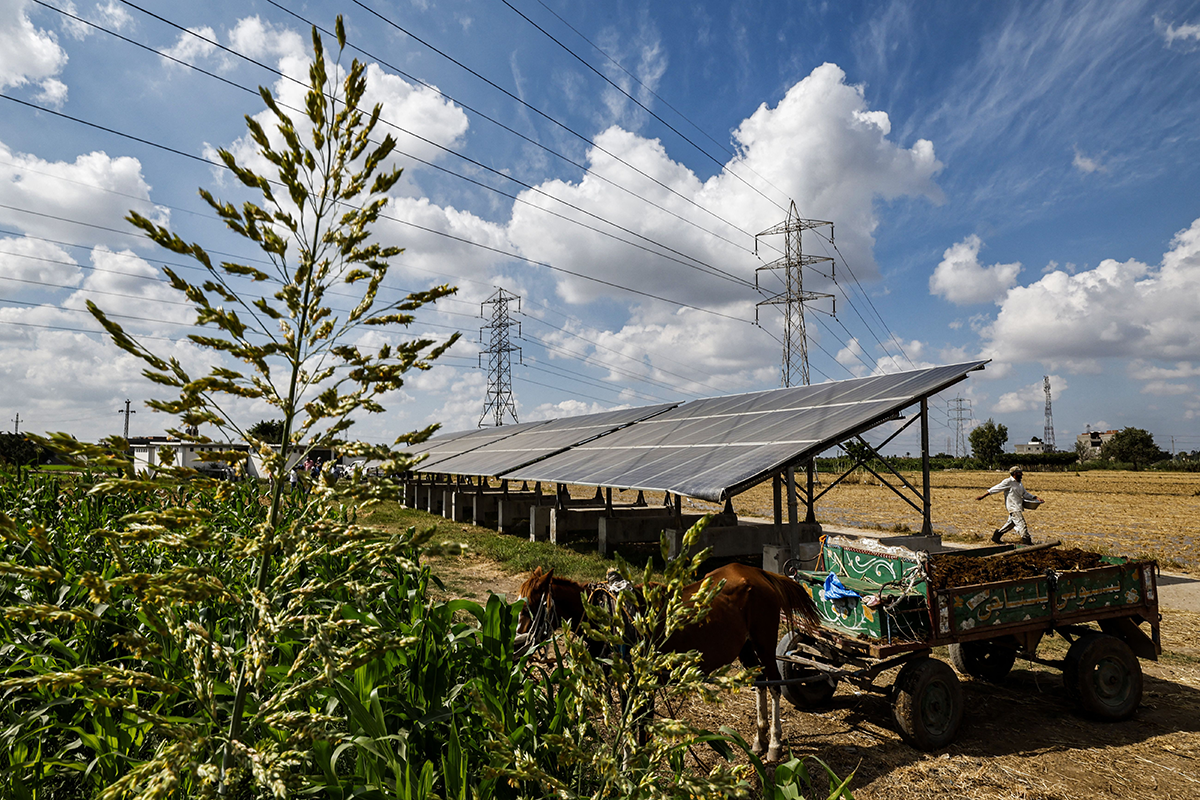
    The Political Economy of Reform in Post-COVID MENA
    Photo by FAYEZ NURELDINE/AFP via Getty Images
  • Analysis
  • The Political Economy of Reform in Post-COVID MENA

    Everybody wants development, nobody wants to change. This adage, variants of which have been attributed to many authors, is certainly true for the Middle East and North Africa (MENA).

    October 19, 2021

    Thinking MENA Futures: The Next Five Years and Beyond
    Photo by: Tyson Paul/Loop Images/Universal Images Group via Getty Images
  • Analysis
  • Thinking MENA Futures: The Next Five Years and Beyond

    The Middle East and North Africa (MENA), for a variety of reasons, are unrivaled in their need for bold, creative thinking about their future. But that is precisely why creative thinking about the future of the region — why strategic foresight — is essential. Produced in conjunction with MEI’s Strategic Foresight Initiative, Thinking MENA Futures aims to map out some of the possible futures for the region, as envisioned by thoughtful innovators working today to realize them.

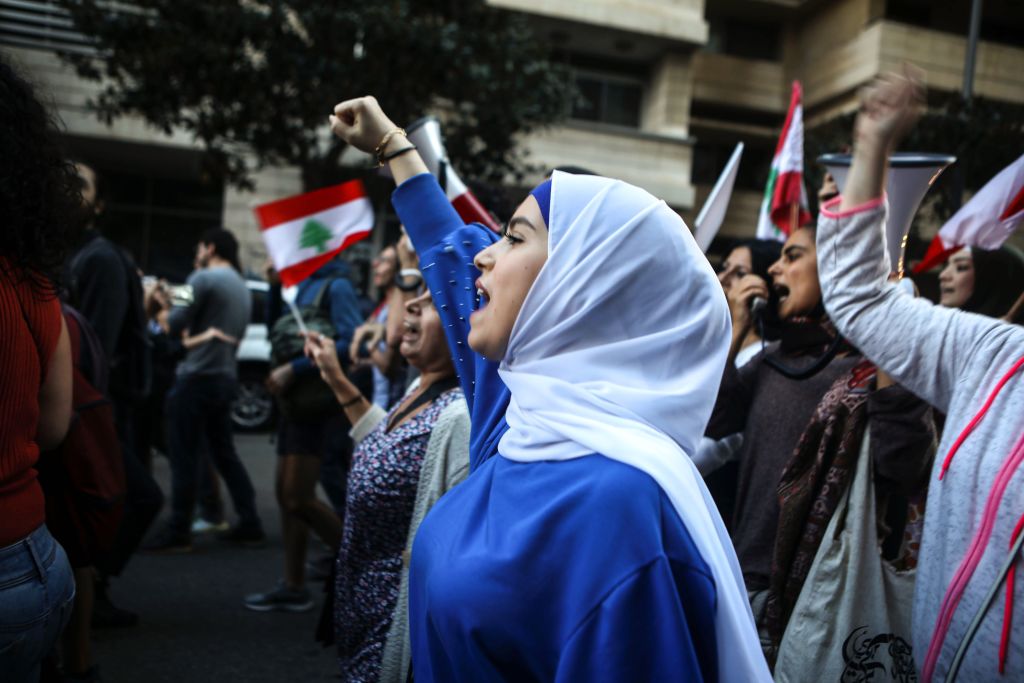
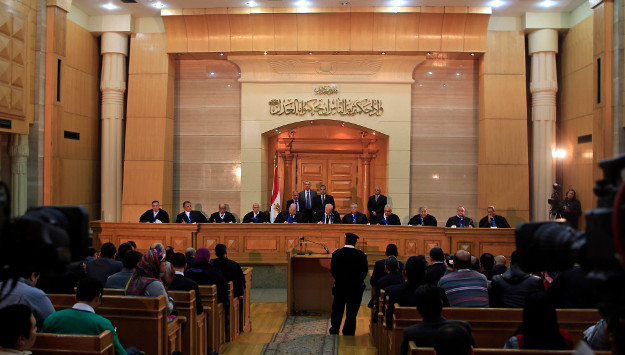
    Justice and the rule of law: The World Bank in need of reinventing itself
    Egypt's constitutional court
  • Analysis
  • Justice and the rule of law: The World Bank in need of reinventing itself

    Today, on the streets of Iraq, Lebanon, Egypt, Algeria, Tunisia, Morocco, and other countries, we hear the demands of the youth, asking for justice, governance, dignity, and jobs. In contrast to these demands, we see governments unwilling or unable to move towards systems of governance that would ensure transparency, accountability, and fair competition for all. Corruption can only be vanquished if transparency, a rigorous justice system, and credible redress mechanisms are put in place. The World Bank can and must re-engage on that path.

    October 29, 2019

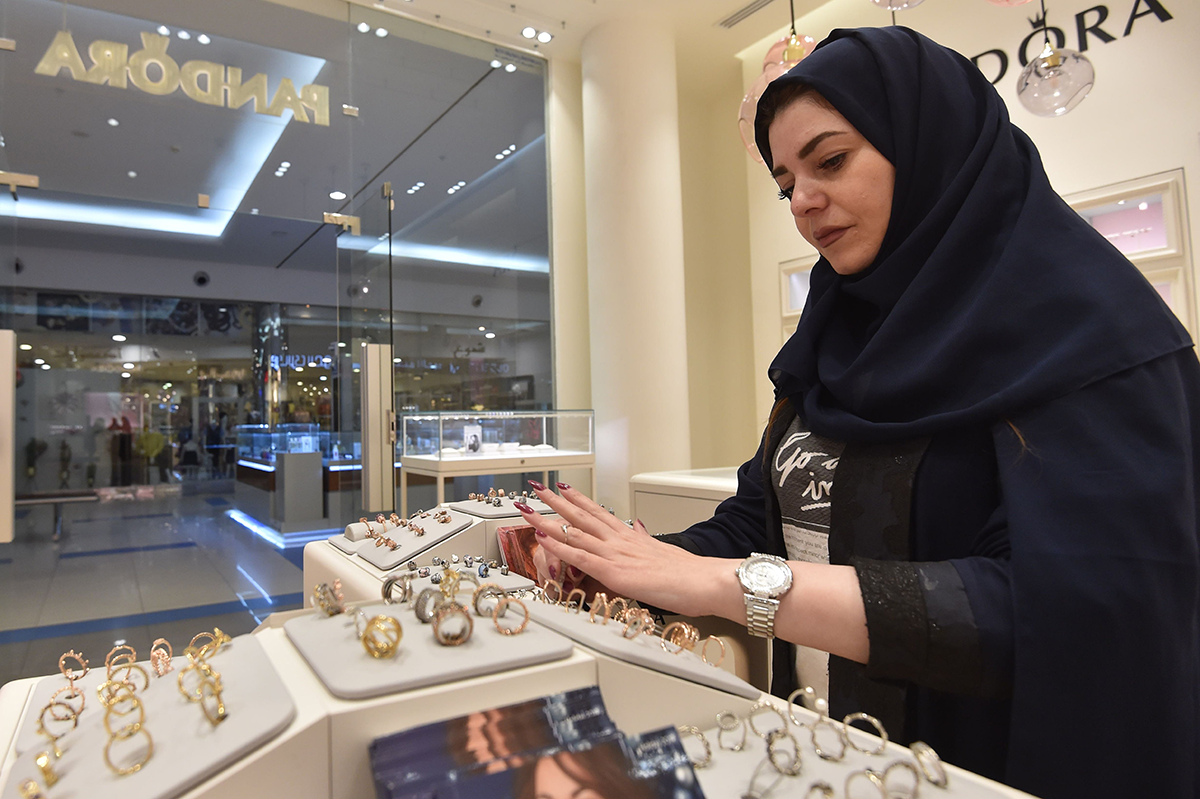
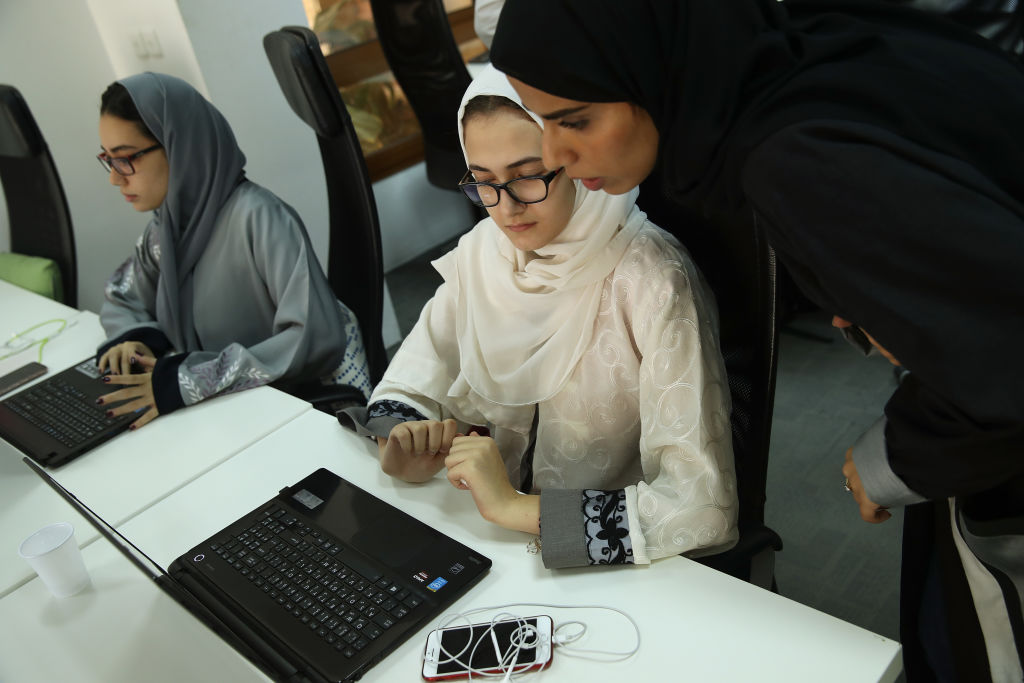
    Fair competition is needed to economically empower women in the Arab world
    Careem offices on June 23, 2018 in Jeddah, Saudi Arabia
  • Analysis
  • Fair competition is needed to economically empower women in the Arab world

    Female labor force participation levels in Arab countries are the lowest in the world — despite the rising educational attainment of women reaching working age. Indeed, young women across the Arab world exceed the education levels of young men, who are worrisomely falling behind. Remedying the underrepresentation of Arab women in the labor force and reviving the educational motivation of young men are both social and economic imperatives.

    October 8, 2019