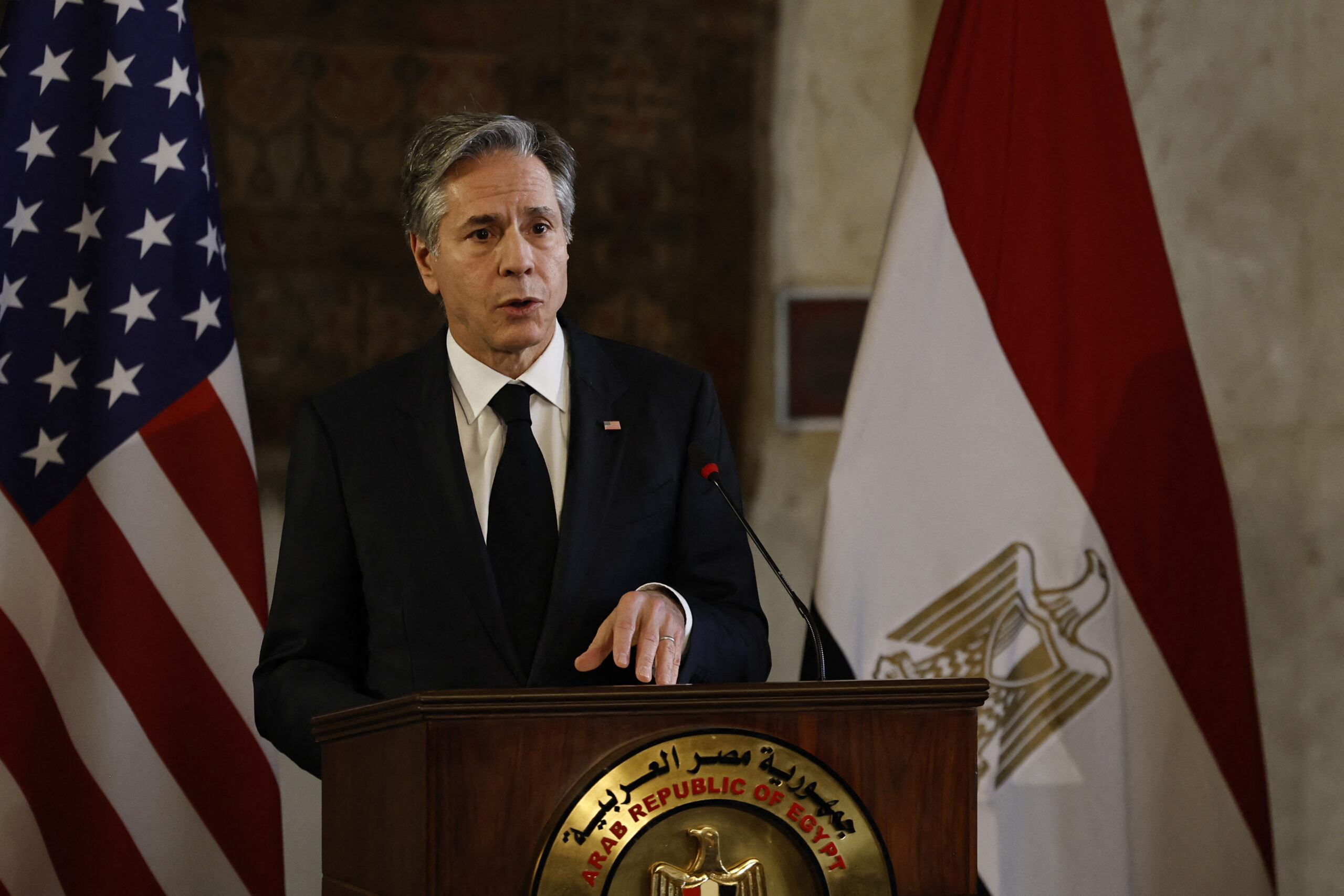
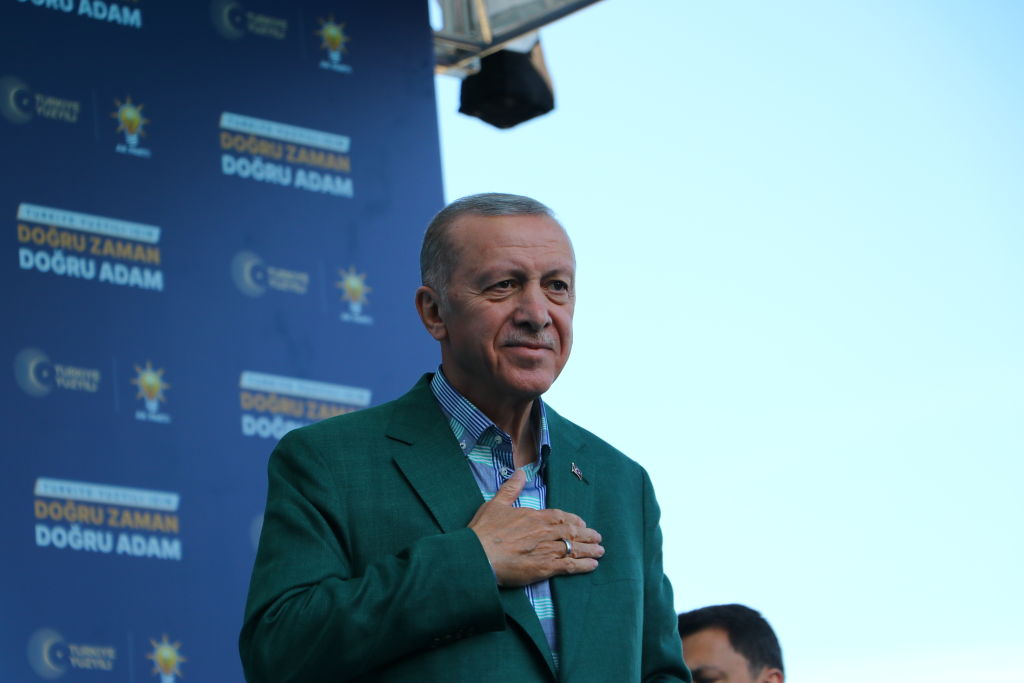
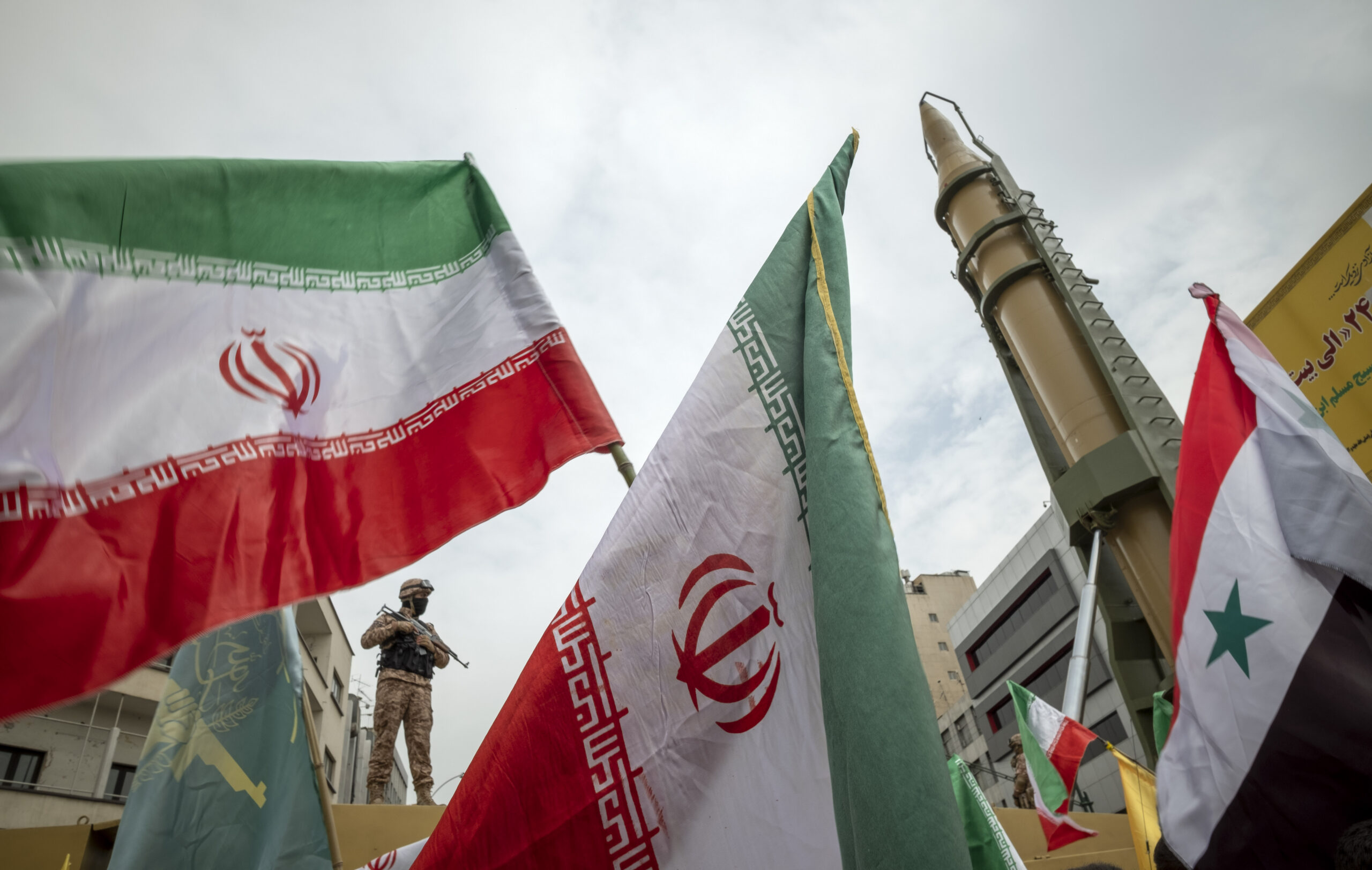
Washington says it doesn’t know who runs Iran. Tehran insists its leadership is united. MEI Senior Fellow Alex Vatanka joins hosts Alistair Taylor and Matthew Czekaj to sort out where the truth lies. They look at the small circle of political and military figures now steering the war effort in Tehran: who they are, how they make decisions, and how unified they really are. They also discuss the current state of US-Iran negotiations, the role of the upcoming midterm elections in the United States, and how the Islamic Republic is preparing for a potential renewal of conflict afterward.
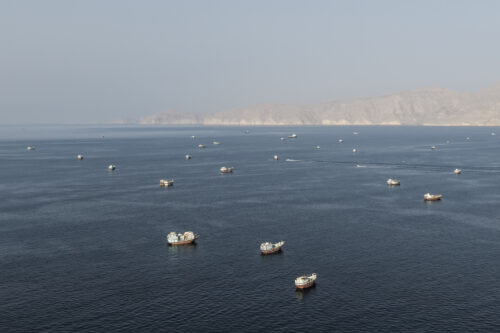
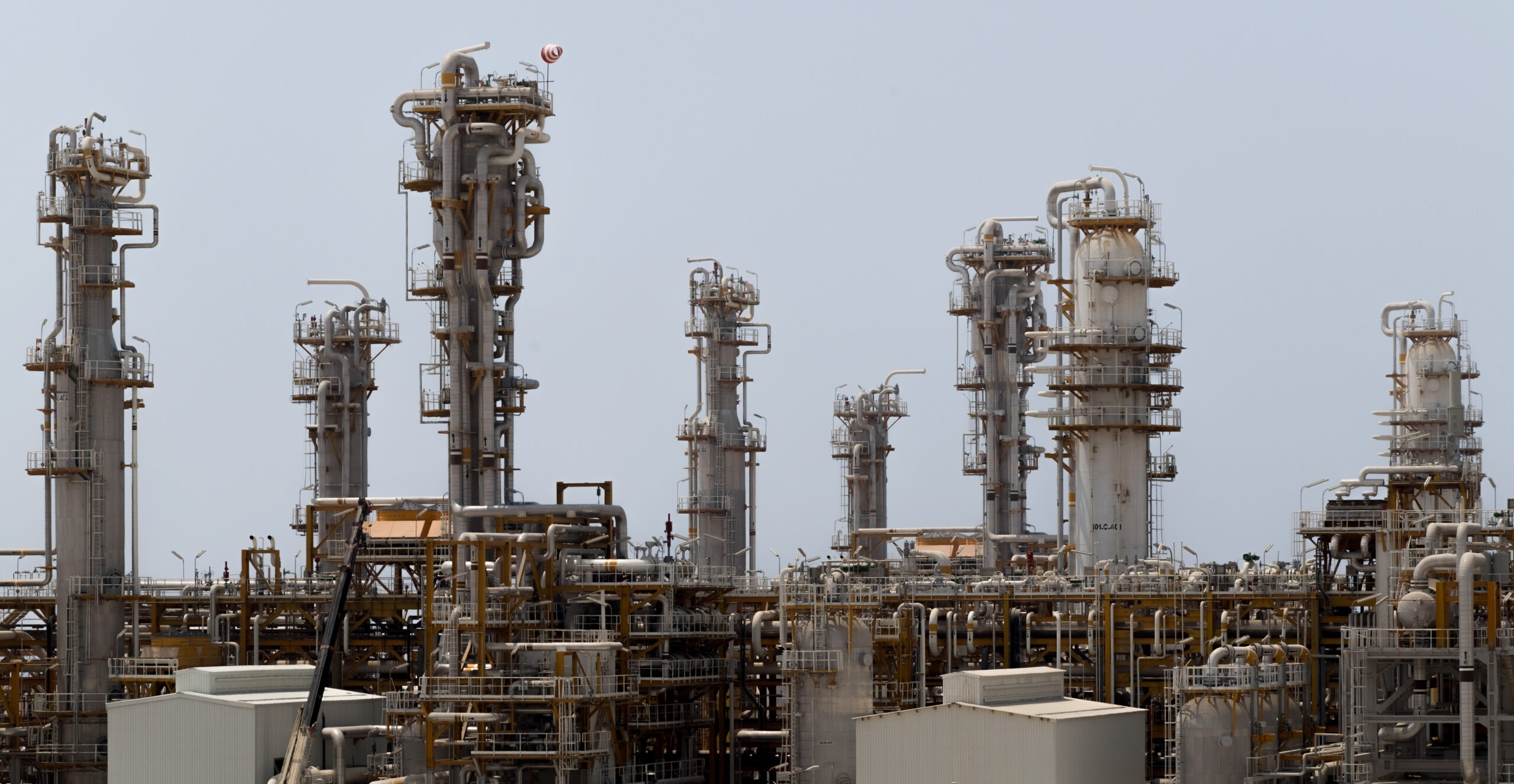
Crude oil is flowing out of the Gulf again, but the market is no better prepared for another disruption in the Strait of Hormuz. It has assembled a temporary system for managing one. Crude exports from the Gulf, excluding Iran, returned to pre-war levels in September, while total Gulf shipments reached 15.5 million barrels a day, more than 80% of the pre-conflict volume.
Many of the immediate consequences of the Israeli-American war with Iran are already clear. The further emergence of drones and missiles as dominant weapons of war; the danger to the global economy from the threats to vital chokepoints such as the Strait of Hormuz and the Bab el-Mandeb; and the inadequacy of US weapons procurement, among other issues, have garnered widespread and entirely merited attention.
Obstacles and opportunities for closer Iranian-Chinese economic cooperation
Despite a substantial growth in trade between China and Iran, especially when it comes to Chinese exports to Iran and purchases of Iranian oil, the same cannot be said for Beijing’s investments in the Iranian economy, which have remained anemic, particularly in the critical energy sector.
Iran and the GCC connectivity agenda: Implication for Washington’s Iran policy
The prevailing political spirit in the Gulf region is presently one of de-escalation. In the case of the UAE and Iran, a number of existing connections could help hasten the process of de-escalation and enable it to happen faster than anywhere else in the region.The outcome should be of interest not only to the UAE and Iran but also to the U.S. given the latter’s long-standing efforts to shape Iranian policies.
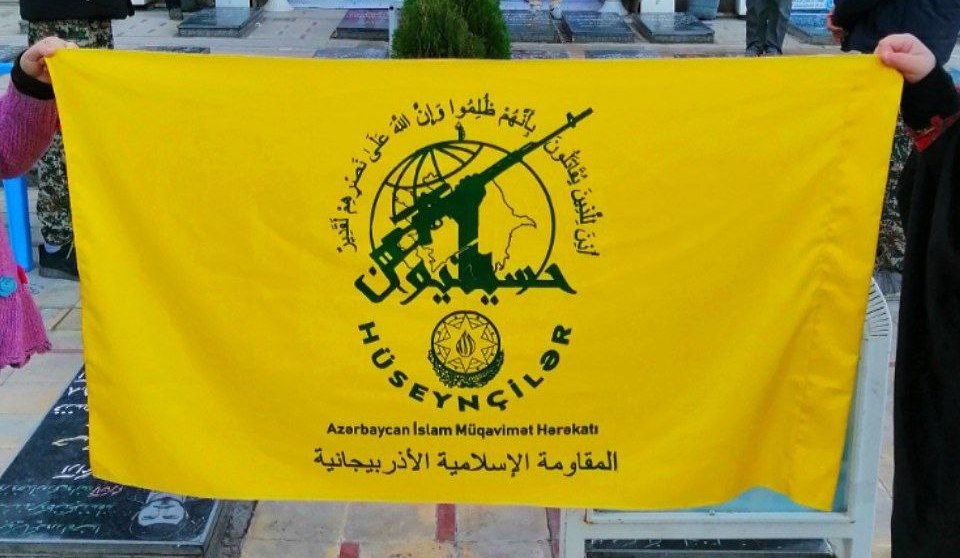
Azerbaijan's Hoseyniyun: The prospects and challenges of a Caucasus Hezbollah
The “Axis of Resistance,” a network of non-state actors aligned with Iran, has emerged as a significant force in the Middle East in the last two decades. Despite the attention given to the more well-known members of the Axis of Resistance, the Azerbaijani group Hoseyniyun, which also operates within the network, remains relatively unknown.
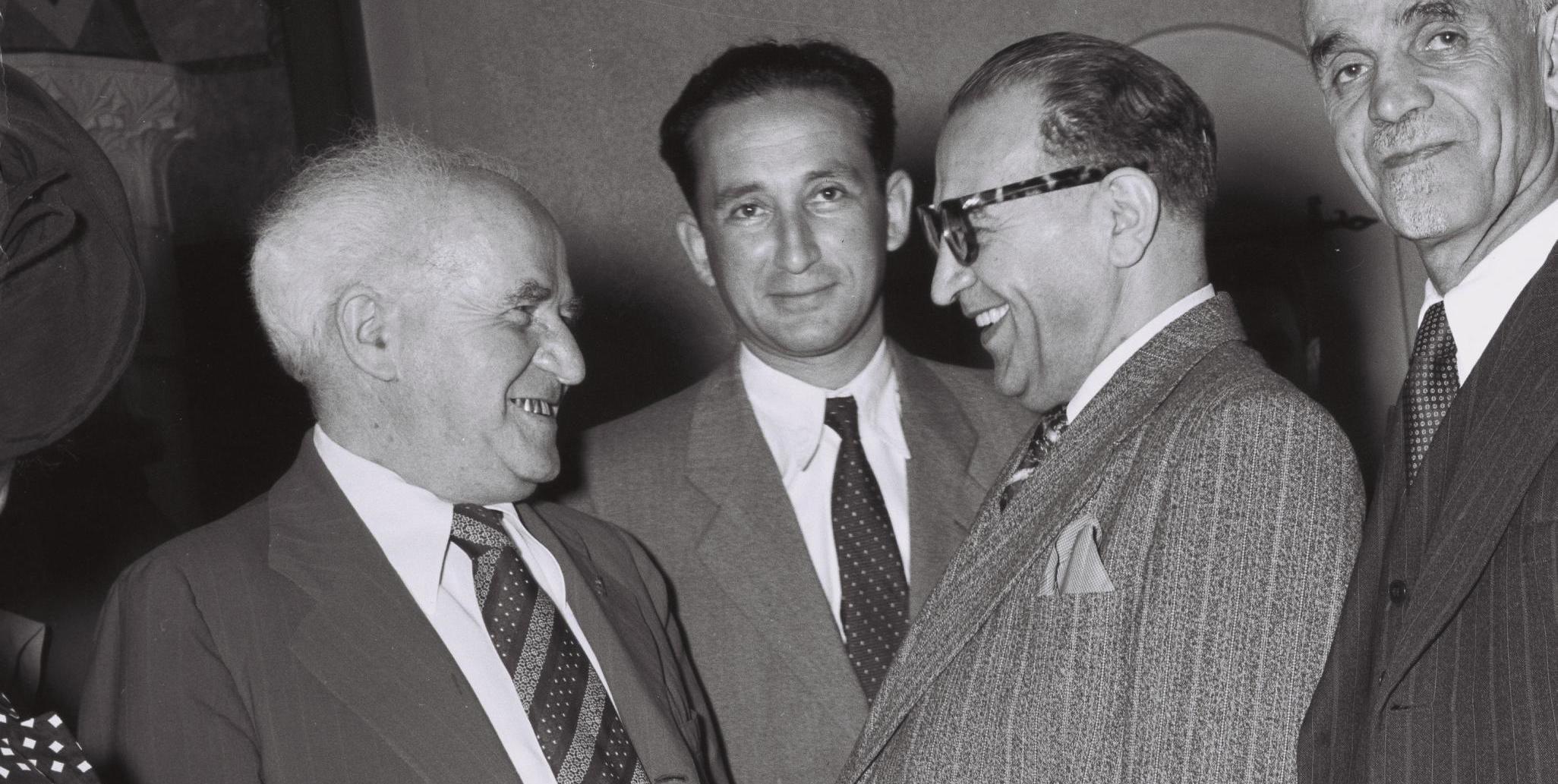
Israel’s ties with pre-revolutionary Iran provided a road map for the Abraham Accords
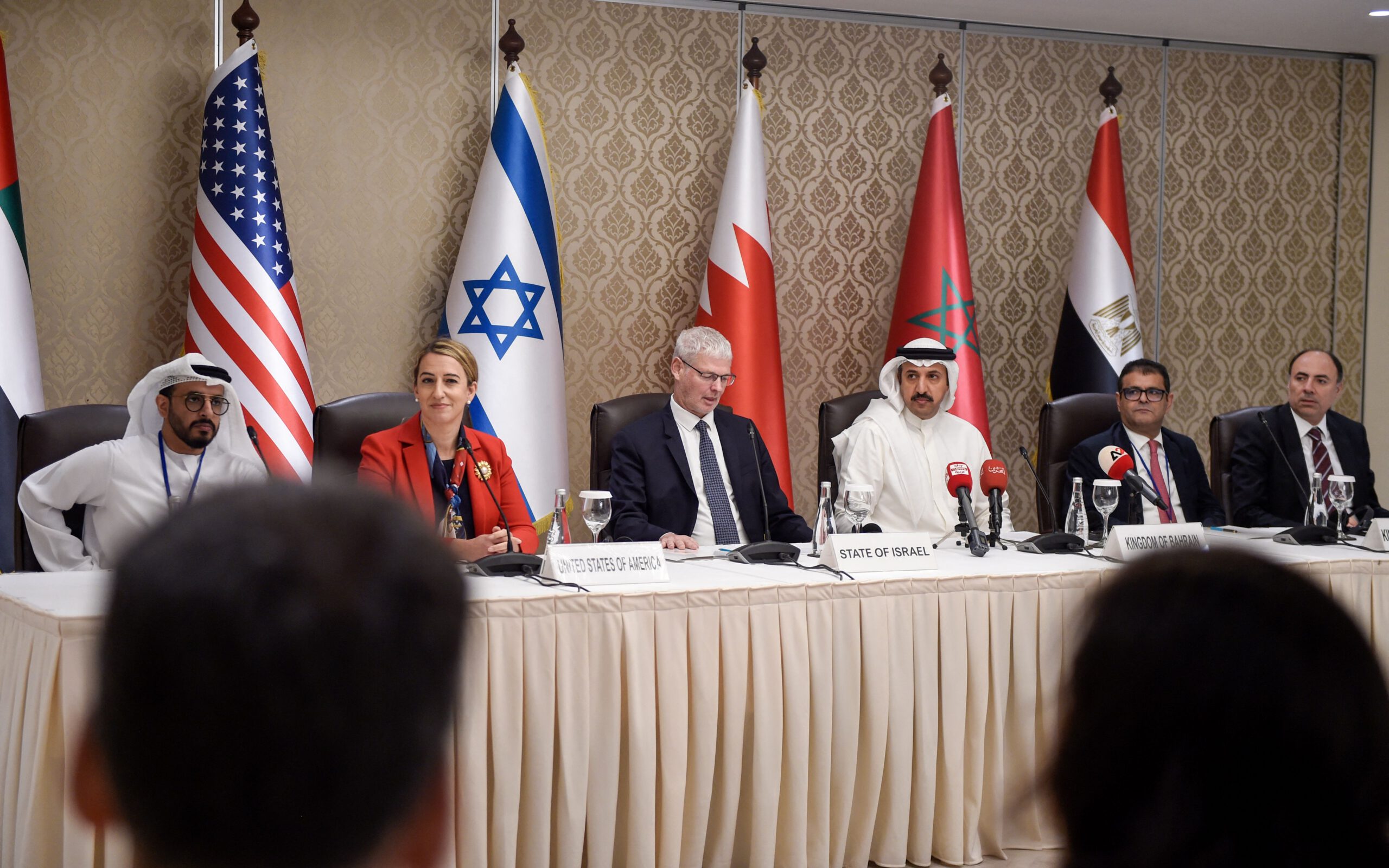
In the 1950s-1970s, the bilateral relationship between Israel and pre-revolutionary Iran provided a road map for the process leading to a normalization in ties between the Jewish state and Arab countries in the 2020s.
The recent removal of IRGC commander Ali Shamkhani from his role as the head of the Islamic Republic of Iran’s top foreign and security policy body, the Supreme National Security Council (SNSC), has triggered assessments about the potential implications for Tehran’s external calculus. But the changes at the SNSC should not be viewed in isolation. Rather, they must be understood and assessed in the context of a much deeper transformational project that began in 2019, personally spearheaded by Supreme Leader Ayatollah Ali Khamenei.
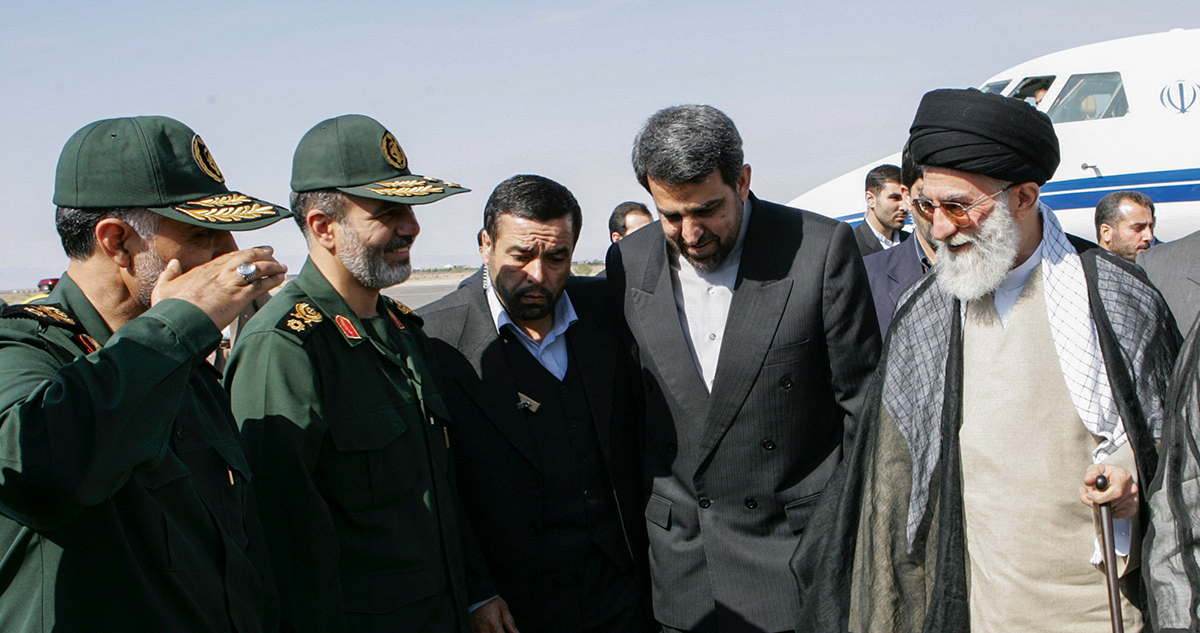
Iran’s security chief Shamkhani did his job but had to go
Late last month, Iran’s Supreme Leader Ali Khamenei opted to replace the secretary of the Supreme National Security Council (SNSC), Ali Shamkhani. The latter’s removal after 10 years spent in this key role has generated much speculation, misinformation, and outright disinformation.
Diagnosing Iran’s emerging pivot toward Russia and China
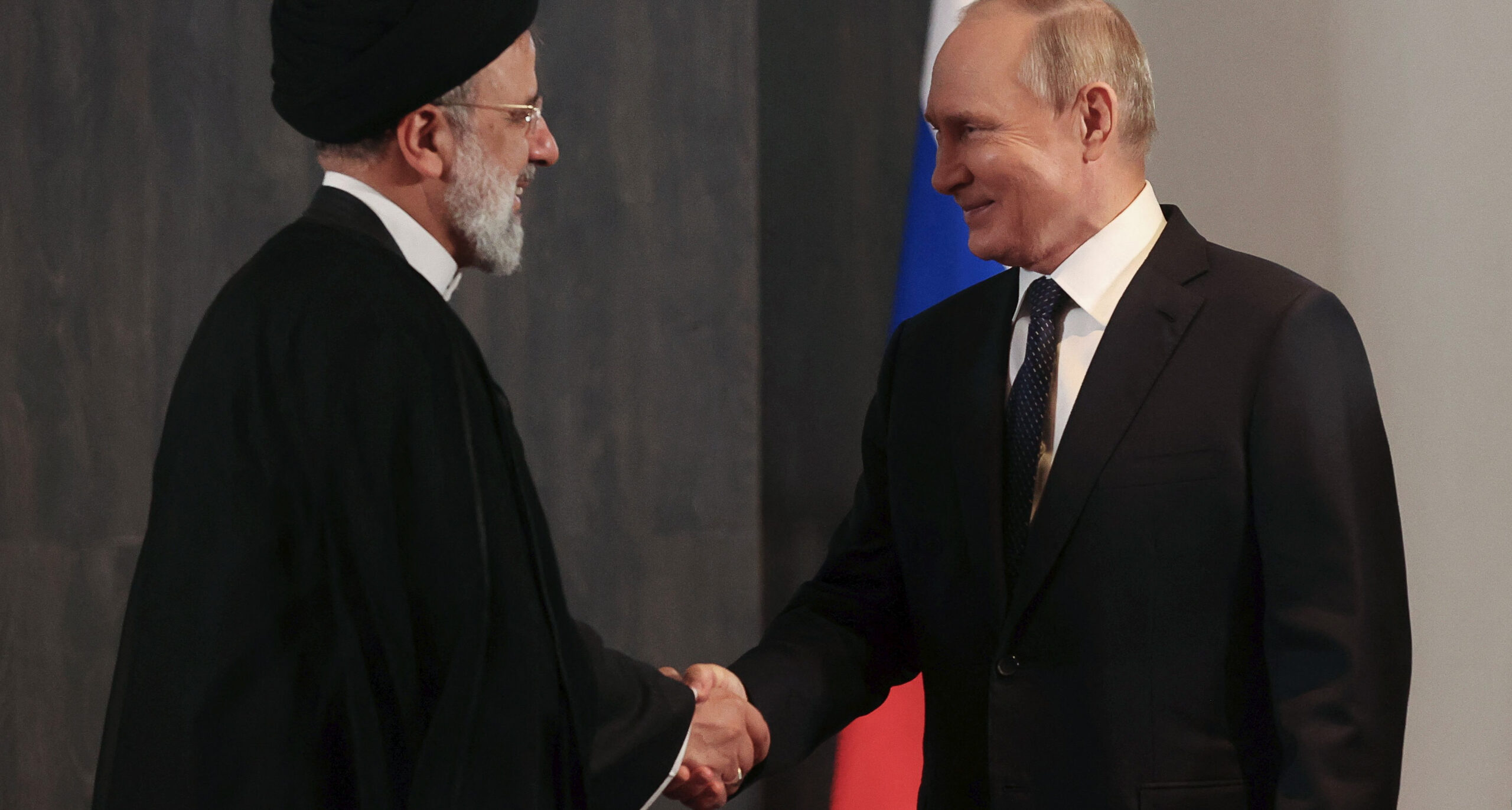
Since Raisi’s election to the presidency, Iran is pursuing a two-tiered foreign policy: a vigorous and determined shift toward Russia and China on the one hand, while, on the other hand, making incremental concessions on its nuclear program to give the impression that another deal can be struck to replace the JCPOA. The former approach is being implemented with almost zero fanfare and the latter with extensive publicity.
Putting Diplomacy First in the Middle East: Creating Incentives for De-Escalation
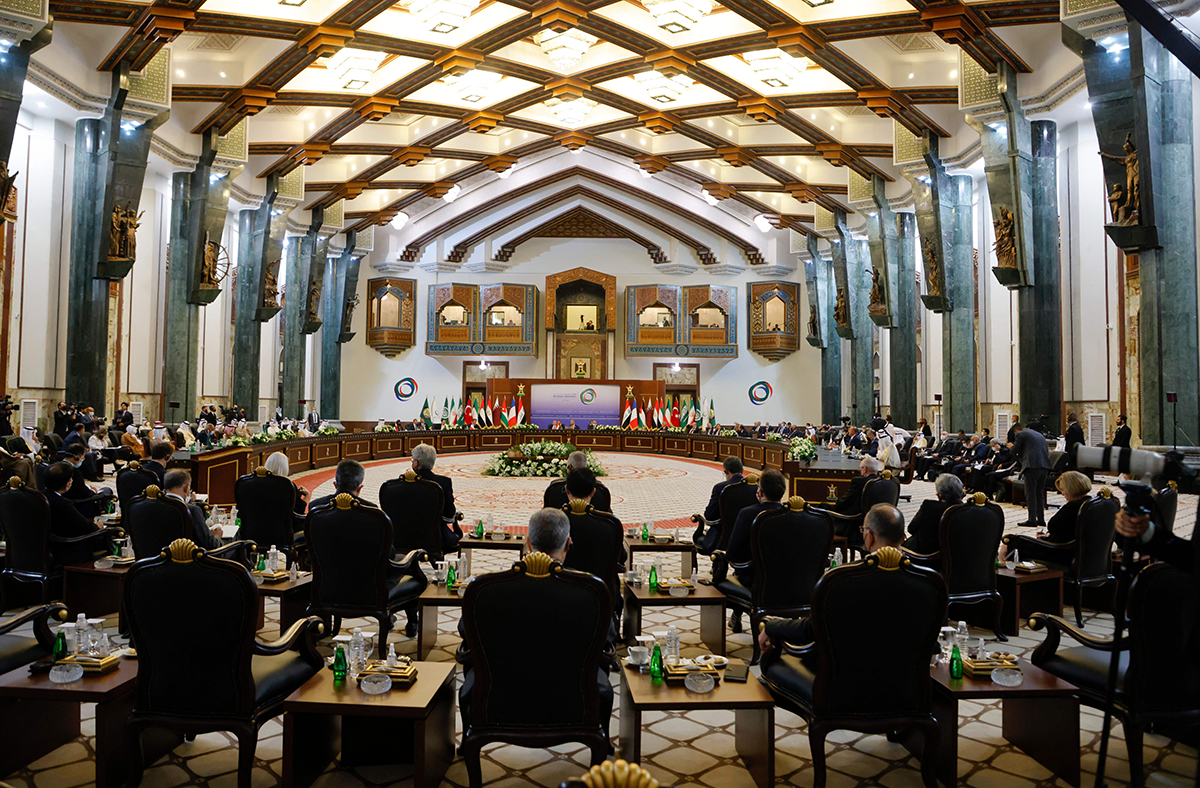
The Middle East is undergoing a historic transformation with unprecedented opportunities to build new relationships, de-escalate tensions, and foster conditions for stronger integration. At the same time, the region remains on edge because of ongoing tensions in Yemen, Syria, Iraq, and other conflict zones, a civil war that broke out recently in Sudan, along with the overarching challenges presented by fraught relations between Iran, Israel, and several Arab Gulf countries — with the longer-term implications of the still-fragile Iranian-Saudi rapprochement yet to be fully assessed.
In an era of Middle East détente, how should the US and Israel respond?
Both Washington and Jerusalem welcome any reduction in regional tensions and prospects for a more stable, secure, and prosperous environment. However, there is a risk for U.S. and Israeli policy priorities, such as that regional de-escalation will reduce pressure on Tehran to negotiate on issues of concern, especially its nuclear weapons program.
The IRGC’s enmity toward Israel is an aberration in Iranian history
Iran’s Islamic Revolutionary Guard Corps (IRGC) is at its core an ideological army, not a national one, and its notorious enmity toward Israel is an aberration in Iranian history. But many Israelis to this day think Iran could be a natural partner as long as the country gave up its pursuit of ideologically driven regional dominance, disavow calls for the destruction of Israel, and were instead to again allow the regular army, the Artesh, to pursue Iranian national interests.
The oldest peer-reviewed publication dedicated to the study of the modern Middle East, MEI’s flagship journal covers politics, society, and culture in the region.