Washington says it doesn’t know who runs Iran. Tehran insists its leadership is united. MEI Senior Fellow Alex Vatanka joins hosts Alistair Taylor and Matthew Czekaj to sort out where the truth lies. They look at the small circle of political and military figures now steering the war effort in Tehran: who they are, how they make decisions, and how unified they really are. They also discuss the current state of US-Iran negotiations, the role of the upcoming midterm elections in the United States, and how the Islamic Republic is preparing for a potential renewal of conflict afterward.
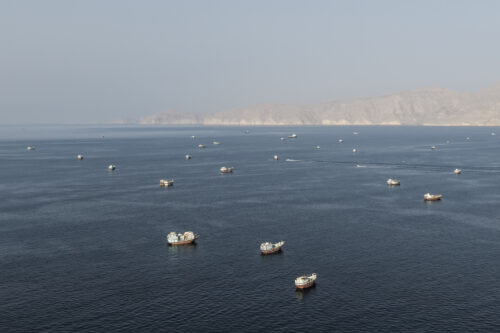
Crude oil is flowing out of the Gulf again, but the market is no better prepared for another disruption in the Strait of Hormuz. It has assembled a temporary system for managing one. Crude exports from the Gulf, excluding Iran, returned to pre-war levels in September, while total Gulf shipments reached 15.5 million barrels a day, more than 80% of the pre-conflict volume.
Many of the immediate consequences of the Israeli-American war with Iran are already clear. The further emergence of drones and missiles as dominant weapons of war; the danger to the global economy from the threats to vital chokepoints such as the Strait of Hormuz and the Bab el-Mandeb; and the inadequacy of US weapons procurement, among other issues, have garnered widespread and entirely merited attention.
Alex Vatanka joins host Alistair Taylor to discuss the future of the Islamic Revolutionary Guard Corps, the branch of the Iranian military charged with safeguarding the Islamic Republic, and its proxy warfare strategy.
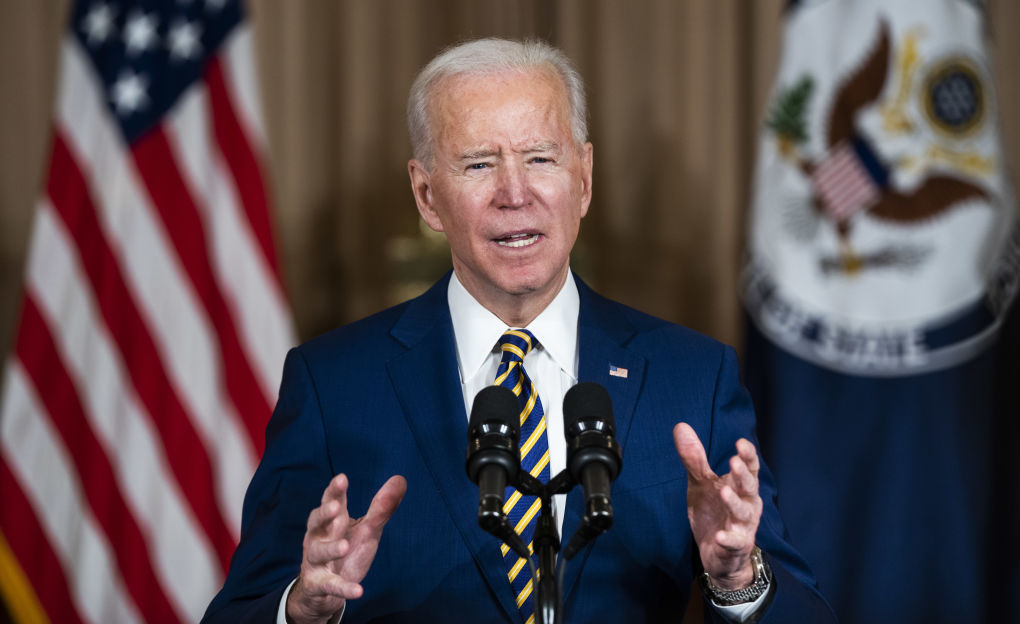
The Biden Administration and the Middle East: Policy Recommendations for a Sustainable Way Forward
In a new policy briefing book, entitled The Biden Administration and the Middle East: Policy Recommendations for a Sustainable Way Forward, MEI scholars tackle a large number of country-specific and region-wide issue areas, laying out both the abiding U.S. interests and specific recommendations for Biden administration policies that can further U.S. interests amid a region in turmoil.
How is Iran responding to Biden’s policy shift on Yemen?
On Feb. 4, President Joe Biden announced the end of U.S. support for the Saudi Arabia-led coalition’s offensive military operations in Yemen. This decision fuelled optimism about a U.S. return to negotiations over the JCPOA with Iran. Instead of engaging with the United States, Iran has supported the Houthi-orchestrated Marib offensive and stepped up its diplomatic efforts in Yemen.
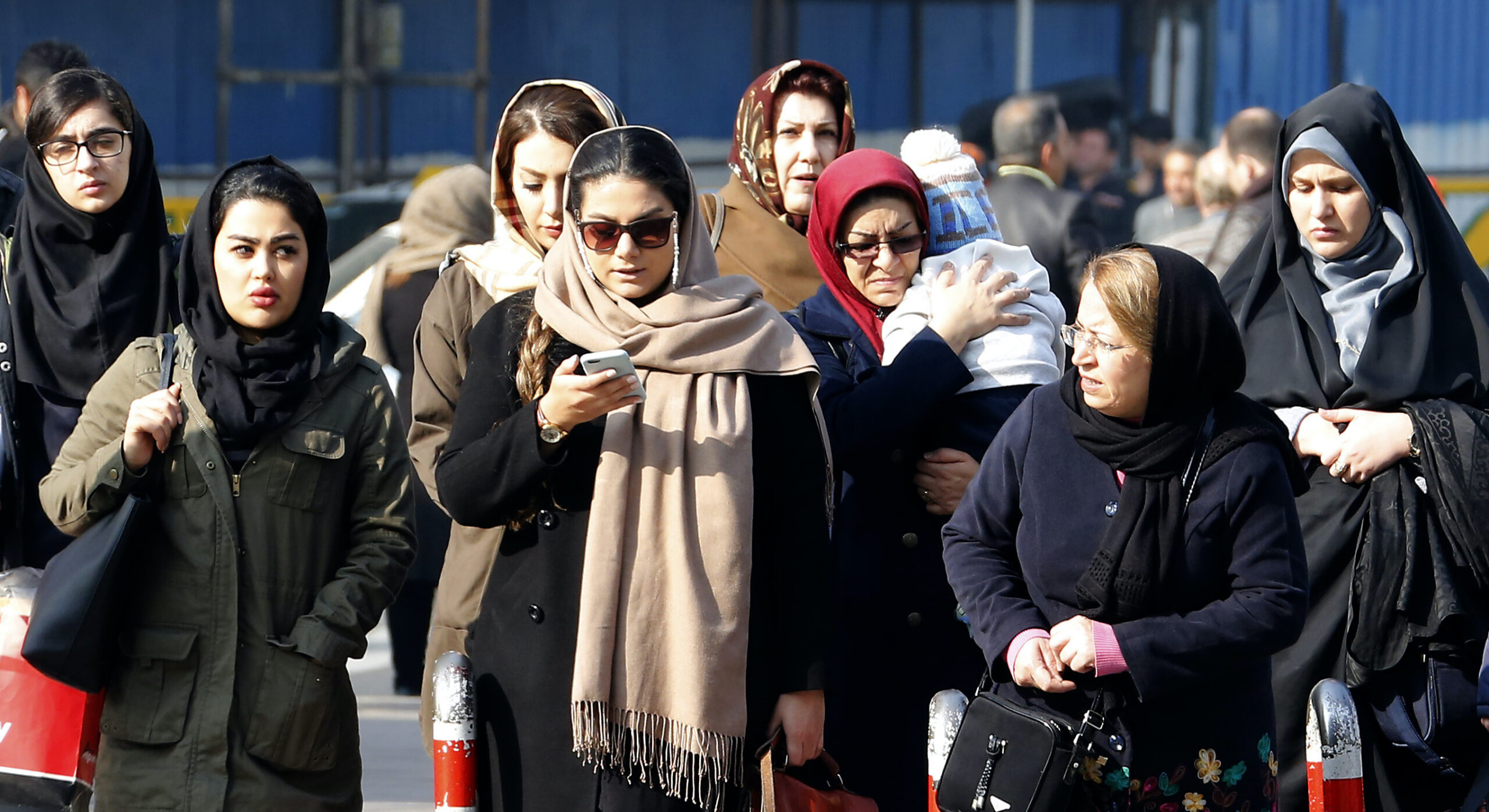
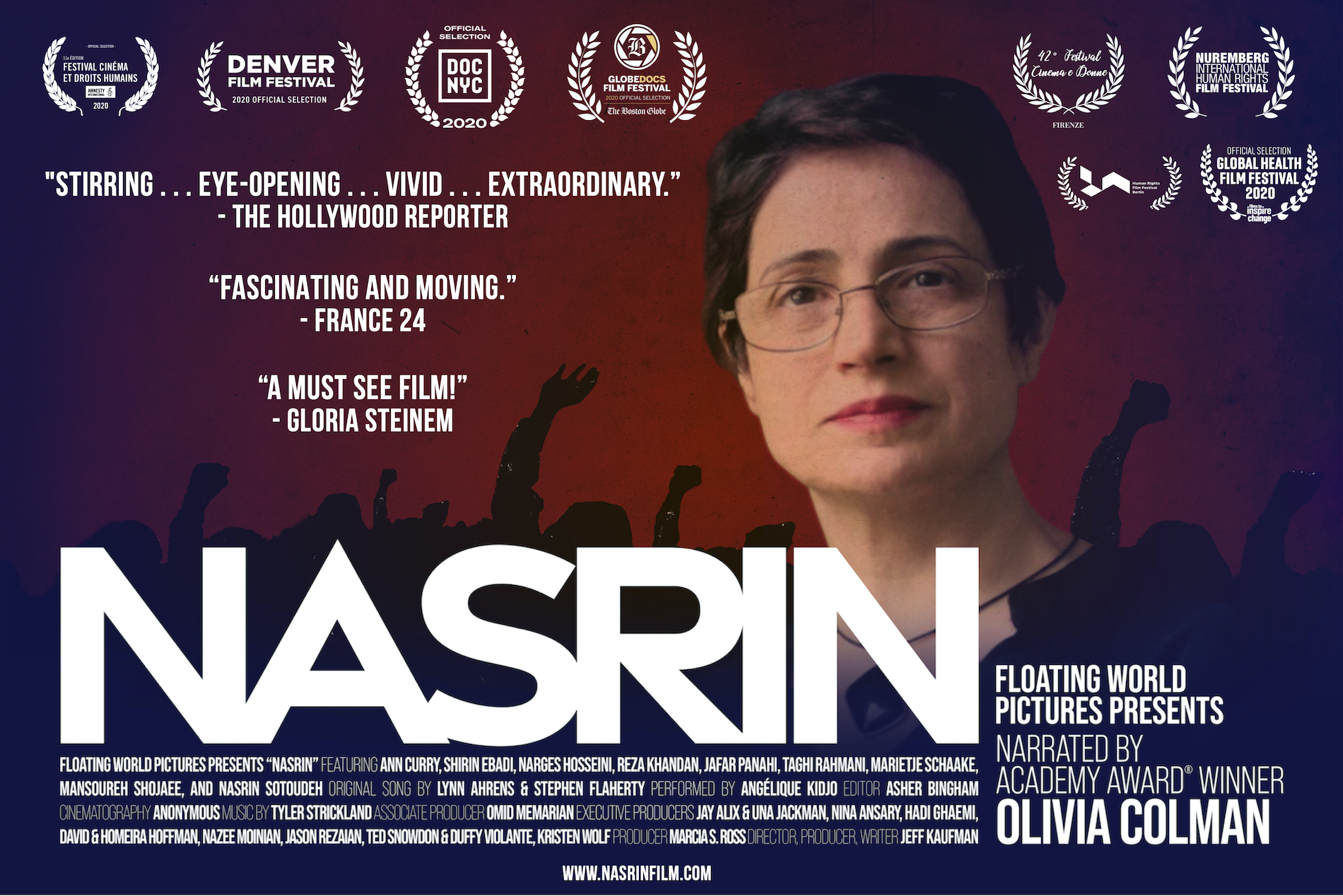
Iranian and Saudi women: Overcoming comparative suffering?
For many decades, Iran and Saudi Arabia have been bitter rivals, but not over women. If there was a competition, it was only over whose government could impose more limitations on their female population.
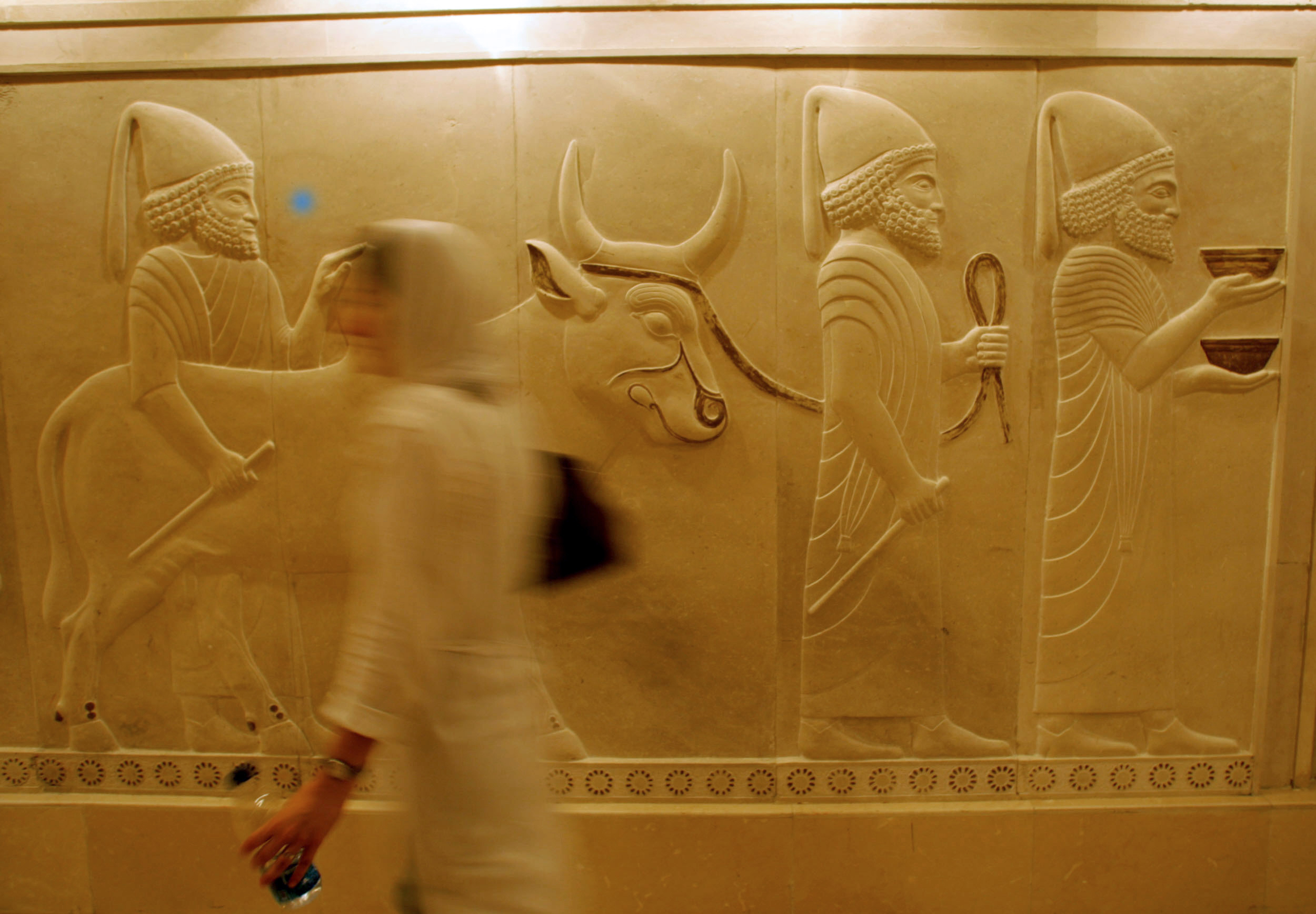
In the face of Islamic laws, Iranian women are reappropriating Ancient Persian culture
Iran is an Islamic country where, according to official statistics, over 99% of the citizens are Muslim. Even though the state in Iran advocates for Islamic laws and regulations for all citizens, over 60% of Iranians identified themselves as non-Muslim according to a survey in June 2020 by the research institute “the Group for Analyzing and Measuring Attitudes in Iran” (GAMAAN). Only 32.2% of the 40.000 interviewed identified themselves as Shi‘a Muslim; 5% as Sunni Muslim; 22.2% as non-religious; 8.8% identified themselves as atheist; 7.1% as spiritual and 7.7% as Zoroastrian.
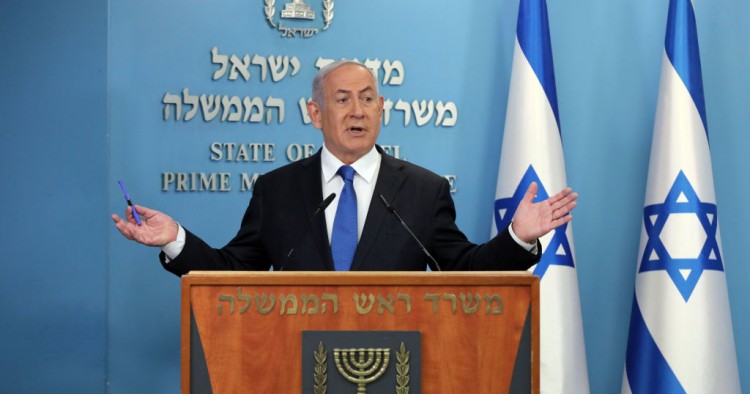
The understandings reached between Washington and Jerusalem half a century ago establish the critical context for the Biden administration’s current effort to restore the JCPOA, which Israeli Prime Minister Benjamin Netanyahu fiercely opposed during its adoption by the U.N. Security Council in July 2015 and which he still bitterly contests today.
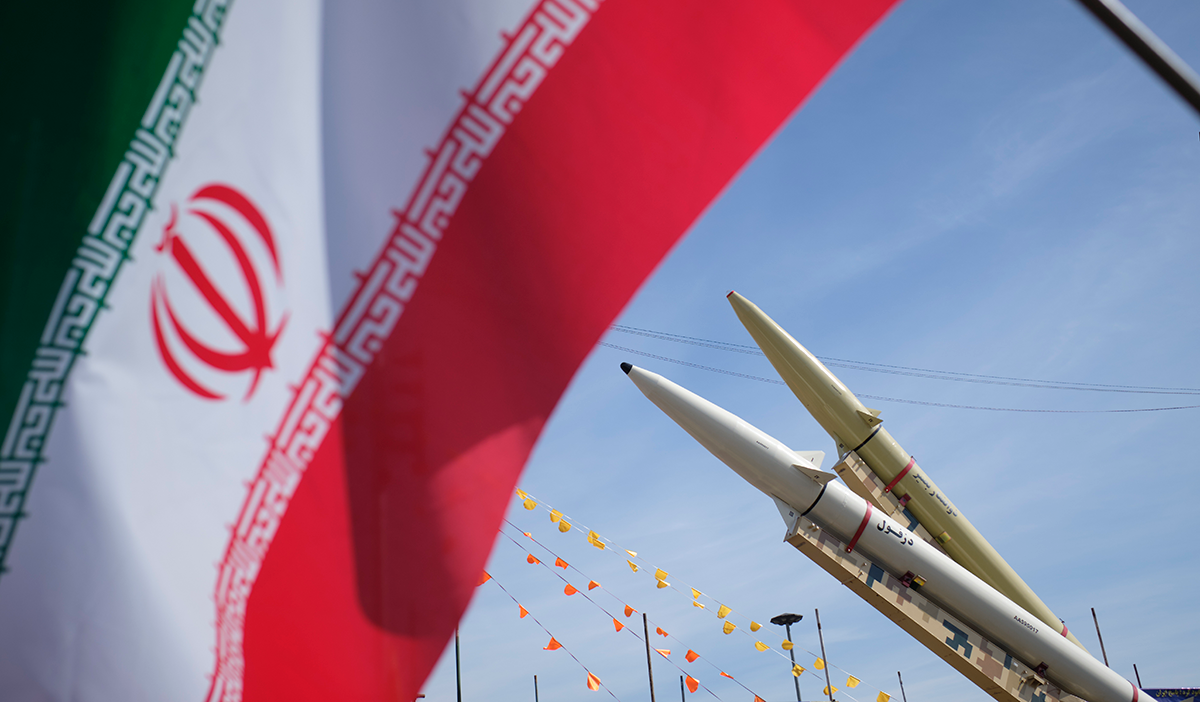
Why Biden shouldn’t seek to deprive Iran of conventional deterrence
Earlier in February, Iran’s minister of intelligence, Mahmoud Alavi, signaled that if the U.S. continues provoking the country, Tehran might lash out like a “cornered cat” and consider the nuclear option. Will Joe Biden’s late reentry into the JCPOA and the expected resulting increase in tensions influence Iran’s strategic logic on nuclear weapons? A look back at the history of Iran’s decision making on the issue suggests that shifts in military threat assessments are as important as technical developments when it comes to Tehran’s nuclear strategy.
Iran’s attempts to achieve cyber dominance both within the MENA region and around the world have been well documented, particularly its efforts to spread pro-Iranian messaging and “tell Iran’s story.” This strategy is shaped by the challenging international context facing Tehran, which is suffering economically under U.S. sanctions and largely constrained from purchasing weapons under a recently expired U.N. arms embargo.
The oldest peer-reviewed publication dedicated to the study of the modern Middle East, MEI’s flagship journal covers politics, society, and culture in the region.