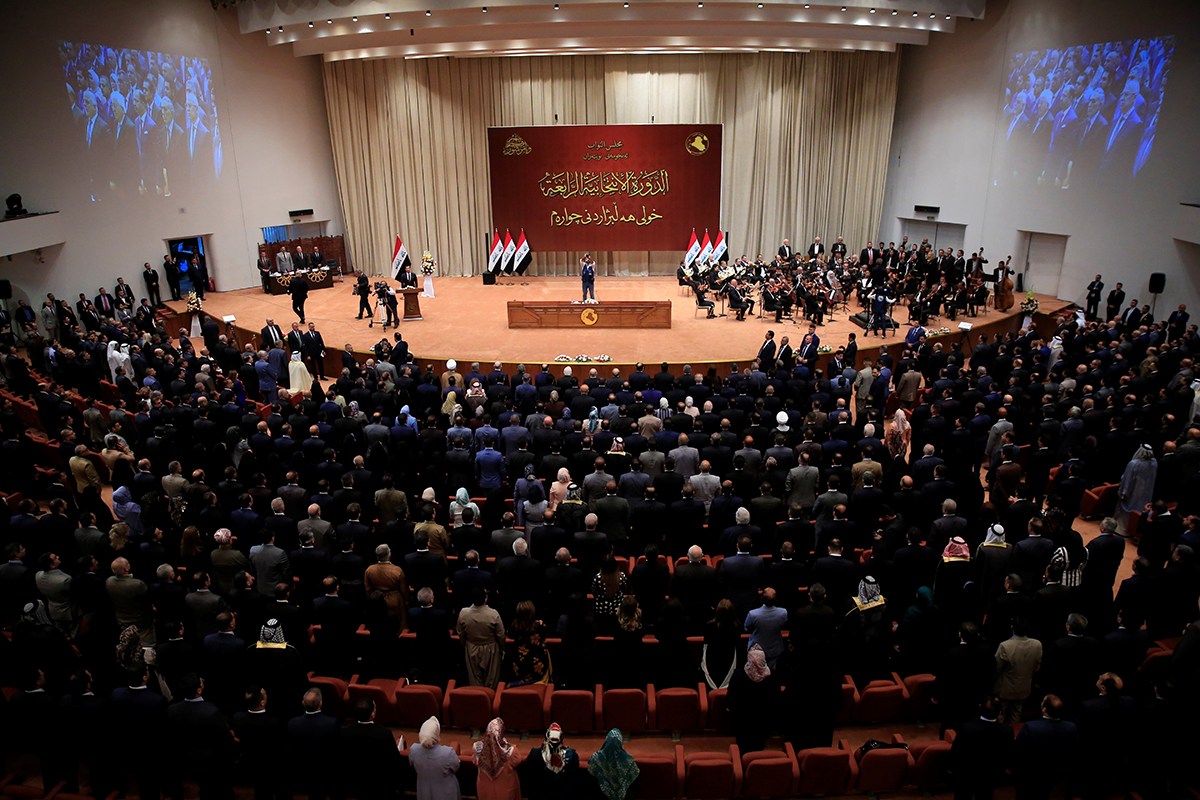
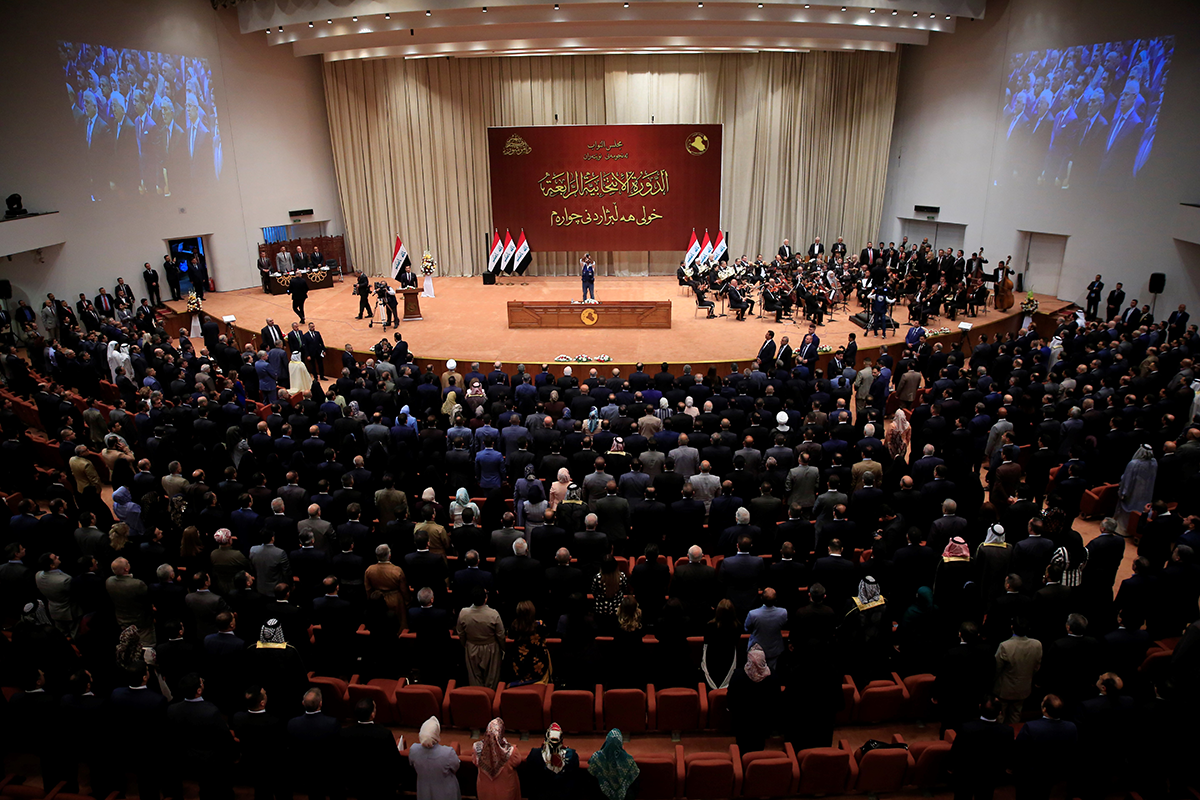
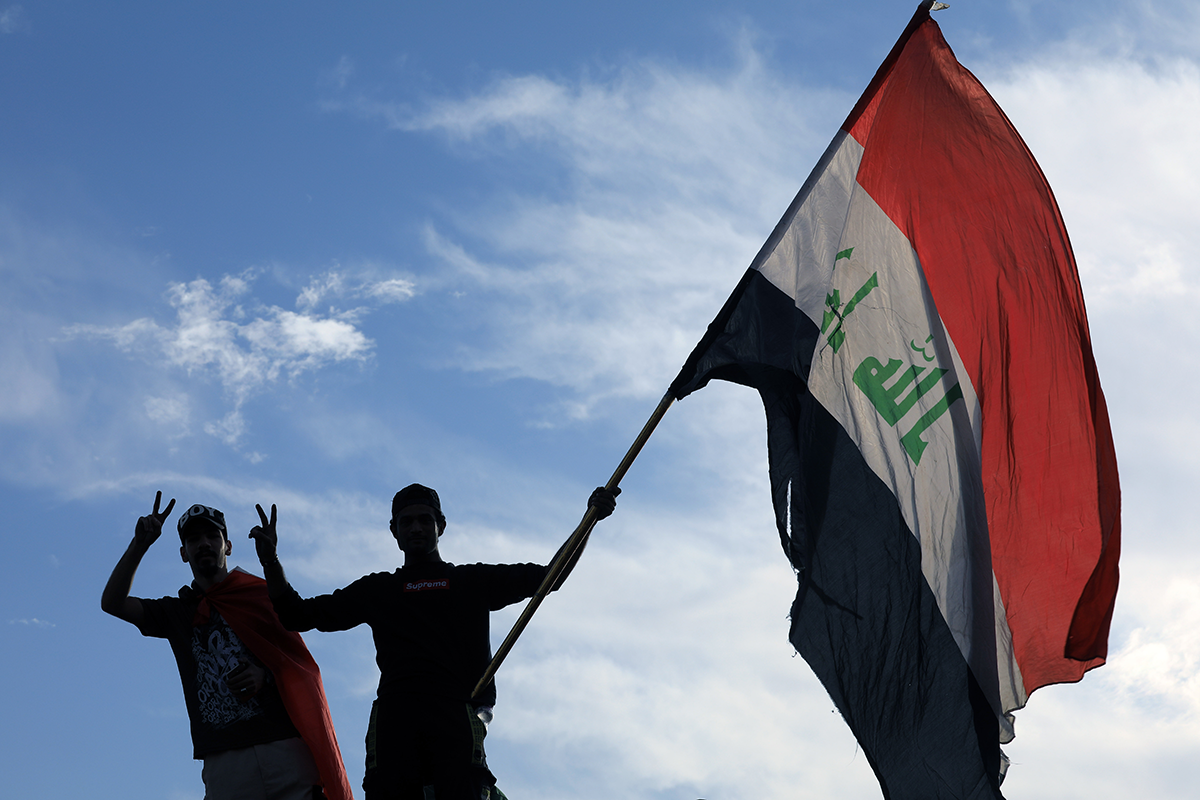
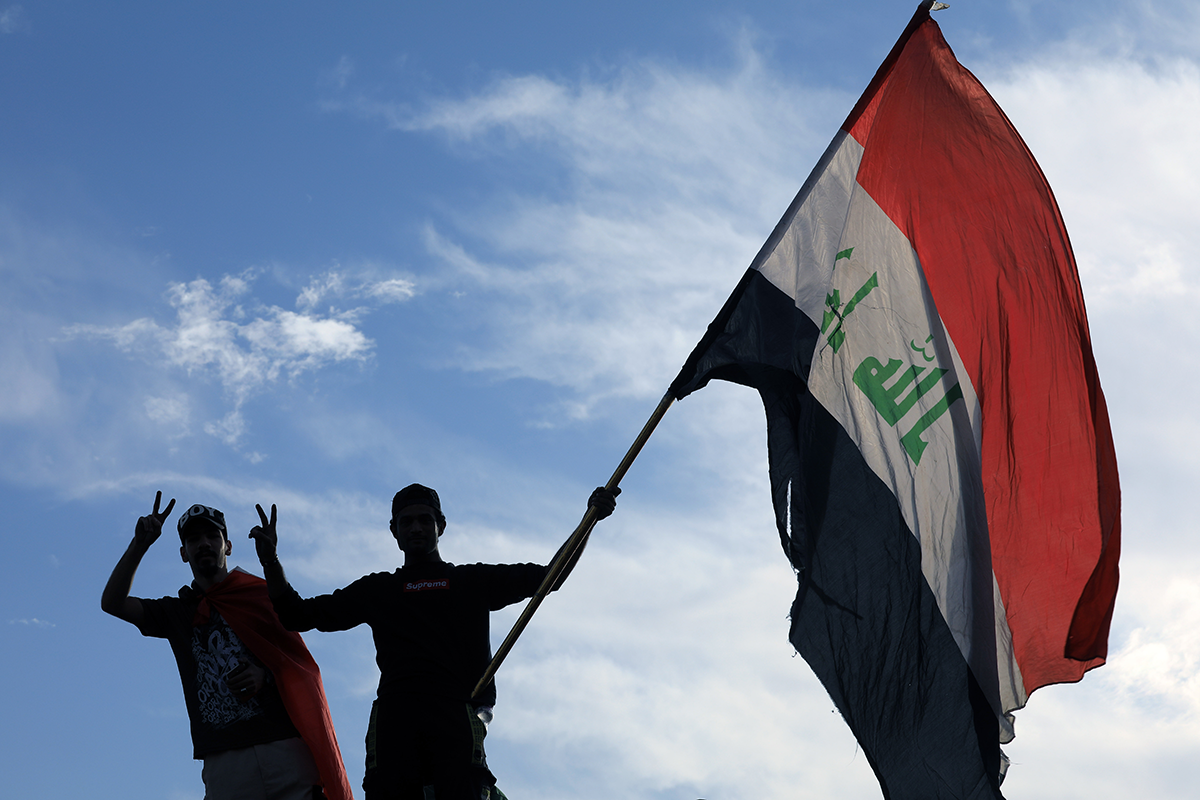
The Americans Are Gone. Will Iraq’s Militias Disarm?
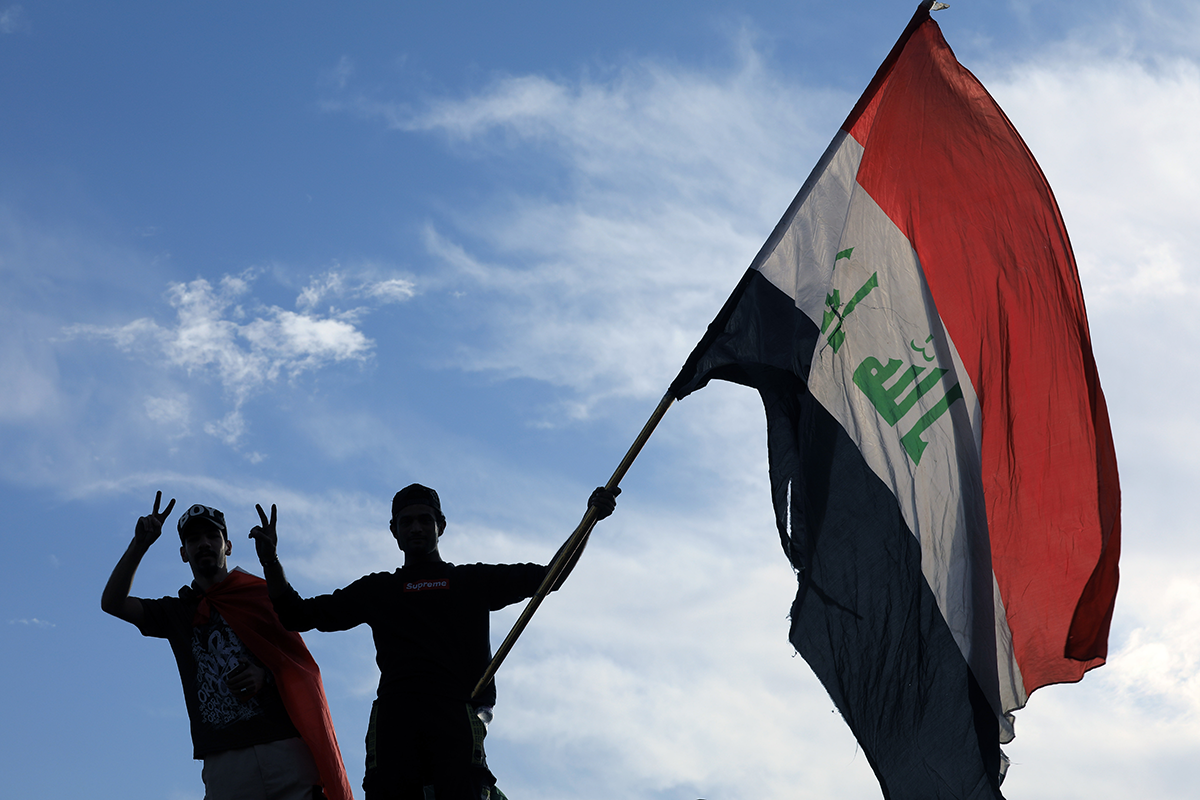
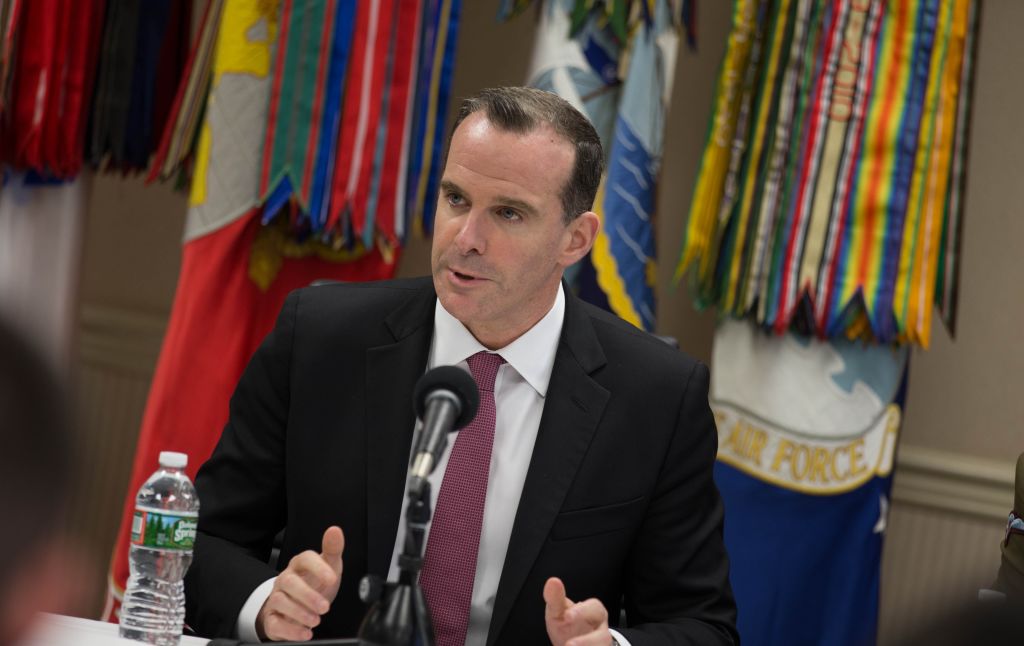
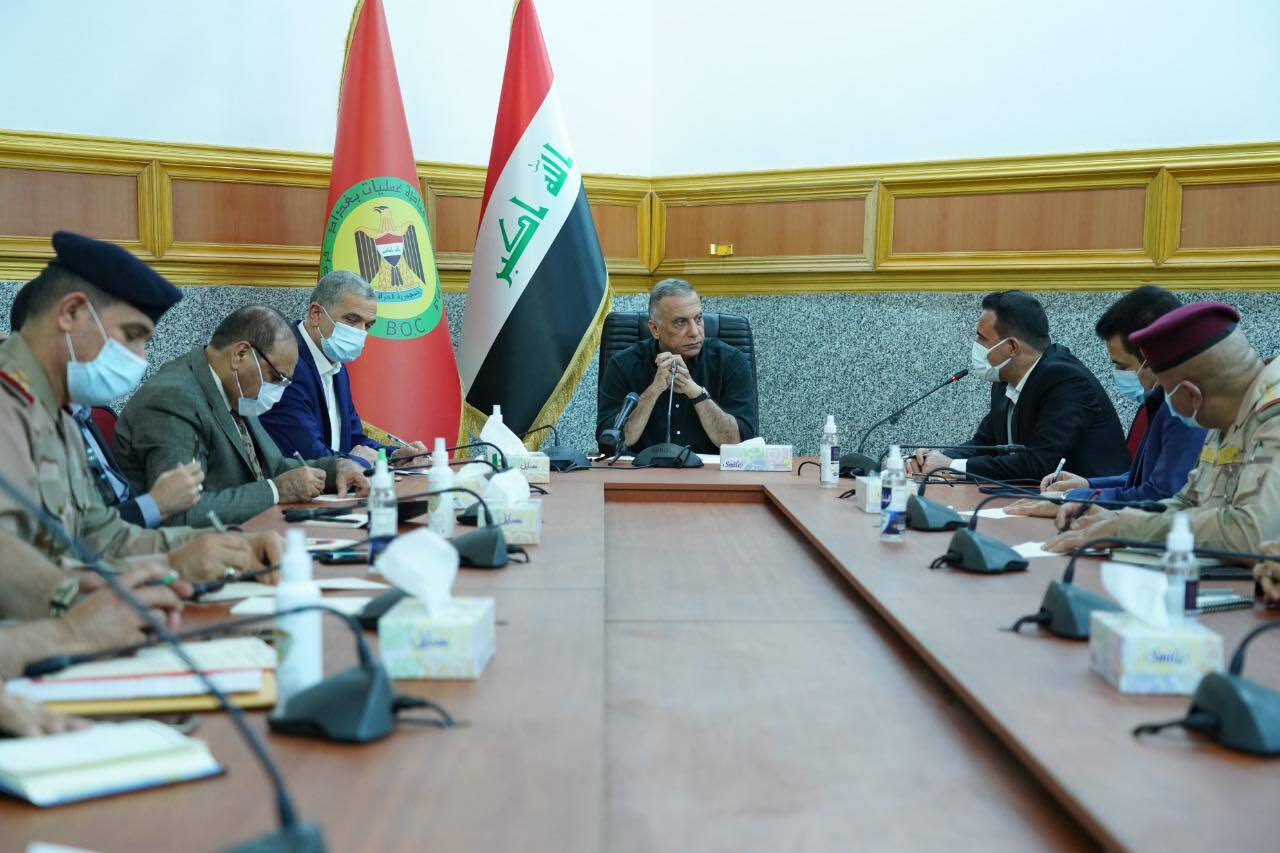
On September 30, the US completed its military withdrawal from Iraq, ending a 12-year-long mission to combat ISIS that began in 2014. The date was also meant to be the deadline for disarming the largely Iranian-backed militias known as the Popular Mobilization Forces (PMF), but Prime Minister Ali al-Zaidi has now pushed that cutoff back to June 30, 2027. MEI Distinguished Diplomatic Fellow Amb. (ret.) Robert S. Ford joins hosts Alistair Taylor and Matthew Czekaj to discuss what the US military withdrawal means for Iraqi security and the nature of the bilateral relationship going forward. They also speak about what it will take for Baghdad to bring the PMF militias to heel, and how Iraq may navigate the post-Iran war era.
It has become a commonplace for Americans to describe our current war with Iran as stuck in a kind of limbo, neither full war nor real peace. We’re not the only ones. Iraq finds itself caught in a limbo of its own, and like our own muddled state of affairs, theirs too is one largely — but not solely — of our devising.
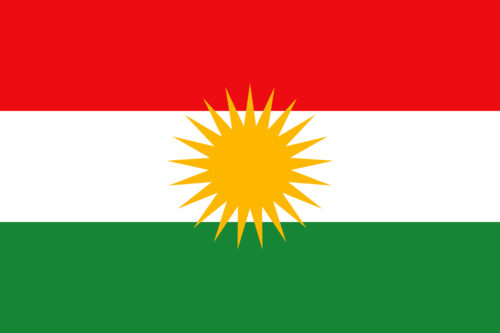
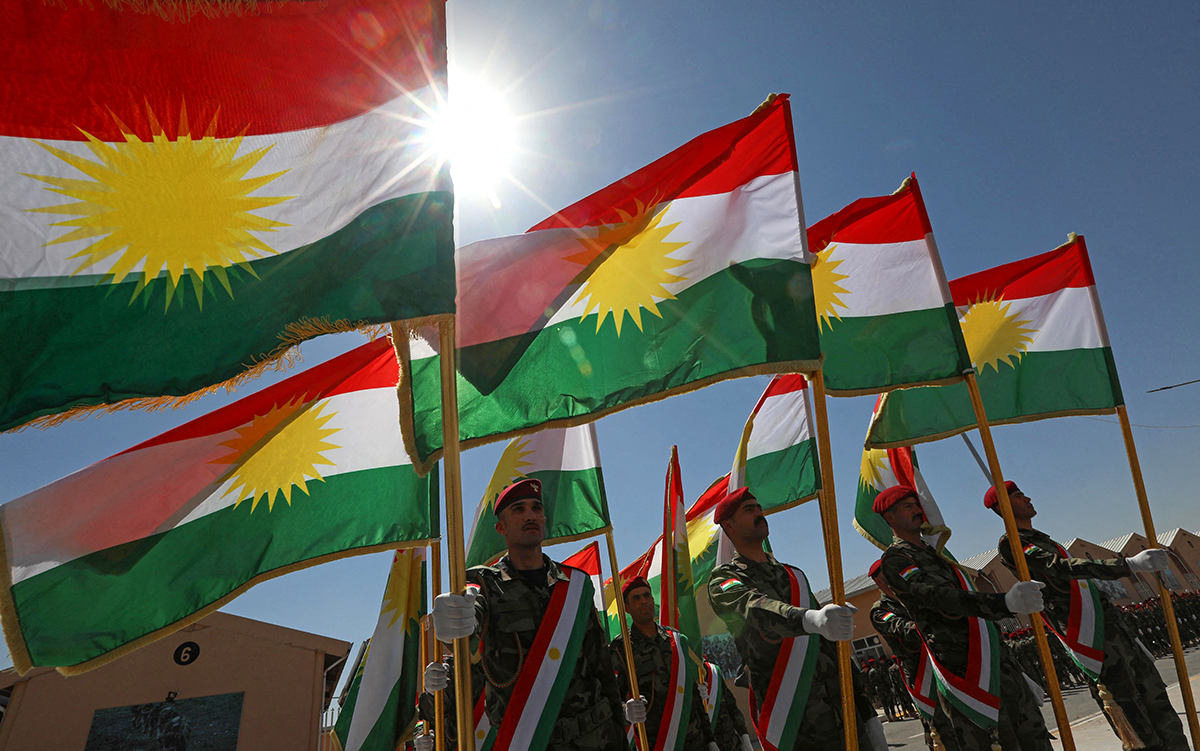
The Kurdistan Region of Iraq (KRI), also known as Iraqi Kurdistan, is a semi-autonomous region in northeastern Iraq with a population of approximately 6.5 million. The KRI’s contemporary politics are rooted in a century of Kurdish efforts to achieve self-rule.
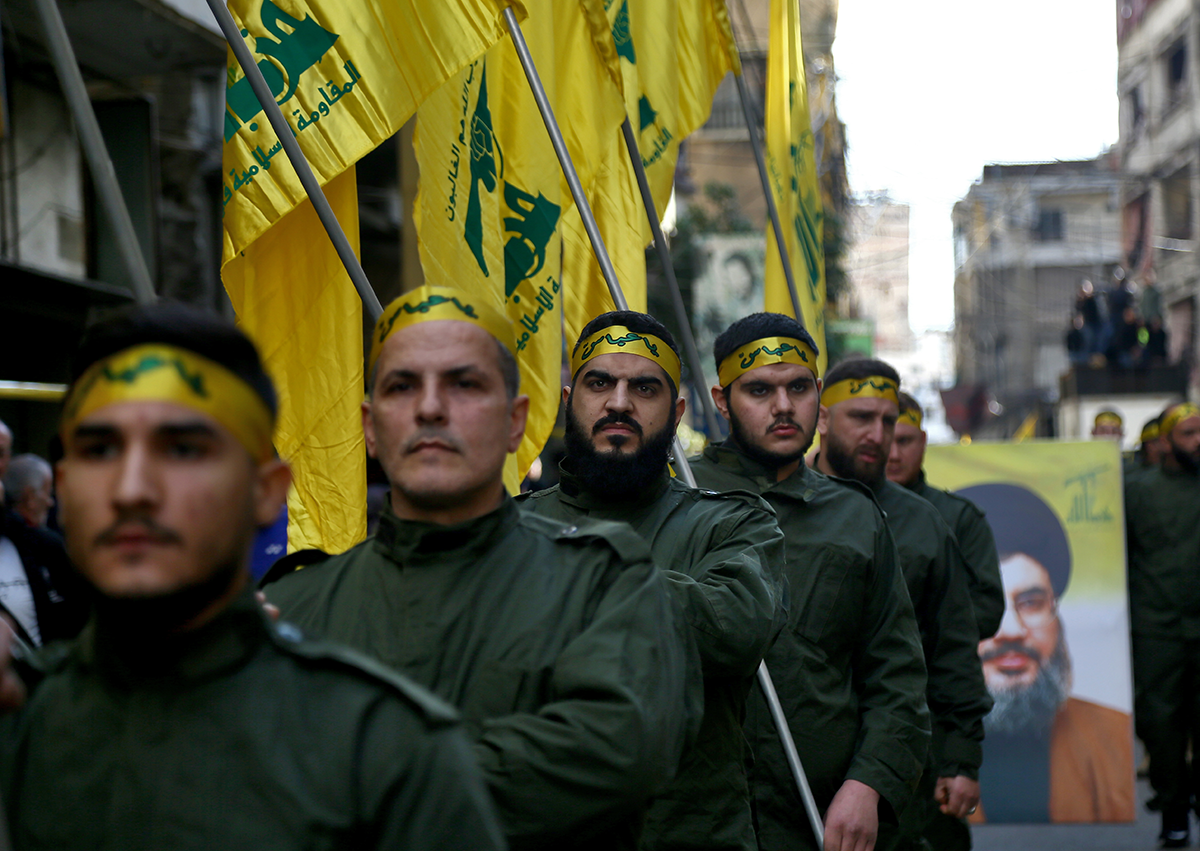
Hezbollah’s Regional Activities in Support of Iran’s Proxy Networks
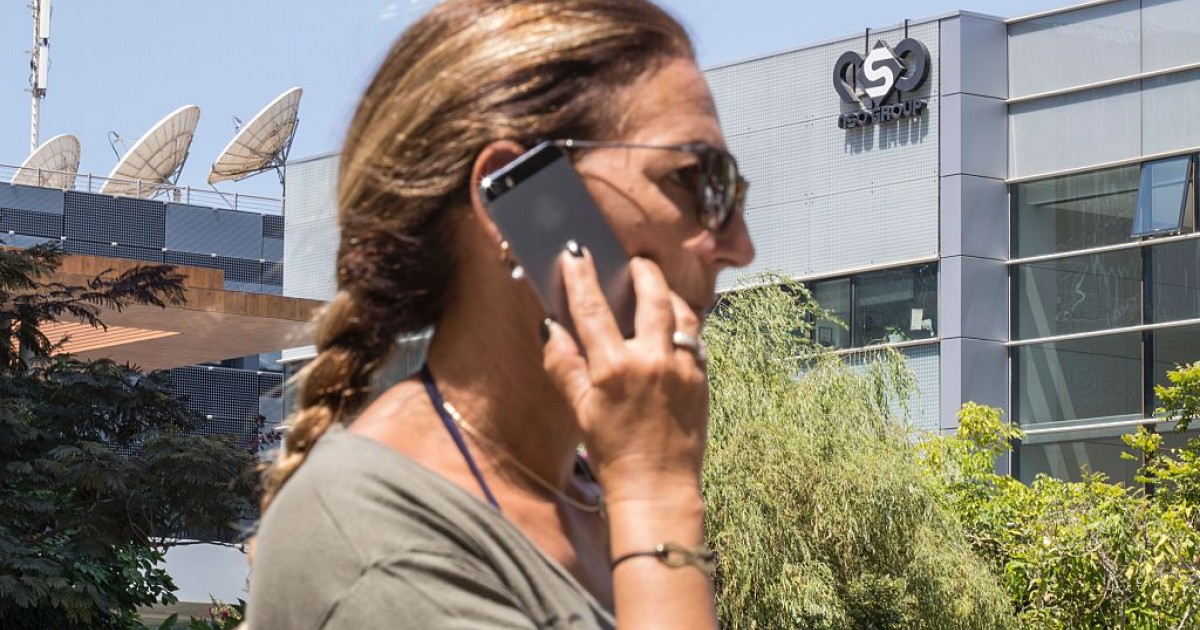
As a Lebanese actor ideologically tied to Iran, Hezbollah has multiple allegiances and objectives that do not always align symmetrically. Hezbollah’s regional activities are a reflection of the group’s increasingly close alignment with Iran, rather than the interests of the Lebanese state or citizenry. Today, Hezbollah’s regional adventurism is most pronounced in its expeditionary forces deployed in Syria and elsewhere in the region, but no less important are the group’s advanced training regimen for other Shi’a militias aligned with Iran, its expansive illicit financing activities across the region, and its procurement, intelligence, cyber, and disinformation activities. Together, these underscore the scale and scope of the group’s all-in approach to transforming from one of several Lebanese militias into a regional player acting at Iran’s behest.
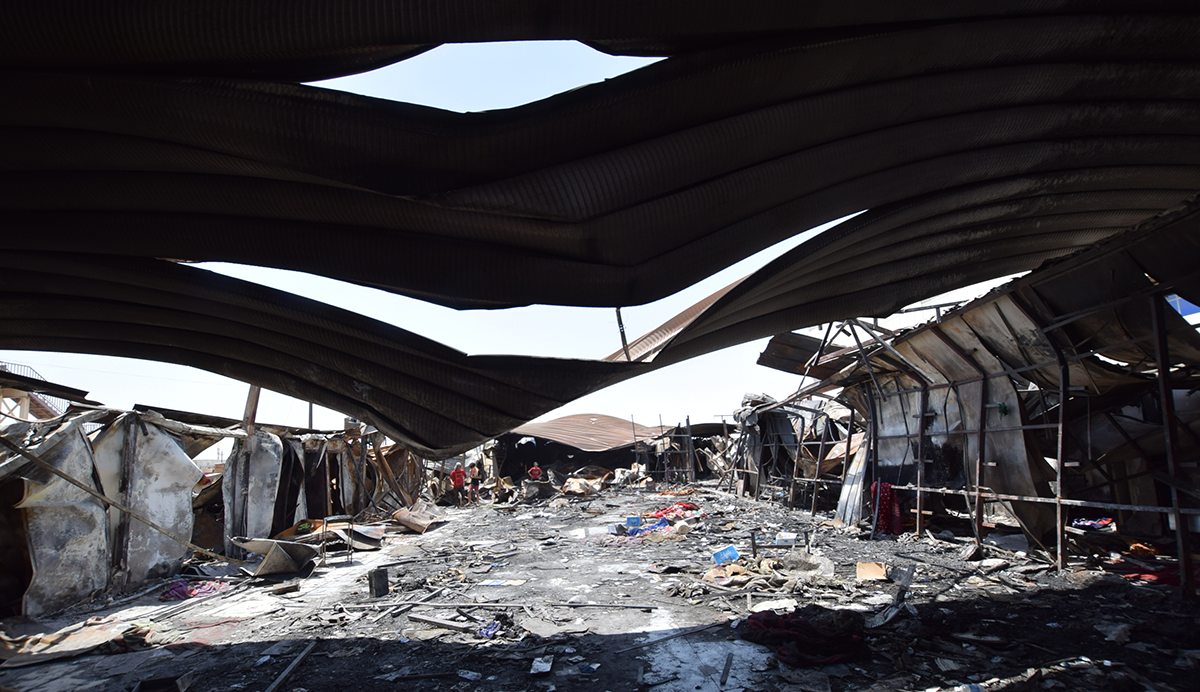
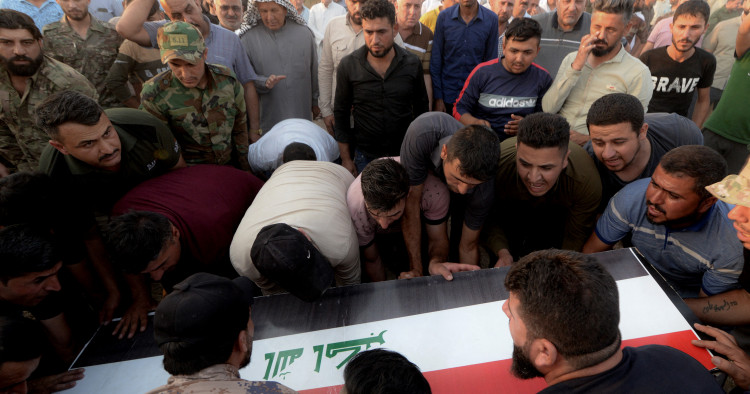
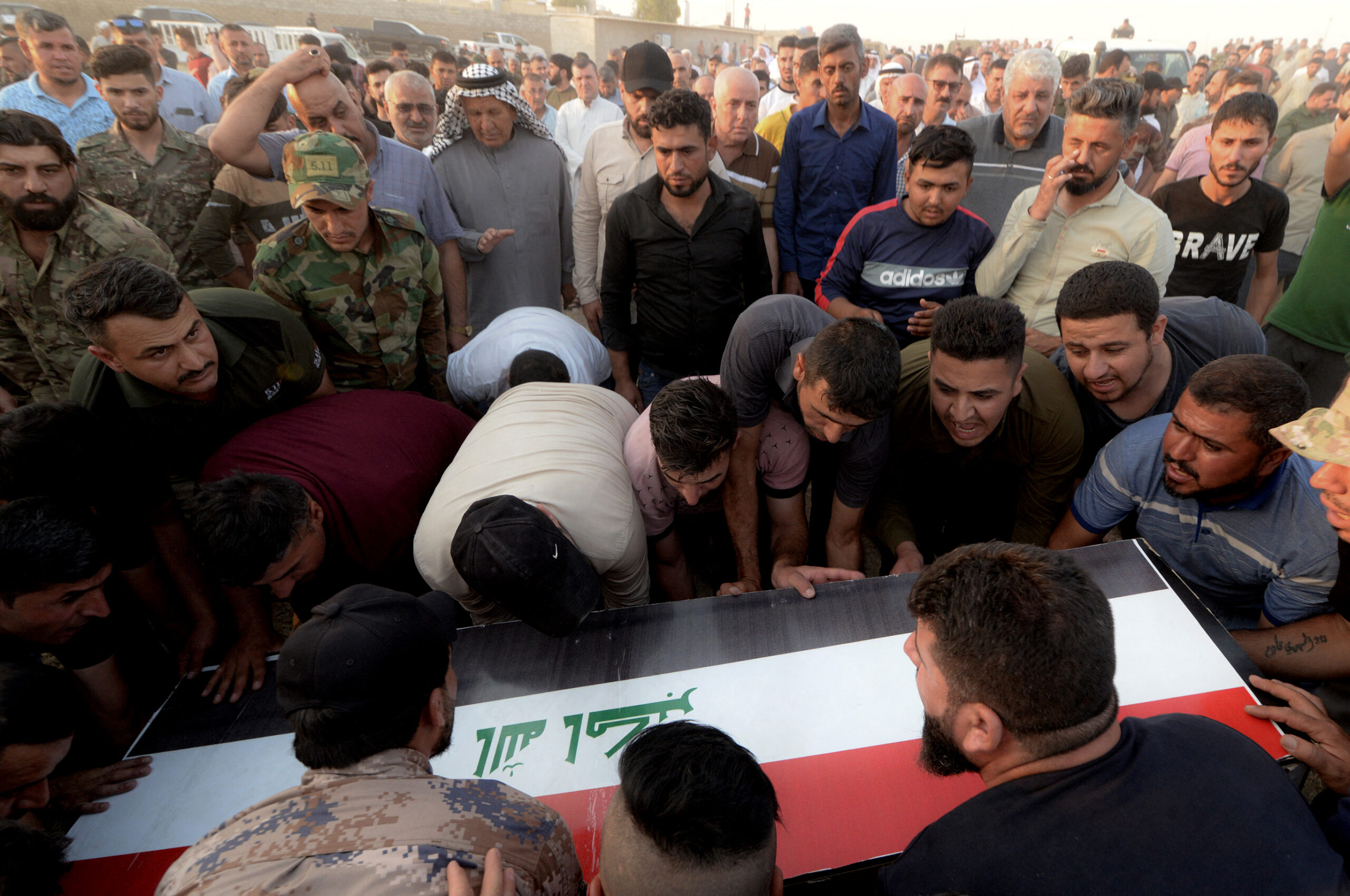
The idea for writing this piece came late last Tuesday as feelings ran high — the author’s included — amid scenes of patients’ charred bodies being pulled out from what remained of a burned-out coronavirus isolation ward in Nassiriya. It was originally meant to be a eulogy for those lost to Iraq’s stubborn corruption and chronic mismanagement, but it has since become a eulogy for democracy in Iraq.
The War at Home: The Need for Internal Security Sector Reform in Iraqi Kurdistan
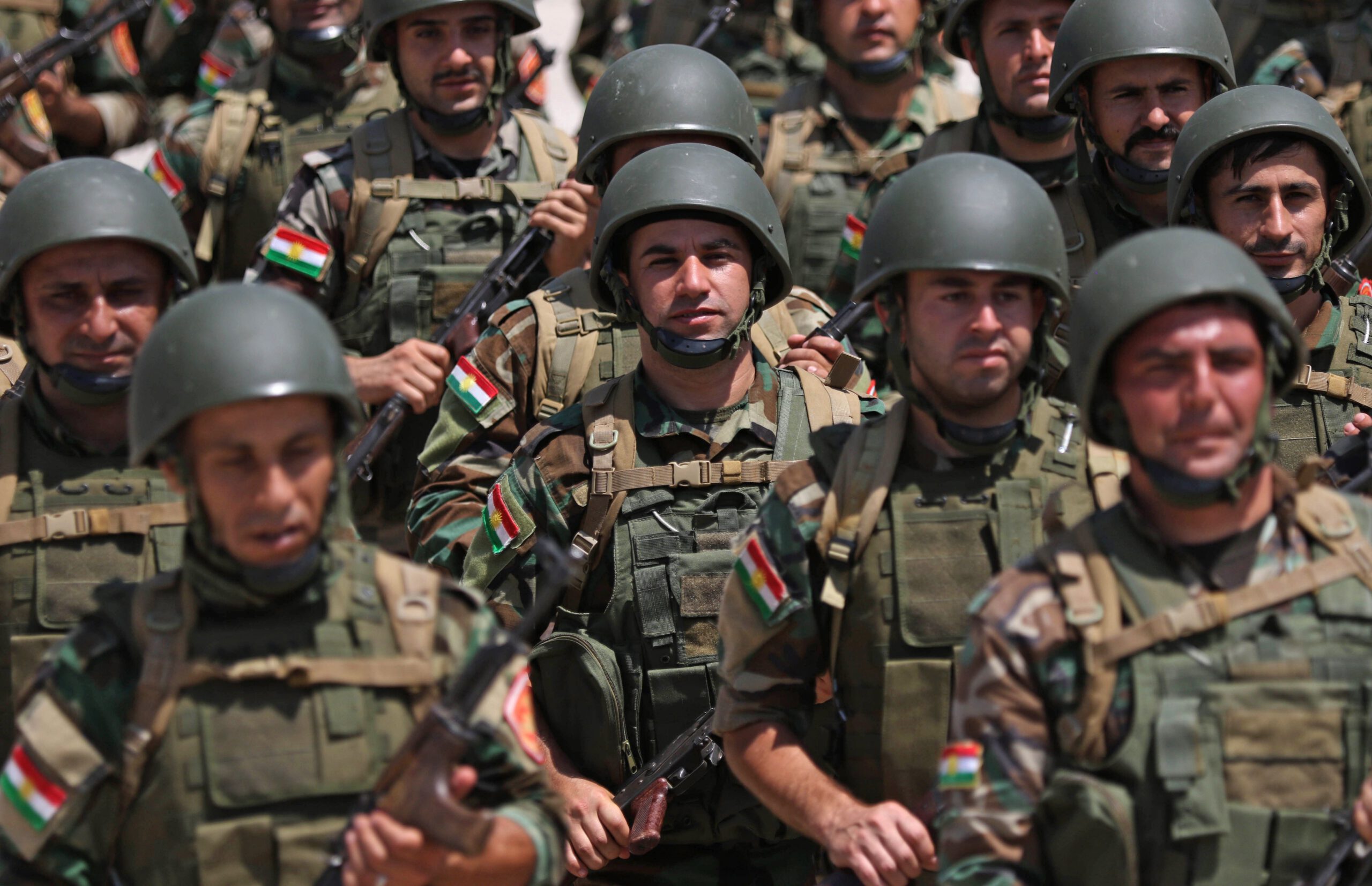
The forces and agencies of Kurdistan’s Ministry of Interior and the Kurdistan Region Security Council, collectively referred to the Kurdistan Region Interior Forces, are now the region’s main security actors, but their role as instruments of partisan rivalry and enforcers of public loyalty to the political bureaus threatens the Kurdistan Region’s stability. This report makes the case that coalition security sector reform efforts should be refocused on them. Although Peshmerga reform is necessary to improve the Kurdistan Region’s ability to combat external threats, it is equally, if not more important to start the same reform within these internal forces and agencies to achieve durable stability.
الضربات الجوية الأمريكية على الميليشيات العراقية وخطر دوامة التصعيد
مهما كانت شدة محاولات الحكومة العراقية لتوجيه البلاد بعيدًا عن الصراع الإيراني الأمريكي، فإن الميليشيات العراقية المدعومة من إيران ستظل تسحبها مجددًا لهذا الصراع
The promise and the pitfalls of Iraq’s tripartite New Mashreq
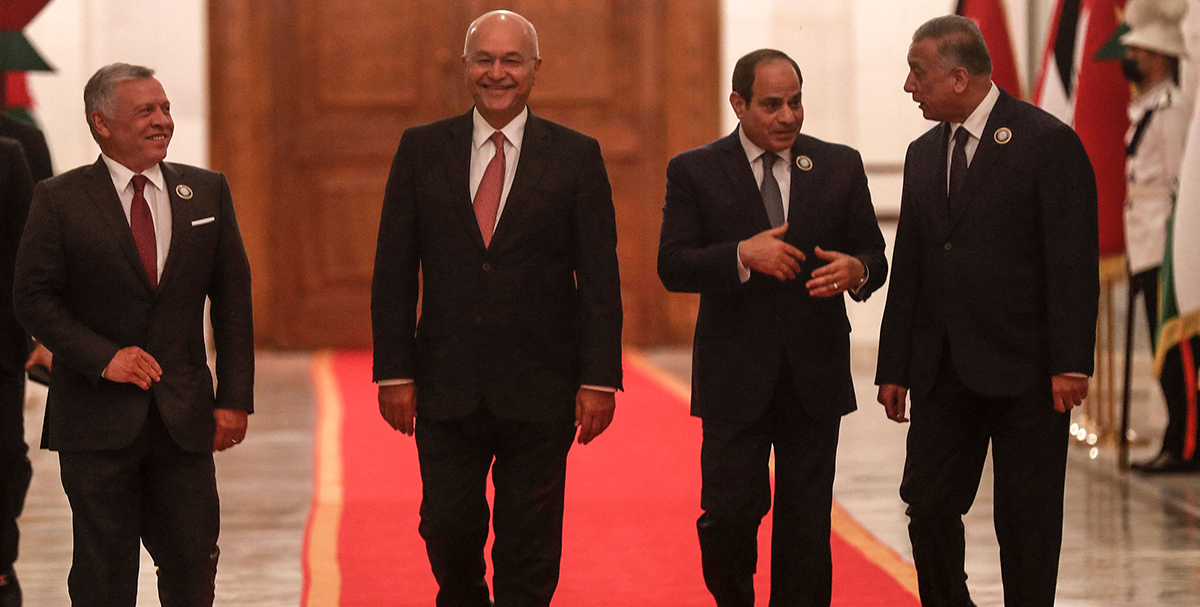
Sunday was a festive day in Baghdad. The last time Iraqis had received an Egyptian president 30 years ago, the region was gearing up for war and uncertainty as the late President Hosni Mubarak shuttled between Baghdad and Gulf capitals prior to Saddam Hussein’s invasion of Kuwait in 1990. The circumstances were quite different on June 27, when Egyptian President Abdel-Fattah el-Sisi and King Abdullah II of Jordan were given the red-carpet treatment at a tripartite summit marking the fourth meeting between the leaders of the three countries aiming to form a new regional alliance.
Games without Frontiers: Renegotiating the Boundaries of Power in Iraqi Kurdistan
Over the past year, intensifying political and economic conflicts between the Kurdistan Region’s two hegemonic parties, the Kurdistan Democratic Party and the Patriotic Union of Kurdistan, have challenged the legal and institutional order in which the Kurdistan Regional Government operates. A new generation of leadership within the parties, a fraught relationship with the federal government, and a prolonged economic crisis have strained the relationship between the two parties to its breaking point.
Changing the rules of the game: Reforming the party system in Iraq
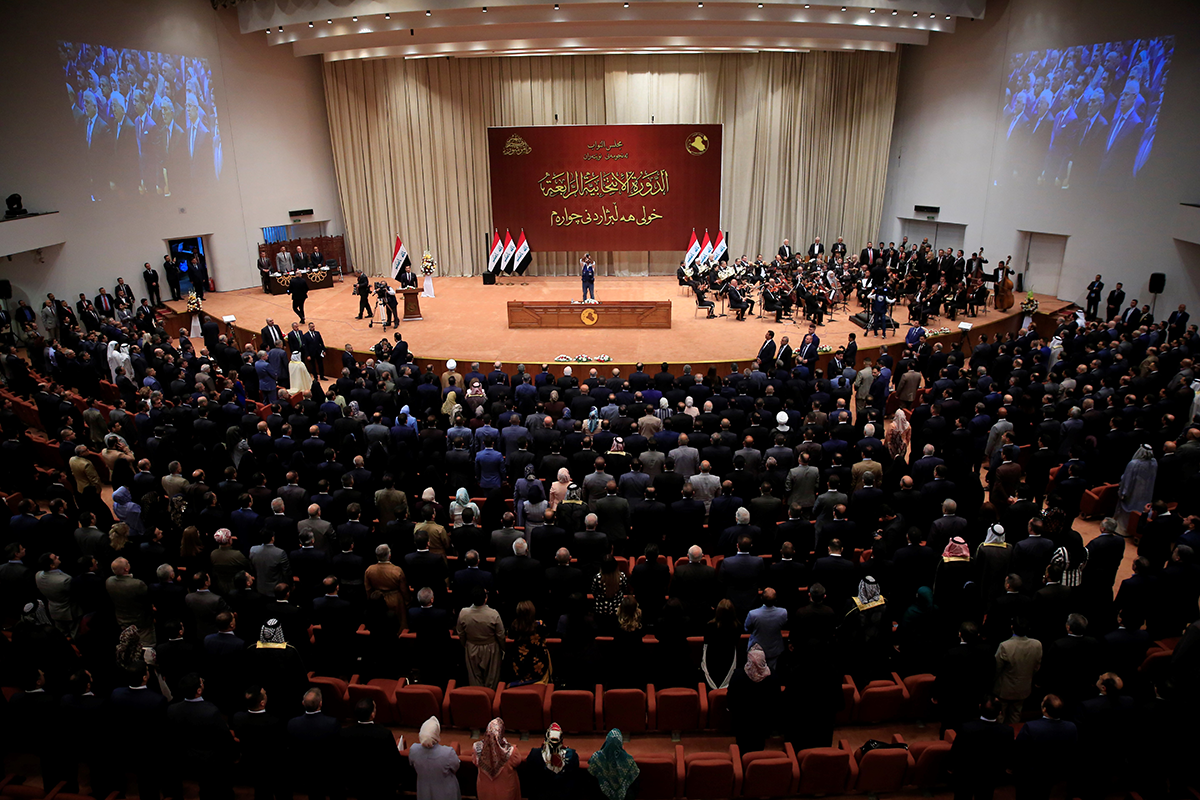
The performance of Iraqi political parties over the past two decades can be assessed in how they manage three major transformations: the transition from an authoritarian political system to a democratic and pluralistic one, the participation of these parties in managing the transformation of the state from a central to a federal system and the smooth transition from a directed economy to a free market one, and the social transformation from an oppressed society to a free, productive, and reconciled one. Despite the great challenges faced by the various governments since 2003, the parties that participated in the political process (to varying degrees) were unable to succeed in managing these three transformations.
Although it has been more than 18 months since Iraq’s October 2019 protests, many of the big questions raised remain unanswered, most of which revolve around the sustainability of the post-2003 political system and its ability to correct itself over time.
في عام 2003 ، بعد الإطاحة بنظام صدام حسين ، كان لدى العراقيين آمال كبيرة في إحداث تغيير جوهري في حياتهم بعد ثلاثة عقود ونصف من الاستبداد. لكن في السنوات التي تلت ذلك ، لم تتحقق الكثير من هذه التوقعات.
“إذا كان الاجتماع الإيراني السعودي في بغداد نتيجة دبلوماسية عراقية قديرة وذكية، فإن مأساة المستشفى هي نتيجة للفساد المستشري في الطبقة السياسية وثقافة الإفلات من العقاب”.
Expert Views: The Biden administration and the Middle East: Reflecting on the first 100 days
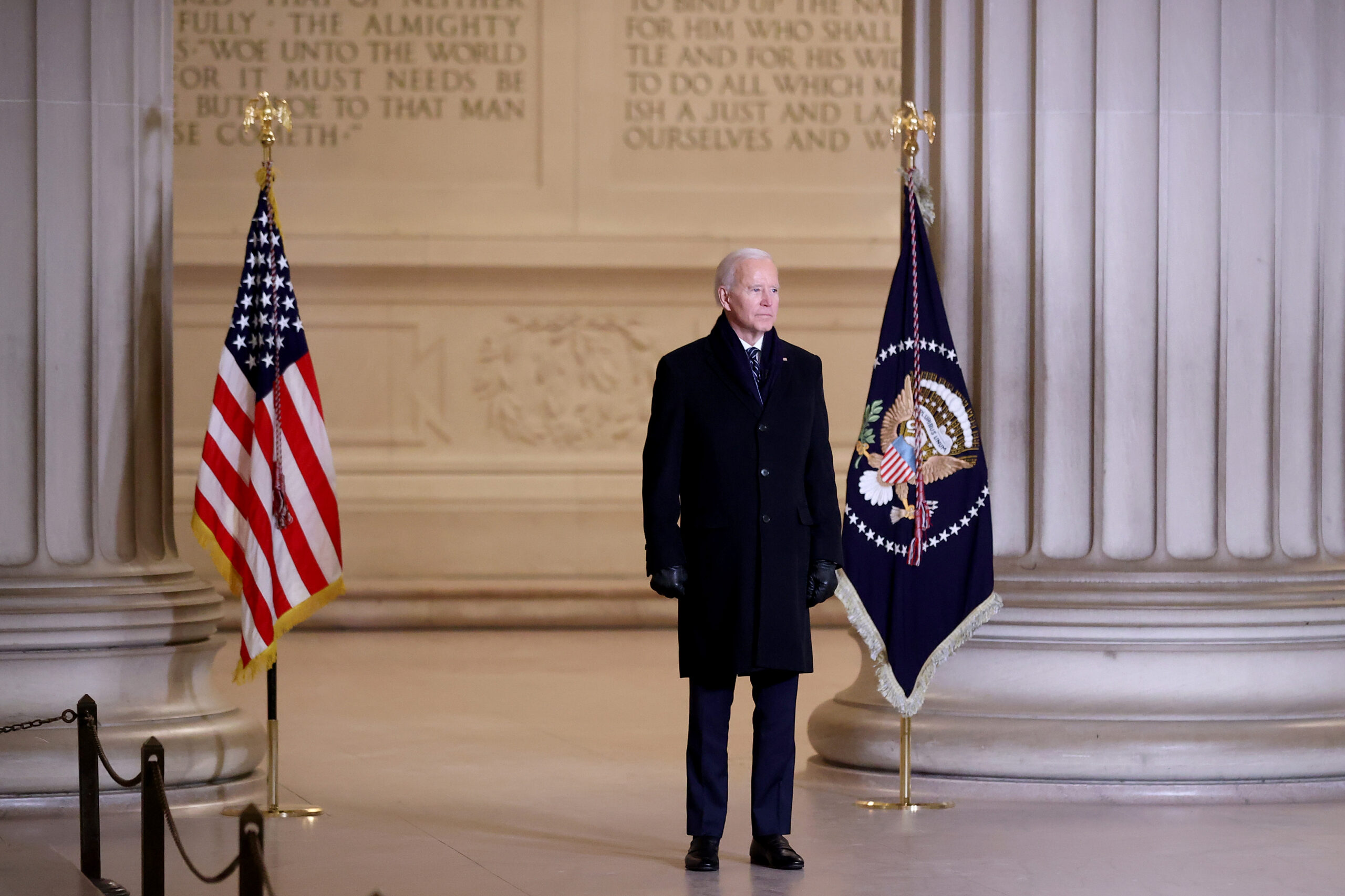
At the end of Joe Biden’s first 100 days as president of the United States, where do things stand when it comes to U.S. policy toward the Middle East and North Africa? We asked experts and scholars from across MEI to weigh in with their thoughts on the changes we’ve seen so far, the new challenges that have emerged, and what we know about the administration’s key priorities for the region.
The oldest peer-reviewed publication dedicated to the study of the modern Middle East, MEI’s flagship journal covers politics, society, and culture in the region.