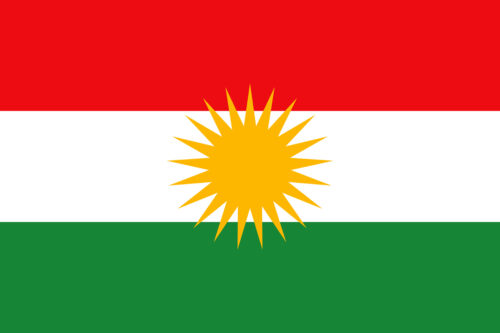
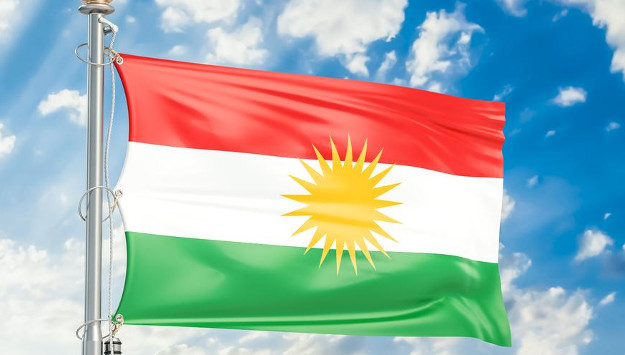
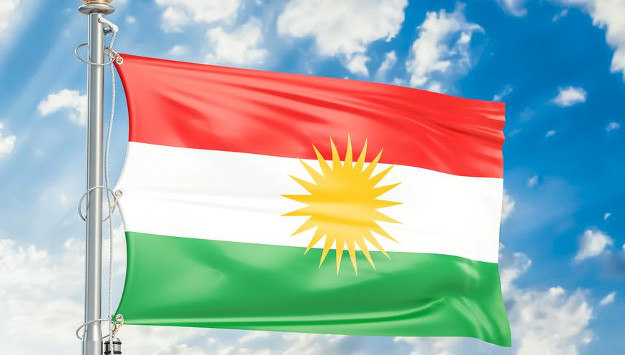
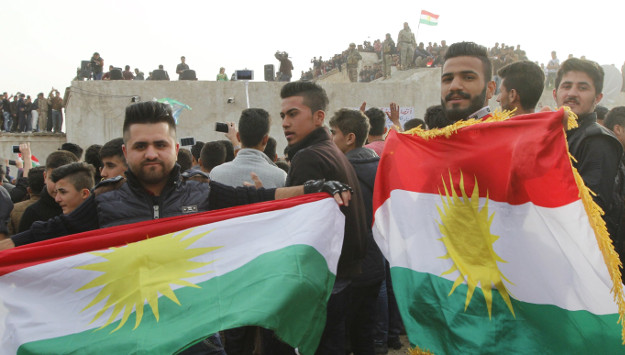
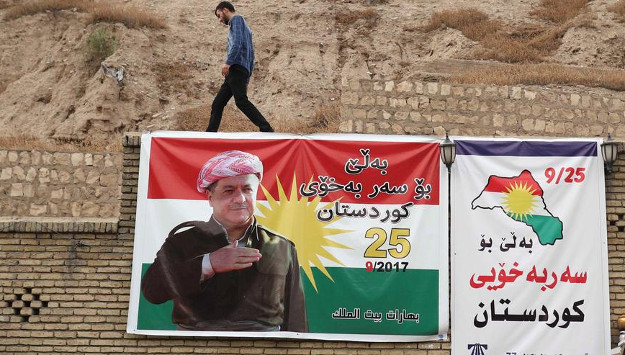
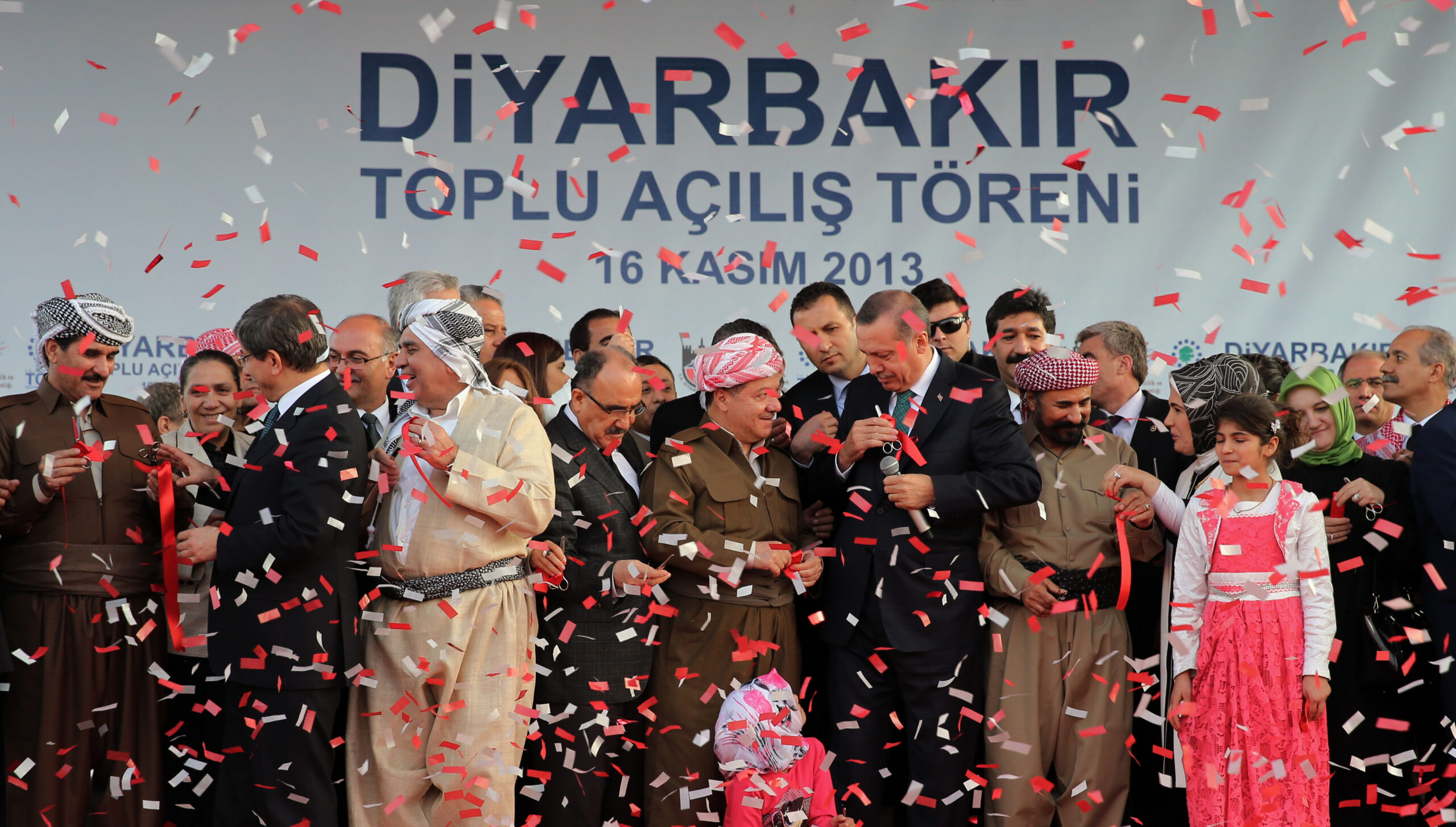
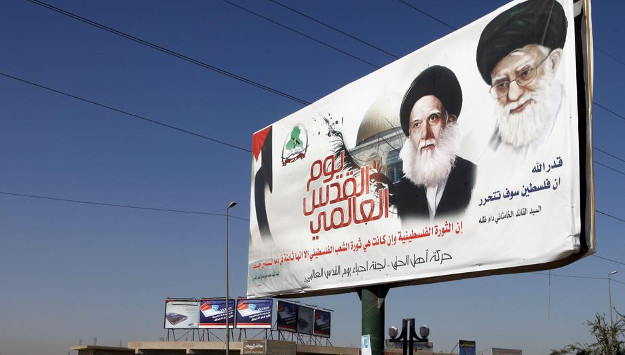
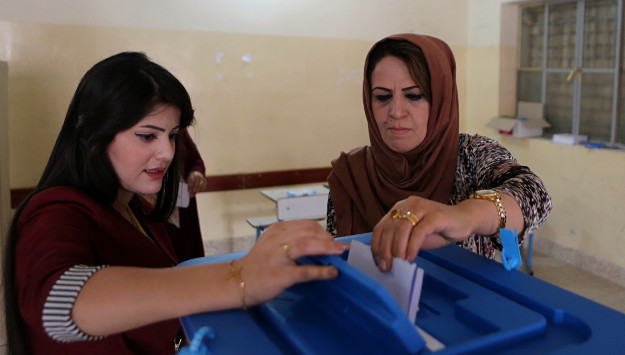
The Kurdistan Region of Iraq (KRI), also known as Iraqi Kurdistan, is a semi-autonomous region in northeastern Iraq with a population of approximately 6.5 million. The KRI’s contemporary politics are rooted in a century of Kurdish efforts to achieve self-rule.
Reflections on a Diplomatic Career in the Middle East: A Conversation With Ambassador Yael Lempert
Brian is joined by Amb. (ret.) Yael Lempert, Vice President for Outreach at MEI, to discuss her career in diplomacy and the importance of US diplomatic efforts abroad. She shares stories from postings across the Middle East in Baghdad, Cairo, Tripoli, Jerusalem, and Amman and examines how her personal and professional experiences shaped her approach to the work. Together, Brian and Yael discuss the realities of life in the Foreign Service, the core tenets of American diplomacy, and why it matters in today’s Middle East.
It has become a commonplace for Americans to describe our current war with Iran as stuck in a kind of limbo, neither full war nor real peace. We’re not the only ones. Iraq finds itself caught in a limbo of its own, between America and Iran, between the tolerable and the intolerable, between progress and relapse.
An Iranian official from the western province of Kermanshah said Monday that the Parviz Khan border crossing between Iran and Iraq was shut down yesterday because of “internal clashes between the Iraqi federal government and Kurdistan region.” Faramorz Akbari, the governor of Ghasreshirin in Kermanshah, added that all trade transactions and transportation through this border e
Iran Sees Iraqi Kurdistan’s Push for Independence as “Israeli Project”
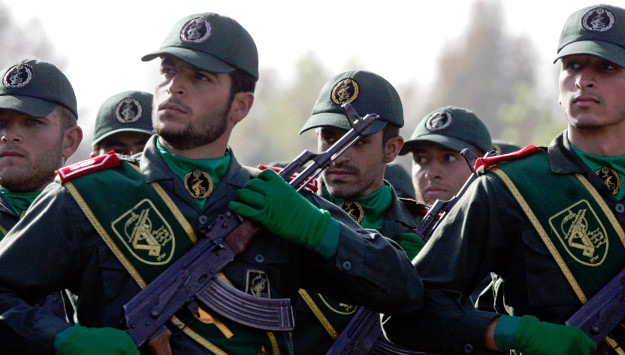
Iranian officials and state-run media outlets continue to label the recent Iraqi Kurdish leaders’ push for independence as an “Israeli project” aimed at countering Iran’s influence in the region. Grand Ayatollah Hossein Nuri Hamedani, a senior Iranian cleric, said this week that Tehran would not “allow a new Israel to take shape in the region.” An article in Fars News Agency, which is affiliated with the Islamic Revolution Guards Corps (I.R.G.C.), echoed a similar view.
Zarif: Iran Will Always Be Iraqi Kurds’ Friend despite “Strategic Mistake”
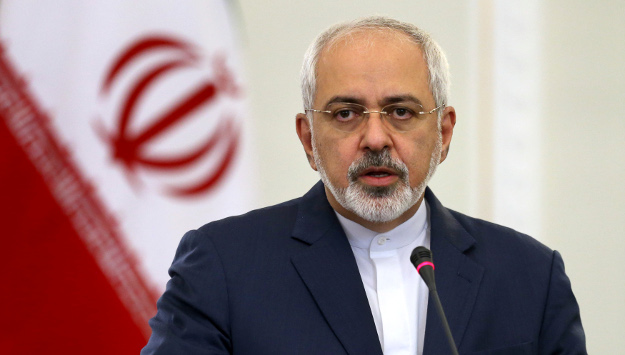
Iranian Foreign Minister Mohammad Javad Zarif today attended the funeral procession of Jalal Talabani, Iraqi Kurdish leader and former President, in the Sulaymaniyah city of Iraqi Kurdistan.
On September 25 Iraq’s Kurdish region pressed ahead with a controversial independence referendum. It had a high voter turnout of 73%, 93% of whom voted in favor of independence. The referendum is technically non-binding but it has sparked a political crisis with threats of action against the Kurdish region from its neighbors, Turkey and Iran, as well as Iraq’s central government. The United States also opposed the vote. MEI experts Randa Slim, Gonul Tol, and Ahmad Majidyar join host Paul Salem to discuss the implications of the vote and what happens next.
Iran: Wargames near Iraqi Kurdistan Send Clear Message to Enemies
A senior Iranian military official said today that the country’s armed forces have staged wargames codenamed Eqtedar (Might) in the northwest close to Iraqi Kurdistan to send a clear message to the ene
Erdogan Visits Iran as Tension Rises over Kurdish Vote | Monday Briefing
In this week’s Monday Briefing, MEI experts Alex Vatanka, Randa Slim, Marvin G. Weinbaum, Yousef Munayyer, and Gerald Feierstein provide analysis on recent and upcoming events including Turkish President Erdogan’s visit to Iran, Ayatollah Ali al-Sistani’s efforts to push for dialogue after the Kurdish independence referendum, the pending indictment of Nawaz Sharif in Pakistan, signs of progress in the reconcilliation attempt between Hamas and Fatah, and the Saudi king’s visit to Moscow.
Iranian Official: Fuel Embargo on K.R.G. Hurts Iran’s Economy
An Iranian official said on Monday that Tehran has stopped 600 trucks carrying about 13,000 tons of fuel to enter Iraqi Kurdistan as part of a trade embargo on Erbil, Fars News Agency reported. Seyed Hamid Hosseini, the head of Iran-Iraq Chamber of Commerce, told reporters in Tehran that the decision was taken after Iraqi Kurdish leaders held an independence referendum a week ago despite opposition from Baghdad and Tehran.
Iran: We Reject Sovereignty of Any Parties in Northern Iraq
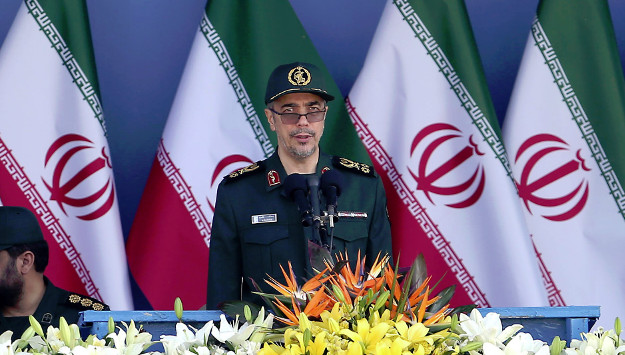
A senior Iraqi delegation arrived in Tehran on Wednesday to coordinate “joint military efforts” between the two countries. According to the Iranian media reported, Lieutenant General Othman al-Ghanmi, the chief of staff of Iraqi Armed Forces, and his Iranian counterpart Major General Mohammad Bagheri discussed two key issues: joint counterterrorism measures along the two countries’ common frontier and how to respond to the Iraqi Kurdistan’s push for independence.
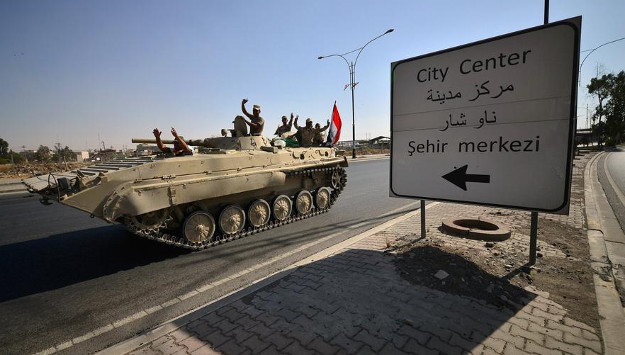
Iran-Backed Militia Leaders Call for Seizure of Kirkuk from Kurds
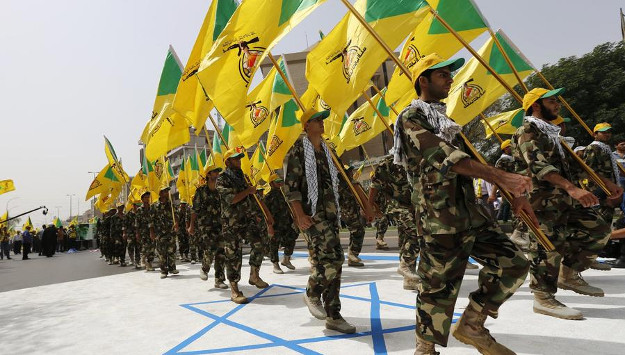
A spokesman of Iraq’s Popular Mobilization Forces (P.M.F.) has said that the paramilitary forces will “not rush to a civil war sought by” Iraqi Kurdistan’s President Masoud Barzani, but cautioned that P.M.F.
Iraqi Hezbollah Calls Barzani “Traitor”, Warns “Resistance” Will Retaliate
Iranian-aligned Iraqi militant leaders continue to threaten violence against the Kurdish Regional Government (K.R.G.) over the independence vote on Monday. “Kurdistan’s referendum has no value and the resistance will take a series of measures to respond,” said Jafar al-Husseini, the spokesman of the Hezbollah Brigades, an Iranian-sponsored militia group within the Popular Mobilization Forces (P.M.F.). “Officials in Kurdistan are American tools in Iraq and the region.
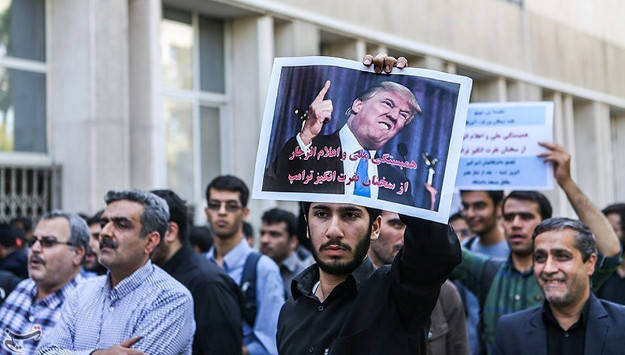
Iran Rejects Kurdish Vote, Threatens to Punish Erbil over "Israeli Project"
Iranian leaders and state-run media outlets reacted angrily to Iraqi Kurdistan’s decision to hold an independence referendum on Monday, and threatened retaliatory actions against Erbil. Tehran halted all flights to and from Erbil and Sulaymaniyah in northern Iraq and the Iranian military launched war games near the Kurdish border. Senior Iranian officials stressed that the Islamic Republic rejects the plebiscite and described it as an “Israeli and American plot” to divide Iraq and counter Iranian influence in the region.
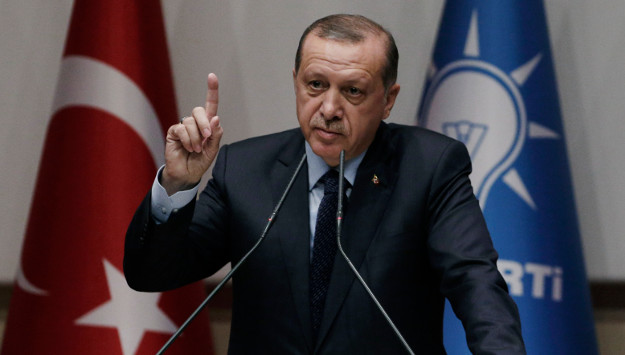
Turkey has been threatening economic sanctions and military action against its long-time ally, the Kurdistan Regional Government (K.R.G.) over Erbil’s decision to hold an independence vote.
Kurdish Leaders Confident Referendum Won’t Result in War | Monday Briefing
In this week’s Monday Briefing, MEI experts Randa Slim, Gonul Tol, W. Robert Pearson, and Alex Vatanka provide analysis on recent and upcoming events including the Kurdish independence referendum and how it will impact the K.R.G.’s negotiations with Baghdad, Turkey’s limited options to respond to the referendum, growing ties between Turkey and Russia, and the mounting political pressure on Iran’s President Rouhani amid President Trump’s attacks on the nuclear deal.
The oldest peer-reviewed publication dedicated to the study of the modern Middle East, MEI’s flagship journal covers politics, society, and culture in the region.