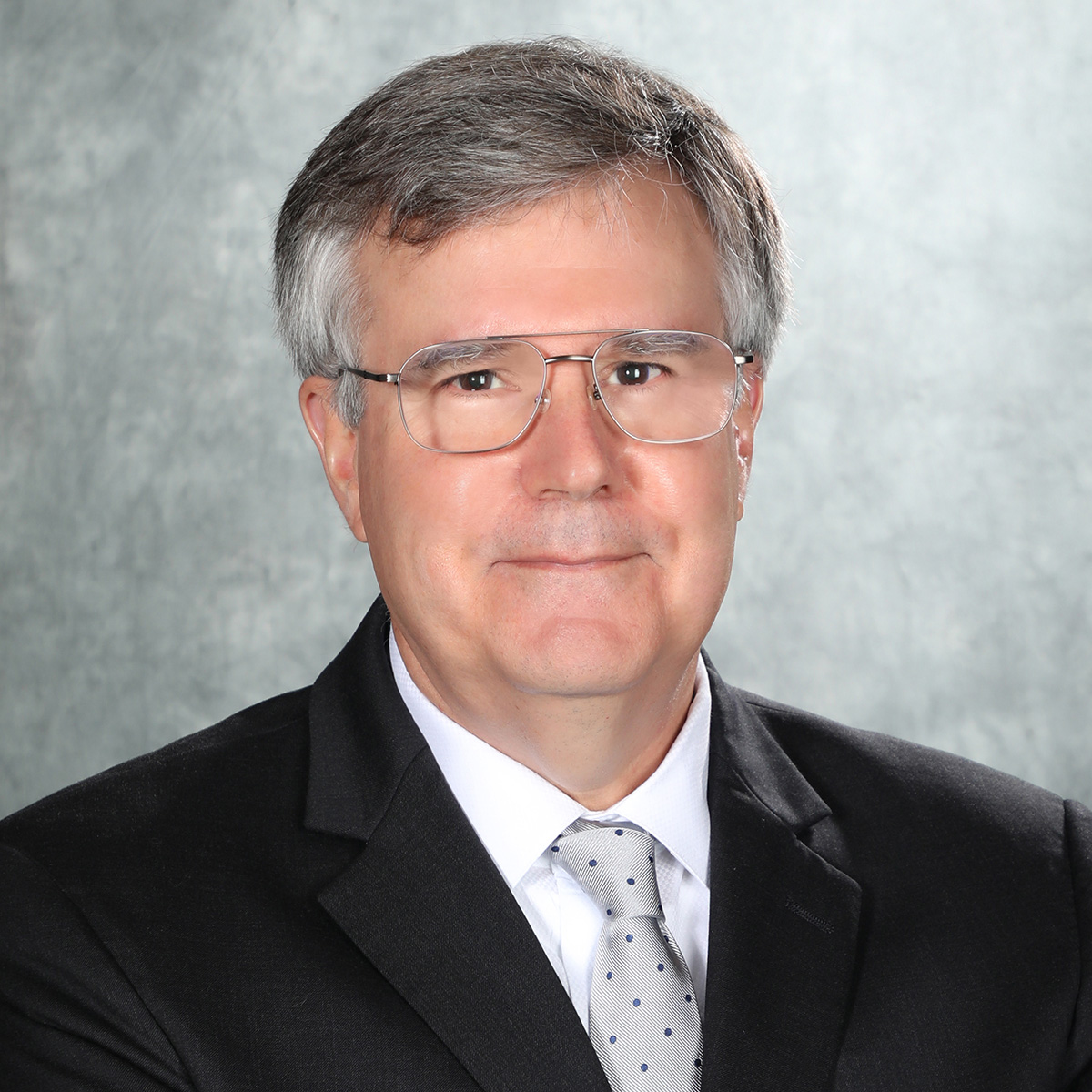
After the US-Israel-Iran war — and the strikes that followed the cease-fire — the Gulf states find themselves dangerously exposed. Host Alistair Taylor is joined by MEI Associate Fellow Gregory Gause to discuss the war’s impact on the Gulf, their partnership with the United States, and whether the turmoil of recent months will push Gulf leaders to reassess their alliances and international engagement.
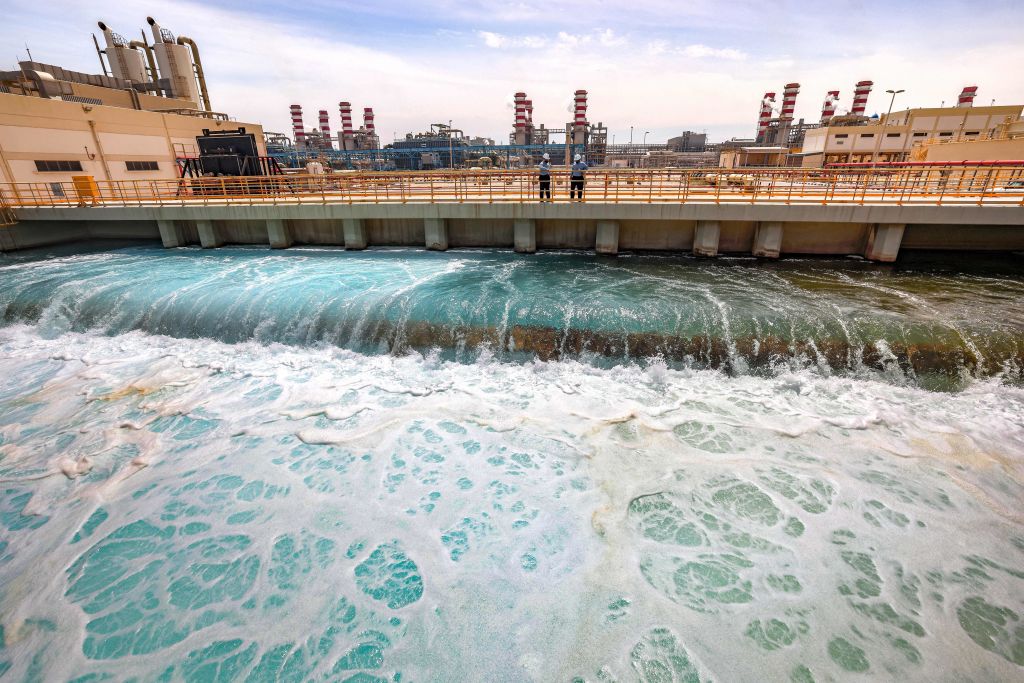
The Gulf’s water crisis: Why cooperation is crucial — and complicated
On June 19, false reports of an Israeli strike on Iran’s Bushehr nuclear plant sparked alarm across the Gulf. Though denied by Israeli officials, the claim traces back to a warning from Qatar’s prime minister of a potential catastrophe in the event of nuclear contamination — no water, no food, no life — due to the Gulf’s reliance on desalinated seawater. Gulf governments moved quickly to reassure the public that no radiation had been detected, but the episode underscored the region’s growing sense of vulnerability. A regional approach to water security could help to mitigate such risks.
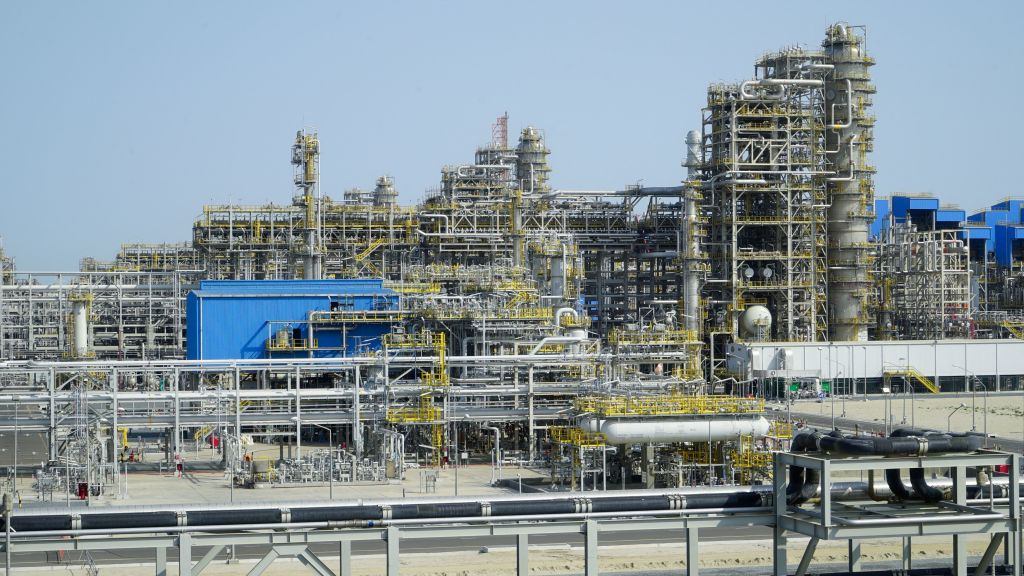
Impact of the Russo-Ukrainian war on energy flows from the Arab Gulf states
Nearly three years on, Russia’s full-scale invasion of Ukraine in February 2022 has reshaped trade and investment in the energy sector, leading to an increase in Gulf imports of Russian oil and a sharp rise in the region’s hydrocarbon exports to Europe as well as further fueling the growth of Gulf investment in renewable energy projects located in and targeting the continent.
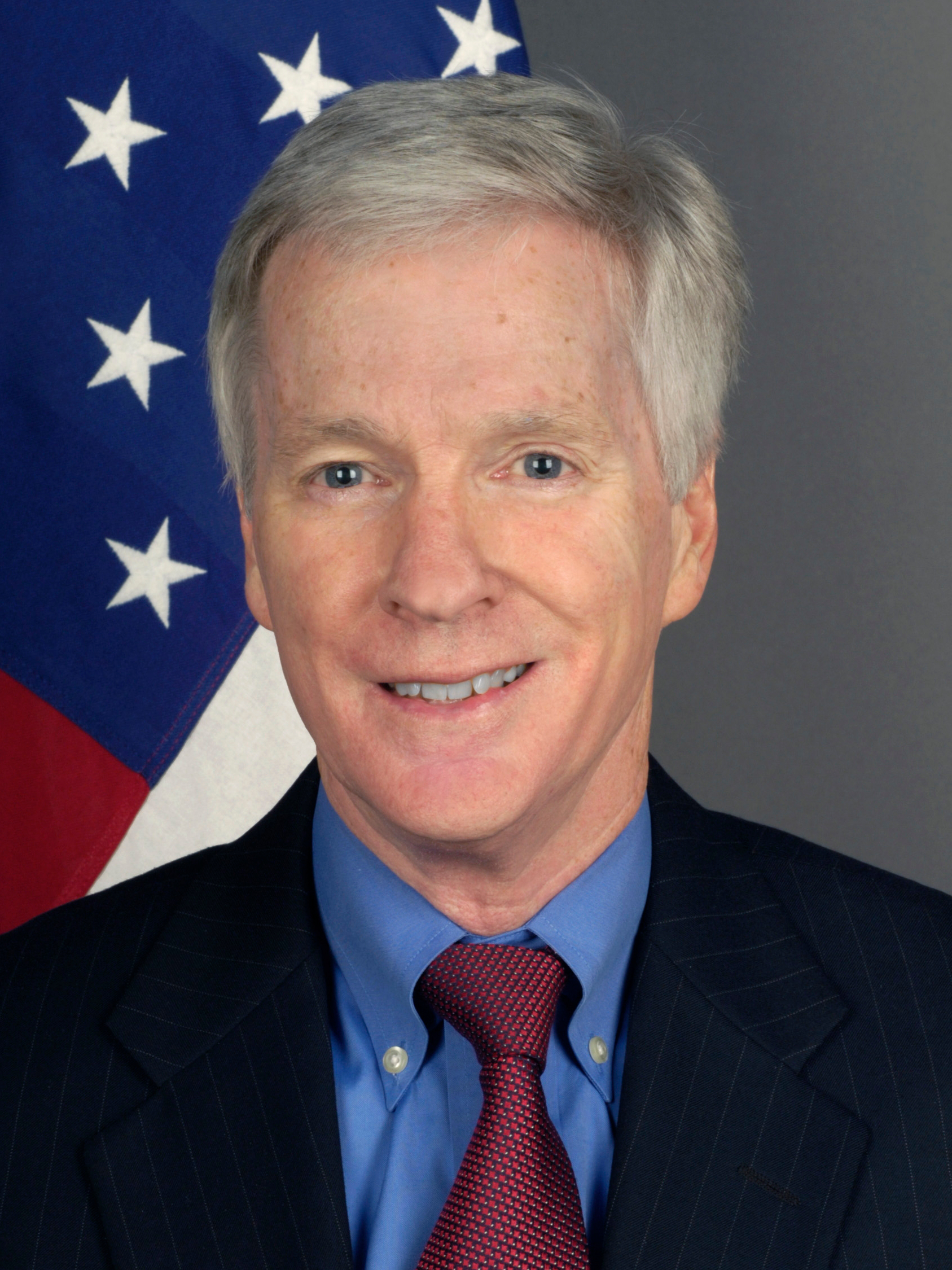
Beyond Iraq’s National Elections: Planning a New Phase in American Policy
This Commentary is an adaptation of a longer piece published by the Institute for the Theory and Practice of International Relations at the College of William and Mary on February 25, 2010.
This Op/Ed was published first on February 3, 2010 by McClatchy Tribune.
The bipartisan Kerry Lugar Bill provides a multi-year, super-sized economic aid program to the people of Pakistan. This is the right approach to improved US-Pakistan relations. The majority of Pakistanis distrust the US because they believe we favor military dictators over civilian democrats and are quick to abandon promised economic aid programs once we have achieved our security goals.
Migrant Workers in Kuwait: The Role of State Institutions
The treatment of migrant domestic workers is one of the defining stories told about the Arab Gulf states. Every year hundreds of news media and human rights reports detailing migrant domestic workers’ experiences of exploitation and abuse circulate globally. The narratives of these accounts are remarkably consistent. They often begin with the story of an impoverished woman from the global South, who, in order to improve the situation of her family, migrates to the oil-rich Gulf states in search of work and a more prosperous future.
Secretary Clinton’s visit to Pakistan has been a serious attempt to use public diplomacy to help the troubled US Pakistan relations. Her reaching out to people with a mix of soft power and hard talk was refreshing. It is time to ‘clear the air’ she said. But a lot more work needs to be done in the realm of policy to bring about a meaningful change in the relationship. The problems between Pakistan and the United States, referred to as the “trust deficit” for want of a better word, are many and mask much complexity at the heart of policy and systemic issues on both sides.
Kuwait Looks towards the East: Relations with China
Originally posted September 2009
There is a growing tendency among the Gulf Cooperation Council (GCC) states to benefit from the favorable conditions in the rapidly growing economies of the East. As was amply demonstrated at a symposium organized by the Centre for Gulf and Arabian Peninsula Studies at Kuwait University in May 2009 on the “Reality of GCC-Asian Relationship — opportunities and challenges,” Kuwait exemplifies this trend.
The Arab world, especially the Gulf countries, face many environmental threats and problems such as desertification, biodiversity loss, marine and coastal areas pollution, air pollution, and water scarcity and quality. Beside these traditional environmental threats, various other environmental problems have begun to emerge in the last few years, related to military conflicts, construction and demolition debris, and climate change.
Climate Change Threats, Opportunities, and the GCC Countries
Originally posted April 2008
Oil and gas revenues for GCC countries have enabled exceptional and accelerated development in all aspects of life. These countries have become a hub of intense activity in many spheres—geopolitical, military, economic, industrial, construction, and tourism, to name a few. However, the scale of oil and gas production and use has also led to severe environmental problems.
The oldest peer-reviewed publication dedicated to the study of the modern Middle East, MEI’s flagship journal covers politics, society, and culture in the region.