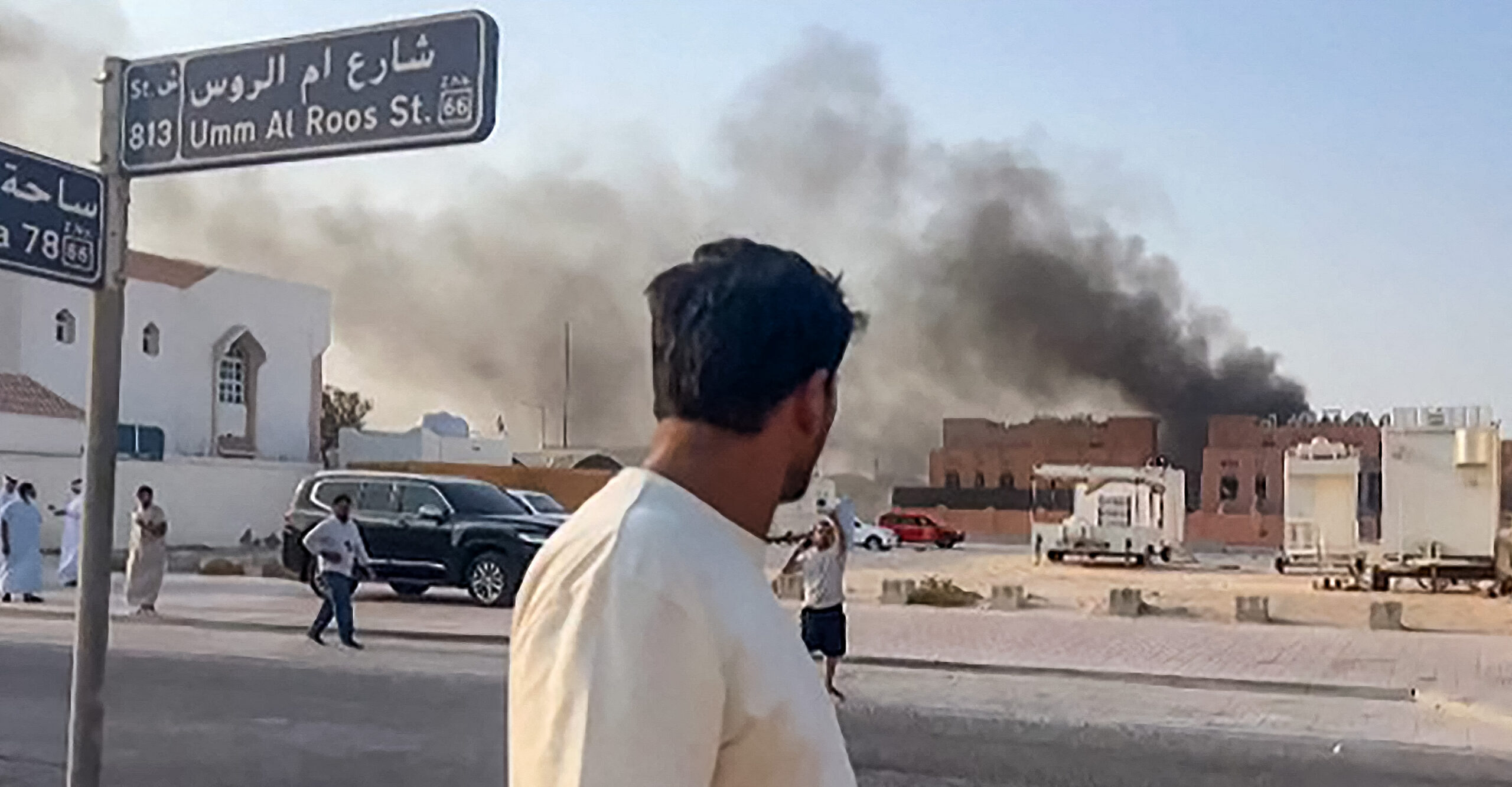
After the US-Israel-Iran war — and the strikes that followed the cease-fire — the Gulf states find themselves dangerously exposed. Host Alistair Taylor is joined by MEI Associate Fellow Gregory Gause to discuss the war’s impact on the Gulf, their partnership with the United States, and whether the turmoil of recent months will push Gulf leaders to reassess their alliances and international engagement.
From the Middle East to West Asia: Redefining America’s Global Strategy
MEI Senior Fellow Mohammed Soliman joins hosts Alistair Taylor and Matthew Czekaj to discuss his new book, West Asia: A New American Grand Strategy in the Middle East. The book argues that it is time for the United States to move decisively away from nation-building and focus instead on order-building, outlining a framework for a new regional order that links Europe to the Indo-Pacific. Soliman also shares how he conceived of the core ideas behind his book and explains why his thesis is especially relevant in today’s geopolitical, economic, and technological landscape.
Israel’s Doha strike could further destabilize region, undermine US security partnerships
The reverberations of Israel’s strike on the Hamas negotiating team in Doha yesterday are still rippling across the globe and will continue to for the foreseeable future. Its ramifications are profound and will alter the geopolitical landscape not just in the Middle East but likely on a global scale.
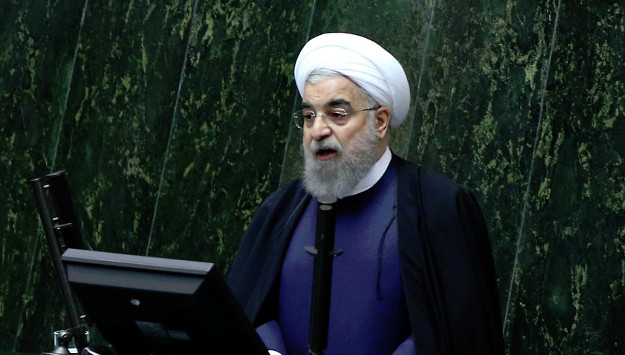
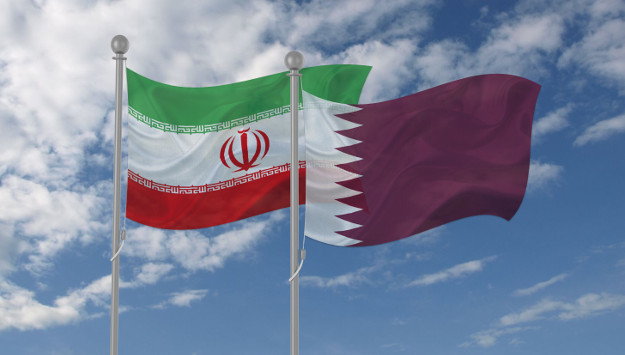
Rouhani to Qatari Leader: Iran Stands with Doha, Rejects “Unacceptable Siege”
On Sunday, Iran’s President Hassan Rouhani pledged support for Qatar in its latest standoff with Saudi Arabia and its regional allies and called for the expansion of bilateral ties between Tehran and Doha, the Iranian media reported.
The ongoing Qatar crisis poses a major dilemma for Kuwait and Oman. Consistent with their “neutral” foreign policies, these two Arab Gulf states have maintained ties with Doha and seek to resolve the gravest internal Gulf Cooperation Council (G.C.C.) row since the organization’s establishment in 1981. Officials in Kuwait City and Muscat fear that failure to settle the Qatar crisis will break up the council, which would directly undermine vital Kuwaiti and Omani national interests given the potential for such a scenario to dramatically exacerbate regional geopolitical instability.
Iranian Media Weighs Pros and Cons of Tehran’s Role in Gulf Crisis
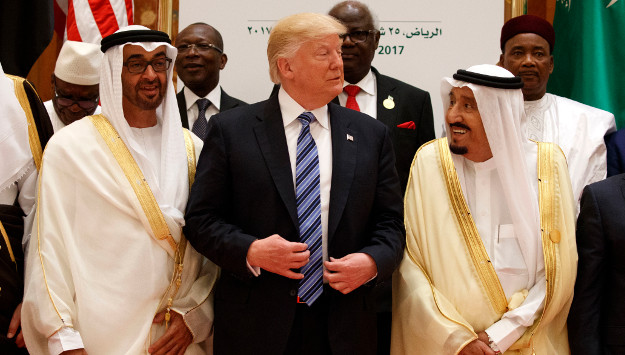
After President Donald Trump’s visit to Riyadh last month, Iranian leaders were worried about the creation of a U.S.-supported alliance of regional Arab states led by Saudi Arabia to counter Irani
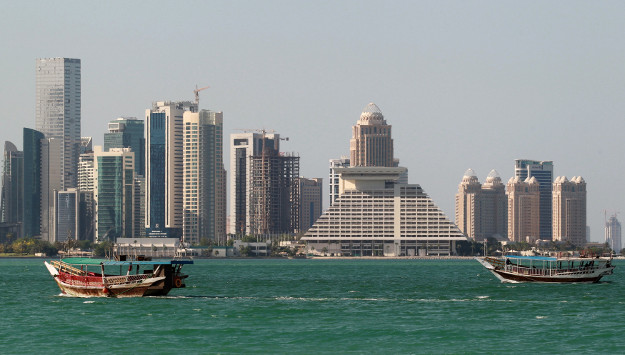
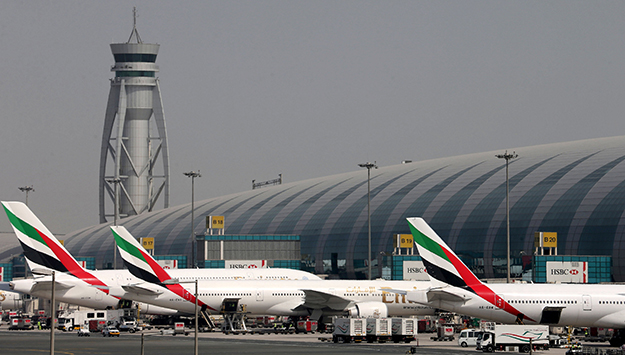
Those visiting Doha are often told by locals that the city is the epicentre for political deal-makings in the Middle East. If you just want to do business, go to Dubai, the Qatari political elites are fond of saying.
One way to understand the depths of the animosity that blew up the myth of brotherhood and cooperation among the monarchies of the Arab Gulf states on Monday is to look beyond the angry statements to a map published recently by the U.S. Energy Information Administration.
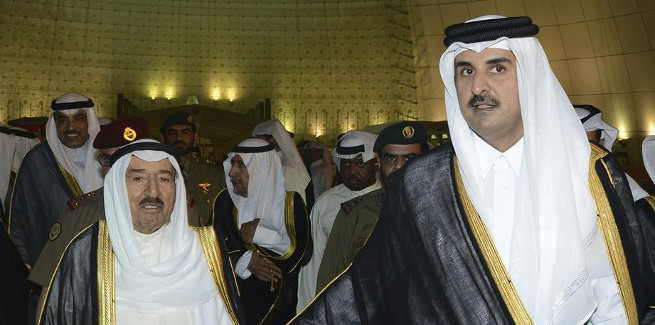
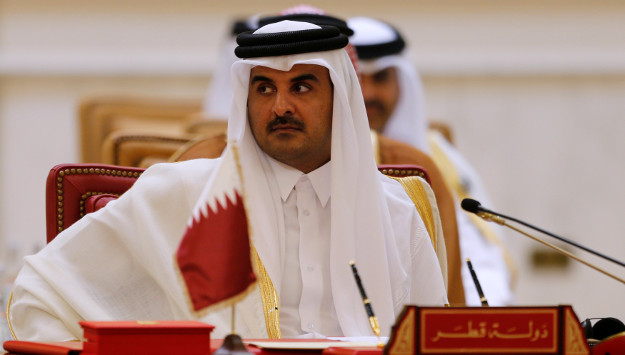
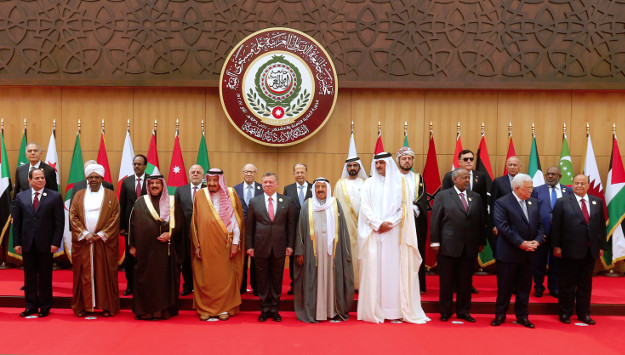
Citizens of the Gulf Cooperation Council (GCC) states woke up on Monday morning to what is the most severe crisis in the regional block’s 38 year history to date. In a closely coordinated series of statements, Saudi Arabia, Bahrain and the UAE, along with Egypt, announced the severing of ties with the peninsular state of Qatar.
G.C.C. Conflict Could Further Complicate U.S.-Turkey Relations | MEI Flash
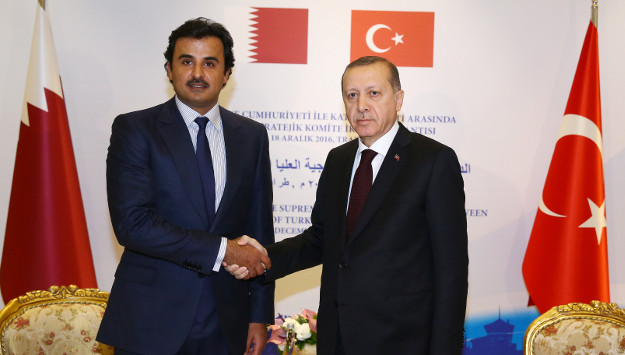
A fierce spat between Qatar and leading Arab nations could add another complication to the already strained relationship between the United States and Turkey. Ankara wants to calm the tension, and Turkish President Recep Tayyip Erdogan has spoken by phone with the leaders of Qatar, Russia, Kuwait, and Saudi Arabia to reduce tensions. He has also expedited legislation to deploy troops to Qatar as part of a military agreement signed in 2014. President Donald Trump, however, supports, and even takes credit for, the Saudi move to isolate its smaller neighbor.
Iranian Officials and Media Outlets React to Gulf Crisis by Blaming U.S. and Saudi Arabia
Iranian leaders and media outlets today reacted to a decision by Saudi Arabia and several other Arab nations to sever diplomatic and commercial ties with Qatar by blaming Washington and Riyadh for regional tension and discord. Alaeddin Boroujerdi, the chairman of Iranian Parliament’s Committee on National Security and Foreign Policy, said the rising tension is a direct result of President Donald Trump’s visit to the Middle East.
Iran Hopes Riyadh-Doha Tension Will Weaken anti-Iran Alliance
The Iranian media sees the heightening tension between Qatar and Saudi Arabia – two member states of the Gulf Cooperation Council (G.C.C.) – as an opportunity to weaken the U.S.-Arab alliance against Iran and its proxies in the region.
Final Phase of Mosul Battle Begins | Weekly Briefing
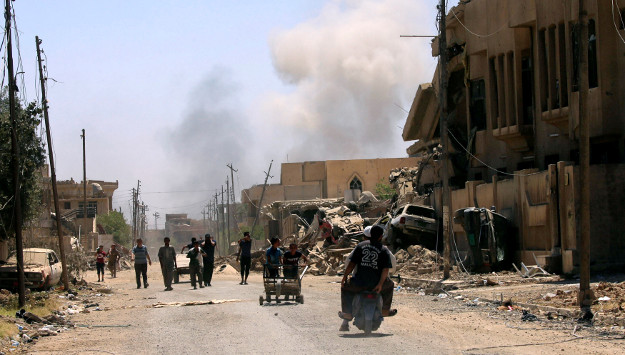
In this week’s Briefing, MEI experts Charles Lister, Gonul Tol, and Gerald Feierstein provide analysis on recent and upcoming events including the beginning of the final phase of the battle to retake Mosul, Germany’s consideration for withdrawing troops from Turkey, and Qatar’s fragile relations within the G.C.C.
When I was approached last summer by New York University’s Hagop Kevorkian Center for Near Eastern Studies to teach a class this spring, I did not imagine the changes that would take place in the American political landscape. Since Donald Trump took office, his promise to place “America first” has manifested itself in numerous ways. Although I am committed to the university and the students, traveling to the United States is becoming less and less enticing.
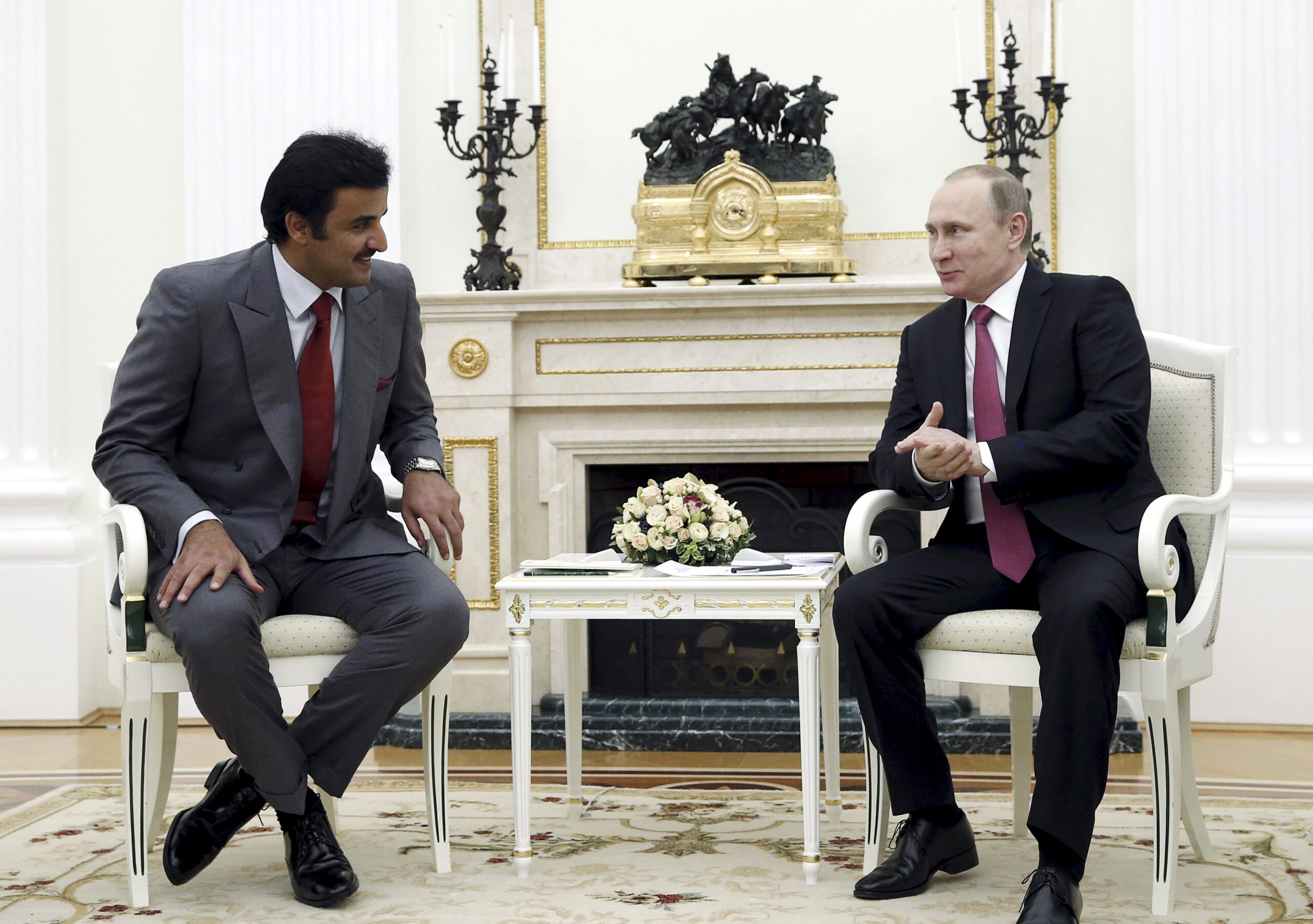
Qatar is throwing its financial muscle to woo Russia in a bid to regain lost political influence in the Syrian conflict, and the broader Middle East. Qatar’s Emir Sheikh Tamim bin Hamad al-Thani visited Russia in January to address Middle Eastern geopolitics and energy issues.
The oldest peer-reviewed publication dedicated to the study of the modern Middle East, MEI’s flagship journal covers politics, society, and culture in the region.