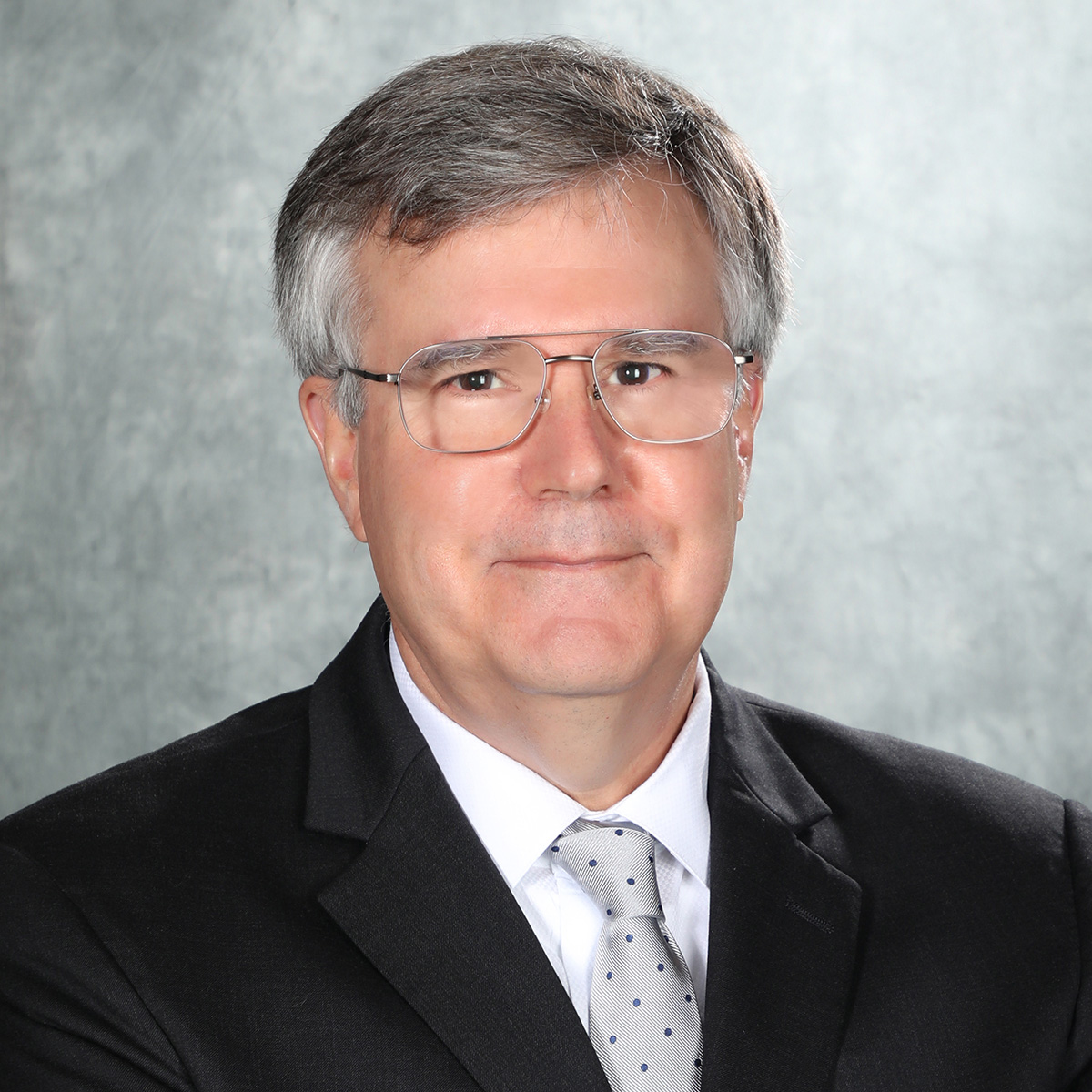
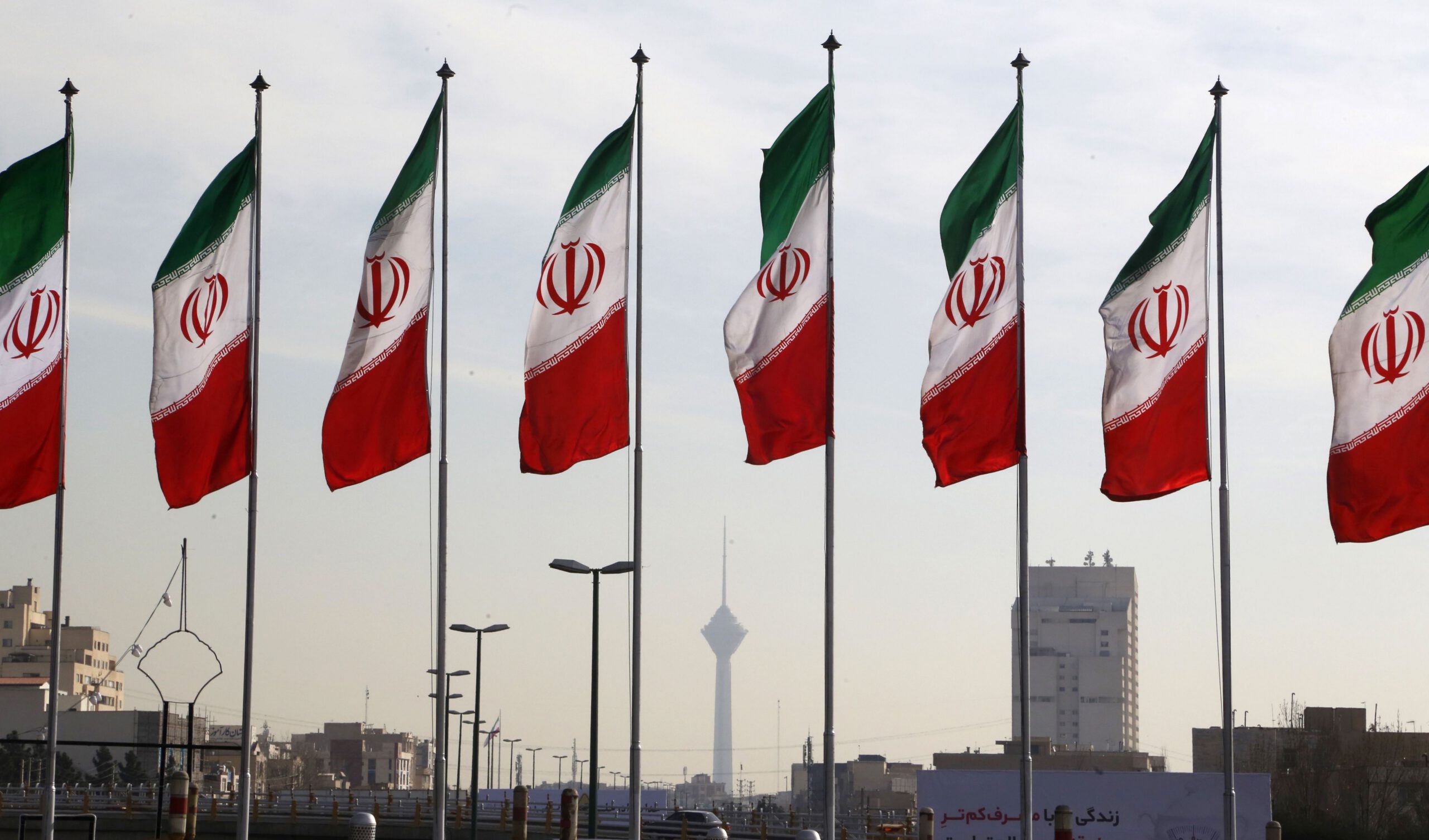
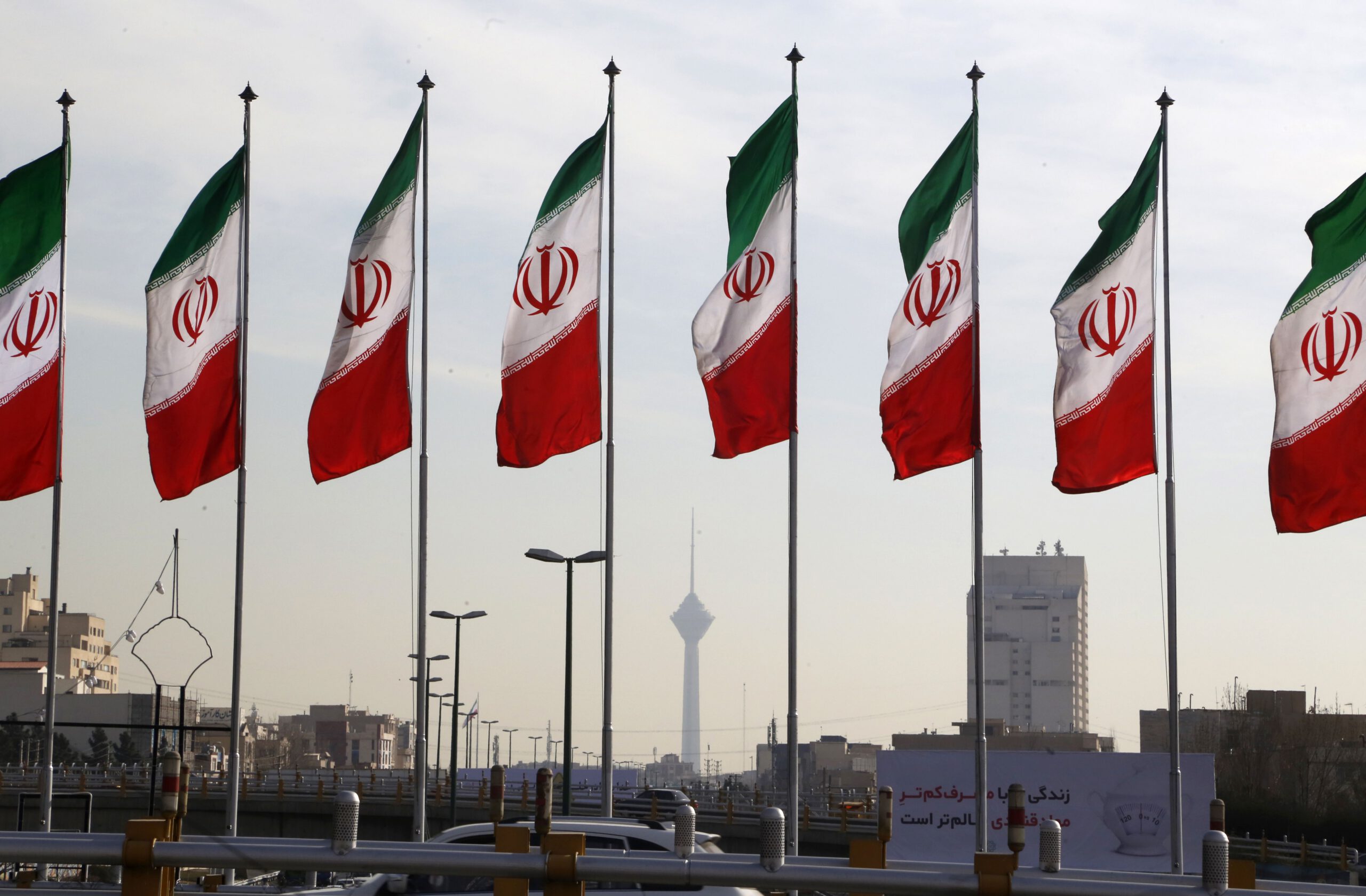
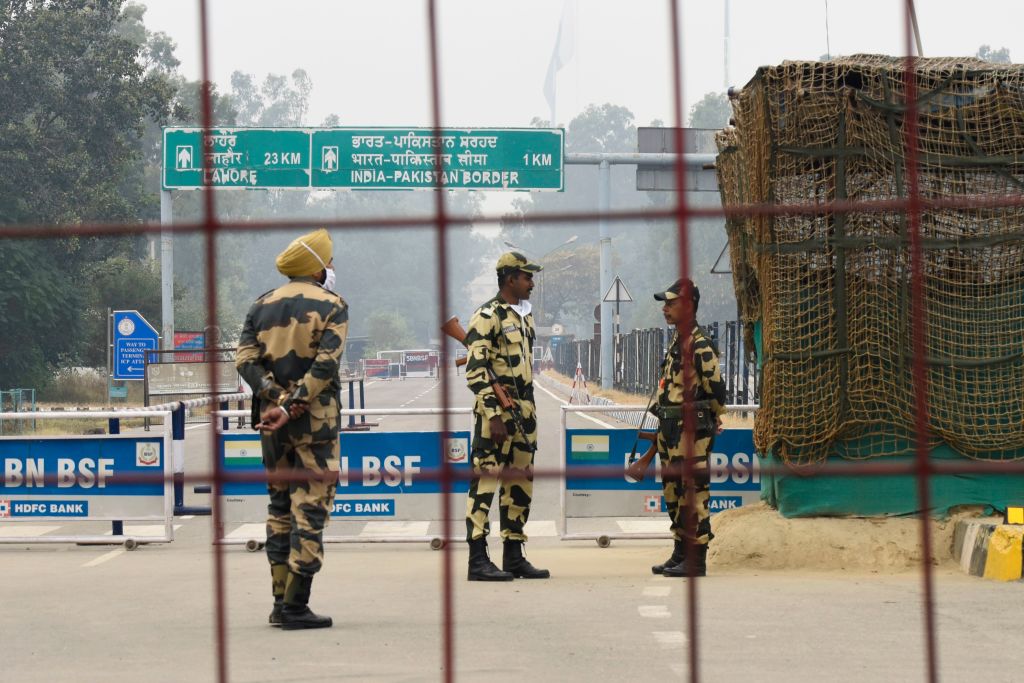
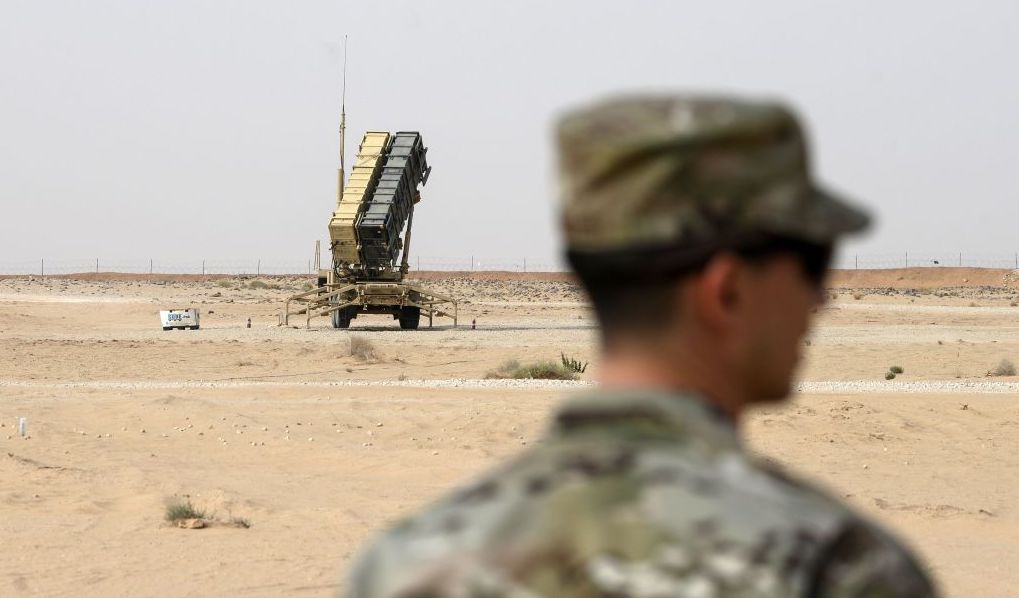
After the US-Israel-Iran war — and the strikes that followed the cease-fire — the Gulf states find themselves dangerously exposed. Host Alistair Taylor is joined by MEI Associate Fellow Gregory Gause to discuss the war’s impact on the Gulf, their partnership with the United States, and whether the turmoil of recent months will push Gulf leaders to reassess their alliances and international engagement.
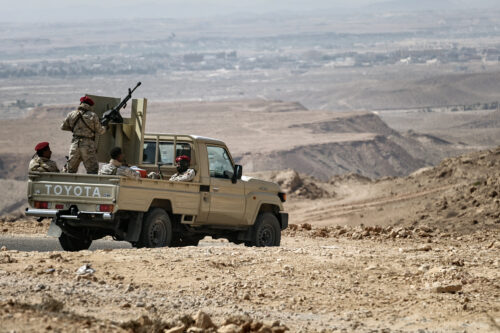
Saudi Arabia has stepped up its efforts to unify and restructure Yemen’s anti-Houthi forces after the rapid expansion and sudden implosion of the United Arab Emirates-backed secessionist Southern Transitional Council following Abu Dhabi’s military withdrawal from the country.
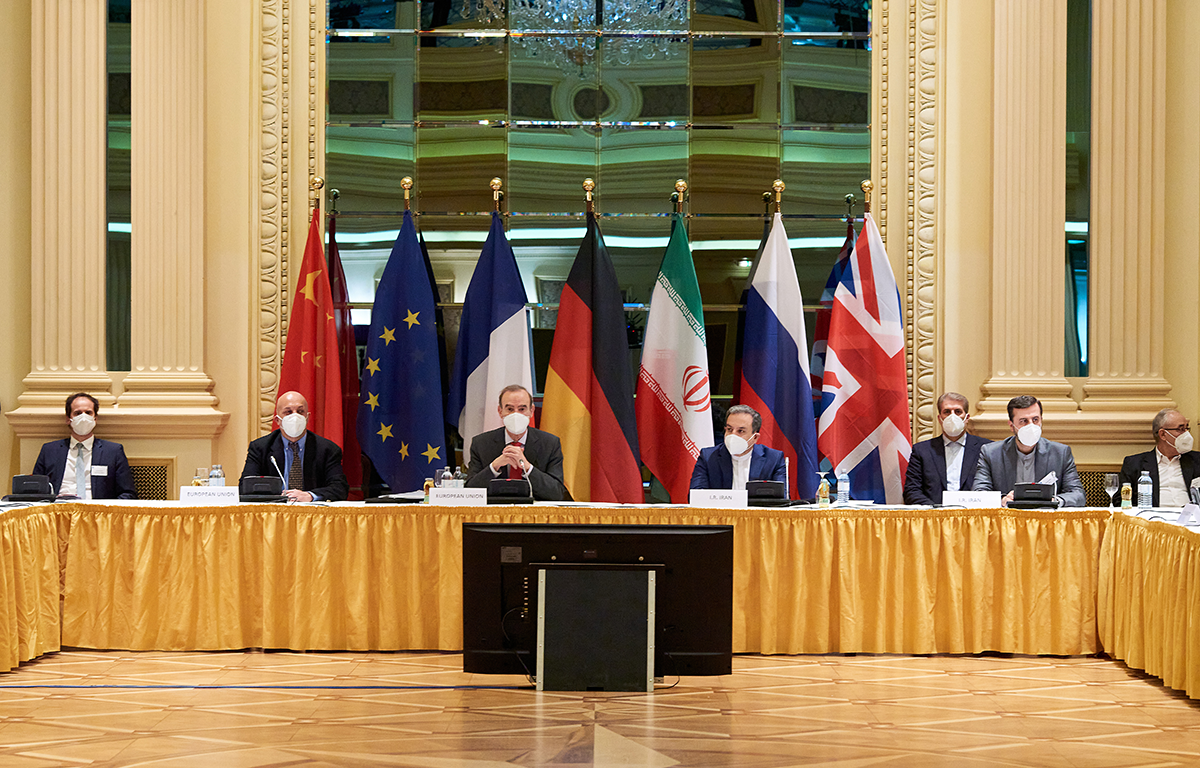
On the margins of Vienna’s nuclear talks, Riyadh and Tehran have opened their own conversation in Baghdad. Despite predictions of a potential grand bargain, Saudi and Iranian identity security will confine the results to a mere cooling of relations, at best.
The rapidly growing state-supported arts infrastructure in Saudi Arabia tends to overshadow the lesser-known history of independent artist-led initiatives. The pioneering modernist Mohammed Alsaleem, for example, is known for establishing Dar Al Funoon Al Sa’udiyyah (The Saudi Art House) in Riyadh in 1979, the first space where artists could gather, work, mentor each other, and stage exhibitions at a time when there were no art schools or galleries. The Kingdom has gone through various stages in its cultural development from the 1960’s oil boom, a time of artistic productivity and government scholarships to study art abroad, to the tumultuous late 1970s of Islamic militancy and religious conservatism until the 2000s. “The 1960s was a time when art flourished in the Kingdom. In Riyadh, exhibitions by modernist painters were held in football clubs in order to engage the public,” says Raneem Farsi, an expert in Saudi Arabian contemporary art, of a time that has influenced her curatorial narrative. Along with Susan Davidson, former senior curator at the Guggenheim Museum, she is co-curator of the exhibition Light Upon Light: Light Art since the 1960s, which runs until June 12.
The new wave of normalization in Turkey’s Middle East foreign policy
In the past several weeks, news has been coming out of Ankara regularly about normalization in relations with countries with which Turkey has had problematic relationships for some time.
The Roadblocks to a Regional Security Dialogue in the Middle East
It’s easy to see why there’s an enduring attraction for a regional security dialogue in the Middle East. Countries in the region face shared and borderless challenges — including terrorism, insurgency, environmental safety, arms races, cybersecurity, maritime piracy, and the proliferation of weapons of mass destruction — that can be dealt with more effectively through multilateral measures.
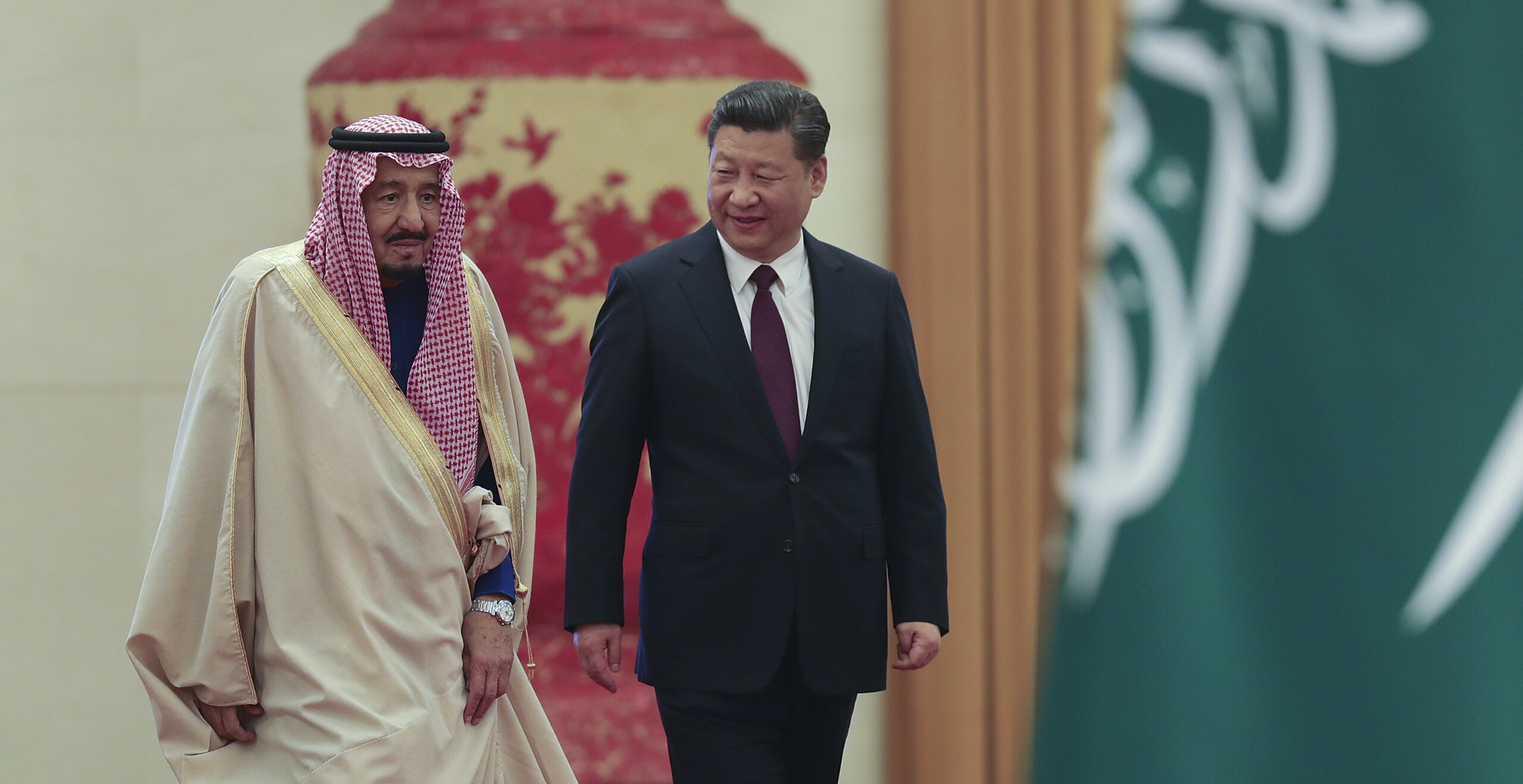
The coming US-China cold war: The view from the Gulf
Around the world, leaders are scrambling to define their strategy for dealing with the inevitable U.S.-China cold war to come, and the Gulf is no exception. Considering the different objectives and perspectives that the region has in regard to the two superpowers, any misstep in forming alliances could be detrimental to its future.
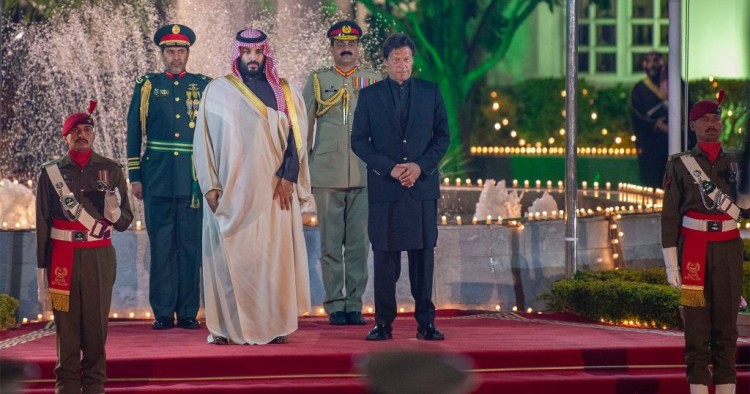
After last year’s crisis, Pakistan and Saudi Arabia pursue a reset
After last year’s much-publicized spat between Pakistan and Saudi Arabia — culminating with Riyadh’s demand for early repayment of $3 billion in loans meant to shore up Islamabad’s foreign exchange reserves — tensions between the two countries have since cooled. Pakistan and Saudi Arabia appear to be in the midst of a reset of relations.
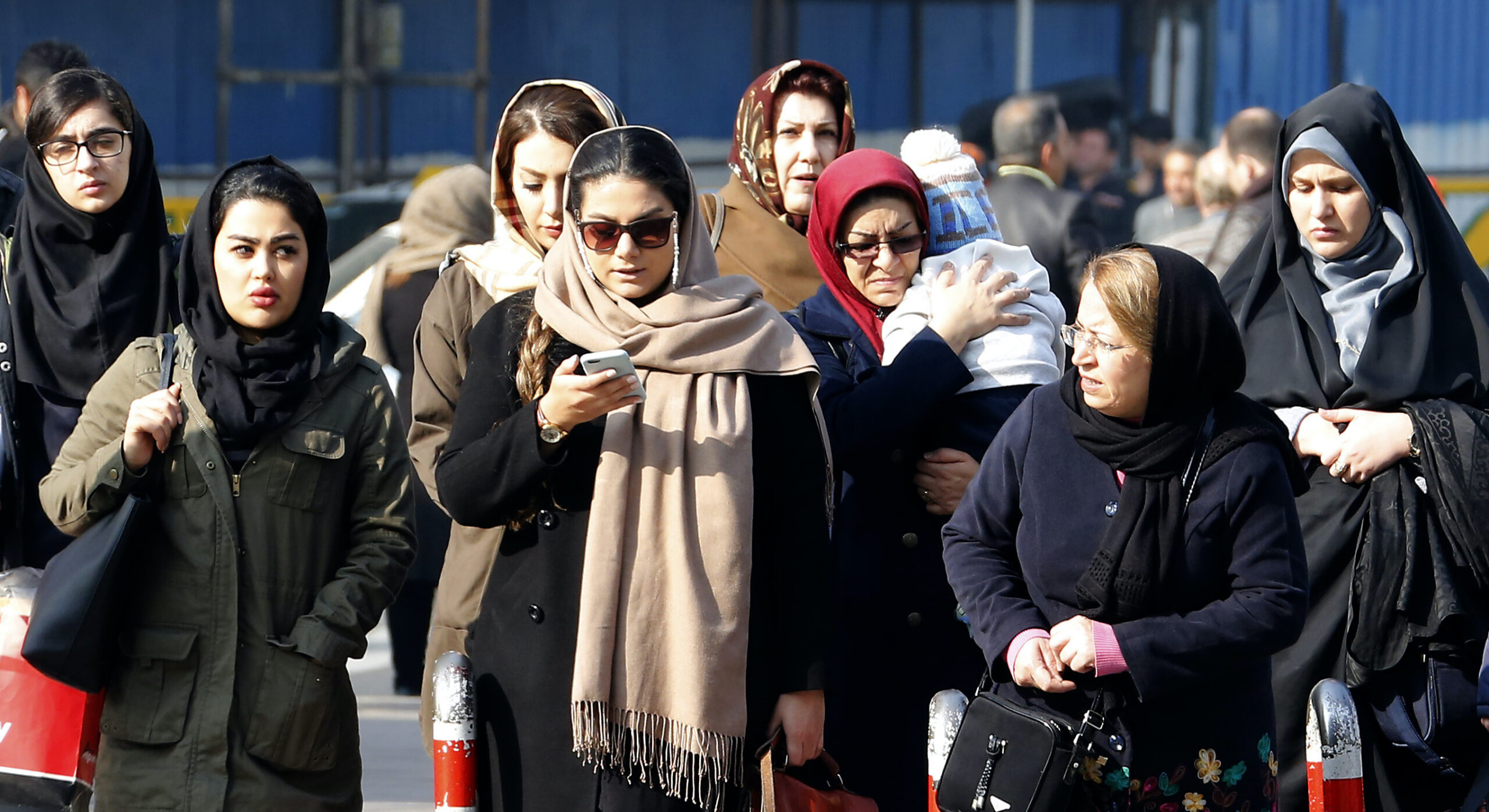
Iranian and Saudi women: Overcoming comparative suffering?
For many decades, Iran and Saudi Arabia have been bitter rivals, but not over women. If there was a competition, it was only over whose government could impose more limitations on their female population.
The oldest peer-reviewed publication dedicated to the study of the modern Middle East, MEI’s flagship journal covers politics, society, and culture in the region.