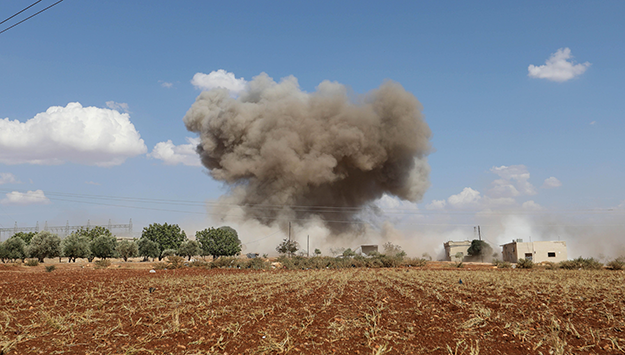
After the US-Israel-Iran war — and the strikes that followed the cease-fire — the Gulf states find themselves dangerously exposed. Host Alistair Taylor is joined by MEI Associate Fellow Gregory Gause to discuss the war’s impact on the Gulf, their partnership with the United States, and whether the turmoil of recent months will push Gulf leaders to reassess their alliances and international engagement.
Saudi Arabia has stepped up its efforts to unify and restructure Yemen’s anti-Houthi forces after the rapid expansion and sudden implosion of the United Arab Emirates-backed secessionist Southern Transitional Council following Abu Dhabi’s military withdrawal from the country.
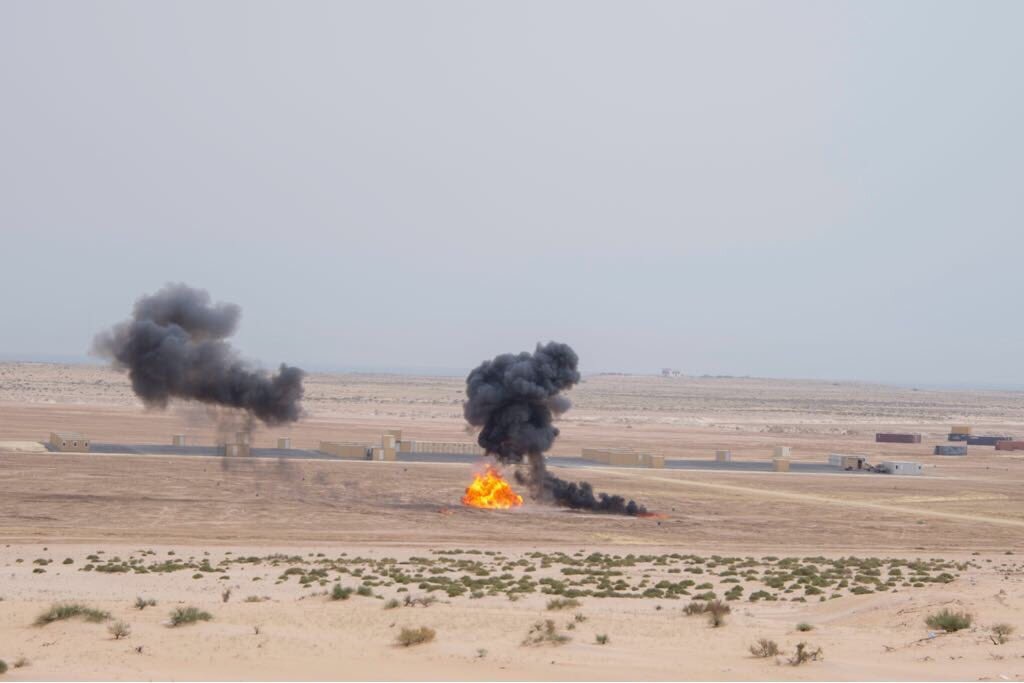
As naval, air, and ground units from Bahrain, Egypt, Jordan, Kuwait, Saudi Arabia, and the UAE conduct war games in western Egypt this month, many speculate that this could represent the birth of the so-called “Arab NATO.”
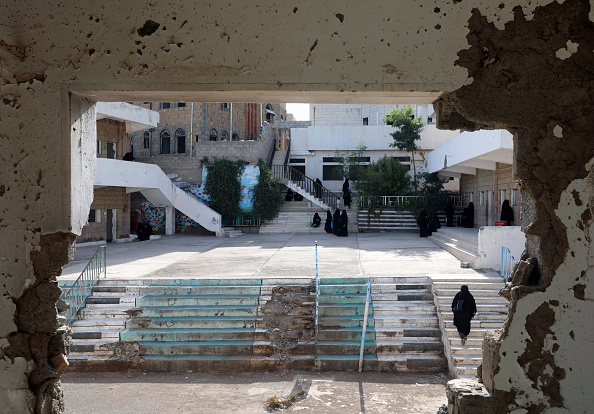
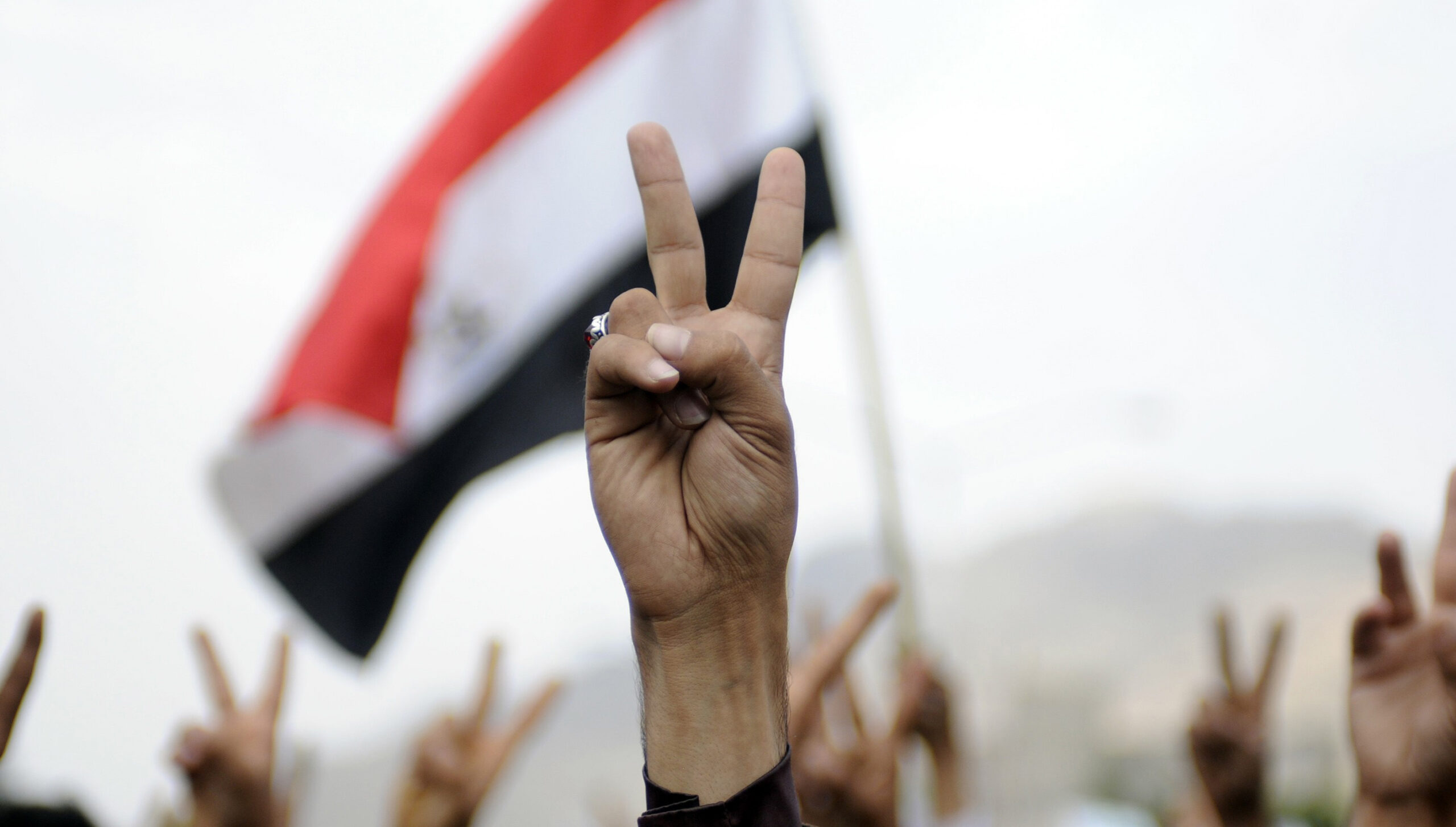
Yemen, the site of the biggest humanitarian disaster in the world today, has seen several significant developments in recent weeks, including renewed calls for a cease-fire, UN intervention, and brokered peace talks. Fatima Alasrar, senior analyst at the Arabia Foundation, and MEI’s Gerald Feierstein join host Paul Salem to discuss the prospects for these latest moves.
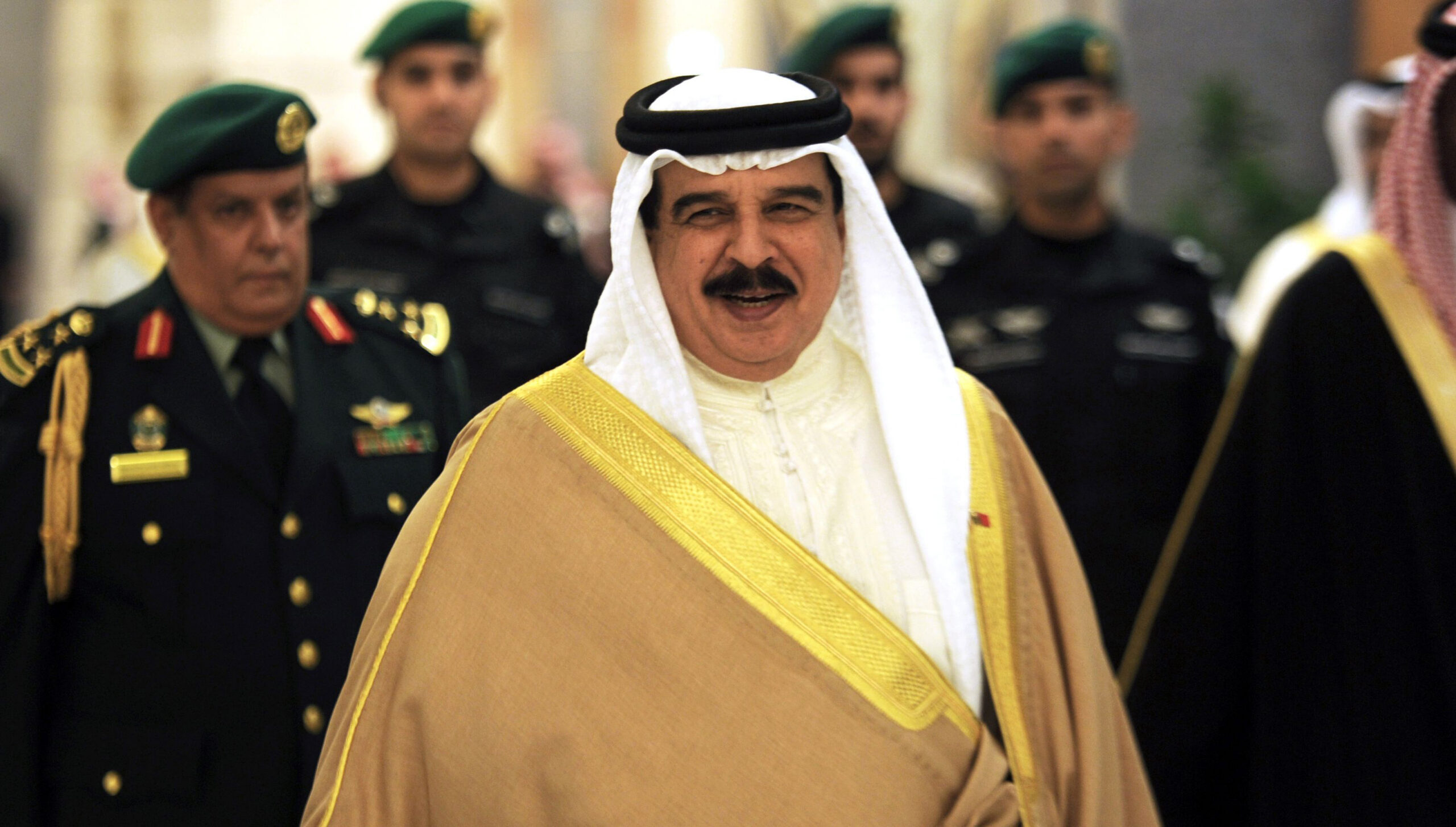
The GCC aid package for Bahrain illustrates how massive capital flows underlie the contentious politics and strategic alliances within the Gulf and broader Middle East.
The stakes behind the story: How Egypt’s media covered the Khashoggi case
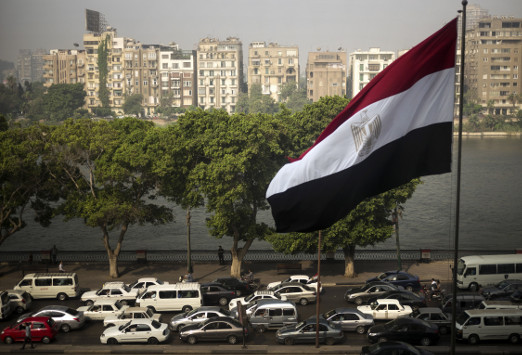
As the Khashoggi drama became to big to ignore, Egypt’s state-owned and private media coverage of the story confirmed that Egypt could not afford to harm its ties with Saudi Arabia.
October 25, 2018 – This week, in a highly anticipated speech on the Khashoggi affair, Turkish President Erdogan promised a lot but said little; the “Davos in the Desert” conference opened in Riyadh with an appearance by the Saudi crown prince; and the United States continued to send mixed signals. Karen Young, resident scholar at the American Enterprise Institute, and Gonul Tol, director of MEI’s Turkey program, join host Paul Salem to discuss the latest developments.
Update on Jamal Khashoggi; Afghan elections preview
In this episode, MEI’s Gerald Feierstein and Gonul Tol continue last week’s discussion on the tragedy and ongoing foreign relations crisis over Jamal Khashoggi, and Ahmad Majidyar gives a preview of this weekend’s parliamentary elections in Afghanistan.
The disappearance of journalist and commentator Jamal Khashoggi from the Saudi consulate in Istanbul has sparked the most serious crisis to face relations between the Trump administration and Riyadh. It has also posed a major diplomatic challenge for Turkey’s President Erdogan. MEI’s Jerry Feierstein and Gonul Tol join host Paul Salem to discuss the fallout of this developing crisis and potential tragedy.
Hopes for progress in Yemen have been stymied by setbacks in recent weeks, perpetuating a military and political stalemate. Marcia Biggs, special correspondent for PBS NewsHour, joins guest host Gerald Feierstein to discuss the humanitarian conditions she witnessed on the ground and what the international community can do to help reach a resolution to the crisis.
In this week’s Monday Briefing, MEI experts Charles Lister, Randa Slim, Jean-François Seznec, and Mirette F. Mabrouk provide analysis on recent and upcoming events including escalating tensions in Idlib, protests in Basra and their implications for Iraqi politics, a Saudi sovereign wealth fund’s loan to help make up for Aramco IPO revenue, and Egypt’s diplomatic outreach to China.
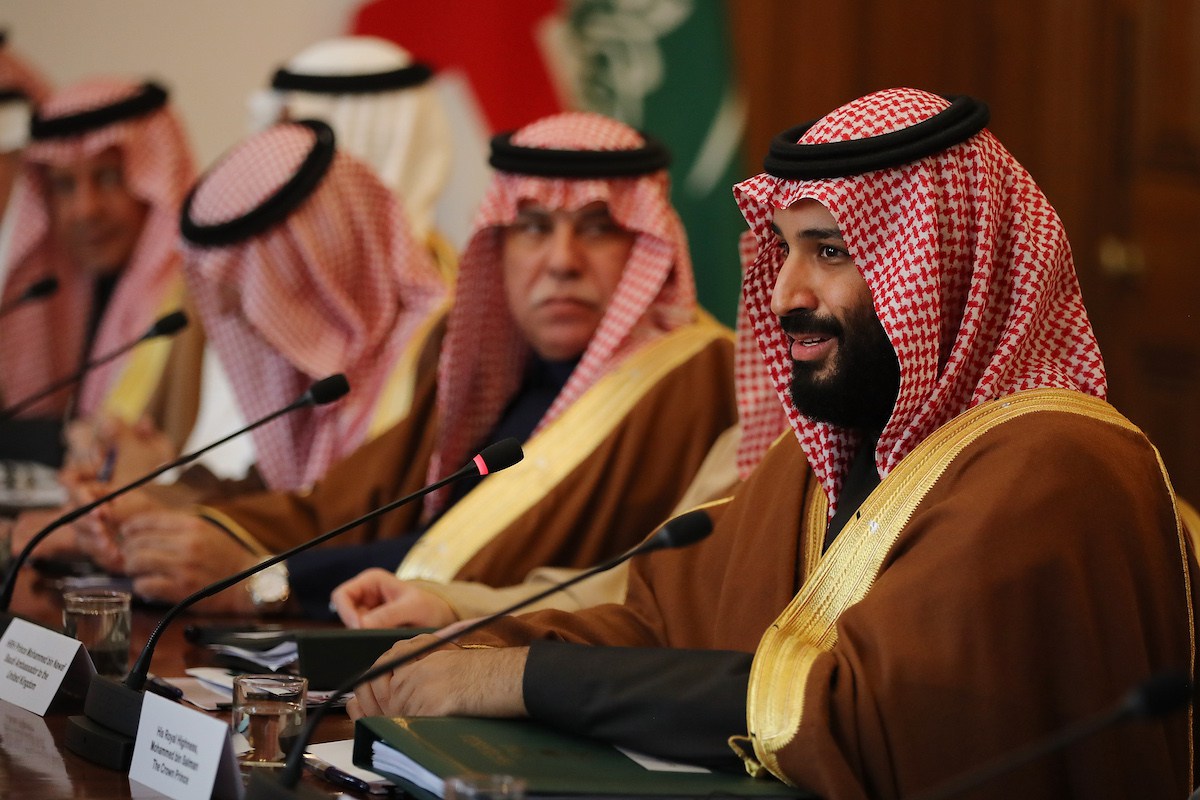
No Saudi official has been more applauded and vilified at the same time than Mohamed bin Salman, the Crown Prince and de facto ruler of Saudi Arabia. That is not surprising, given the transformational nature of the project he’s leading at home, which is bound to create both winners—those who wish to open up the kingdom—and losers—those who wish more or less to preserve the status quo.
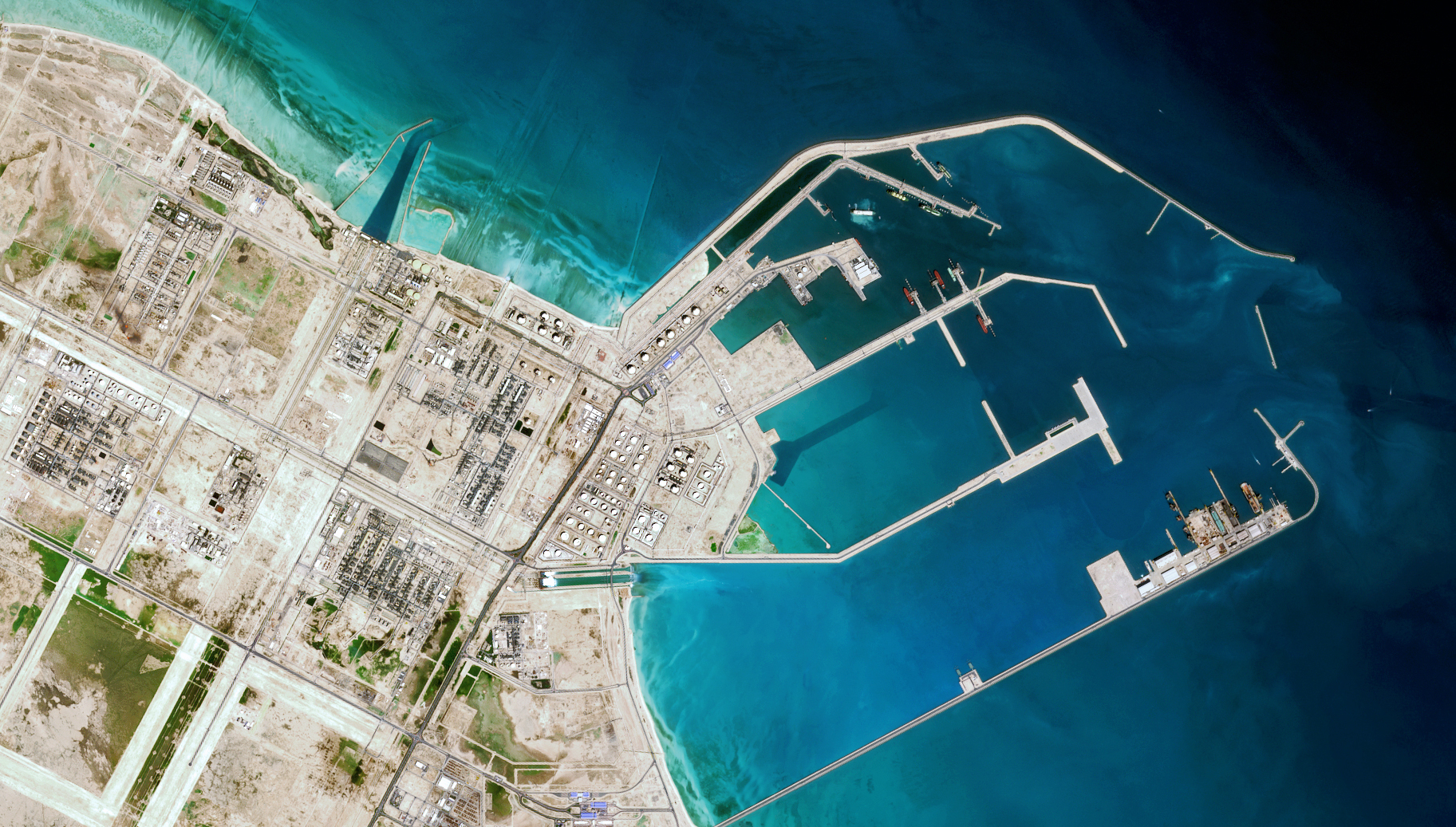
Houthi attack in strategic shipping lane could undermine oil markets
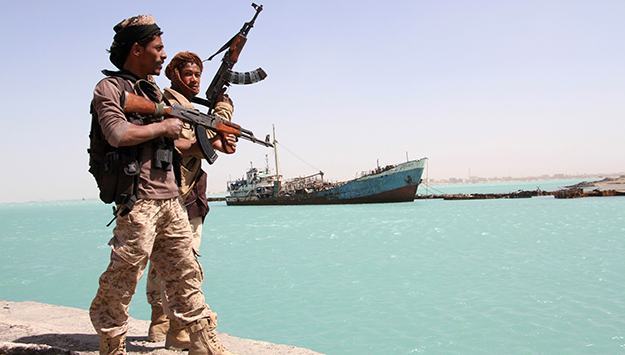
Saudi Arabia temporarily halted all oil shipments through the Bab al-Mandab strait on Wednesday, Jul. 25, after two of its very large crude carriers were attacked by Houthi rebels. According to Saudi and Yemeni officials, the attack was launched from the besieged port city of Hodeida.
Even though energy production and exports are the lifeblood of all Arab states in the Gulf, the present crisis between Qatar on the one hand and Saudi Arabia, the United Arab Emirates, Bahrain, and Egypt on the other has had very little influence on the economics of oil and gas either internationally or within the region. However, the countries involved have a lot to gain from a resolution of the conflict, particularly if it leads to greater energy market integration.
There are promising signs that the Saudi-backed coalition in Yemen’s assault on the port of Hodeida is opening a window of opportunity for a return to the political process. After a year of stalling, the Houthis have reportedly expressed a willingness to hand over operation of the port to a neutral third party, most likely the U.N. itself. Meanwhile, U.N.
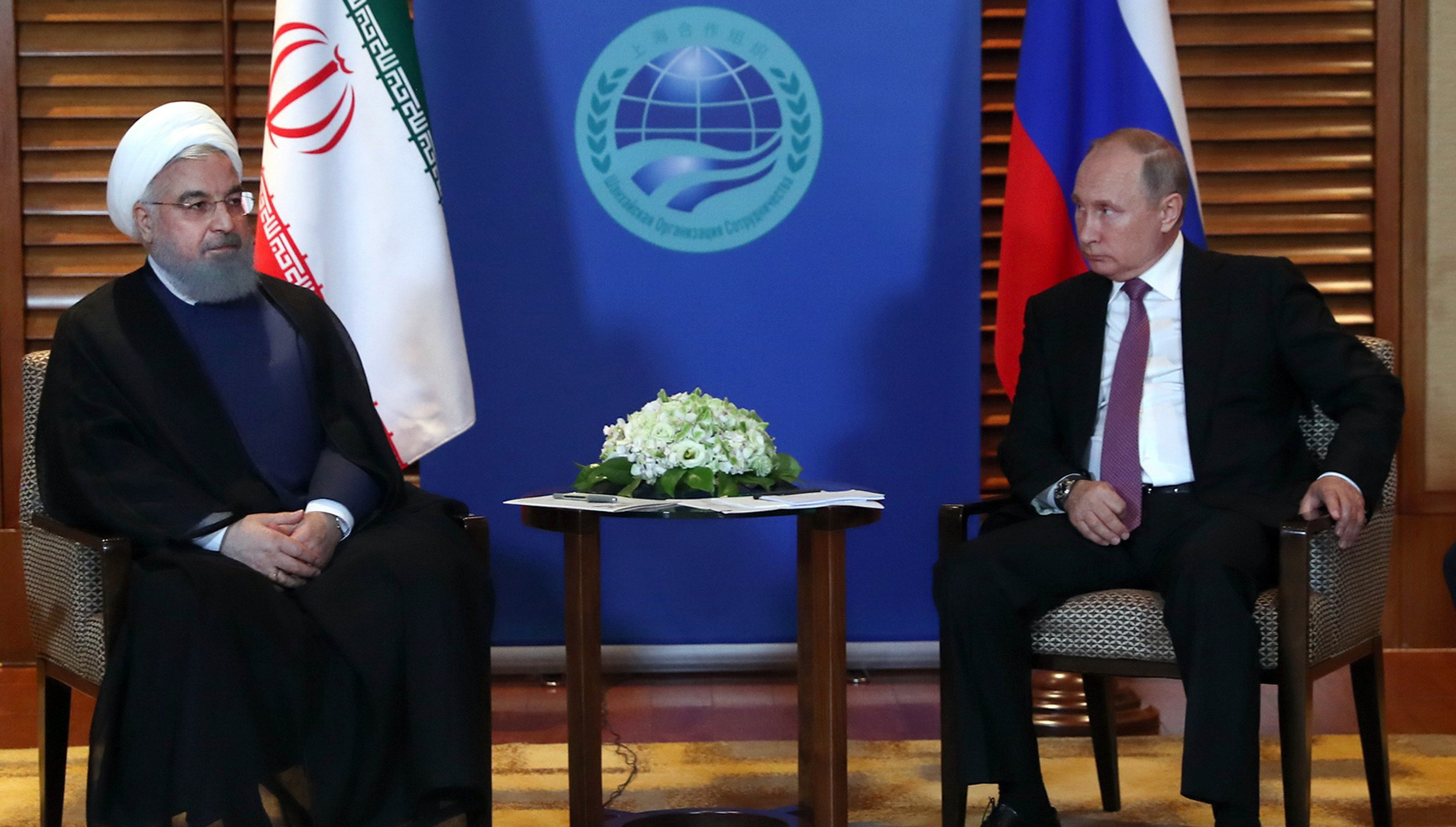
As international companies leave Iran under U.S. pressure, the Iranian government is scrambling to salvage as much foreign investment as possible. The top leadership in Tehran believes the solution is to engage with Russia, China, and the “east” to replace the West’s hesitant commitment to the Iranian market. But this eastward approach is a pipe dream, and there is plenty of history to prove it.
The oldest peer-reviewed publication dedicated to the study of the modern Middle East, MEI’s flagship journal covers politics, society, and culture in the region.