Yemen: The Houthis’ Role in the Next Evolution of the Axis of Resistance
The outbreak of the war with Iran demonstrated the strategic value of maritime chokepoints in the Islamic Republic’s confrontation with the United States. But as Tehran’s strategy of using the Strait of Hormuz to pressure Washington seems to be backfiring, Iran is working with the Houthis to strengthen its leverage over another strategic chokepoint: the Bab el-Mandeb. The recent escalation in Yemen should be viewed within this context.
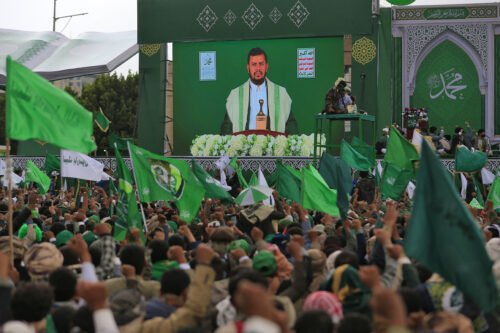
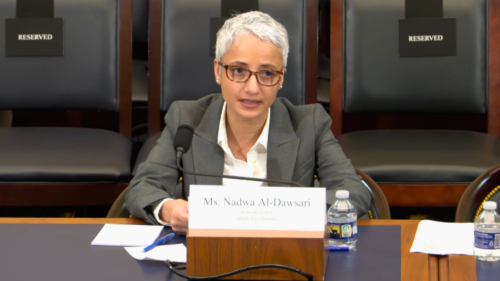
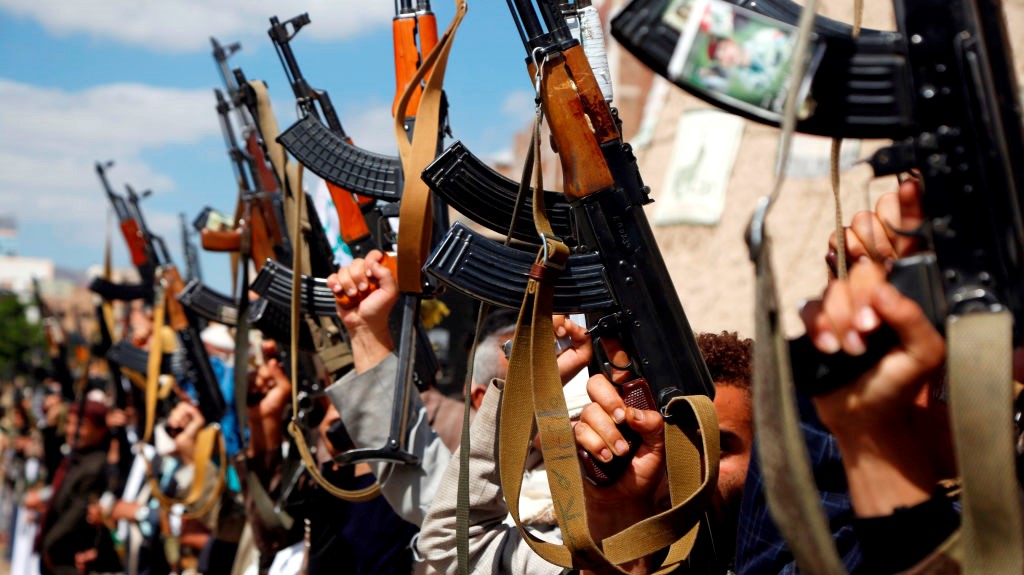
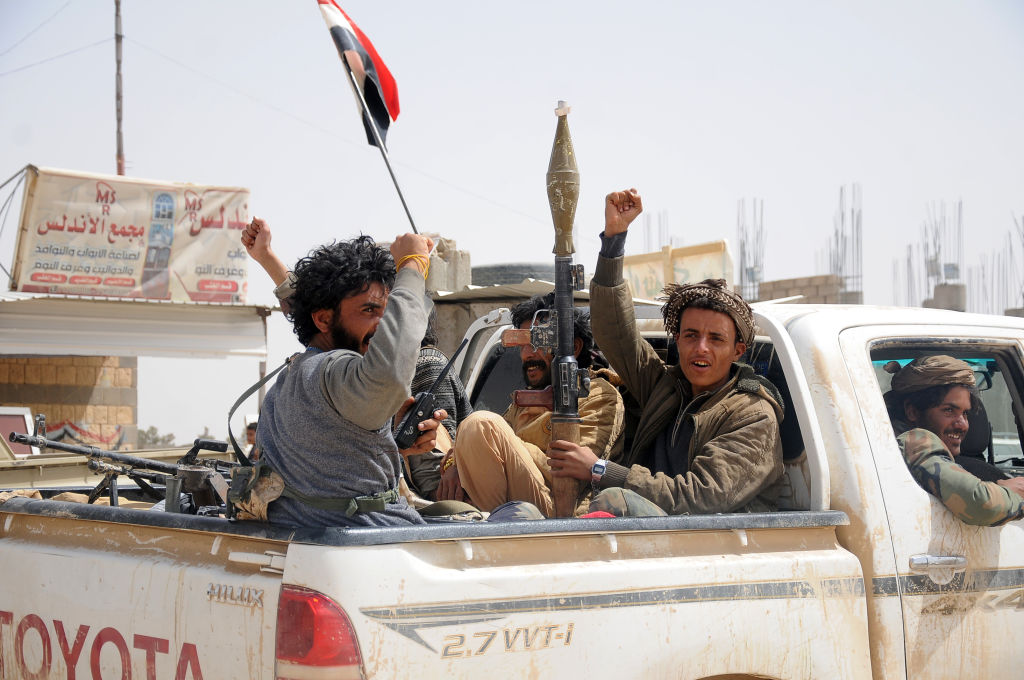
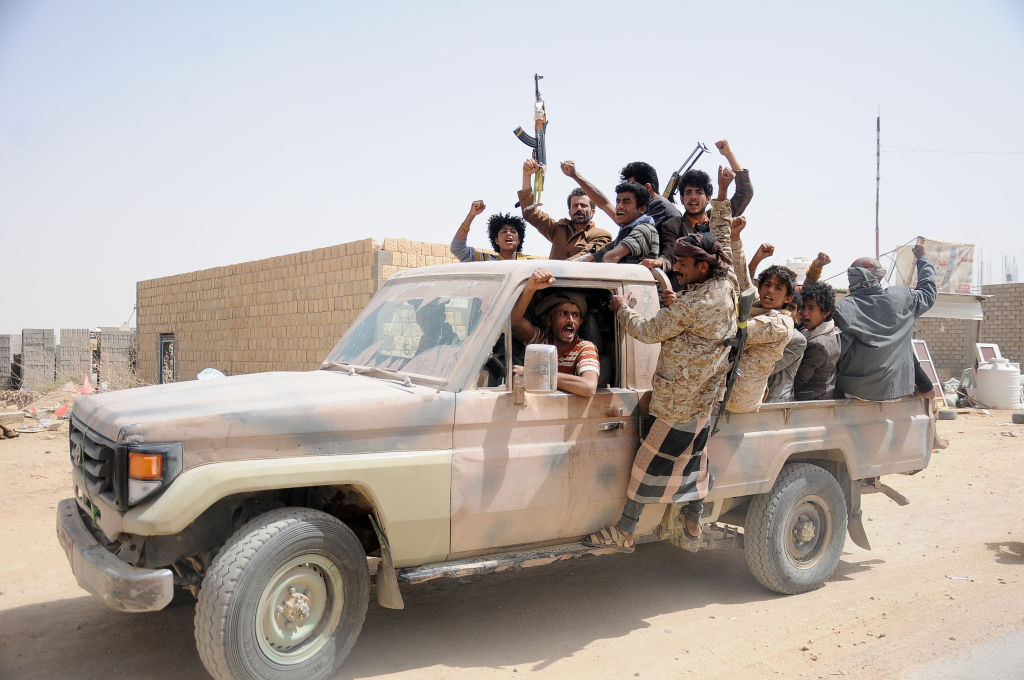
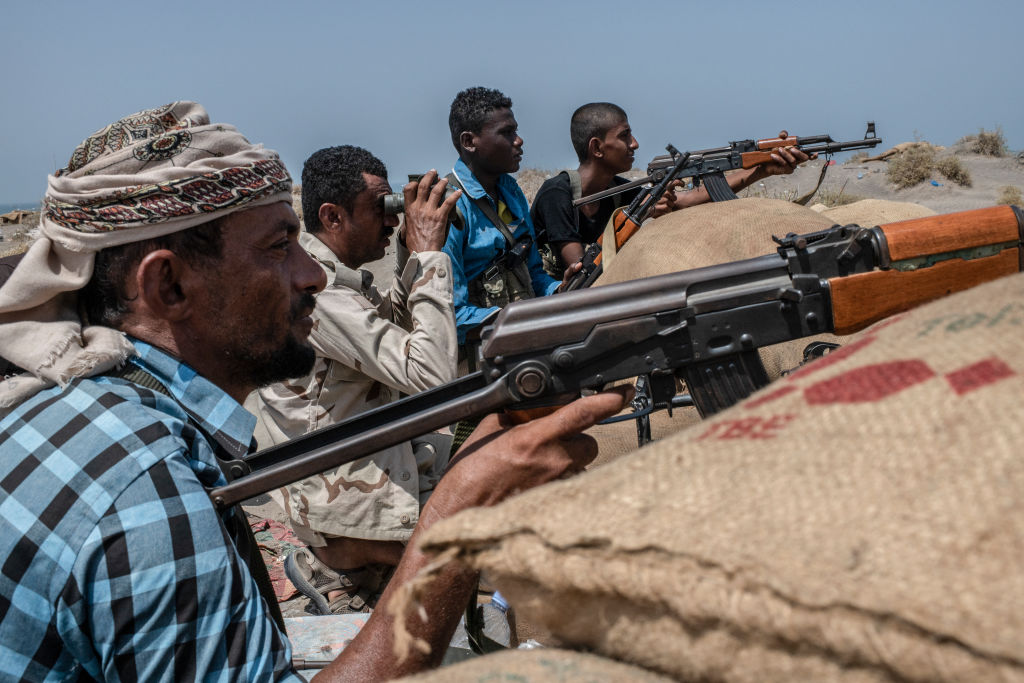
Over the past several weeks, the Houthis have seized the port city of Mokha, Yemen’s western coastline, and several islands in the Bab el-Mandeb Strait, and they are now massing around Marib and Taiz in the first major frontline shift since 2022. MEI Associate Fellow Nadwa Al-Dawsari joins host Matthew Czekaj to unpack the latest developments. Together, they discuss what has allowed the Houthis to advance against Yemeni government forces, the role the militant group plays in Iran’s regional strategy, and what it will take to contain the threat.
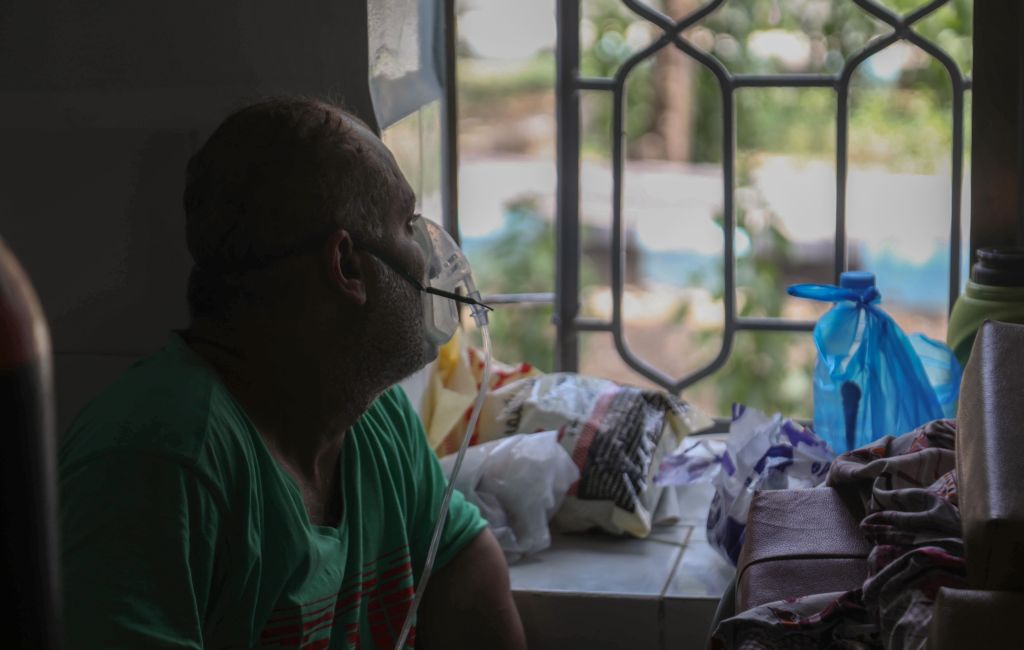
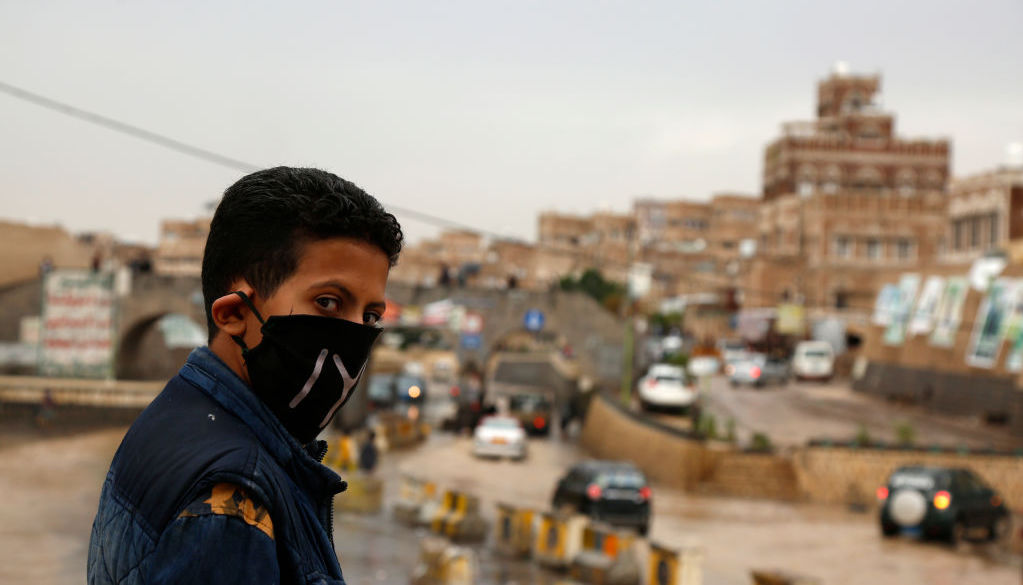
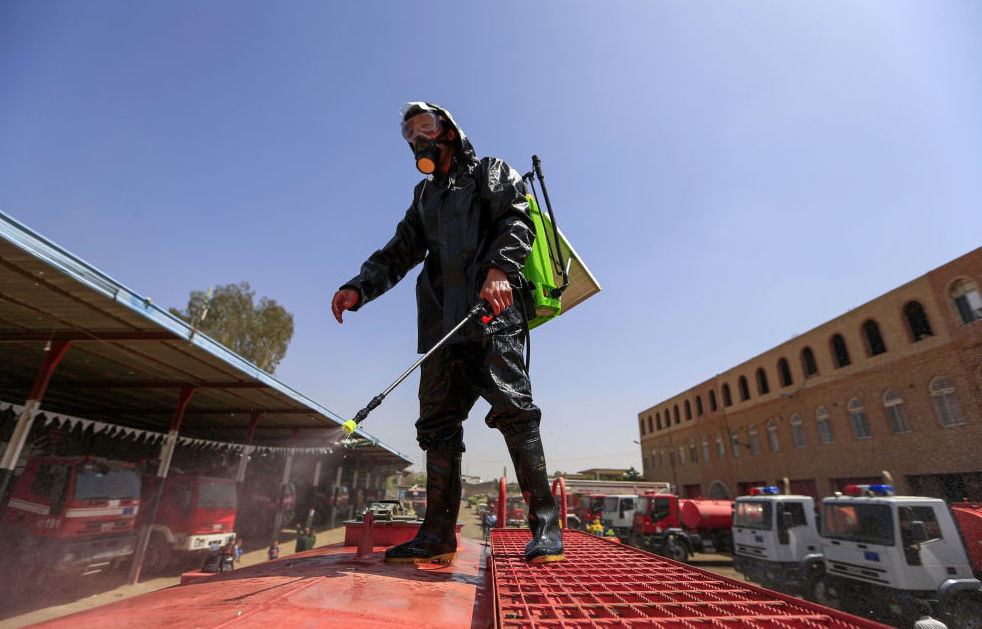
Yemen’s botched pandemic response and fragile conflict dynamics allow COVID-19 to spread undetected
On April 2, 2020, the Houthi version of Saba News Agency in Sanaa announced the first coronavirus case in Yemen, but shortly afterwards it retracted the news and the deputy chairman of the agency’s board of directors was fired. Many Yemenis had hoped the Saudi-led coalition’s blockade of the country and its resulting isolation might have helped to prevent an outbreak.
What happened in al-Awadh illustrates how the tribes are increasingly caught between the brutality of the Houthis and the incompetence of the Yemeni government.
President Hadi and the future of legitimacy in Yemen
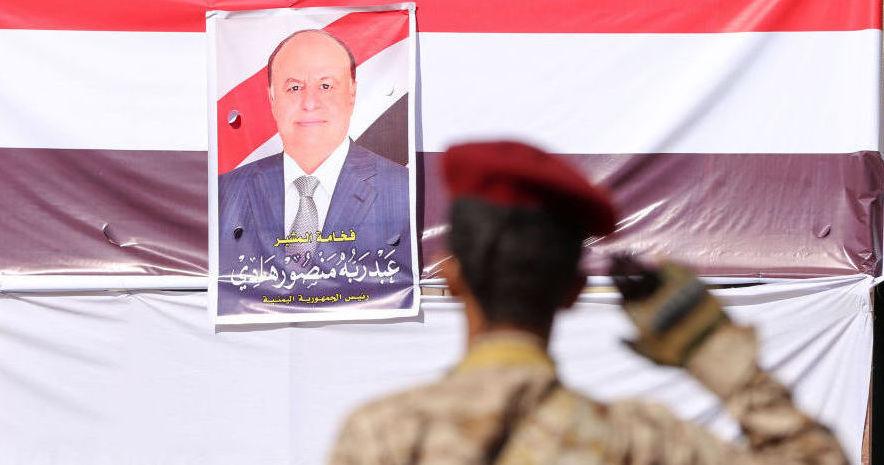
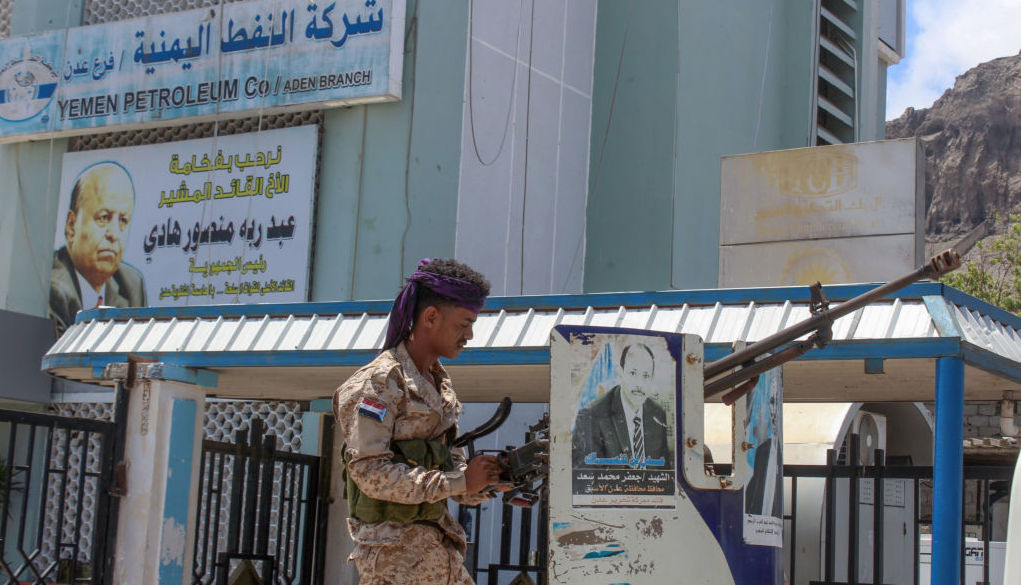
What is the future of legitimacy in Yemen? The question of what would happen if President Abed Rabbo Mansour Hadi were to die has been an unspoken concern for the past several years. It is important to address the question of legitimacy after Hadi because the constitutional rules on how to transfer his authority to a successor and how to avoid a presidential vacuum are impractical given the ongoing conflict.
Protracted conflict on Yemen’s island of Socotra reflects rival geopolitical ambitions
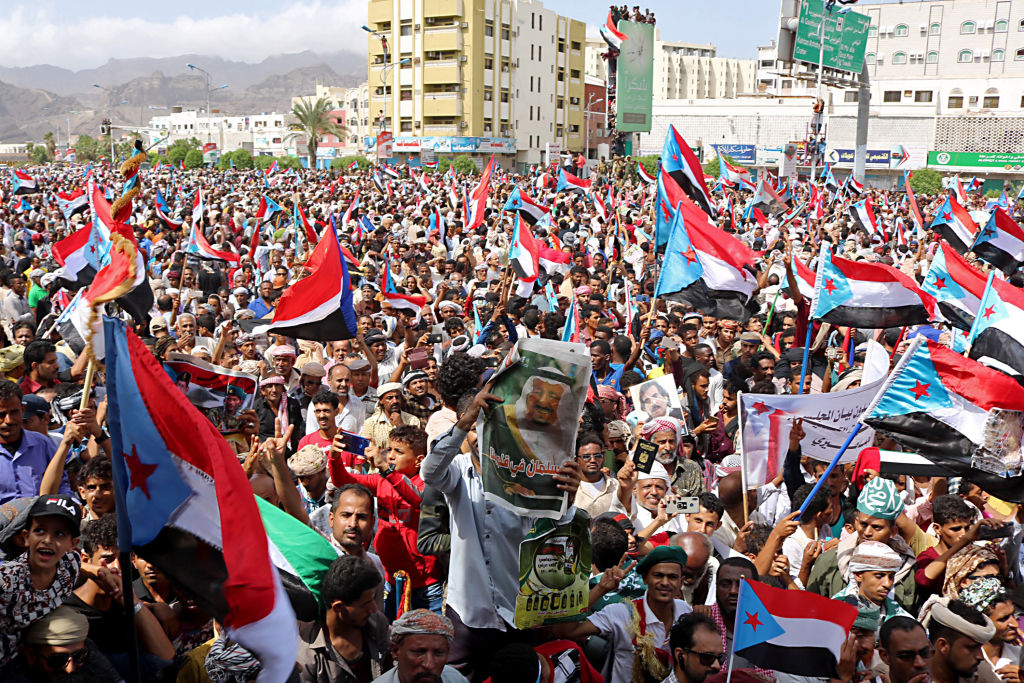
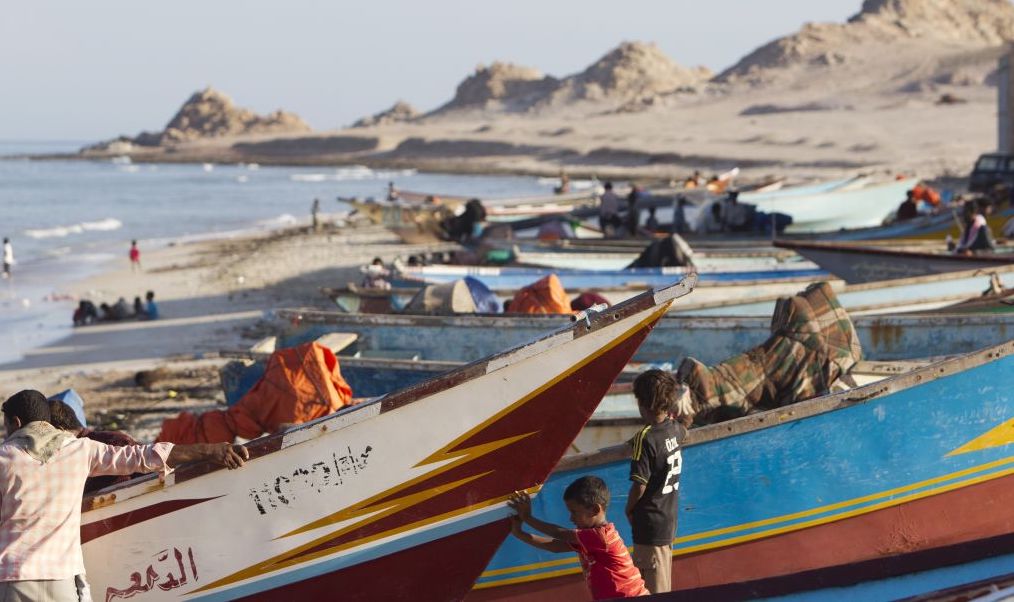
On April 30, roughly a week after the Southern Transitional Council (STC) declared self-administration in Aden, a military confrontation broke out on the remote Yemeni island of Socotra between members of the STC and government forces. After just a few days, the situation was diffused when the island’s governor and the STC asked the Saudis to intervene. Although an agreement was reached quickly, it is likely to be fragile because the causes of the conflict are not entirely local. The island of Socotra is simply too important to multiple international players that are not willing to let it easily slip outside their sphere of influence.
Self-administration: Will it strengthen Yemen’s STC or further complicate the conflict?
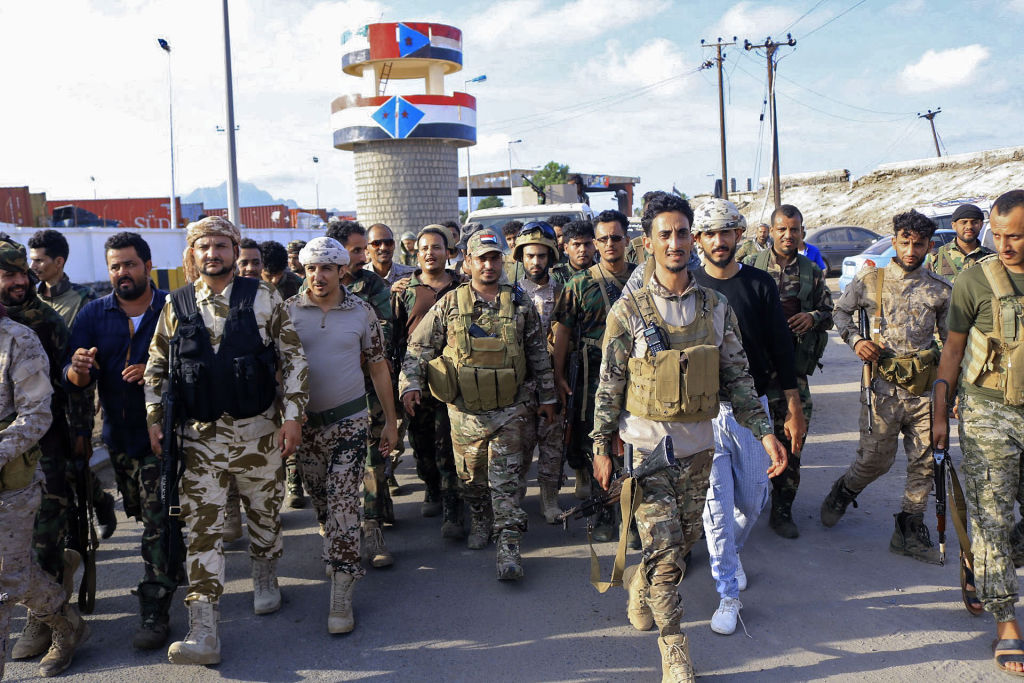
A few hours before Ramadan’s pre-fasting suhoor meal on April 25, the Southern Transitional Council (STC), a UAE-sponsored regional secessionist movement, abruptly announced self-administration in Yemen’s South and a state of emergency.
Coalition’s cease-fire extension keeps the ball in the Houthis’ court
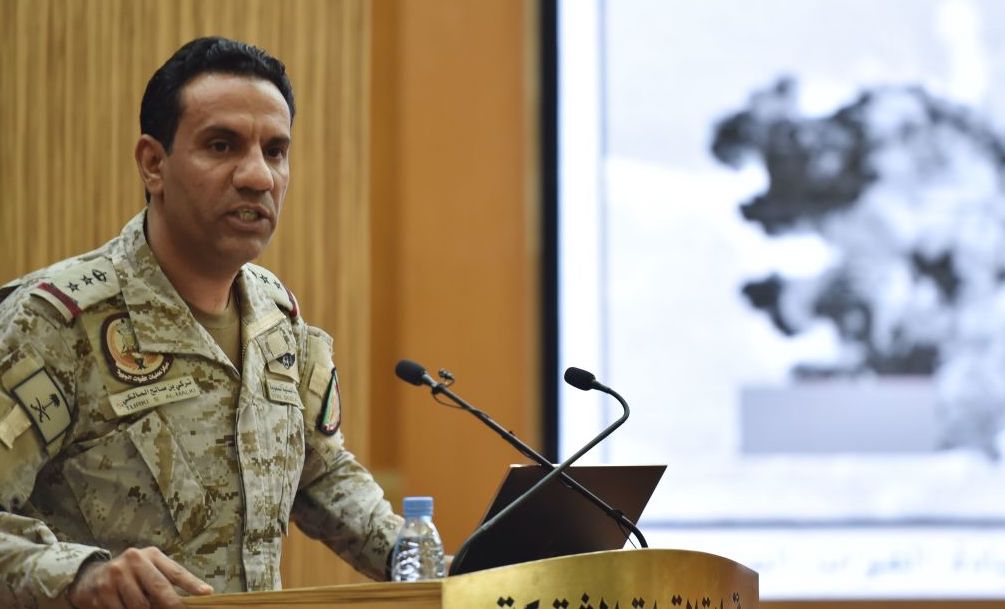
Despite the Houthis’ rejection of the Saudi-led coalition’s two-week unilateral cease-fire, on April 24 the coalition’s Joint Forces Command announced an extension throughout the holy month of Ramadan.
“Self-rule” in Aden and the implications for Russia
Russia acts as a “key if quiet player” in southern Yemen, where its approach has been based on strategic neutrality. The goal has been to position Moscow as a greater stakeholder in mediation between the various Yemeni parties and outside players. Moscow has engaged the Southern Transitional Council, the UN-recognized Yemeni government led by President Abed Rabbo Mansour Hadi, the Houthi rebels, as well as the three main regional powers intervening in Yemen — Saudi Arabia, the UAE, and Iran.
Yemen's competition for Saudi patronage heats up as the STC declares self-rule
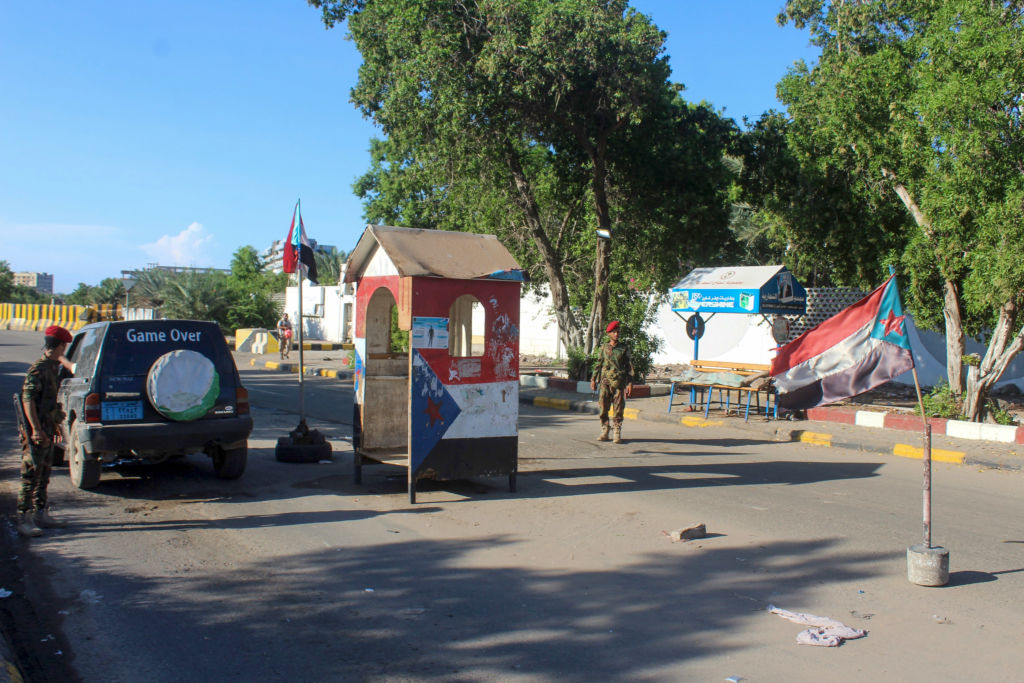
On April 25, the Southern Transitional Council declared self-administration and claimed authority over state institutions in the interim capital of Aden. The declaration demonstrates the region’s volatility, the limited reach of Yemen’s government, and the difficulty of imposing a solution to the problem of secessionism. It is also sparking political competition for Saudi patronage, and all of this poses a major diplomatic challenge for the Saudis.
MEI senior fellows Mick Mulroy and Eric Oehlerich join host Alistair Taylor to discuss child soldiering, a growing global problem that has a disproportionate impact on the Middle East and Africa. Click here to read their new report, “Begin with the children: Child soldier numbers doubled in the Middle East in 2019.”
Saudi Arabia eyes the exit in Yemen, but Saudi-Houthi talks alone won’t resolve the conflict
During the Munich Security Conference in February 2020, Saudi Arabia’s foreign minister, Prince Faisal bin Farhan, signaled that the Saudi-Houthi backchannel talks were not “ready to move to the highest level.” However, the situation changed following the Houthi ballistic missile attack on Jazan and Riyadh in late March, and on April 8, the coalition’s Joint Forces Command
Without a Houthi commitment, the cease-fire could make Yemen more vulnerable to COVID-19
The Houthis’ lack of interest in halting their military operations could displace millions of civilians in the midst of a potential COVID-19 outbreak, defeating the very purpose of the cease-fire.
Five years on, has the Arab coalition achieved its objectives in Yemen?
On March 26, 2015, the former Saudi ambassador to the U.S., Adel al-Jubeir, announced the beginning of a Saudi-led military campaign in Yemen to curtail Iran’s influence in the country, reinstate the regime of President Abed Rabbo Mansour Hadi in Sanaa, and deter the Iranian-backed Houthi threat. Five years on, however, the objectives of Operation Decisive Storm are far from realized, and the situation on the ground is as volatile as ever.
The oldest peer-reviewed publication dedicated to the study of the modern Middle East, MEI’s flagship journal covers politics, society, and culture in the region.