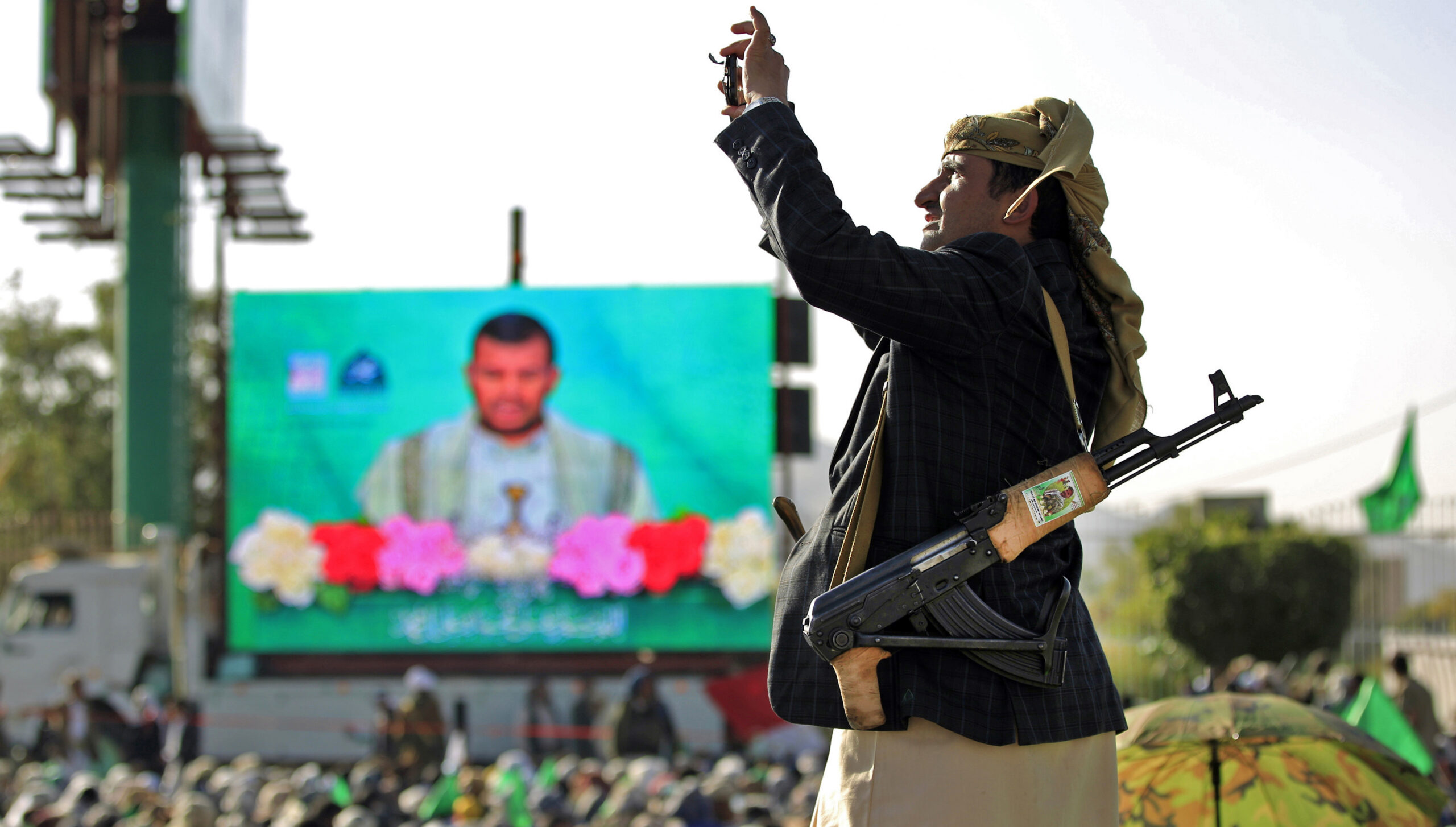
Yemen: The Houthis’ Role in the Next Evolution of the Axis of Resistance
The outbreak of the war with Iran demonstrated the strategic value of maritime chokepoints in the Islamic Republic’s confrontation with the United States. But as Tehran’s strategy of using the Strait of Hormuz to pressure Washington seems to be backfiring, Iran is working with the Houthis to strengthen its leverage over another strategic chokepoint: the Bab el-Mandeb. The recent escalation in Yemen should be viewed within this context.
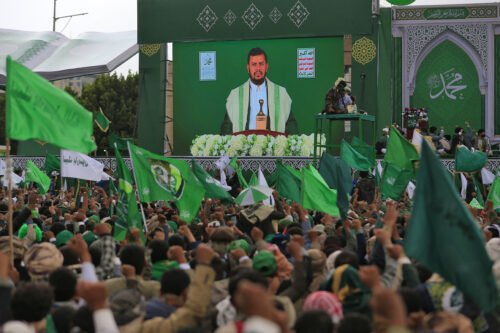
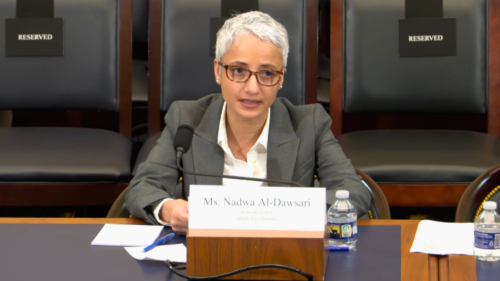
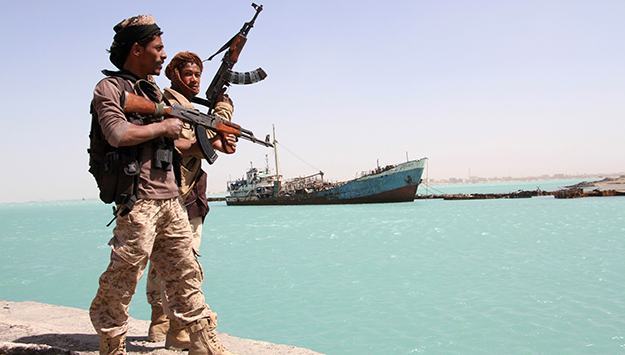
Over the past several weeks, the Houthis have seized the port city of Mokha, Yemen’s western coastline, and several islands in the Bab el-Mandeb Strait, and they are now massing around Marib and Taiz in the first major frontline shift since 2022. MEI Associate Fellow Nadwa Al-Dawsari joins host Matthew Czekaj to unpack the latest developments. Together, they discuss what has allowed the Houthis to advance against Yemeni government forces, the role the militant group plays in Iran’s regional strategy, and what it will take to contain the threat.
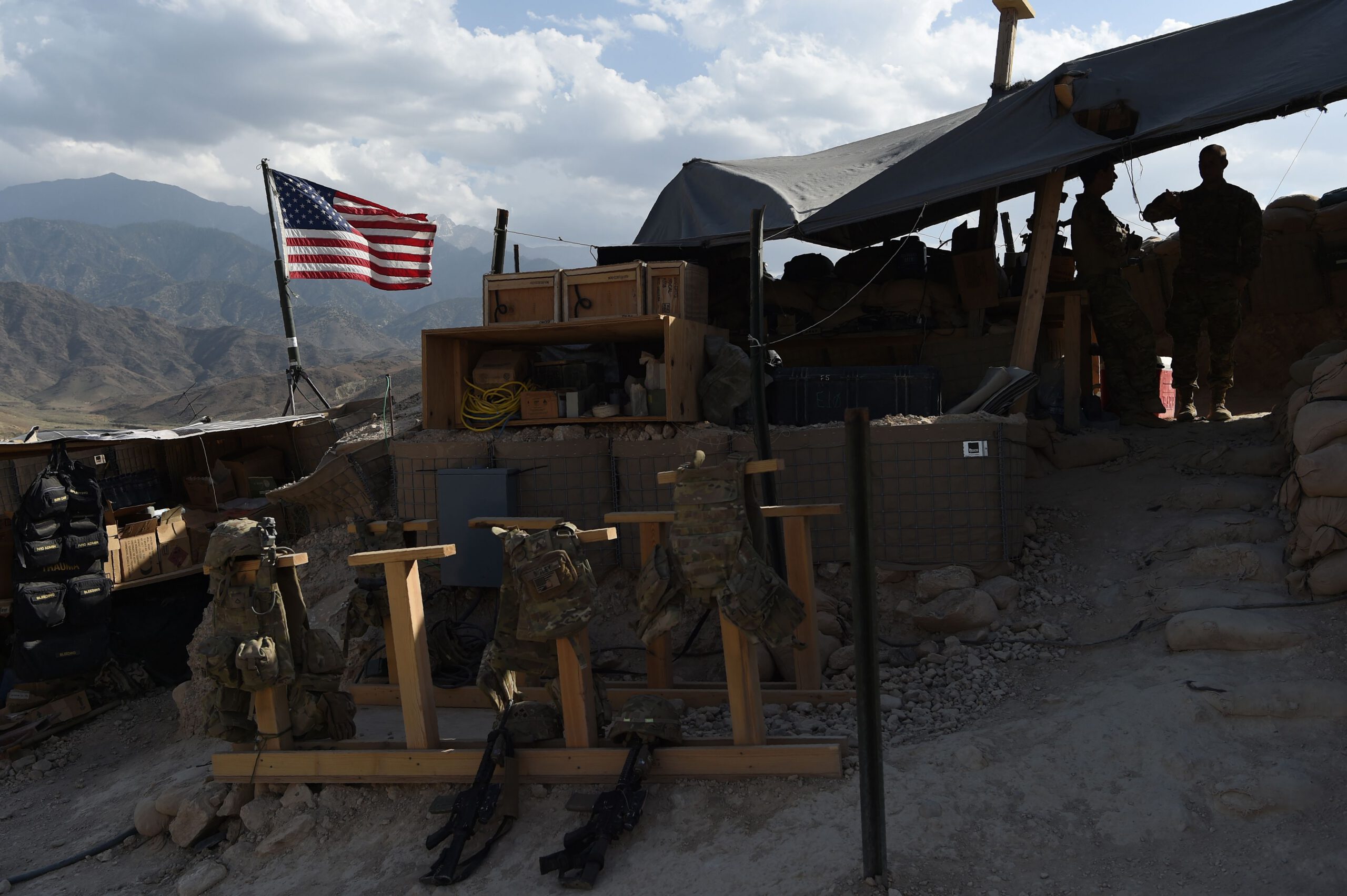
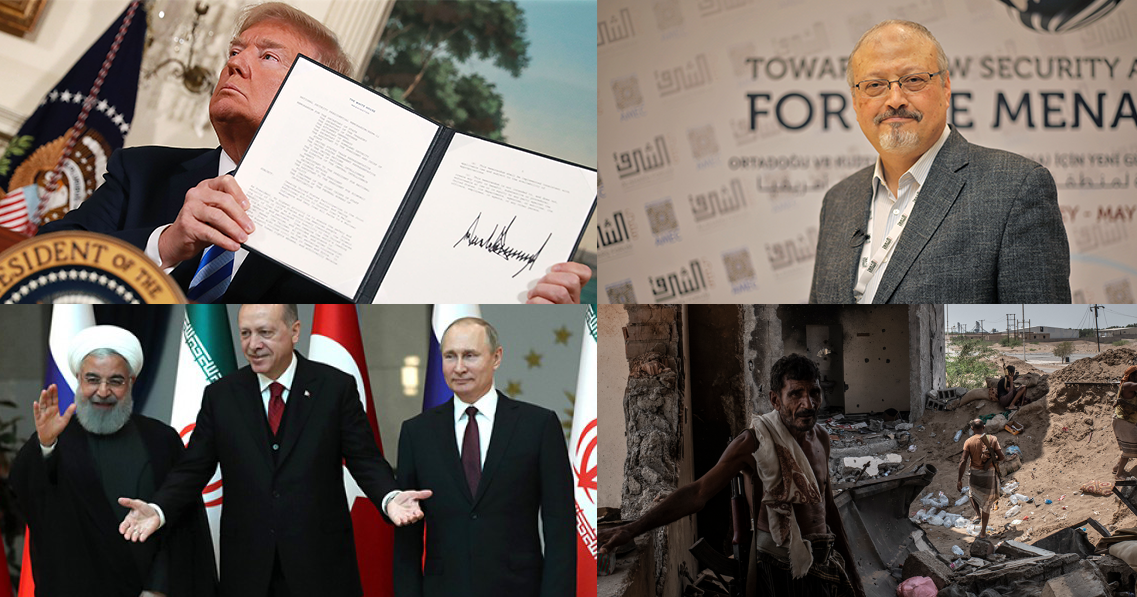
In our final episode of the year, host Alistair Taylor interviews several MEI scholars on the key events that transpired across the Middle East in 2018 including in the Gulf, Iran, Turkey, and Afghanistan. Guests include Paul Salem, Gerald Feierstein, Alex Vatanka, Gonul Tol, and Ahmad Majidyar.
In this week’s Monday Briefing, MEI experts discuss recent and upcoming events including the coming changes in Trump’s administration, Iran’s hesitation in the US-China battle over Huawei , the ongoing Sweden talks on Yemen, results of the latest GCC summit, and questions over the legitimacy of the Afghan elections.
Restoring security and stability in Yemen is going to be a long-term process. Successful peace negotiations — including a ceasefire and confidence-building measures — can only be a first step toward that broader objective.
In this week’s Monday Briefing, MEI experts discuss recent and upcoming events including the Gaza flare-up and its threat to Egyptian-led negotiations, Russian-hosted Afghan peace talks, the ground offensive in Hodeidah, and rapid escalation in northwestern Syria.
Yemen, the site of the biggest humanitarian disaster in the world today, has seen several significant developments in recent weeks, including renewed calls for a cease-fire, UN intervention, and brokered peace talks. Fatima Alasrar, senior analyst at the Arabia Foundation, and MEI’s Gerald Feierstein join host Paul Salem to discuss the prospects for these latest moves.
In this week’s Monday Briefing, MEI experts discuss recent and upcoming events including the ongoing conflict in Yemen, the potential impact of the midterm elections on US Middle East policy, U.S.-Turkey rapprochement, escalating tensions in northern Syria, the upcoming Palermo conference on Libya, and the potential for political fallout in Pakistan and peace talks in Afghanistan.
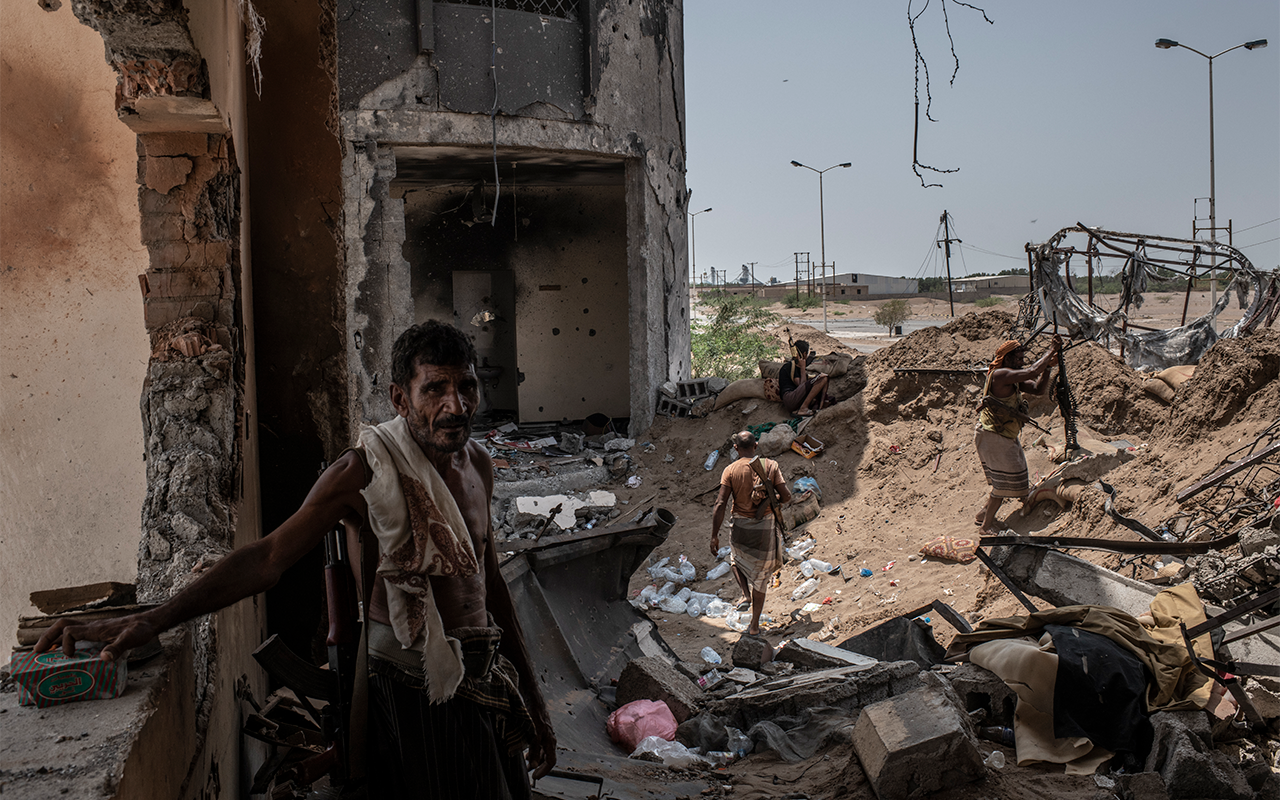
Hopes for progress in Yemen have been stymied by setbacks in recent weeks, perpetuating a military and political stalemate. Marcia Biggs, special correspondent for PBS NewsHour, joins guest host Gerald Feierstein to discuss the humanitarian conditions she witnessed on the ground and what the international community can do to help reach a resolution to the crisis.
Iran-backed Houthi rebels step up persecution of Baha’i minority in Yemen
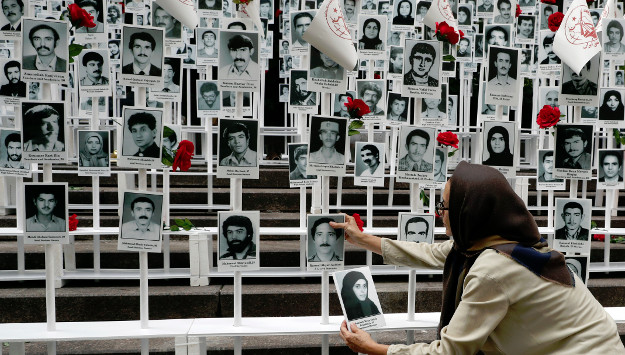
Earlier last week, Iranian-backed Houthi authorities arrested 24 Baha’is on charges of espionage and apostasy, which are punishable by death. Amongst those arrested are eight women, a teenage girl, and 15 men that hold leadership positions in the Baha’i community in Yemen. The charges – including accusations of being agents for Israel, the U.S., and the U.K –were formalized during their trial, which took place secretly and without a prior notice on September 15. Followers of the faith claim that they have been subjected to increasing harassment since the Houthis’ rise to power in 2014, and they attribute that to Iran’s influence over the rebel movement.
UN Special Envoy Martin Griffiths will lead a new round of negotiations next week to attempt to end the long and costly war in Yemen. A new UN report this week that outlines possible war crimes by the parties engaged in the conflict underscores the need to find a resolution. MEI’s Gerald Feierstein, a former U.S. ambassador to Yemen, and Randa Slim, who was a member of the last UN negotiating team on Yemen, join host Paul Salem to assess the prospects for the peace talks.
Houthi attack in strategic shipping lane could undermine oil markets
Saudi Arabia temporarily halted all oil shipments through the Bab al-Mandab strait on Wednesday, Jul. 25, after two of its very large crude carriers were attacked by Houthi rebels. According to Saudi and Yemeni officials, the attack was launched from the besieged port city of Hodeida.
Regional conflict and internal chaos have allowed militant jihadi groups to rise and flourish in Yemen. This paper analyzes two of the most prominent such groups, al-Qaeda in the Arabian Peninsula (AQAP) and the Islamic State in Yemen (ISY), by scrutinizing the factors that led to their respective ascents and examining the challenges and pressures that have caused their respective declines.
The oldest peer-reviewed publication dedicated to the study of the modern Middle East, MEI’s flagship journal covers politics, society, and culture in the region.