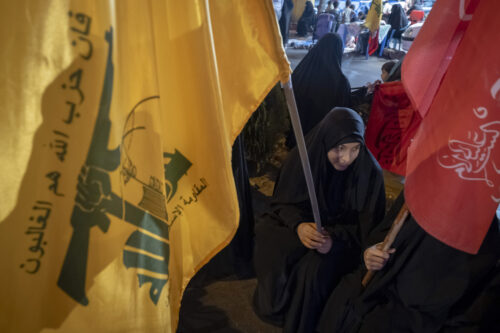
Hizballah: The murderers of elected Lebanese politicians, the killers of peacekeepers, the thugs of the streets they dominated because all other militias had disarmed, the agents of destruction of their own communities on behalf of foreign paymasters reigning 1,000 miles away from Beirut, the brainwashers of children into an ideology of “resistance” that only invited invasion. That’s the Hizballah that today is begging the Lebanese state to return to them the 1,000 pounds of explosives so rudely taken from them by Lebanese soldiers doing their job at a checkpoint in the Bekaa Valley.
In less than two decades, a string of offshore discoveries has turned the Eastern Mediterranean into a significant gas-producing region, making Israel an exporter, twice lifting Egypt into the ranks of liquefied natural gas (LNG) exporters, and giving Cyprus finds it has yet to bring to market. This backgrounder explores the potential and challenges of exploiting and managing LNG resources in the region.
How Lebanon can be Trump’s first success in a troubled region
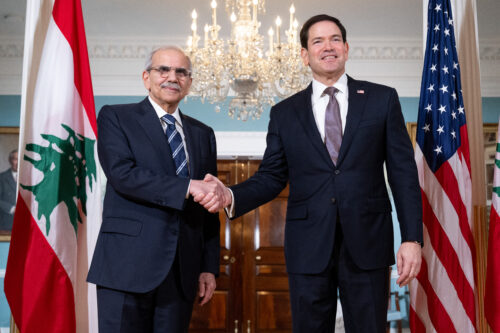
The Trump administration has done more than any of its predecessors to restore sovereignty for a much traumatized nation, Lebanon. The Israel Defense Forces’ operations in 2024 against Hezbollah decimated that organization, long the “A Team” in global terror.
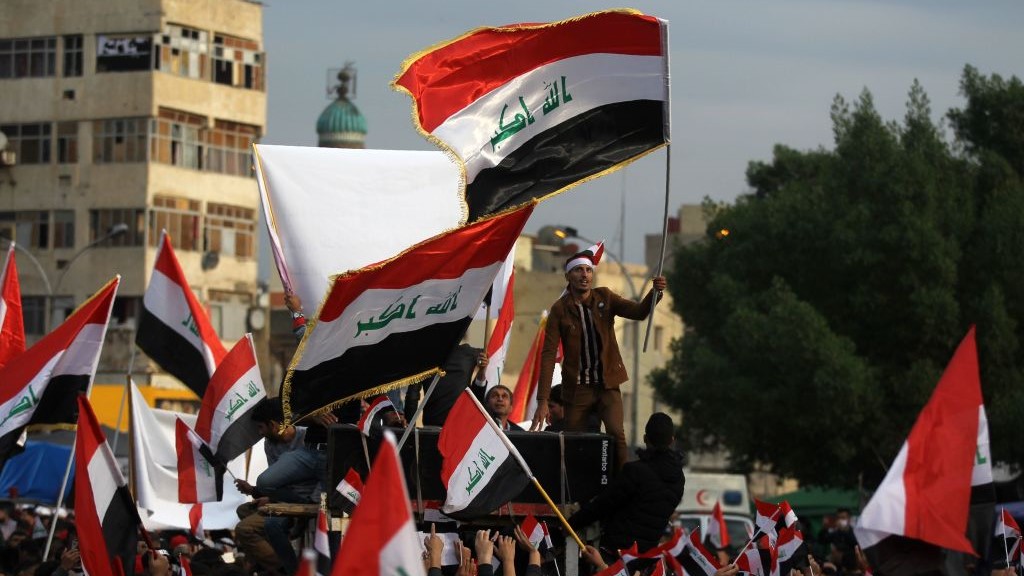
Why there’s little media coverage of the Lebanon and Iraq protests
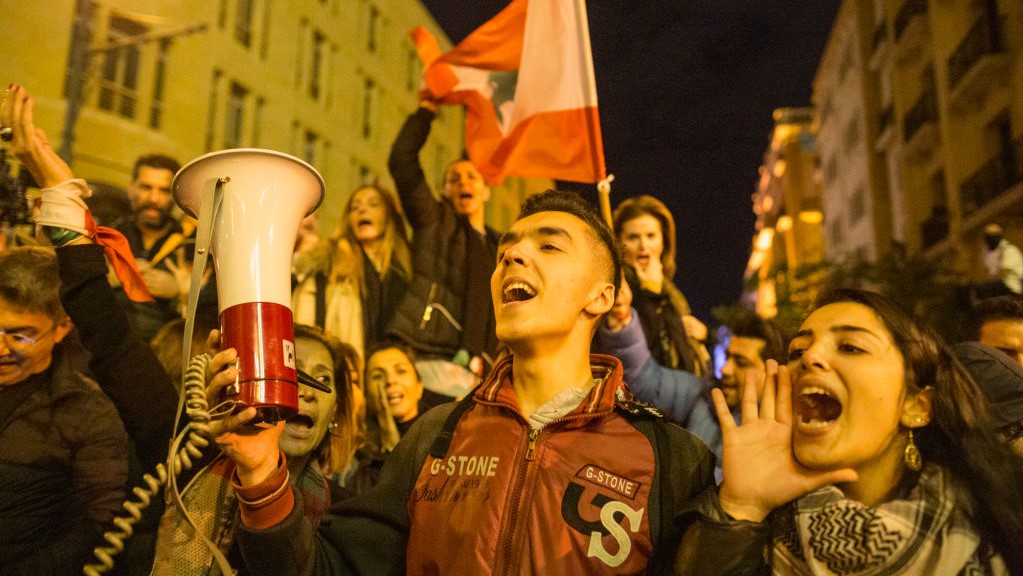
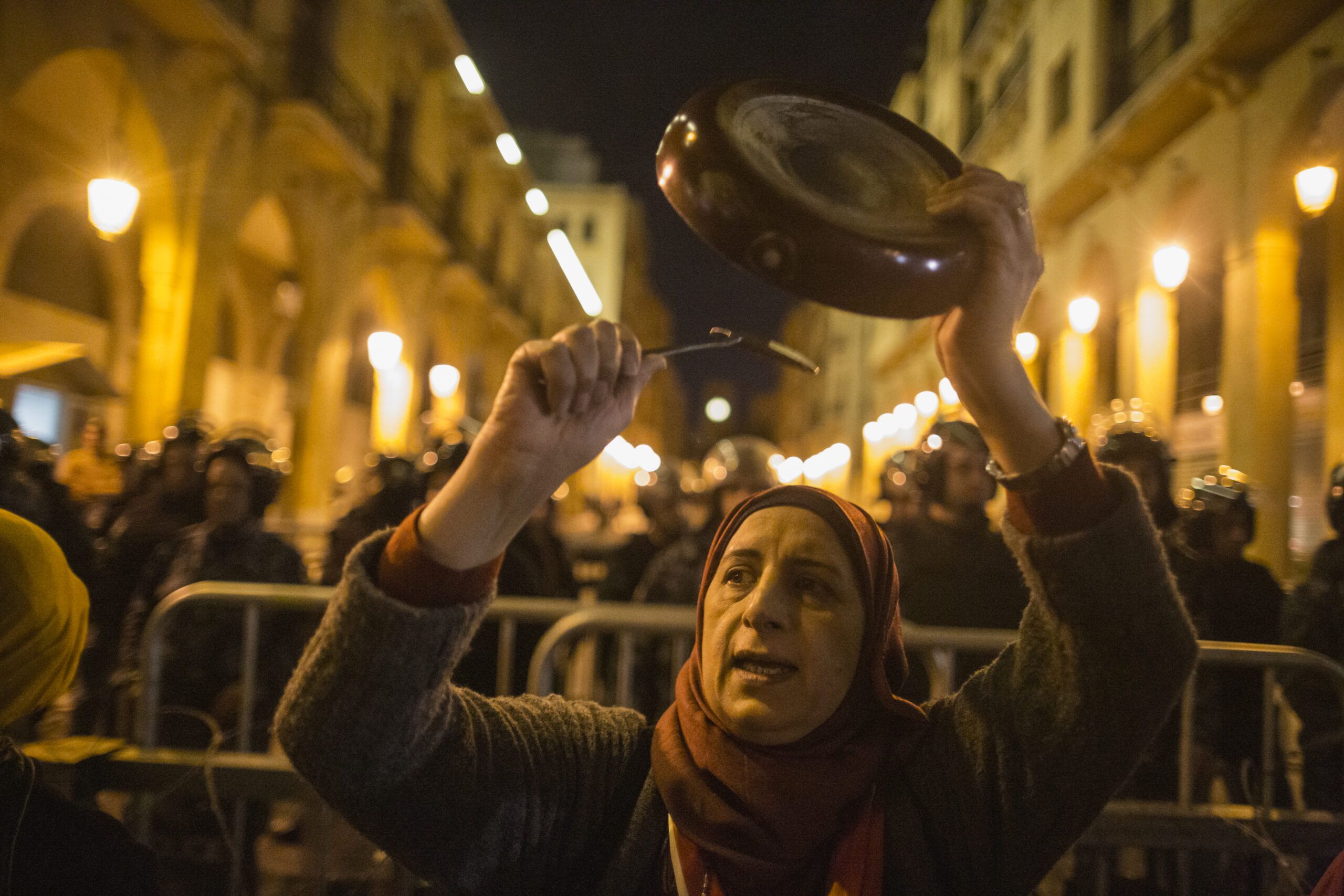
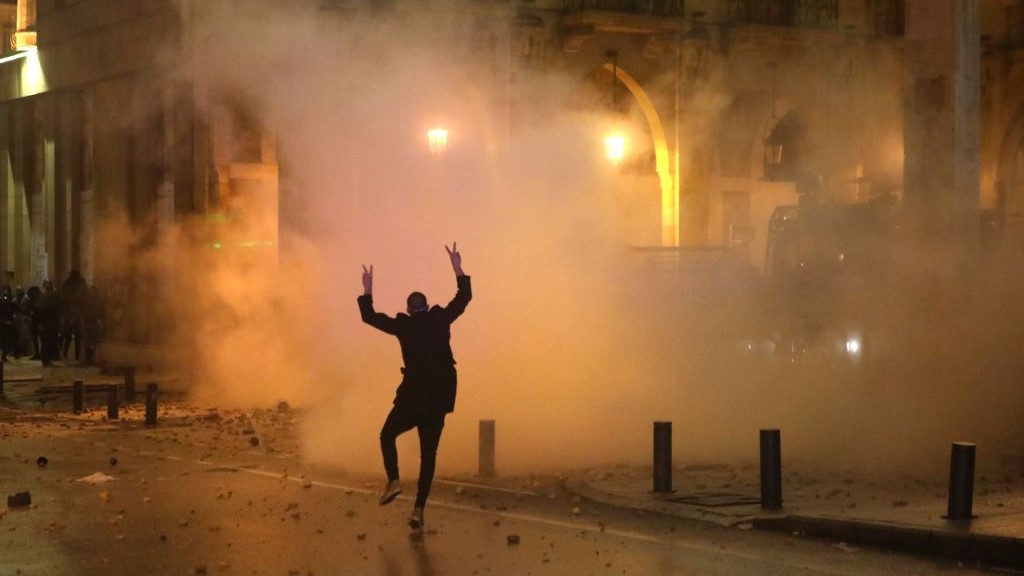
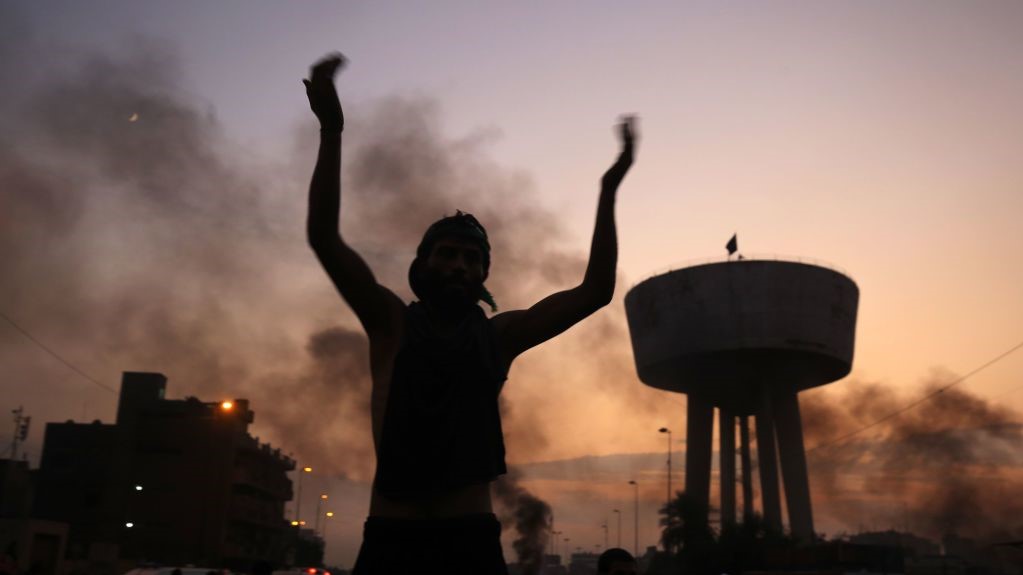
Lebanese and Iraqi protesters have faced an uphill battle drawing global media attention since Arab Spring-like uprisings erupted in both countries last October. Coverage of the protests has been dwarfed by other major international news stories running concurrently with the uprisings, such as Brexit and the Hong Kong protests. The main implication of low coverage has been a lack of sustained international pressure on Lebanese or Iraqi political leaders to accommodate protester demands for wholesale systematic changes.
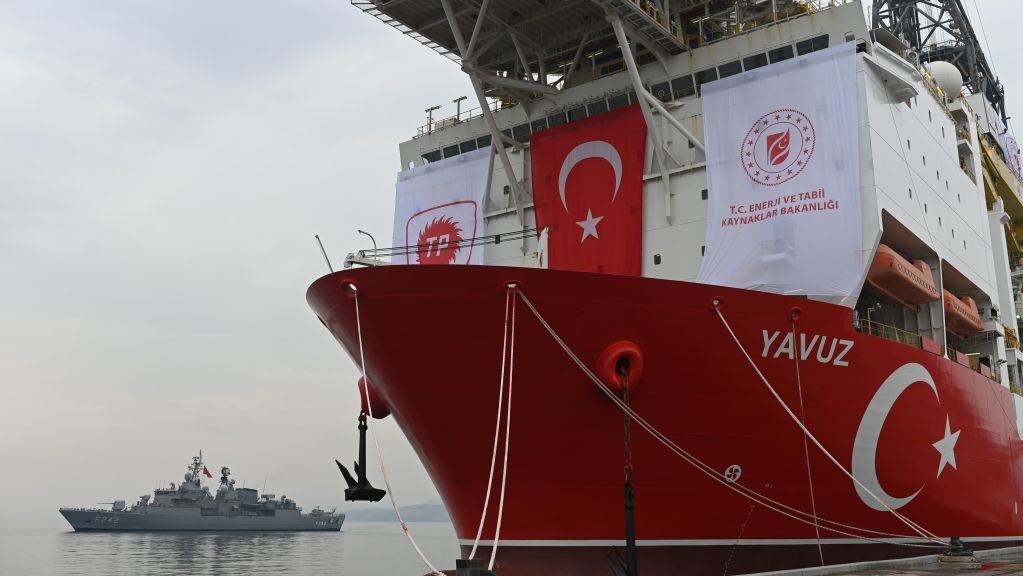
The eastern Mediterranean has become an increasingly important focus for Turkey’s foreign and security policy, but the interlocking of new issues like energy politics and sovereignty rights with old problems like Cyprus has created significant challenges for Ankara.
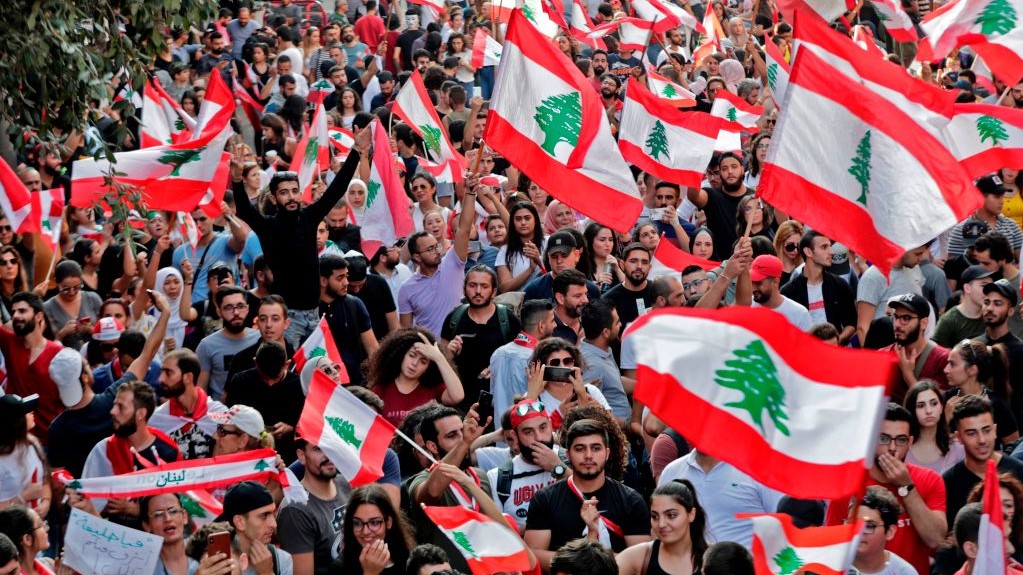
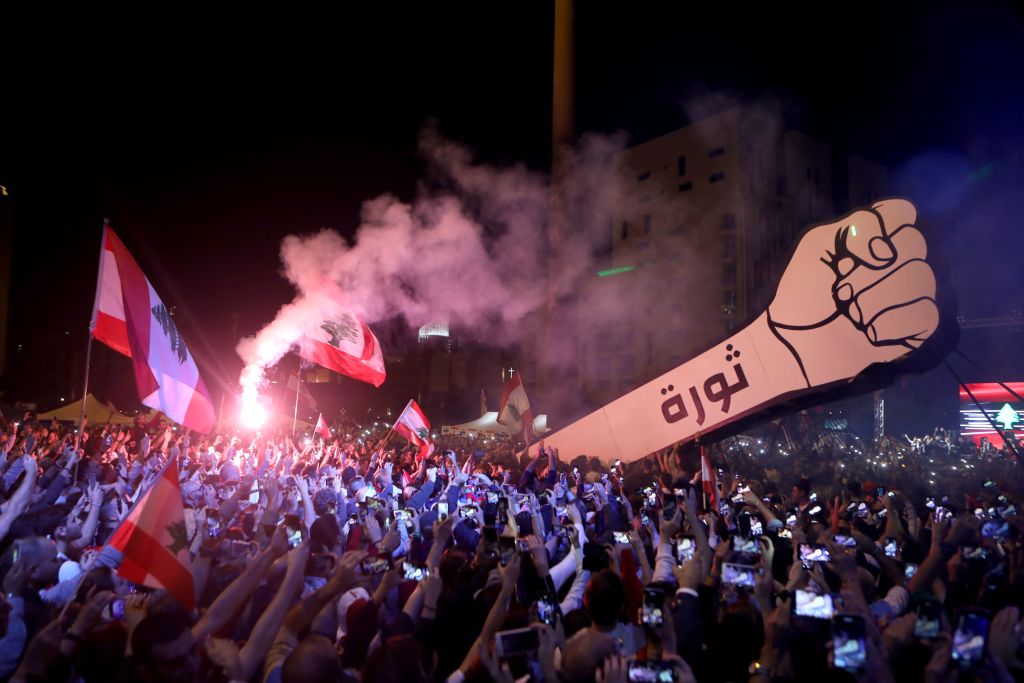
By any objective standard, the Lebanese protest movement has failed. This is not necessarily an indictment against it. Rather, it’s a reality one cannot and should not ignore. The responsible thing to do now is to try to understand why it has fallen flat, despite more than 100 days of demonstrations in various regions of the country including the capital, Beirut.
First, a word of solace. In the annals of history, the Lebanese are in good company as most uprisings and revolutions failed to attain their goals. And even when they did, success either didn’t last long or was completely reversed due to counterrevolutions and other spoilers, both foreign and domestic.
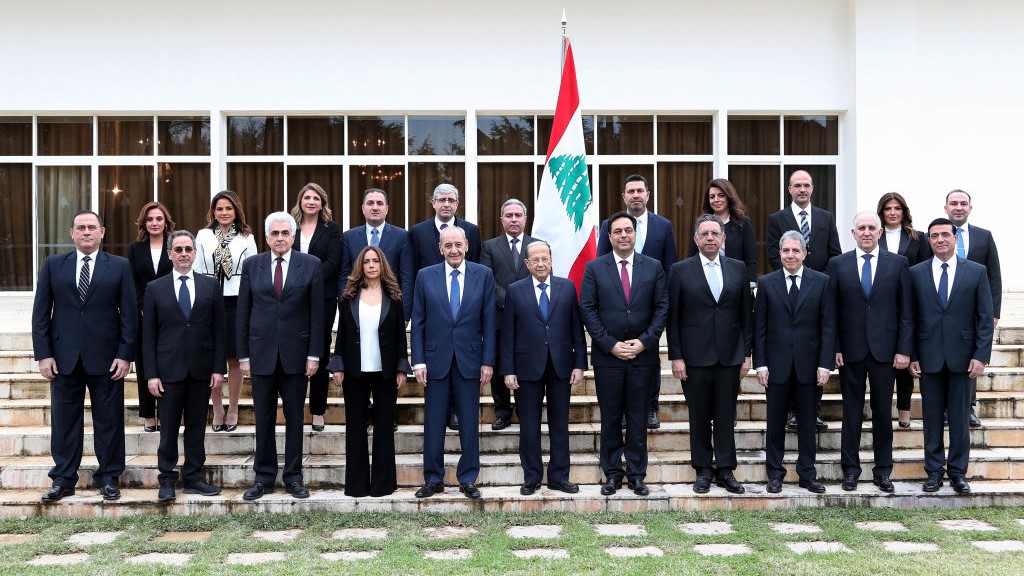
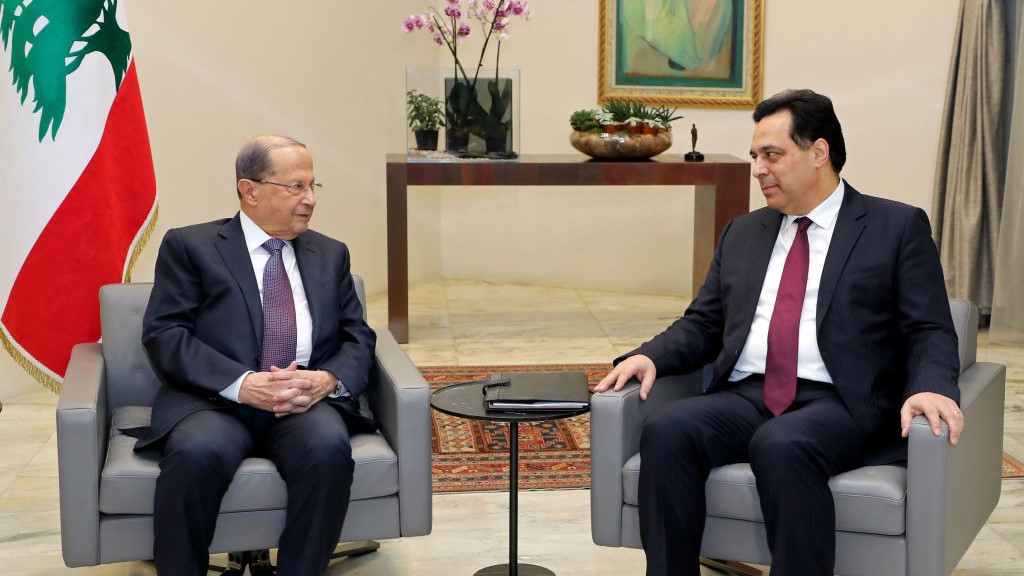
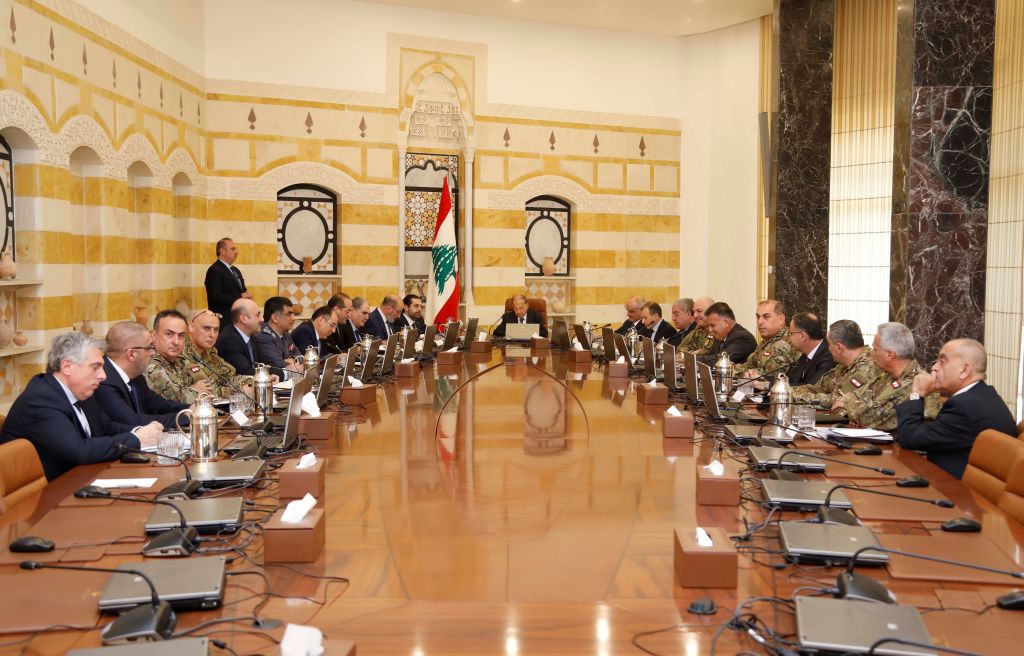
Against the backdrop of a massive economic and financial crisis and a now three-month-old nationwide protest movement, Lebanon swore in a new government on Tuesday — a technocratic cabinet that is widely seen as a “shadow government” for Hezbollah and other entrenched political leaders. MEI’s Paul Salem, Randa Slim, and Bilal Saab join host Alistair Taylor to discuss what lies ahead.
No amount of analytical nuance or ingenuity can challenge the conclusion that the newly formed government in Lebanon is Hezbollah’s creation. The only question left to answer is: why did Hezbollah do it?
Lebanese oligarchs approve technocratic shadow government
The new government is politically aligned with the pro-Hezbollah and pro-Syrian axis in Lebanon, and is very unlikely to drum up international and regional support.
The sky is sliding: Why and how the Lebanese avoided catastrophe and aggravated challenges over time
Lebanon’s in trouble and the Lebanese may soon face the real reckoning that they’ve thus far avoided. Having bought time they’ve increasingly needed with money they’ve increasingly lacked, but somehow conjured, they’re running out of both. Its leaders must act, soon, to avoid a complete catastrophe. And, whether avoiding or coping with collapse, the Lebanese must well and truly consider how to shape a better future.
Introduced in August and subsequently delayed due to the country’s political upheaval, the National Lebanese Strategy for Cybersecurity is composed of two main sections: 1) preparation of a cybersecurity strategy and 2) establishment of a national cybersecurity agency.
The three uprisings in Iran, Iraq, and Lebanon represent the revolt of a new generation seeking to build a better future for itself. Since 2011, there have been 11 uprisings in the Middle East and North Africa. All 11 uprisings have similar drivers: the explosive dysfunction of high demographic growth, low levels of economic development and job creation, poor government performance and services, and high levels of corruption and inequality.
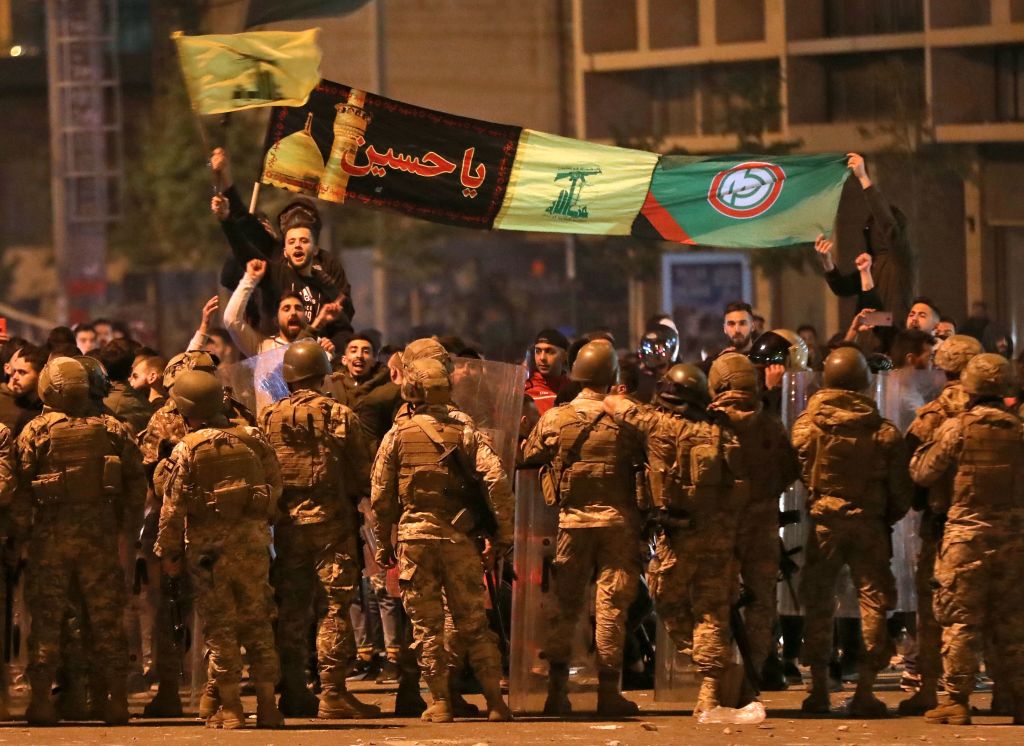
Hezbollah and Amal change tactics and ratchet up violence amid ongoing protests
While Hezbollah has largely remained immune to criticism, owing to its widely perceived role as an effective resistance movement against Israeli aggression, the powerful Iran-backed Shi’a militia and political party is now viewed by many demonstrators as part of the corrupt and morally bankrupt political establishment that must be replaced. Against this backdrop, supporters of Hezbollah and its Shi’a ally the Amal Movement have been quick to resort to violence.
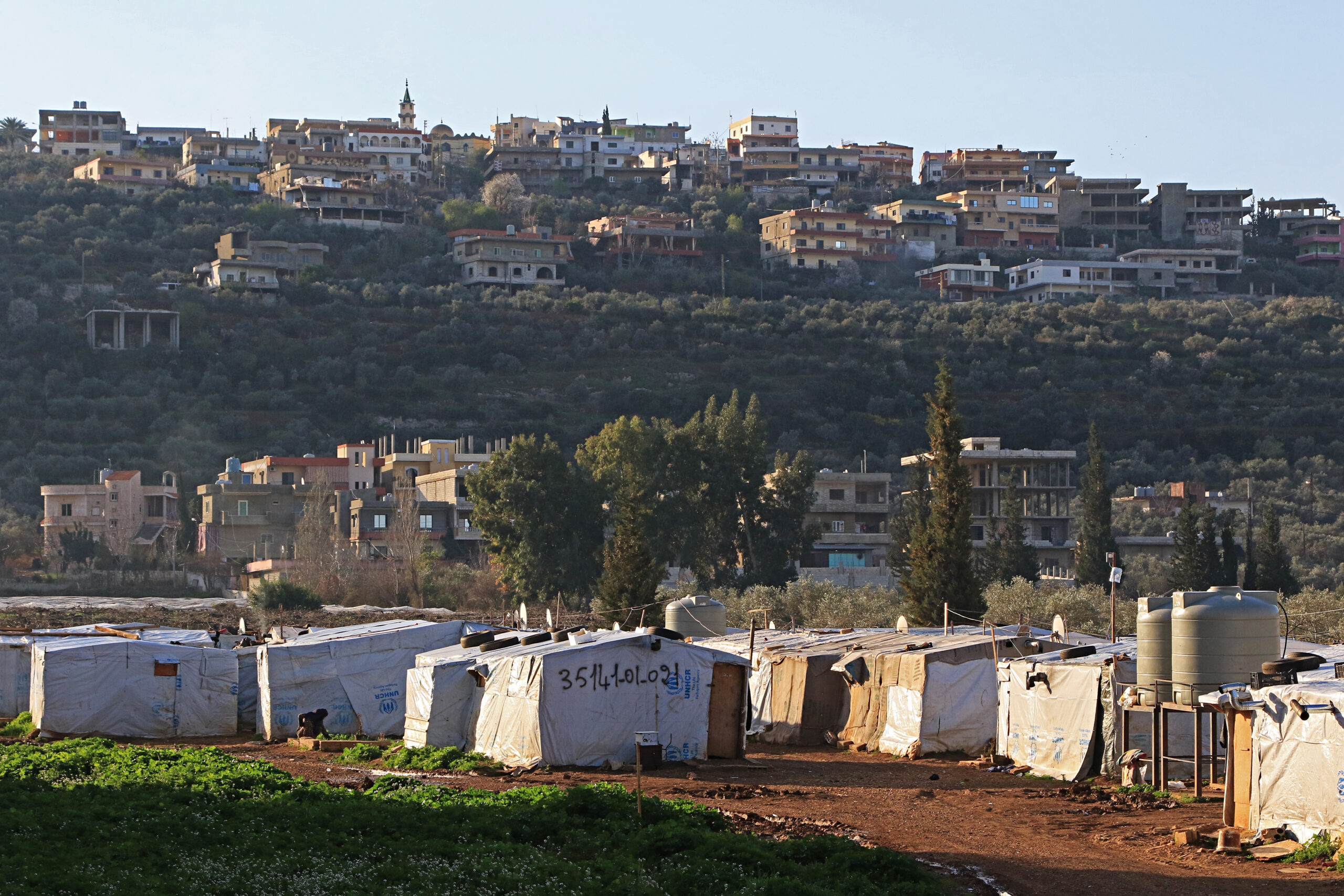
Bringing Social Class into Humanitarian Debates: The Case of Northern Lebanon
Cities are commonly regarded as the primary places where class economies become layered and articulated; however, the debates on “urban humanitarianism” have neglected social class as a key factor that significantly marks the relationship between aid providers and recipients in settings of aid provision. The small city of Halba, in northern Lebanon, vividly illustrates how the class economy has tacitly been shaping humanitarian programming and how the very presence of humanitarian actors on the ground reinforced the pre-existing class-based inequality.
Leveraging the Current Uprising for Sustained Political Change
The nationwide protests are the most significant domestic political development in Lebanon since the end of the civil war. It would be useful to examine both the short and long term political potential of this new awakening.
In the short term, the protests have already mobilized the power of the public to bring down a corrupt and ineffective government, and to gain great leverage on the rejection or acceptance of any new government. They have also raised urgent national demands and forced the ruling class to confront these demands.
The oldest peer-reviewed publication dedicated to the study of the modern Middle East, MEI’s flagship journal covers politics, society, and culture in the region.