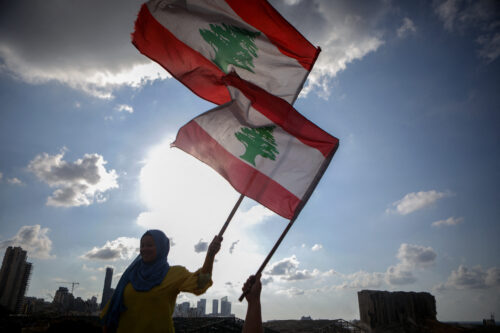
Lebanon is America’s next foreign policy win — if Washington acts now. The US has committed blood and treasure to neutralize Iran’s ability to project power and destabilize the Middle East. Lebanon is now the clearest opening to convert those investments into strategic gains and permanently dislodge the Islamic Republic from its most important regional foothold. Securing a sovereign Lebanon, achieving a lasting Israel-Lebanon peace, and dismantling Hizballah — the blueprint of Iran’s proxy model — would irreversibly weaken Tehran’s threat and consolidate a new regional order led by America’s partners before Iran has a chance to reverse its losses.
The Middle East Institute is honored to host the Hon. Filippo Grandi, Commissioner-General of UNRWA, for a discussion about the status and plight of Palestinian refugees. Since its creation in 1949, the United Nations Relief and Works Agency for Palestine Refugees in the Near East (UNRWA) has been at the forefront providing essential humanitarian and human development services to the now approximately 5 million registered Palestinian refugees in Lebanon, Syria, Jordan, the West Bank and Gaza.
The Middle East Institute is honored to host the Hon. Filippo Grandi, Commissioner-General of UNRWA, for a discussion about the status and plight of Palestinian refugees. Since its creation in 1949, the United Nations Relief and Works Agency for Palestine Refugees in the Near East (UNRWA) has been at the forefront providing essential humanitarian and human development services to the now approximately 5 million registered Palestinian refugees in Lebanon, Syria, Jordan, the West Bank and Gaza.
The Middle East Institute is honored to host the Hon. Filippo Grandi, Commissioner-General of UNRWA, for a discussion about the status and plight of Palestinian refugees. Since its creation in 1949, the United Nations Relief and Works Agency for Palestine Refugees in the Near East (UNRWA) has been at the forefront providing essential humanitarian and human development services to the now approximately 5 million registered Palestinian refugees in Lebanon, Syria, Jordan, the West Bank and Gaza.
The Middle East Institute is honored to host the Hon. Filippo Grandi, Commissioner-General of UNRWA, for a discussion about the status and plight of Palestinian refugees. Since its creation in 1949, the United Nations Relief and Works Agency for Palestine Refugees in the Near East (UNRWA) has been at the forefront providing essential humanitarian and human development services to the now approximately 5 million registered Palestinian refugees in Lebanon, Syria, Jordan, the West Bank and Gaza.
The Middle East Institute is honored to host the Hon. Filippo Grandi, Commissioner-General of UNRWA, for a discussion about the status and plight of Palestinian refugees. Since its creation in 1949, the United Nations Relief and Works Agency for Palestine Refugees in the Near East (UNRWA) has been at the forefront providing essential humanitarian and human development services to the now approximately 5 million registered Palestinian refugees in Lebanon, Syria, Jordan, the West Bank and Gaza.
This Opinion was first published on Reuters.com on October 11, 2012
Assertions and opinions in this policy paper are solely those of the above-mentioned author(s) and do not necessarily reflect the views of the Middle East Institute, which expressly does not take positions on Middle East policy.
The first volume of the migration and the Arab World series dealt primarily with the trends in, consequences of, and policy responses to labor migration in the Gulf Cooperation Council (GCC) states since the “oil boom” period of the 1970s. This volume focuses on the countries of the Mashreq (i.e., Egypt and the Levant) as source and destination countries for various migrant groups, dating from the late 19th century up to the present day.
This Opinion first appeared in Foreign Policy’s “Middle East Channel” on July 17, 2012
Sheikh Ahmad al-Assir, a self-proclaimed religious authority with a bushy long beard, is no stranger on the Lebanese scene. His latest incarnation, from his mosque in the coastal town of Sidon, is as a firebrand political Salafist whose objectives transcend the confines of Lebanon.
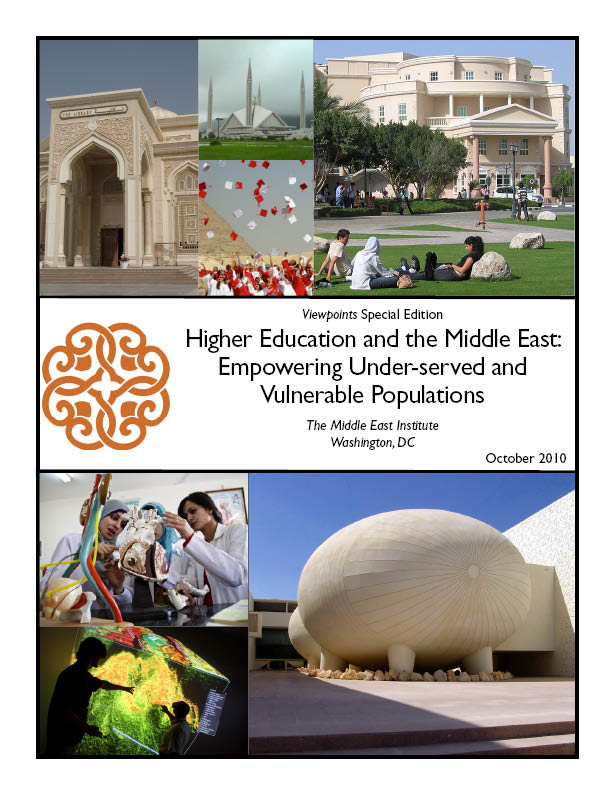
Introduction to Higher Education and the Middle East: Empowering Under-served and Vulnerable Populations
Originally posted October 2010
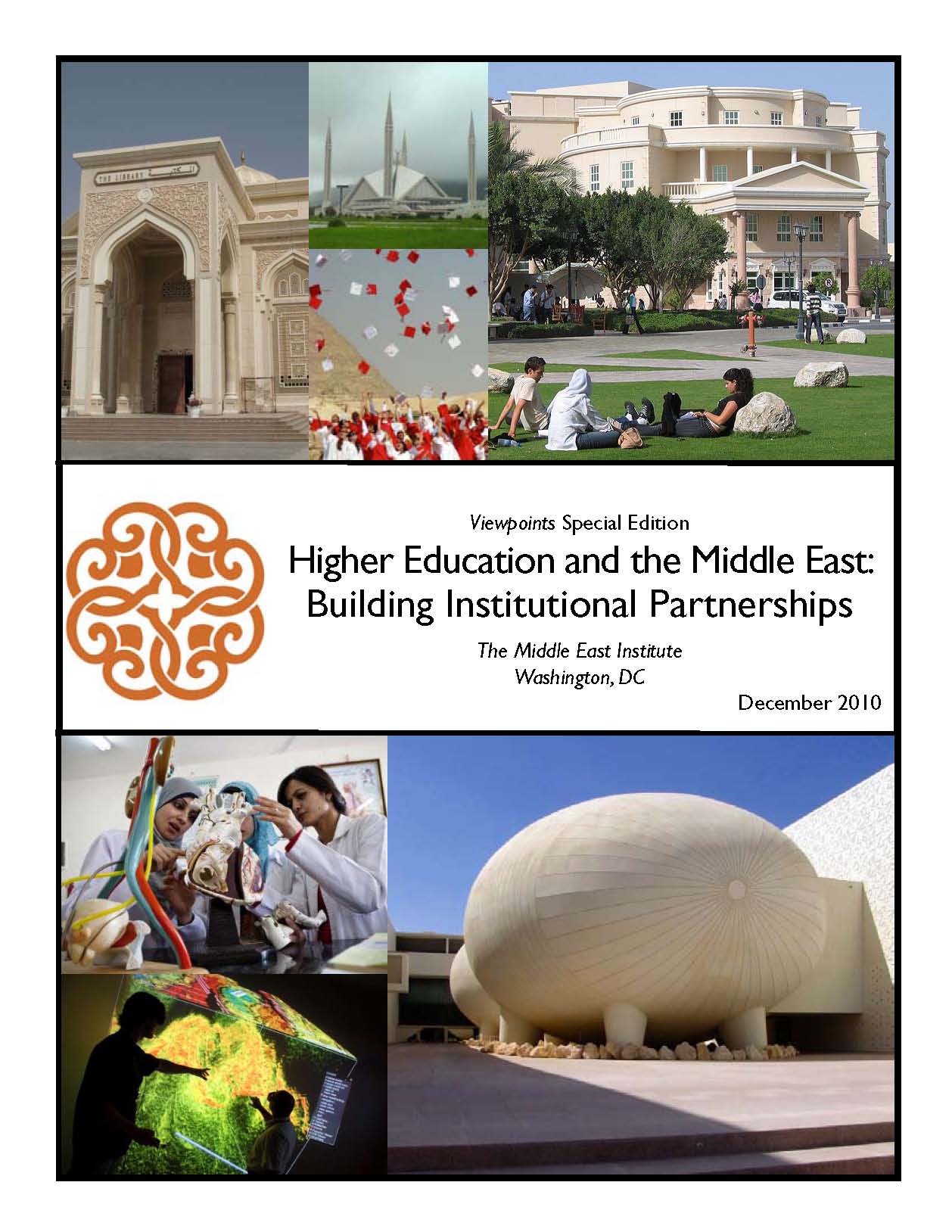
This second edition of the MEI Viewpoints series on Higher Education and the Middle East focuses on Empowering Under-served and Vulnerable Populations.
The oldest peer-reviewed publication dedicated to the study of the modern Middle East, MEI’s flagship journal covers politics, society, and culture in the region.