Lebanon is America’s next foreign policy win — if Washington acts now. The US has committed blood and treasure to neutralize Iran’s ability to project power and destabilize the Middle East. Lebanon is now the clearest opening to convert those investments into strategic gains and permanently dislodge the Islamic Republic from its most important regional foothold. Securing a sovereign Lebanon, achieving a lasting Israel-Lebanon peace, and dismantling Hizballah — the blueprint of Iran’s proxy model — would irreversibly weaken Tehran’s threat and consolidate a new regional order led by America’s partners before Iran has a chance to reverse its losses.
US Military Assistance to Lebanon: A Discussion of the Pros and Cons
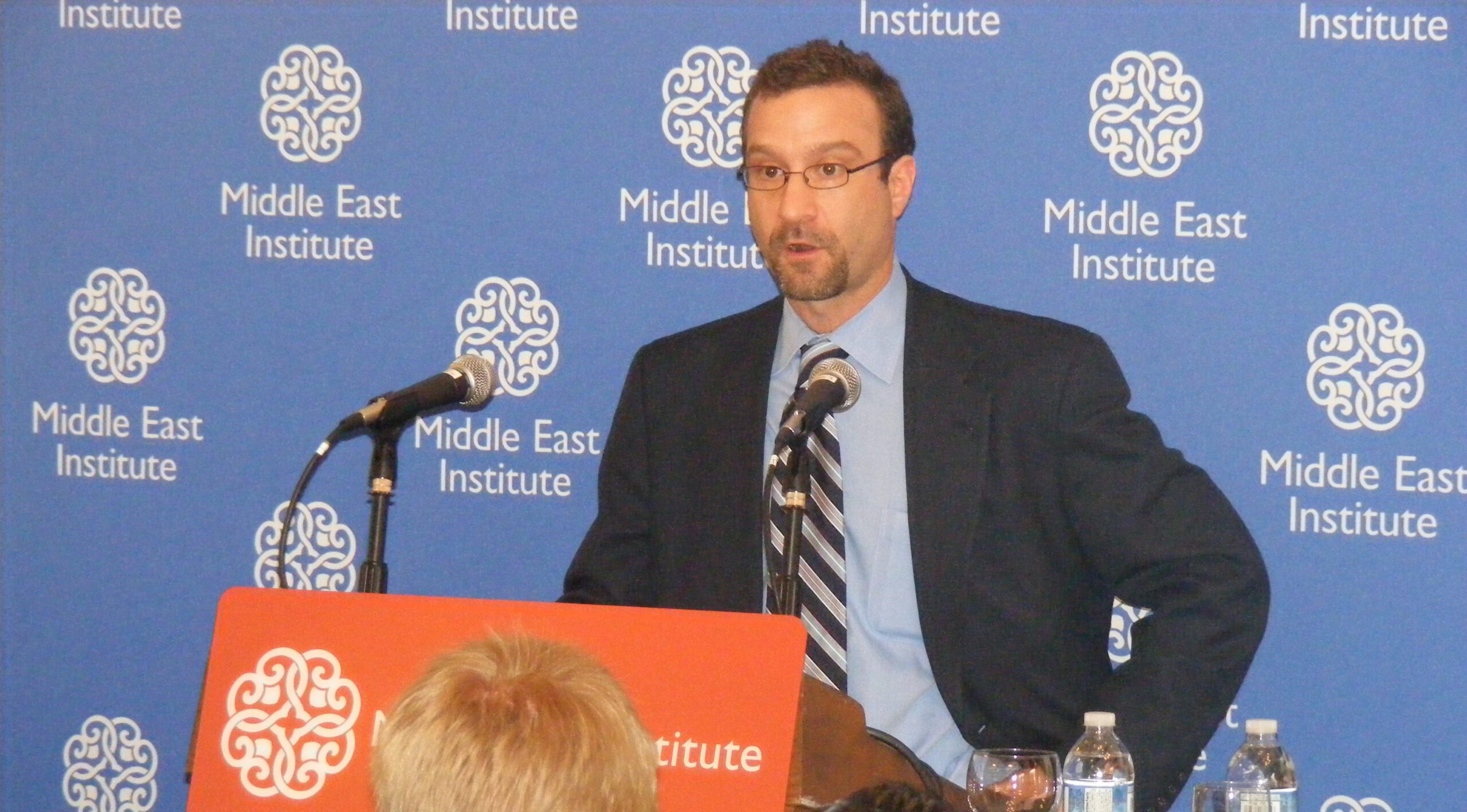
The Middle East Institute is proud to host Aram Nerguizian and David Schenker for a discussion about the pros and cons of US support to the Lebanese Armed Forces (LAF). In 2005, after the withdrawal of Syrian military forces from Lebanon and the subsequent election of a pro-Western Lebanese government, the Bush Administration pledged to help the LAF bolster domestic security and to strengthen state institutions. Since then, the US has provided more than $530 million in security assistance to the LAF and other Lebanese security forces.
Next to the Arab-Israeli conflict, perhaps few other topics in the history of the modern Middle East have captured the interest of policymakers and scholars alike as has post-revolutionary Iranian-Lebanese Shi‘ite relations, particularly the creation of Hizbullah. Although both groups have come to this topic with a set of similar questions — namely, what is the impact of this transnational network among Lebanese Shi‘ites and how does it operate? — thankfully, they have arrived at very different conclusions.
How the New Arab Media Challenges the Arab Militaries: The Case of the War between Israel and Hizbullah in 2006
One, Two / the Arab army where are you?/ The Arab army where are you?/The Egyptian Arab Army/ resides in an-Nasr [victory] compound/ Wakes up in the afternoon/ to drink its tea/ The Gulf Arab army/ can do absolutely nothing/ “Strategic silence” indeed/ “cut us some slack, man!”/ The Tunisian Arab army/ is green like parsley/ But ‘Aziza loves Yunis/ the wars can wait/ The Sudanese Arab army/ I can hear its clamor in my ears/ “Damn it!
The trials that have faced a sovereign Lebanon as it emerges from a long and bloody civil war, as well as Syrian and Israeli occupations, have been immense. In 2008, Beirut confronted an existential challenge. After years of conflict, the vast majority of Lebanese citizens clamored for positive change to buttress the state and to facilitate prosperity.
Ever since the assassination of Prime Minister Rafiq Hariri in February 2005, senior officials in the US have closely followed events in Lebanon. Given the number of official public statements made on Lebanon and the number of officials coming from all ranks (including high level security officials) who swarm in and out of Beirut on a regular basis, it would come as no surprise to learn that Lebanon is a priority on the agenda of this administration.
The oldest peer-reviewed publication dedicated to the study of the modern Middle East, MEI’s flagship journal covers politics, society, and culture in the region.