Reflections on a Diplomatic Career in the Middle East: A Conversation With Ambassador Yael Lempert
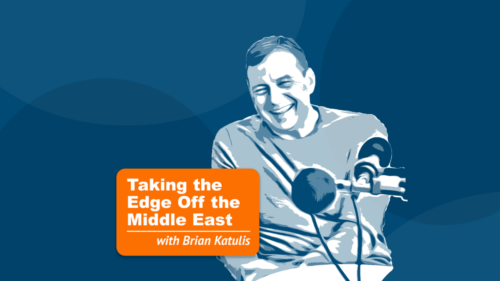
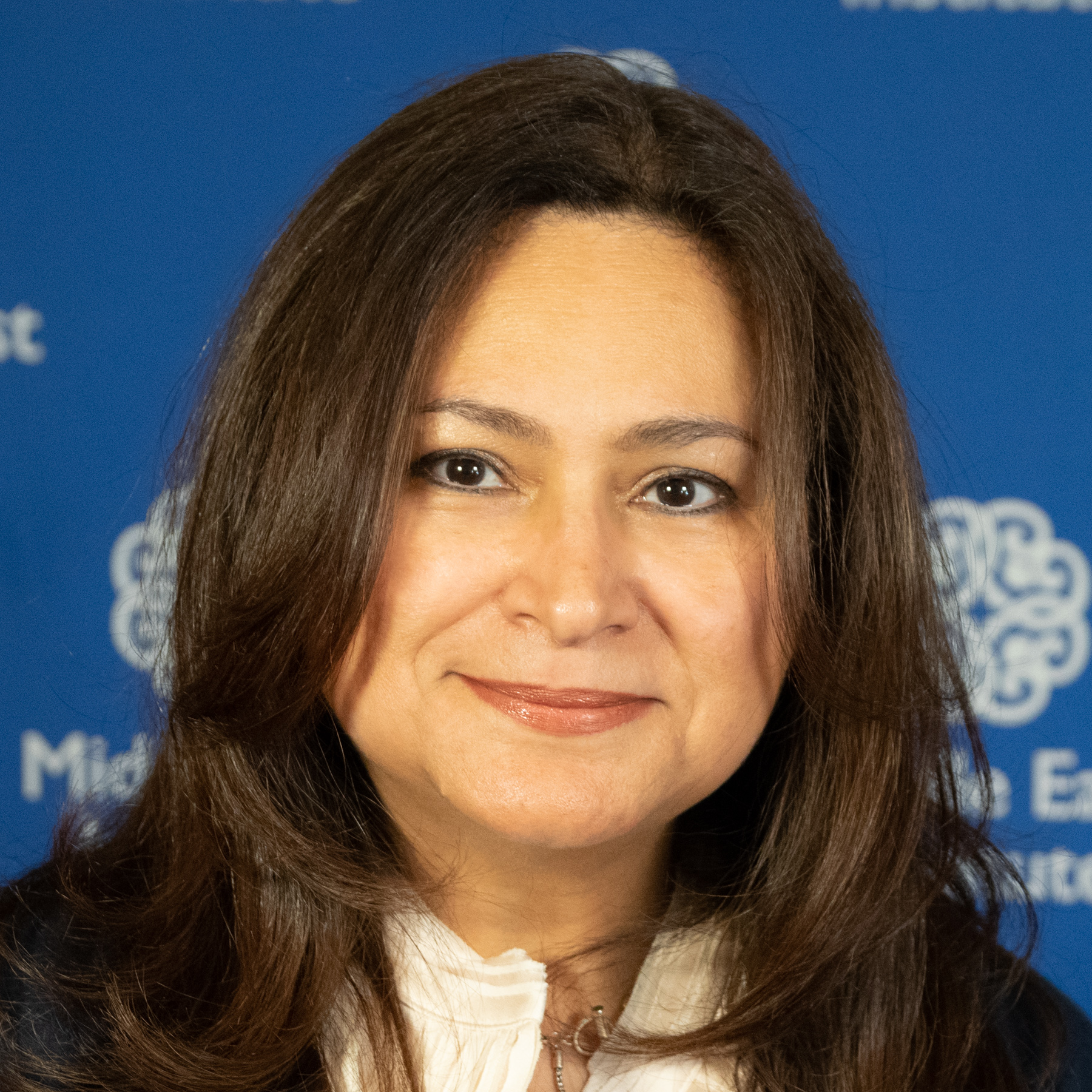
Brian is joined by Amb. (ret.) Yael Lempert, Vice President for Outreach at MEI, to discuss her career in diplomacy and the importance of US diplomatic efforts abroad. She shares stories from postings across the Middle East in Baghdad, Cairo, Tripoli, Jerusalem, and Amman and examines how her personal and professional experiences shaped her approach to the work. Together, Brian and Yael discuss the realities of life in the Foreign Service, the core tenets of American diplomacy, and why it matters in today’s Middle East.
This report considers the lack of Palestinian political agency as a driver of regional insecurity that must be resolved before wider conflicts can be settled. The author analyses the conditions that contributed to the destruction of Palestinian political capacity, including Israeli policies, Palestinian shortcomings, and exploitation by Iran, and makes recommendations for an Arab strategic initiative.
Trump’s Family Business Deals Risk Further Undermining the Credibility of US Middle East Policy
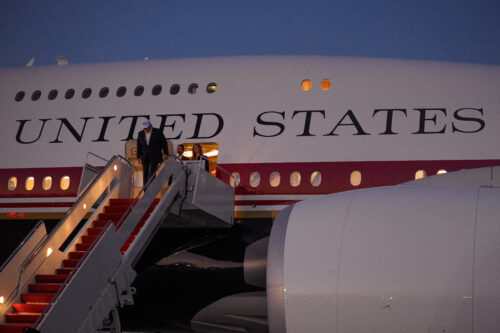
President Trump’s family businesses are once again in the spotlight as a new financial disclosure showed they earned $2 billion in income in 2025 — a dramatic increase on the year before, with much of it coming from Gulf entities, raising emoluments concerns. Mounting perceptions of corruption, combined with unresolved crises in Iran and Israel-Palestine, are eroding trust among key partners in the Middle East. With the 2026 midterms approaching, these entanglements could represent a major political vulnerability and further undermine America’s already-strained standing in the region.
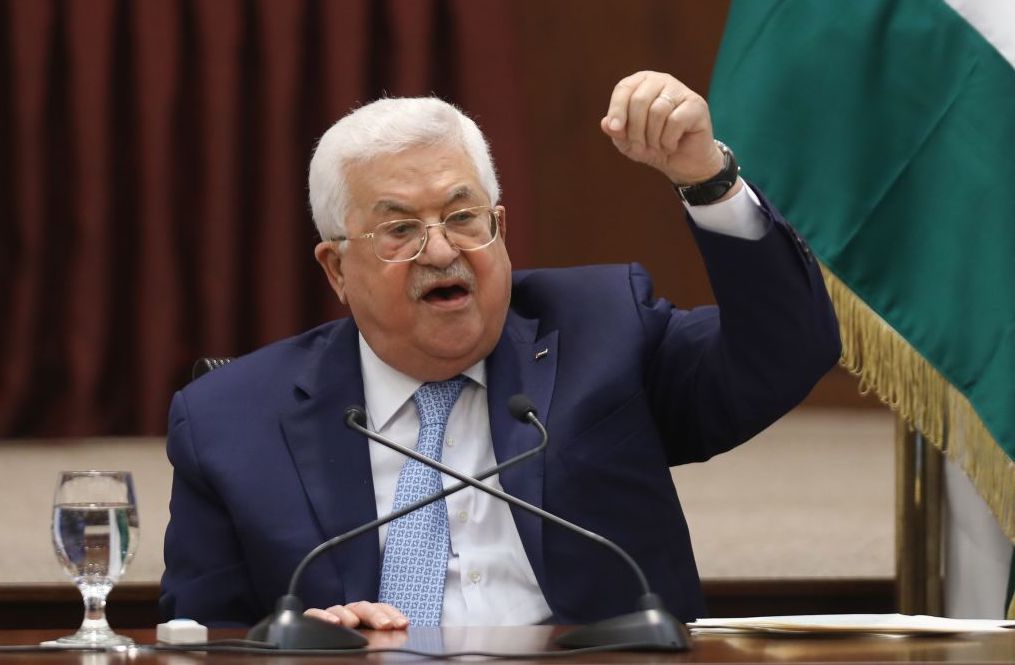
The Abbas declaration: Why this time may be different
In a dramatic statement delivered yesterday in Ramallah and broadcast on Palestine TV, Palestinian President Mahmoud Abbas declared an end to all agreements signed between the Palestine Liberation Organization (PLO) and both Israel and the United States. In light of the newly sworn in Israeli government’s commitment to the annexation of Palestinian land in the West Bank, declared Abbas, the Palestinian leadership would henceforth be “absolved, as of today, of all the agreements and understandings with the American and Israeli governments and of all the obligations based on these understandings and agreements, including the security ones” — thus implying that the security coordination between the Palestinian Authority (PA) and Israel would come to an end.
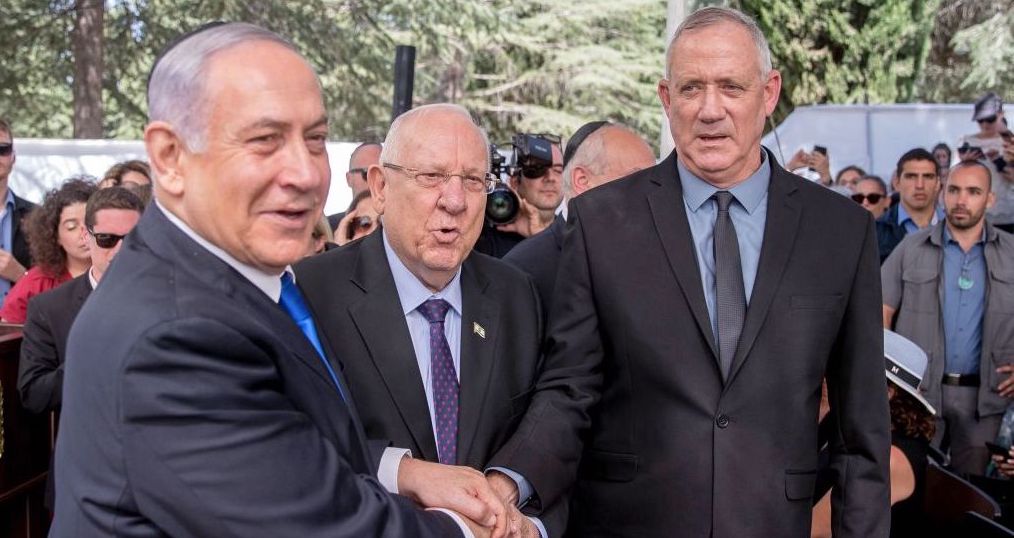
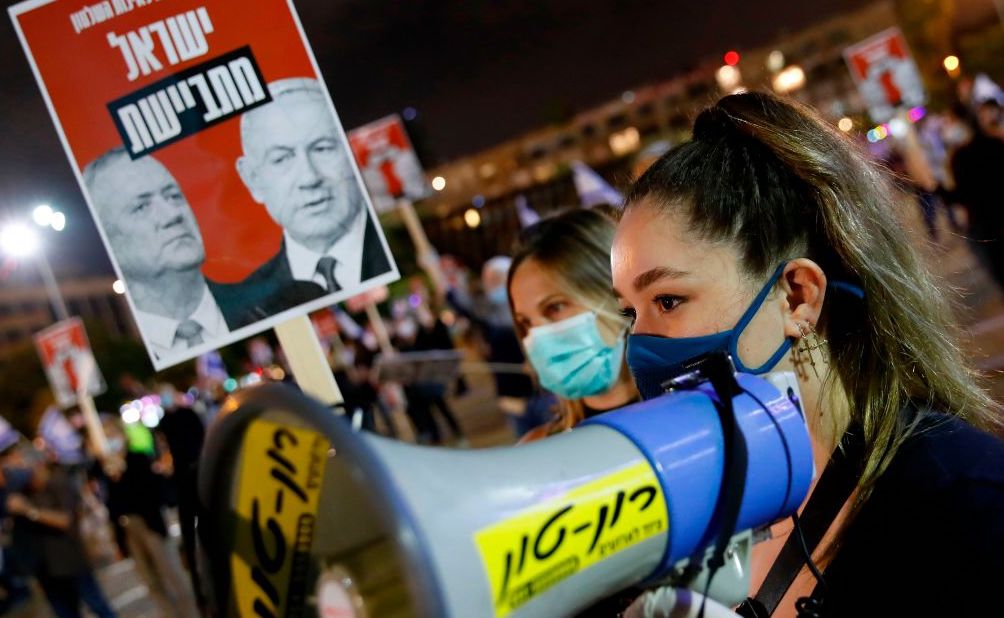
Israel finally has a government, but for how long?
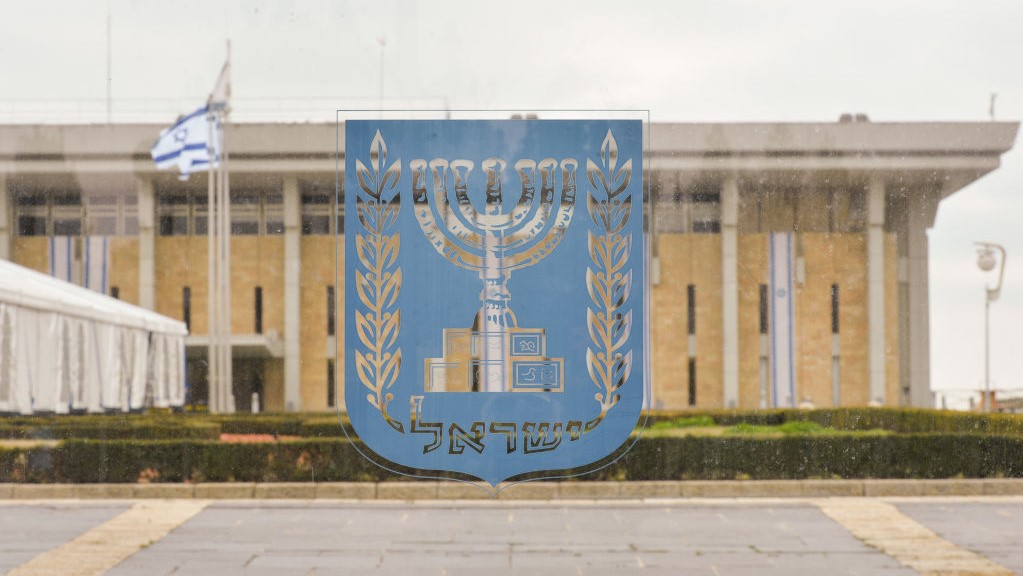
Israel’s 17-month ordeal without a functioning government has mercifully come to an end. An unlikely coalition that agrees on little has given birth to a monstrosity that is the largest government in Israel’s history, with 34 cabinet positions (some reports say 36) plus 16 deputy ministers.
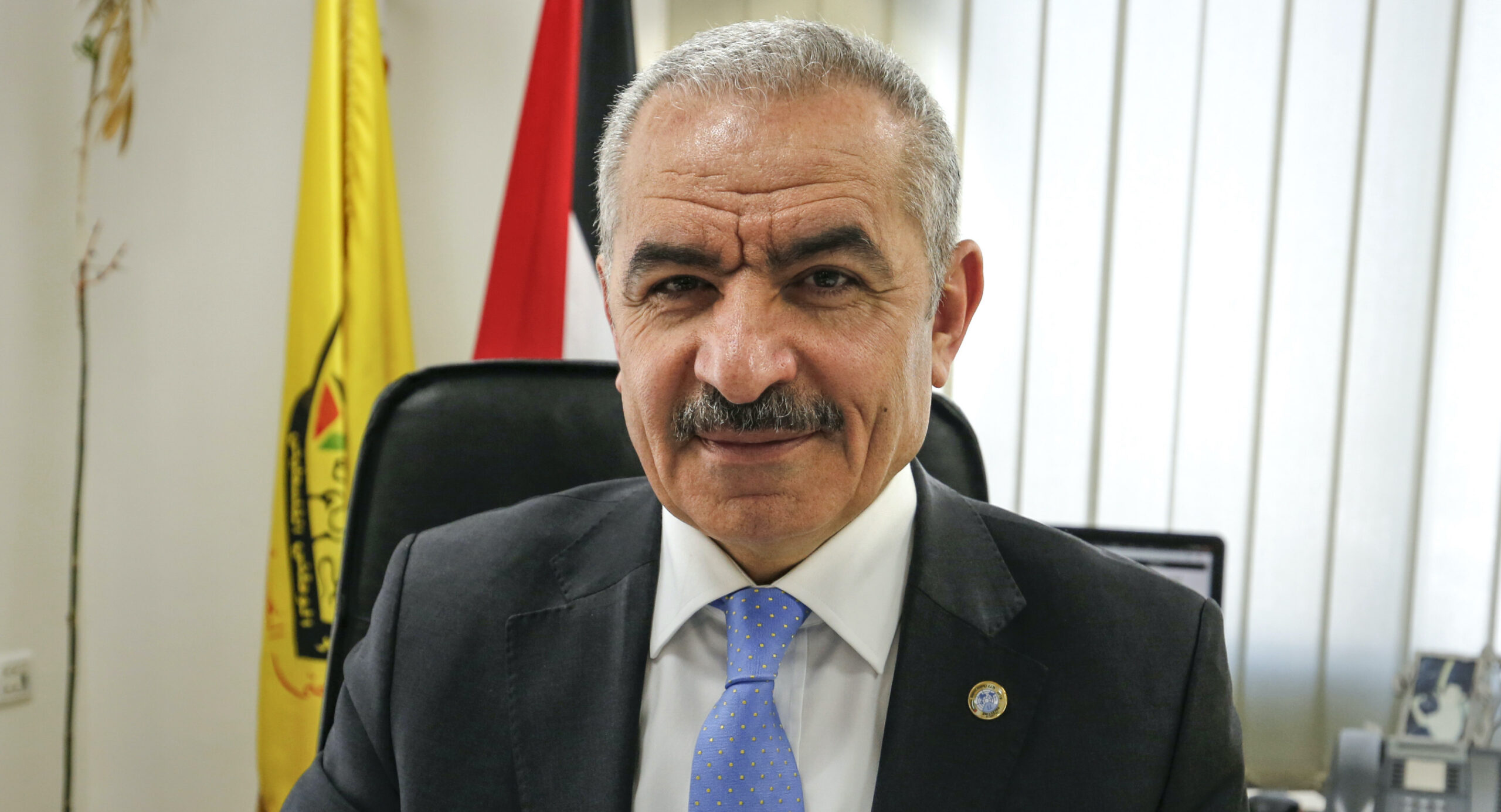
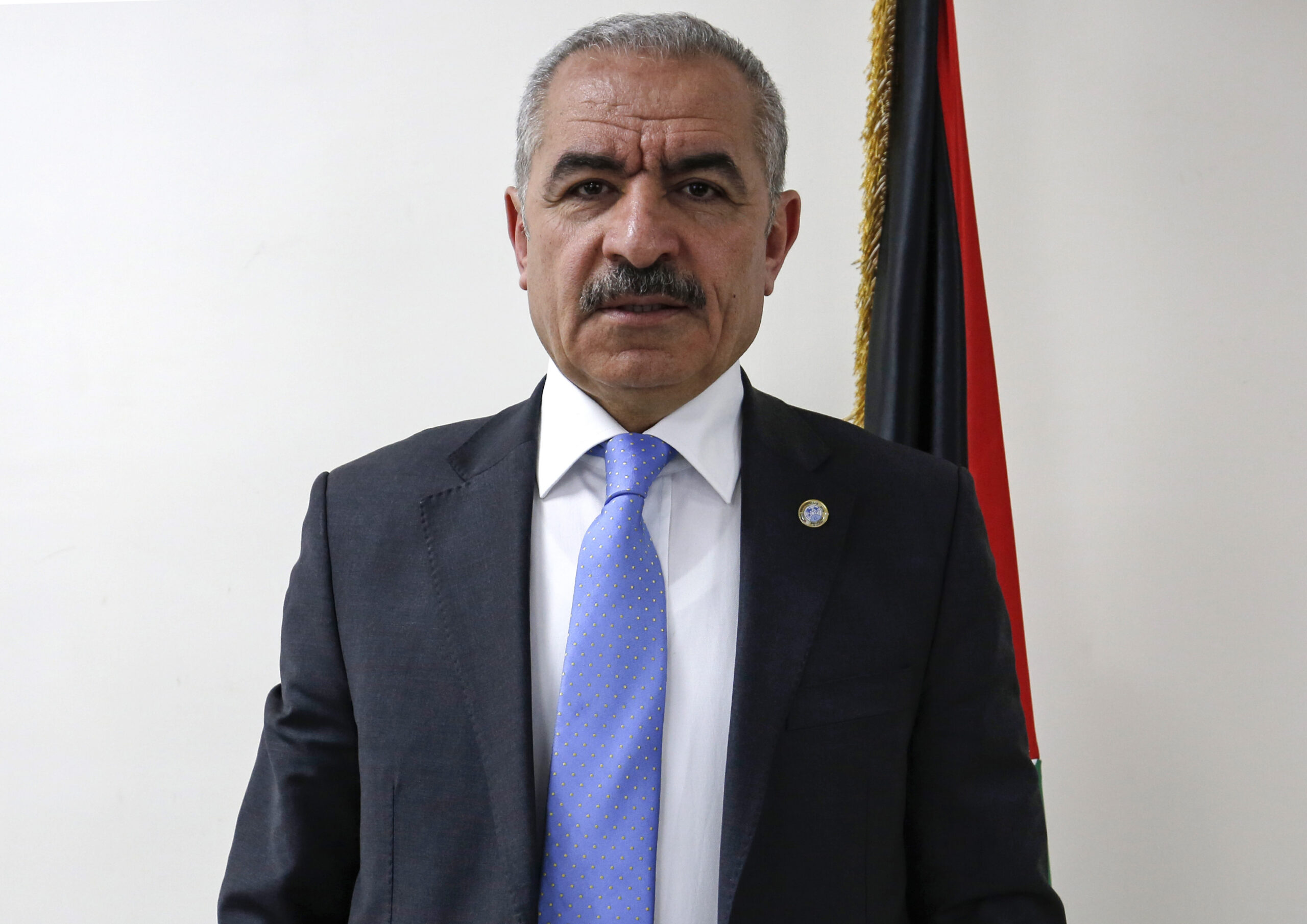
Israeli annexation “is a game-changer for us”: Prime Minister Mohammed Shtayyeh on the annexation threat, economic crisis, and COVID-19 in Palestine
On May 12, 2020, MEI hosted Dr. Mohammed Shtayyeh, Prime Minister of the Palestinian National Authority, for a roundtable discussion on the many crises facing Palestinians and the Palestinian Authority.
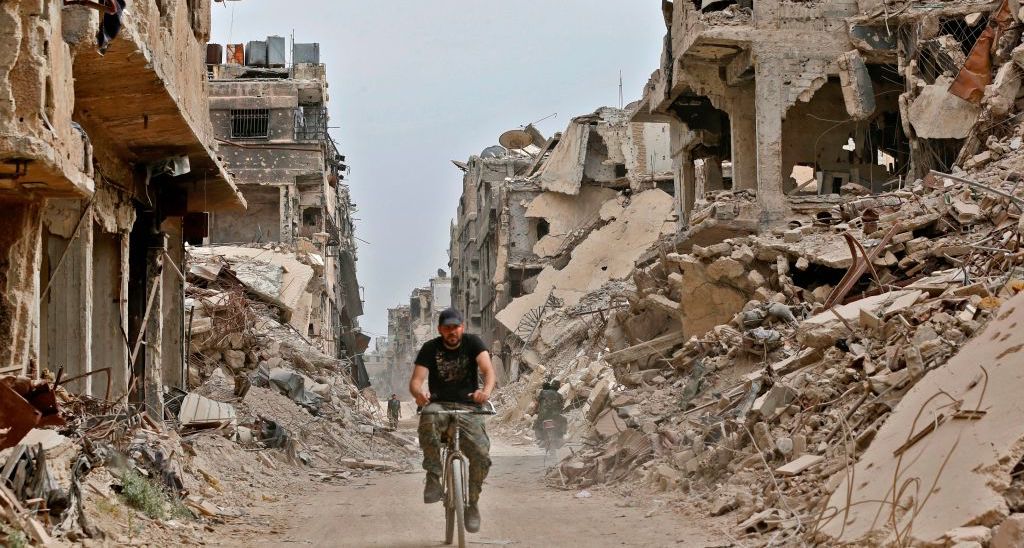
Talking about water pipes: The fraught reconstruction of Syria’s Yarmouk camp
Officials in Damascus say reconstruction plans for what was once Syria’s largest Palestinian refugee community will pave the way for the return of large numbers of displaced residents “as soon as possible.” But with plans beset by delays and vague statements from those same officials, the available evidence suggests otherwise.
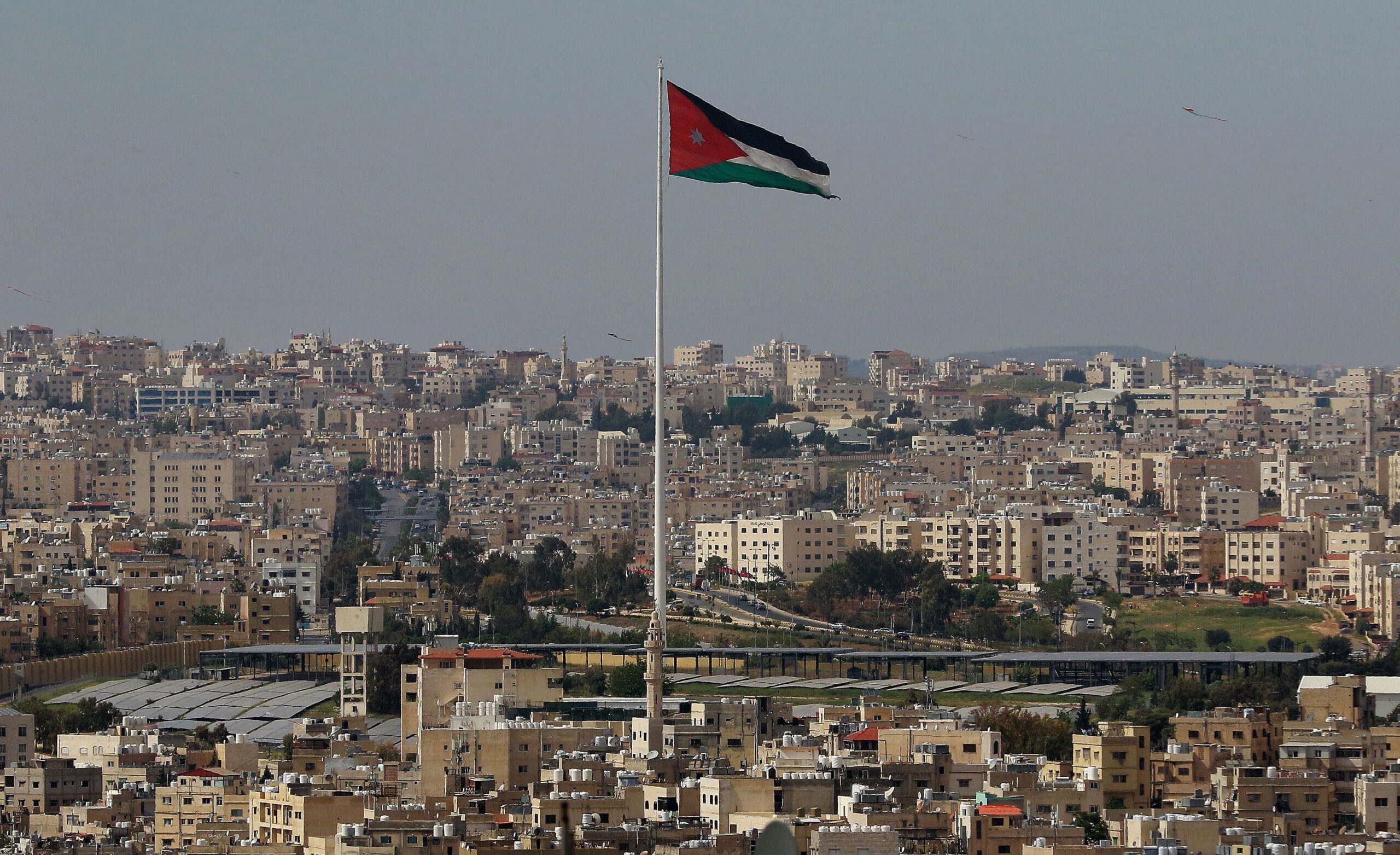
In the wake of COVID-19, Jordan has limited choices if Israel annexes West Bank settlements
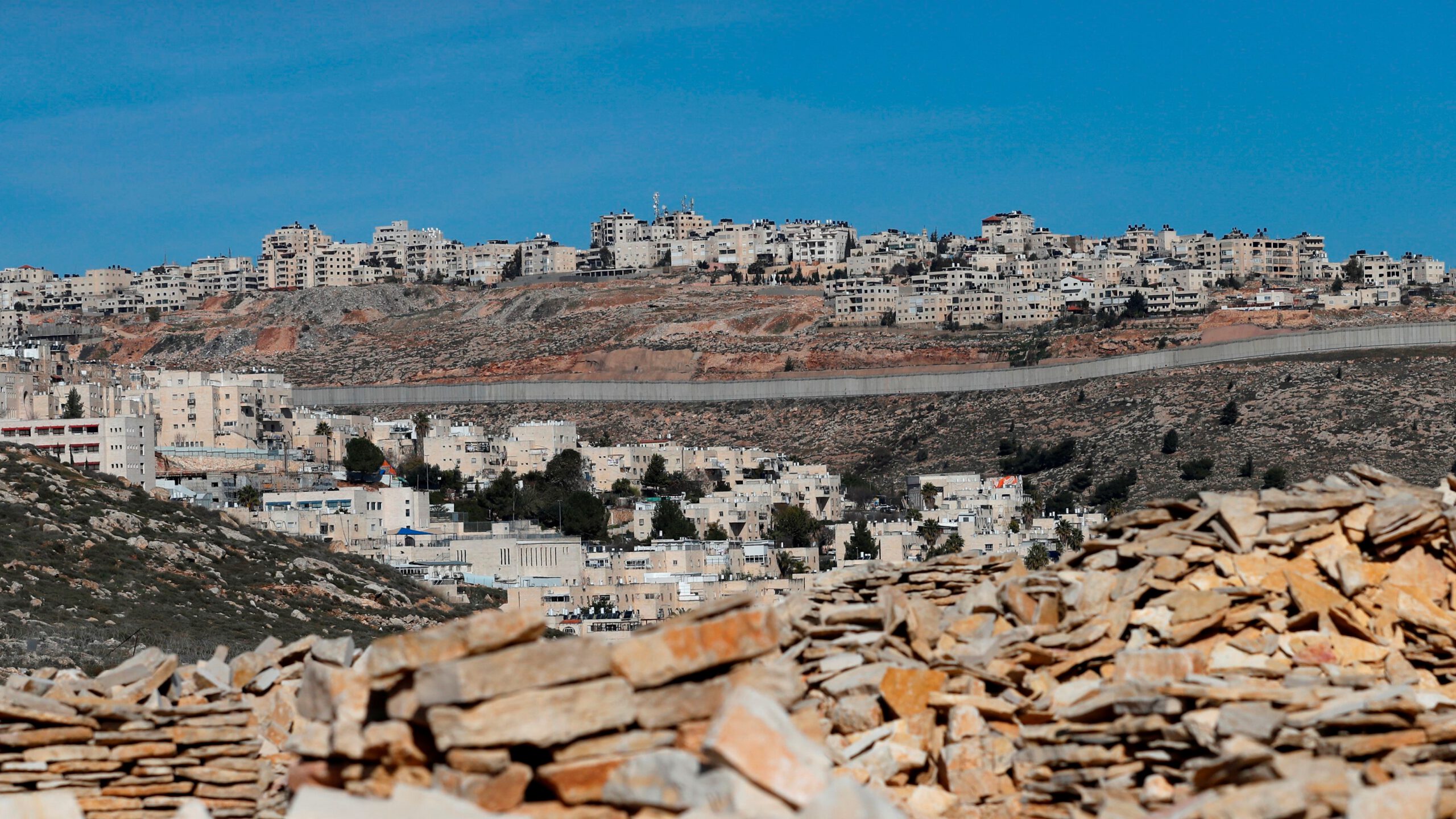
For Jordan Israeli annexation of Jewish settlements in the West Bank, as well as the strategically important Jordan Valley, constitutes an existential threat to the kingdom. But now Jordan faces unprecedented economic hardship as a consequence of the coronavirus crisis, and this could limit its scope for action.
While there is no shortage of rhetorical opposition to Israeli annexation from all corners, the question now is whether any of them intend to follow up their strong words with concrete actions.
Gantz leaves the door open for Arab states to counter annexation
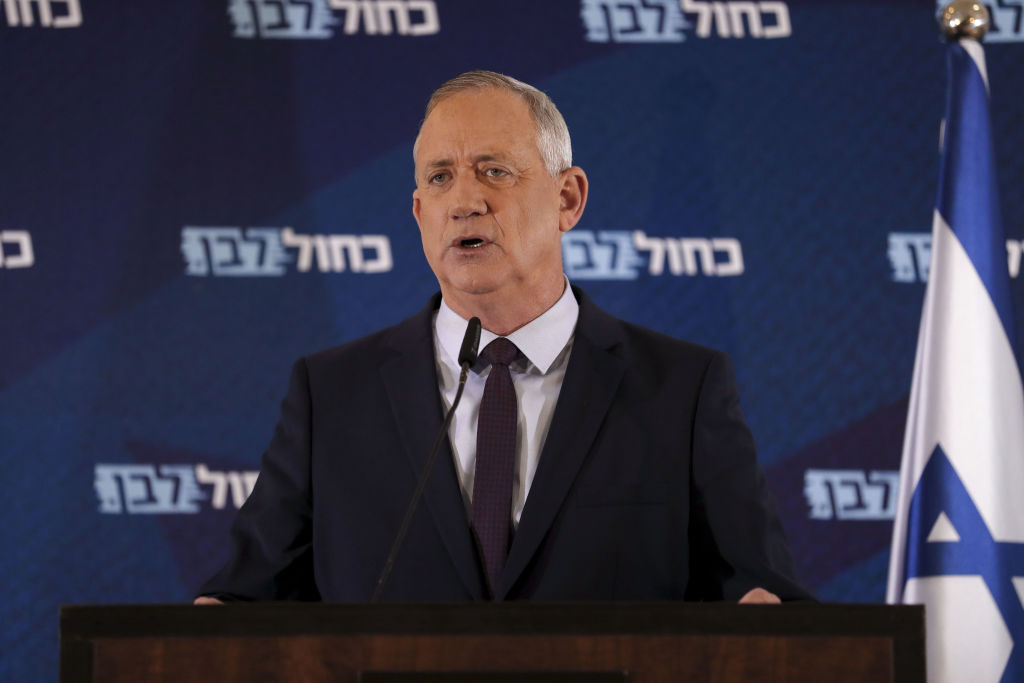
The April 20 Netanyahu-Gantz agreement legitimized the possibility of an Israeli law that will act as a unilateral annexation of parts of the West Bank to start as early as July 1, based on the controversial Trump Middle East plan. Articles 28 and 29 of the deal condition such annexation on the “consent of the Trump administration” and note that such a move would only be possible if the annexation preserves “the security and strategic interests of the state of Israel including the need to keep regional stability, keep existing peace agreements, and pursue future peace agreements.”
With the coronavirus sucking almost all of the oxygen out of the world’s news, it’s no wonder that Israel’s ongoing political crisis hasn’t received more coverage. But while the outside world is otherwise occupied, Israel, besides battling corona itself, is serving as a poster child for dysfunctional (yet democratic) government.
While much of the focus on Russia’s foreign policy toward the MENA region is on Syria and Libya, the dire situation in Gaza is another area where Moscow seeks to play a growing role. From Putin’s perspective, Moscow must involve itself in the Palestinian cause in order to further facilitate Russia’s “return” to the region. In practice, this has entailed Moscow and Hamas improving their relations, underscored by numerous visits and communications between high-ranking Russian government officials and Hamas representatives in recent years.
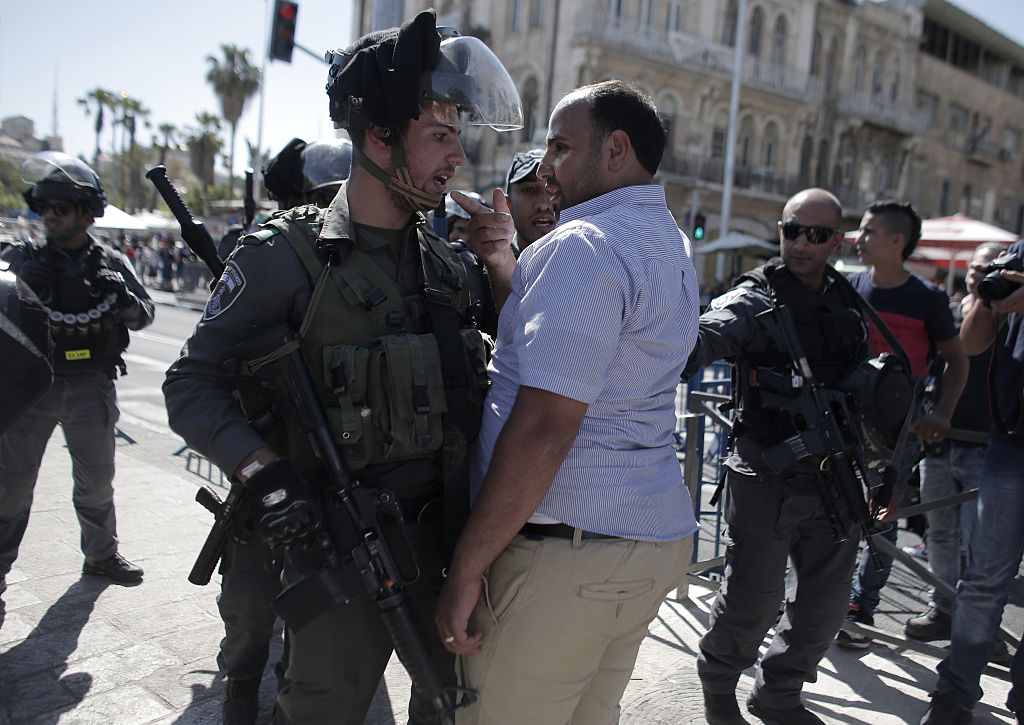
How the coronavirus exposed Israeli occupation's green line
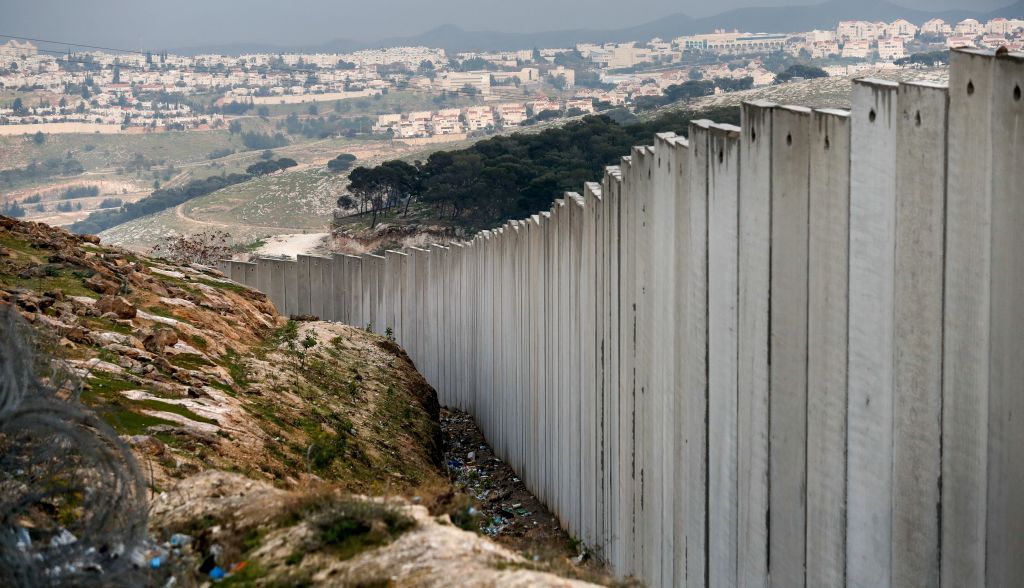
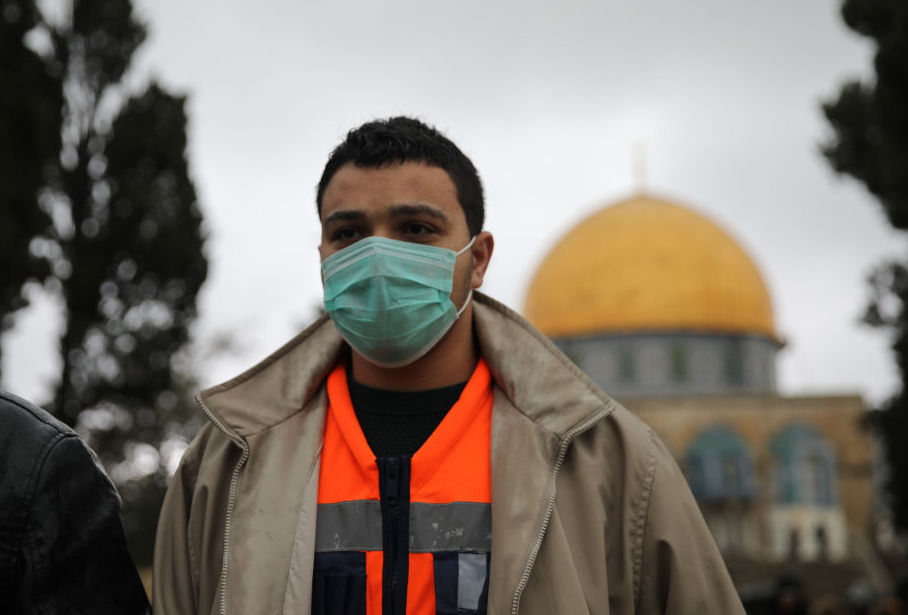
Less than a year after the U.S. State Department removed the term “occupation” from its 2019 human rights report, and just a few weeks after it stopped referring to the residents of East Jerusalem as Palestinians, the coronavirus has exposed the reality of Israel’s occupation of the Palestinian territories like never before.
The oldest peer-reviewed publication dedicated to the study of the modern Middle East, MEI’s flagship journal covers politics, society, and culture in the region.