Dr. Natan Sachs is a Senior Fellow at the Middle East Institute and an adjunct lecturer at the Johns Hopkins University School of Advanced International Studies (SAIS). His research and commentary on US foreign policy, Israeli foreign policy and domestic politics, and Middle East affairs have been widely published and frequently quoted in outlets such as The New York Times, Foreign Affairs, The Wall Street Journal, The Washington Post, The Atlantic, CNN, BBC, PBS, NPR, Yediot Aharonot, and Haaretz.
Prior to joining MEI, Sachs was Director of the Brookings Institution’s Center for Middle East Policy for eight years, where was also Fellow and Senior Fellow in the Foreign Policy program between 2012 and 2025.
Sachs has testified before committees of the US Congress and other parliaments. He has taught as an adjunct professor at Georgetown University and held fellowships at Stanford University’s Freeman Spogli Institute, Tel Aviv University’s Dayan Center, and as a Fulbright Fellow in Indonesia.
He holds a B.A. from the Hebrew University of Jerusalem, and a Ph.D. in political science from Stanford University.
Bonus Episode: Previewing Israel’s First Post-October 7 Election
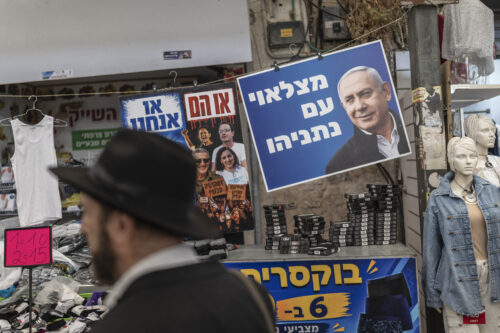
Israel is preparing to hold what may be its most consequential election in decades. On October 27, Prime Minister Benjamin Netanyahu will face his first electoral test since October 7, 2023. In this bonus episode of Middle East Focus, we present the audio from a recent MEI webinar, hosted in Israel on the eve of the vote. Senior Fellow Natan Sachs is joined by Dr. Shira Efron, Distinguished Chair for Israel Policy and senior fellow at the RAND Corporation, and Neri Zilber, veteran journalist and Financial Times correspondent. They explore what’s at stake in this historic election and how different outcomes could reshape Israel’s domestic politics and the wider region.
Israel: Strategic Divergence and Weakened Deterrence
The American-Israeli campaign against Iran that began in February 2026 resulted in a regional conflict its authors never intended. The war’s chief product is not what the United States and Israel destroyed, though that was significant, but what Iran proved: that it holds a strategic lever over its neighbors, the world economy, and the US.
If the Regime Survives: Iran War Raises the Ante for US, Israel
The United States and Israel both hope for the grand prize: the emergence of a new regime in Iran to replace the Islamic Republic. For the US, this would close the chapter on a hostile and at times violent relationship that has endured since 1979. For Israel, this would see the end not only of a regime with a deep ideological commitment against it but also the foe that Israel sees as behind all fronts of the war it has fought since October 7, 2023.
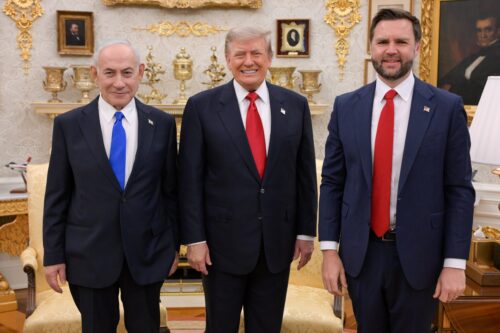
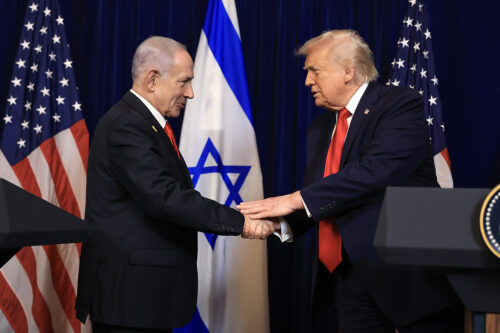
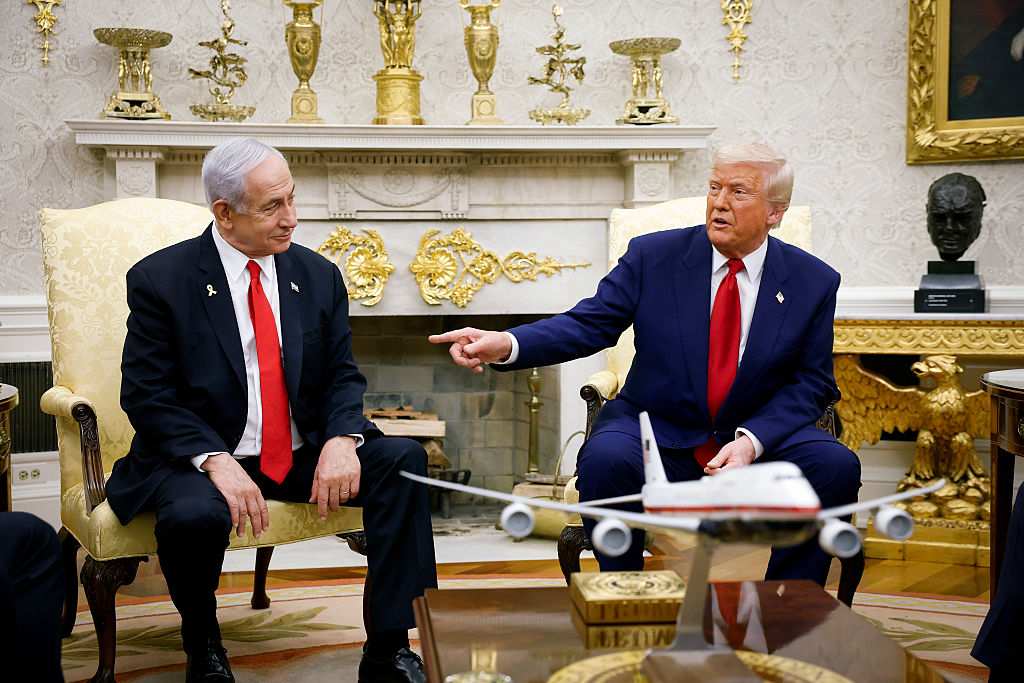
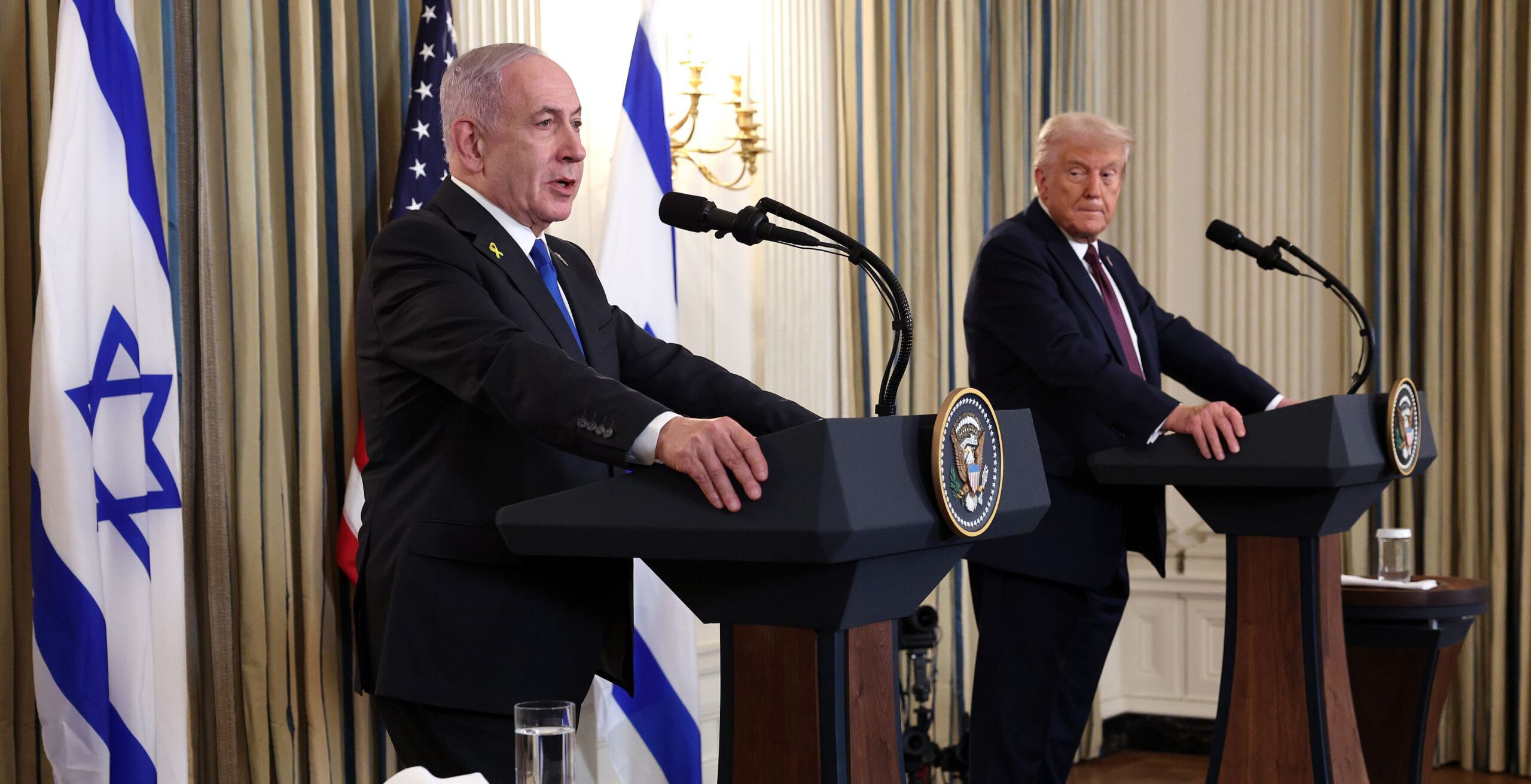
Hosts Alistair Taylor and Matthew Czekaj are joined by MEI Senior Fellow Natan Sachs to discuss Israeli Prime Minister Benjamin Netanyahu’s February 11 visit to the White House, Israel’s anxieties surrounding the ongoing US-Iran talks, and the domestic political dynamics Netanyahu is operating under. Taylor, Czekaj, and Sachs unpack what Netanyahu hoped to achieve during the visit, particularly regarding Iran, and what his relationship with President Donald Trump can tell us about the relative coordination and policy alignment between the US and Israel. They also examine Netanyahu’s political standing at home, two and half years since the October 7 attacks, as the 2026 election campaign begins in Israel. Finally, Sachs assesses what lies ahead for Israeli politics.
The United States is Israel’s closest ally, and its support is a central pillar of Israel’s national security. The US provides Israel access to purchase advanced weapon systems, ammunition and weapon emergency supplies in times of war, intelligence sharing, opportunities for cooperation in defense technology, and crucial diplomatic cover at the UN Security Council and elsewhere. It also provides Israel with regular security aid, to be spent in the United States, currently at an annual rate of $3.8bn (under an MOU that expires in 2028). Since October 2023, the US also offered active military support, in a break from the historical norm. It contributed substantially to Israel’s defense against Iranian ballistic missiles, in conjunction with Arab regional partners, and bombed nuclear sites in Iran in support of Israel’s campaign in the “12 Day War” of June 2025.
Unfinished business will drive the Mideast agenda in 2026
Following another year of pivotal developments and transformational change, the Middle East could be poised to turn the page on many of its long-running conflicts and sources of instability. But lasting fruits of the processes begun in 2025 will require a determined, intentional focus by regional actors and the United States. Given current trends, MEI experts weigh in on where the region may be headed in 2026.
Peace in the Middle East — or constructive ambiguity in reverse
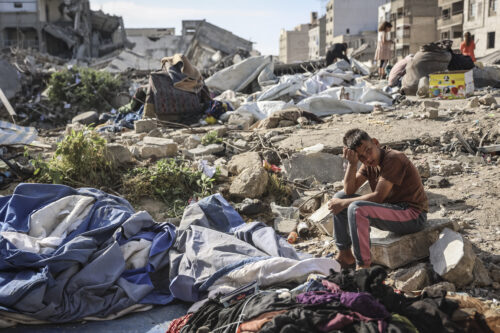
After two terrible years — beginning on the horrific morning of October 7, 2023 — there is now a chance the Gaza war could end. This chance exists not because the 20-point proposal released by the United States on September 29, 2025, is a model of diplomatic detail or nuance. It exists because its patron, President Donald Trump, appears determined not to take “no” for an answer.