Reflections on a Diplomatic Career in the Middle East: A Conversation With Ambassador Yael Lempert
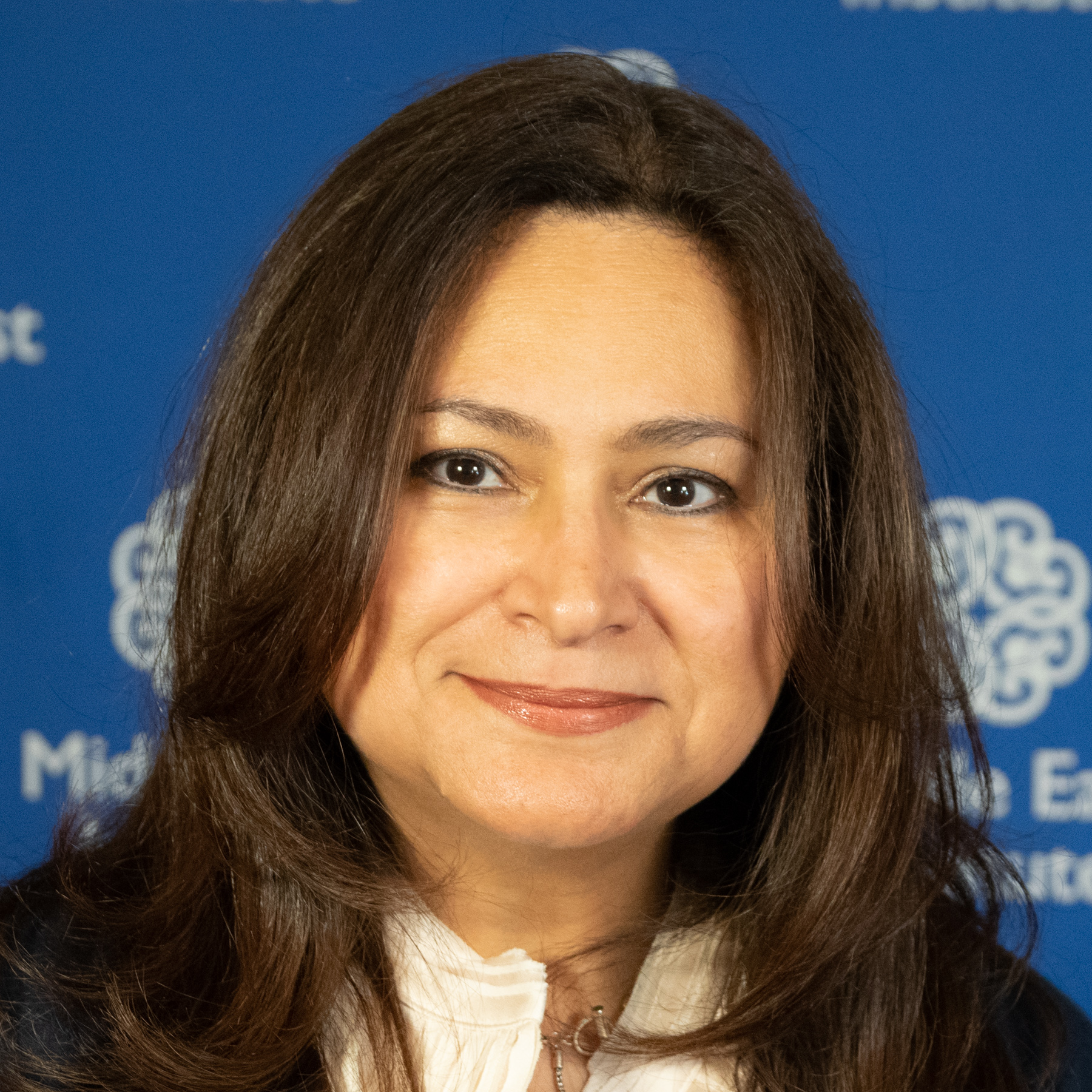
Brian is joined by Amb. (ret.) Yael Lempert, Vice President for Outreach at MEI, to discuss her career in diplomacy and the importance of US diplomatic efforts abroad. She shares stories from postings across the Middle East in Baghdad, Cairo, Tripoli, Jerusalem, and Amman and examines how her personal and professional experiences shaped her approach to the work. Together, Brian and Yael discuss the realities of life in the Foreign Service, the core tenets of American diplomacy, and why it matters in today’s Middle East.
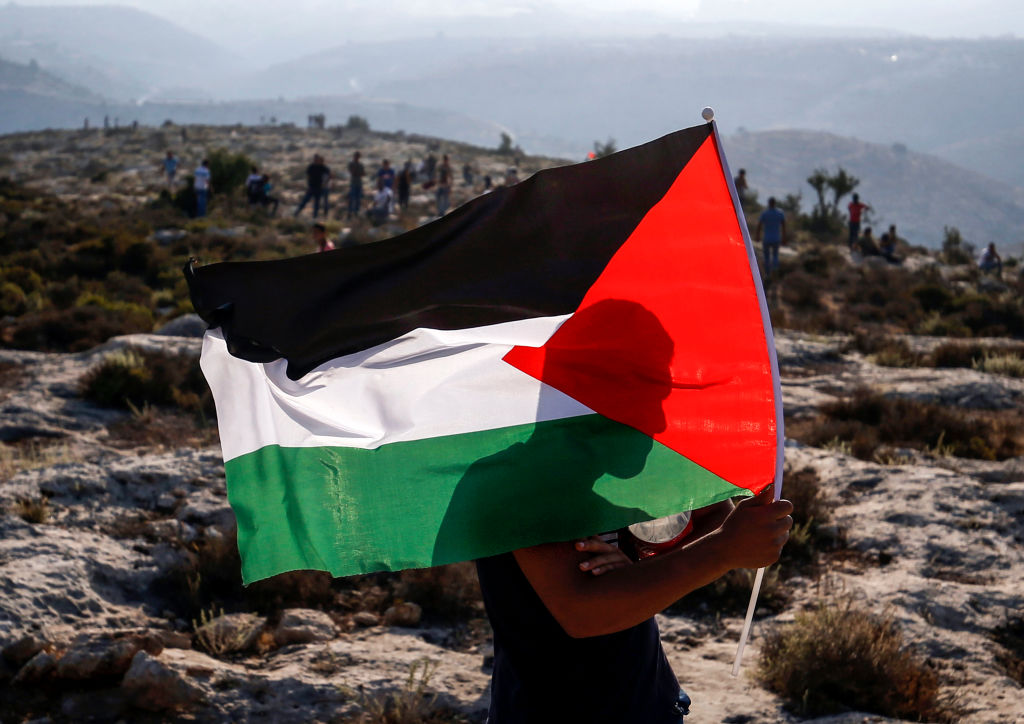
This report considers the lack of Palestinian political agency as a driver of regional insecurity that must be resolved before wider conflicts can be settled. The author analyses the conditions that contributed to the destruction of Palestinian political capacity, including Israeli policies, Palestinian shortcomings, and exploitation by Iran, and makes recommendations for an Arab strategic initiative.
Trump’s Family Business Deals Risk Further Undermining the Credibility of US Middle East Policy
President Trump’s family businesses are once again in the spotlight as a new financial disclosure showed they earned $2 billion in income in 2025 — a dramatic increase on the year before, with much of it coming from Gulf entities, raising emoluments concerns. Mounting perceptions of corruption, combined with unresolved crises in Iran and Israel-Palestine, are eroding trust among key partners in the Middle East. With the 2026 midterms approaching, these entanglements could represent a major political vulnerability and further undermine America’s already-strained standing in the region.
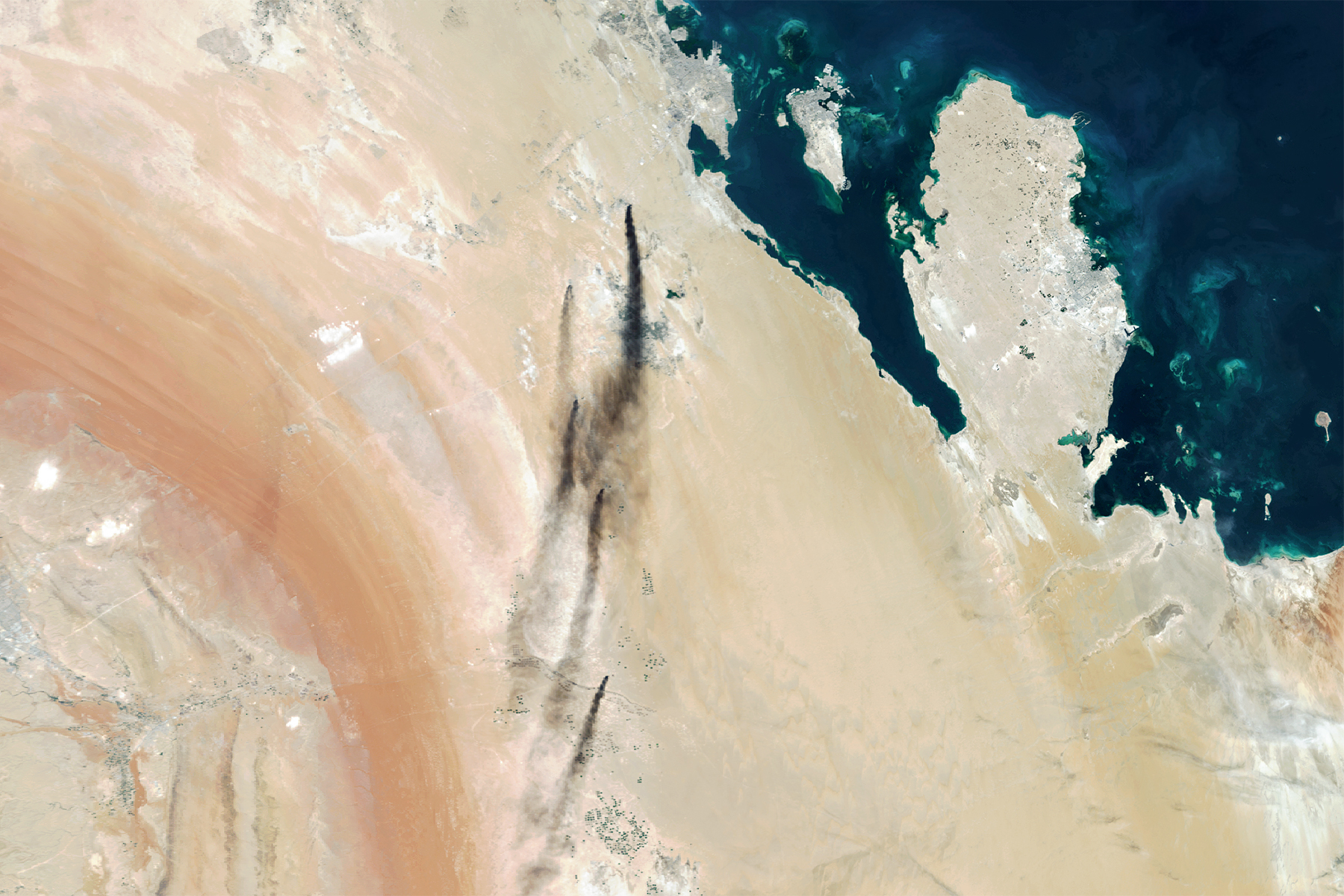
Monday Briefing: Attack on Saudi oil facilities has an impact far beyond the kingdom
This week’s briefing on recent news and upcoming events in the region featuring Ruba Husari, Paul Salem, Gerald Feierstein, Amal Kandeel, Grace Wermenbol, Robert S. Ford, Charles Lister, and Gonul Tol.
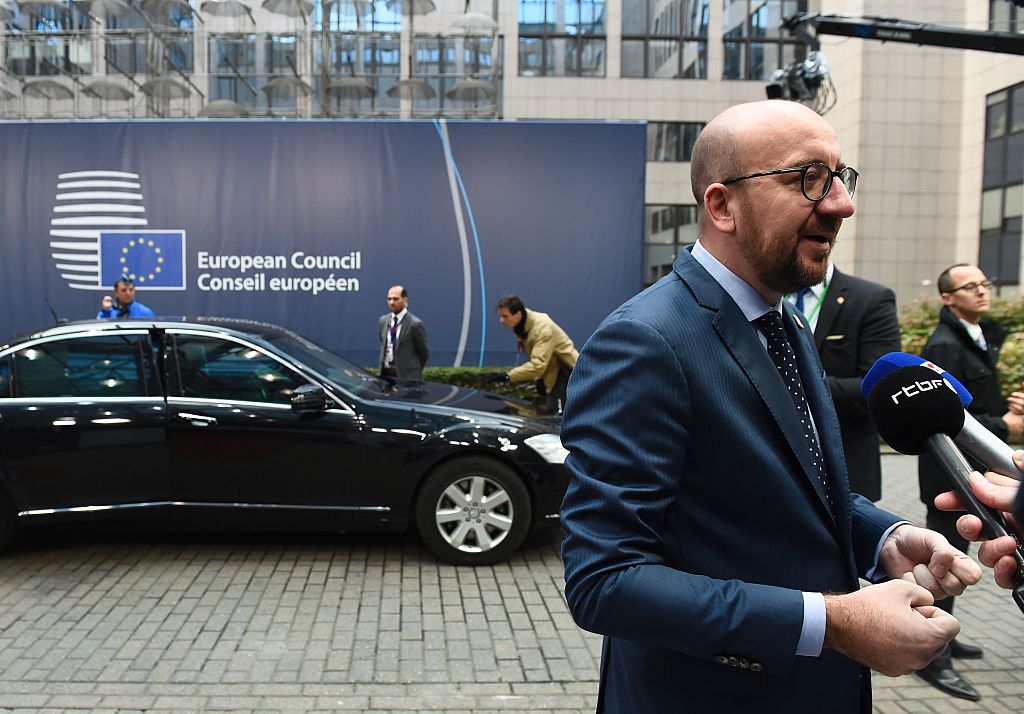
What will the European Council's new president mean for EU-MENA relations?
While some changes may be in the offing, for now most signs suggest that regional leaders should expect neither new opportunities, nor new challenges, but more likely a broad continuity of existing EU policy toward the region.
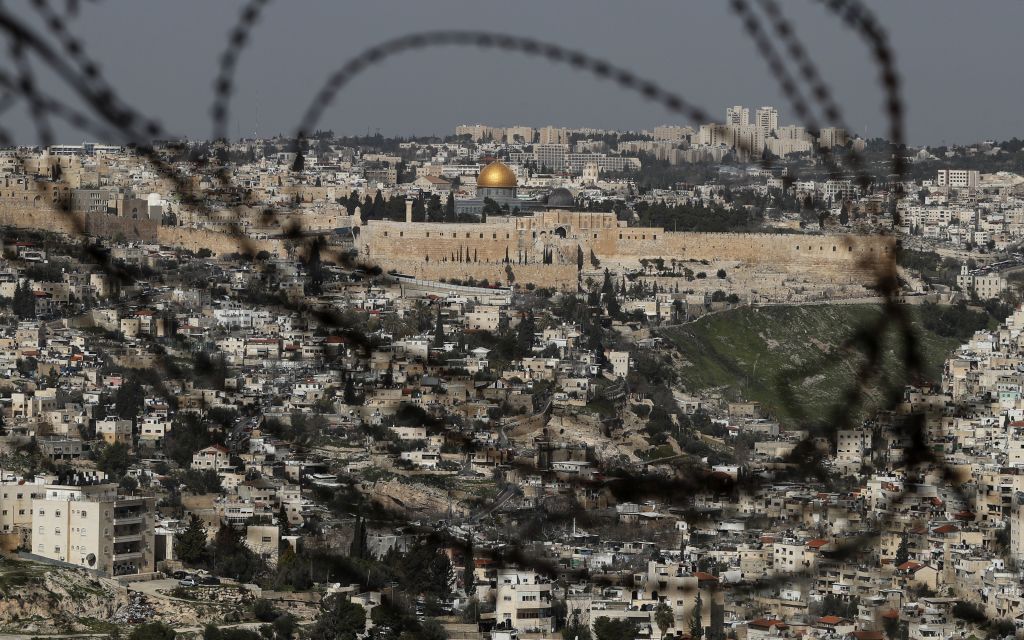
There Is No "Status Quo": Drivers of Violence in the Israeli-Palestinian Conflict
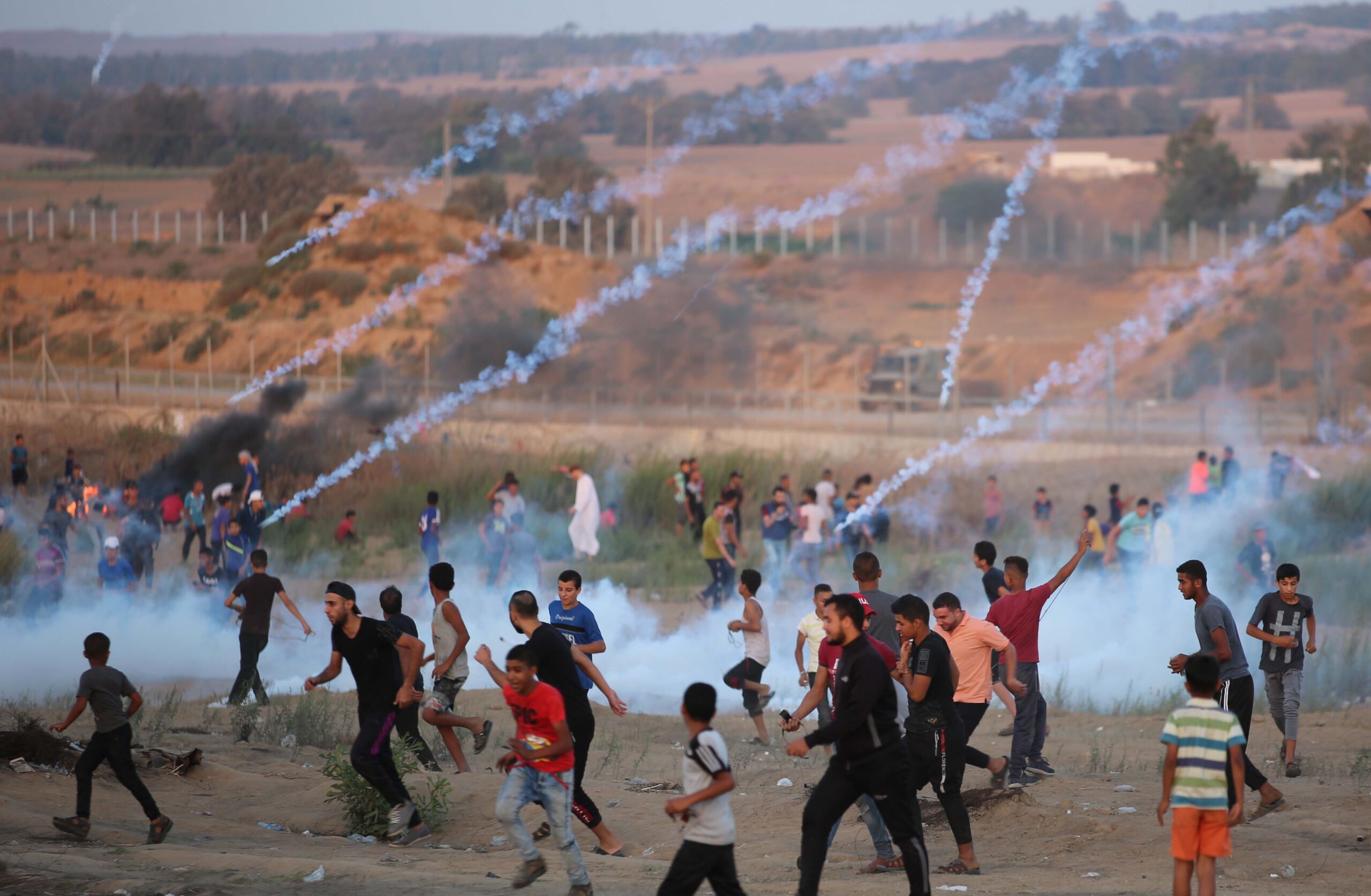
The Israeli-Palestinian conflict remains a destabilizing element in an already volatile Middle East. The Palestinians are too weak to wrest their independence from Israel. But as long as their right to self-determination is denied, they are likely to engage in regular violence targeting Israel. Absent outside intervention, Israel is powerful enough that it can suppress Palestinian demands for freedom — but it is not able to completely pacify the Palestinians. Thus, the conflict continues, punctuated every few years by rounds of more significant violence.
Ambassador Friedman: Palestinians already have autonomy
Autonomy is normally given to a specific cultural or national group as part of a political agreement. For Palestinians, the idea that autonomy is the goal of talks is unhelpful because they already have autonomy.
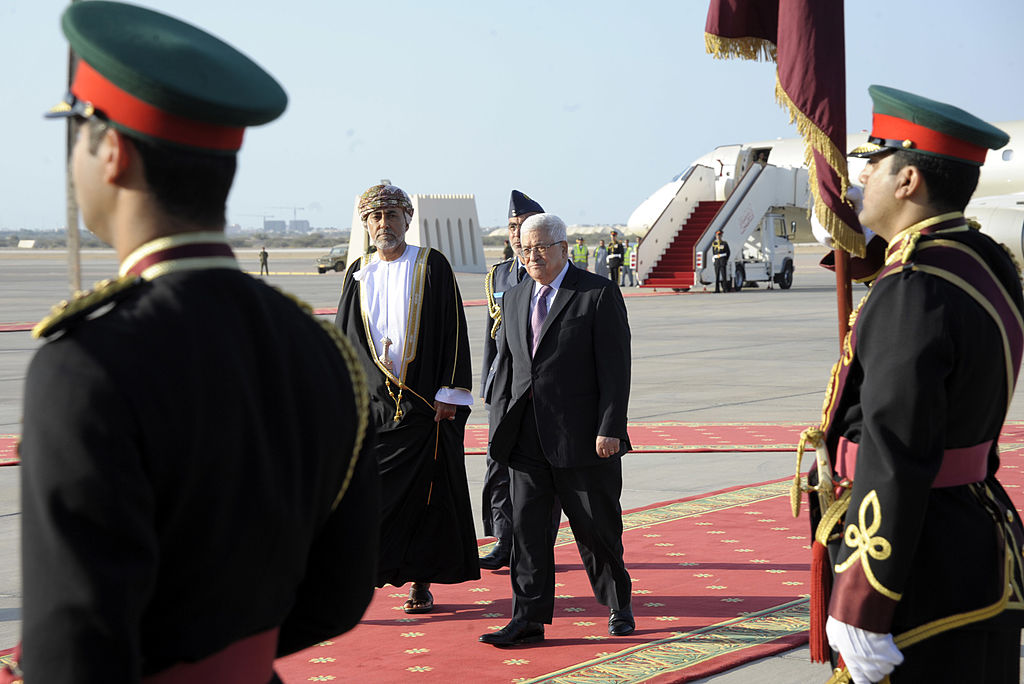
The news came eight months after Israeli Prime Minister Benjamin Netanyahu paid a visit to the Omani capital for surprise talks with Sultan Qaboos in October 2018, and four months after Minister Responsible for Foreign Affairs Yusuf bin Alawi bin Abdullah met with Netanyahu in Poland during the Trump administration’s “Peace and Security in the Middle East” summit.
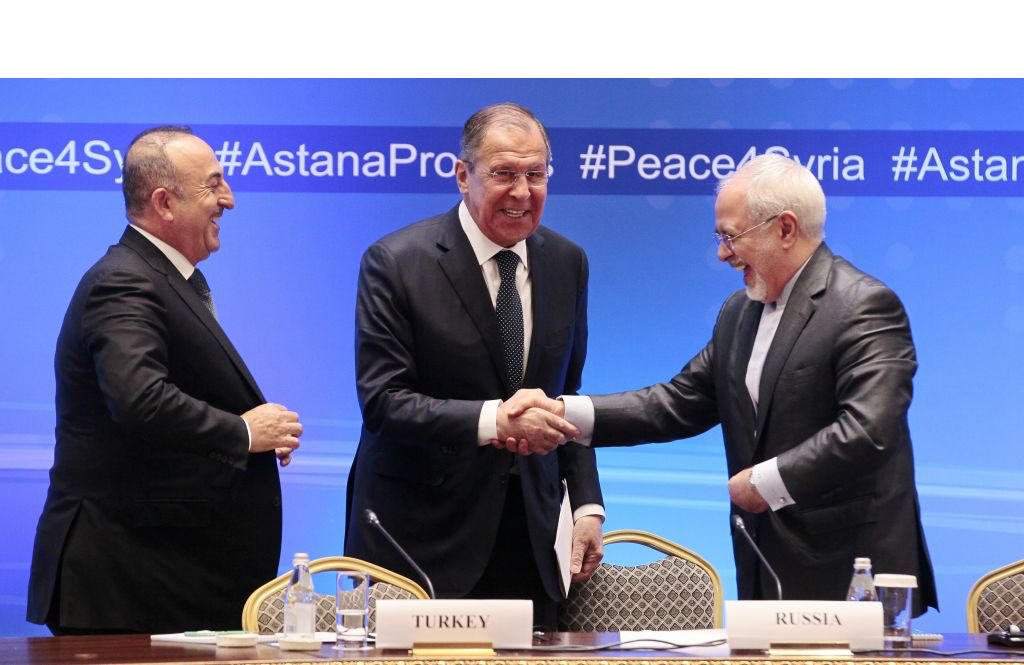
This week’s briefing on recent news and upcoming events in the region including Kazakhstan’s upcoming “Astana talks” on Syria, Jared Kushner’s planned visit to the Middle East, the shift in US-Pakistan relations, and Abbas’ announcement that the Palestinian Authority will halt all signed agreements with Israel, featuring Charles Lister, Gerald Feierstein, Marvin G. Weinbaum, and Khaled Elgindy.
The Gulf states, the “deal of the century,” and the Iranian threat
Many analysts have been dismissive of the plan’s prospects, but for Gulf states like Saudi Arabia, the UAE, and Bahrain, there’s at least one major reason to line up with Washington on the issue: Iran.
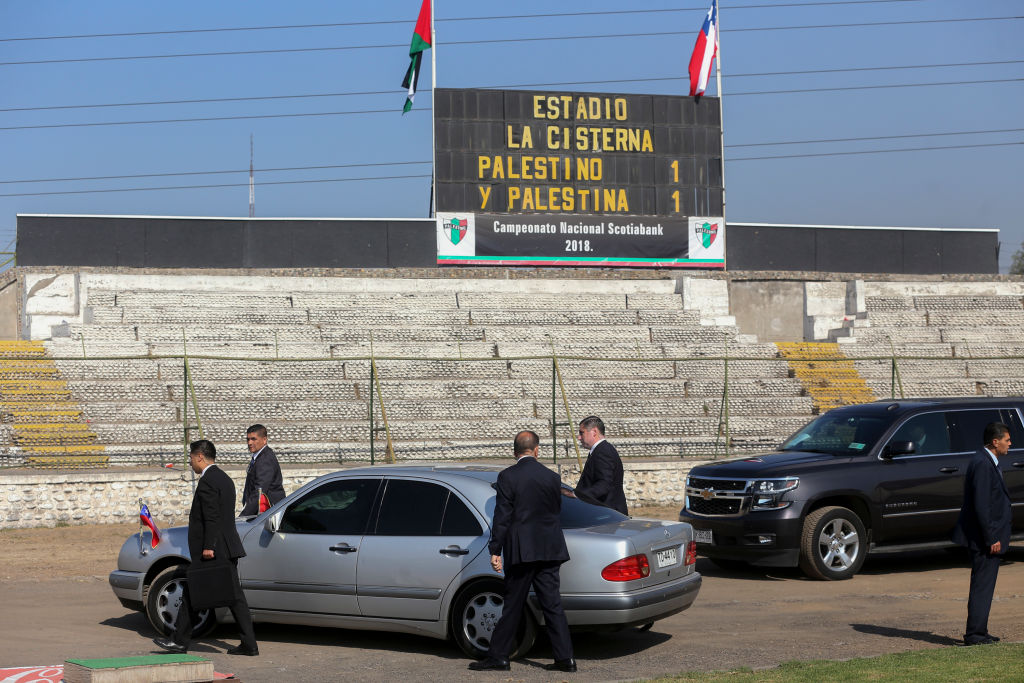
With the increased influence of right-wing populism and evangelicalism, Mahmoud Abbas has seen the region’s historic commitment to the Palestinian cause wane. These internal changes, along with a pivot toward Washington, have, in turn, aided Israeli Prime Minister Benjamin Netanyahu in making further inroads on the South American continent.
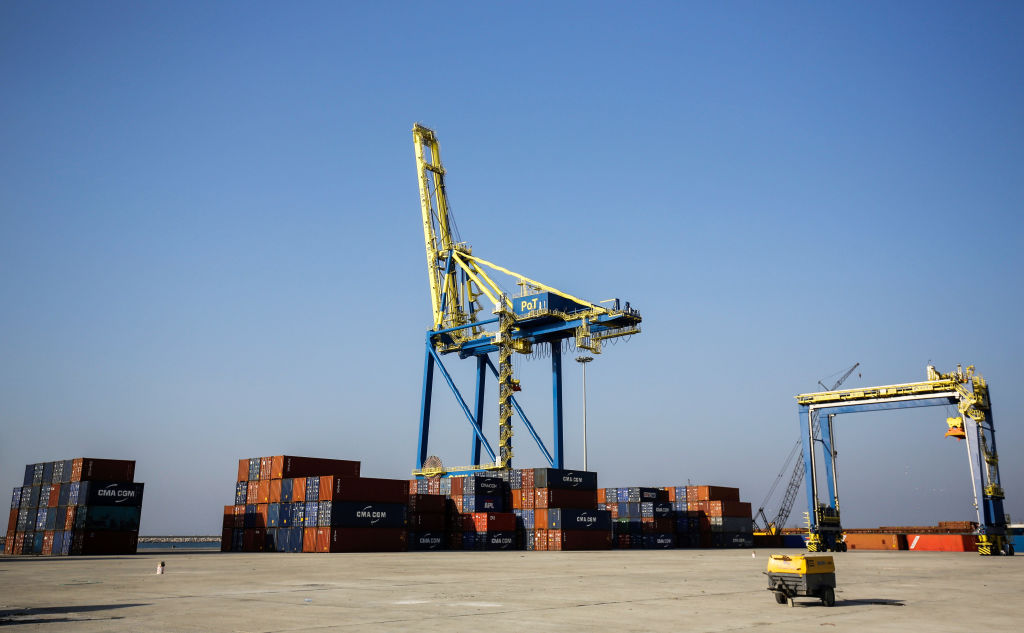
The idea of establishing a Levant Union — one not unlike the European Union (EU), but composed of the Levantine states of Lebanon, Syria, Iraq, Palestine, Jordan, and by extension, Egypt and Cyprus — is one that ought to be explored. Such an arrangement would offer untapped potential for trade, supported by the growing trend toward greater regionalization, fueled by the rise in protectionism, increasing multipolarity, and corporate regionalization.
Freshwater Resources in the MENA Region: Risks and Opportunities
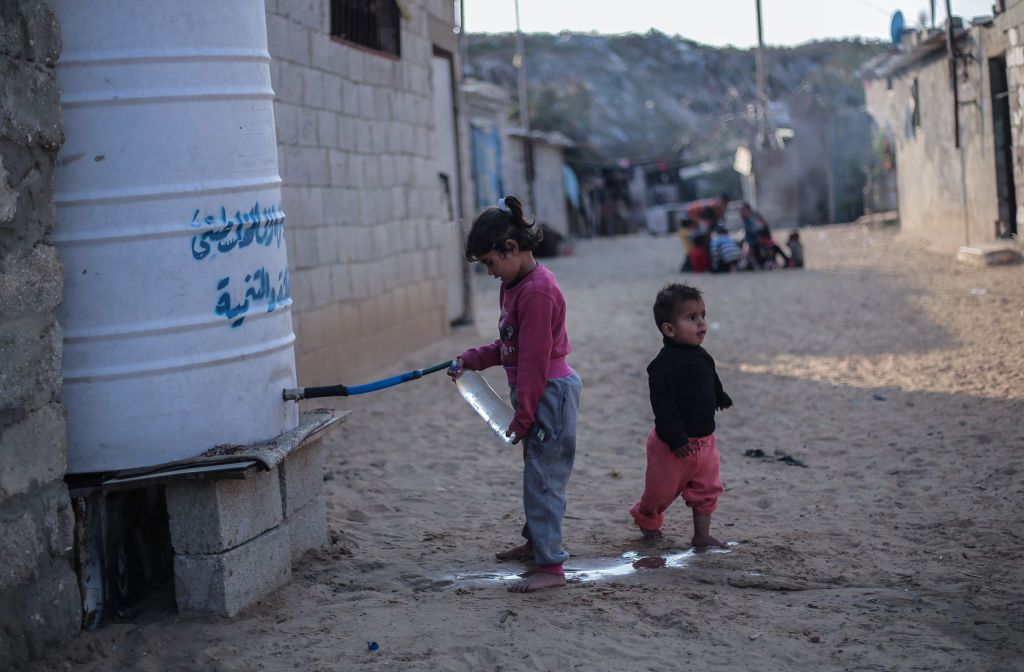
A reliable supply of freshwater is a prerequisite for sustainable socioeconomic development, as well as for sociopolitical stability and human prosperity, especially in semi-arid and arid regions of the world. The Middle East and North Africa’s freshwater resources are under immense pressures and are facing significant risks to their sustainability due to overexploitation, climate change, and interstate competition over their use that extends beyond the region’s boundaries.
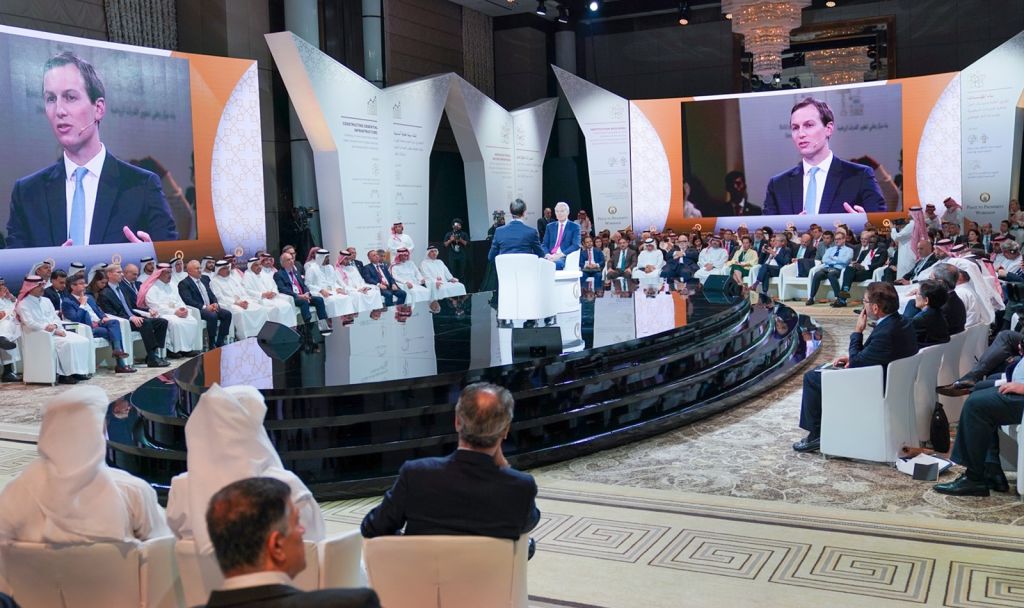
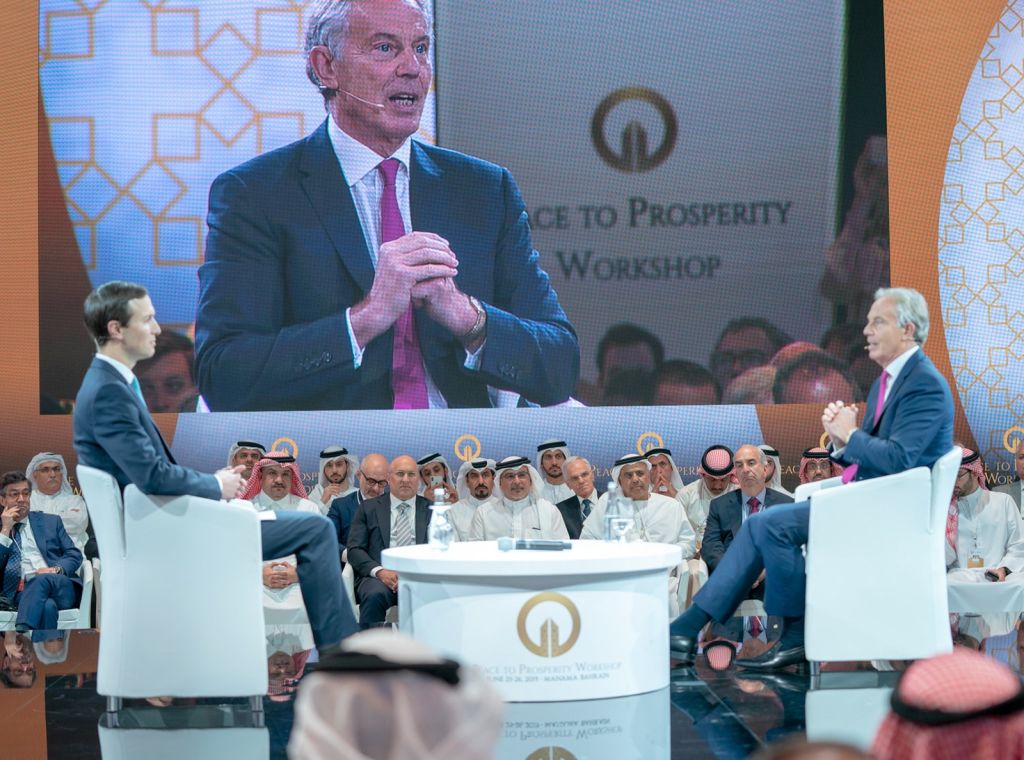
The Bahrain workshop and the dwindling prospects for Israeli-Palestinian peace under Trump
The Trump administration’s economic workshop in Bahrain produced some noteworthy moments that reflected recent changes in Israeli-Gulf relations, but it fell well short of its original declared intent. Neither Israeli nor Palestinian officials attended, and it did not conclude with any tangible steps to advance the peace process.
Landscape, loss, and Palestinian identity: Intimate Terrains
Part survey show, part historical document, the latest exhibition at the Palestinian Museum just outside of Ramallah, “Intimate Terrains: Representations of a Disappearing Landscape,” covers work from the 1930s until today. The show explores how representations of landscape evolved over time via a selection of iconic, rarely seen works, and special commissions by artists from Palestine and its diaspora, encompassing painting, photography, installation, video and film, natural media, sculpture, and even an “intervention” in the museum’s gardens.
The oldest peer-reviewed publication dedicated to the study of the modern Middle East, MEI’s flagship journal covers politics, society, and culture in the region.