From the Middle East to Middle America: Engineering Better Policy with Andrew J. Tabler
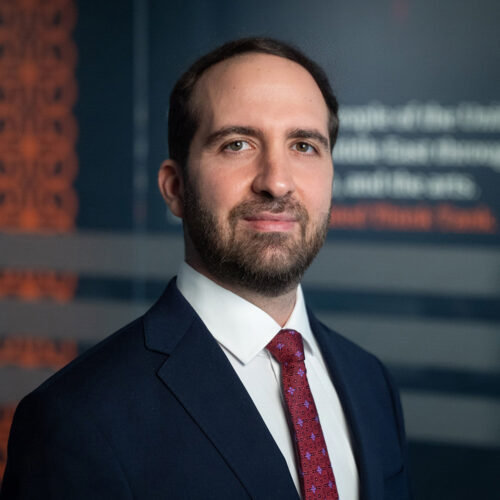
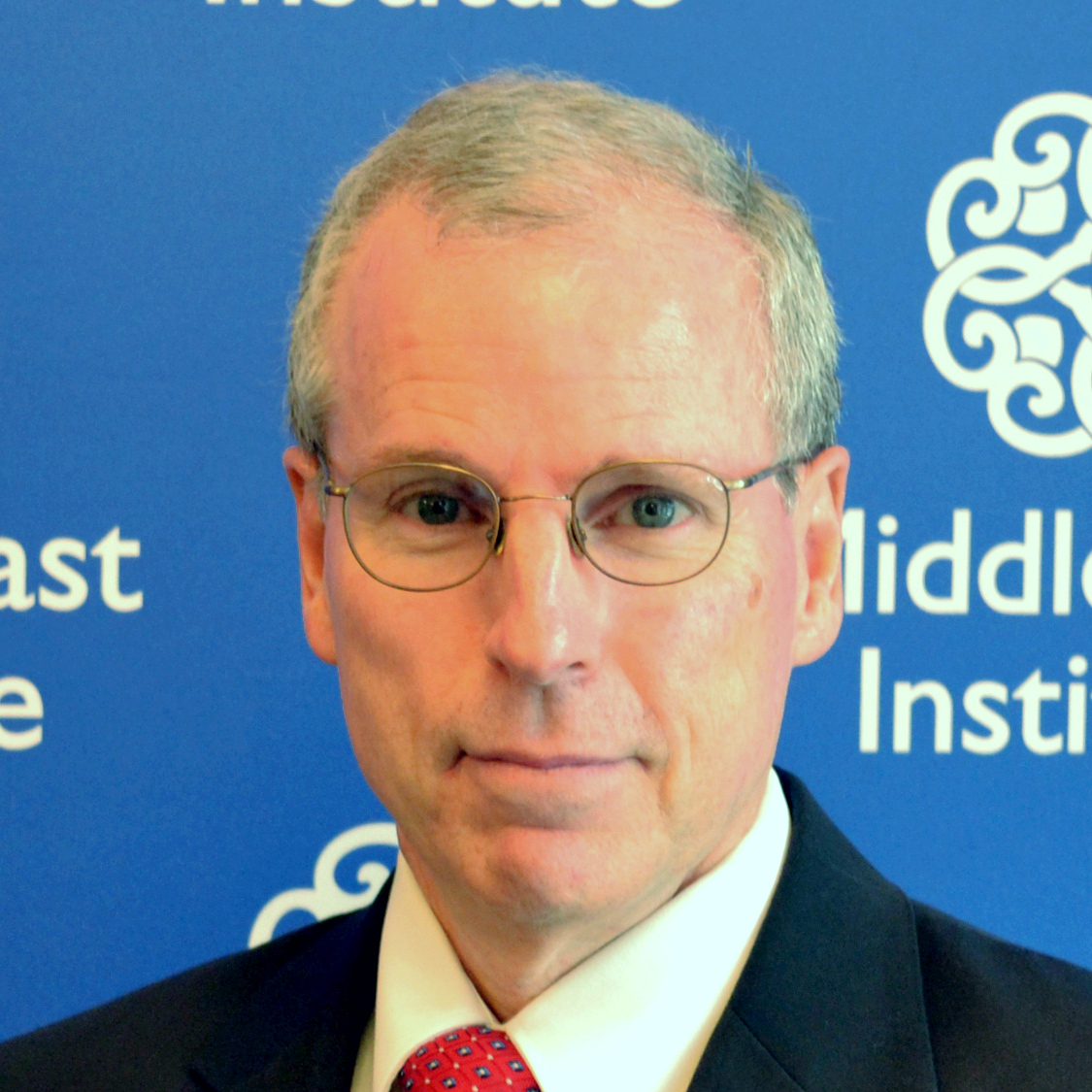
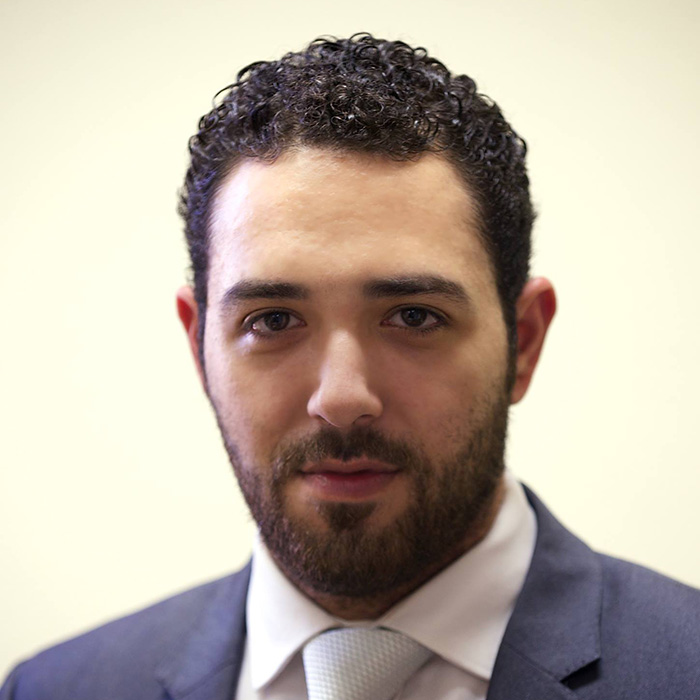
Brian sits down with Andrew J. Tabler, the Martin J. Gross Senior Fellow in the Linda and Tony Rubin Program on Arab Politics at The Washington Institute, to trace his unique and distinctive path from Oil City, Pennsylvania, to fourteen years living and working in the Middle East. Tabler discusses his time in Syria under the Assad regime, his service as director for Syria at the National Security Council and as senior advisor to the Special Envoy for Syria Engagement at the US State Department’s Bureau of Near Eastern Affairs in the first Trump administration, and explains how these experiences shaped his perspective and inspired him to found the Drake Energy Forum.
When the US and Israel launched military action against Iran on February 28, 2026, it set in motion a chain of events that saw violence spread across the Middle East. Yet as the region found itself engulfed in conflict, Syria has experienced its most peaceful months in 15 years, and the government in Damascus appears determined to stay its course toward recovery.
Unlocking the Levant: Why the United States and Syria Must Pursue a Bilateral Trade and Investment Agreement
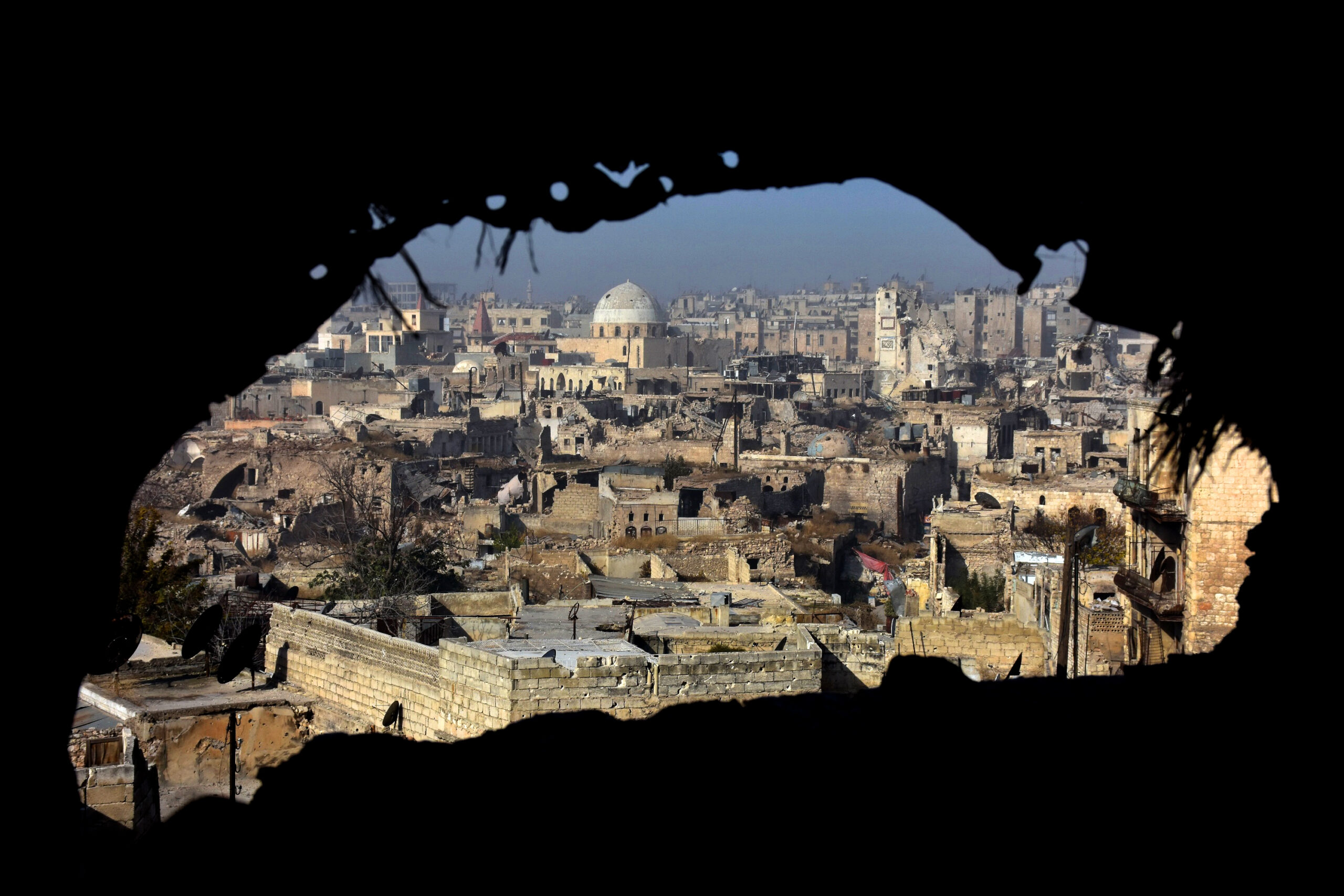
Apart from the brief honeymoon period between 1961 and 1963 under President John F. Kennedy and President Nazim al-Qudsi, US-Syria relations have never held such optimistic potential as they do today. Today, following the fall of Bashar al-Assad regime and the rise of a new government under President Ahmad al-Sharaa at the end of 2024, a new geopolitical window has opened.
MEI’s Syria Initiative seeks to provide insightful and grounded research and analysis on all things Syria in order to better inform a wide range of audiences and to help sustain and shape a more meaningful policy-oriented discussion.
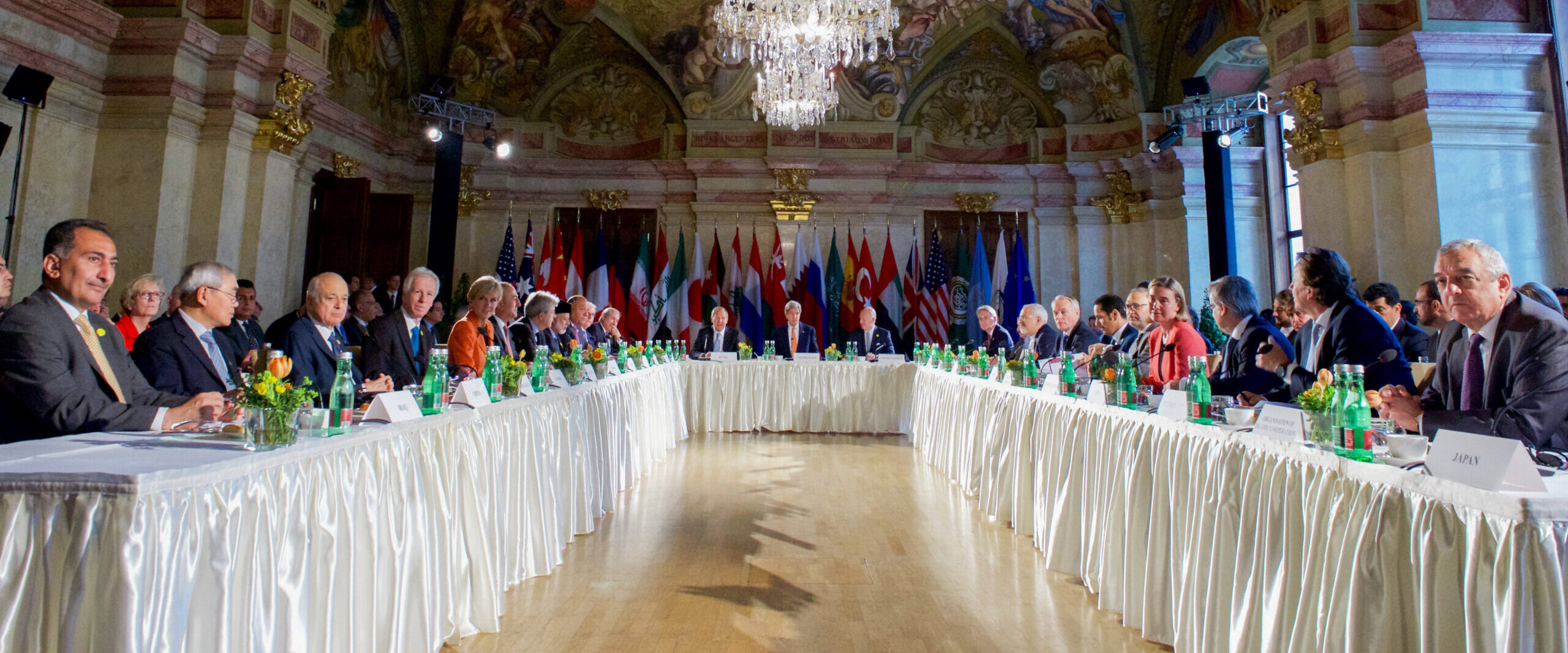
The Middle East Institute, The Atlantic Council, and European Institute of Peace collaborate with subject matter experts and policymakers in the US, Europe, and the Middle East to develop a holistic strategy to sustainably forge a pathway to resolving Syria’s crisis.
MEI experts Gerald Feierstein, Alex Vatanka, Gonul Tol, and Charles Lister join host Alistair Taylor to survey what lies ahead for the region in the year ahead, with particular attention to Yemen, Iran, Turkey, and Syria.
In two months’ time, Syria’s crisis will turn 10 years old — a grim milestone for what has been the most deadly and destructive civil conflict in recent history.
Syria’s Constitutional Committee: The Devil in the Detail
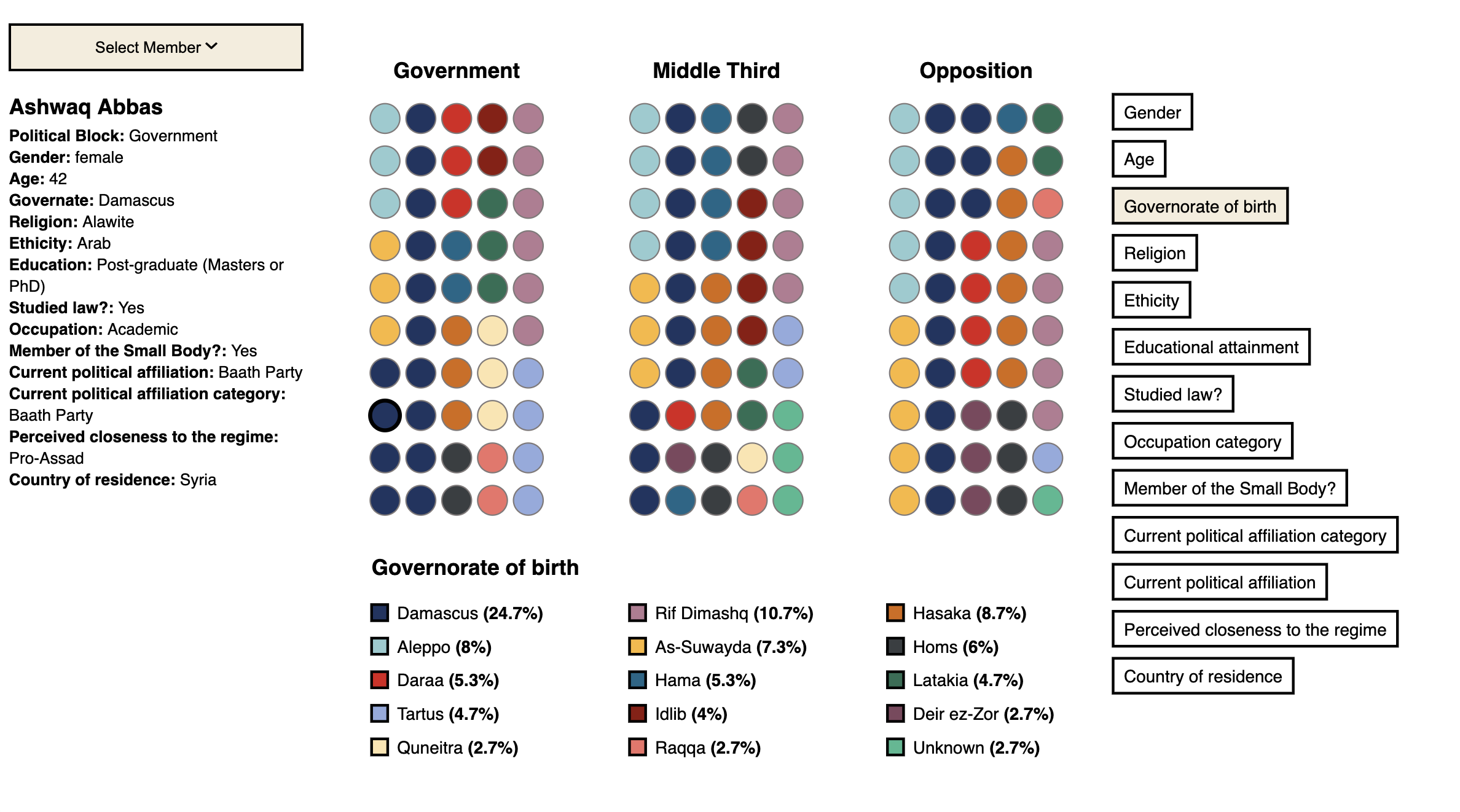
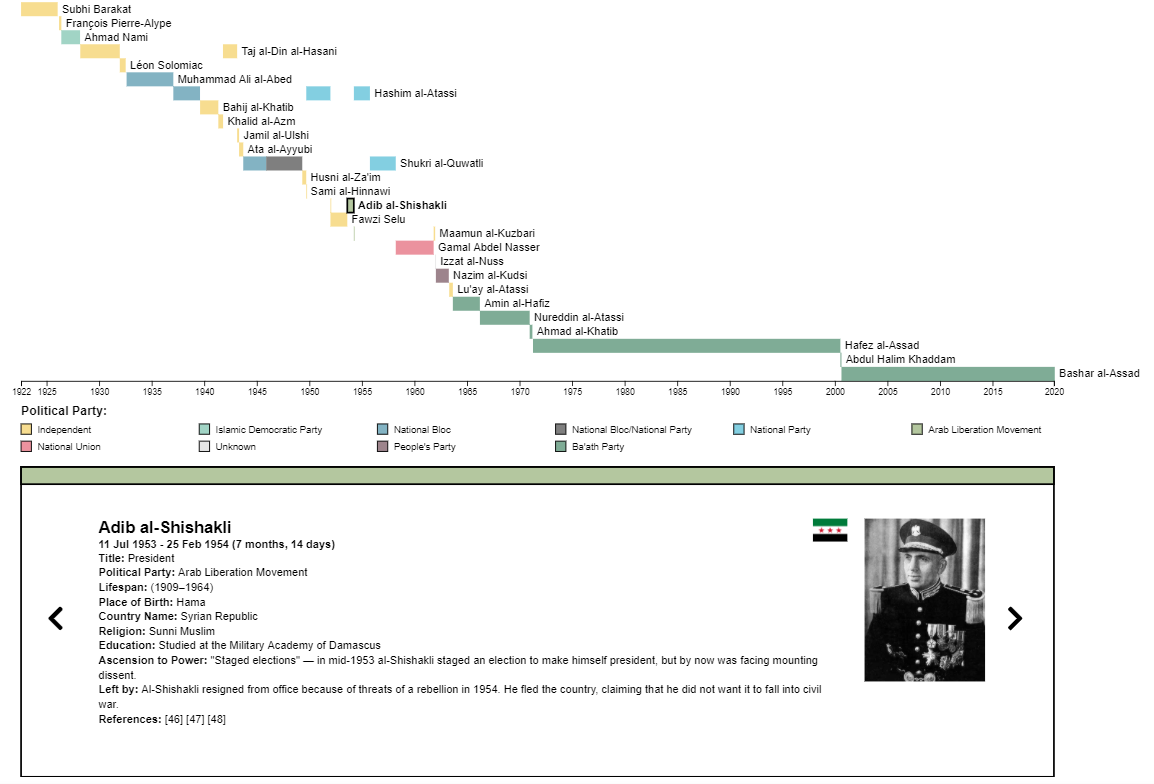
This interactive data visualization and accompanying article provide background information on the members of the Syrian Constitutional Committee as well as analysis of its dynamics and policy recommendations on how to improve it.
Weighing the scales of violence in northwest Syria
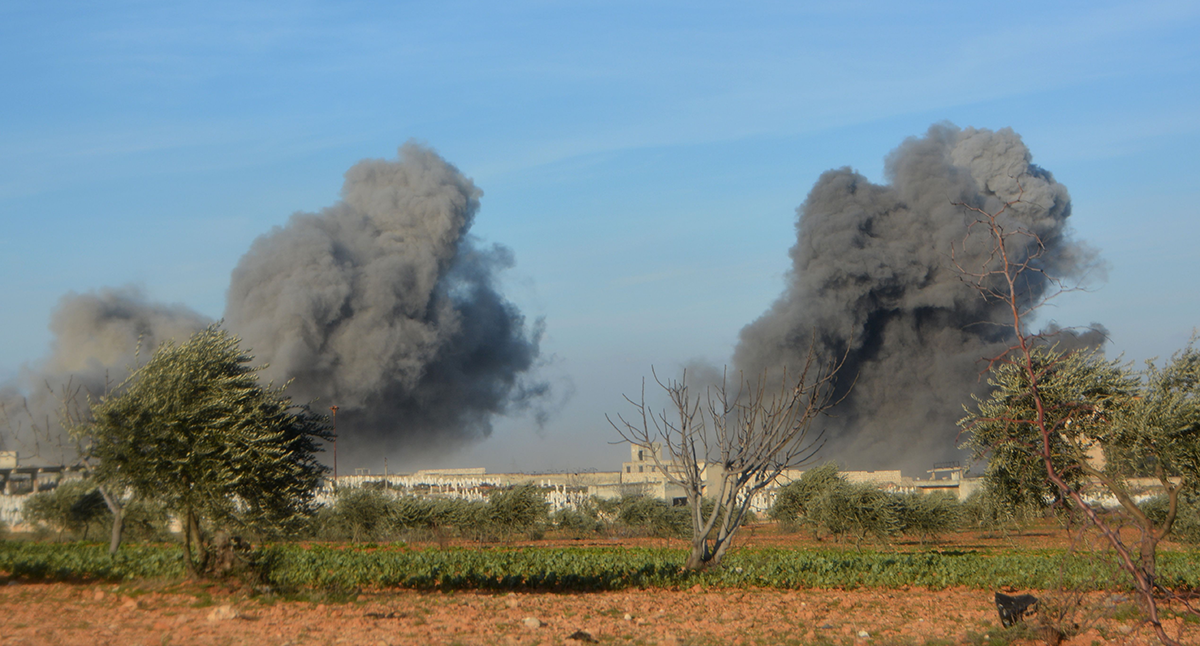
When looking at a map of all artillery and airstrikes in the period from November 2019 through November 2020, first, it is quite clear that the majority of attack are carried out by either Syrian, Russia, or pro-government forces across the northwest of the country, save for northern Aleppo, where the Turkish military is more active.
A look back at the year’s most important developments with analysis from Paul Salem, Alex Vatanka, Randa Slim, Gerald Feierstein, Gonul Tol, Jonathan M. Winer, Khaled Elgindy, Marvin G. Weinbaum, Mirette F. Mabrouk, Grace Wermenbol, Syed Mohammad Ali, Robert S. Ford, and Khaldoun Khelil.
Syrian opinion split on decentralizing power in new constitution
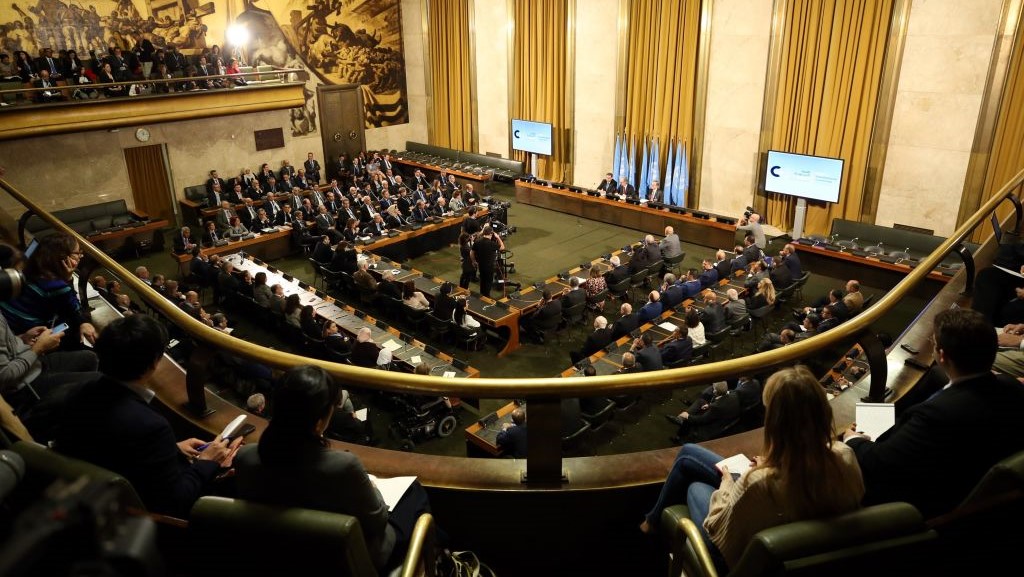
Under U.N. Security Council Resolution 2254, a critical step toward a political solution to the Syrian crisis is the drafting of a new Syrian constitution. To that end, the Constitutional Committee in Geneva has conducted three rounds of discussions, with little to show for it. One of the key components of the new constitution is the decentralization of power. The issue is hard for Syrians to approach objectively, however, because — depending on their class, ethnicity, and religion — they have been impacted by the highly centralized system of governance in vastly different ways. In order to understand the different views of Syrians on the issue of decentralization in a new constitution, The Day After (TDA), a Syrian organization that works toward empowering civil society, democratic transition, and justice in Syria, conducted a survey of 2,966 persons between June and July 2020, including Syrians within the country as well as in the diaspora. In general, support for a decentralized political system is on the rise. Compared to a survey conducted by TDA two years earlier, there was an increase of over 20 percentage points among all respondents for a decentralized system in Syria.
The Middle East and American Democracy’s Near-Death Experience
The fascination with the peaceful removal of leaders by a simple vote in the United States has always contrasted painfully with the inability of most Middle Eastern populations to do the same.
A thinly veiled strategy: Assad's co-optation of women religious leaders
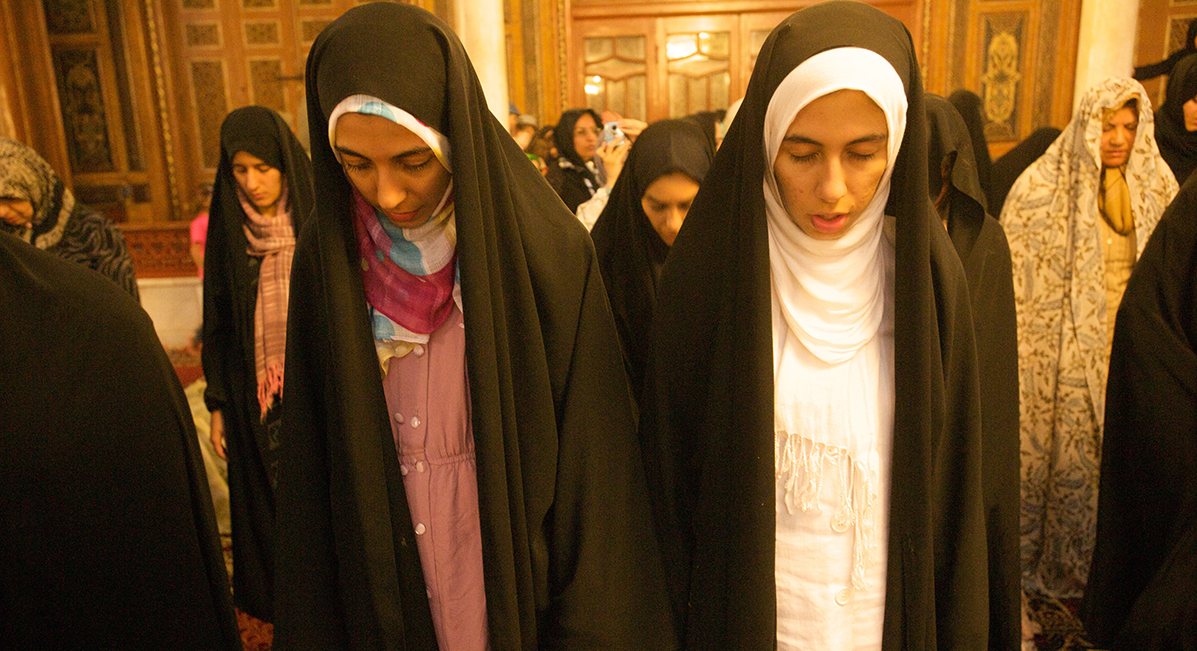
A few weeks ago, Syrian social media was abuzz about a short clip featuring the famous woman religious scholar and regime loyalist Khuloud Suruji. The video also drew attention to one question that has gone largely unaddressed: how have Assad and the Ba‘ath regime mobilized and manipulated female religious scholars throughout the Syrian civil war?
DIY futures in the Middle East: What if small got bigger?
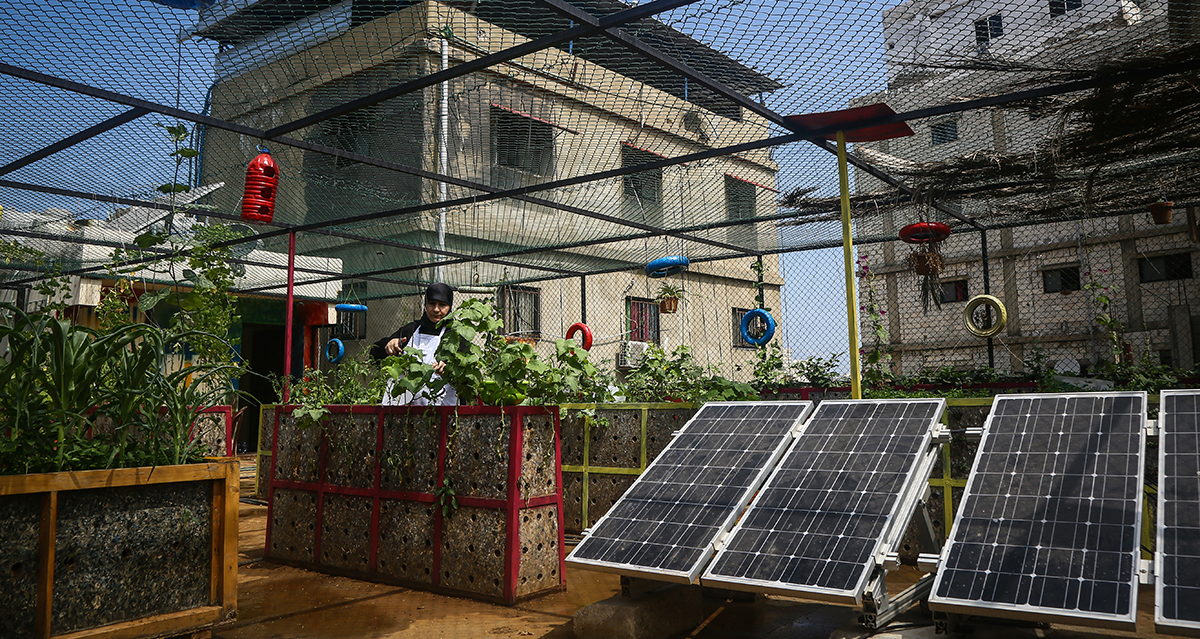
It’s difficult to look at the Middle East and consider its future optimistically. Much of the analysis of the region centers on crisis and collapse. There is plenty of both, fueled by wars and civil conflicts, poverty, extremism, and more. Given the human toll, focusing on all this is natural. It is also necessary if solutions to deeply rooted problems are ever to be developed, leading to a better future.A related risk is becoming blinded to “weak signals” — early indicators of what could become features of potential alternative futures. Weak signals are developments that are emerging outside the dominant norms and trends of today. In the Middle East, probably the most dominant norm is the inability of governments throughout the region to provide security and prosperity for their citizens. The COVID-19 pandemic is making this even more apparent, and markedly worse. It is not just the obvious failed states — as Steven Cook recently observed, “sometimes state failure is a more chronic condition.” But in the midst of this — and fueled by it — there is evidence of activities at the local level to create what is missing. Could these be signals of a future different than the one it is so easy to expect for the region?
The Consequences of Inaction: US and NATO Syria Policy
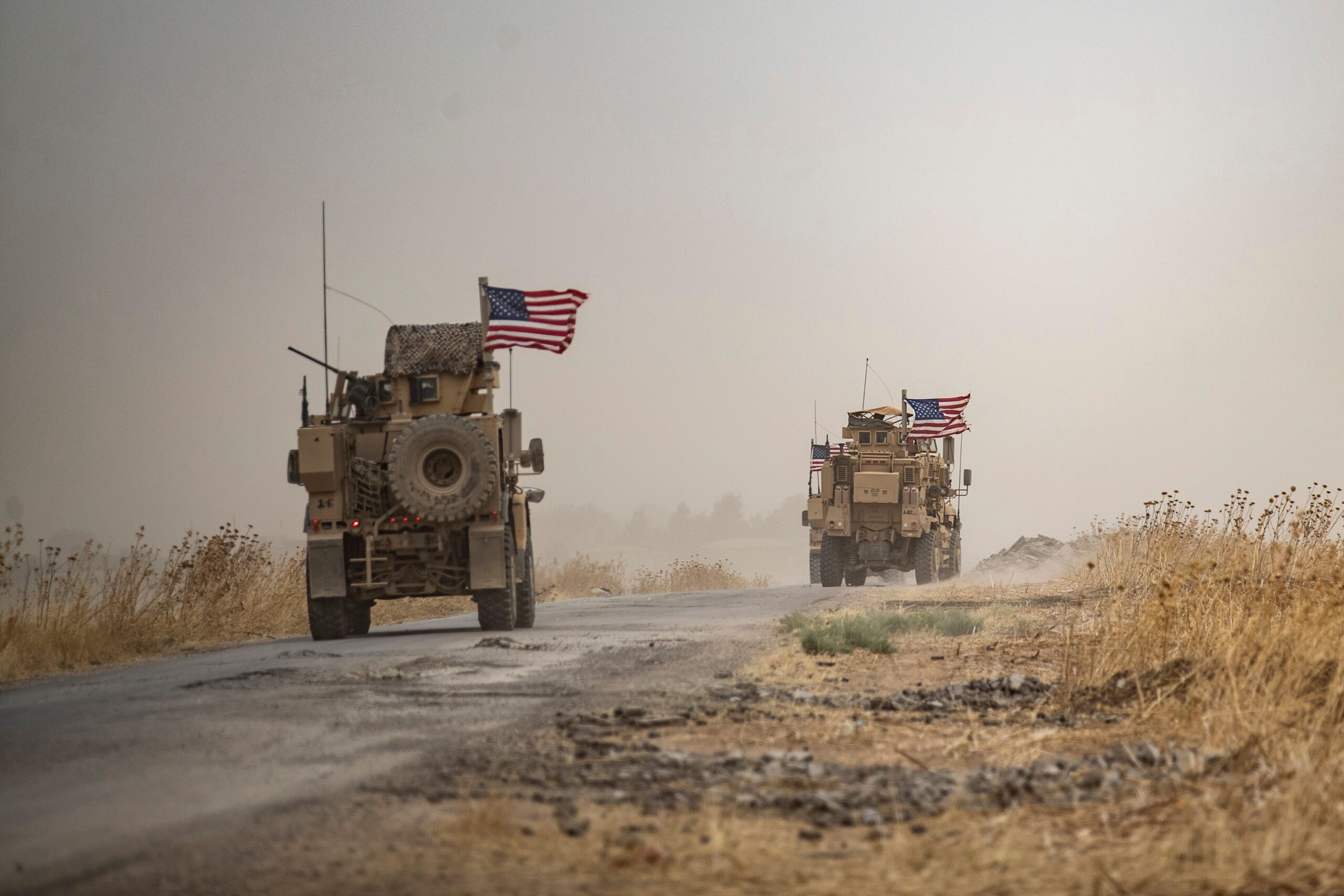
In recent years of the Syrian crisis, the reluctance of NATO states to take decisive action to secure their interests and protect Syrian lives has had drastic repercussions in both Syria and the wider region. Where NATO members have shown indecisiveness and a refusal to engage, their geopolitical rivals, Iran and Russia, have seized the moment and cemented their influence. However, as the regime is challenged by a crippling economic crisis, a new U.S. administration may offer an opening for the U.S. and its NATO allies to develop a collective approach in Syria that will secure their interests and bolster regional security.
Trusted networks: How the Assad regime subverts clan ties in Daraa
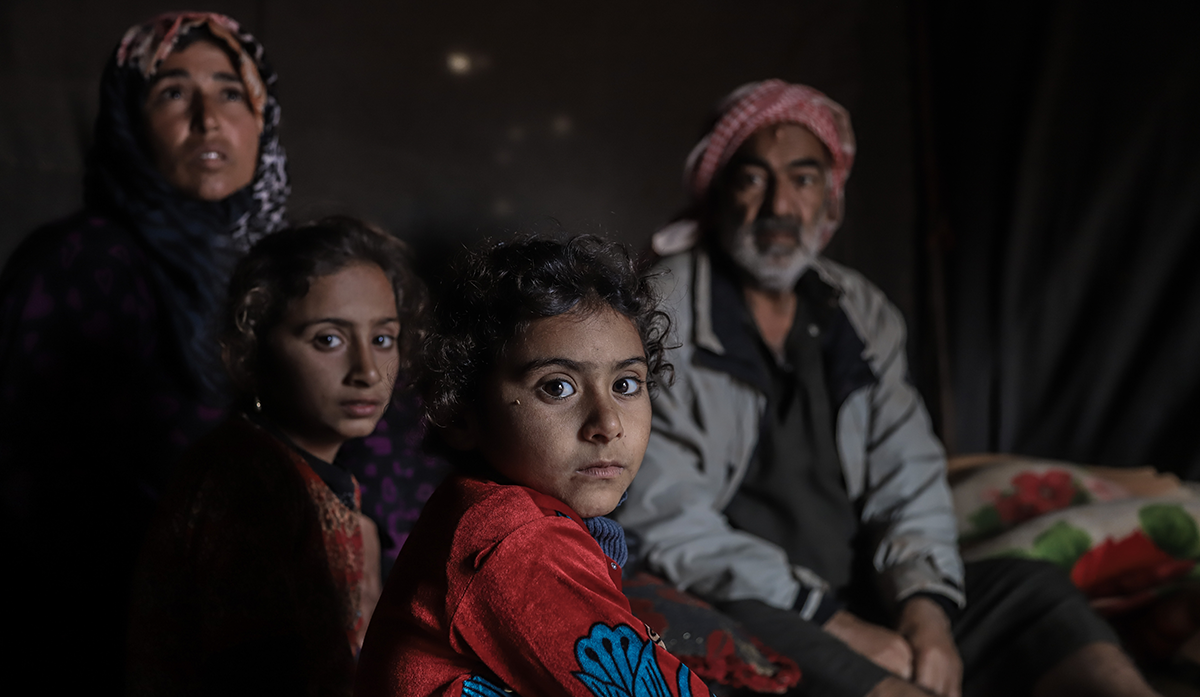
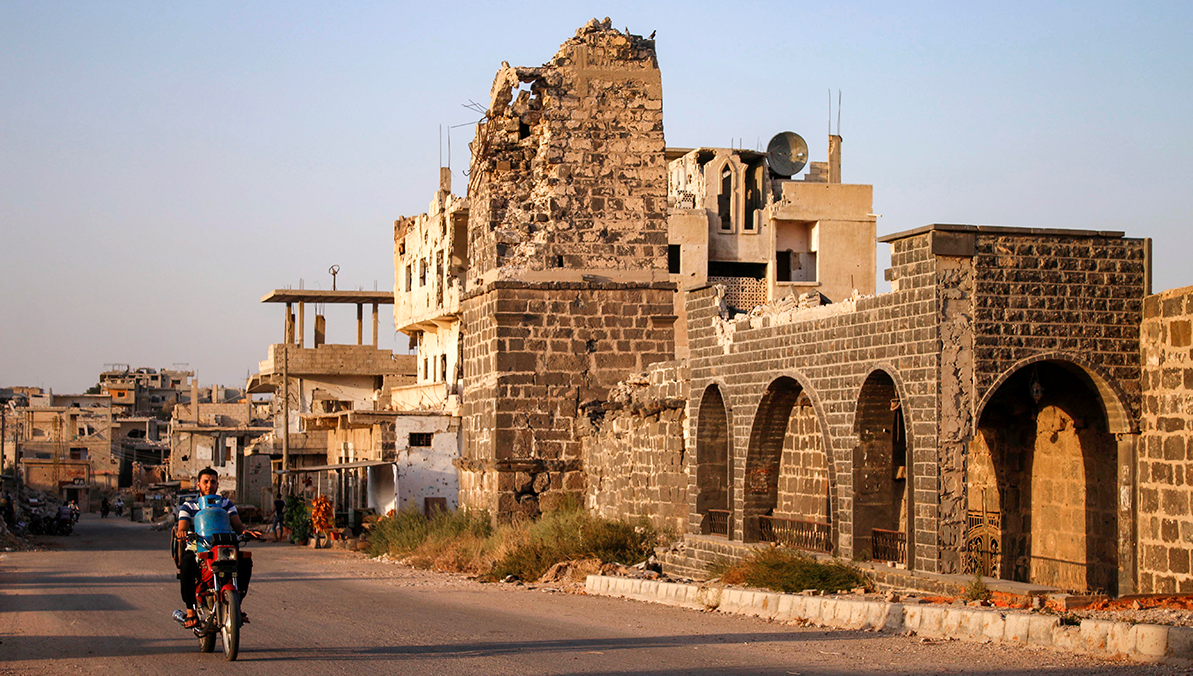
In 2018, Assad’s Syrian government forces, with Russian support, managed to regain control of opposition-held areas in Daraa. Russia has emerged as the primary power broker by arranging agreements between the rebels and the regime, which, in turn, has allowed the rebels to keep some of their arms under the banner of the Russian-formed Eighth Brigade. Nevertheless, since 2018, the tight-knit tribal networks in Daraa have functioned as a nucleus for the continuation of the uprising against the Assad regime. The same tribal attributes that create interconnectedness among the people of Daraa, however, also render them susceptible to the regime’s strategy of pitting clans against each other and leveraging the resulting strife to justify the use of force with the goal of asserting full control.
Monday Briefing: The reverberations of the US election in the Middle East
This week’s briefing on recent news and upcoming events in the region featuring Paul Salem, Alex Vatanka, Gonul Tol, Gerald Feierstein, Randa Slim, Khaled Elgindy, Charles Lister, Mirette F. Mabrouk, and Marvin G. Weinbaum.
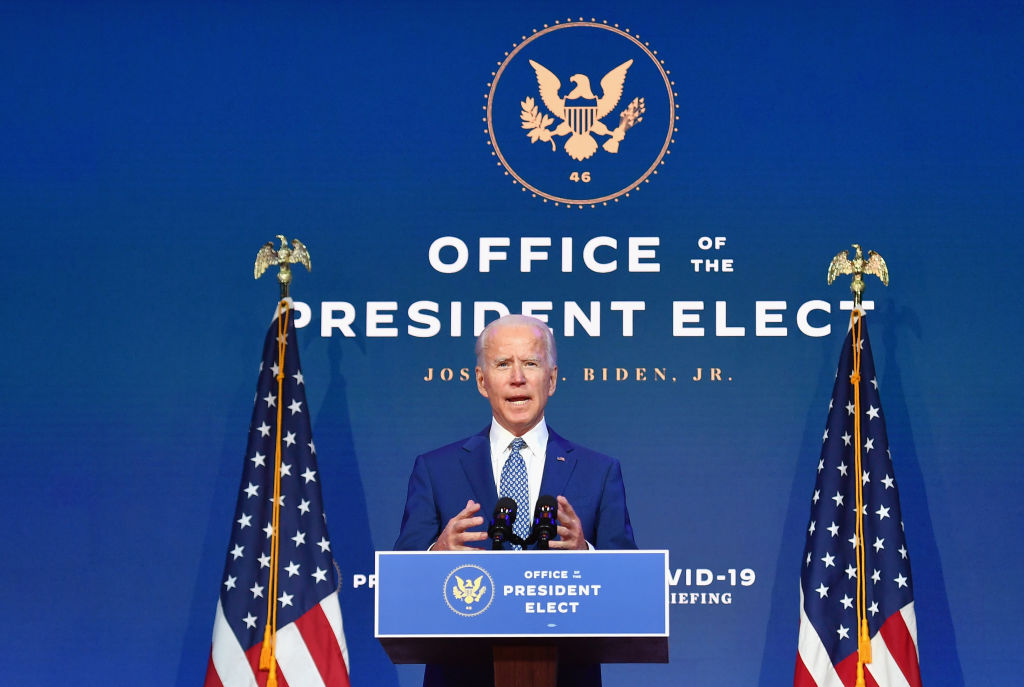
When a Biden administration begins to settle into its offices in just a few months, Syria’s crisis will have reached a dreadful milestone, marking a decade in March 2021. Though many of President Biden’s senior team presided over U.S. policy throughout Syria’s most deadly years of 2011-16, it is clear that the tragedy that has befallen Syria and its extraordinary global ramifications are a source of sincere regret. Moreover, after four years of the Trump administration, during which American leverage has been repeatedly and illogically spurned and U.S. credibility eroded by repeatedly embarrassing flip-flops, there is a newfound determination to correct today’s trajectory and work determinedly toward the core objectives of defeating ISIS and pursuing a negotiated Syrian settlement.
As the conflict in Nagorno-Karabakh rages between Armenia and Azerbaijan, Russia and Turkey once again find themselves on opposite sides in a regional geopolitical war. With the reverberations from the fighting now spreading across the region, the fate of Idlib could be tied to battles elsewhere as Moscow potentially seeks to open up another front against Ankara.
MEI’s Syria Initiative seeks to provide insightful and grounded research and analysis on all things Syria in order to better inform a wide range of audiences and to help sustain and shape a more meaningful policy-oriented discussion. Drawing on the expertise of over a dozen renowned scholars, the Syria Program covers all aspects of Syria and its ongoing crises – from political, economic, legal, social, ethnic and religious dynamics, to conflict, insurgency and terrorism and the country’s history and possible futures.