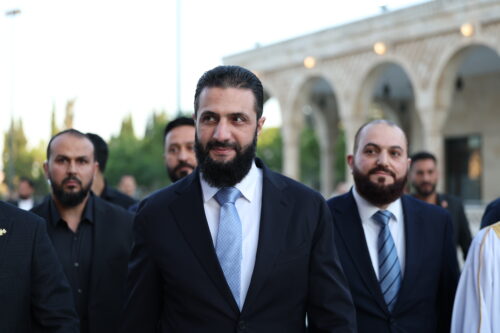
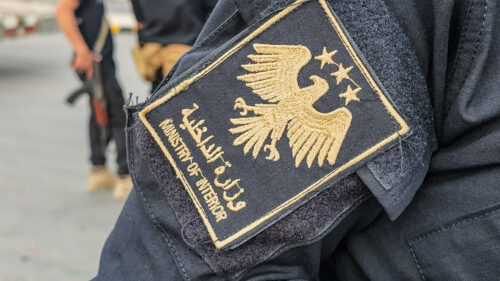
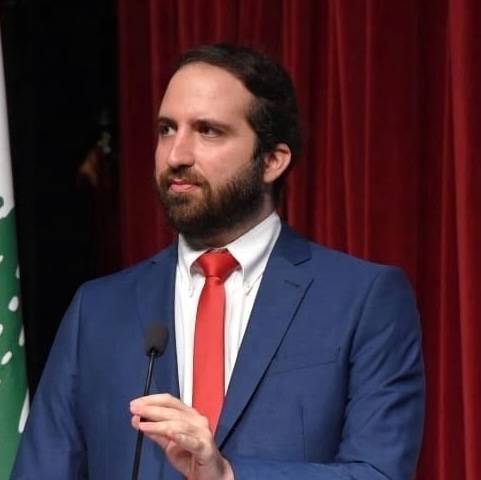
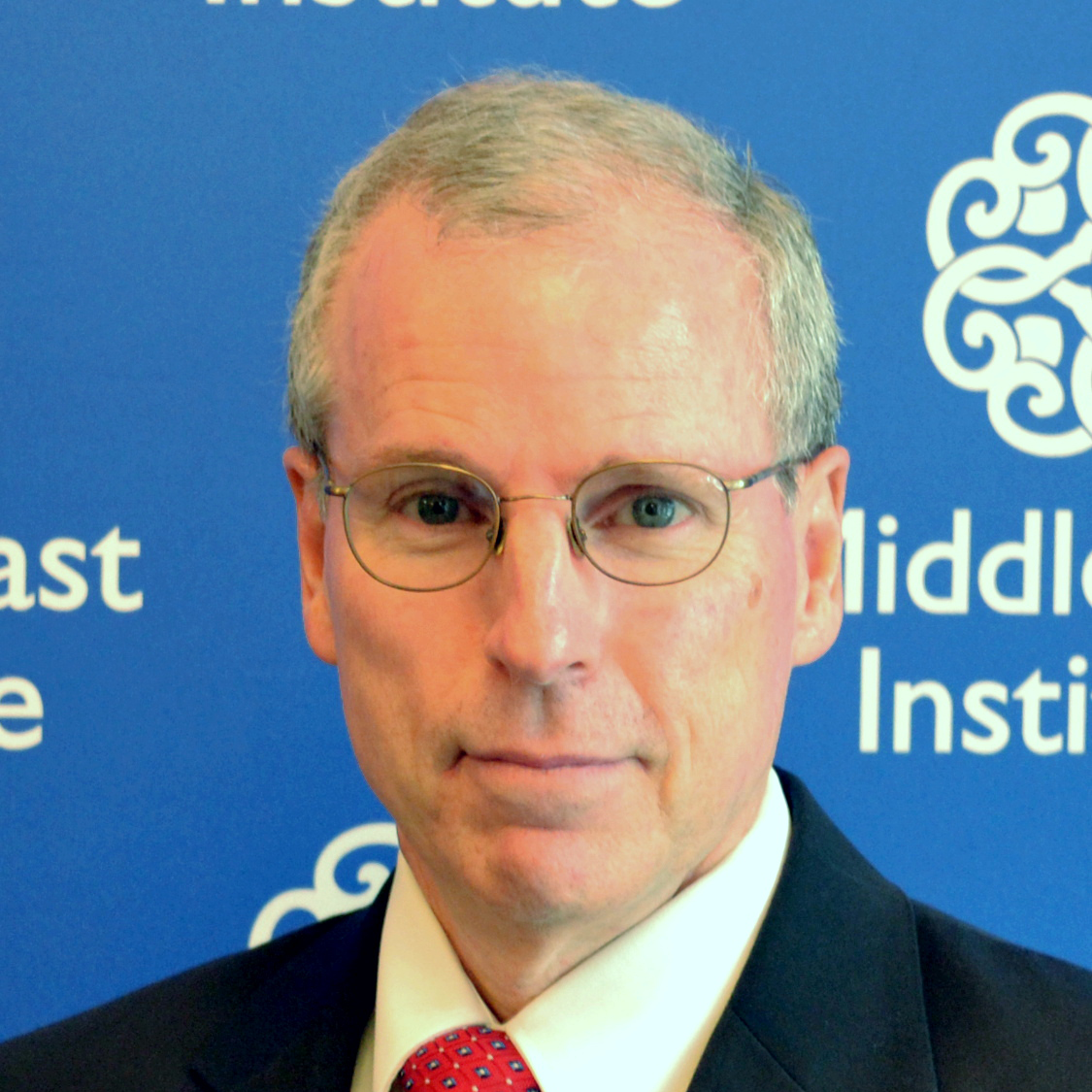
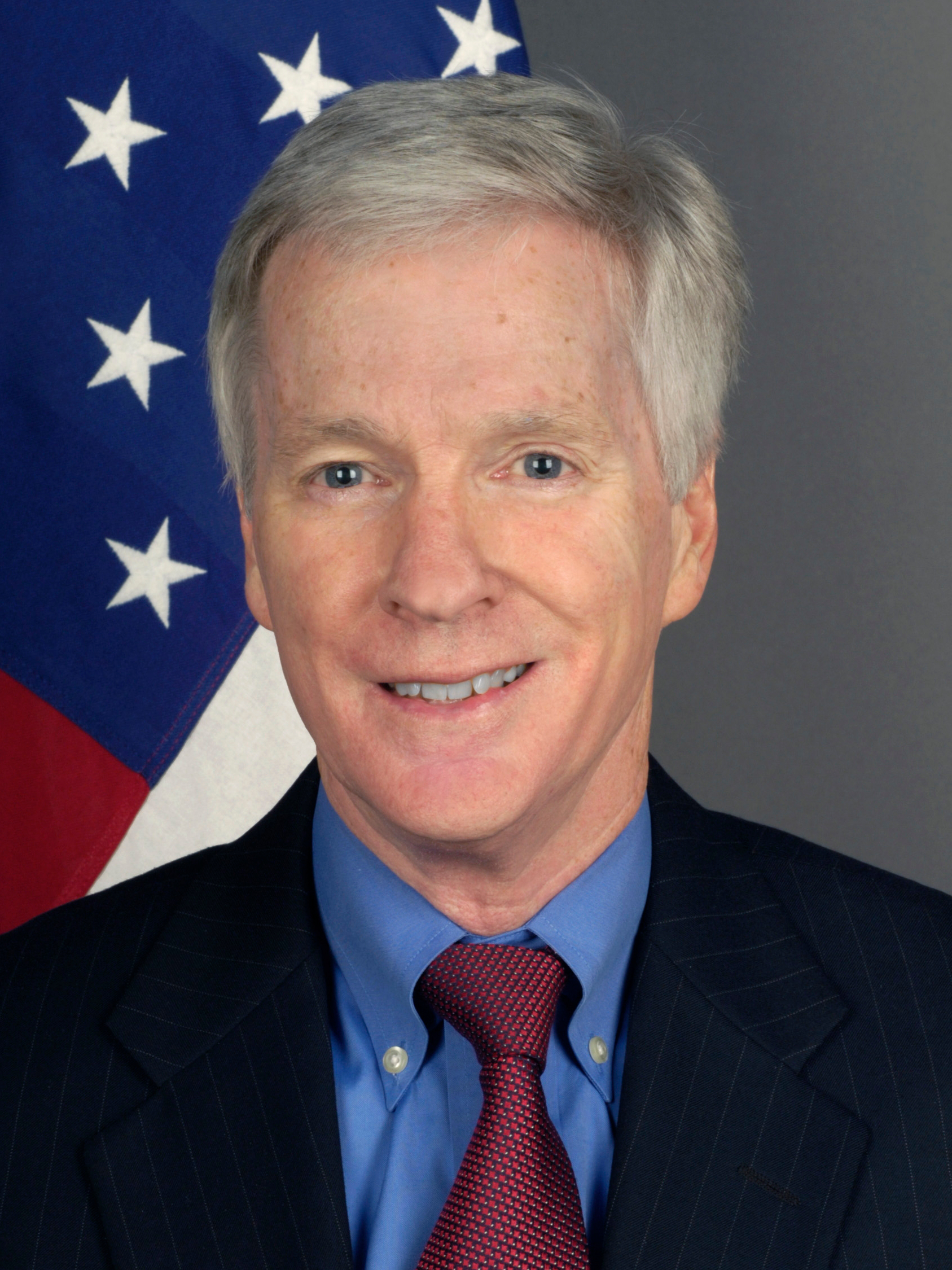
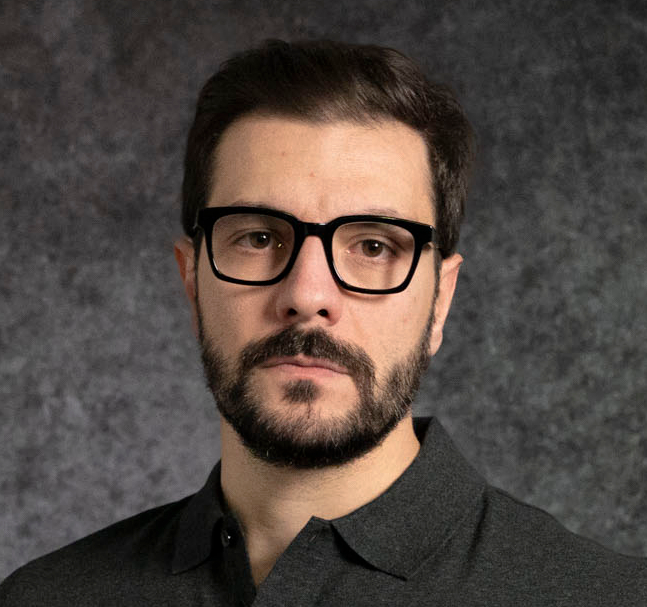
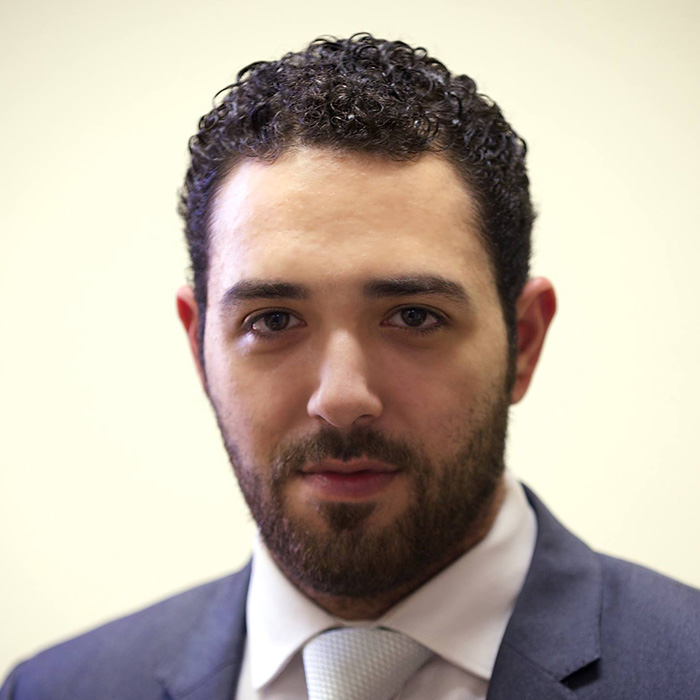
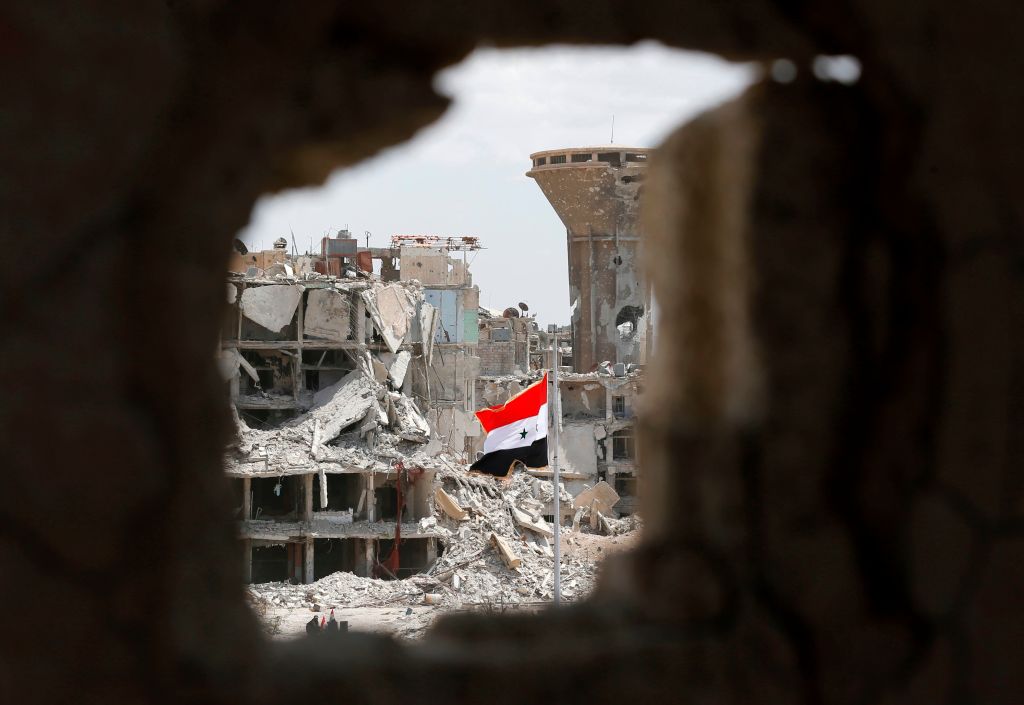
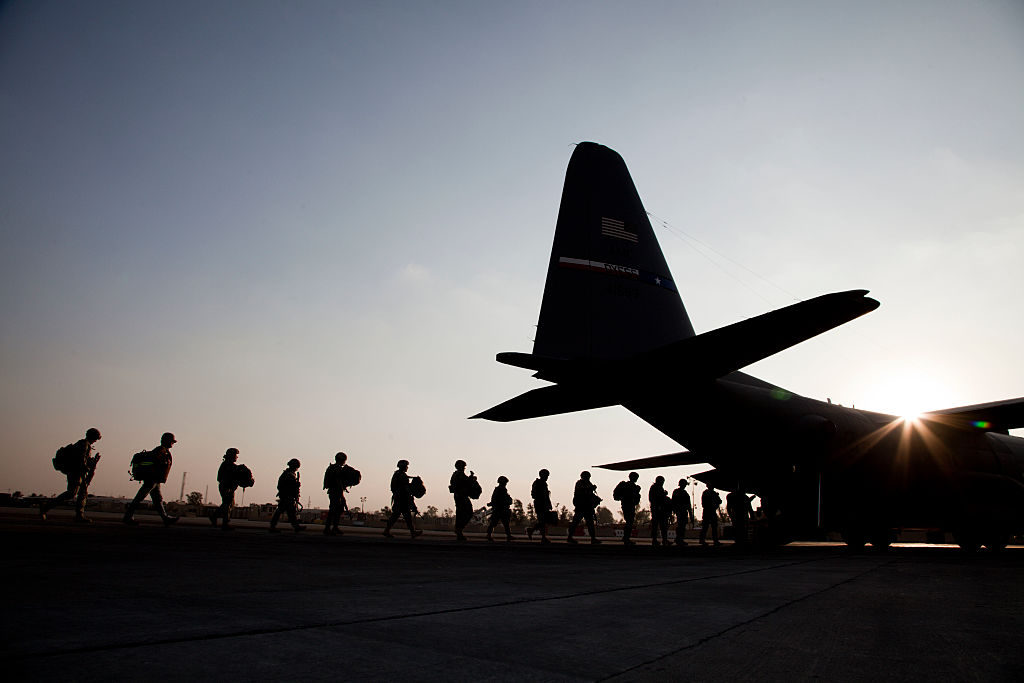
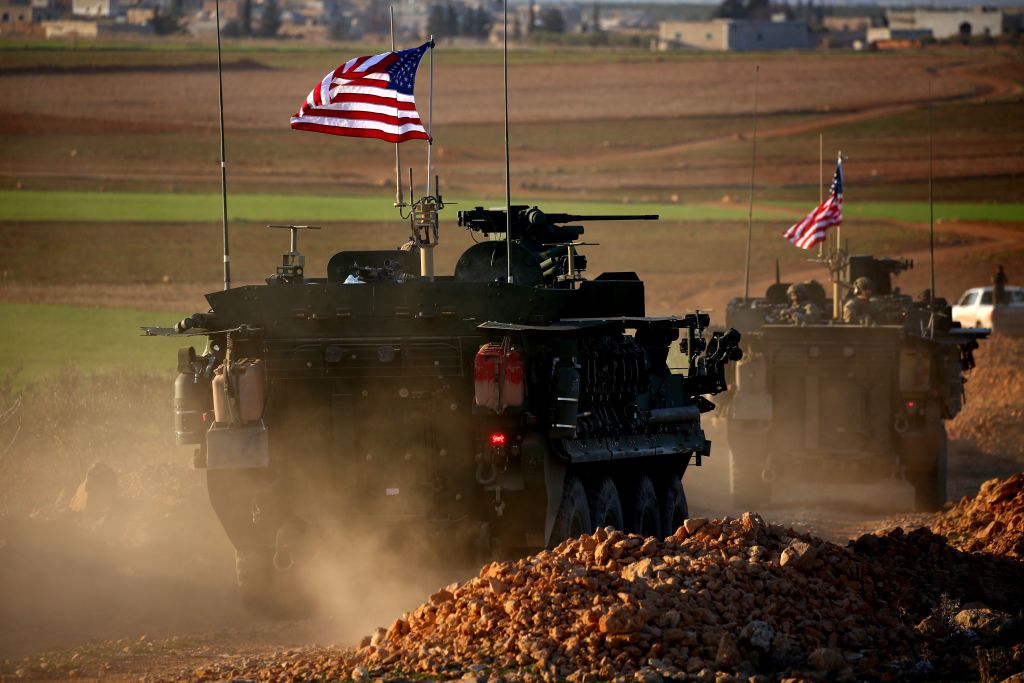
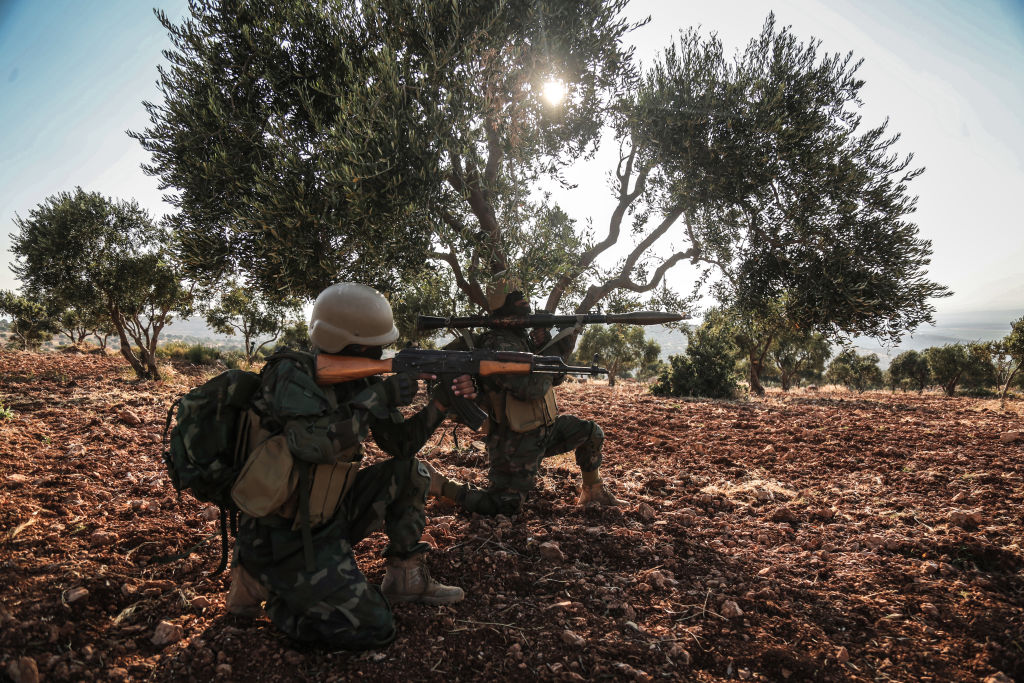
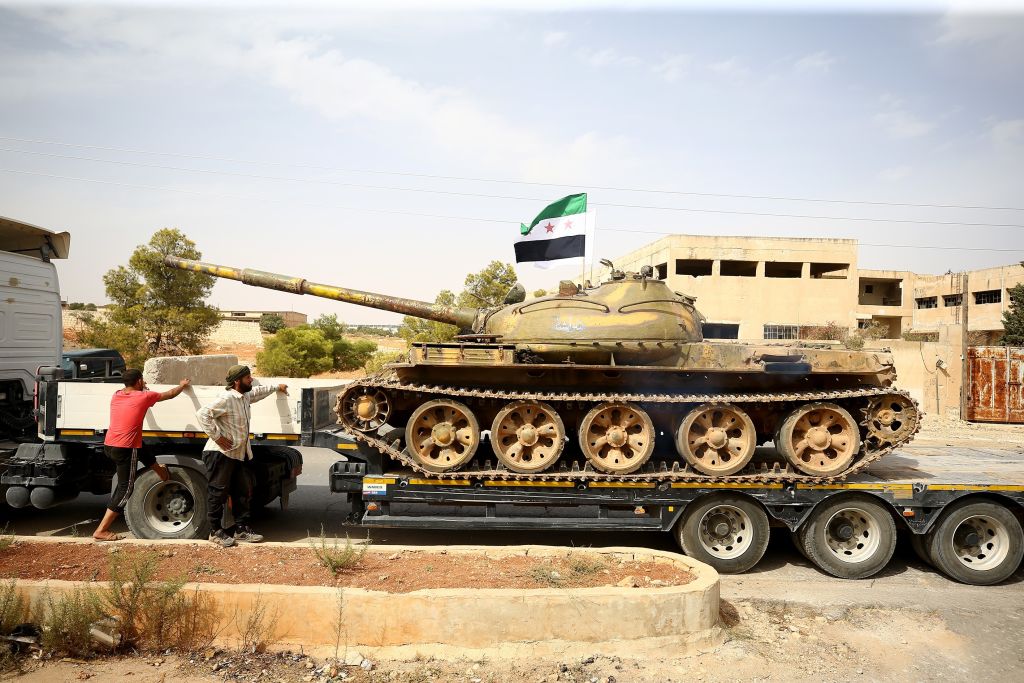
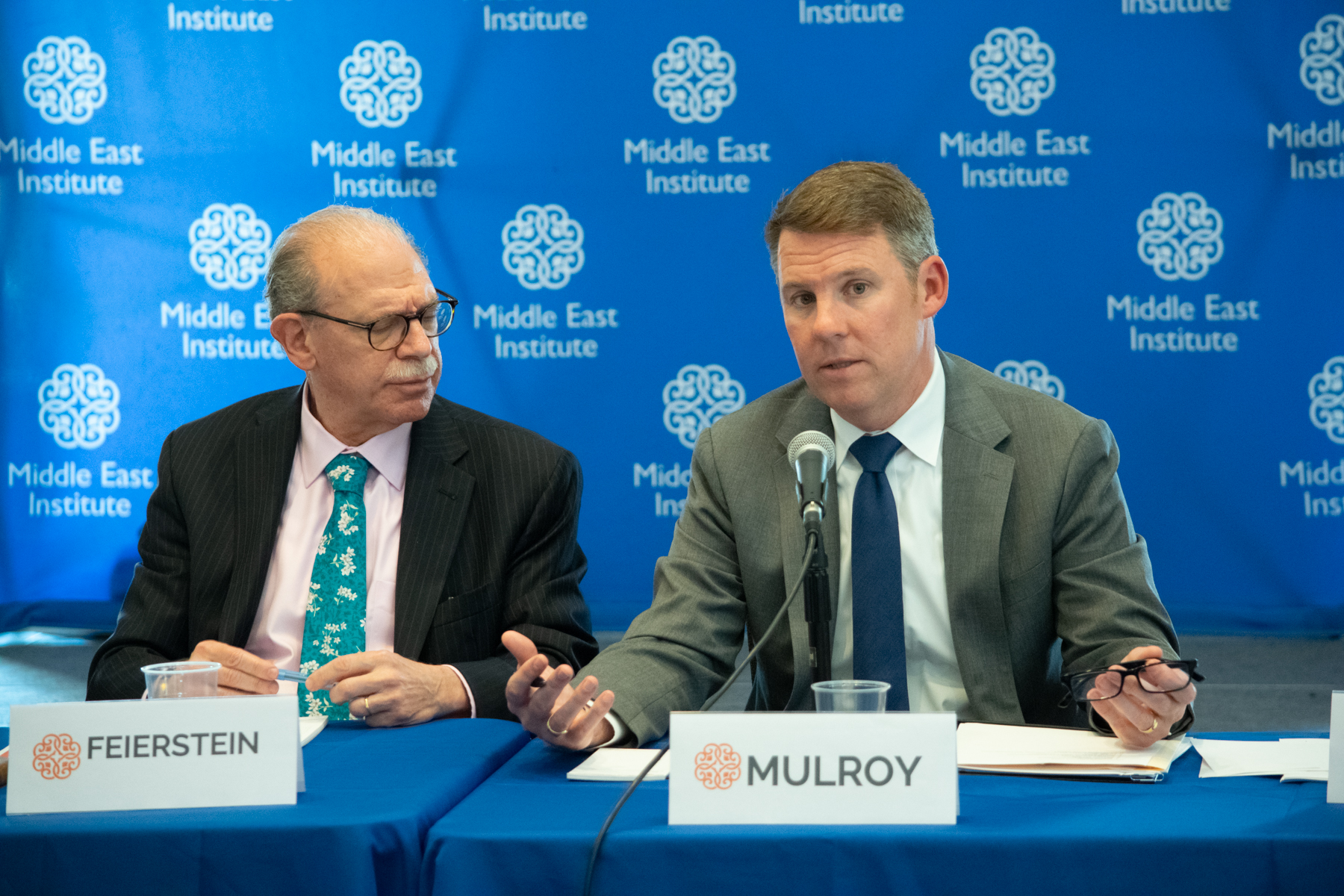
US President Donald Trump recently proposed that Syria intervene militarily against Hizballah in Lebanon. Is that a good idea? This episode of Middle East Focus features a recent MEI Virtual Briefing. Director of Communications Zeina Al-Shaib is joined by Ambassador David Hale, MEI Distinguished Diplomatic Fellow and Charles Lister, MEI Senior Fellow. Together they examine the prospects and implications of renewed Syrian involvement in Lebanon, the potential impact on US relations with both countries, and how evolving dynamics in Lebanon and Syria could reshape the regional balance of power and affect countries such as Turkey and Israel.
ISIS appears to have collapsed in Syria in the wake of the SDF’s military defeat and subsequent integration, followed by the withdrawal of US troops. To the extent that the US prioritizes the group’s enduring defeat in the country, a relationship centered in Damascus is the best way to achieve it.
MEI’s Syria Initiative seeks to provide insightful and grounded research and analysis on all things Syria in order to better inform a wide range of audiences and to help sustain and shape a more meaningful policy-oriented discussion.
The Middle East Institute, The Atlantic Council, and European Institute of Peace collaborate with subject matter experts and policymakers in the US, Europe, and the Middle East to develop a holistic strategy to sustainably forge a pathway to resolving Syria’s crisis.
A not so progressive case for withdrawing from Syria
Elizabeth Tsurkov has courageously put forward what she calls a progressive case for staying in Syria. I would regard myself as progressive but I’m not convinced, even if I would have supported many of her arguments in the past. In arguing for an indefinite presence in Syria, Tsurkov relies on the notion that staying gives the U.S. influence over Ankara and Moscow, serves as a counter to Tehran, and pressures the Assad regime, possibly even creating “internal fissures in its senior ranks” and causing “the Assad regime to institute reforms that would benefit all Syrians.” Those fissures and reforms have been desired for the past eight years but have not yet appeared. It would be easier to argue that withdrawal is more likely to cause them, and to pressure Ankara and Moscow into countering Tehran.
The progressive case for staying in Syria, for now
Ideally, the various sides of the Syrian civil war would seize the opportunity to reach an agreement. However, the Assad regime’s current intransigence and inability counter ISIS necessitate continued U.S. protection of northeastern Syria and efforts to stabilize it until such a deal can be made. This is not an ideal scenario, but the cost of a pullout at this stage will be immense.
Monday Briefing: US-Turkey dispute over Syria comes to a head
This week’s briefing on recent news and upcoming events in the region including the Turkish-U.S. crisis meeting in Ankara on Syria, the resumption of U.S.-Taliban negotiations, Trump’s creation of a new “dovish” line on Iran, a rise in Egypt’s poverty levels, Sudan’s democratic transition, the easing of female guardianship rules in Saudi Arabia, and the end of the ceasefire in Idlib, featuring Charles Lister, Marvin G. Weinbaum, Paul Salem, W. Robert Pearson, Mirette F. Mabrouk, Thomas W. Lippman, and Robert S. Ford.
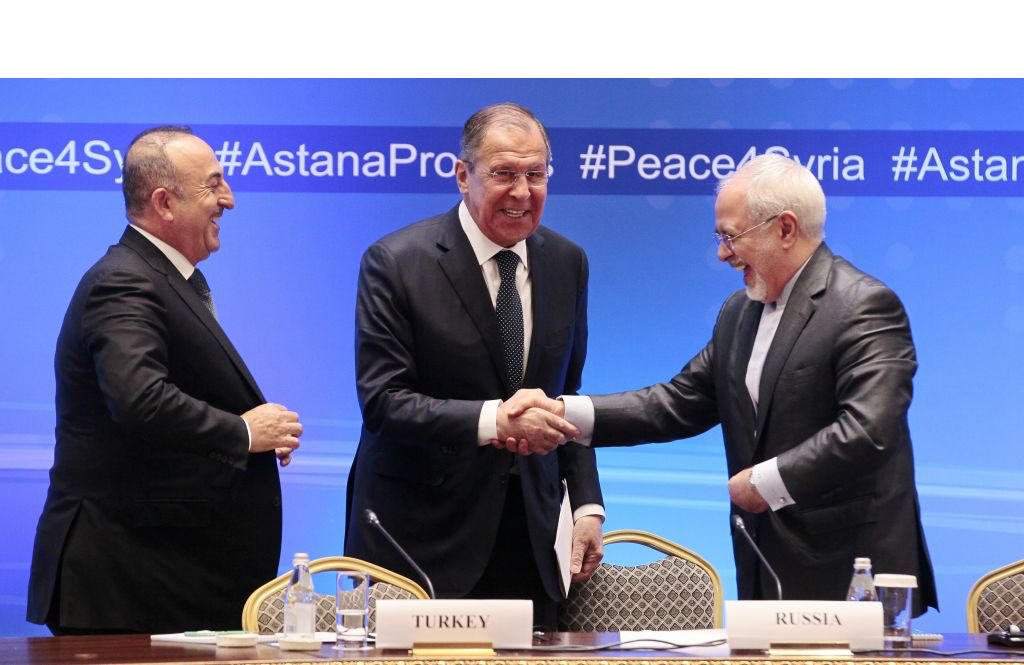
This week’s briefing on recent news and upcoming events in the region including Kazakhstan’s upcoming “Astana talks” on Syria, Jared Kushner’s planned visit to the Middle East, the shift in US-Pakistan relations, and Abbas’ announcement that the Palestinian Authority will halt all signed agreements with Israel, featuring Charles Lister, Gerald Feierstein, Marvin G. Weinbaum, and Khaled Elgindy.
Divided over narratives: The new fault line in the Arab World
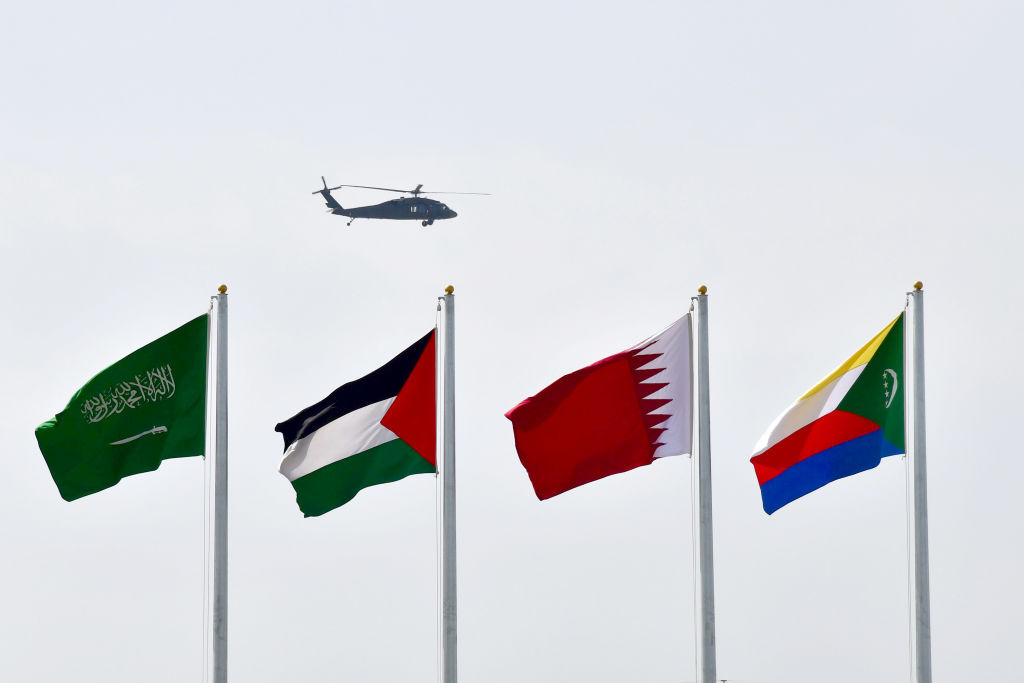
Many of the divisions in the Arab World today are ideological and revolve around narratives — carefully constructed ontological representations of both how the world works and how it is supposed to work conforming to clearly set out interests and values. While the old sectarian narratives might still play an underlying role, what divides Arabs from Morocco to Oman are different grand-strategic visions of the region’s future after the Arab Spring.
The Lion and The Eagle: The Syrian Arab Army’s Destruction and Rebirth
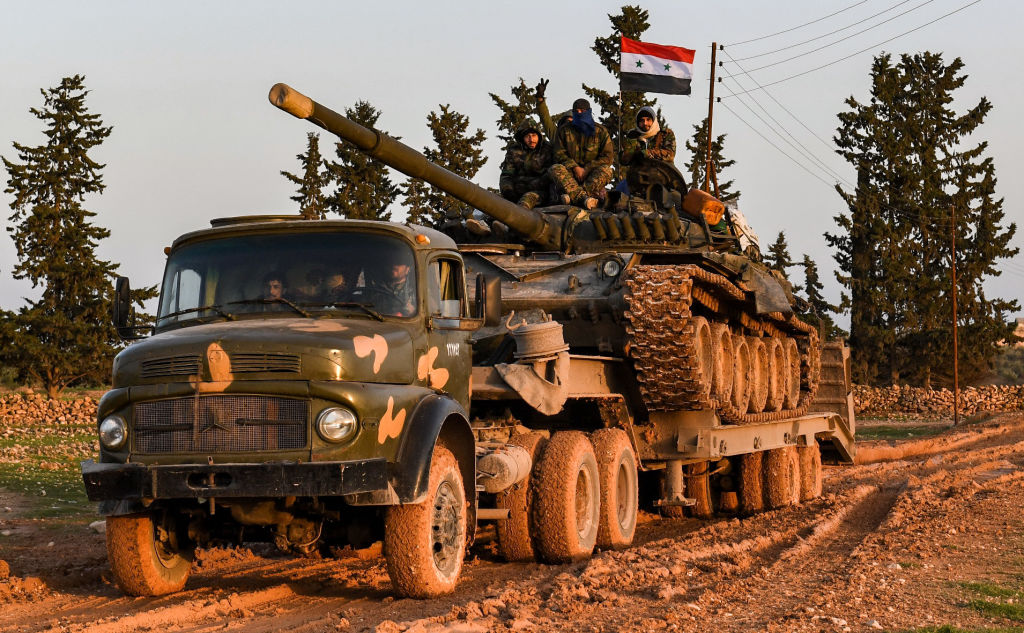
The Syrian Arab Army (SAA) has been decimated by eight years of civil war. Defections, deaths, and a lack of funding have gutted its ranks while heavy losses of armored vehicles have significantly reduced the mechanized capabilities of what was once the sixth-largest armor fleet in the world. The inability of Damascus to fully deploy its official army led to the rise of paramilitary militias and an influx of pro-regime foreign fighters. This report explores the causes of the collapse of the SAA and its attempted rebirth, and ends with a detailed examination of its current order of battle.
Although Syria’s civil war has largely wound down, fighting in Idlib in the country’s northwest has heated up in the last two months. Charles Lister, MEI senior fellow and Director of the Countering Terrorism and Extremism Program, and Sasha Ghosh-Siminoff, executive director and co-founder of People Demand Change, join host Alistair Taylor to discuss the ongoing conflict and what impact it might have on Syria’s future.
The idea of establishing a Levant Union — one not unlike the European Union (EU), but composed of the Levantine states of Lebanon, Syria, Iraq, Palestine, Jordan, and by extension, Egypt and Cyprus — is one that ought to be explored. Such an arrangement would offer untapped potential for trade, supported by the growing trend toward greater regionalization, fueled by the rise in protectionism, increasing multipolarity, and corporate regionalization.
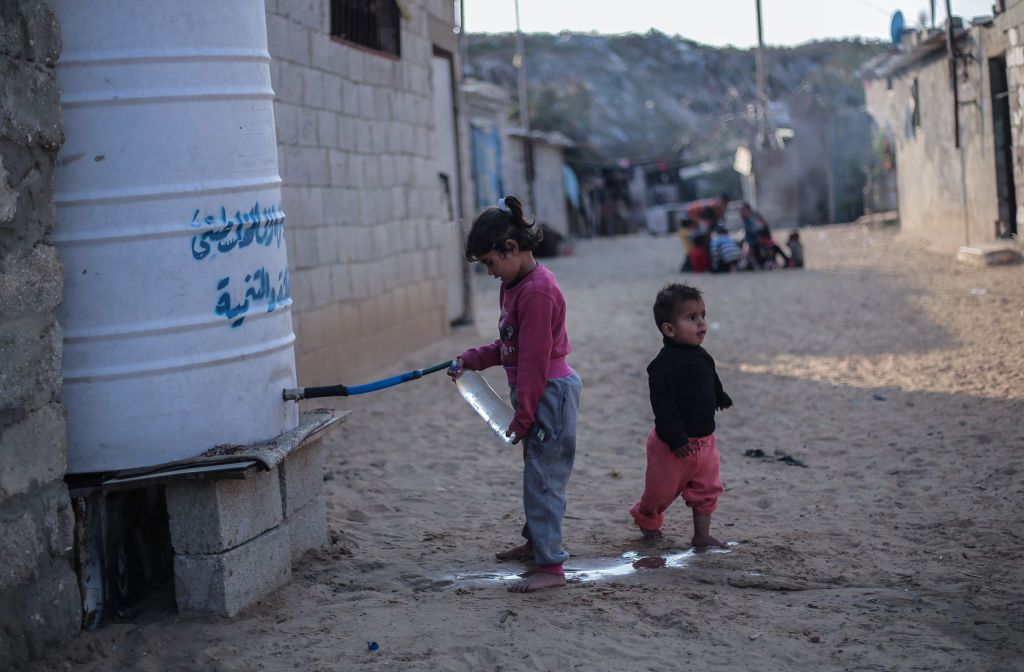
Freshwater Resources in the MENA Region: Risks and Opportunities
A reliable supply of freshwater is a prerequisite for sustainable socioeconomic development, as well as for sociopolitical stability and human prosperity, especially in semi-arid and arid regions of the world. The Middle East and North Africa’s freshwater resources are under immense pressures and are facing significant risks to their sustainability due to overexploitation, climate change, and interstate competition over their use that extends beyond the region’s boundaries.
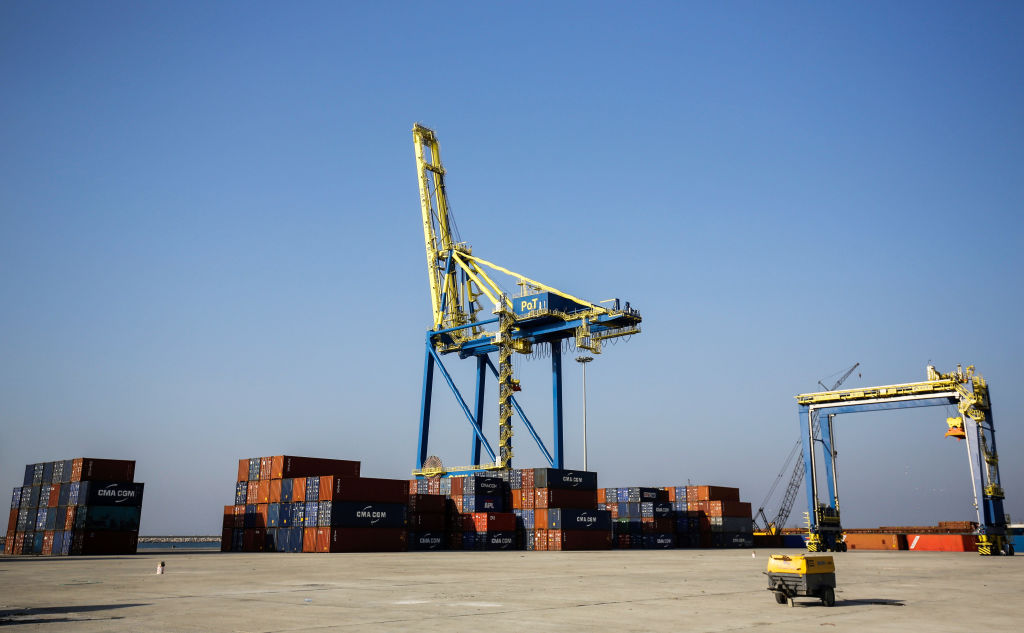
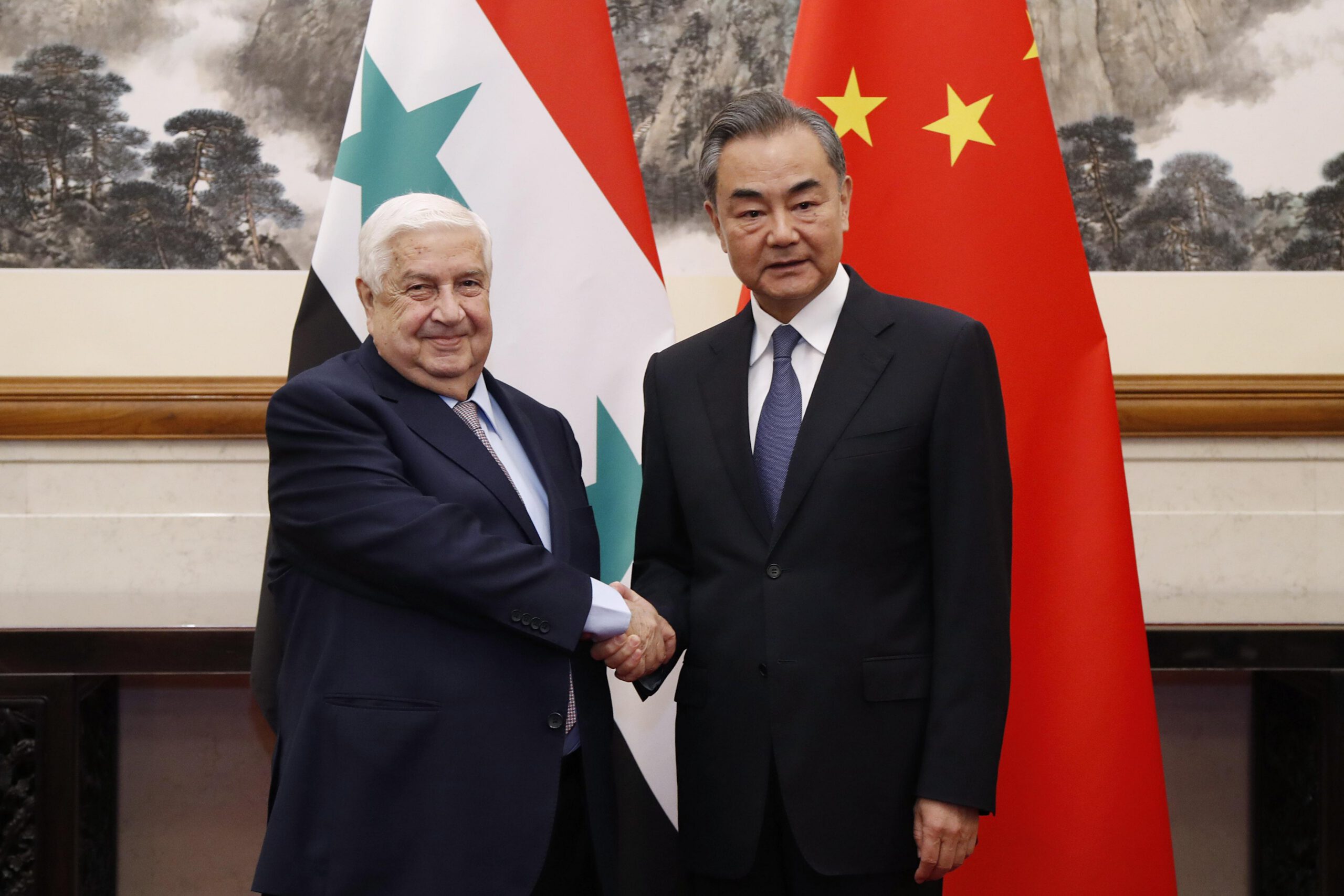
Traditionally, Syria has not been a strategic priority for China. Nor is it today. However, this does not mean that Beijing has been indifferent to the wide-ranging adverse effects of Syria’s disastrous civil war or to the opportunities that its postwar rebuilding might present. China’s Syria policy derives from its broader security and economic interests in the region. Accordingly, China’s two primary policy aims are 1) maintaining a constructive relationship with a government in Damascus that is stable, friendly, and capable of preventing the spread of transnational jihadist activity from its territory; and 2) developing an economic partnership that is compatible with and in furtherance of the Belt and Road Initiative (BRI). This article examines how China has pursued these aims during the eight-year Syrian conflict.
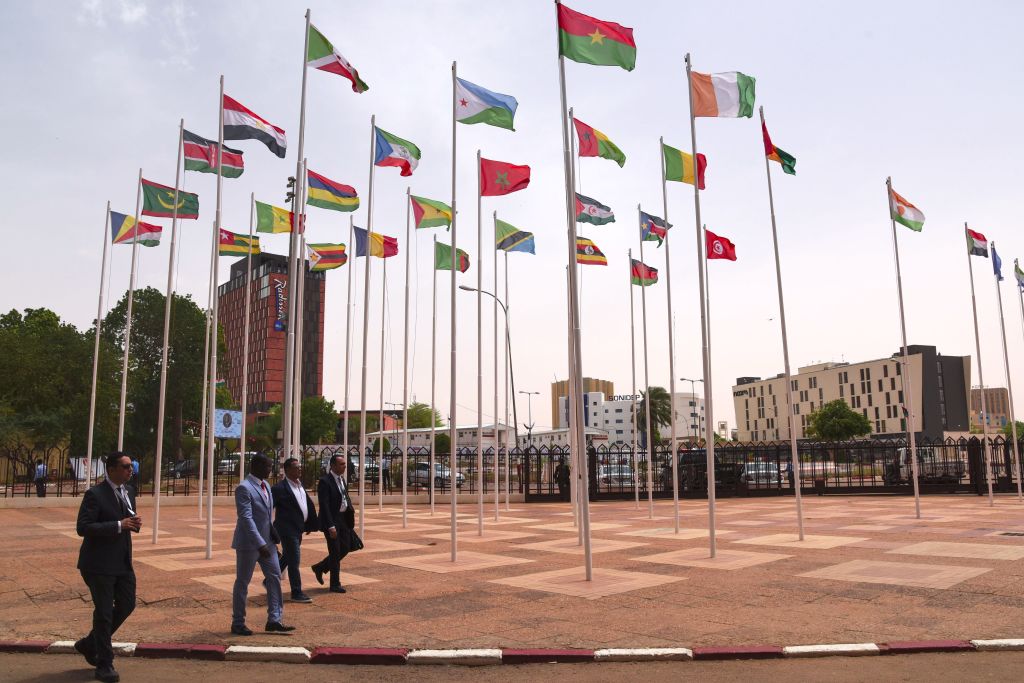
Monday Briefing: Strengthening Egypt’s ties with Africa
In this week’s Monday Briefing, MEI experts Mirette F. Mabrouk, Charles Lister, Gonul Tol, and Alex Vatanka provide analysis on recent and upcoming events including Egypt’s engagement with Africa to boost trade and investment, the reshuffling of leadership of Syria’s security apparatus, the firing of Turkey’s central bank governor, and Russia’s positioning to act as mediator between Iran and the Gulf states.
As violence flares up in Daraa, control can be an illusion
Violence has been flaring up at an alarming rate in the southern Syrian province of Daraa, amid dozens of unclaimed attacks by gunmen. Over the last three months, assassinations, checkpoint attacks, fires, and sporadic clashes have wreaked havoc in the area and signaled a potential return of conflict.
A way out for Russia and Turkey from Idlib's spiral of violence
Since the start of the regime’s military campaign in Idlib last month, a group of Free Syrian Army factions that fought alongside Turkish soldiers has gradually entered the region. This development may balance the Hayat Tahrir al-Sham presence and ultimately help to force the group out of the demilitarized zone, ensuring a continued Turkish-Russian consensus on Idlib.
MEI’s Syria Initiative seeks to provide insightful and grounded research and analysis on all things Syria in order to better inform a wide range of audiences and to help sustain and shape a more meaningful policy-oriented discussion. Drawing on the expertise of over a dozen renowned scholars, the Syria Program covers all aspects of Syria and its ongoing crises – from political, economic, legal, social, ethnic and religious dynamics, to conflict, insurgency and terrorism and the country’s history and possible futures.