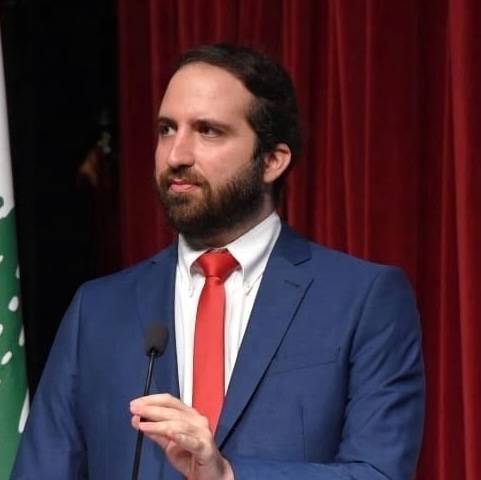
Though it has fallen out of the headlines because of the Iran war, Syria has had a dramatically consequential summer. Hosts Alistair Taylor and Matthew Czekaj are joined by MEI Senior Fellow Charles Lister to take stock of recent developments: the dissolution of the Kurdish-led Syrian Democratic Forces, Israeli strikes and the friction with Turkey they have exposed, the standoff in Sweida, as well as Damascus’s bid to turn Syria into a trade corridor between the Mediterranean and the Gulf. Is the transition consolidating or fragmenting nearly two years after the fall of the Assad regime?
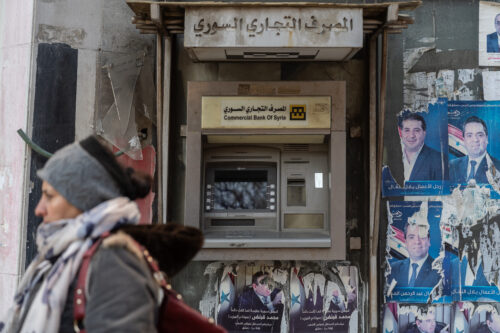
With sanctions repealed, Syrian policymakers must ensure that growing volumes of credit reach beyond the narrow political and commercial networks that have generally dominated Syrian finance. That will require a credit strategy aimed at sectors and regions historically excluded from formal finance. Syria’s specialized state banks offer an imperfect but ready-made mechanism to do so.
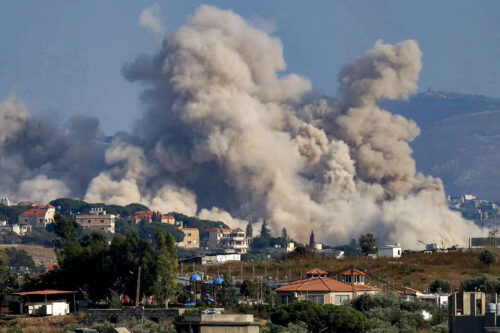
In many ways, the U.S.-Israeli war against Iran and the war in Gaza that preceded it seem transformative. After decades of shadow warfare, Iran and Israel have now attacked each other’s homelands directly. And Israel and the United States have joined forces in a genuinely novel way to wage war against Iran.
MEI’s Syria Initiative seeks to provide insightful and grounded research and analysis on all things Syria in order to better inform a wide range of audiences and to help sustain and shape a more meaningful policy-oriented discussion.
The Middle East Institute, The Atlantic Council, and European Institute of Peace collaborate with subject matter experts and policymakers in the US, Europe, and the Middle East to develop a holistic strategy to sustainably forge a pathway to resolving Syria’s crisis.
Briefing: Middle East Reactions to the U.S. Election
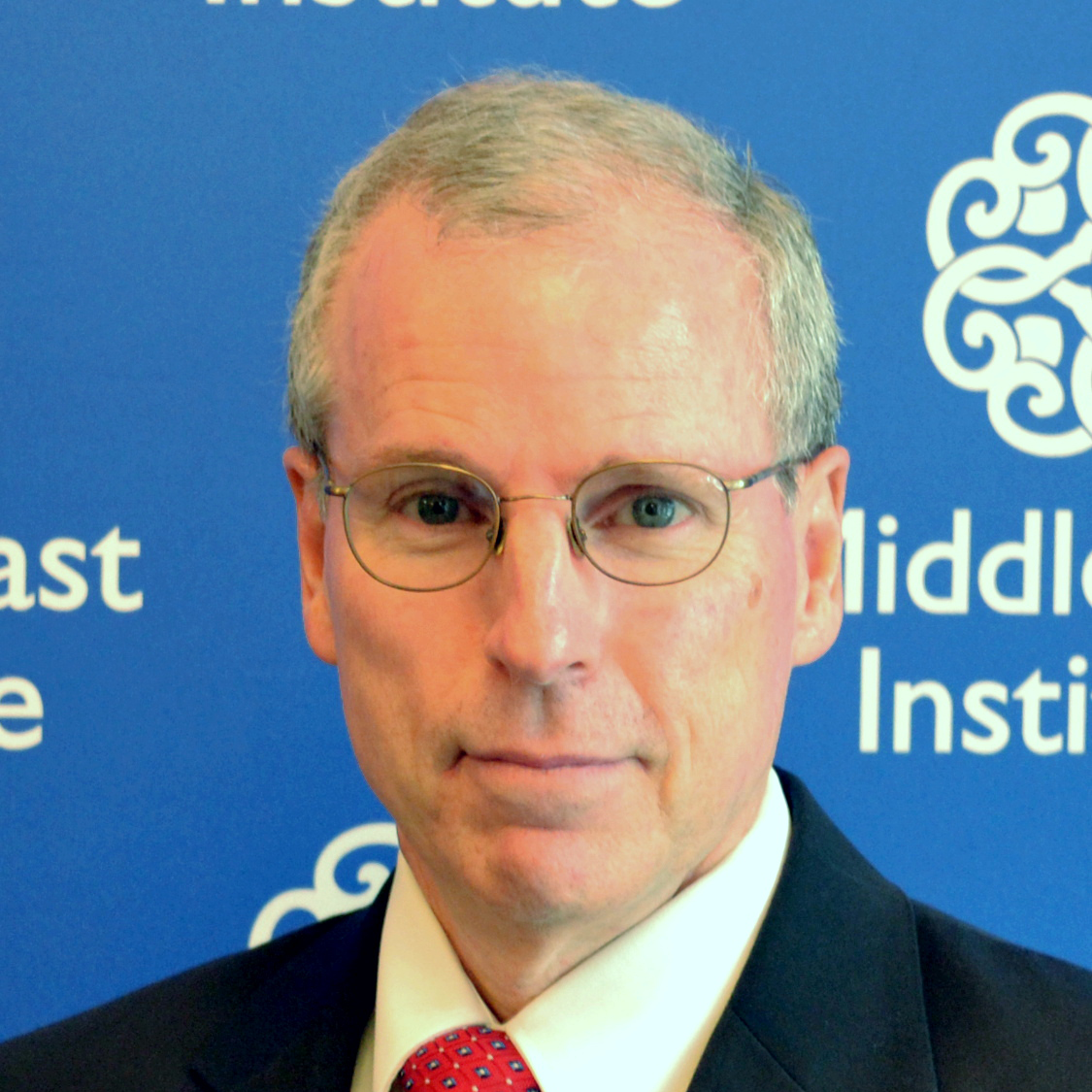
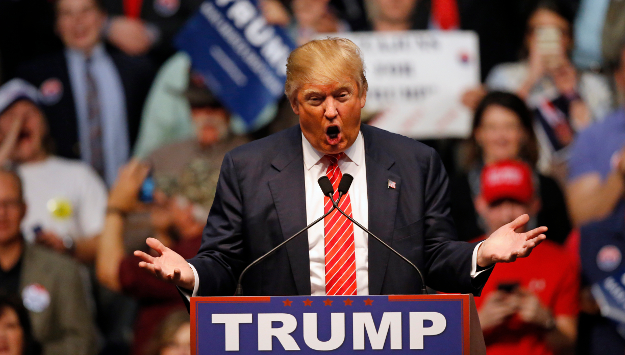
In this special edition of our weekly briefing, MEI experts Paul Salem, Robert S. Ford, Eran Etzion, Gonul Tol, Alex Vatanka, and Gerald Feierstein provide analysis on the impact of Donald Trump’s victory in the U.S. Presidential Election on the future of Middle East policy, its particular effect on the crises in Iraq and Syria, and how the news has been received across the region, including in Turkey, Iran, and the GCC.
Tehran-Moscow Ties Growing but Alliance Remains Shaky
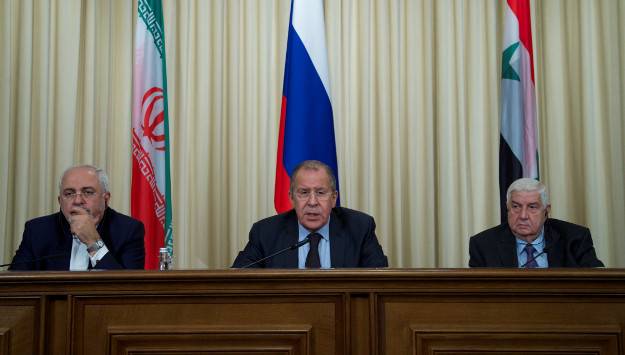
At the invitation of Iran’s Parliament Speaker Ali Larijani, the chairwoman of the Federation Council of Russia, the country’s upper house of parliament, is
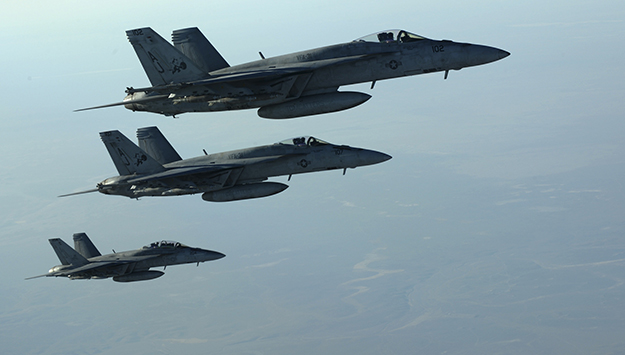
Monday Briefing: Shiite Militias to Join Mosul Battle
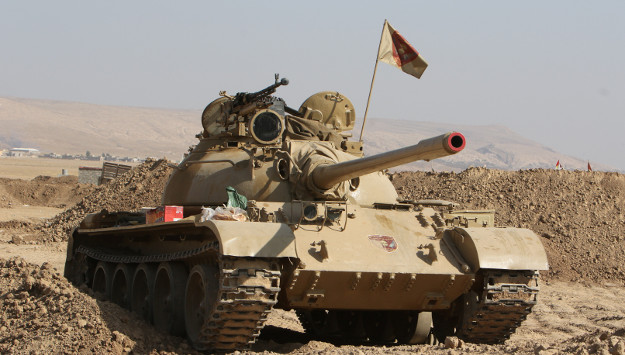
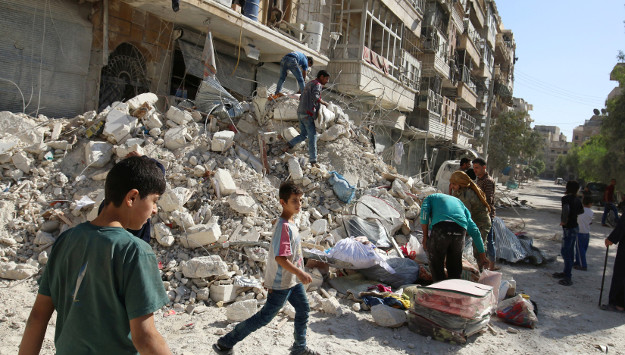
In this week’s Monday Briefing, MEI experts Randa Slim, Robert S. Ford, and David Mack provide analysis on recent and upcoming events including updates on the battles for Mosul and Aleppo, and the potential meeting of Libyan factions currently locked in a stalemate.
Against Ontologies of Hospitality: About Syrian Refugeehood in Northern Lebanon
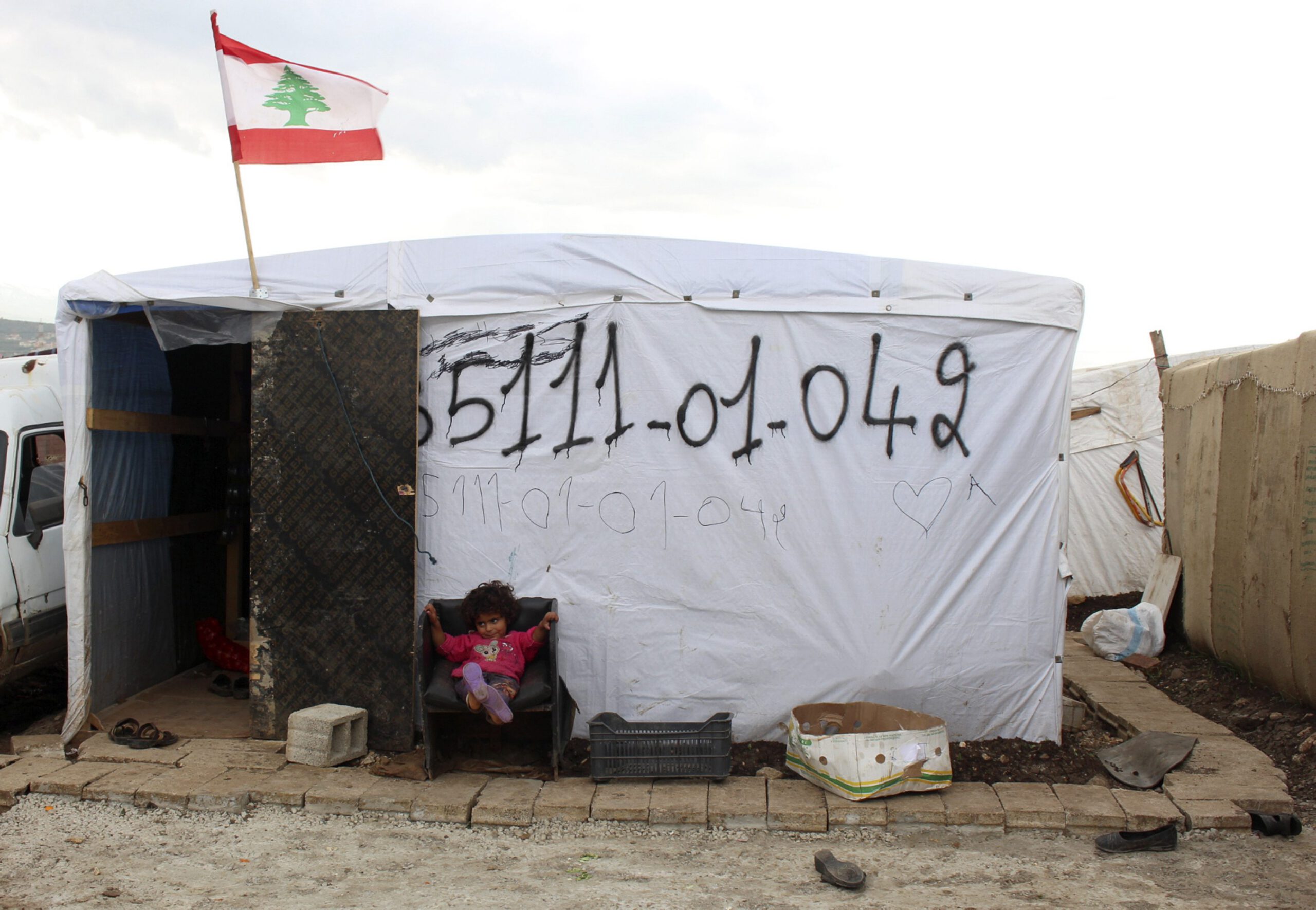
This essay explores the relationship between Syrian refugees and local Lebanese. In particular, it discusses the dominance of the discourse of ‘hospitality’ in the international media depiction of this relationship and in the humanitarian response informed by it. As this essay will show, these tendencies have resulted in the ‘hospitality’ discourse informing and reinforcing the international response to the Syrian refugee influx into and presence in Lebanon.
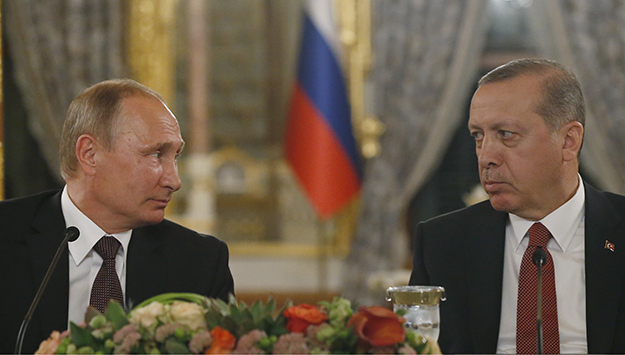
How Far Can the Turkey-Russia Rapprochement in Syria Go?
Tensions between Turkey and Russia are thawing, as both countries appear to be advancing reconciliation efforts. Beginning with Turkish President Recep Tayyip Erdogan’s apology to Russian President Vladimir Putin for downing a Russian jet last year, the nations have shown a political will to cultivate closer cooperation in Syria. But the question remains—how far can the rapprochement in Syria go?
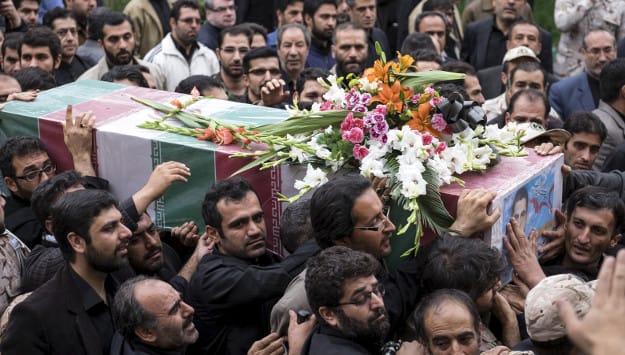
The leadership of the IRGC in Iran has unveiled a new policy of recruiting local volunteers among Iranians to fight on the side of Bashar al-Assad’s forces in Syria.
On September 23-24, the Middle East Institute’s Initiative for Track II Dialogues convened its ninth meeting of the Middle East Dialogue in Muscat, Oman. Participants included current and former officials and senior experts from Saudi Arabia, Lebanon, Egypt, Turkey, United Arab Emirates, Syria, Iraq, the Kurdistan Regional Government, Iran, Russia, China, the United States, and the United Nations.
Monday Briefing: Huge Humanitarian Challenges in Mosul
In this week’s Monday Briefing, MEI experts Randa Slim, Gonul Tol, Charles Lister, and Paul Salem provide analysis on recent and upcoming events including potential fallout from the battle for Mosul, how the row between Turkey and Iraq will complicate the operations in Mosul, the implications of ISIS’ loss of Dabiq, and recent military cooperation between Egypt and Russia.
Iraq and Syria: Regional and International Dimensions
October 14, 2016 – In this interview Randa Slim discusses the latest diplomatic and political developments in the Syrian crisis and the regional battle against ISIS, including challenges to be dealt with in the aftermath of an offensive to retake Mosul, with host Paul Salem.
In this Weekly Briefing, MEI experts Robert S. Ford, Gonul Tol, and Ruba Husari provide analysis on issues including the UNSC’s inability to administer diplomatic solutions in Syria, the rebuilding of diplomatic ties between Russia and Turkey, and OPEC’s ongoing consideration of how to control member state oil production.
In this week’s Monday Briefing, MEI experts Robert S. Ford, Paul Salem, and Marvin G. Weinbaum provide analysis on recent and upcoming events including Russia’s recent escalation of military force in Syria, deteriorating Saudi-Iranian relations, and an escalation in the Kashmir between India and Pakistan.
MEI’s Syria Initiative seeks to provide insightful and grounded research and analysis on all things Syria in order to better inform a wide range of audiences and to help sustain and shape a more meaningful policy-oriented discussion. Drawing on the expertise of over a dozen renowned scholars, the Syria Program covers all aspects of Syria and its ongoing crises – from political, economic, legal, social, ethnic and religious dynamics, to conflict, insurgency and terrorism and the country’s history and possible futures.