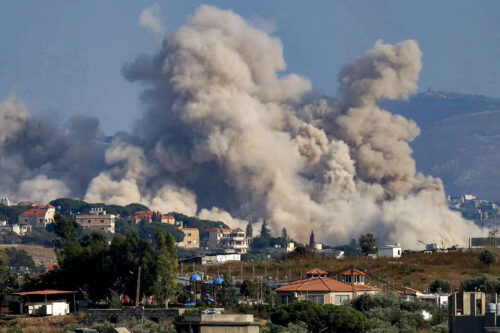
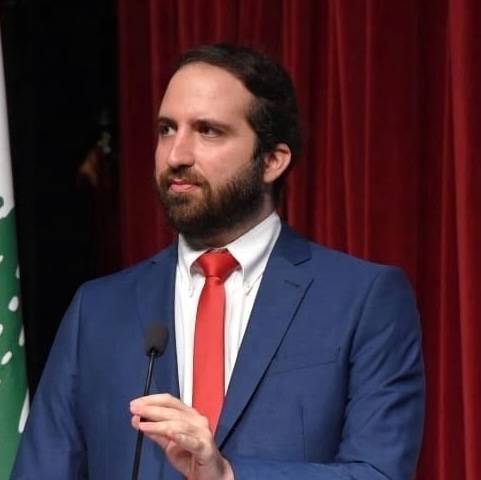
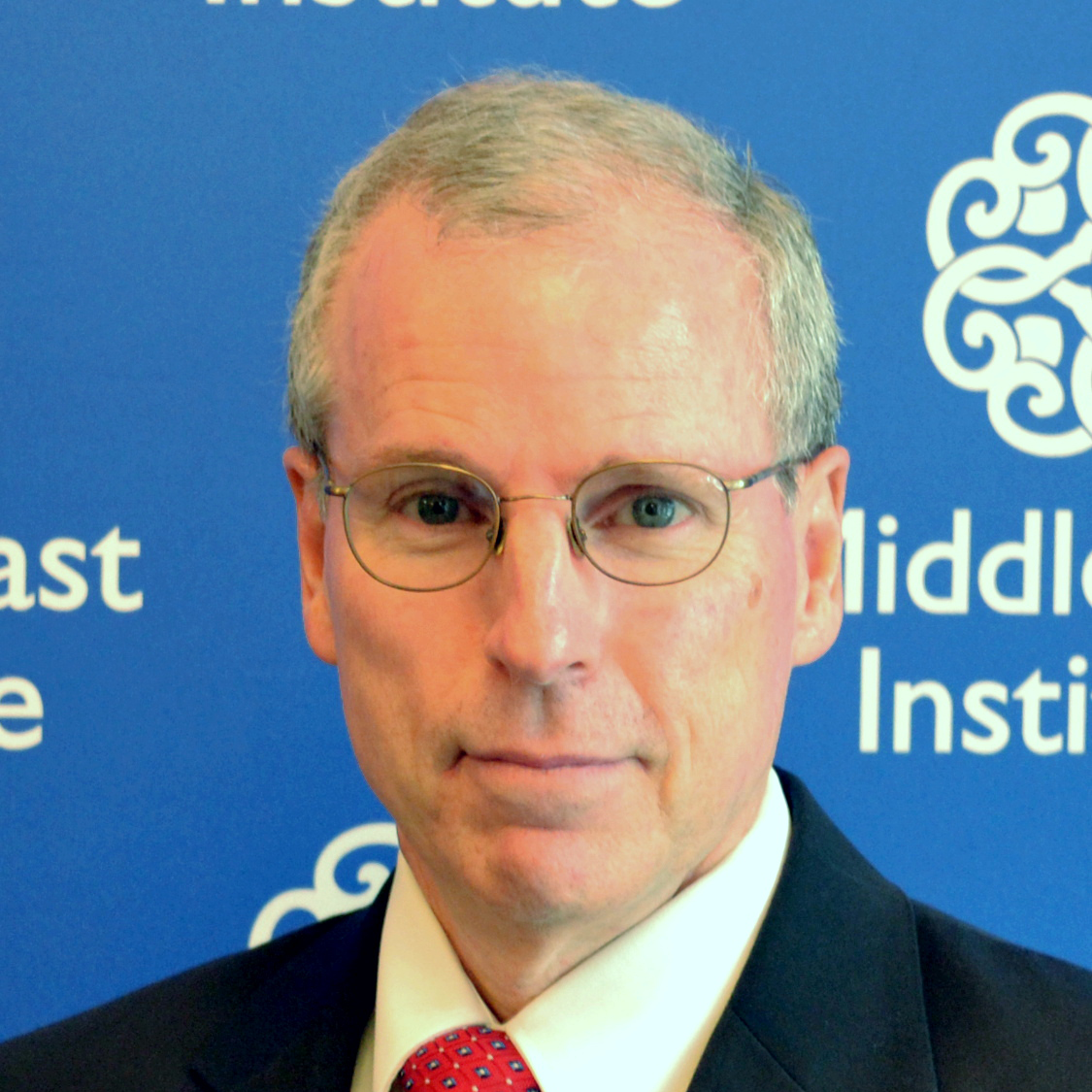
Though it has fallen out of the headlines because of the Iran war, Syria has had a dramatically consequential summer. Hosts Alistair Taylor and Matthew Czekaj are joined by MEI Senior Fellow Charles Lister to take stock of recent developments: the dissolution of the Kurdish-led Syrian Democratic Forces, Israeli strikes and the friction with Turkey they have exposed, the standoff in Sweida, as well as Damascus’s bid to turn Syria into a trade corridor between the Mediterranean and the Gulf. Is the transition consolidating or fragmenting nearly two years after the fall of the Assad regime?
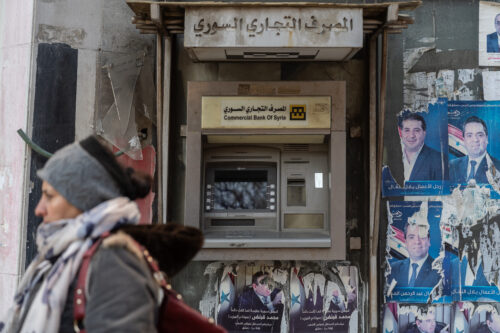
With sanctions repealed, Syrian policymakers must ensure that growing volumes of credit reach beyond the narrow political and commercial networks that have generally dominated Syrian finance. That will require a credit strategy aimed at sectors and regions historically excluded from formal finance. Syria’s specialized state banks offer an imperfect but ready-made mechanism to do so.
In many ways, the U.S.-Israeli war against Iran and the war in Gaza that preceded it seem transformative. After decades of shadow warfare, Iran and Israel have now attacked each other’s homelands directly. And Israel and the United States have joined forces in a genuinely novel way to wage war against Iran.
MEI’s Syria Initiative seeks to provide insightful and grounded research and analysis on all things Syria in order to better inform a wide range of audiences and to help sustain and shape a more meaningful policy-oriented discussion.
The Middle East Institute, The Atlantic Council, and European Institute of Peace collaborate with subject matter experts and policymakers in the US, Europe, and the Middle East to develop a holistic strategy to sustainably forge a pathway to resolving Syria’s crisis.
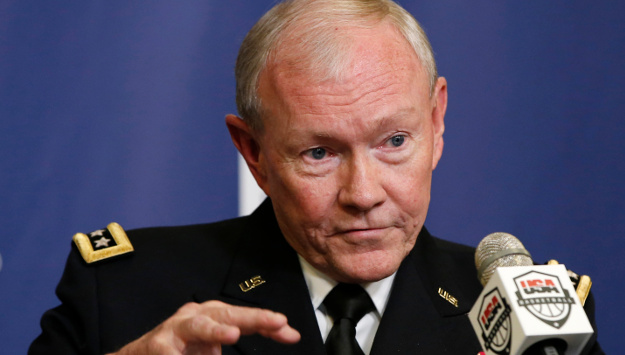
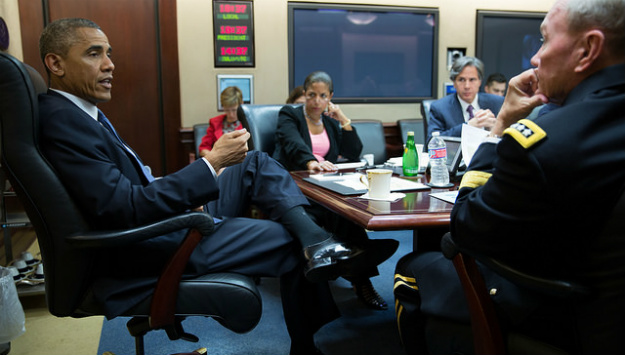
The United States might not have had a strategy for battling ISIS last week, but it does now. The NATO summit in Wales produced one. It reflects President Obama’s instincts and his ability to corral fractious allies.
It also says nothing about the use of force by the United States.
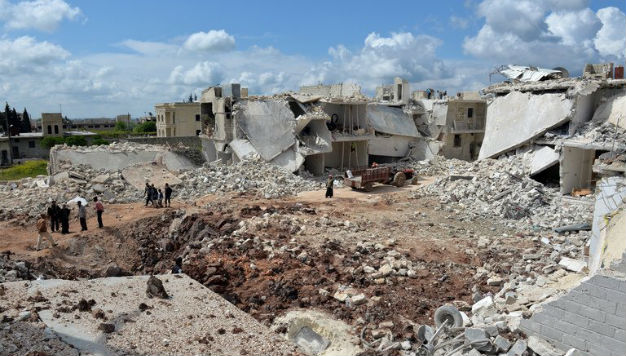
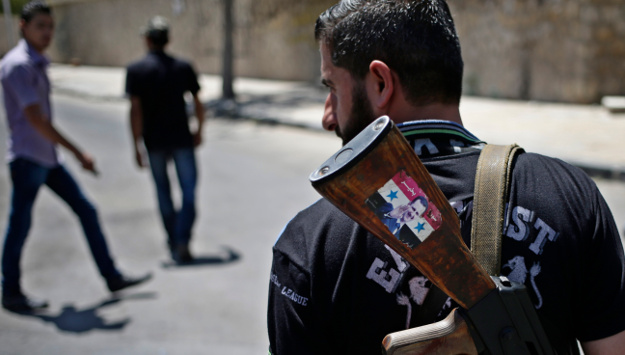
Three and a half years into the Syrian civil war, it is clear that any hopes that the overall insurgency against the Assad regime might develop in a more “mainstream” and “moderate” direction have dissipated.[1]
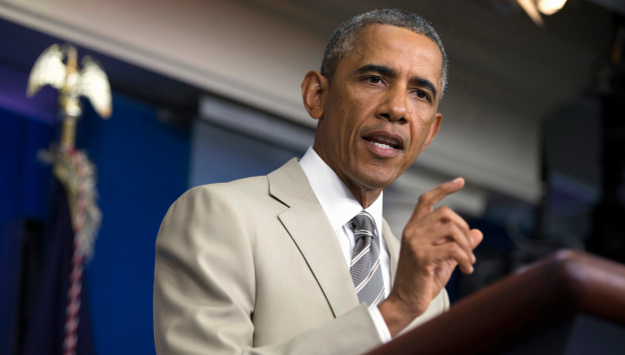
Last week, President Obama said that he has no strategy yet to confront the Islamic State (IS) in Syria. He was attempting to counter speculation about American bombing of IS targets there. It had been rumored that the President wanted to decide on a war plan by the end of the week.[1]
American airstrikes might be needed in Syria, but that would not be the most important tactic for success, nor would more material aid to the rebels be sufficient to contain the Islamic State over the long term. As in Iraq, there has to be a political angle as well.
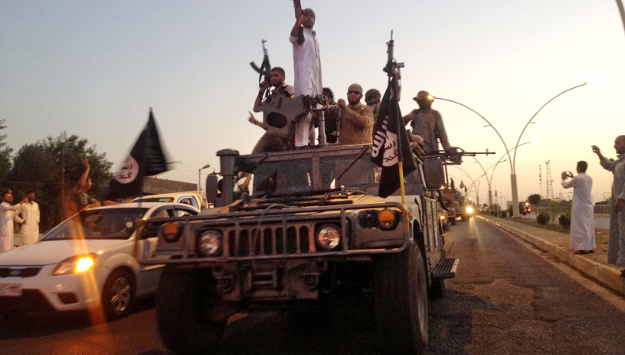
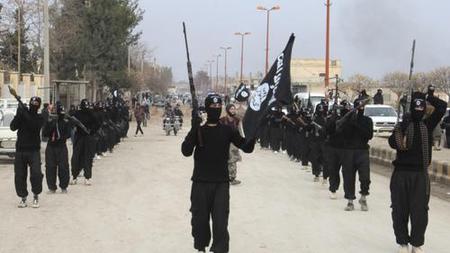
The outlines of a US strategy to roll back ISIS, or the ‘Islamic State’ as it styles itself, in Iraq have become relatively clear, even if success is uncertain.
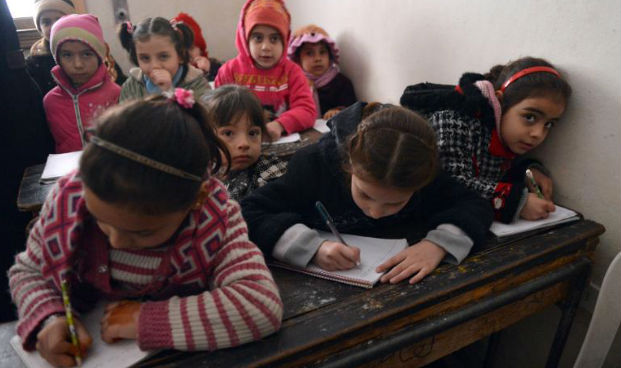
If the future of a nation is built on the competencies learned by its children, then the future of Syria gives cause for great concern. Since the start of the civil war in Syria in 2011, at least 3 million children have been unable to go to school, the vast majority of them within Syria itself.[1] Interventions are urgently required to educate these children so that they can help rebuild Syria.
Paul Salem, MEI’s vice president for policy and research, examines President Obama’s decision to step up US intervention against the Islamic State (also known as ISIS) in Iraq, and what it implies for broader US policy in the region, in this Expert Q&A.
How do you read the import and impact of President Obama’s recent announcements of airstrikes and humanitarian intervention in Iraq?
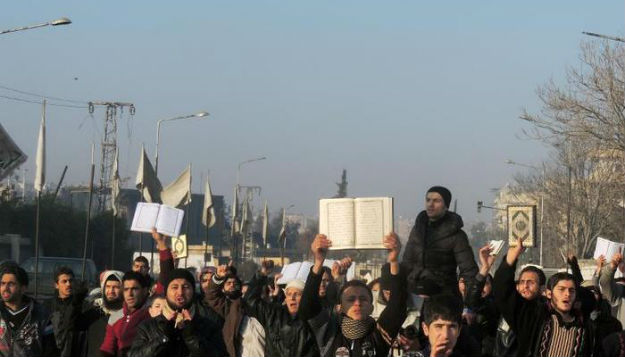
Not Our Kind of Caliph: Syrian Islamists and the Islamic State
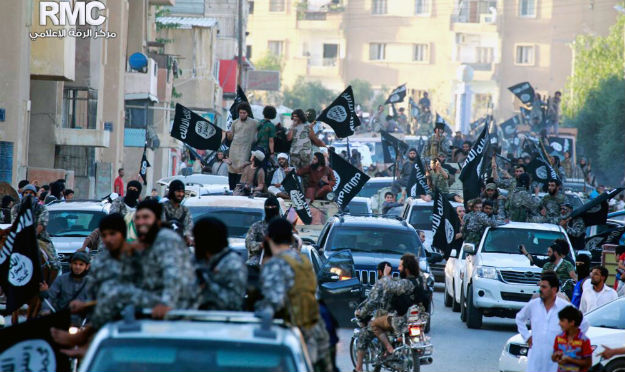
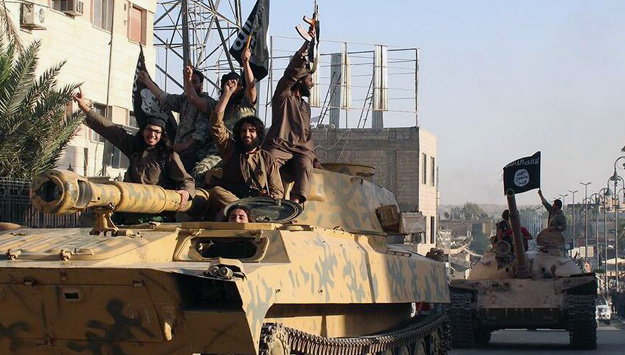
On June 29, the al-Qaeda splinter faction known as the Islamic State (formerly the Islamic State of Iraq and Syria, ISIS)[1] declared its leader Abu Bakr al-Baghdadi to be the caliph, or successor to the Prophet Mohammed, a post that no one has claimed since 1924.[2]
MEI’s Syria Initiative seeks to provide insightful and grounded research and analysis on all things Syria in order to better inform a wide range of audiences and to help sustain and shape a more meaningful policy-oriented discussion. Drawing on the expertise of over a dozen renowned scholars, the Syria Program covers all aspects of Syria and its ongoing crises – from political, economic, legal, social, ethnic and religious dynamics, to conflict, insurgency and terrorism and the country’s history and possible futures.