Turkey’s Nuclear Ambitions in the Post-Iran War Environment
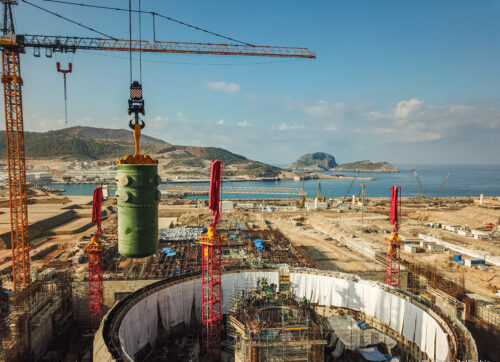
Turkish ambitions to develop nuclear weapons are not new, but the changing security environment is strengthening Ankara’s motivations and rationale for moving away from its longstanding role as a champion of nonproliferation and toward a strategy of preserving the option to build nuclear weapons without actually pursuing them. The challenge for Washington is to manage the nuclear trajectory of regional powers such as Turkey and Saudi Arabia rather than preventing them from acquiring greater nuclear capabilities altogether.
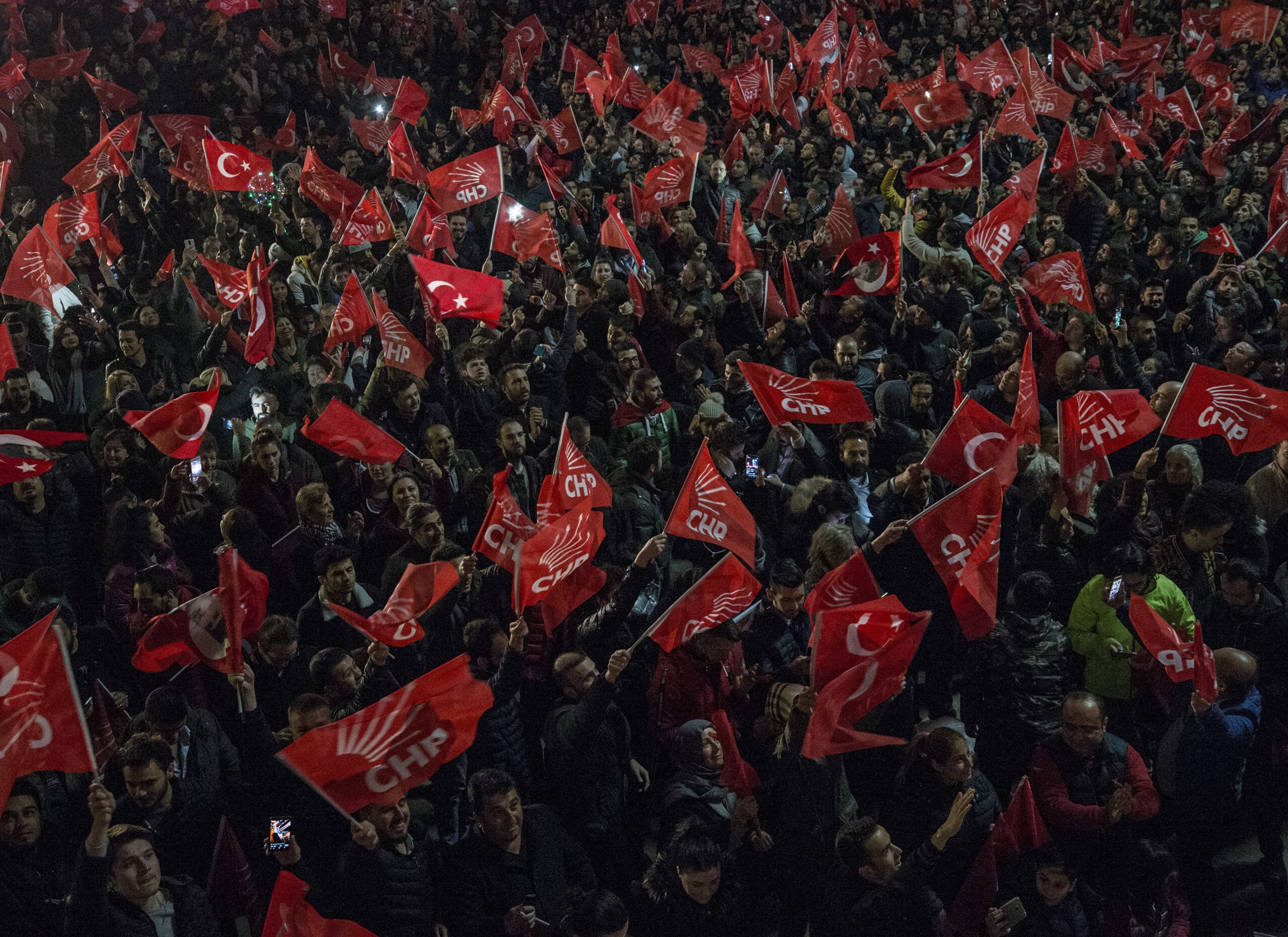
A Turkish court has taken a dramatic step that could reshape the country’s political landscape. It annulled the results of the CHP’s 2023 party congress, effectively overturning the election of Özgür Özel as leader of Turkey’s main opposition party and potentially paving the way for former chairman Kemal Kılıçdaroğlu to return.
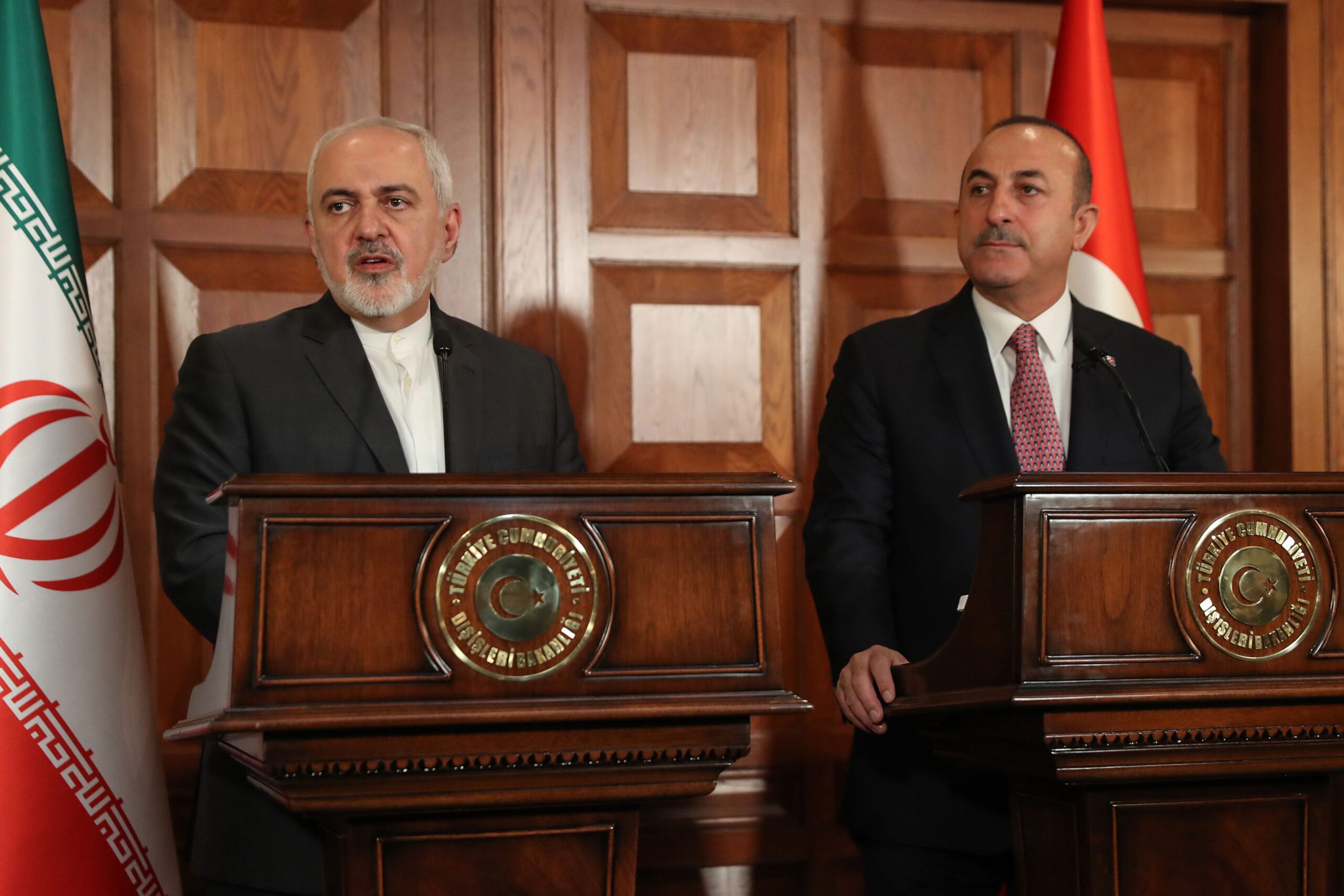
US sanctions and the future of Turkish-Iranian energy ties
Iran’s huge hydrocarbons reserves and Turkey’s growing demand for oil and gas seem to suggest great potential for energy collaboration. US sanctions and pricing disputes, however, limit and complicate the prospects of such a partnership.
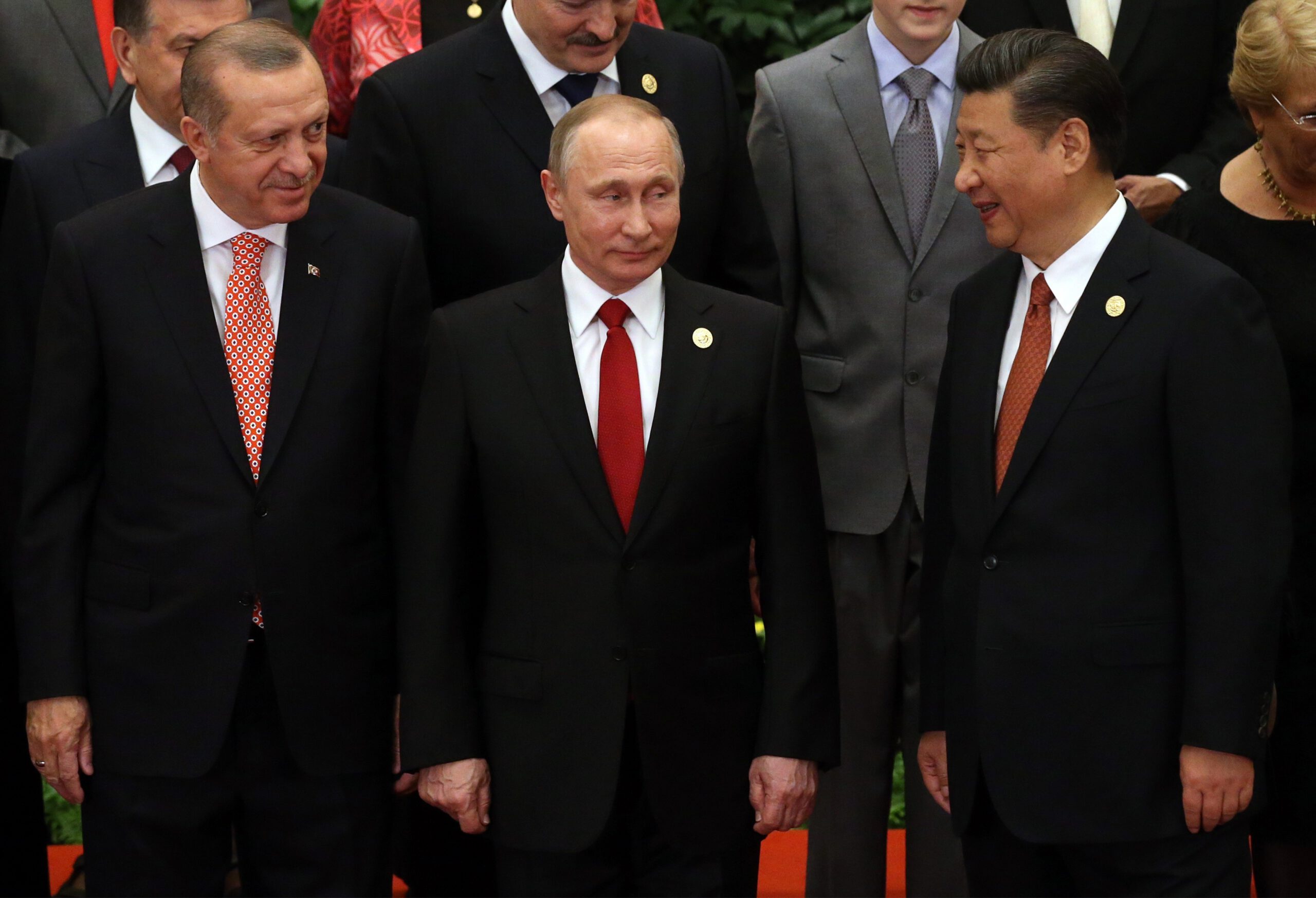
The Rise of Eurasianism in Turkish Foreign Policy: Can Turkey Change its pro-Western Orientation?
The Eurasianist (Ulusalcı in Turkish) ideology, which originated from the far-left movement in Turkey, espouses an anti-Western approach in foreign policy and ultranationalist sentiment in domestic politics. They contend that Turkey’s interests lie outside the Western world and that Turkey should join the Russia- and China-led “anti-imperialist” camp. This article examines the rise, shortcomings and failures of the Eurasianist approach in Turkish foreign policy.
Russia looks to the Middle East to boost arms exports
According to SIPRI’s recently published annual report, Russia’s share of global arms exports shrank by around one-fifth over the last decade, falling from 27 percent to 21 percent, while the U.S. share increased from 30 percent to 36 percent, widening the gap between the two major arms exporters. As Russia looks to reverse this decline, it is focusing on the Middle East, the world’s second-largest and fastest-growing arms market, as a way to boost its exports.
Invincible no more? Turkey’s Erdogan suffers election defeat
25 years ago, Turkish Islamists’ march to power began in the country’s capital, Ankara, and its largest city, Istanbul, when the ruling Justice and Development Party’s predecessor, the Welfare Party, captured the two municipalities. The loss of these cities in Sunday’s local elections could well mark the beginning of their descent.
Ali Çarkoğlu, professor of international relations at Koç University in Istanbul, Sinan Ciddi, executive director of the Institute of Turkish Studies at Georgetown University, and MEI’s Gonul Tol join host Alistair Taylor to discuss Turkey’s March 31 local elections amid mounting economic problems and political polarization.
Turkey’s municipal elections are in fact not local but a national referendum on the continued rule of President Recep Tayyip Erdogan. With his complete domination of every aspect of Turkey’s politics and media, as well as military, judicial, and educational institutions, it would be foolish to underestimate his ability to emerge a winner on March 31.
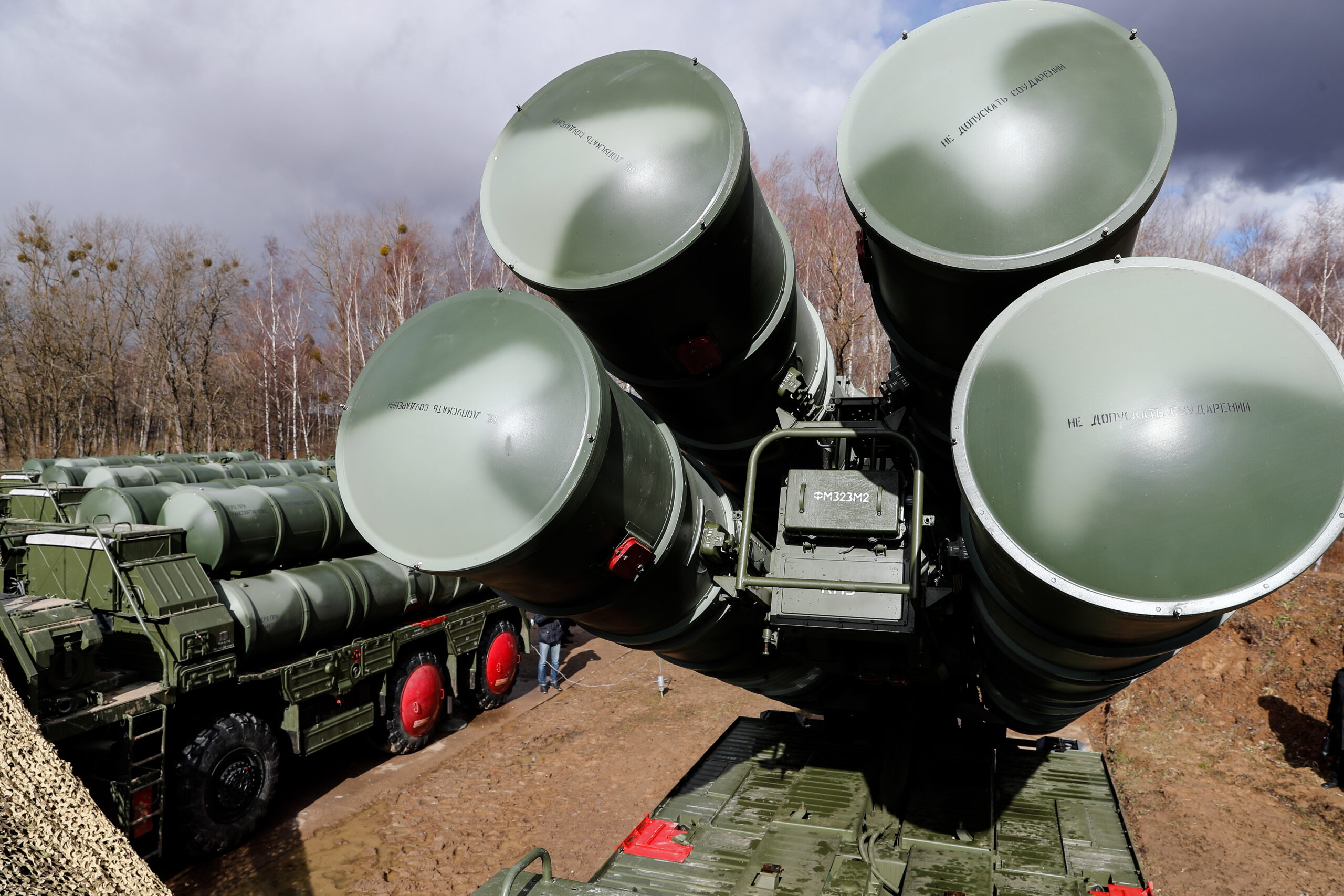
On March 7 President Recep Tayyip Erdogan declared that Turkey’s decision to buy the Russian S-400 missile defense system is irrevocable. His remarks underlined Turkey’s strategic decision to turn away from NATO as a genuine partnership.
Justifying Relations with an Apostate During a Jihad: A Salafi-Jihadist Group’s Relations with Turkey in Syria
This analysis explains how the Salafi-Jihadist group Hayat Tahrir al-Sham (HTS) has legally justified its relations with Turkey. Although HTS was careful to avoid direct military collaboration with Turkey, it welcomed the Turkish Army’s presence as an additional force against the Syrian regime and secular opposition groups. This caused a significant rift among the group’s supporters and the al-Qaeda community, who accused HTS of thwarting its own jihad by forming relations with Turkey, considered by Salafi-Jihadists to be an apostate.
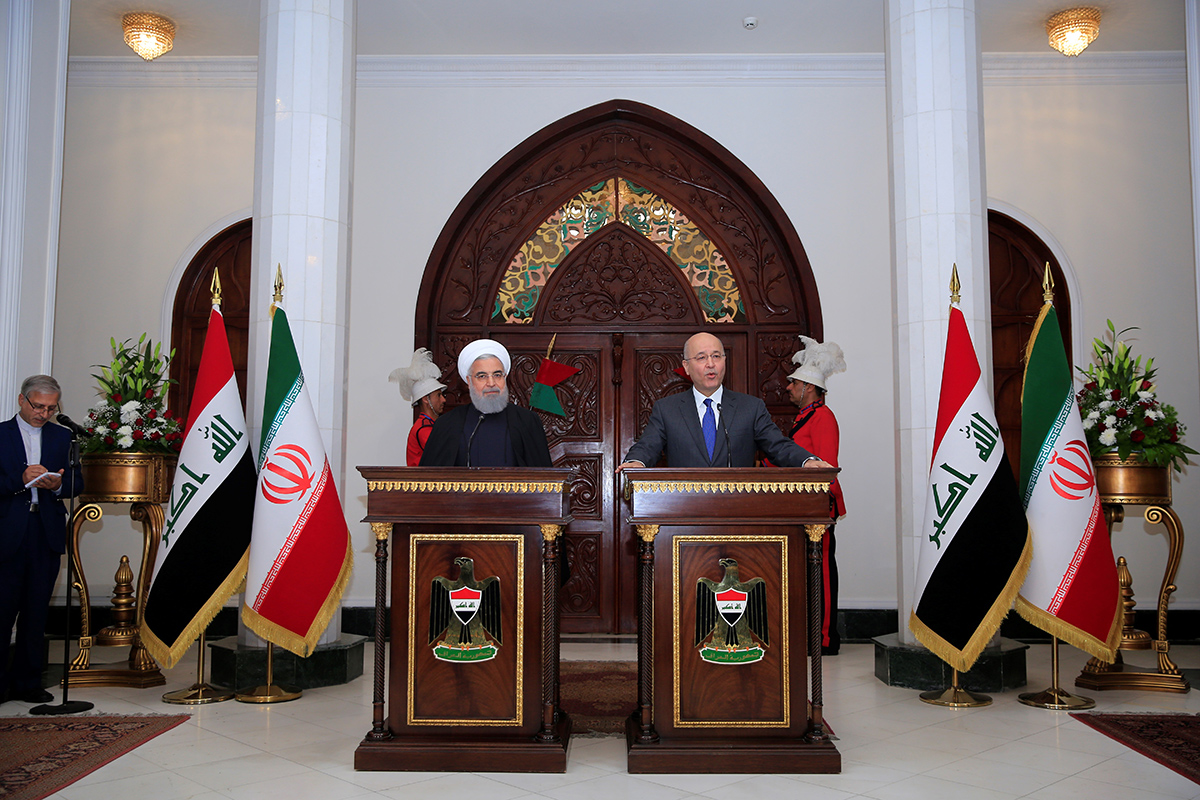
In this week’s Monday Briefing, MEI experts Randa Slim, Robert S. Ford, Marvin G. Weinbaum, James P. Farwell, Emadeddin Badi, Guney Yildiz, and Jean-François Seznec provide analysis on recent and upcoming events including Iranian President Hassan Rouhani’s visit to Baghdad, reconstruction efforts in Syria, the crackdown on militant Islamists in Pakistan, Iran’s cyber attack capabilities, upcoming elections in Libya, Turkish-Egyptian tensions, and Qatar’s $12B loan from bond markets.
Monday Briefing: Tenuous promise in Pakistan and Afghanistan
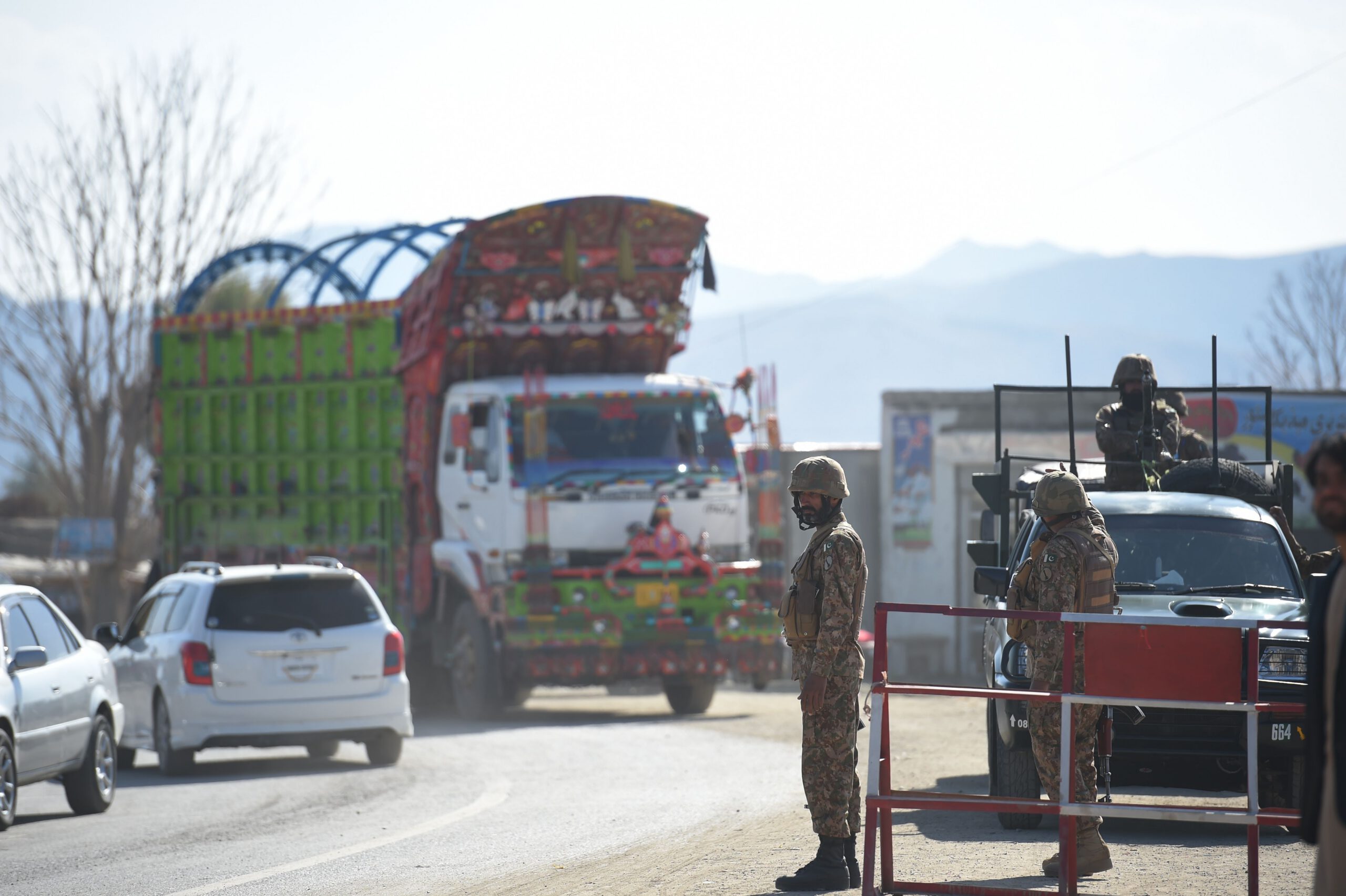
In this week’s Monday Briefing, MEI experts Marvin G. Weinbaum, Robert S. Ford, Alex Vatanka, and Birol Baskan provide analysis on recent and upcoming events including a potential agreement between Pakistan and Afghanistan, protests in Algeria, Rouhani’s planned trip to Baghdad, and recent Turkish naval exercises.
Monday Briefing: Egypt hosts first EU-Arab League summit
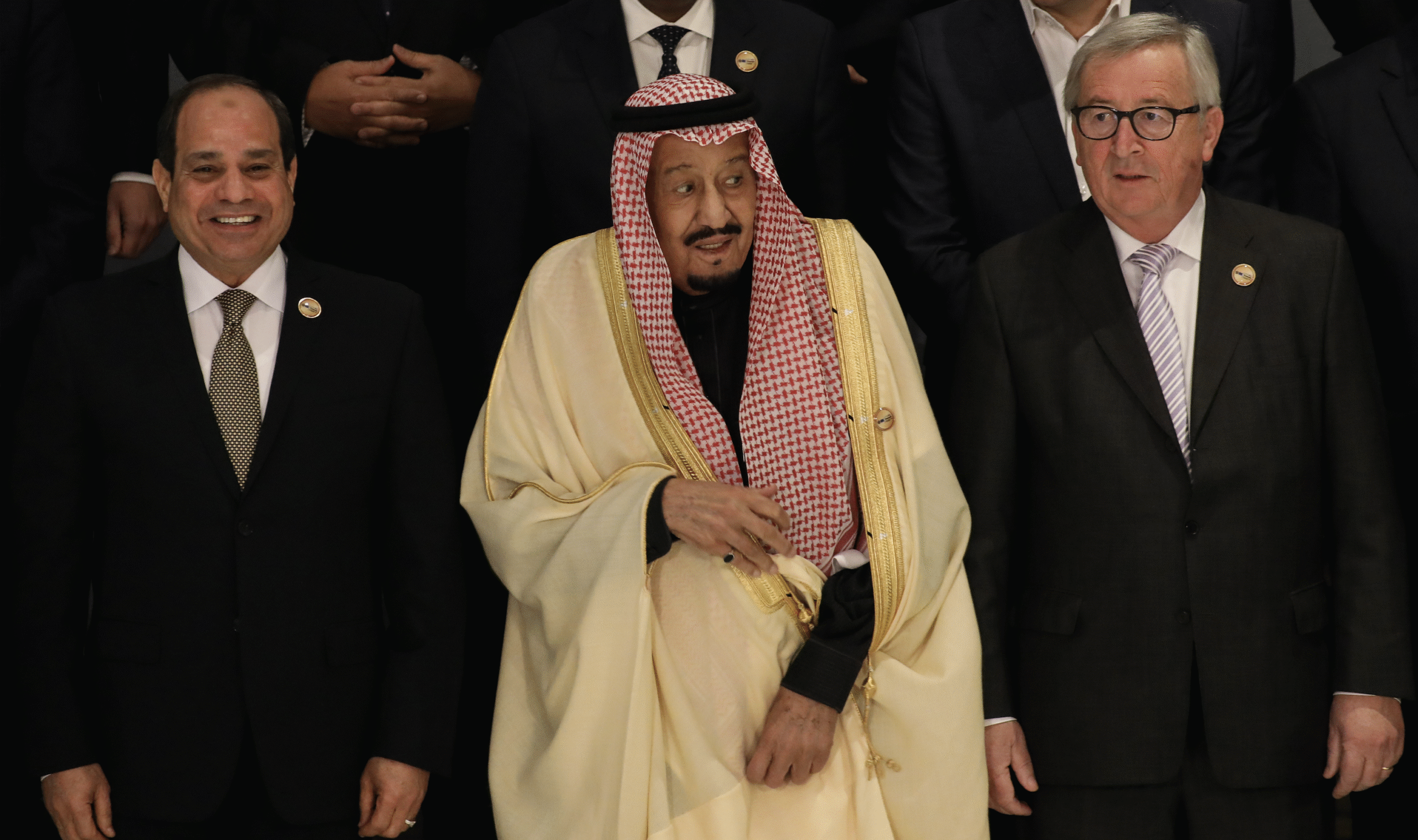
In this week’s Monday Briefing, contributors Mirette F. Mabrouk, Gerald Feierstein, Marvin G. Weinbaum, Przemysław Osiewicz, Grace Wermenbol, and W. Robert Pearson provide analysis on recent and upcoming events including the EU-Arab League summit, the progress in US-Taliban talks, challenges to Israeli Prime Minister Benjamin Netanyahu’s power, consequences of the Kashmir attack, and Turkey’s next steps in Syria.
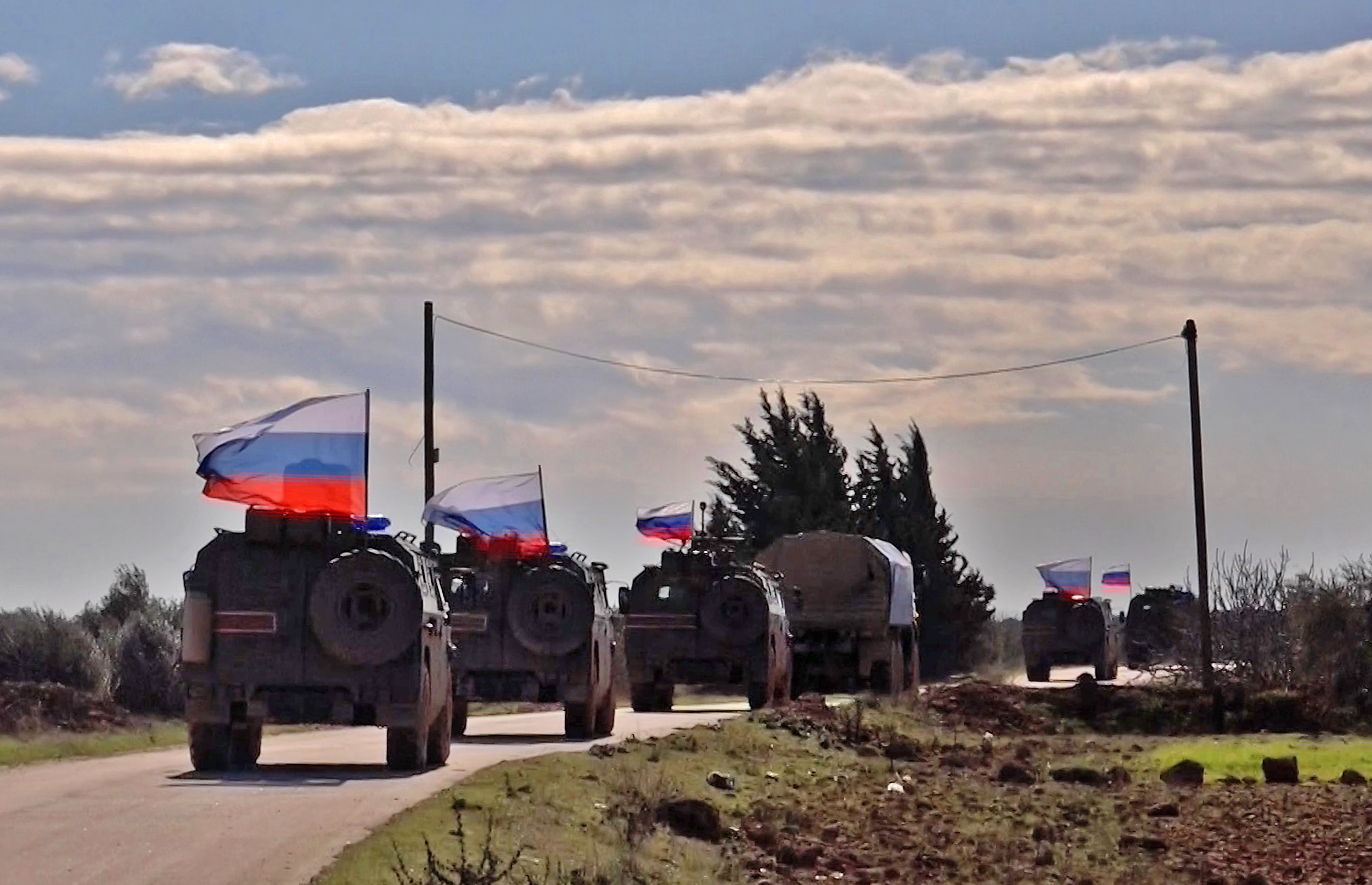
As the Sochi talks made clear, for all their efforts, Russia and Turkey remain far from a joint resolution on Manbij. But the two sides do not have equal clout on the issue. Russia’s significant and expanding military police presence in the Manbij countryside gives Moscow the final say on what will happen there, a reality that could result in Ankara losing some or all of the region to its Syrian rivals in Damascus.
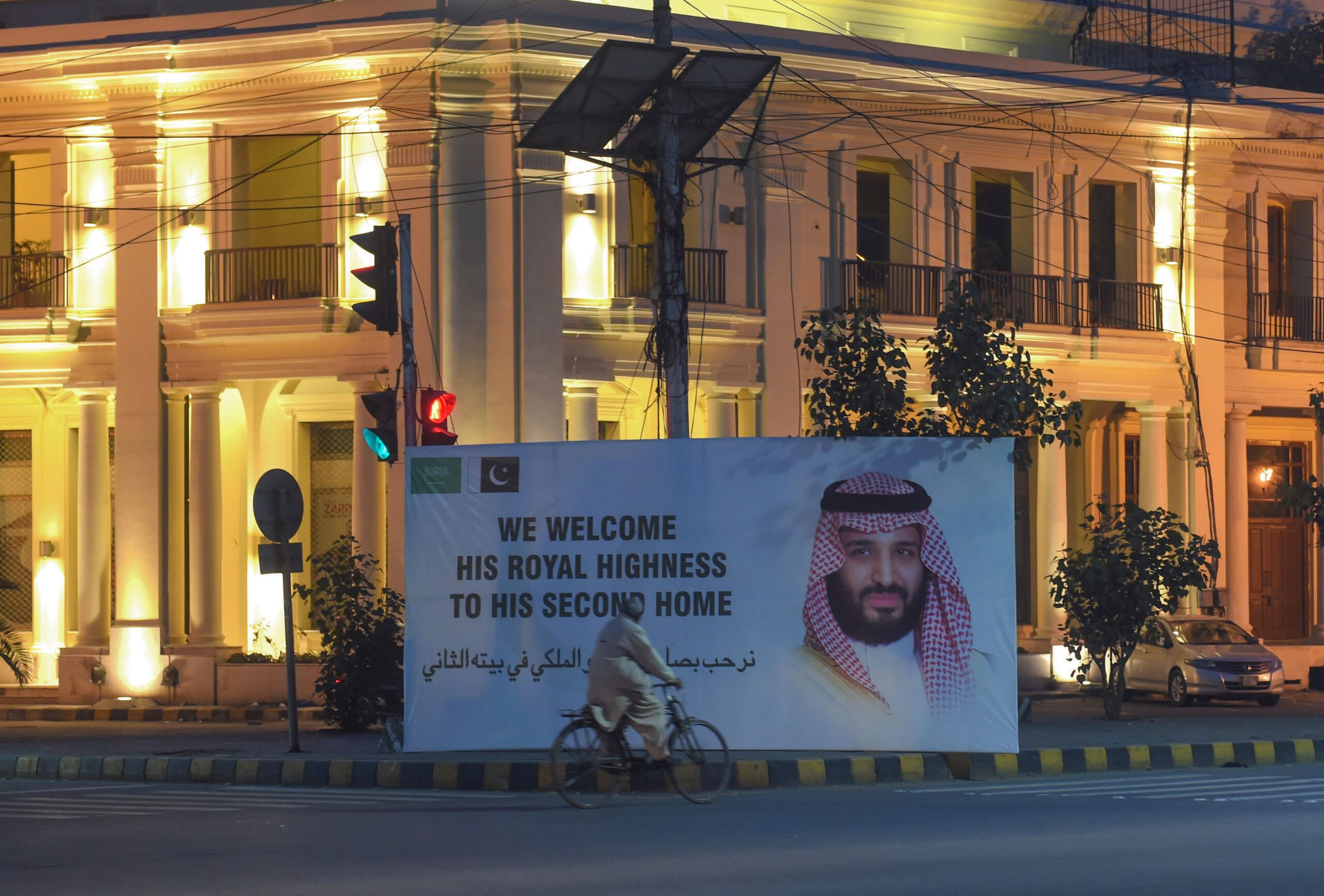
Weekly Briefing: MBS South Asia swing aims to shore up relations
In this week’s briefing, MEI experts Gerald Feierstein, Charles Lister, Marvin G. Weinbaum, and W. Robert Pearson provide analysis on Saudi-Pakistan relations, Turkish politics in the lead-up to March municipal elections, and the question of what to do with ISIS prisoners after the group’s territorial collapse.
Turkish President Recep Tayyip Erdogan angles to gain further influence as a leader of the Sunni Islamic world through an unlikely vehicle – Islamic insurance, or takaful.
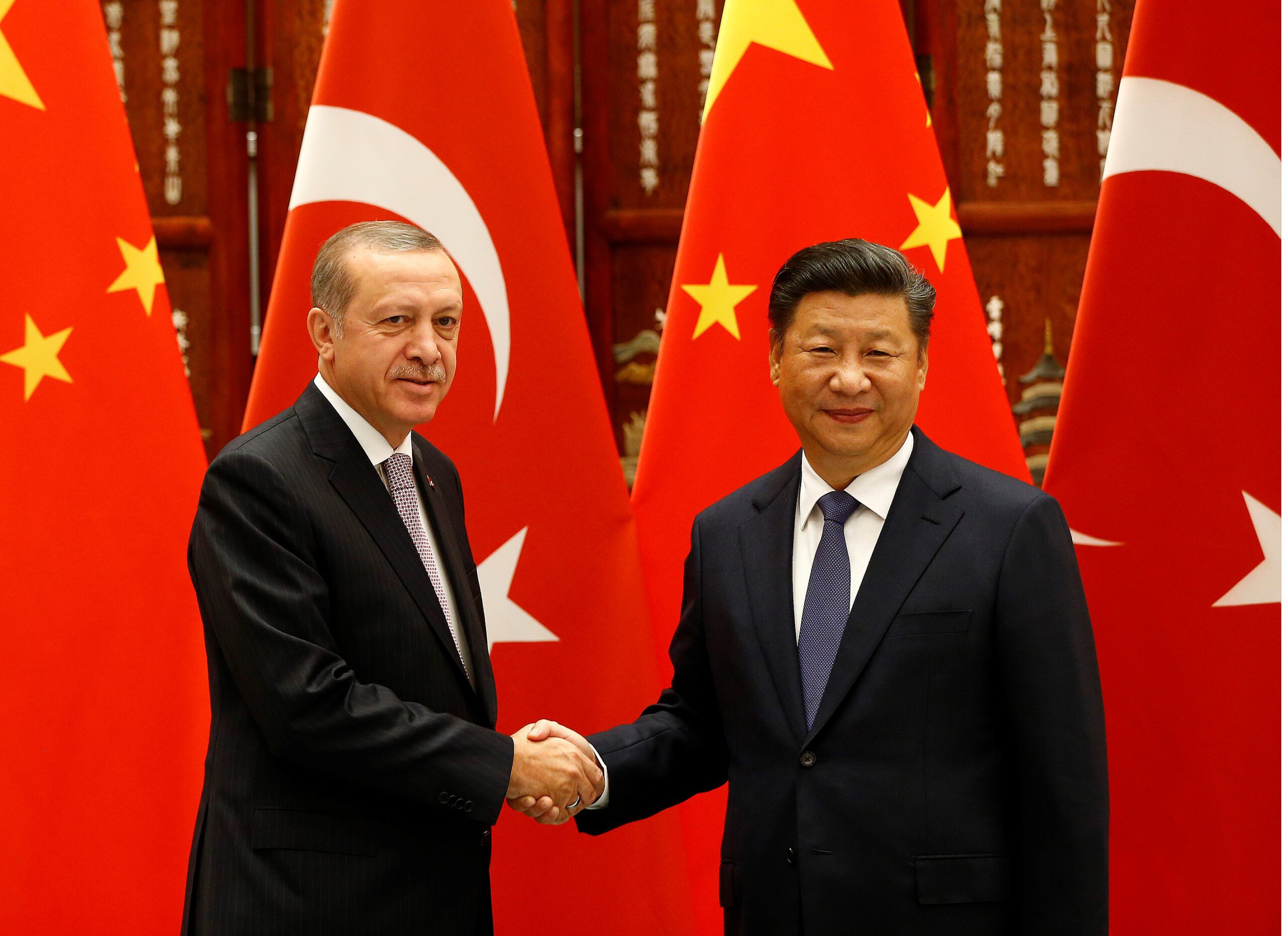
China’s Belt and Road Initiative and Turkey’s Middle Corridor: A Question of Compatibility
Turkey’s “Middle Corridor” (MC) and China’s “Belt Road initiative” (BRI) are two grand schemes that envisage trans-continental integration. These two ambitious initiatives have been developed independently of one another. However, are they compatible?
The oldest peer-reviewed publication dedicated to the study of the modern Middle East, MEI’s flagship journal covers politics, society, and culture in the region.