This article is part of a collection of short essays written by the Fellows of the Middle East Institute to explore aspects of the ongoing war with Iran. The intent of the collection is to help readers see new and unexpected elements of the dynamics and impact of the ongoing hostilities and to think harder, deeper, and broader about the implications of the conflict.
Egypt: How the Iran War Has Affected Egypt’s Calculations
Egypt, which is not party to the war on Iran, has become a target as well as an intermediary in the conflict. As a result, the war has affected Egypt’s future calculations, particularly in three major areas: its economy, its security, and its regional alliances.
Algeria and Morocco have long been at odds, but recent diplomatic moves may signal a widening geopolitical split in North Africa. Hosts Alistair Taylor and Matthew Czekaj are joined by MEI Senior Fellow Intissar Fakir to unpack Algeria’s decision to sever diplomatic ties with the United Arab Emirates and Morocco’s warming relations with both the UAE and Israel. They also explore linkages between these diplomatic shifts and the Western Sahara conflict, Moroccan domestic concerns, particularly in light of this week’s elections, as well as broader regional stability.
This Commentary first appeared as an op-ed in McClatchy News, July 6, 2010.
The misuse and abuse of language is yet another obstacle to obtaining peace in the Middle East. In recent weeks the media, government officials and commentators have so garbled the use of the words “blockade” and “embargo” to describe events in Gaza that understanding what is occurring, the legal implications, and developing a reasonable policy are almost impossible.
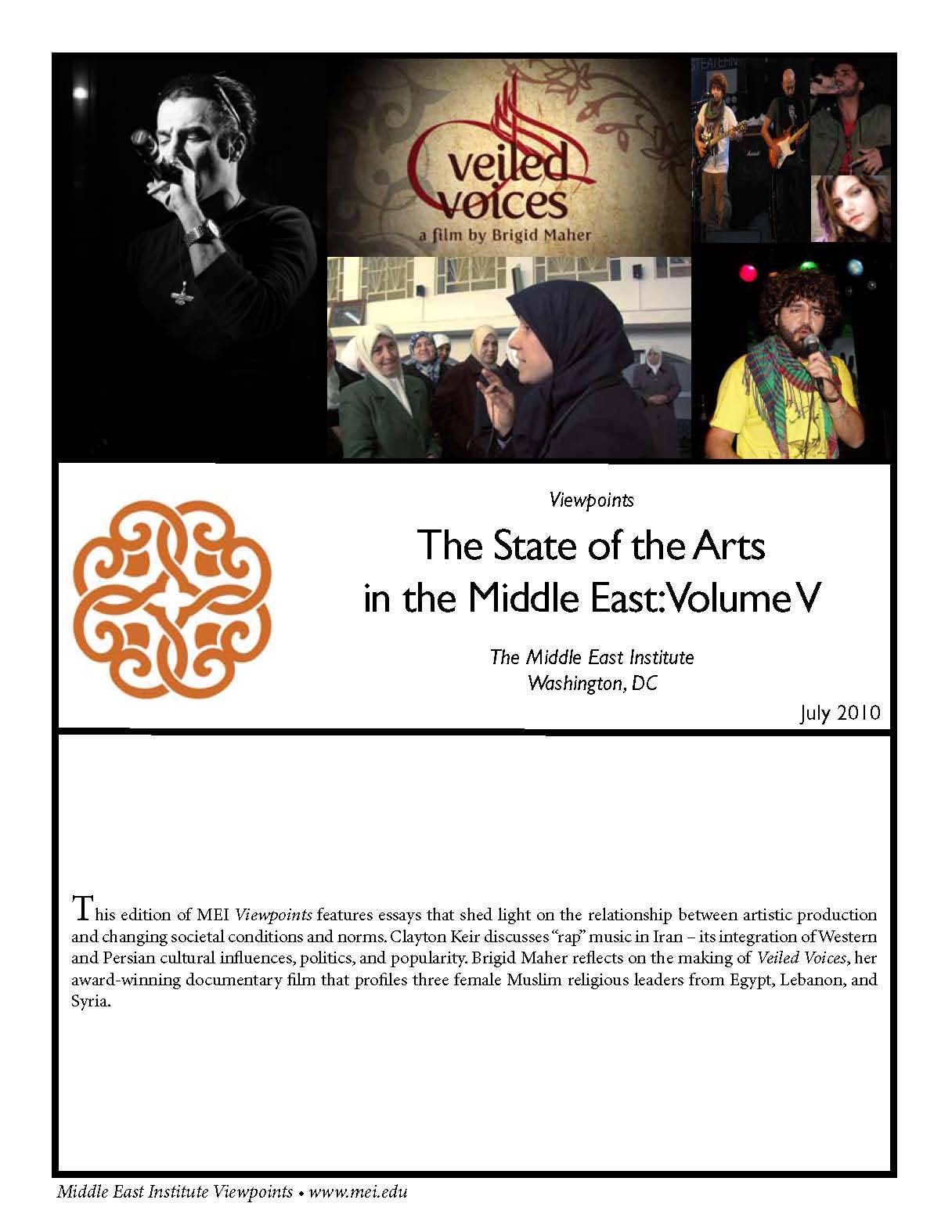
Introduction to The State of the Arts in the Middle East: Volume V
This edition of MEI Viewpoints features essays that shed light on the relationship between artistic production and changing societal conditions and norms. Clayton Keir discusses “rap” music in Iran – its integration of Western and Persian cultural influences, politics, and popularity. Brigid Maher reflects on the making of Veiled Voices, her award-winning documentary film that profiles three female Muslim religious leaders from Egypt, Lebanon, and Syria.
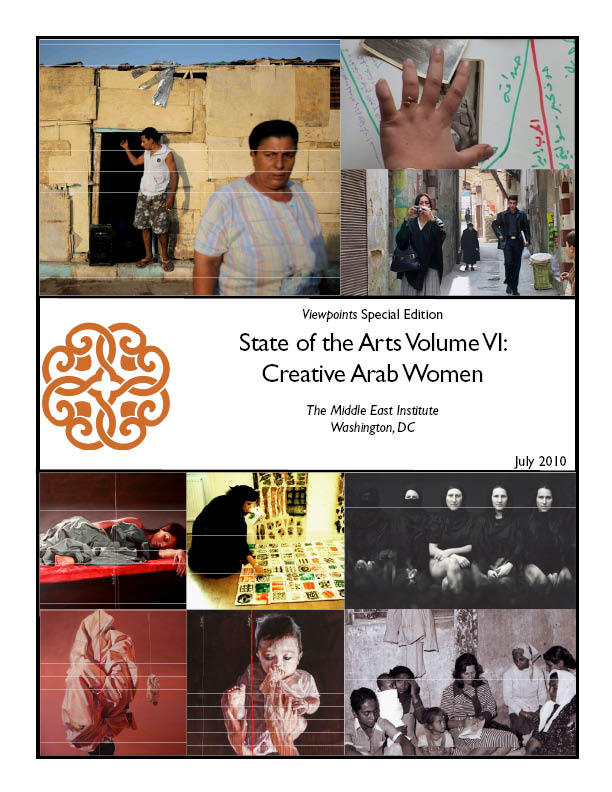
Introduction to The State of the Arts in the Middle East: Volume VI: Creative Arab Women
Creative Arab Women is the sixth edition of the MEI Viewpoints series on the State of the Arts in the Middle East. The 14 essays in this collection offer a glimpse into the rich and varied cultural output of Arab women in the region and the diaspora. Partly reminiscences and partly calls to action, they are essays of survival and empowerment that add a deeply personal dimension to the subject of the role of Arab women as cultural producers. MEI is grateful to Dr.
Throughout history, North African countries (i.e., Morocco, Algeria, and Tunisia) have experienced various forms of migration – internal and external, voluntary and forced, individual and collective, and legal and illegal.
Several months ago on a Tuesday afternoon, a local girls football team was practicing on a dirt field in Sidi Moumen, a notorious 350,000-person shantytown on the outskirts of Casablanca, Morocco. A crowd of boys had gathered along the fence. One of the boys began making comments. “Look at her touch on the ball,” he mumbled to his friend, “where did she learn to play football?” “My five-year old brother has better control,” shot back the other, slapping his friend’s hand and laughing.
Transnational Networks and Local Challenges: Iraqis in Cairo
Originally posted March 2010
It is estimated that over four million Iraqi refugees have fled to neighboring countries in the region since the 2003 war began. While migration continued after the war, the peak of this influx was witnessed particularly in and after 2006 due to the acceleration of violence in central and southern Iraq. More particularly, the majority of these refugees fled due to direct threats to their lives and their immediate families.
The oldest peer-reviewed publication dedicated to the study of the modern Middle East, MEI’s flagship journal covers politics, society, and culture in the region.