This article is part of a collection of short essays written by the Fellows of the Middle East Institute to explore aspects of the ongoing war with Iran. The intent of the collection is to help readers see new and unexpected elements of the dynamics and impact of the ongoing hostilities and to think harder, deeper, and broader about the implications of the conflict.
Egypt: How the Iran War Has Affected Egypt’s Calculations
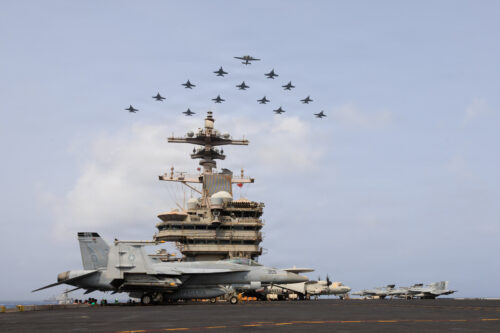
Egypt, which is not party to the war on Iran, has become a target as well as an intermediary in the conflict. As a result, the war has affected Egypt’s future calculations, particularly in three major areas: its economy, its security, and its regional alliances.
Algeria and Morocco have long been at odds, but recent diplomatic moves may signal a widening geopolitical split in North Africa. Hosts Alistair Taylor and Matthew Czekaj are joined by MEI Senior Fellow Intissar Fakir to unpack Algeria’s decision to sever diplomatic ties with the United Arab Emirates and Morocco’s warming relations with both the UAE and Israel. They also explore linkages between these diplomatic shifts and the Western Sahara conflict, Moroccan domestic concerns, particularly in light of this week’s elections, as well as broader regional stability.
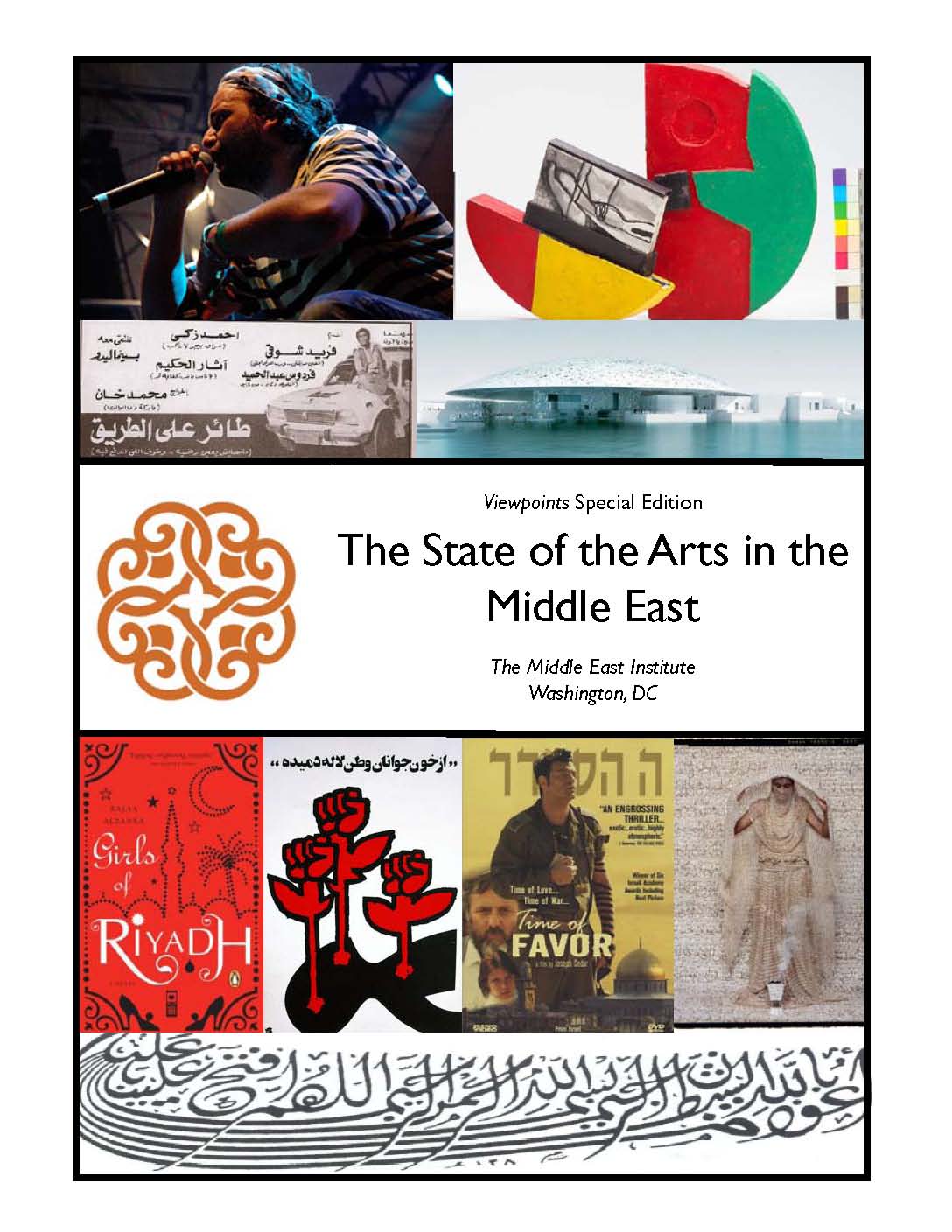
Introduction to The State of the Arts in the Middle East: Volume IV
Literature, visual art, and photography not only serve an aesthetic purpose, but often act as mediums through which their creators explore deeply personal experiences and their broader social implications. In this, the fourth volume of MEI’s “The State of the Arts in the Middle East,” Najat Rahman considers the works of the Palestinian artists Emily Jacir and Eman Haram, and W. Scott Chahanovich (with Pauline Pannier) discusses the memoirs of the Moroccan-born writer Abdellah Taïa.
The Middle East Institute is proud to host Moroccan scholar and author Dr. Mohsine El Ahmadi. Dr. El Ahmadi has written extensively on Islamist movements in Morocco and will examine the government’s efforts to fight radical Islamist movements in the wake of the Casablanca bombings of 2003.
Introduction to The Legacy of Camp David: 1979-2009
Since the “Six Day War” in June 1967, countless American and other diplomats have sought almost continuously to broker peace between Israel and its surrounding Arab enemies. From that tangled history, one achievement stands tallest in a forest of scrub: the Egypt-Israel Treaty signed on March 26, 1979 on the White House front lawn by President Anwar Sadat, Prime Minister Menachem Begin, and President Jimmy Carter.
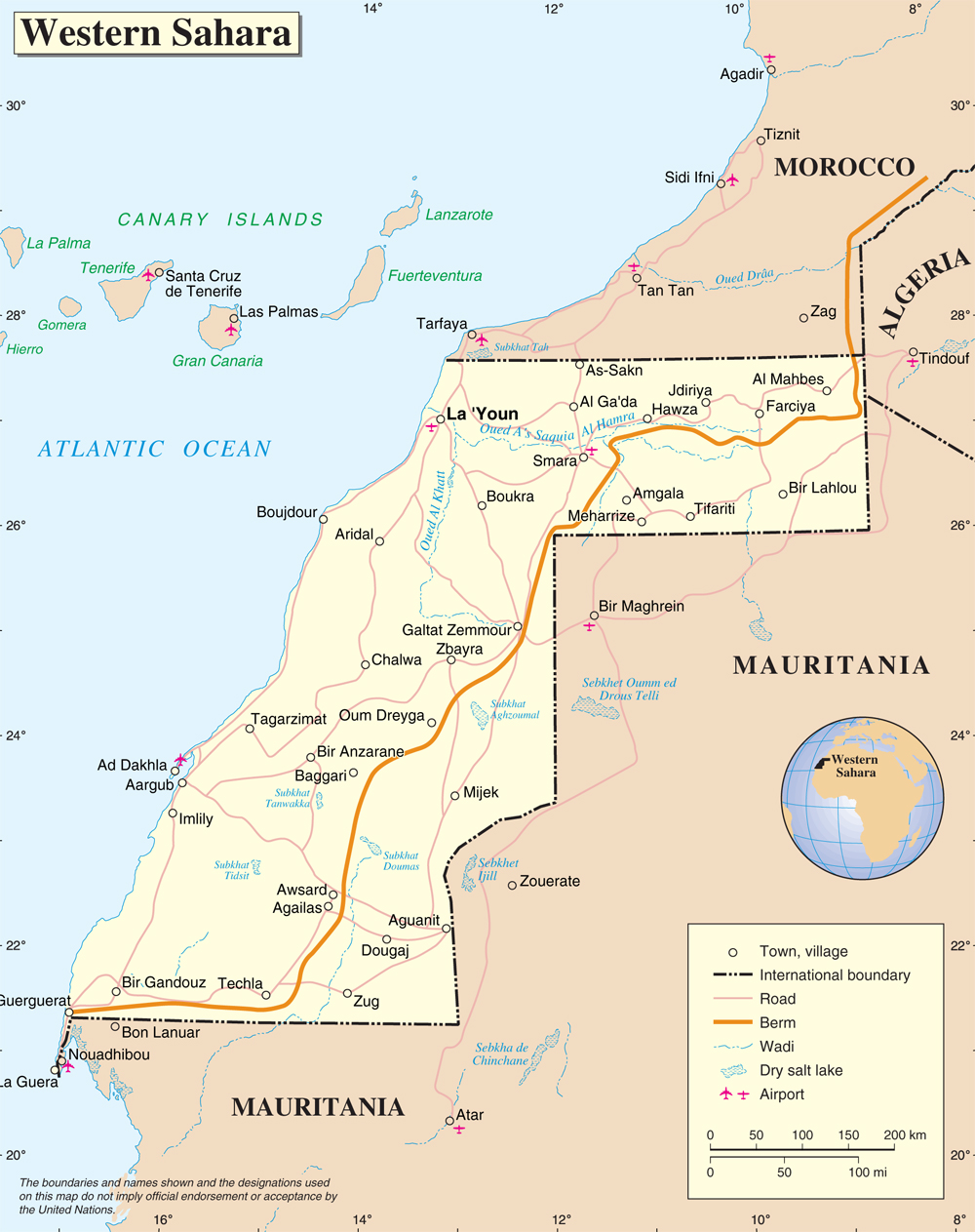
Western Sahara: Self-Determination and International Law
Originally posted April 2008
The failure of the Kingdom of Morocco and the Polisario Front to agree on the modalities of the long-planned United Nations-sponsored referendum on the fate of Western Sahara, combined with a growing nonviolent resistance campaign within the territory against Morocco’s 31-year occupation, has led Morocco to propose granting the former Spanish colony special autonomous status within the kingdom.
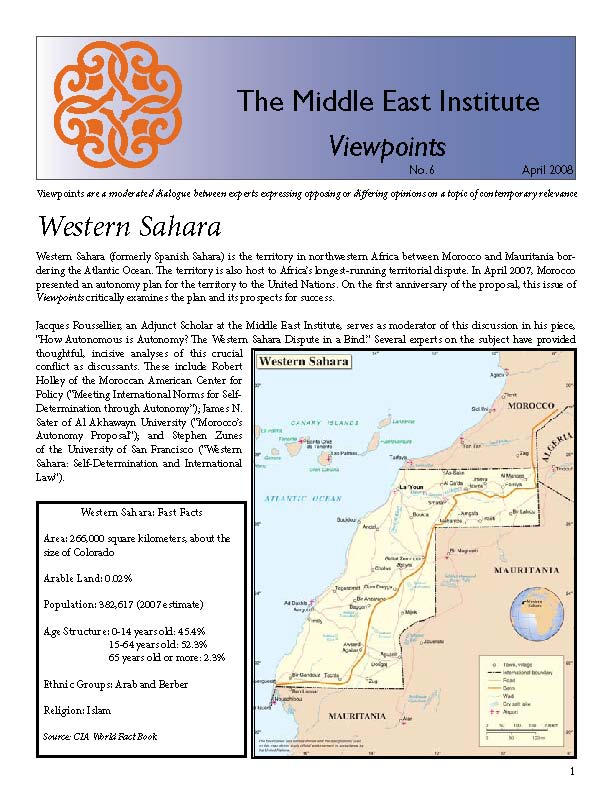
Western Sahara (formerly Spanish Sahara) is the territory in northwestern Africa between Morocco and Mauritania bordering the Atlantic Ocean. The territory is also host to Africa’s longest-running territorial dispute. In April 2007, Morocco presented an autonomy plan for the territory to the United Nations. On the first anniversary of the proposal, this issue of Viewpoints critically examines the plan and its prospects for success.
The oldest peer-reviewed publication dedicated to the study of the modern Middle East, MEI’s flagship journal covers politics, society, and culture in the region.