This article is part of a collection of short essays written by the Fellows of the Middle East Institute to explore aspects of the ongoing war with Iran. The intent of the collection is to help readers see new and unexpected elements of the dynamics and impact of the ongoing hostilities and to think harder, deeper, and broader about the implications of the conflict.
Egypt: How the Iran War Has Affected Egypt’s Calculations
Egypt, which is not party to the war on Iran, has become a target as well as an intermediary in the conflict. As a result, the war has affected Egypt’s future calculations, particularly in three major areas: its economy, its security, and its regional alliances.
Algeria and Morocco have long been at odds, but recent diplomatic moves may signal a widening geopolitical split in North Africa. Hosts Alistair Taylor and Matthew Czekaj are joined by MEI Senior Fellow Intissar Fakir to unpack Algeria’s decision to sever diplomatic ties with the United Arab Emirates and Morocco’s warming relations with both the UAE and Israel. They also explore linkages between these diplomatic shifts and the Western Sahara conflict, Moroccan domestic concerns, particularly in light of this week’s elections, as well as broader regional stability.
The Far Reach of the Iran War: Food Insecurity from North Africa to the Sahel
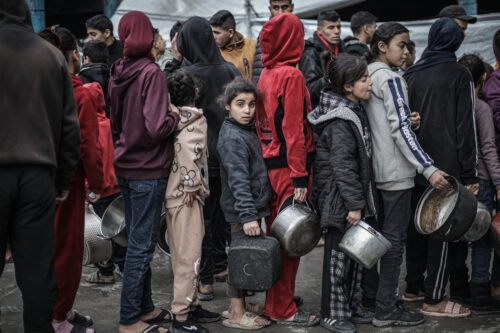
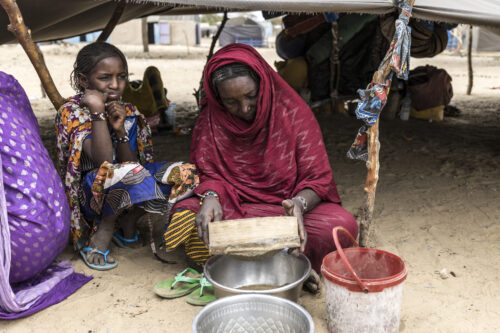
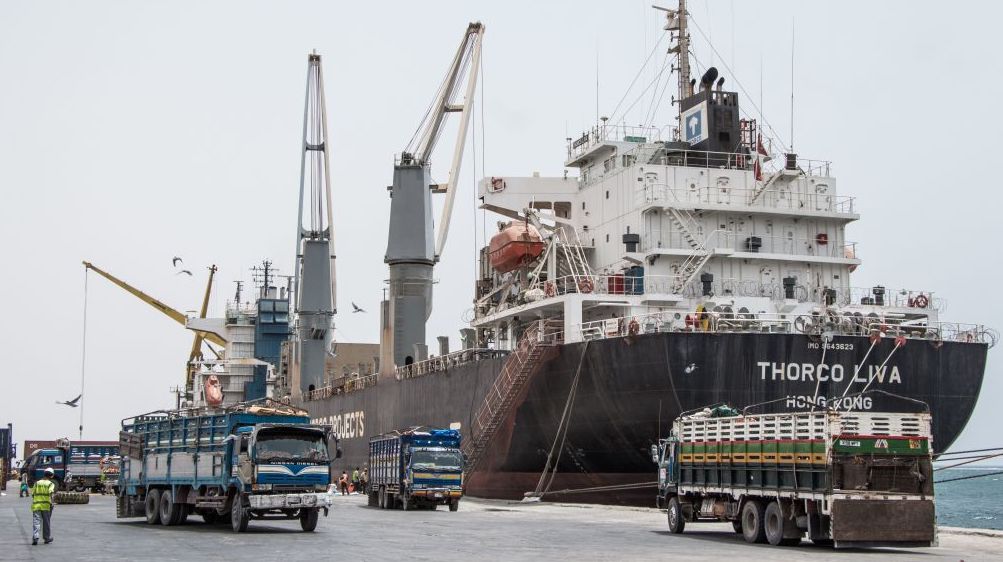
Within weeks of the Strait of Hormuz closure, fertilizer prices began to rise sharply. Tanker traffic through the strait, which handles one-third of the global fertilizer trade, fell by 90%. Across North Africa the impacts are multiplying, and this is having ripple effects for the Sahel in the south, adding to food price inflation, migration pressures, and the erosion of state legitimacy. The situation underscores how food security is a governance issue compounded by geopolitical crisis.
Battered but Still Standing, Egypt Tries to Weather the Economic Ravages of the Iran War
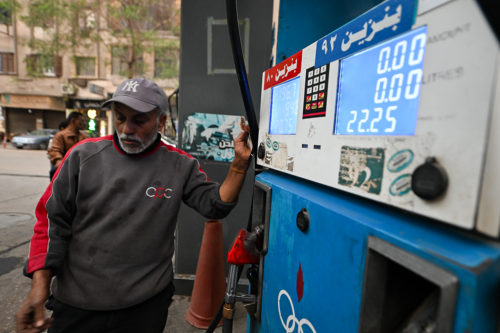
While Egypt is not in the direct line of fire in the US-Israeli war with Iran, its economy is acutely vulnerable to the conflict. In addition to the rising energy prices and shortages that have affected much of the world, it also struggled with issues that reflected its economy’s own underlying structural vulnerabilities.
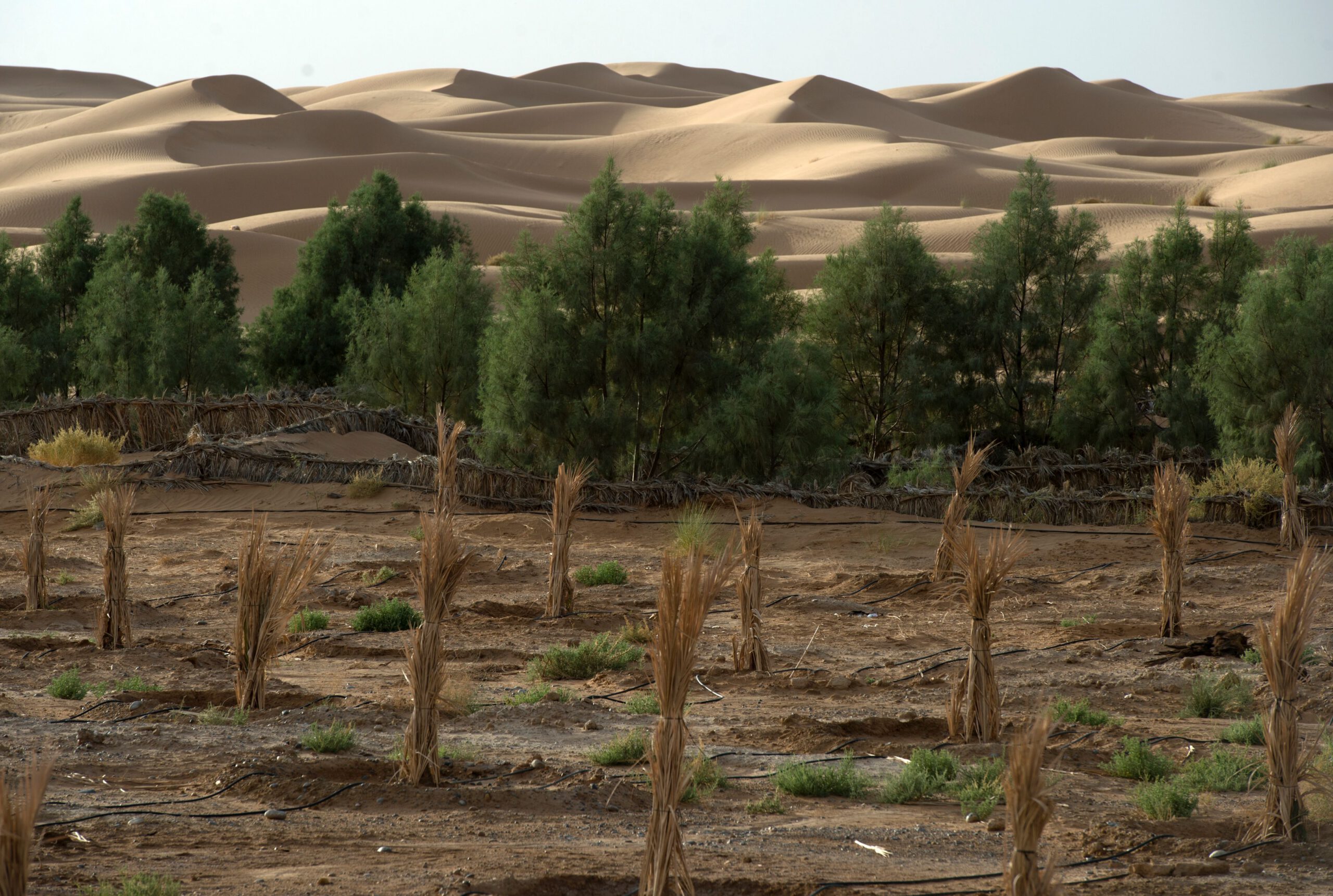
From Hormuz to the Sahel: A Fertilizer Shock, and a Maghreb Solution
The war-time disruptions of international shipping passing through the Strait of Hormuz are spreading through the fertilizer market and affecting supply chains encompassing regions that have no margins to absorb the impact. The Sahel is one such region and now faces a severe threat of widespread hunger.
Libya’s Fragile Equilibrium: Succession Risk and Energy Stability
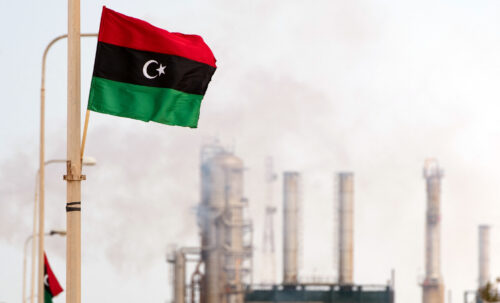
Libya’s stability has taken on renewed strategic importance as the impact of the US and Israeli war with Iran reverberates through global energy markets. Sustaining existing Libyan oil production depends on a governing arrangement capable of keeping ports open, pipelines flowing, and revenues distributed without triggering conflict.
The Ripple Effects of the US-Israel War on Iran for North Africa
North African states feel the consequences of the US-Israel war with Iran less through direct security risks than through economic shocks that affect long-term stability. The region remains highly exposed to disruptions in global food and energy markets, where price spikes can lead to fiscal pressure, inflation, and social unrest.
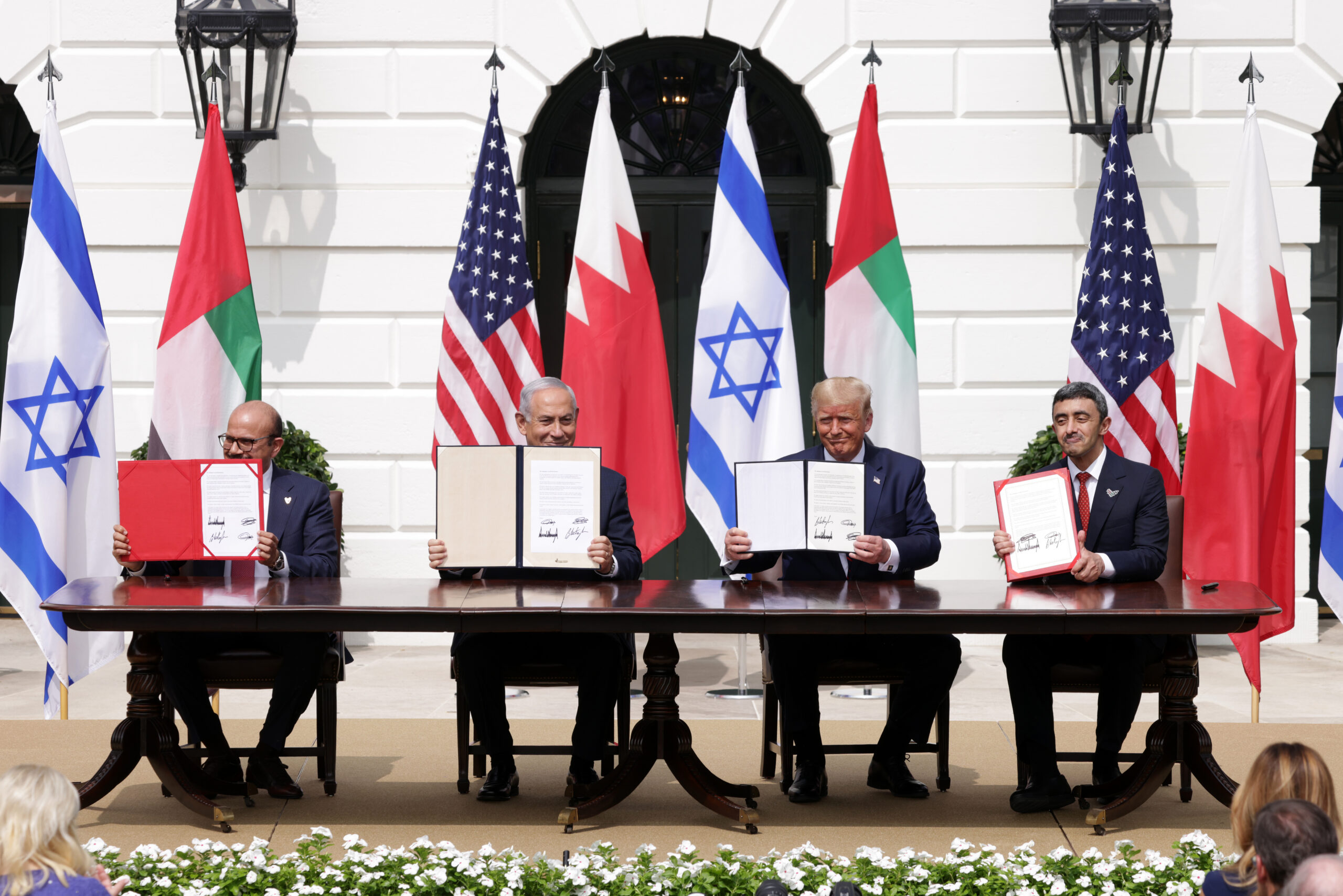
The Abraham Accords have represented a remarkable shift in U.S. Middle East policy. They reframed Arab-Israeli normalization as a result of shared interests – within the Middle East and directly with the US, rather than as a byproduct of Israeli-Palestinian peace. Signed in September 2020, on the last leg of the first Trump administration, the Accords brokered by Washington normalized relations between Israel and the United Arab Emirates (UAE) and Bahrain, followed by framework agreements with Morocco and Sudan. From the American perspective, the Accords were intended to break decades of diplomatic stagnation in the Middle East in order to establish a regional framework aligned with American strategic objectives.
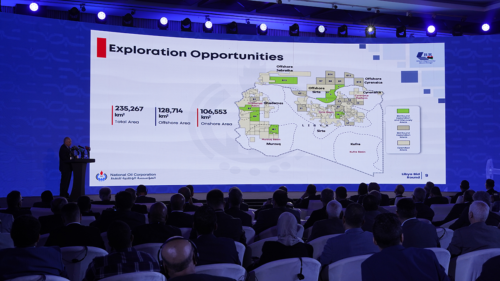
The question facing international oil companies is not whether Libya has oil and gas to develop. It does. The question is whether the country’s current political, economic, and security conditions allow that potential to be converted into reliable returns — and whether near-term changes could alter that calculation.
What Ankara sees in Riyadh — and why it still needs Abu Dhabi
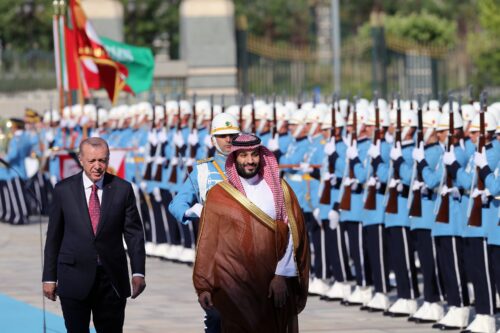
As the rivalry between Riyadh and Abu Dhabi sharpens in Yemen and beyond, Turkey has begun edging closer to Saudi Arabia, sparking claims that a new regional order is taking shape: a Turkey-Saudi axis backed by a NATO-like defense architecture, implicitly aligned against Israel and the United Arab Emirates. This reading overstates the case.
From Brightest Hope to Open-Air Prison: How Tunisia Lost Its Democratic Promise
Thousands of Tunisians marched in the capital last week against what they called ‘injustice and repression,’ accusing President Kais Saied of cementing one-man rule through the police and judiciary. The protest is part of a wider wave of unrest—journalists, NGOs, fractured political parties, doctors, bankers, and transport workers all say Saied has turned the country into an open-air prison and demand relief from Tunisia’s deepening political and economic crisis.
The oldest peer-reviewed publication dedicated to the study of the modern Middle East, MEI’s flagship journal covers politics, society, and culture in the region.