This article is part of a collection of short essays written by the Fellows of the Middle East Institute to explore aspects of the ongoing war with Iran. The intent of the collection is to help readers see new and unexpected elements of the dynamics and impact of the ongoing hostilities and to think harder, deeper, and broader about the implications of the conflict.
Egypt: How the Iran War Has Affected Egypt’s Calculations
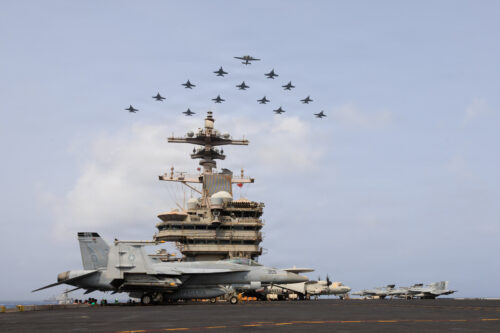
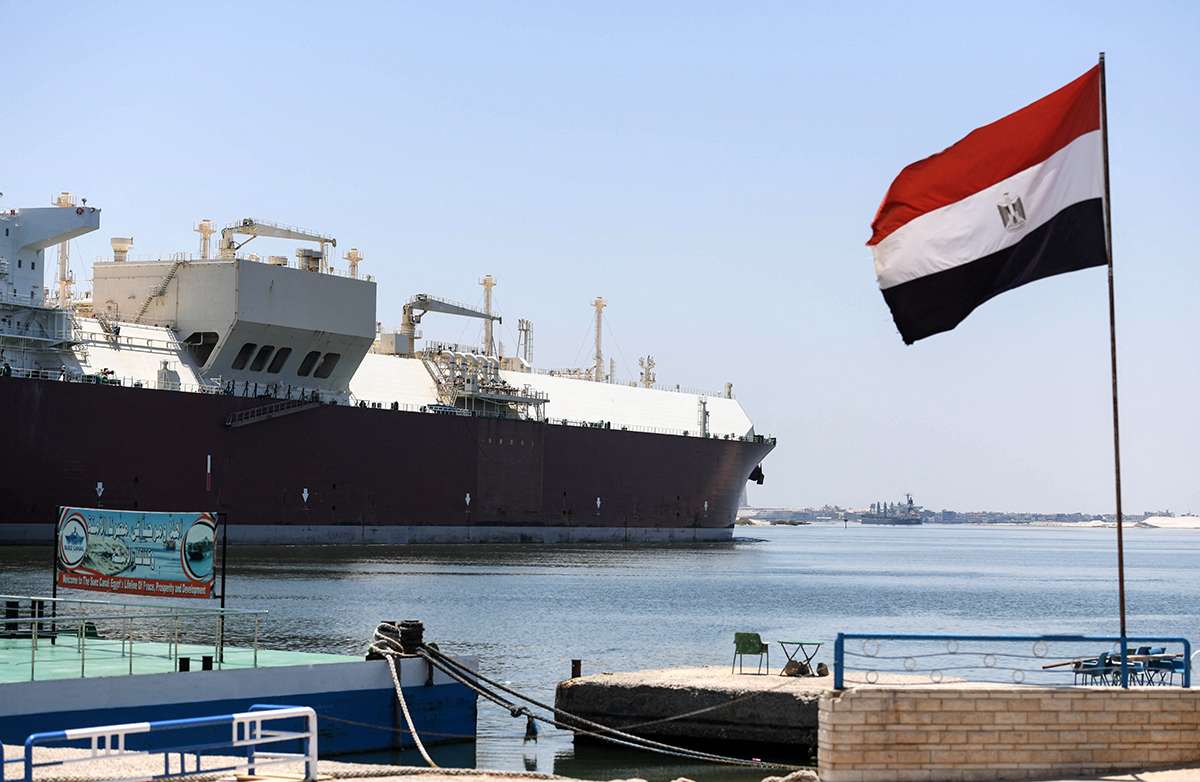
Egypt, which is not party to the war on Iran, has become a target as well as an intermediary in the conflict. As a result, the war has affected Egypt’s future calculations, particularly in three major areas: its economy, its security, and its regional alliances.
Algeria and Morocco have long been at odds, but recent diplomatic moves may signal a widening geopolitical split in North Africa. Hosts Alistair Taylor and Matthew Czekaj are joined by MEI Senior Fellow Intissar Fakir to unpack Algeria’s decision to sever diplomatic ties with the United Arab Emirates and Morocco’s warming relations with both the UAE and Israel. They also explore linkages between these diplomatic shifts and the Western Sahara conflict, Moroccan domestic concerns, particularly in light of this week’s elections, as well as broader regional stability.
After the Rapid Support Forces’ seizure of al-Fashir, the capital of the North Darfur State and the last remaining stronghold of the Sudanese army, the conflict in Sudan has once again drawn international attention. This development is the latest in a devastating civil war that has lasted over two years. MEI’s Jehanne Henry unpacks the origins of the conflict, the humanitarian situation on the ground, and what needs to happen in the future.
Morocco-Algeria: The case for ambitious reconciliation
On October 31, the United Nations Security Council passed a resolution centering Morocco’s autonomy plan as the basis for resolving the Western Sahara conflict. The UN vote and comments from United States Special Envoy Steve Witkoff suggest President Donald Trump wants another headline foreign policy “peacemaking” win. But the opportunity for the Trump administration is bigger than just resolving the Western Sahara issue. It could unlock an opportunity for Morocco-Algeria reconciliation that could integrate the wider Maghreb economy, reduce migration into Europe, expand energy cooperation, and enable stronger Sahel counter-terrorism coordination.
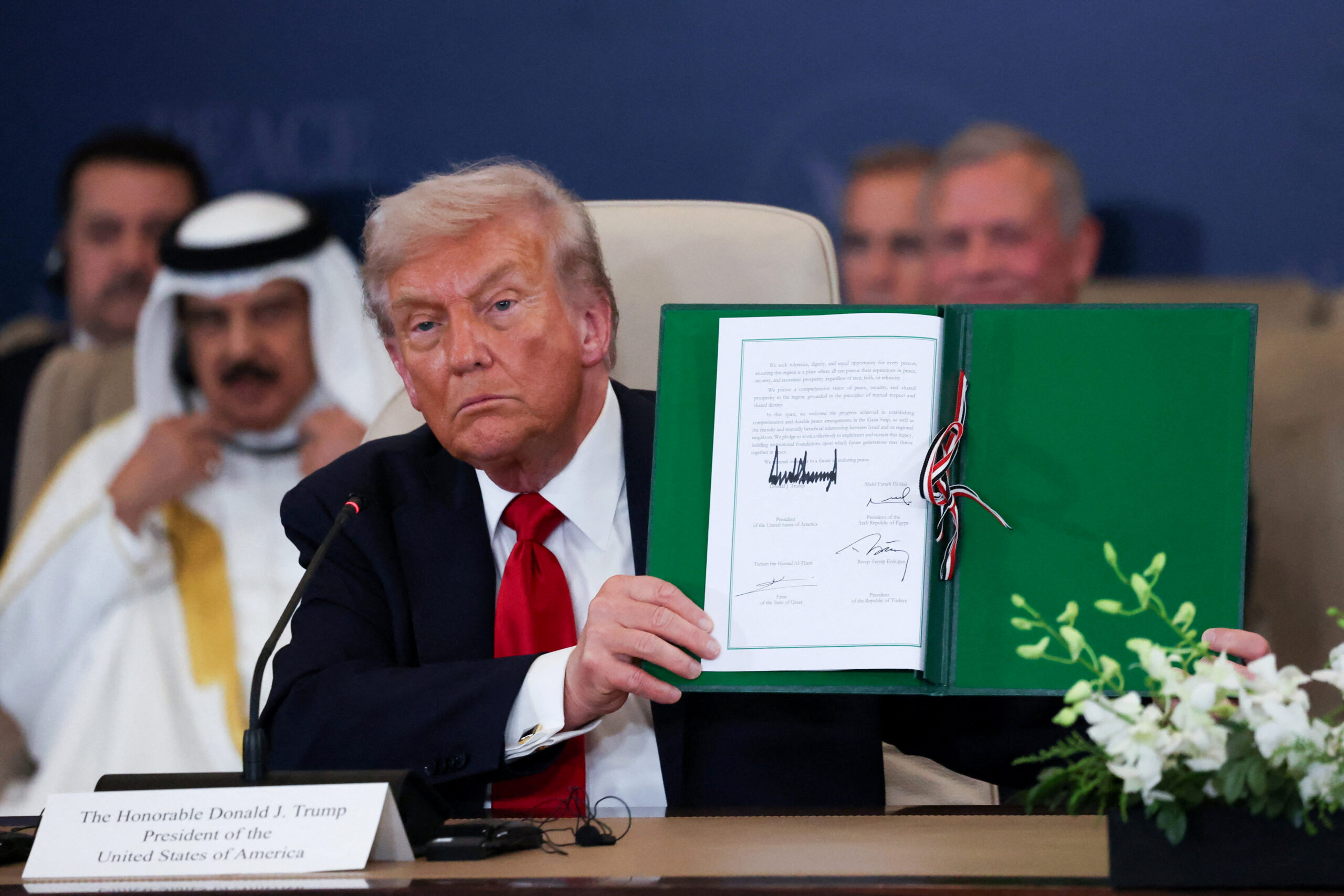
Trump’s big week in the Middle East weighed down by troubles on other fronts
US President Donald Trump started off his week by flying to Israel and Egypt to mark the Gaza cease-fire and release of the last remaining Israeli hostages. But as these positive developments unfolded in the Middle East, the Trump administration’s overall agenda remained weighed down on other fronts.
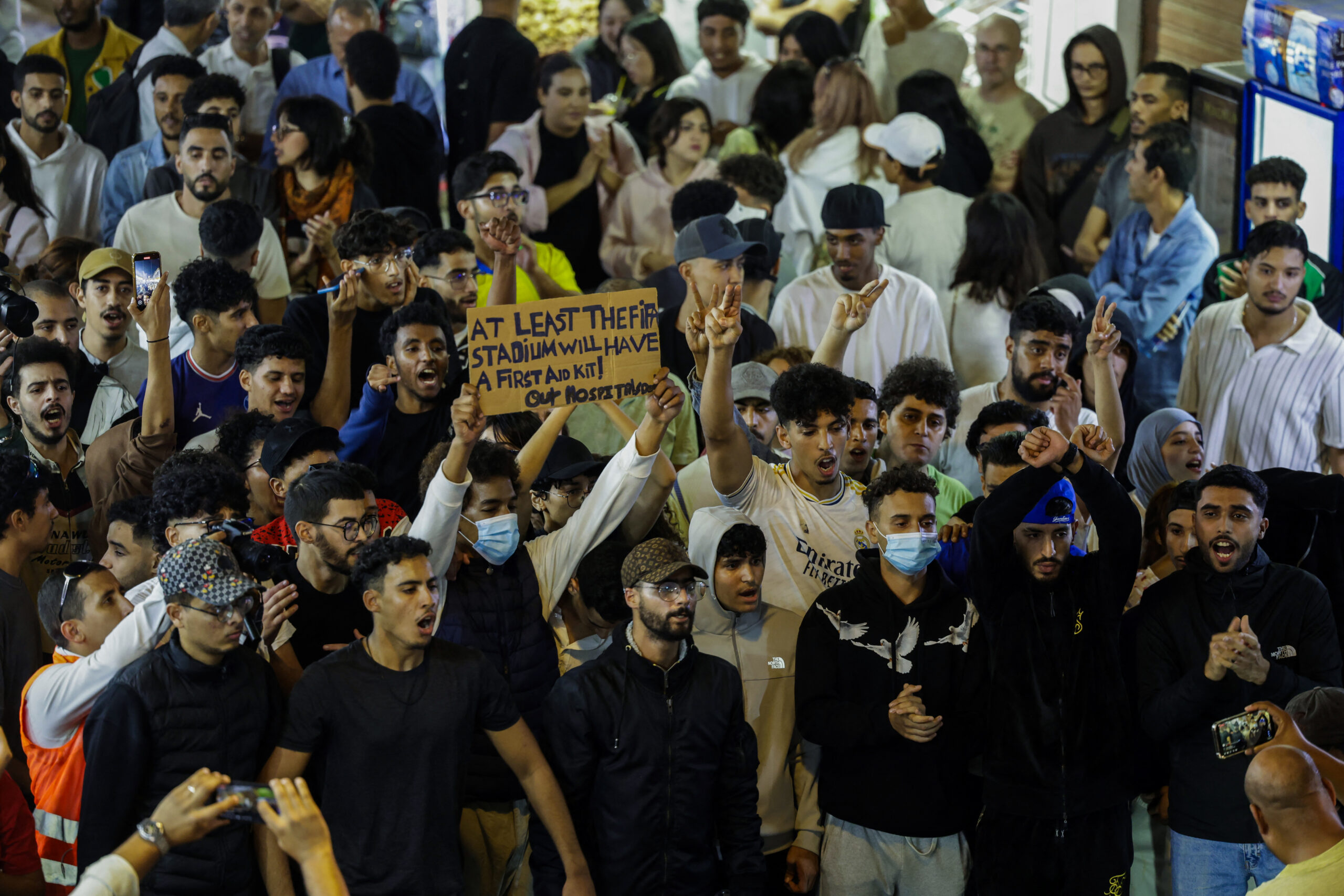
Moroccan youth angrily protest government’s failed development promises
Hundreds of young Moroccans are protesting across 11 cities since September 27 under the banner “GenZ 212.” The central trigger behind the demonstrations has been a deep popular frustration with Morocco’s persistent inability to deliver on its development plans and promises. This sort of broad disaffection will be challenging for the government to address quickly and credibly.
Water and Power: Egypt, Sudan, and Ethiopia at Odds Over Africa’s Largest Dam
In this episode of Middle East Focus, hosts Alistair Taylor and Matthew Czekaj are joined by MEI Senior Fellow Mirette F. Mabrouk to unpack the growing tensions over the recently inaugurated Grand Ethiopian Renaissance Dam (GERD) on the Nile.
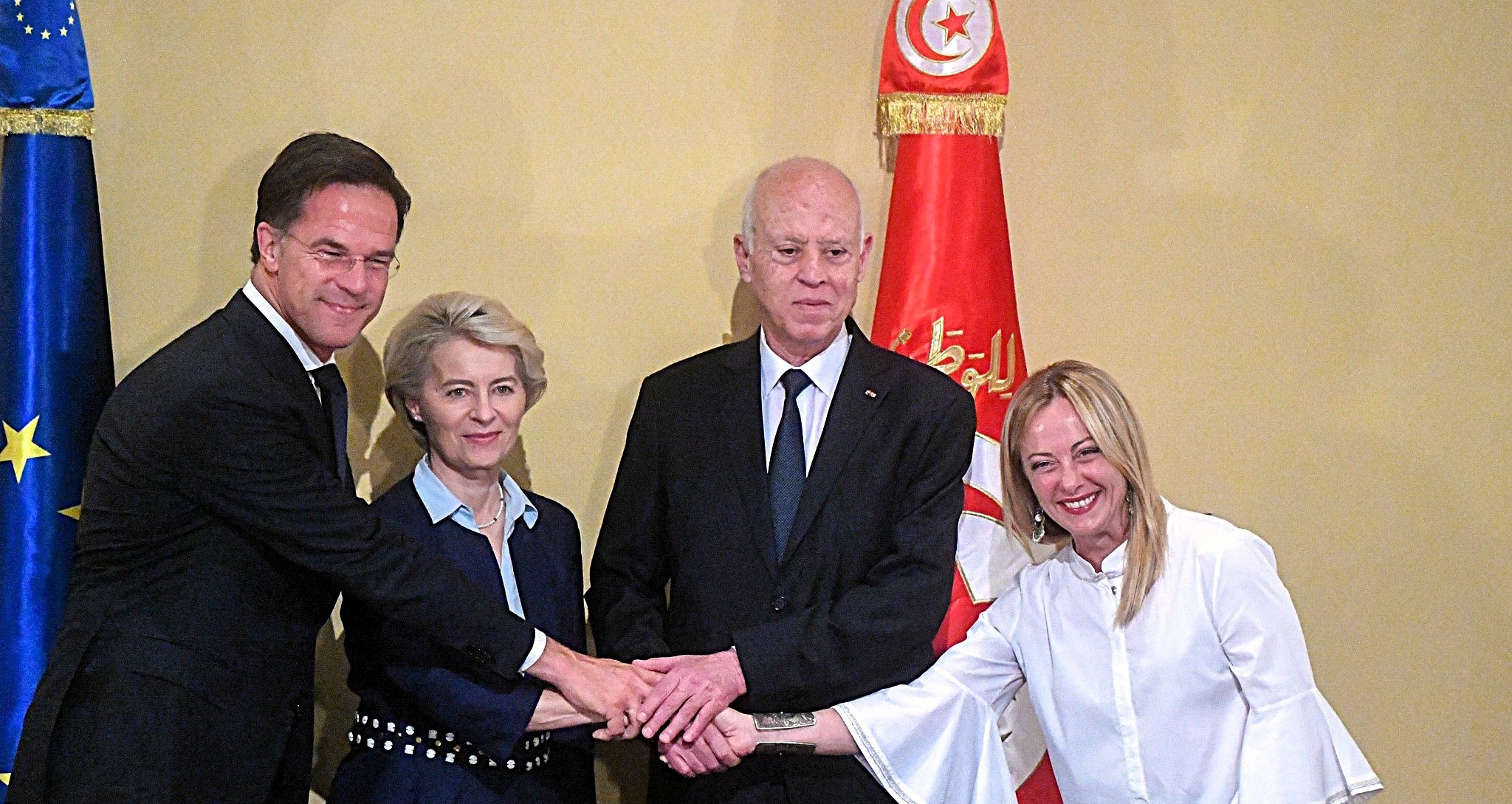
North African states are turning long-standing diplomatic relationships into new opportunities for leverage, using migration flows, energy supplies, and security partnerships as bargaining chips. These new tactics and strategies are reshaping regional diplomacy.
The long-awaited IMF staff report review of Egypt’s $8 billion loan agreement provides a thorough and unvarnished look at the current state of the economy. The report highlights potential opportunities for the country — but only if it first tackles overdue structural reforms.
As the Western Sahara conflict reaches its fifth decade, the territorial dispute remains unresolved and largely unknown. MEI’s Intissar Fakir unpacks the Western Sahara’s complex history and the rival claims by Morocco and the Sahrawi Arab Democratic Republic. She examines recent developments, such as President Trump’s recognition of Moroccan sovereignty over the territory and the collapse of a 30-year cease-fire, as well as the core questions that remain unanswered after half a century.
Egypt and Gaza: Conflict, Crisis, and the Path to a Ceasefire
With the dire humanitarian crisis in Gaza in the global spotlight, Egypt faces mounting pressure both at home and abroad. In this episode of Middle East Focus, hosts Alistair Taylor and Matthew Czekaj speak with MEI Senior Fellow Mirette Mabrouk about how Cairo is handling the crisis in the neighboring coastal strip. What are the Egyptian government’s main concerns as conditions there continue to deteriorate? How is Egypt responding to domestic outrage and changing international dynamics?
Egypt and Saudi Arabia: Any good relationship needs work
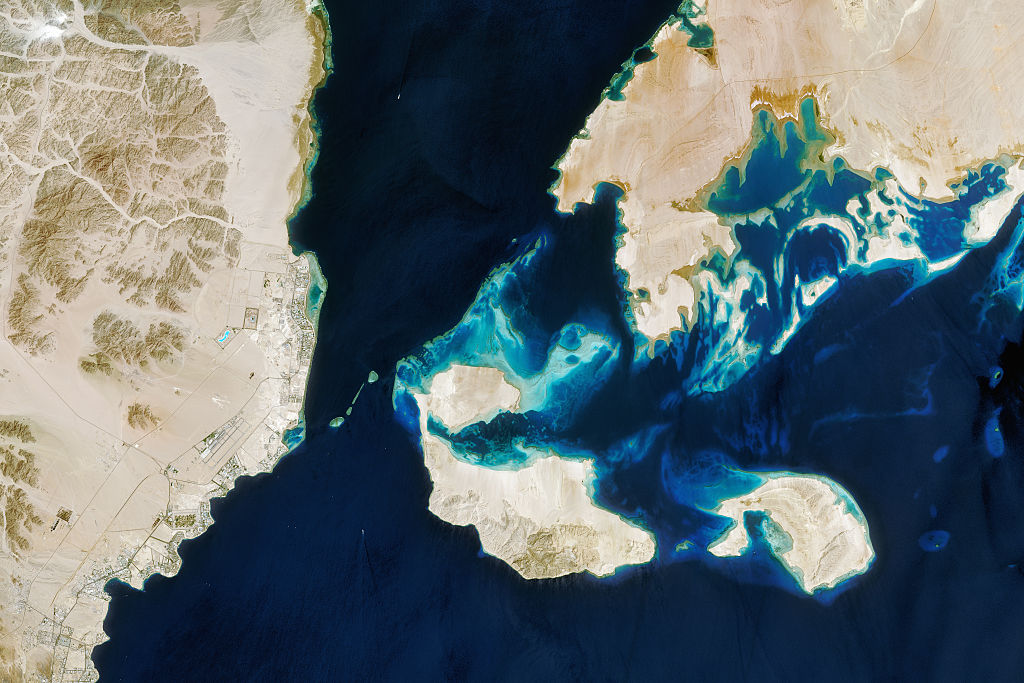
Egypt and Saudi Arabia share many foreign policy and regional security objectives and have a long and complicated relationship. Recent events in the Middle East have strengthened that relationship, even as they continue to negotiate difficult bilateral issues, like the long-running dispute over control of the islands of Tiran and Sanafir.
The ripple effects of US foreign aid cuts to food and water access across North Africa
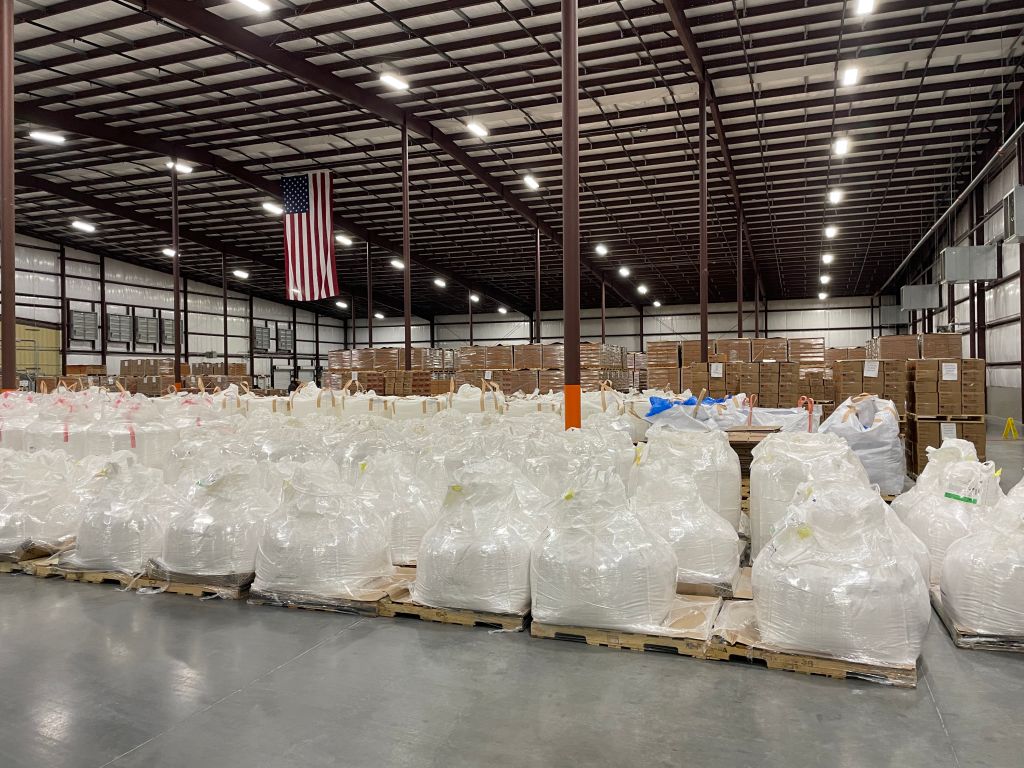
When Executive Order (EO) 14169, “Reevaluating and Realigning United States Foreign Aid,” was issued and implemented by the administration of President Donald Trump in early 2025, it effectively halted nearly all US foreign aid. The order primarily suspended the disbursement of non-military aid programs, leading to the termination of US-funded assistance projects, contracts, and employment across the world. The impact of this abrupt elimination of foreign aid was especially acute for humanitarian and development programs, crippling those targeting food assistance, clean water access, public health, and agricultural support.
Managing Threats to Food Security: Water and Agricultural Resilience in North Africa
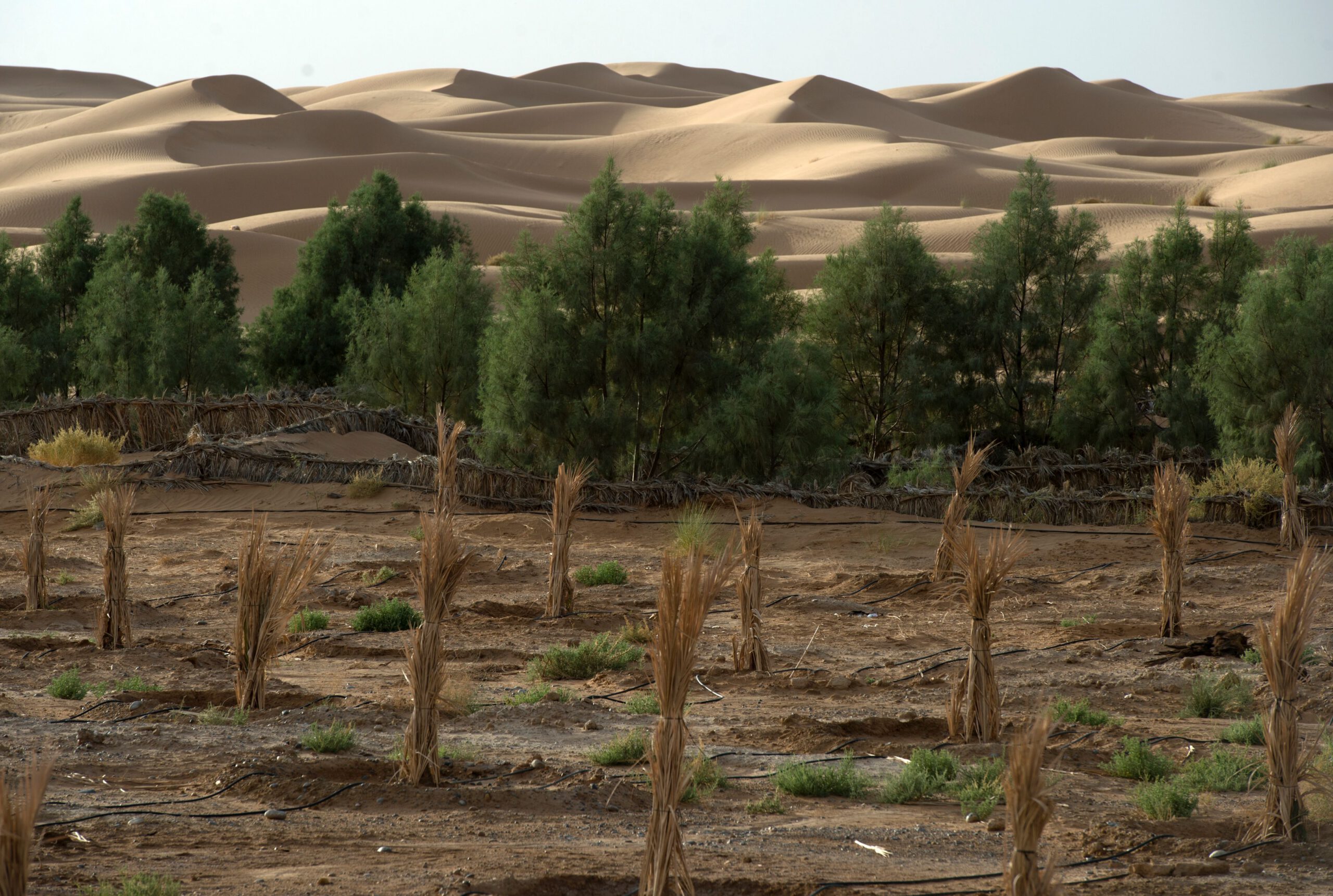
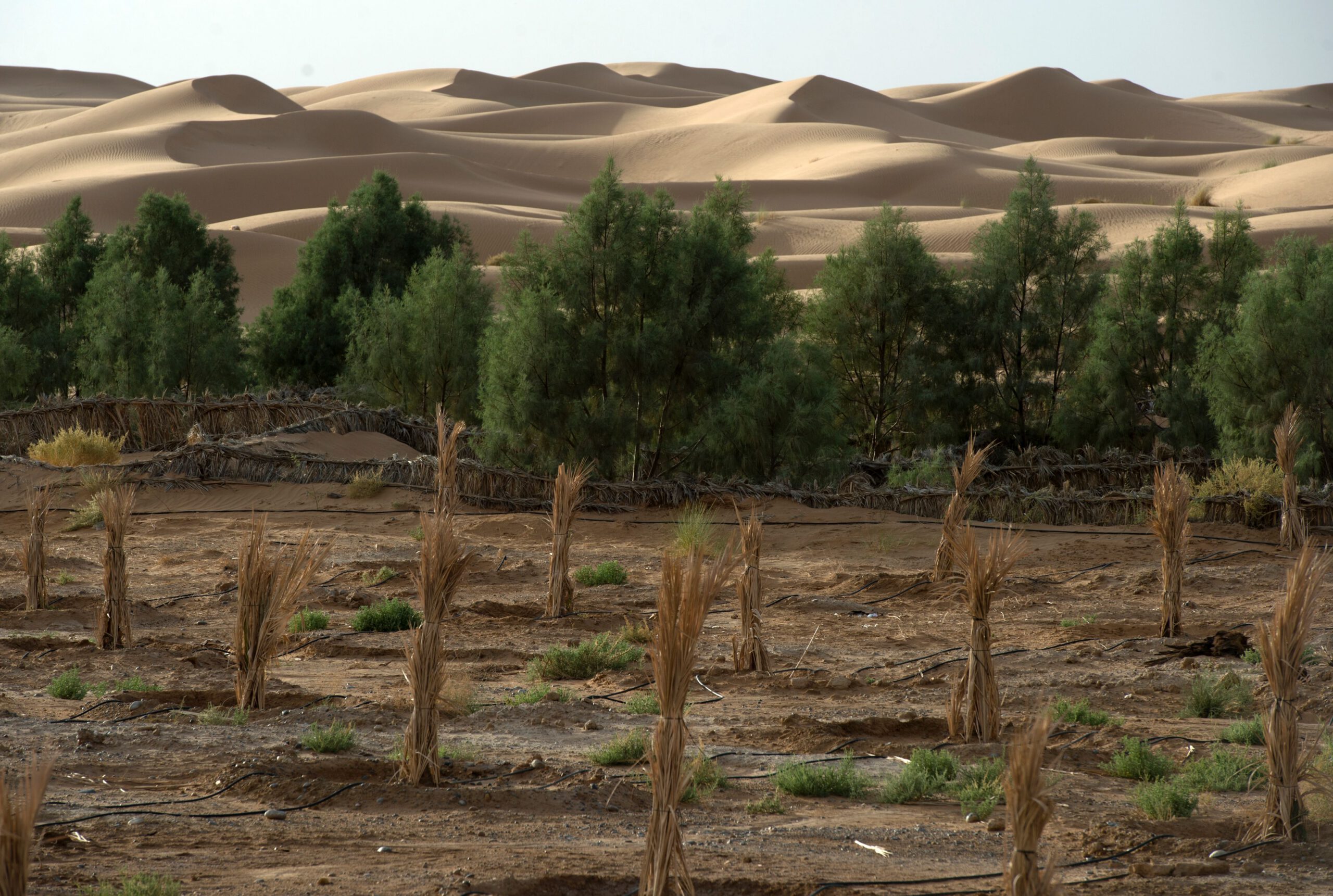
Sustaining food security in North Africa is a complex and evolving challenge, influenced by the region’s arid climate, limited water resources, and sparse arable land. In response, efforts to enhance food security by governments, farmers, and non-governmental organizations have been centered on adopting climate-resilient agricultural practices, efficient irrigation techniques, and sustainable land-management strategies. Despite these efforts, food security in North Africa remains fragile due to systemic pressures on agricultural systems from climate change, water scarcity, and increasing market demands.
Two Years of War in Sudan and the Elusive Path to Peace
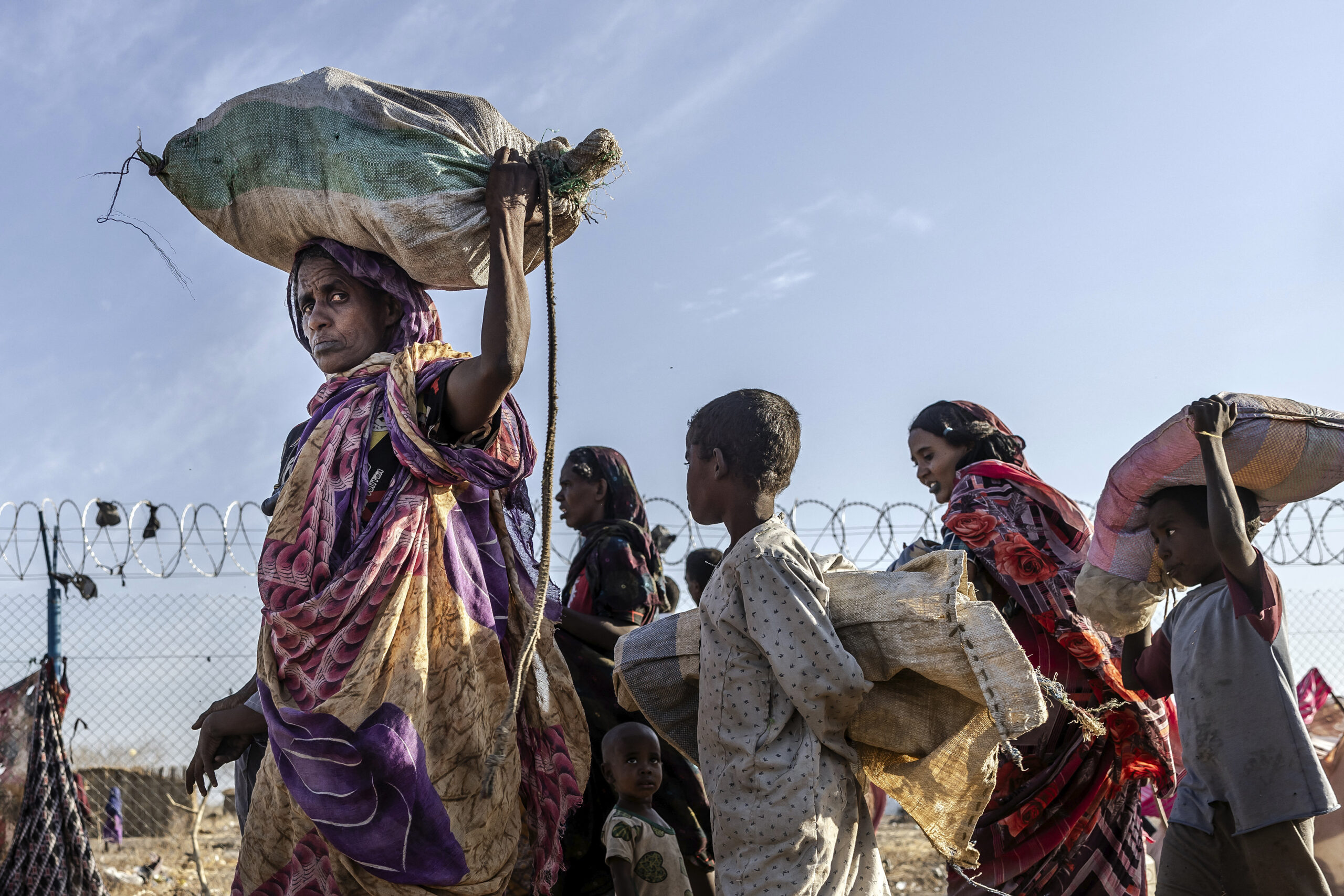
As Sudan’s civil war enters its third year, the humanitarian catastrophe continues to spiral, with more than 12.7 million people displaced and little hope of resolution in sight.
Jehanne Henry, MEI Associate Fellow and former Africa Director at Human Rights Watch, joins hosts Alistair Taylor and Matthew Czekaj to assess the latest developments on the ground. She outlines the scale of devastation, the regional spillover effects, and the war economy fueling the fighting.
Two years on, Sudan’s war seems further than ever from resolution. Can US involvement help peace efforts?
Two years on, the war between the Sudanese Armed Forces and the paramilitary Rapid Support Forces has created the world’s largest humanitarian crisis and wrought terrible destruction.
The oldest peer-reviewed publication dedicated to the study of the modern Middle East, MEI’s flagship journal covers politics, society, and culture in the region.