This article is part of a collection of short essays written by the Fellows of the Middle East Institute to explore aspects of the ongoing war with Iran. The intent of the collection is to help readers see new and unexpected elements of the dynamics and impact of the ongoing hostilities and to think harder, deeper, and broader about the implications of the conflict.
Egypt: How the Iran War Has Affected Egypt’s Calculations
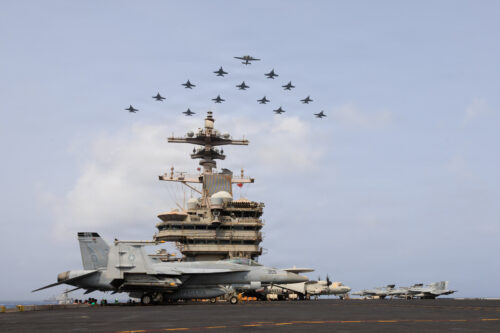
Egypt, which is not party to the war on Iran, has become a target as well as an intermediary in the conflict. As a result, the war has affected Egypt’s future calculations, particularly in three major areas: its economy, its security, and its regional alliances.
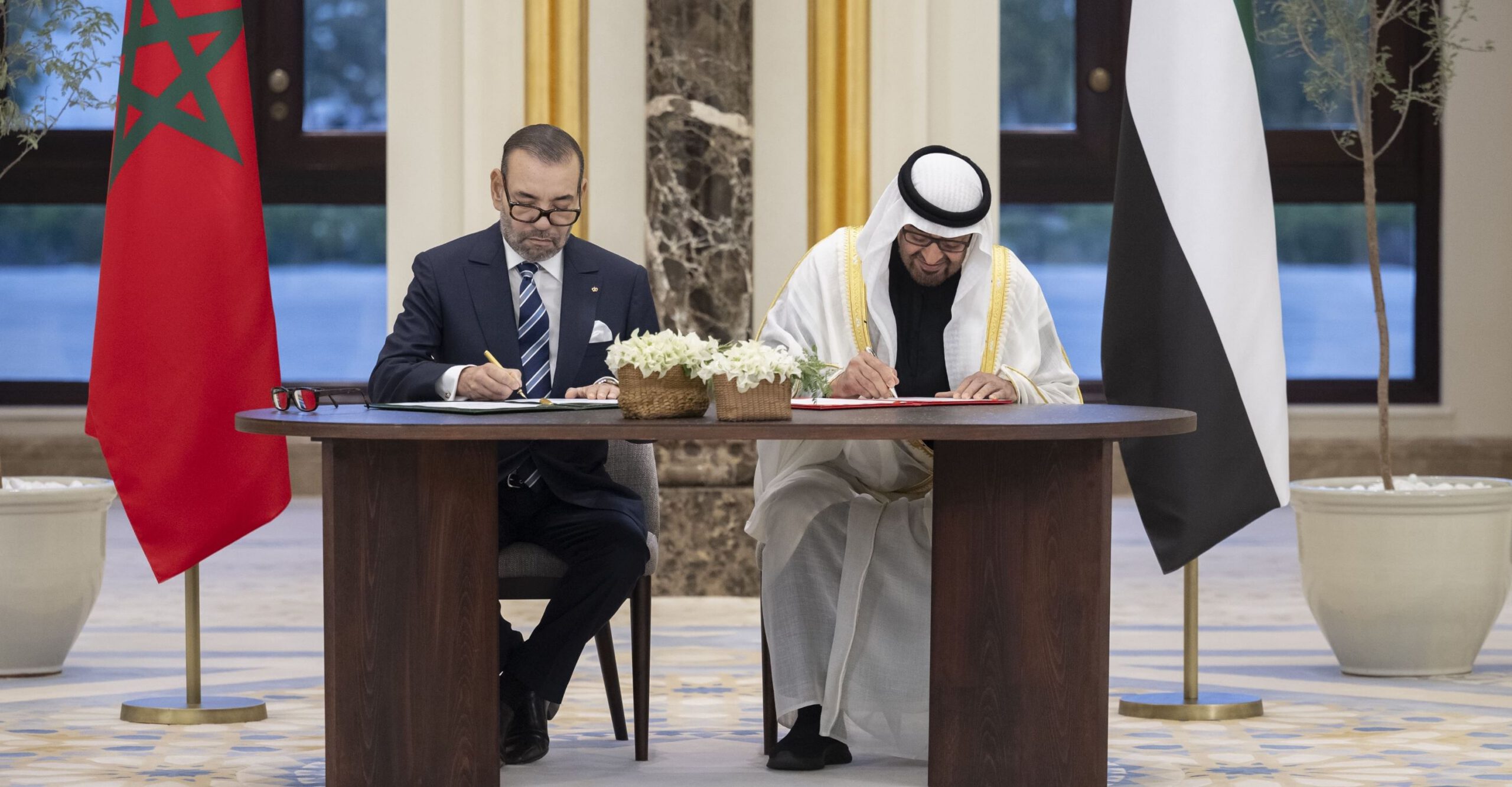
Algeria and Morocco have long been at odds, but recent diplomatic moves may signal a widening geopolitical split in North Africa. Hosts Alistair Taylor and Matthew Czekaj are joined by MEI Senior Fellow Intissar Fakir to unpack Algeria’s decision to sever diplomatic ties with the United Arab Emirates and Morocco’s warming relations with both the UAE and Israel. They also explore linkages between these diplomatic shifts and the Western Sahara conflict, Moroccan domestic concerns, particularly in light of this week’s elections, as well as broader regional stability.
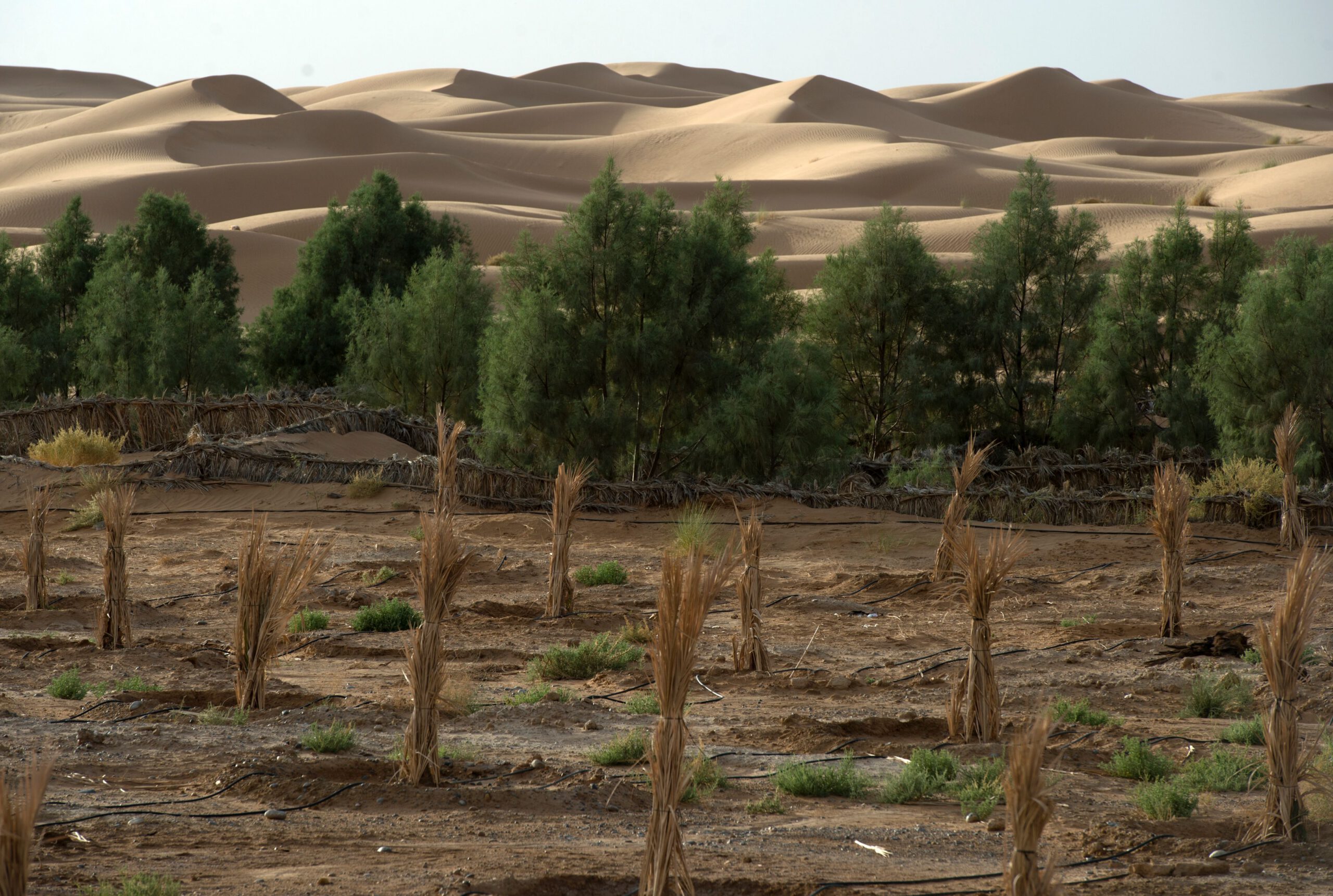
The impact of climate variability on Morocco’s agriculture
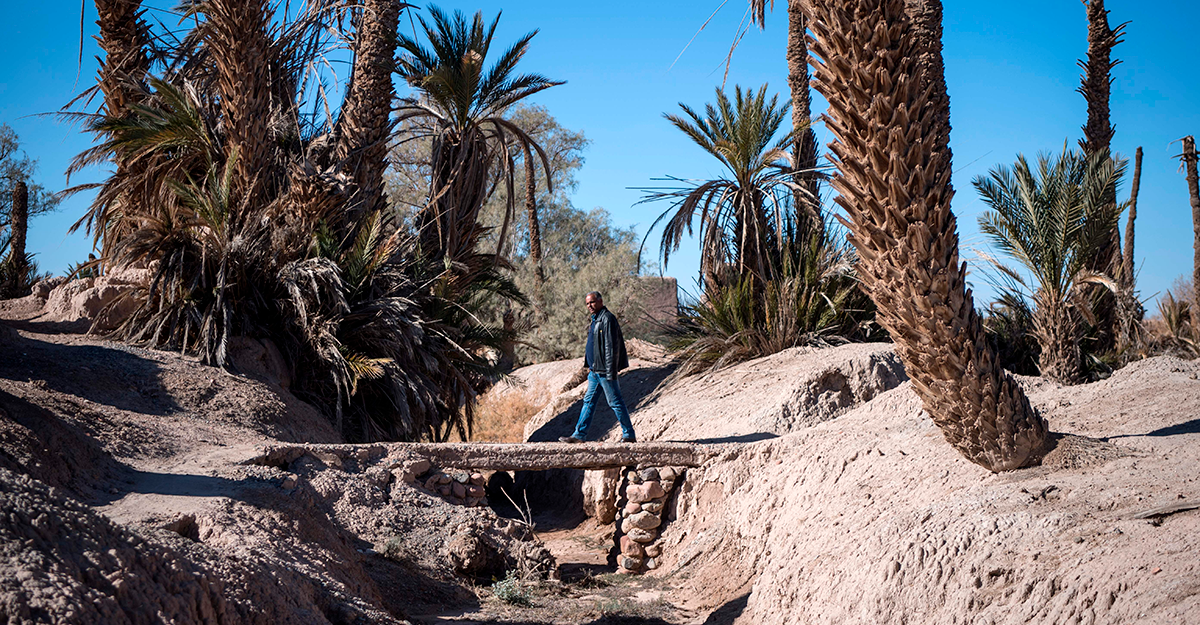
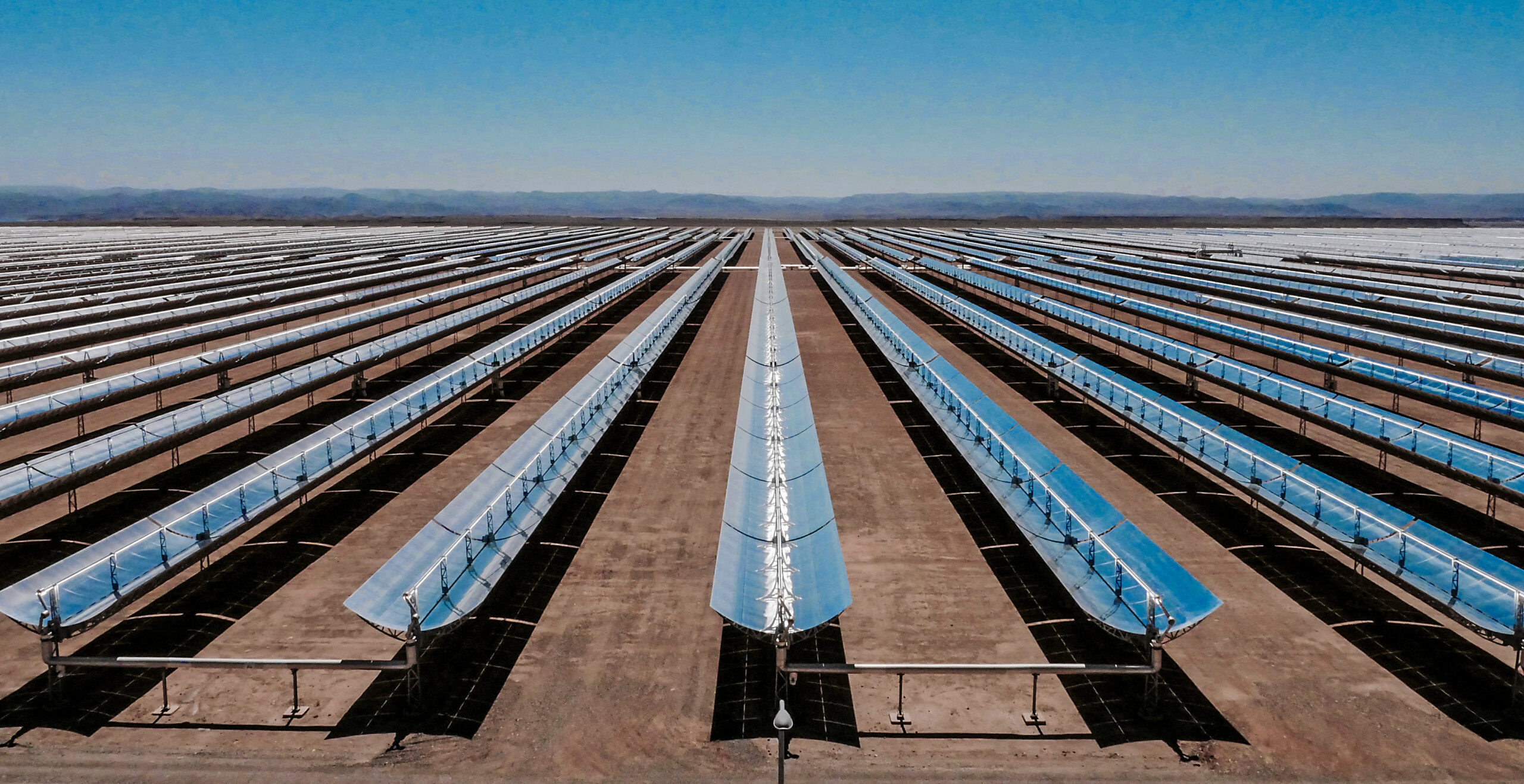
Climate variability is becoming a key factor in shaping economic stability, agricultural productivity, and water security worldwide. Periods of prolonged drought and sudden shifts in precipitation can have far-reaching consequences, particularly for countries that rely heavily on natural water sources for farming and economic growth. As weather patterns become increasingly unpredictable, there is a need to navigate both the immediate impacts of climate change and the long-term strategies needed for climate resilience. Finding the right balance between short-term relief and sustainable adaptation is a fundamental challenge for economies dependent on agriculture and water availability. Nowhere is this more evident than in Morocco.
Pressuring Egypt over Gaza will not work and is not in the US interest
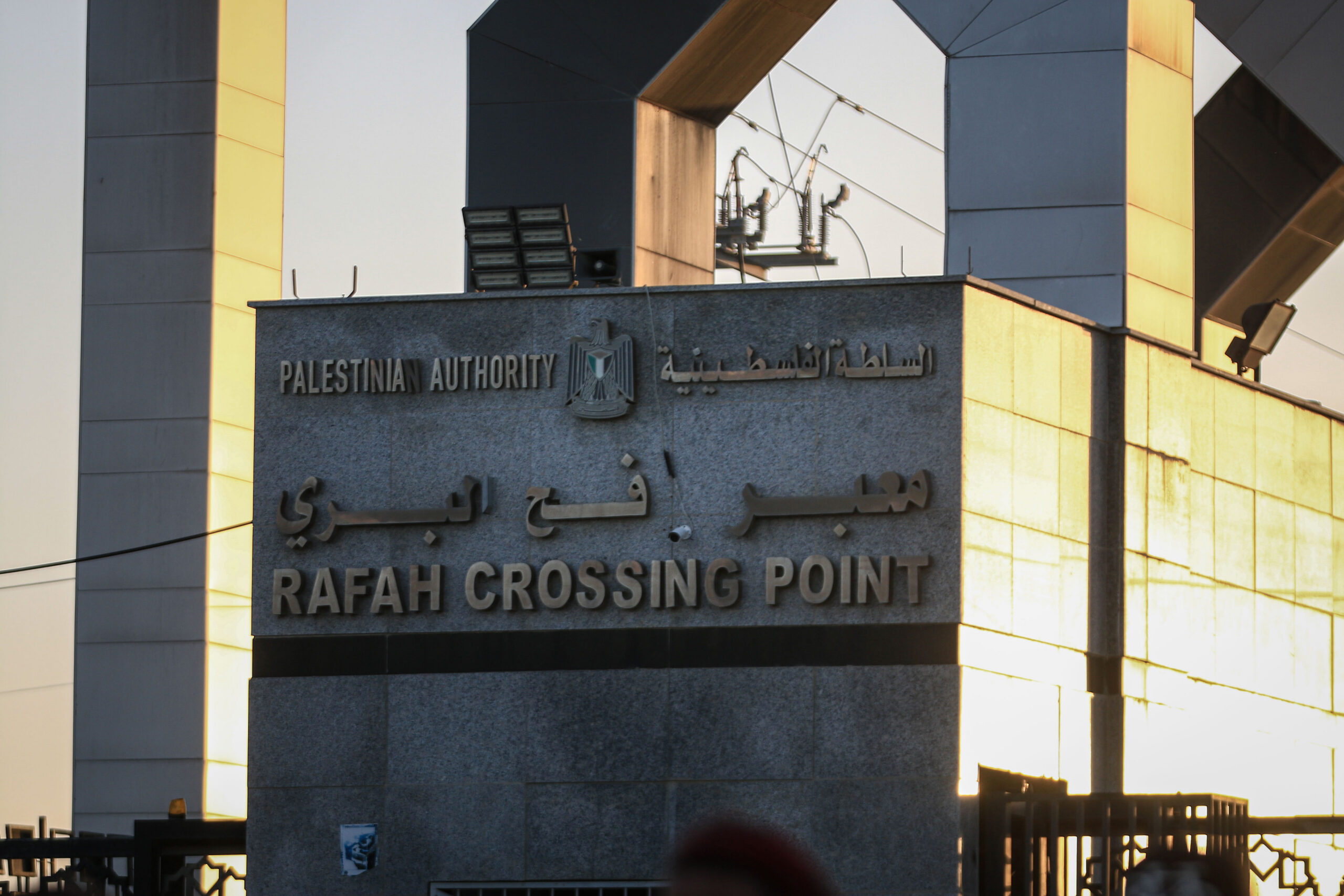
Almost immediately after the start of the conflict in Gaza, Israeli Prime Minister Benjamin Netanyahu and his governing coalition began a concerted effort to persuade first the European Union and then the United States to pressure Egypt to accept Palestinian refugees. Egypt refused and continues to do so. Capitulating is not in Cairo’s national interest and bullying it will only backfire.
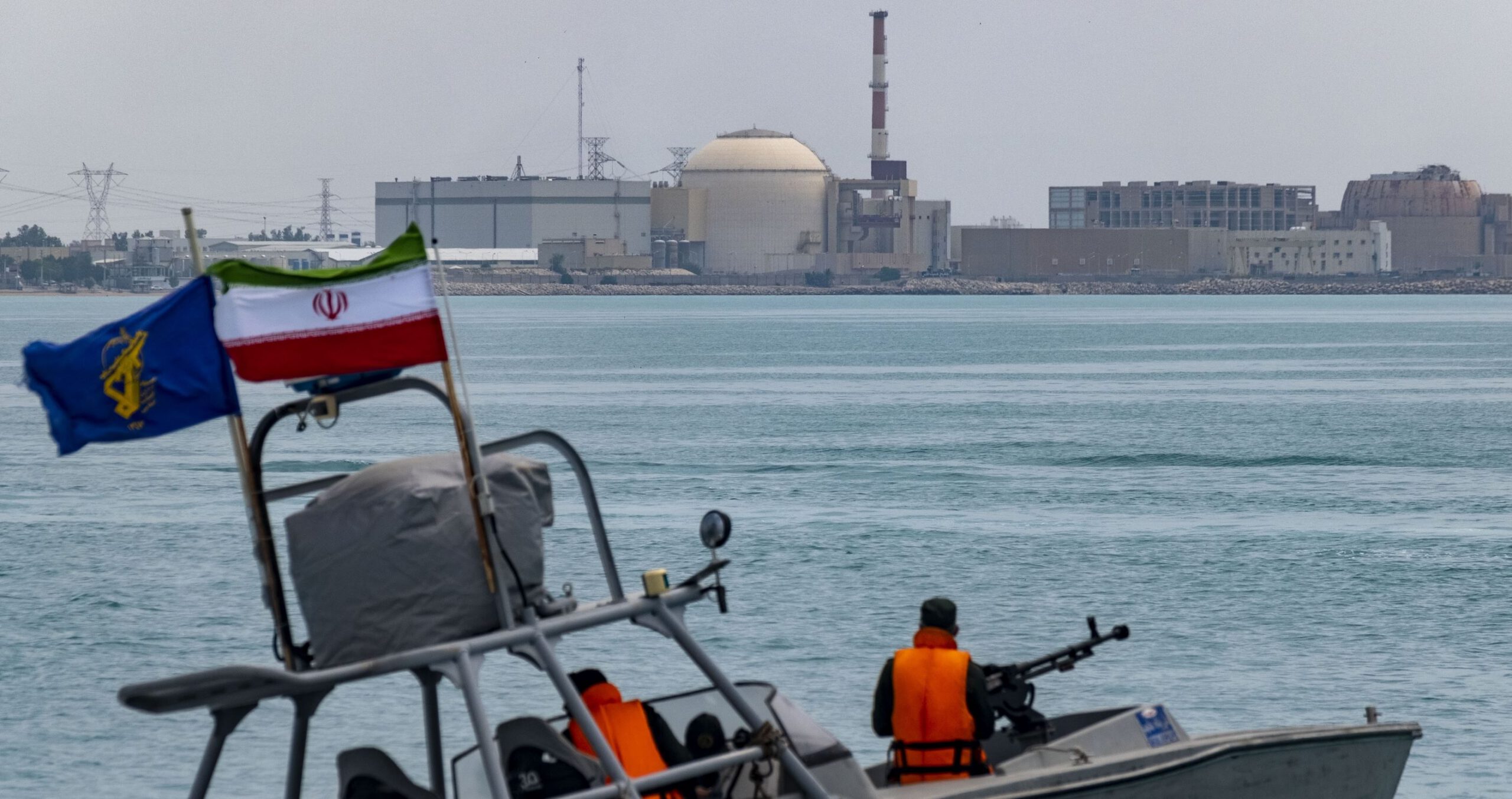
Iran is accumulating enough near-weapons-grade enriched uranium to build a nuclear weapon within weeks or months, not years. President Donald Trump, having withdrawn the United States in 2018 from the nuclear deal that would have postponed that possibility, is now appealing for negotiations with Tehran. But in the Middle East, the nuclear question does not concern only Iran.
Sovereignty first: Reshaping international cooperation in North Africa
Countries in North Africa and around the world are increasingly prioritizing a strict definition of sovereignty and tending toward transactional diplomacy. Understanding the motivations behind North Africa’s “sovereignty-first” approach can help the United States and Europe build mutually beneficial and durable links with the region in this new reality.
Illegal arrest and detention of Libyan Asset Recovery head reflects worsening Libyan corruption
Endemic corruption in Libya continues to deter foreign investment, cripple public services, and erode trust in government. This dismal situation is driven by the ongoing power struggles among Libya’s political and military elite. Recently, bad actors in both Libya’s east and west have undertaken a spree of arbitrary arrests and detentions that the United Nations Support Mission in Libya has now warned are not only illegal, but creating “a climate of fear.”
Rebalancing Russia’s Mediterranean strategy: From showing the flag to retreating to the gray zone
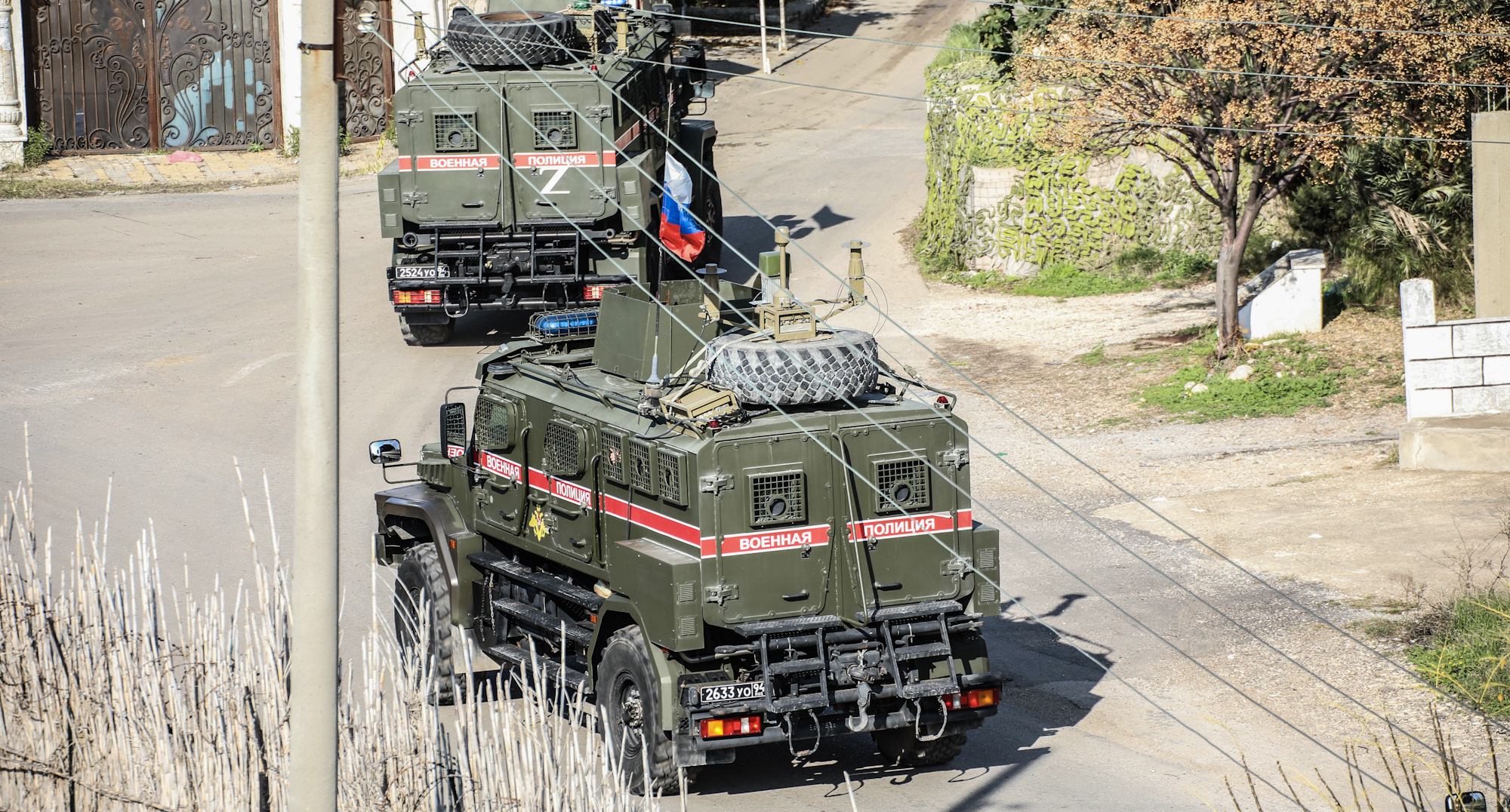
Either maintaining Russia’s military bases in Syria or finding an alternative outpost in the Mediterranean will prove extremely difficult for Moscow. And part of the problem with pursuing the latter option, particularly if in Libya, is that it would require a full-on transformation of Russia’s military presence model — from more traditional bases designed to establish deterrence by showing the flag in the region to building up a military and logistical operation inside a security “gray zone.”
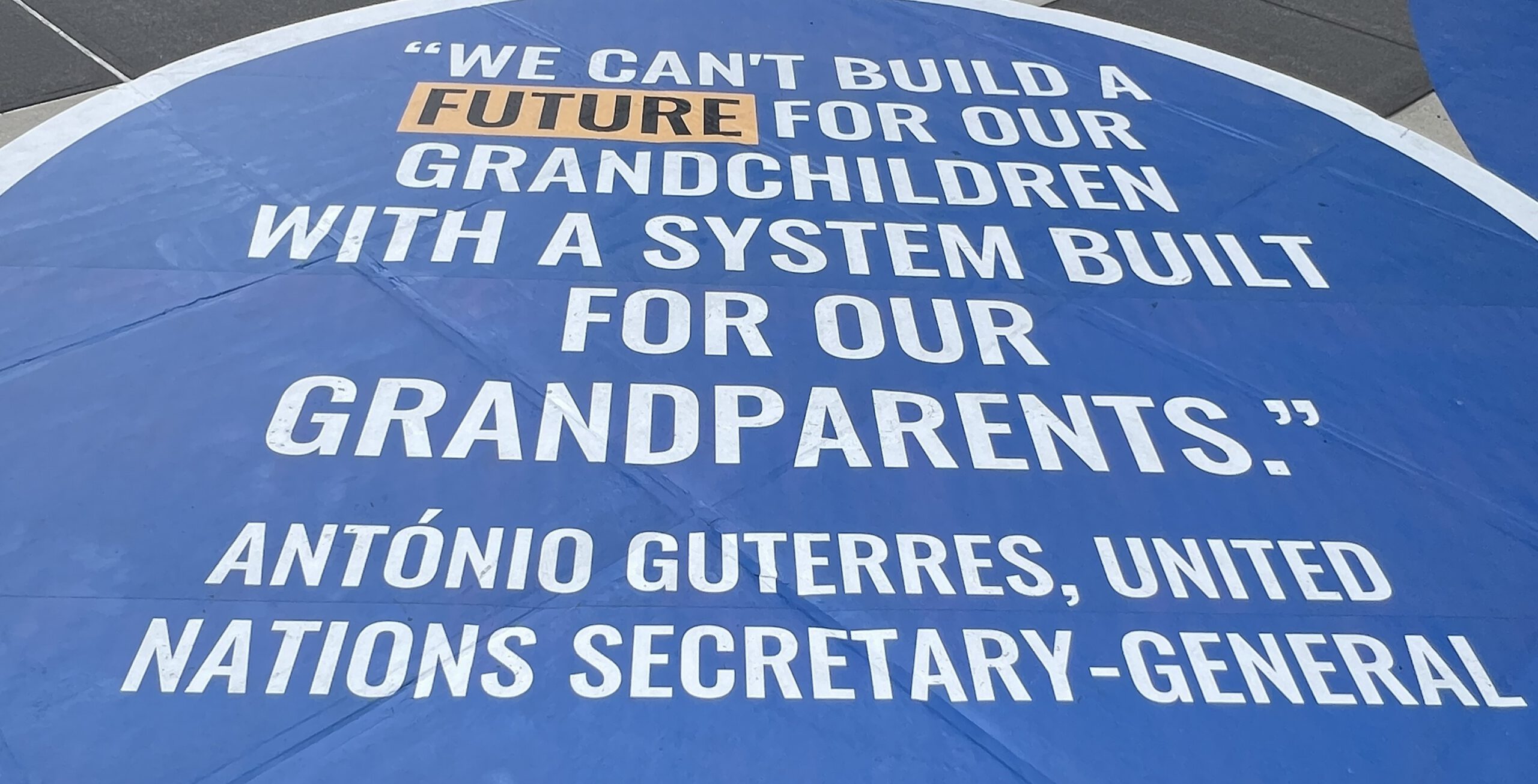
At last month’s Summit of the Future, the more than 190 UN member countries agreed to unprecedented new commitments on behalf of future generations, and they pledged to build a long-term future perspective into their mechanisms of governance, domestically and multilaterally. MEI’s Strategic Foresight Initiative program director Steven Kenney reflects on attending the summit and its outcomes.
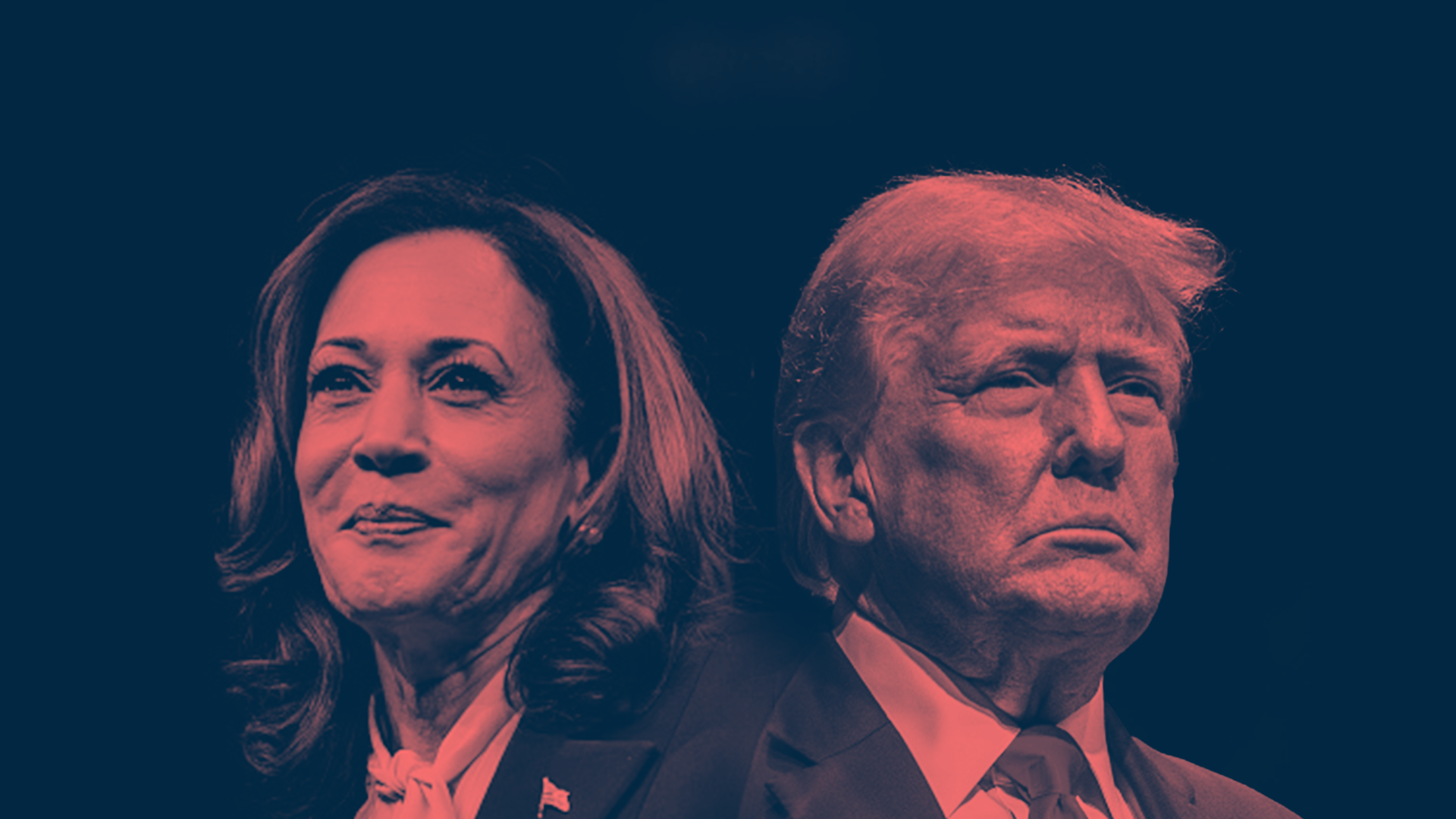
The two leading presidential candidates in America’s 2024 election have made statements and established track records on the Middle East based on their time in office. This document aims to highlight the most important and reliable positions staked out by former President Donald Trump and current Vice President Kamala Harris.
Excluded candidates, marginalized dissent before Tunisia’s presidential elections
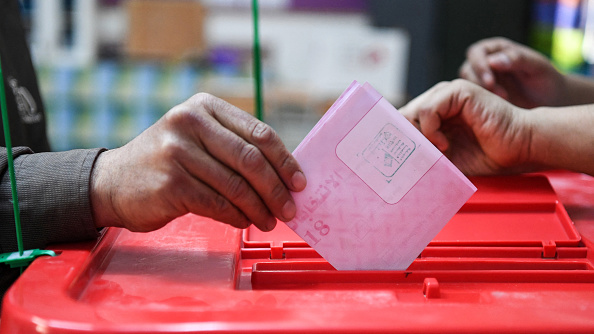
Before Tunisian voters have their say in the presidential election on Oct. 6, state institutions have already had their say. The security services, judicial authorities, and the High Independent Electoral Authority (ISIE) have either obstructed or officially barred over a dozen potential candidates from running. Of the three eligible candidates officially approved by the ISIE, only President Kais Saied and former Saied supporter Zouhair Maghzaoui remain outside of prison. Candidate Ayachi Zammel was arrested on Sept. 6. Many other potential candidates attempted to run from prison or were jailed for alleged technical violations of election laws. By restricting the list of potential candidates effectively to two, state institutions have embraced their historically paternalistic, modernizing role toward a distrusted citizenry.
Change and continuity in EU’s foreign policy in the MENA region: What to expect from the new political cycle in Brussels
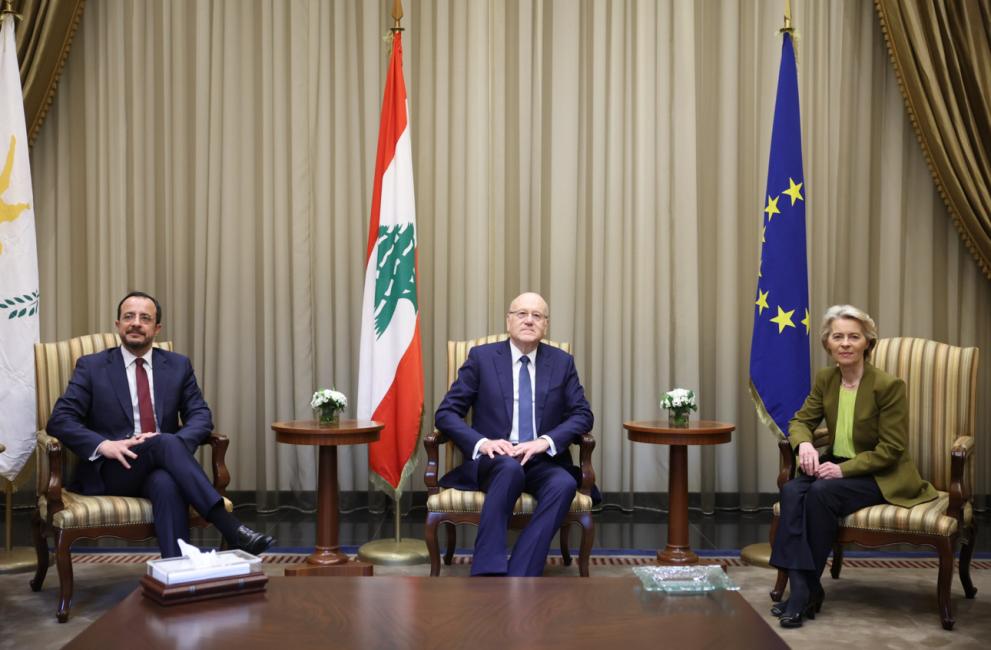
In the corridors of power in Brussels, it is common to hear that the position of the EU High Representative for Foreign Affairs and Security Policy is an impossible job. It may actually become even more difficult for the outgoing Estonian Prime Minister Kaja Kallas, who is set to succeed the Spanish Josep Borrell as the European Union’s foreign policy chief in the coming weeks.
The oldest peer-reviewed publication dedicated to the study of the modern Middle East, MEI’s flagship journal covers politics, society, and culture in the region.