This article is part of a collection of short essays written by the Fellows of the Middle East Institute to explore aspects of the ongoing war with Iran. The intent of the collection is to help readers see new and unexpected elements of the dynamics and impact of the ongoing hostilities and to think harder, deeper, and broader about the implications of the conflict.
Egypt: How the Iran War Has Affected Egypt’s Calculations
Egypt, which is not party to the war on Iran, has become a target as well as an intermediary in the conflict. As a result, the war has affected Egypt’s future calculations, particularly in three major areas: its economy, its security, and its regional alliances.
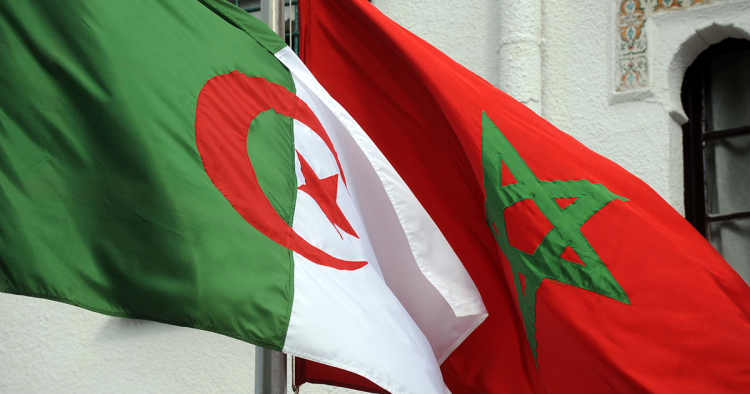
Algeria and Morocco have long been at odds, but recent diplomatic moves may signal a widening geopolitical split in North Africa. Hosts Alistair Taylor and Matthew Czekaj are joined by MEI Senior Fellow Intissar Fakir to unpack Algeria’s decision to sever diplomatic ties with the United Arab Emirates and Morocco’s warming relations with both the UAE and Israel. They also explore linkages between these diplomatic shifts and the Western Sahara conflict, Moroccan domestic concerns, particularly in light of this week’s elections, as well as broader regional stability.
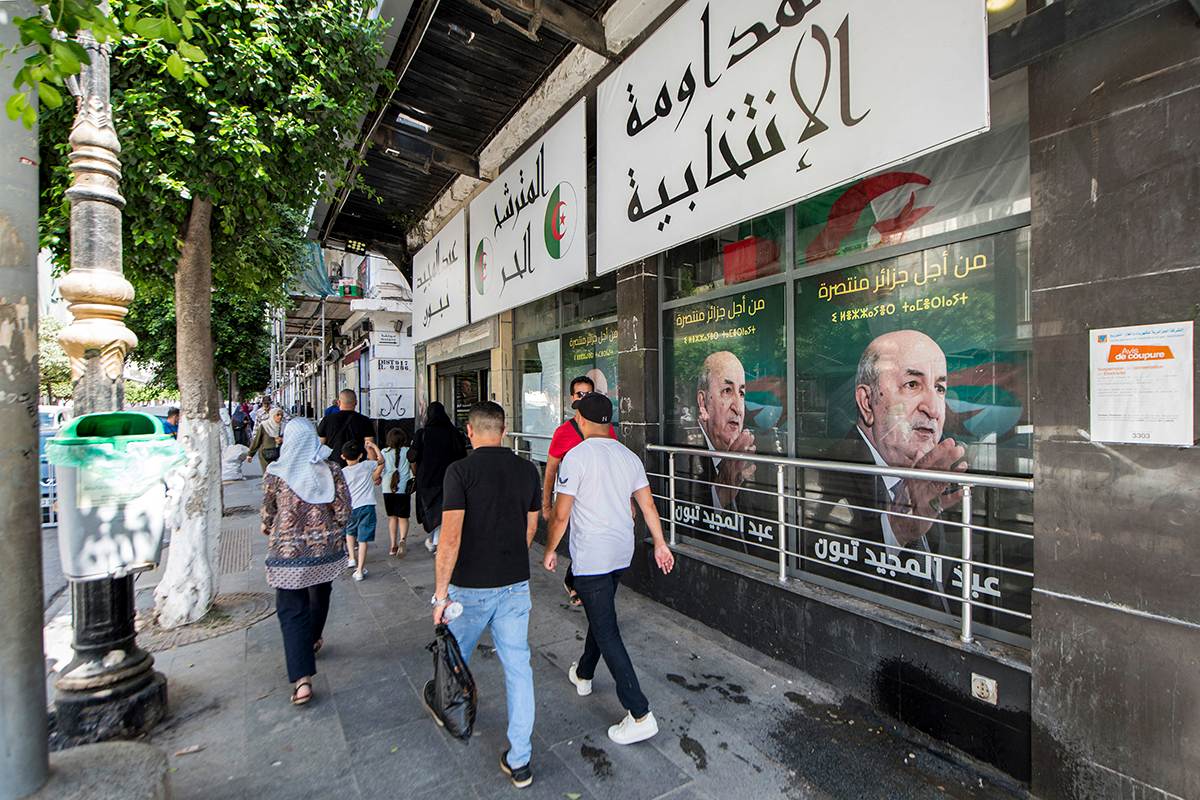
Algeria’s 2024 presidential elections: Keeping up with populist authoritarianism
Algeria is poised for a presidential election on Sept. 7 that, while seemingly predetermined, reveals the complexities of a political landscape profoundly shaped by popular disillusionment following the failure of the 2019 Hirak protest movement. Five years on, incumbent Abdelmadjid Tebboune is promising a second term based on the “continuation of the social state,” but his attempt to renew a social contract based on populist promises of a neoliberal economic renewal is colliding with the lack of institutional reforms necessary to achieve them.
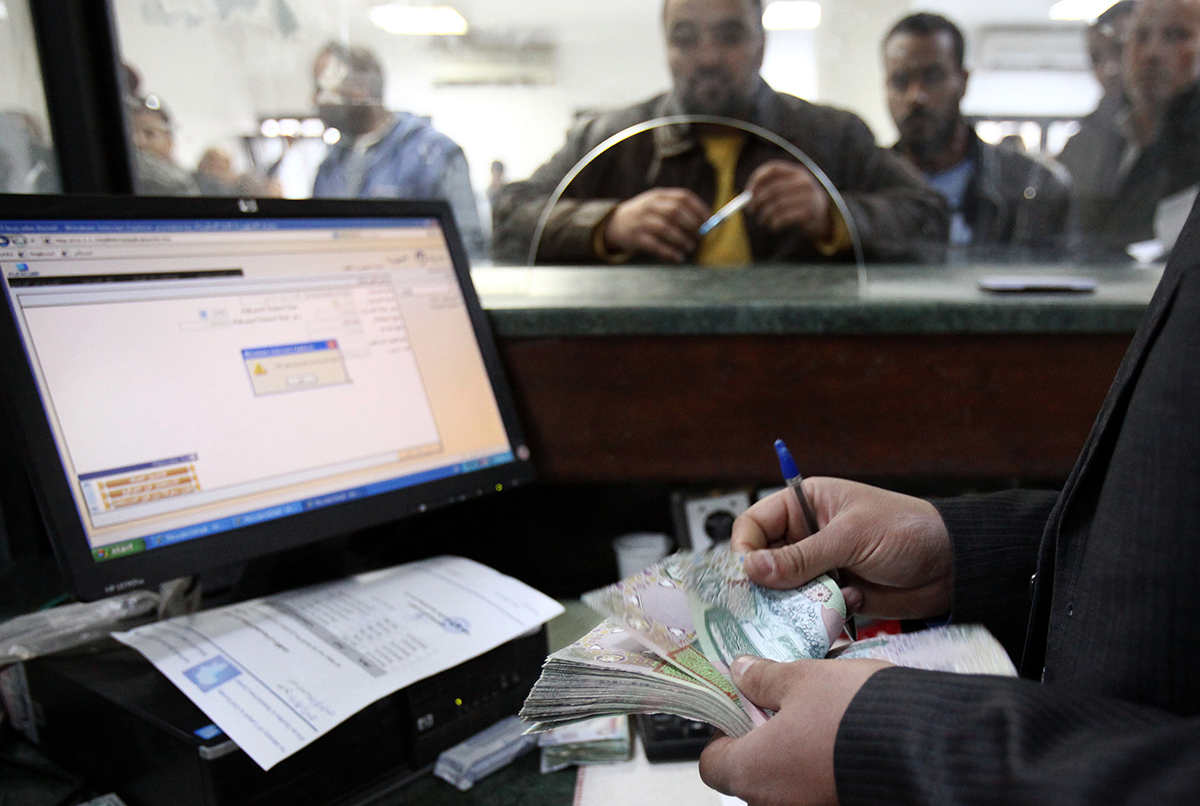
Brokering a solution to the Libyan Central Bank crisis
The ongoing effort by various factions in Libya to gain control of the Central Bank of Libya (CBL) poses a clear and present danger for the entire country, threatening its safety and security as well as its economy.
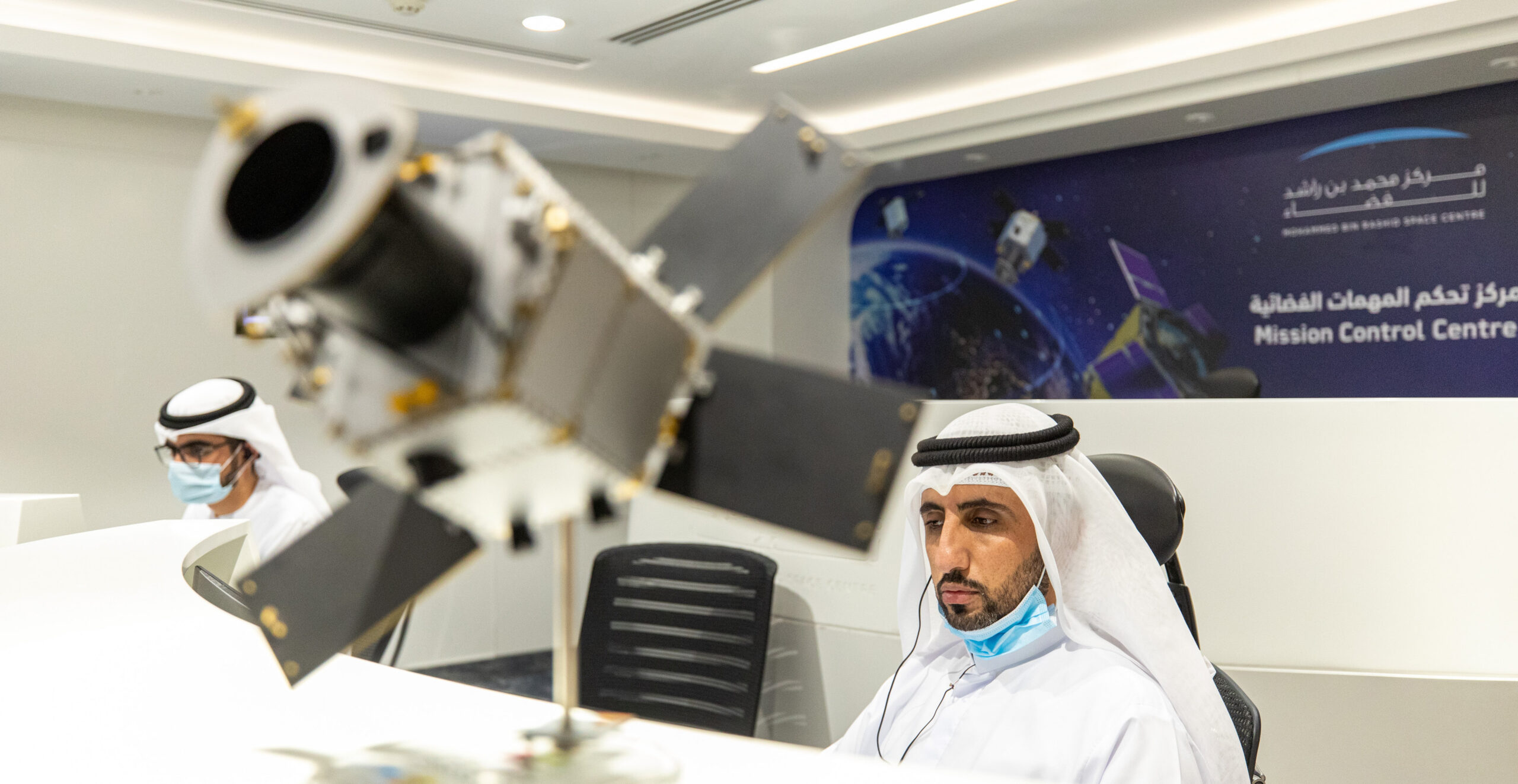
As the Middle East becomes more autonomous and empowered domestically, the leaders in the region might consider more synergetic relations with each other and prepare national long-term plans that provide a balanced and integrated approach to social, technological, environmental, economic, and political development and progress.
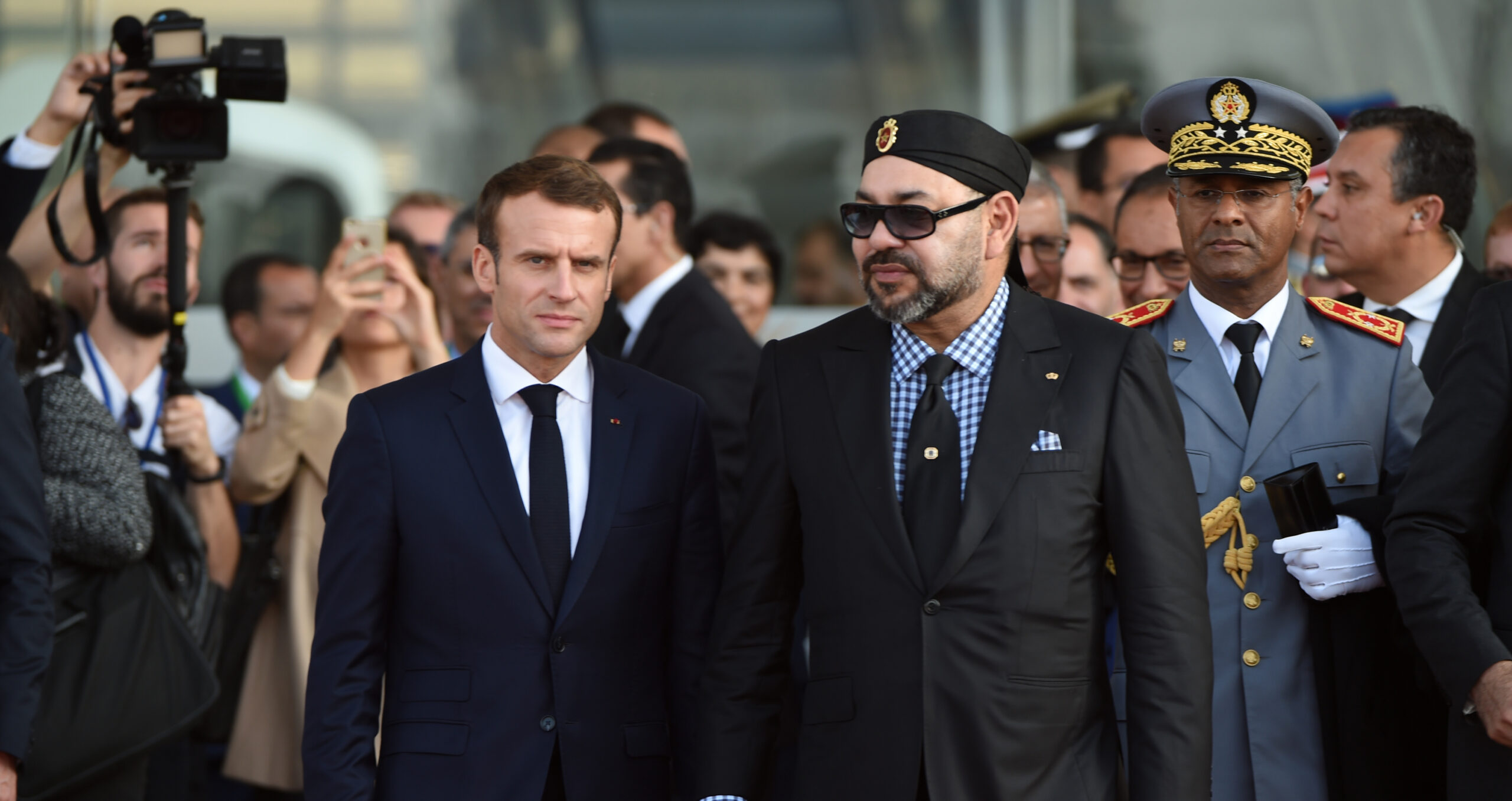
French embrace of Moroccan autonomy plan underscores broader shift on Western Sahara dispute
Macron announced that France views Morocco’s autonomy proposal not only as a viable solution, but the most viable solution to the conflict. This semantic shift is a significant change of French foreign policy and, coming after a similar shift in Spain’s position, could prompt other European countries to follow suit.
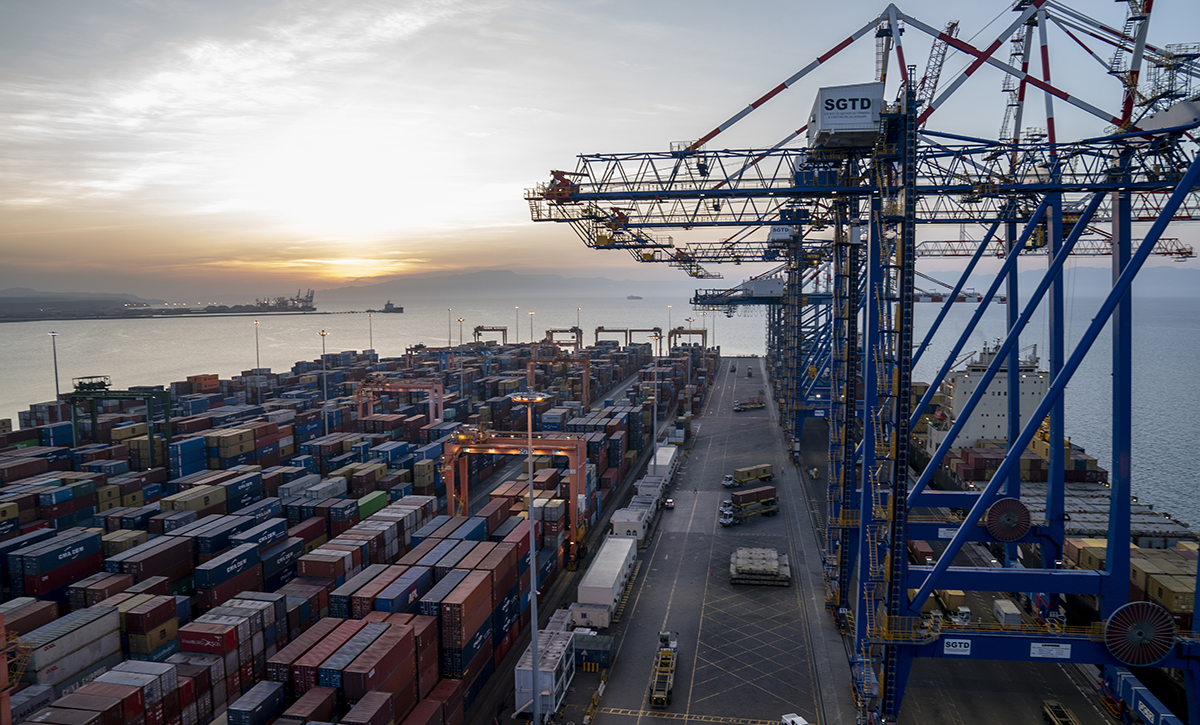
Djibouti dodges scrutiny despite China, Iran, Houthi ties and links to illicit activities
The Bab el-Mandeb Strait, which connects the Indian Ocean and the Red Sea through the Gulf of Aden, is a crucial chokepoint for global maritime commerce. Despite the strait’s importance, the waters around it have long been plied by smugglers of weapons and other illicit goods. Djibouti today is an important player in trade in the Horn of Africa region, but it also serves as a conduit for Chinese influence, has been linked to malign actors like Iran and the Houthis, and has faced allegations of involvement in various grey and black market activities, including money laundering, illicit finance, oil smuggling, and weapons trafficking.
Monday Briefing: The Middle East is the closest it has ever been to an all-out war
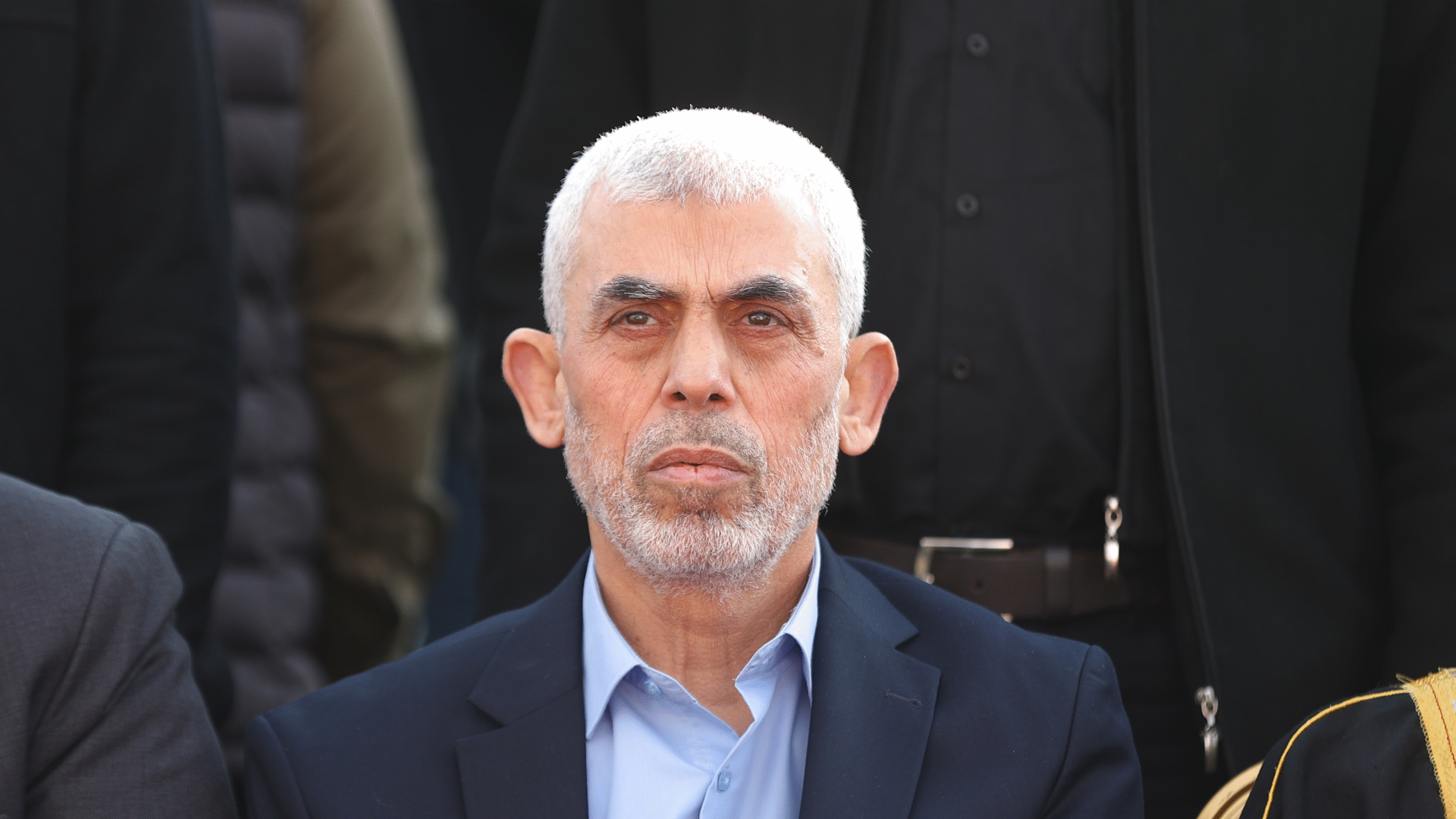
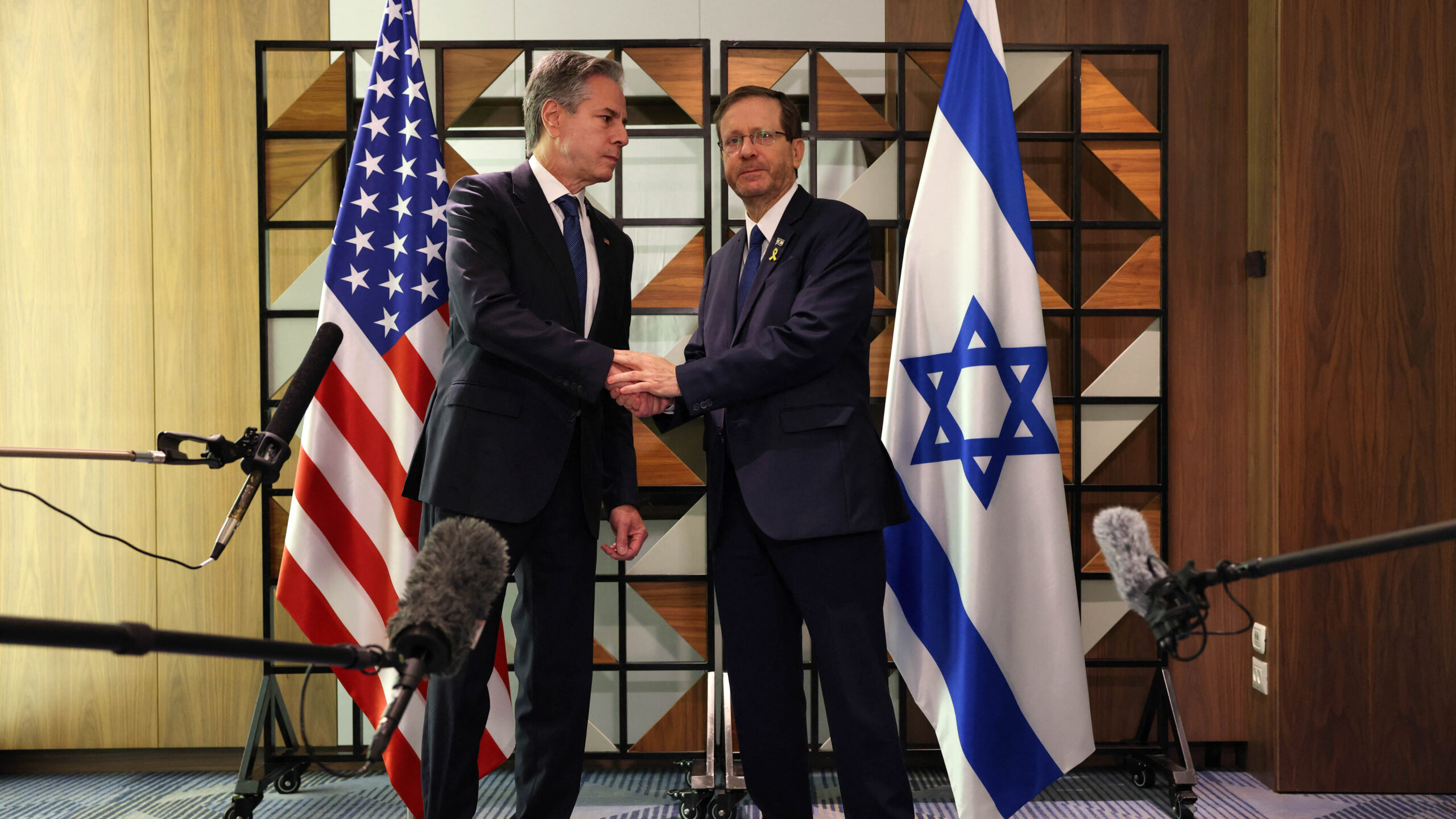
After 10 months of Israel’s war on Gaza, the US administration has lost control over its ally and the fear of its opponents. As a result, Washington has only limited, if any, impact on the cost-benefit escalation calculus of the fighting sides. The Middle East is today the closest it has ever been to an all-out multi-front regional war.
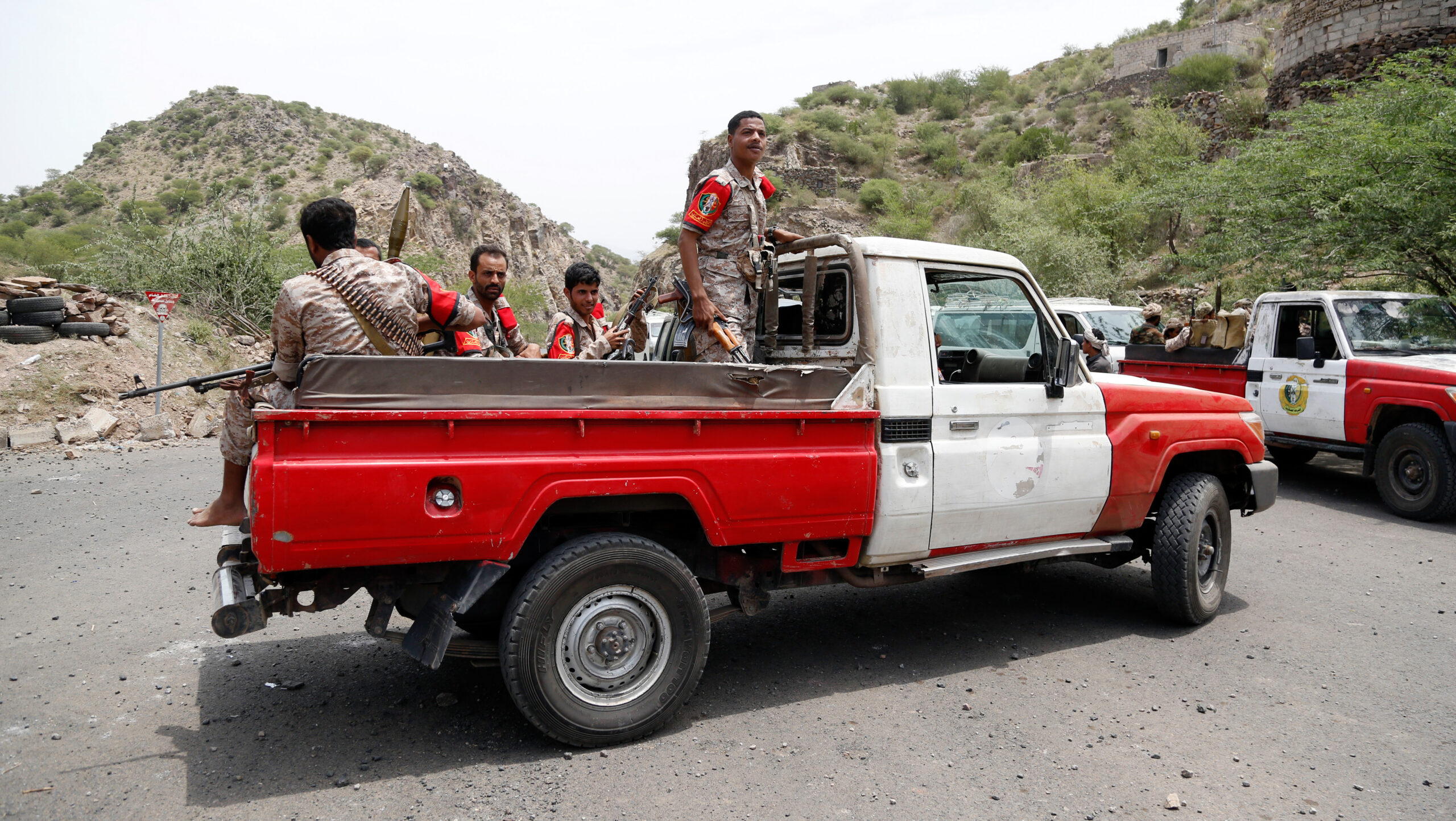
Russia and China’s differing engagements with the Houthis
Although Russia and China are in regular dialogue with the Houthis, the motivations that undergird the engagements of both countries differ markedly. The Houthis regard both Russia and China as partners against American unilateralism but have a warmer relationship with Moscow.
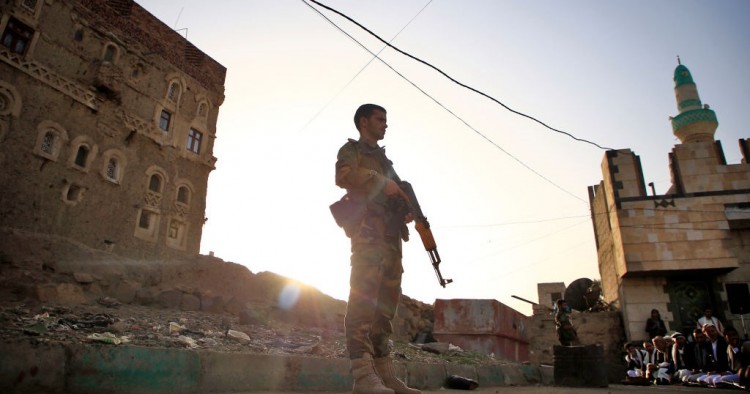
The geopolitical implications of Houthi attacks and Israeli retaliation
The Houthis’ strategy of escalation has the potential to upset the fragile balance of power in the Middle East and underlines the ability of smaller actors to influence larger geopolitical outcomes through calculated risks and alliances.
The situation in the Red Sea is not getting better
The current situation is not only intolerable – it is unsustainable. It is time to recognize that the Houthis, with strong and persistent support from Iran, are in a position to hold not only the US but virtually the entire global system hostage.
The common understanding of the state of economic integration in the Maghreb is that it is victim to geopolitical rivalries and poor economic management, both of which prevent the region from flourishing to the same extent as other regional blocs. The forgone conclusion is that greater economic integration would generate trade, boost levels of growth and increase the region’s bargaining position.
Morocco, Algeria and the Western Mediterranean tension game
As the aftermath of the earthquake that struck Morocco in early September unfolded, one notable aspect of the response to the devastation was the geopolitical element of aid and disaster relief. Specifically, what drew attention was Algeria’s offer of assistance and whether it might signal an implicit desire to reduce tensions between the hostile neighbours. Yet, mistrust between the two continues to run high, and a single gesture of offering support is unlikely to undo decades of animosity.
The oldest peer-reviewed publication dedicated to the study of the modern Middle East, MEI’s flagship journal covers politics, society, and culture in the region.