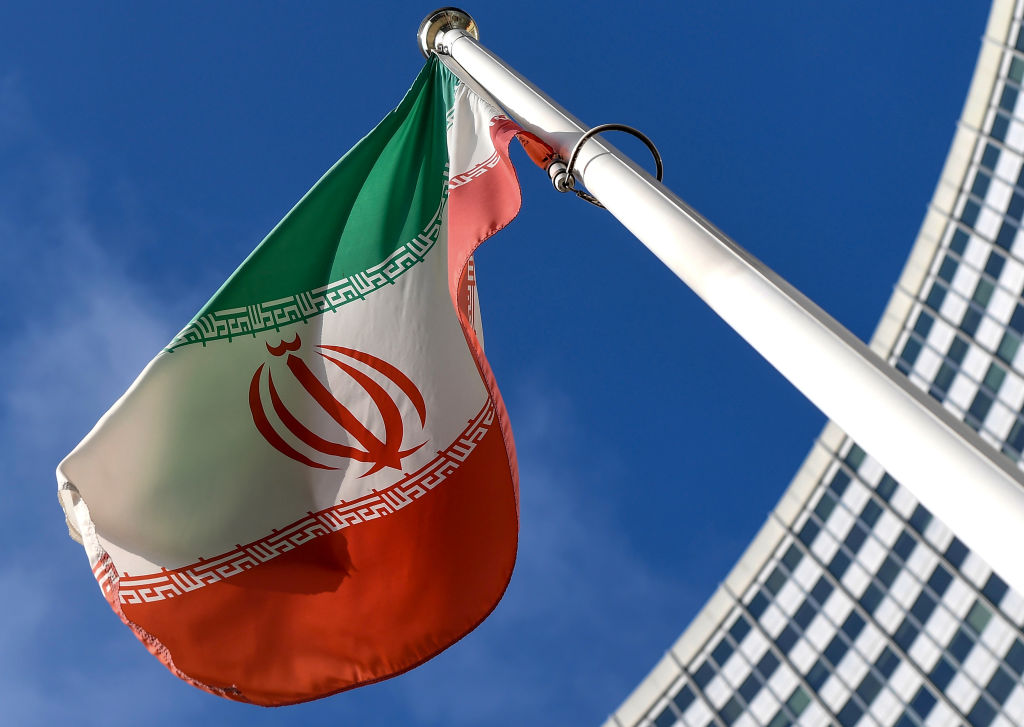
This article is part of a collection of short essays written by the Fellows of the Middle East Institute to explore aspects of the ongoing war with Iran. The intent of the collection is to help readers see new and unexpected elements of the dynamics and impact of the ongoing hostilities and to think harder, deeper, and broader about the implications of the conflict.
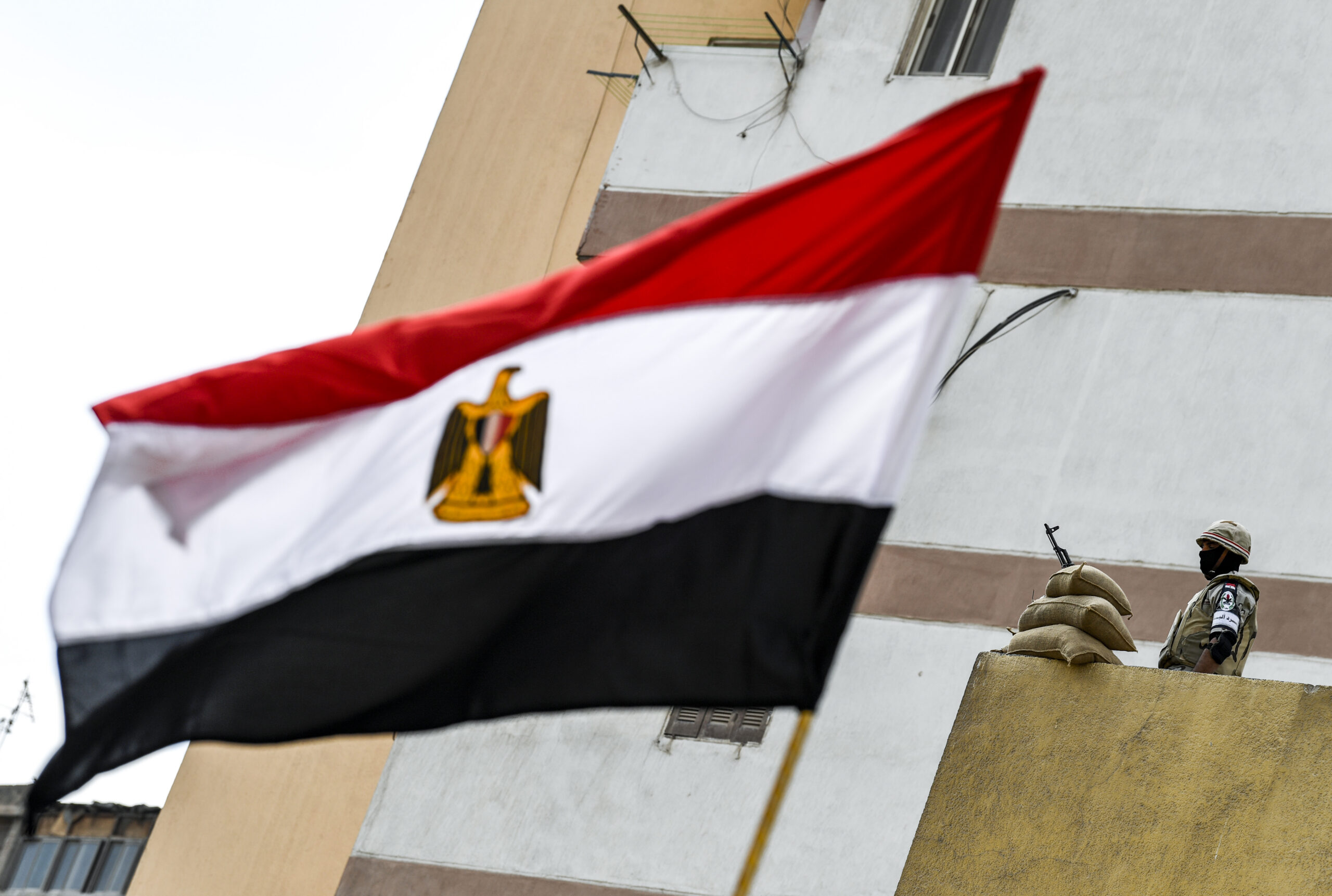
Egypt: How the Iran War Has Affected Egypt’s Calculations
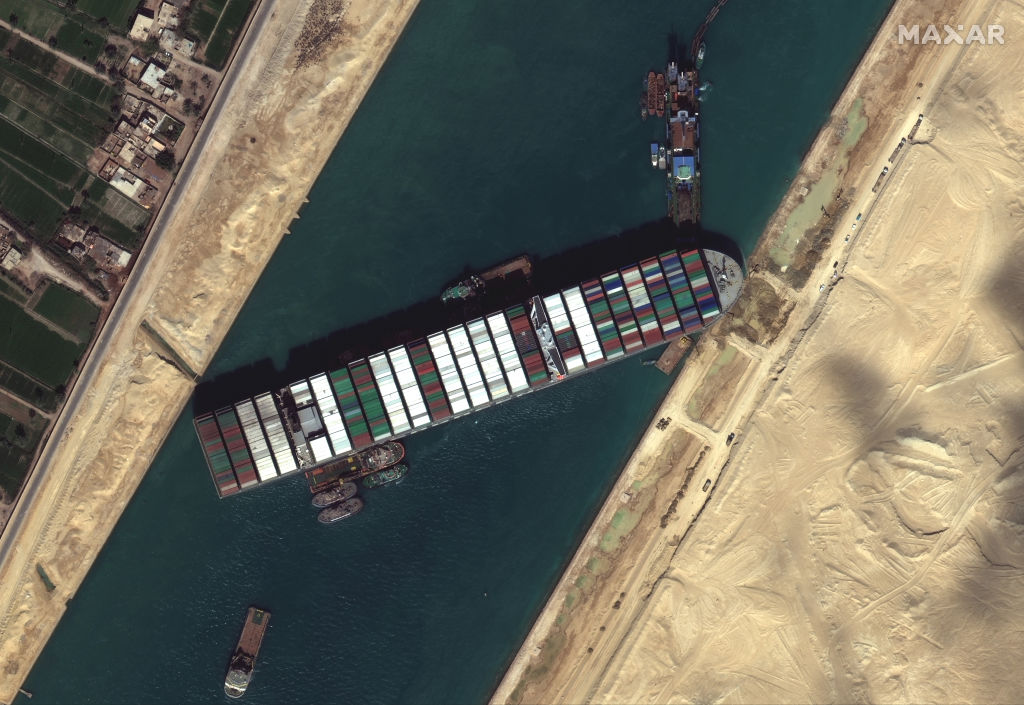
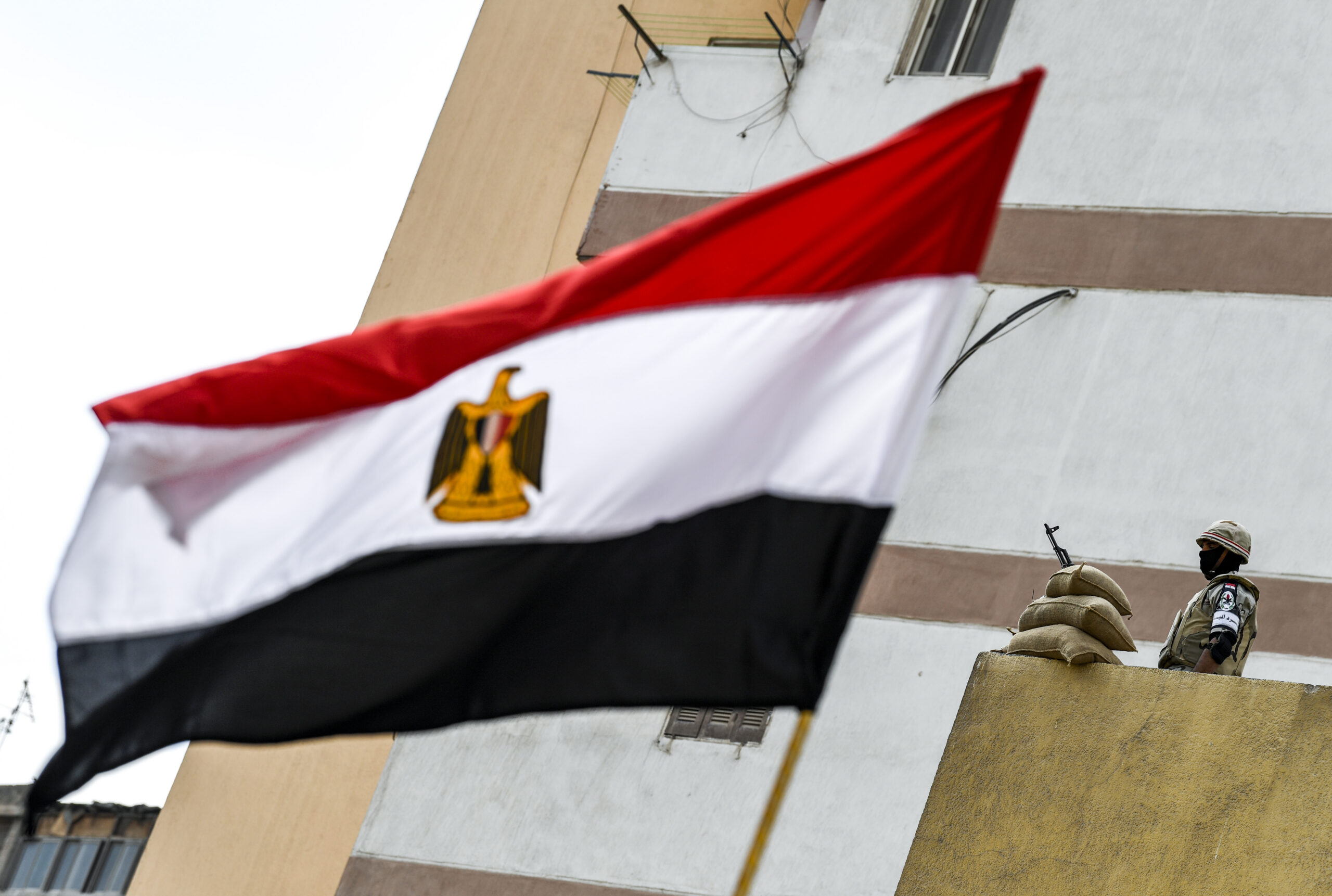
Egypt, which is not party to the war on Iran, has become a target as well as an intermediary in the conflict. As a result, the war has affected Egypt’s future calculations, particularly in three major areas: its economy, its security, and its regional alliances.
Algeria and Morocco have long been at odds, but recent diplomatic moves may signal a widening geopolitical split in North Africa. Hosts Alistair Taylor and Matthew Czekaj are joined by MEI Senior Fellow Intissar Fakir to unpack Algeria’s decision to sever diplomatic ties with the United Arab Emirates and Morocco’s warming relations with both the UAE and Israel. They also explore linkages between these diplomatic shifts and the Western Sahara conflict, Moroccan domestic concerns, particularly in light of this week’s elections, as well as broader regional stability.
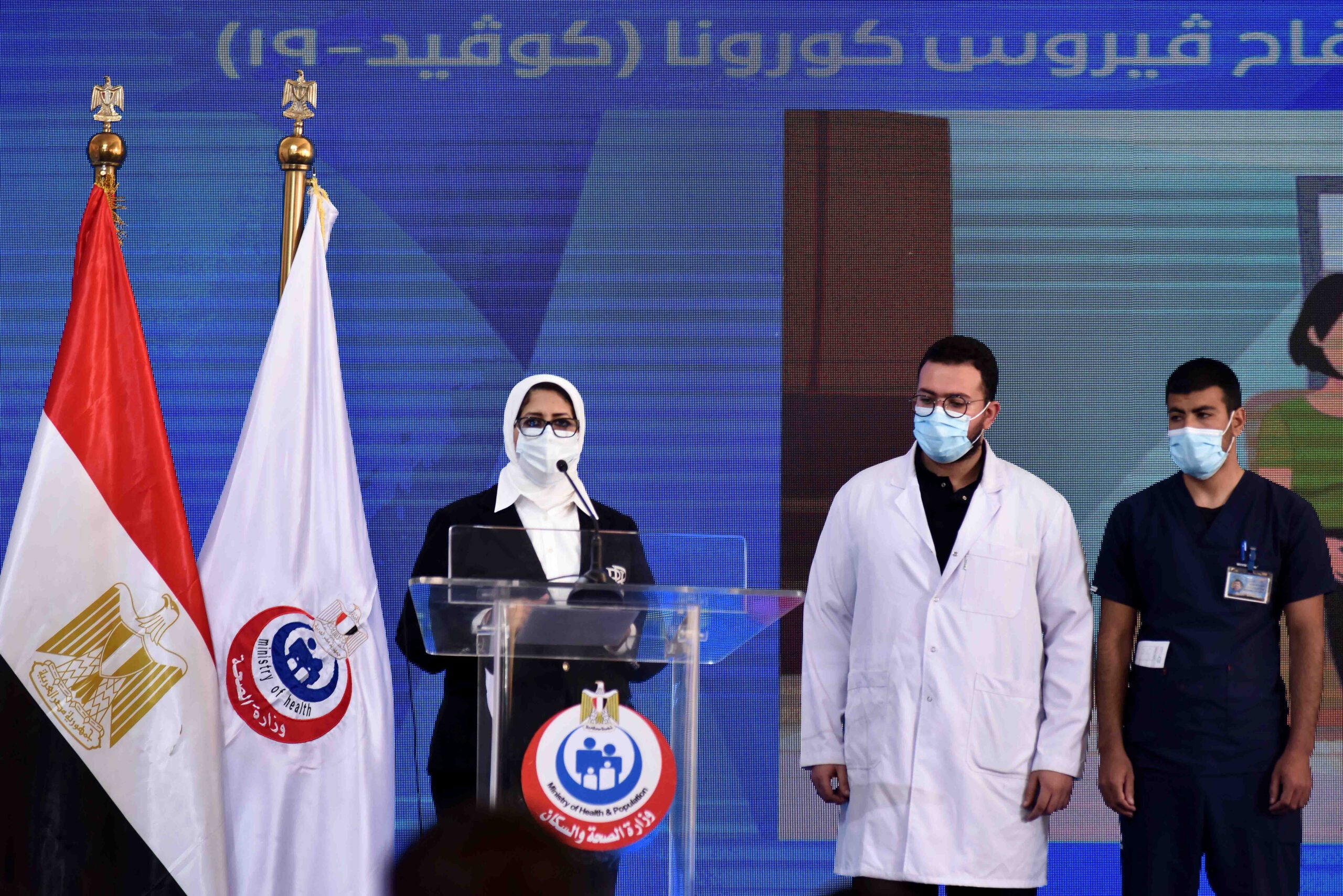
Egypt: The Pandemic Experience in a Time of Reform
Egypt announced its first COVID-19 fatality on March 8, 2020, a few months after concluding a “reform” program supported by the International Monetary Fund (IMF) loan it had obtained in 2016. The pandemic thus posed the first test for the IMF-prescribed economic and social policies adopted by the Government of Egypt. As this article will show, whereas the reforms helped propel economic growth in a time of global recession, they did not provide a strong social safety net for vulnerable families during the crisis.
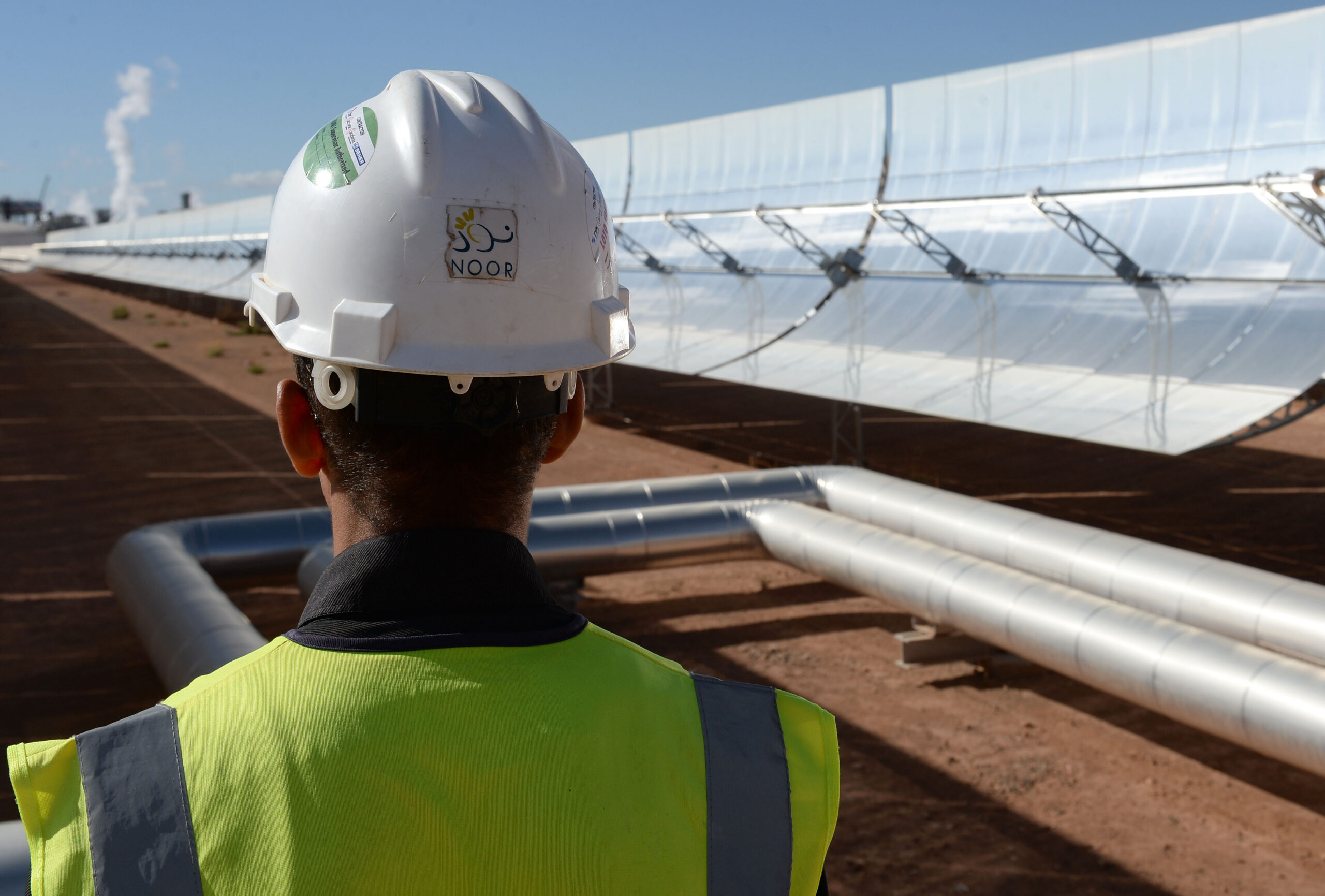
Egypt should go green by putting a price on carbon
It is time for Egypt to put a price on carbon. While Cairo has taken small steps toward developing a sustainability plan, it needs a bold idea to stop rising carbon emissions. Establishing a carbon exchange — or putting a price on carbon — would be good for the country and help make Egypt an environmental leader in the region.
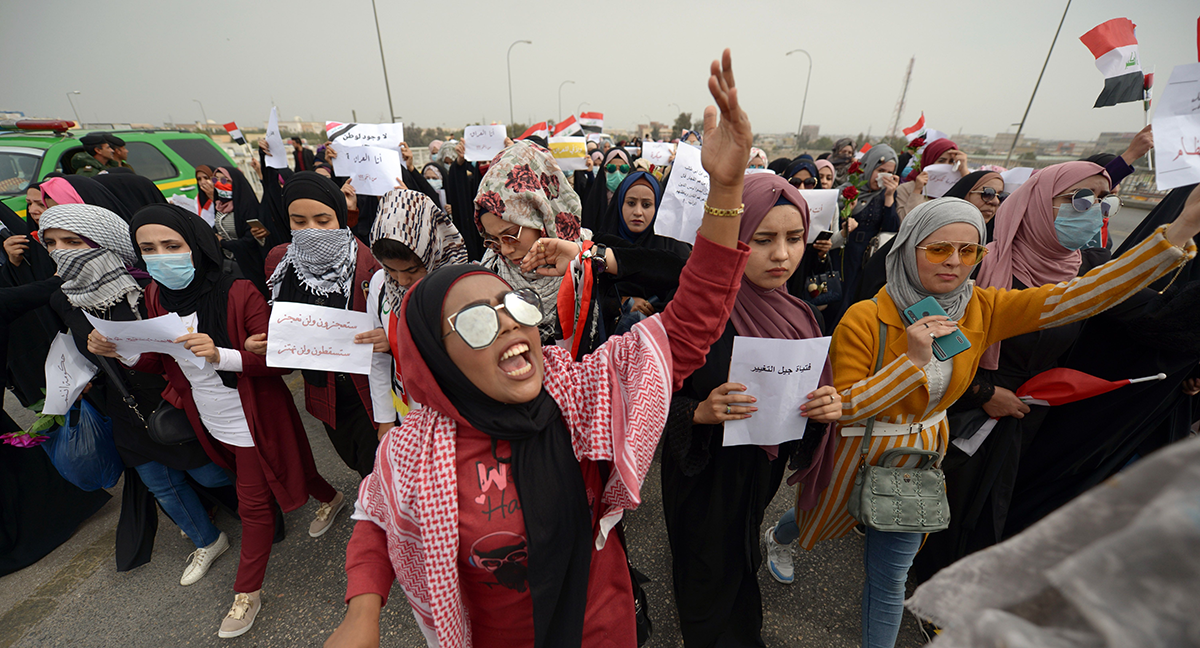
Reflecting on the global effort to fight violence against women
On March 8, the world came together to celebrate International Women’s Day (IWD), a barometer of annual development on global gender equality. This year, violence against women and women’s protection have been front and center on the political agenda across the world, including in the Middle East, as incidents of violence against them spark mass mobilization and anger from citizens. As civic activism grows, and citizens are increasingly politically and publicly engaged, women are fighting louder and harder than ever before to be a central voice in broader calls to action.
The Biden Administration and the Middle East: Policy Recommendations for a Sustainable Way Forward
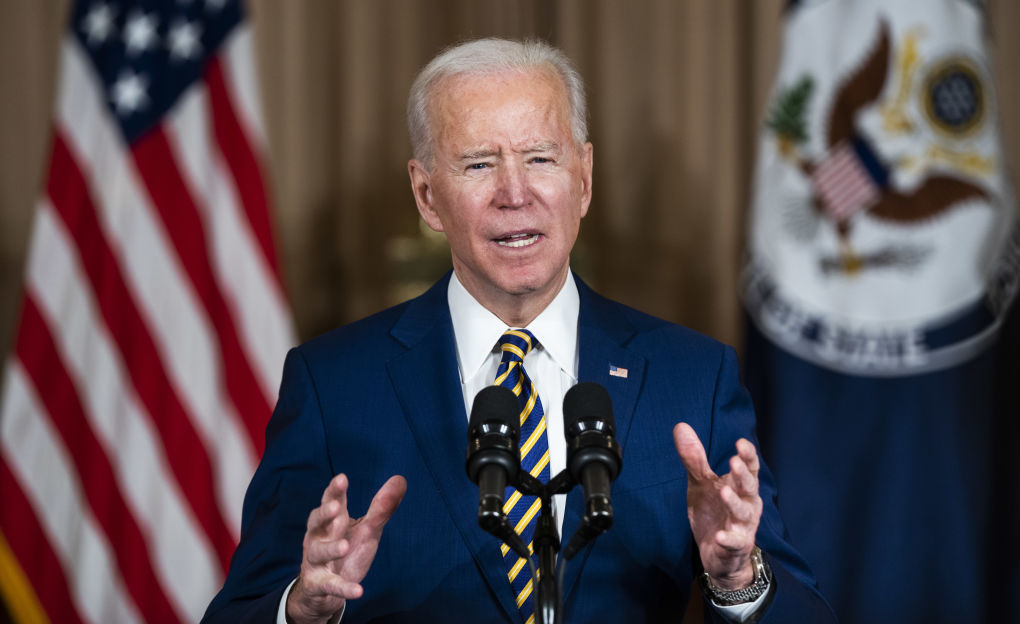
In a new policy briefing book, entitled The Biden Administration and the Middle East: Policy Recommendations for a Sustainable Way Forward, MEI scholars tackle a large number of country-specific and region-wide issue areas, laying out both the abiding U.S. interests and specific recommendations for Biden administration policies that can further U.S. interests amid a region in turmoil.
Sahar Khamis, Sabina Henneberg, Karam Shaar, and Ibrahim Jalal join host Alistair Taylor to examine the legacy and impact of the Arab Spring in Tunisia, Egypt, Yemen, and Syria ten years after the uprisings began.
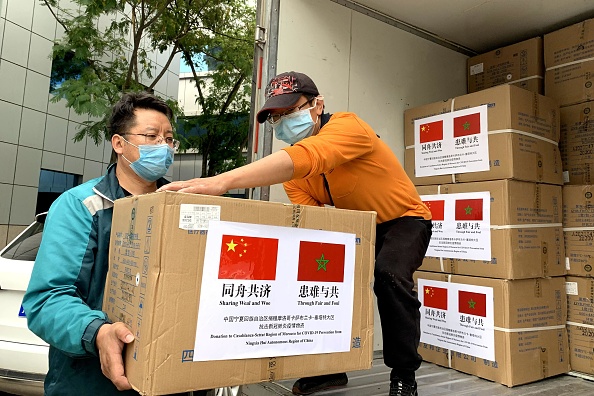
Chinese Health Diplomacy and the Maghreb in the COVID-19 Era
Beijing’s economic presence across the Maghreb has grown in recent years. The new global power has forged a close partnership with Algeria and Morocco, while also continuing to develop relationships with other countries in the region. The COVID-19 pandemic has illuminated the depth of Sino-Maghreb relations.
The oldest peer-reviewed publication dedicated to the study of the modern Middle East, MEI’s flagship journal covers politics, society, and culture in the region.