This article is part of a collection of short essays written by the Fellows of the Middle East Institute to explore aspects of the ongoing war with Iran. The intent of the collection is to help readers see new and unexpected elements of the dynamics and impact of the ongoing hostilities and to think harder, deeper, and broader about the implications of the conflict.
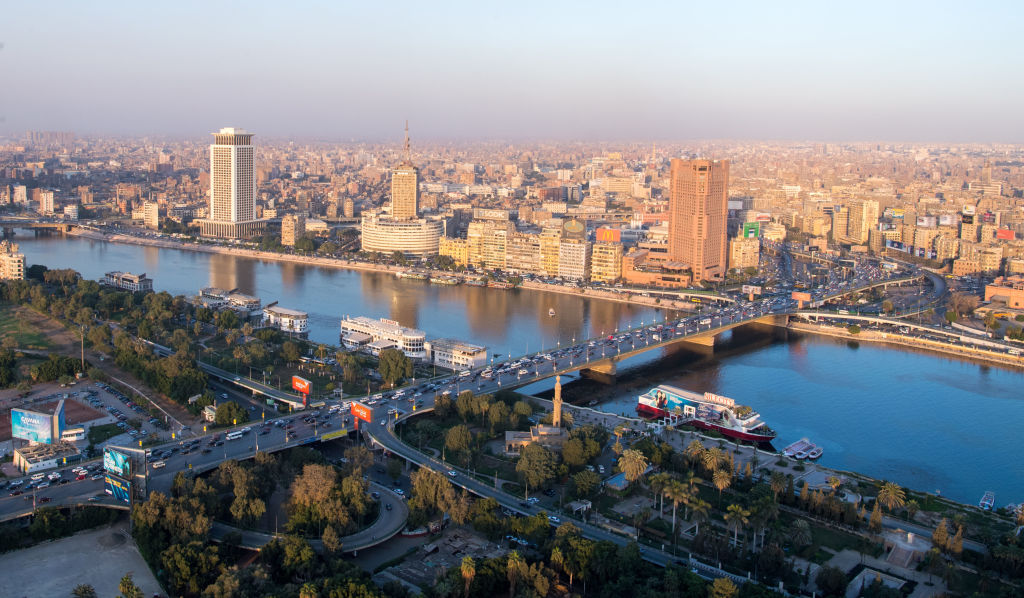
Egypt: How the Iran War Has Affected Egypt’s Calculations
Egypt, which is not party to the war on Iran, has become a target as well as an intermediary in the conflict. As a result, the war has affected Egypt’s future calculations, particularly in three major areas: its economy, its security, and its regional alliances.
Algeria and Morocco have long been at odds, but recent diplomatic moves may signal a widening geopolitical split in North Africa. Hosts Alistair Taylor and Matthew Czekaj are joined by MEI Senior Fellow Intissar Fakir to unpack Algeria’s decision to sever diplomatic ties with the United Arab Emirates and Morocco’s warming relations with both the UAE and Israel. They also explore linkages between these diplomatic shifts and the Western Sahara conflict, Moroccan domestic concerns, particularly in light of this week’s elections, as well as broader regional stability.
بما أن حفتر يرفض وقف إطلاق النار في ليبيا، فإن تجديد الدبلوماسية بات أمرا حتميا
في 21 من شهر أغسطس الجاري تم الاتفاق على وقف إطلاق النار في ليبيا من قبل رئيس المجلس الرئاسي فايز السراج، ورئيس مجلس النواب في شرق ليبيا، عقيلة صالح.
كان من المفترض أن يكون الاتفاق خطوة ملموسة لوقف الصراع العسكري الذي تصاعدت حدته في 4 أبريل 2019، عندما بدأ الدكتاتور الليبي المحتمل خليفة حفتر، حملة عسكرية لغزو طرابلس التي كانت تعد بمثابة العاصمة الوطنية للبلاد.
تم دعم الاتفاق على الفور من قبل الأمم المتحدة، والولايات المتحدة، وبعض الأطراف الأجنبية التي تدعم كل جانب على حدة.
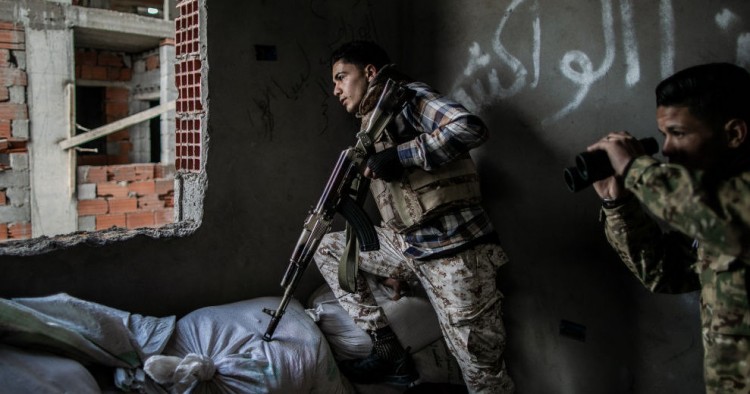
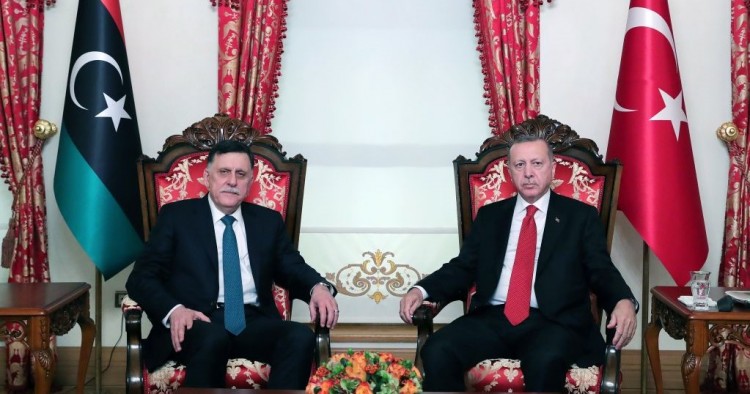
Jonathan Winer and Mirette Mabrouk join host Alistair Taylor to discuss the latest developments in Libya and the regional dynamics in play, including the role of Egypt.
After successfully managing COVID-19, Tunisia gets back to its old problems
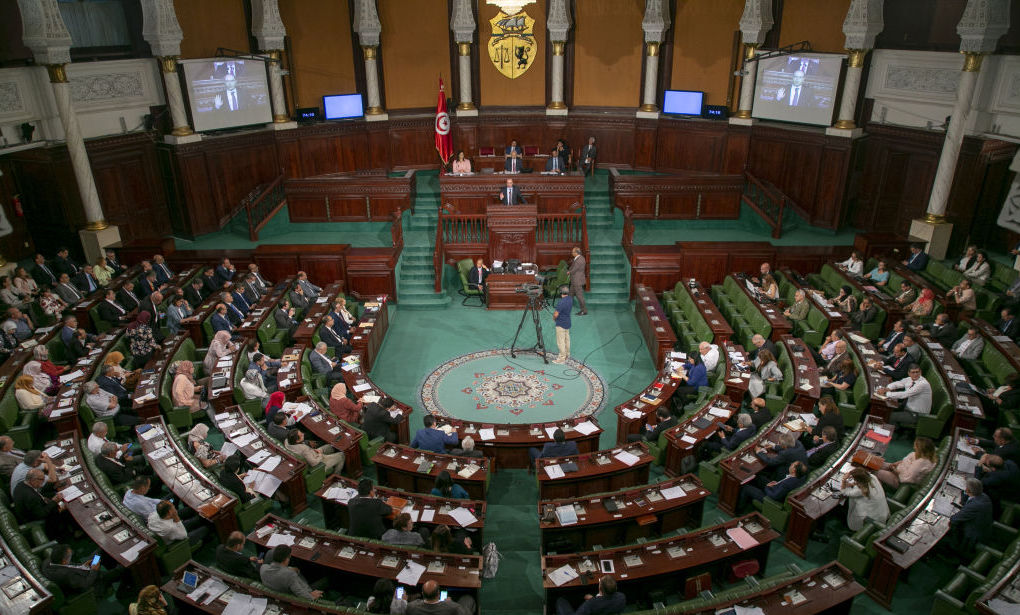
Tunisia seems to have avoided the worst of the first phase of the global coronavirus crisis. And yet whatever the final tally of the pandemic might be, its consequences will only add to a host of existing problems that have beset the North African country in recent years, including political instability, a stalled economy, security threats, and financial woes.
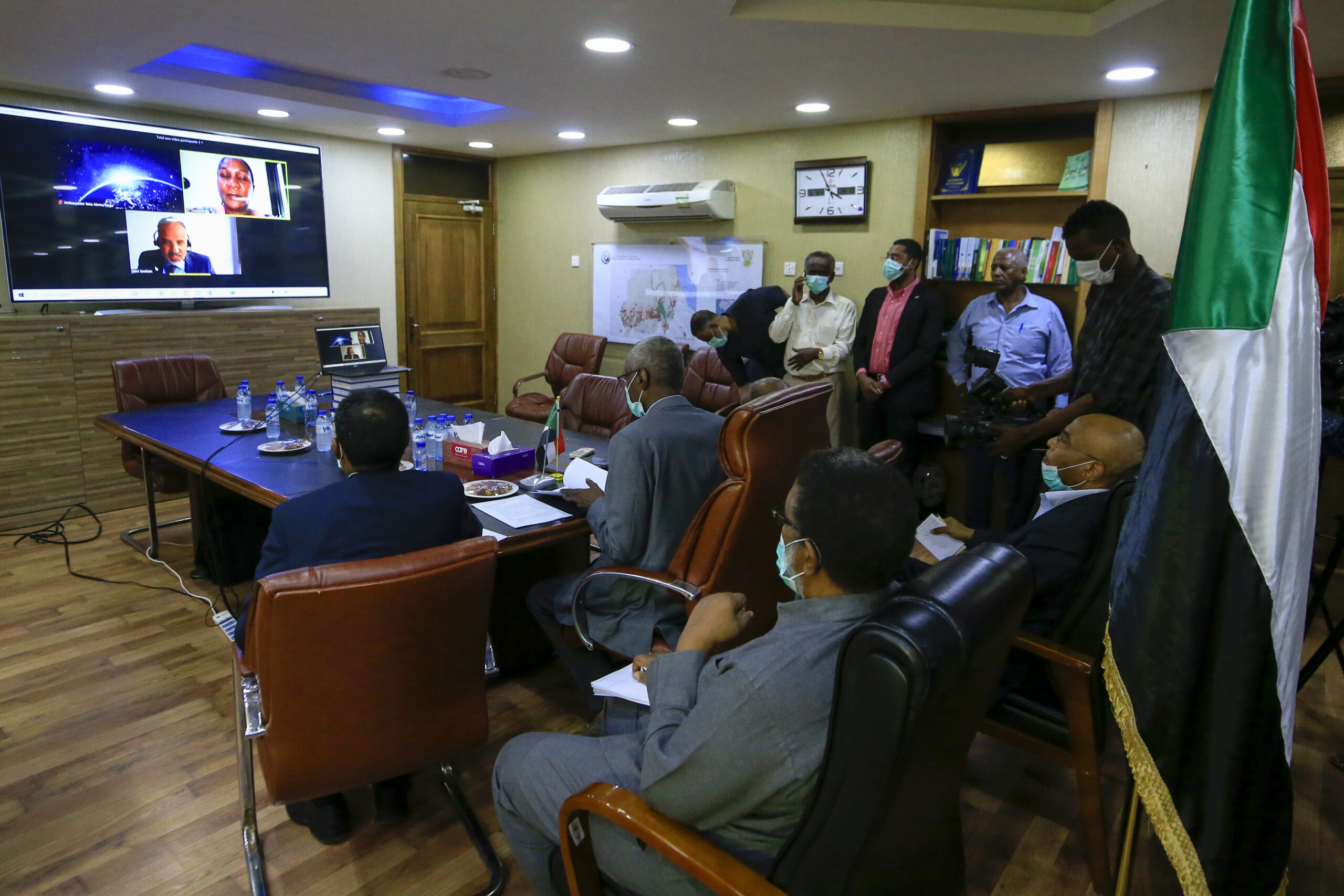
MEI’s Mirette Mabrouk and Guled Ahmed join host Alistair Taylor to discuss the ongoing dispute between Egypt, Sudan, and Ethiopia over the Grand Ethiopian Renaissance Dam (GERD), recent developments in Somaliland, and changing dynamics in the Horn of Africa.
Monday Briefing: GERD talks continue, but political will is still lacking
This week’s briefing on recent news and upcoming events in the region featuring Mirette F. Mabrouk, Marvin G. Weinbaum, Gonul Tol, Alex Vatanka, and Gerald Feierstein.
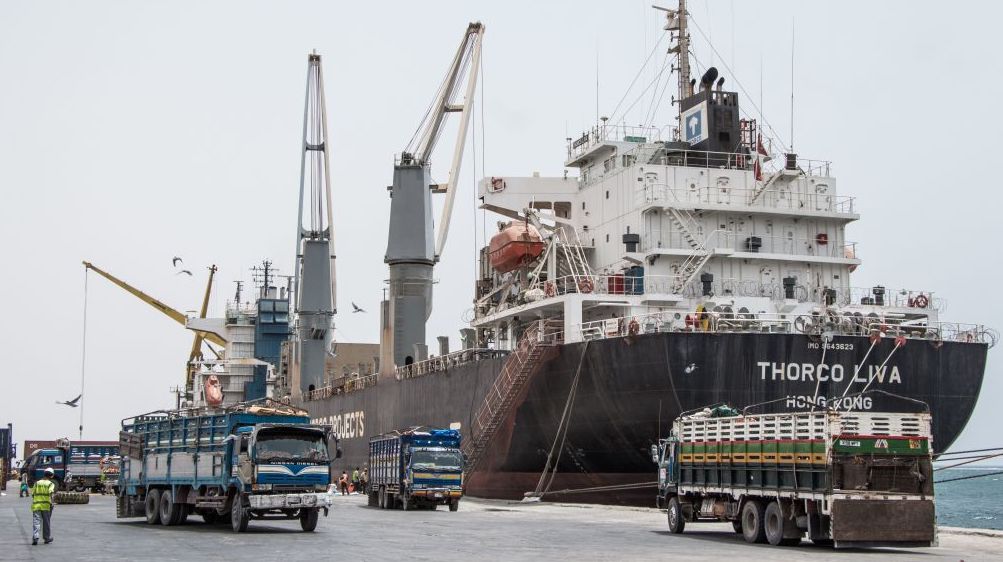
Somaliland’s ports: The Horn of Africa’s most valuable real estate
Berbera and Zeila, two of the Horn of Africa’s ancient trading cities, have long attracted the interest of global powers because of their strategic location near the Bab el-Mandeb Strait connecting the Gulf of Aden and the Red Sea. This location makes Somaliland’s coastal ports among the region’s most valuable real estate.
Monday Briefing: Red lines and rising tensions in Libya
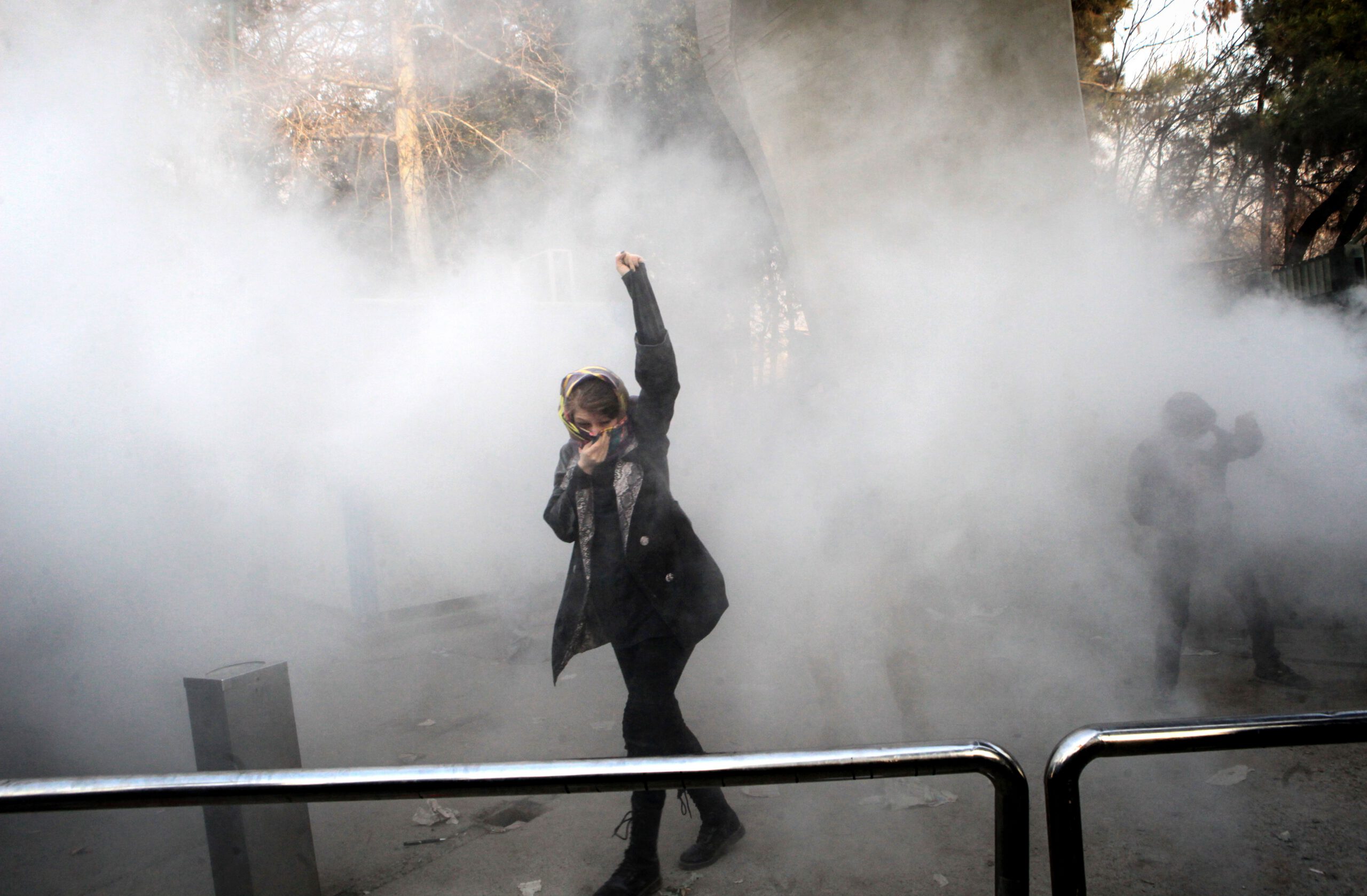
In this week’s Monday Briefing, MEI experts Mirette F. Mabrouk, Robert S. Ford, Nazila Fathi, and Marvin G. Weinbaum provide analysis on recent and upcoming events including rising tensions in Libya, economic turmoil and anti-regime protests in Iran, and the Jordanian high court’s decision to dissolve the Muslim Brotherhood.
Washington’s response to counterrevolutionary agendas in Libya
Throughout Donald Trump’s presidency, the U.S. has largely retreated from a leadership role in the MENA region, resulting in Washington mostly outsourcing its Libya foreign policy to Egypt, Russia, and Washington’s partners in NATO and the GCC. Yet the U.S. diplomatic establishment is growing frustrated with the beleaguered North African country’s ongoing turmoil, as Washington increasingly sees Egypt and the UAE as undermining American interests in Libya.
The eastern Mediterranean heats up as conflicts over energy move onshore
Not too long ago, the Mediterranean was described as “NATO’s lake” — a sleepy backwater in a world dominated by conflict. Today, Israel’s quarrels with Lebanon, Palestine, and Syria are viewed — and minimized — as legacy conflicts, overshadowed by a new and unstable strategic environment centered upon competing visions of offshore energy and security in the eastern Mediterranean.
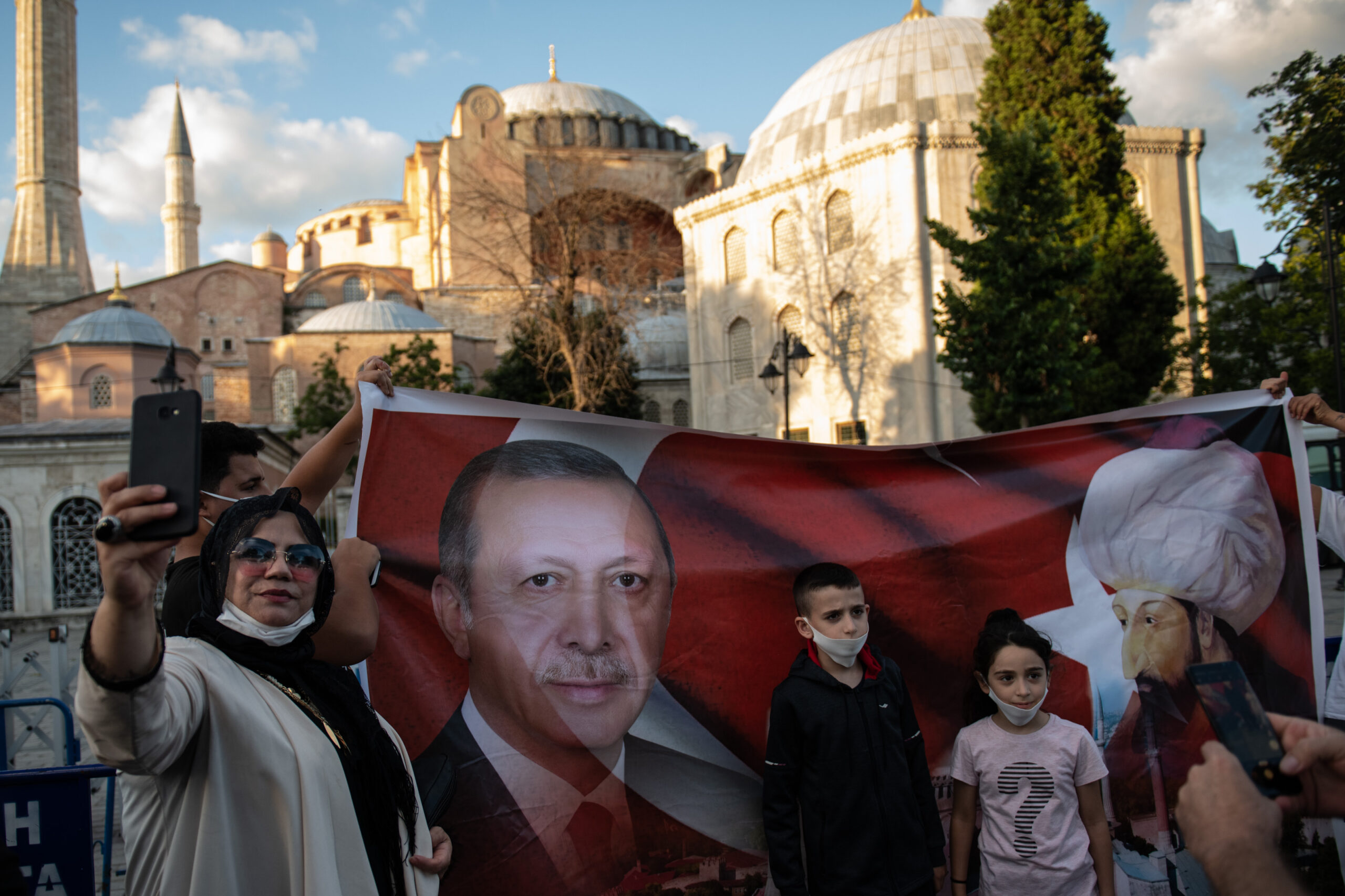
Monday Briefing: Erdoğan and the “symbolic war” over Hagia Sophia
This week’s briefing on recent news and upcoming events in the region featuring Seren Selvin Korkmaz, Marvin G. Weinbaum, Mirette F. Mabrouk, Robert S. Ford, and Nilsu Goren.
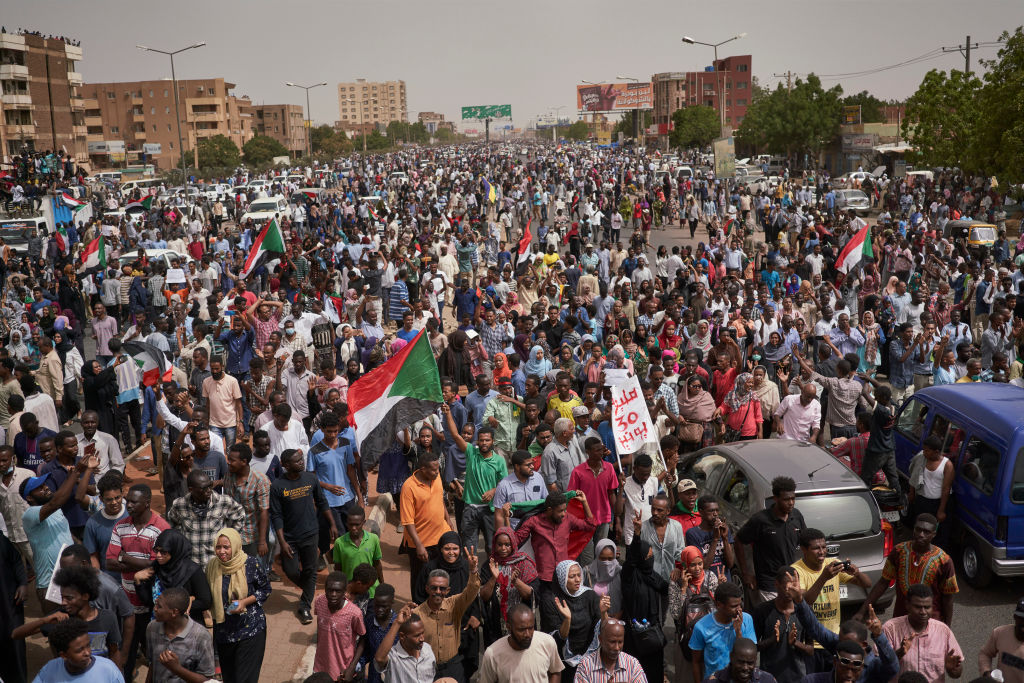
Sudan’s difficult transition to democracy, one year on
The double whammy of the economic fallout of COVID-19 and a lack of sufficient support from international donors is putting enormous pressure on PM Hamdok’s government.
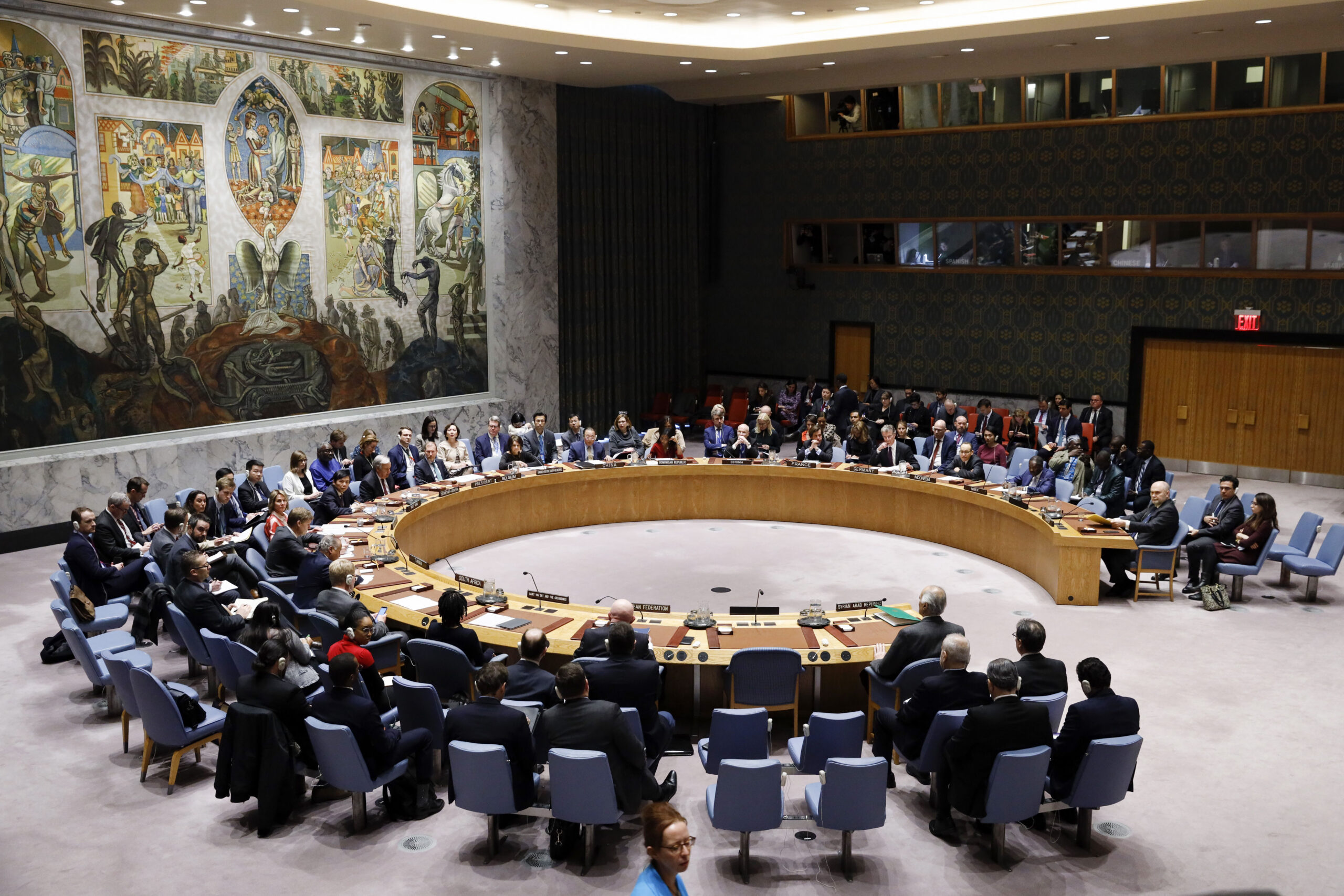
Monday Briefing: The UN Security Council must act now to save northwest Syria
This week’s briefing on recent news and upcoming events in the region featuring Dara Conduit, Marvin G. Weinbaum, Mark Heller, Syed Mohammad Ali, Gonul Tol, and Guled Ahmed.
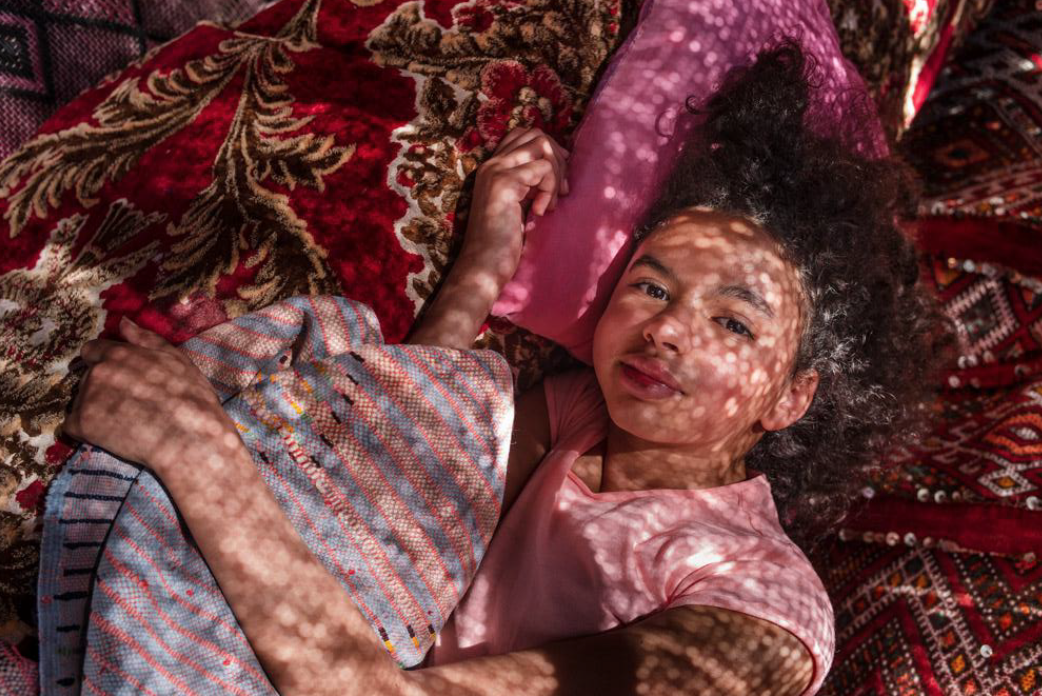
Weaving a new path: Meet the organization fighting to save Morocco’s carpet industry
One Square Meter Berber is a Dutch-Moroccan project with a dual mission: to protect the dying craft of traditional Berber carpet weaving and to fight the exploitation of the skilled craftswomen who keep the iconic industry from coming apart at the seams.https://www.onesquaremeterberber.com
Egypt’s path forward from the pandemic’s economic fallout
Today marks almost three months of a global shutdown to curb the spread of the COVID-19 pandemic, and the Middle East and North Africa region faces a double whammy from the resulting economic fallout and the sharp decline in oil prices this spring. While Egypt is rightly focused on its short-term response to the crisis, it should take advantage of the international and regional shock caused by the pandemic to change its growth model for the longer term and implement much-needed structural reforms on a variety of fronts.
The oldest peer-reviewed publication dedicated to the study of the modern Middle East, MEI’s flagship journal covers politics, society, and culture in the region.