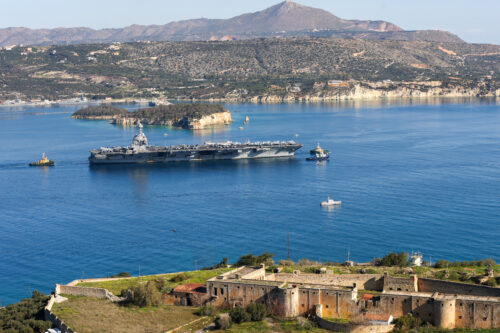
This report explores maritime security conditions in the Mediterranean and the evolving US engagement in the region. As critical infrastructure becomes increasingly vulnerable to sabotage, freedom of navigation is undermined by conflict, and energy disputes generate tension, US policy focus on the region has become fragmented and disengaged. The authors call for a sustained American role to strengthen maritime domain awareness, allied coordination, infrastructure protection, and the capacity to respond when Mediterranean crises affect US and transatlantic interests.
The Multiple Costs of the US–Iran War – From Hormuz to Europe and South Asia: The Widening Economic and Political Geography of the Conflict
Wars are decided by those who hold military power, but their costs are increasingly borne by those who have little or no voice in the decisions that start them. The US–Iran war shows this imbalance very clearly. Its economic consequences have gone far beyond the battlefield and have disrupted energy markets, trade routes, food supplies, public finances and investment in the Gulf, Europe, Africa and Asia. The most striking feature of the conflict, however, is not only the size of the damage but its very unequal distribution.
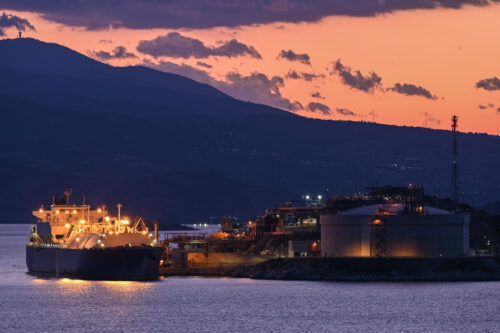
In less than two decades, a string of offshore discoveries has turned the Eastern Mediterranean into a significant gas-producing region, making Israel an exporter, twice lifting Egypt into the ranks of liquefied natural gas (LNG) exporters, and giving Cyprus finds it has yet to bring to market. This backgrounder explores the potential and challenges of exploiting and managing LNG resources in the region.
Trade, Reform, and Revitalization: Toward a US-Egypt Free Trade Agreement
A question as to the value of a U.S.-Egypt Free Trade Agreement (FTA) misses the point. The question should not be whether an FTA would be in the interest of both parties since there is abundant evidence that it would. The question is what kind of FTA would best suit the needs, both short and long term, of the two parties: shallow integration or deep integration? This report argues that notwithstanding several hurdles, it is in the interest of both countries to move swiftly and decisively toward a deep FTA.
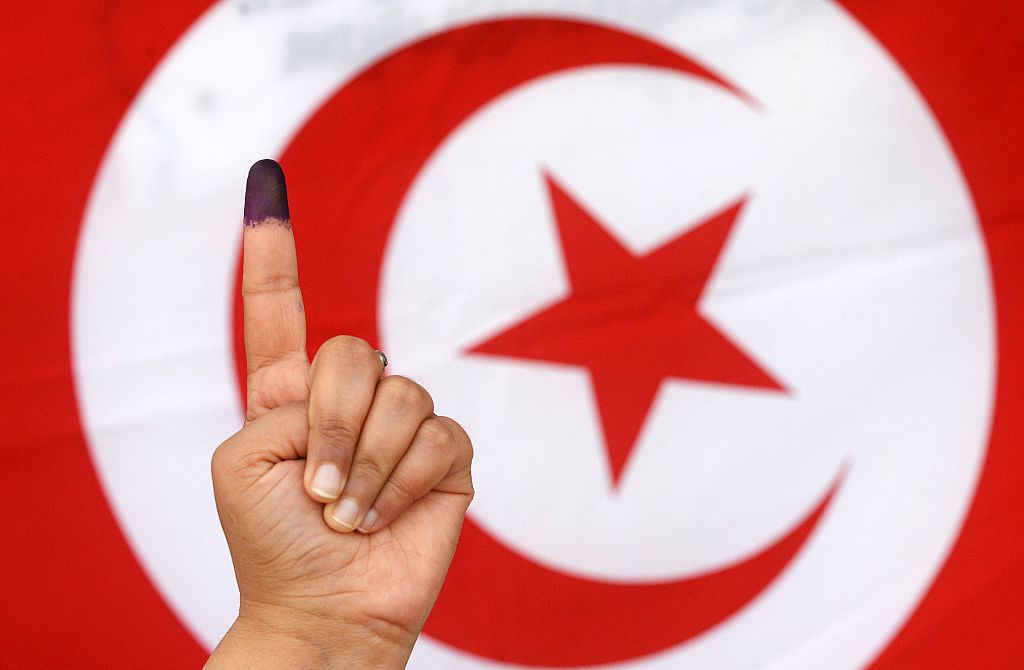
Tunisia heads to the polls for parliamentary elections
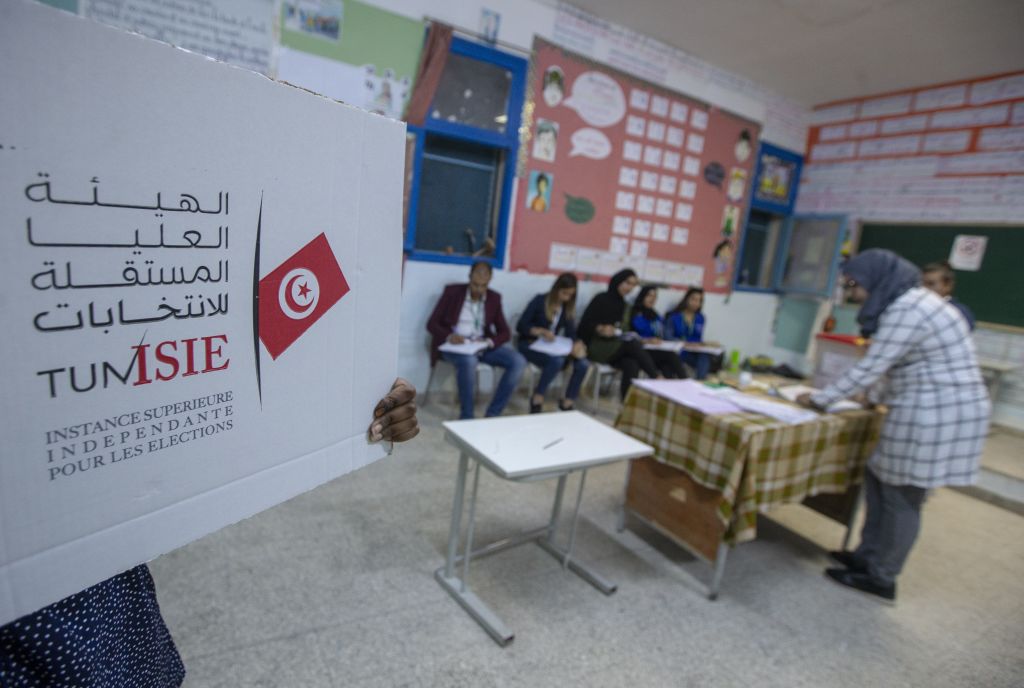
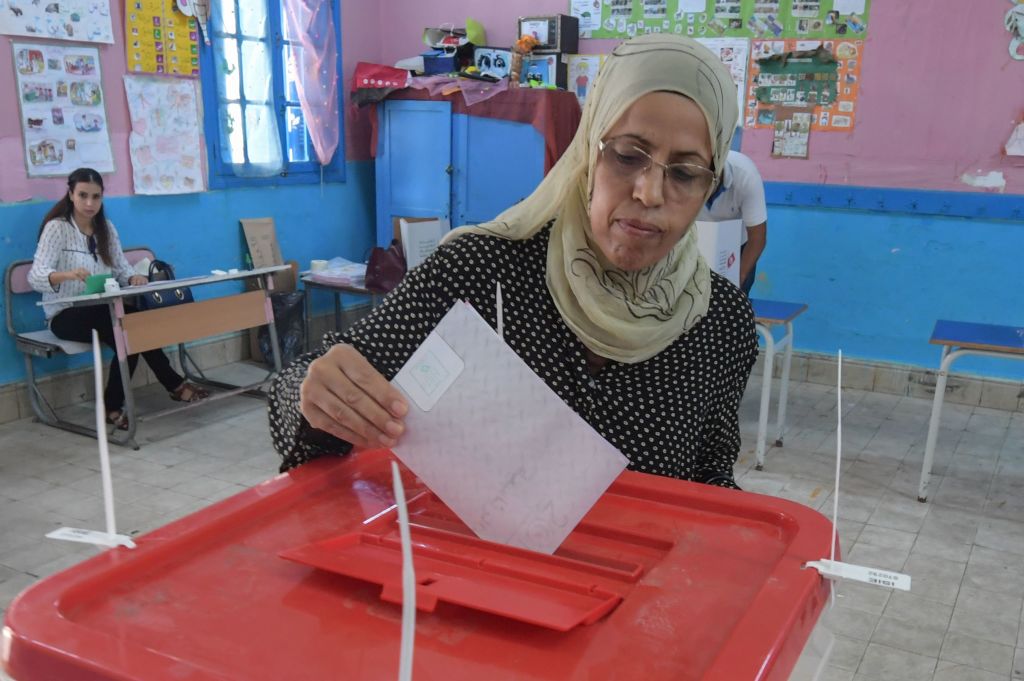
Tonight will be the first of three nights of televised debates among election lists for next Sunday’s parliamentary elections in Tunisia. The first round of presidential elections on Sept. 15 garnered greater international media attention, but the constitution gives the prime minister, who must gain backing from a parliamentary majority, control over domestic policies. Thus, the Oct. 6 election is crucial to Tunisia’s future.
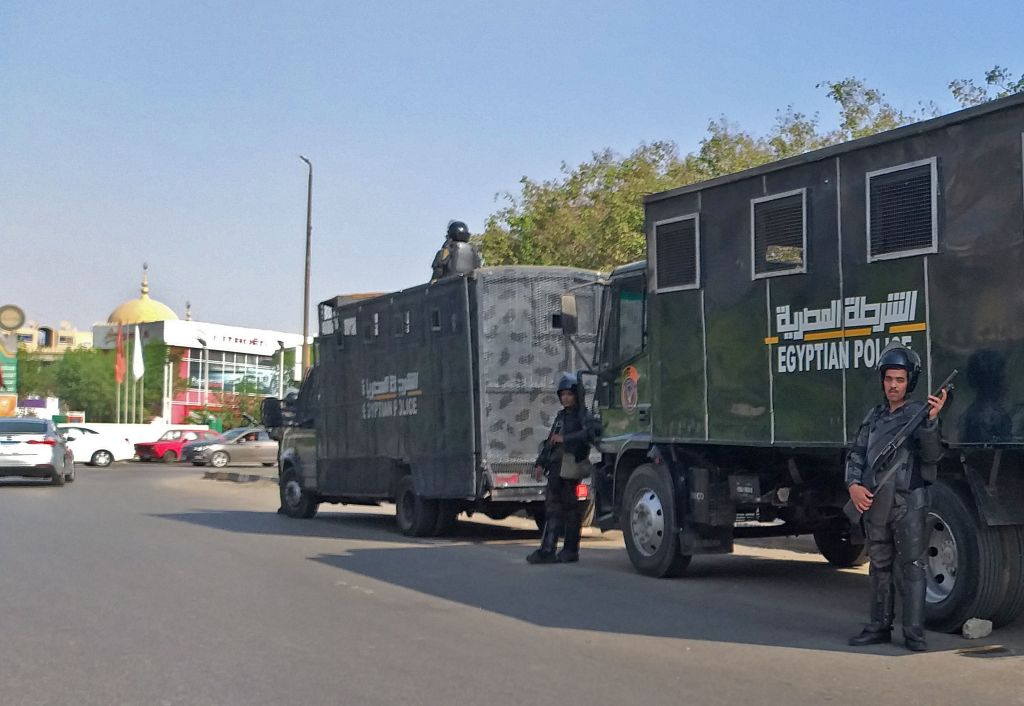
Minor protests in Egypt attract more international than domestic attention
The weekend of the 23rd saw small demonstrations in approximately five governorates that had the twitterverse in an uproar and rekindled mostly moribund international interest in democracy in Egypt.
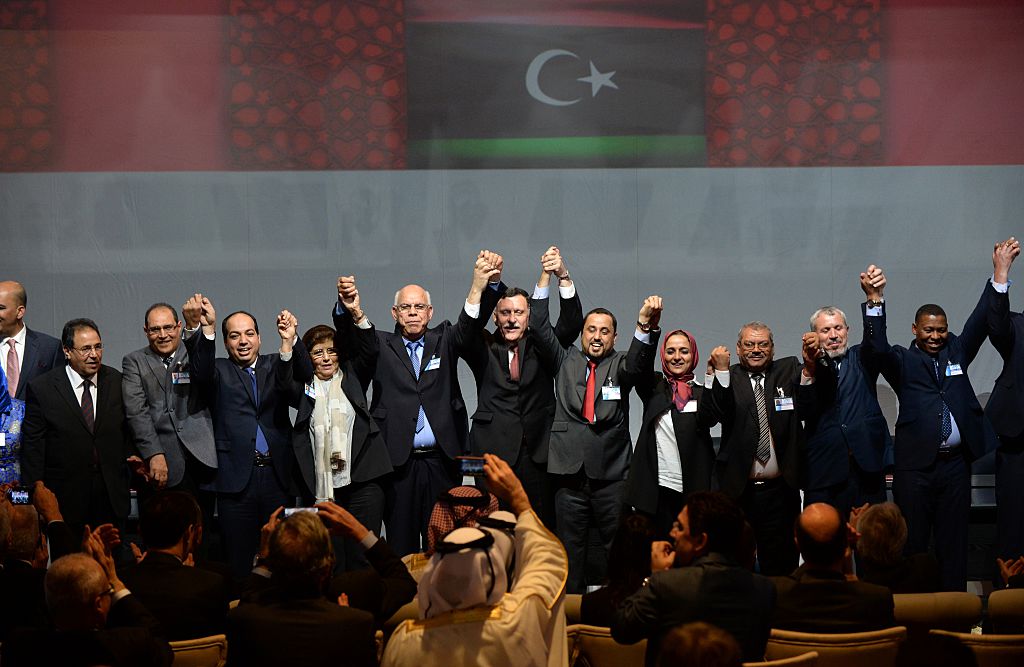
The UN deliberately (albeit mistakenly) accorded sovereignty to post-Gadhafi Libya’s economic institutions
The crux of today’s Libya problem in international foreign policy lies in an underappreciated UN misstep in the most important international treaty concerning Libya, the 2015 Skhirat Agreement, and the decision to vest sovereignty in the heads of independent and semi-independent sub-state institutions like the Central Bank of Libya. The negative implications of this decision must now be addressed and it is time to move onto something new, after Skhirat.
How Libya’s economic structures enrich the militias
Largely overlooked in international policymaking toward Libya’s current conflict is the role of corruption as a key driver of violence, as opposed to merely its byproduct. The high-level debate on Libya at the UN General Assembly (UNGA) in late September and the proposed follow-on international conference to be hosted by Germany in October or November are the perfect opportunities to correct this oversight.
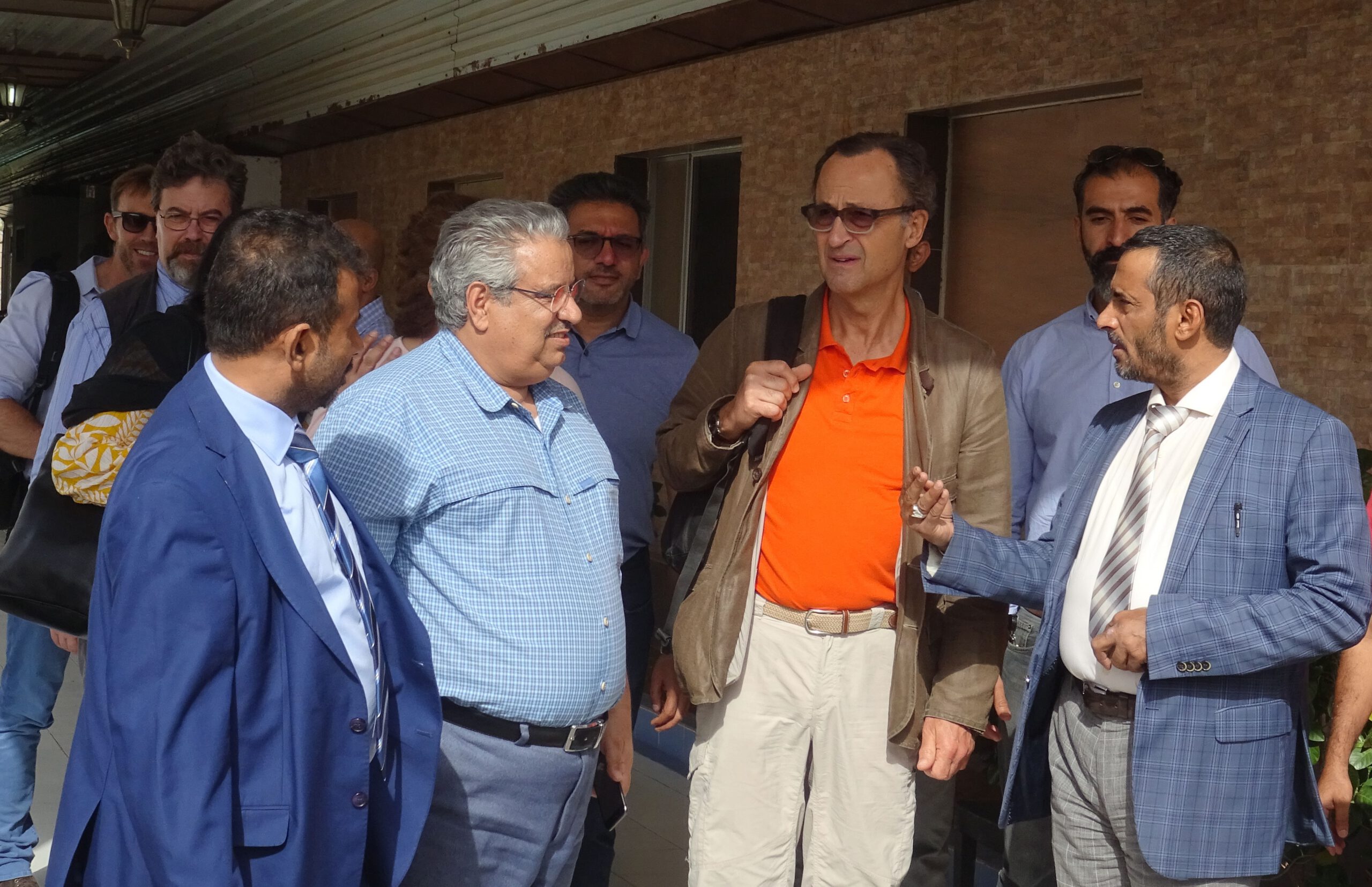
Yemen’s peace process: The Hodeida Agreement that never was?
In late July, Lt. Gen. Michael Anker Lollesgaard left Yemen after his six-month term as the second head of the UN Mission in support of the Hodeida Agreement (UNMHA) came to an end. Unlike his predecessor, Maj. Gen. Patrick Cammaert, who departed quietly, Lollesgaard was given a proper sendoff from Sana’a. A senior Houthi commander, Maj. Gen. Ali al-Musheki, even went so far as to describe Lollesgaard as “a conscientious military commander.”
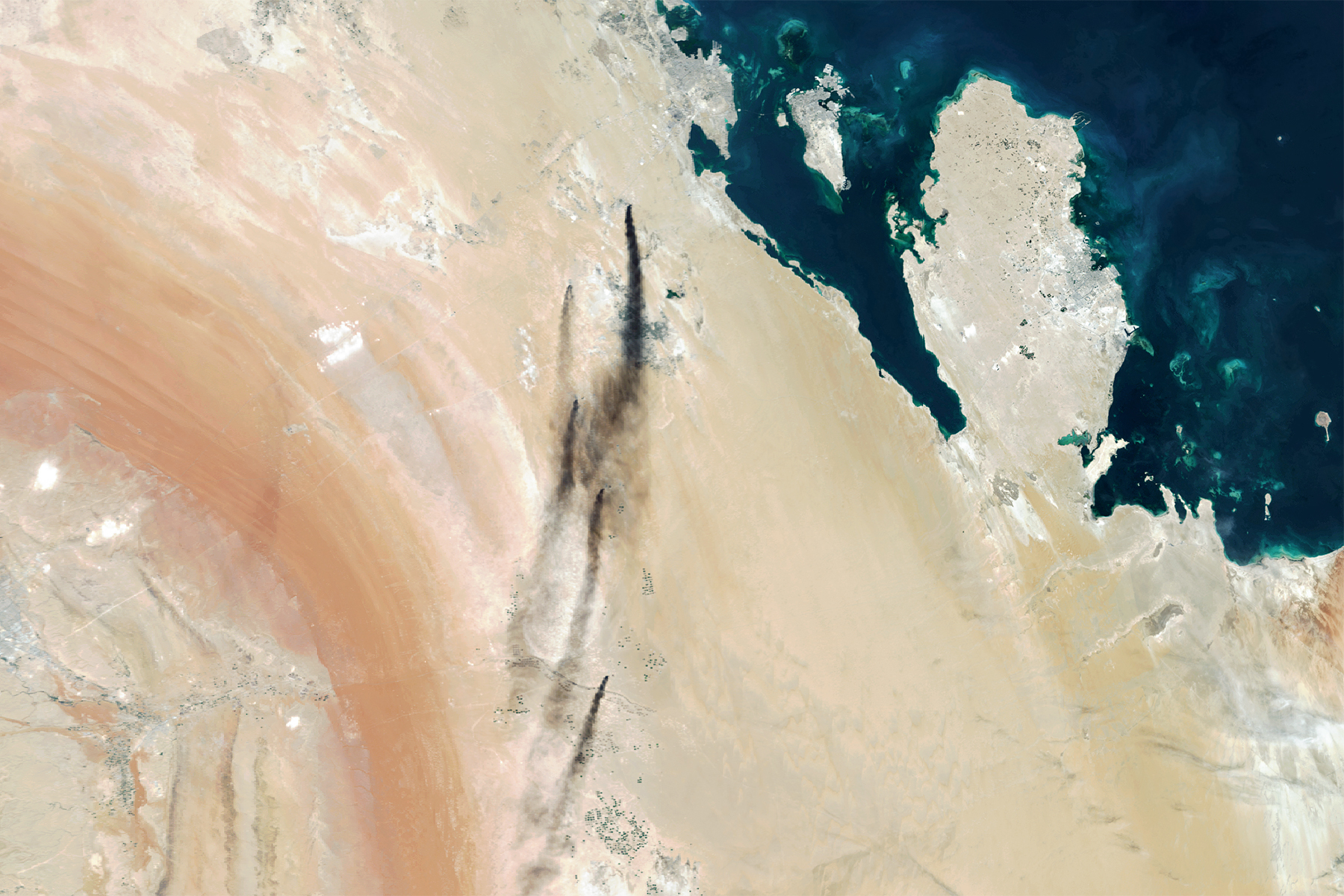
Monday Briefing: Attack on Saudi oil facilities has an impact far beyond the kingdom
This week’s briefing on recent news and upcoming events in the region featuring Ruba Husari, Paul Salem, Gerald Feierstein, Amal Kandeel, Grace Wermenbol, Robert S. Ford, Charles Lister, and Gonul Tol.
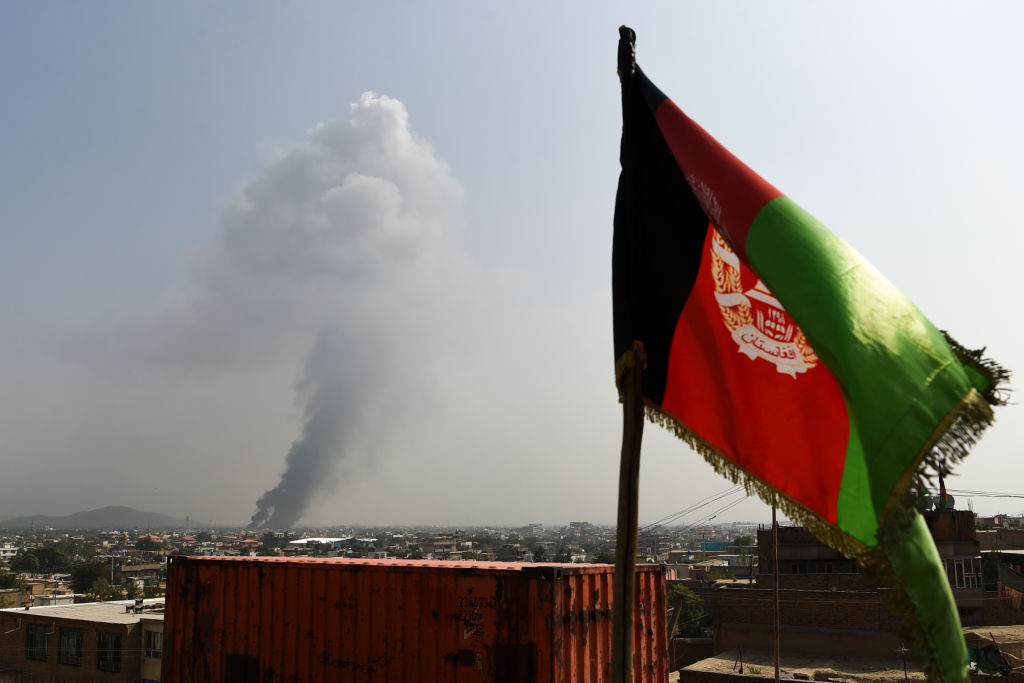
This week’s briefing on recent news and upcoming events in the region featuring Marvin G. Weinbaum, Robert S. Ford, Fatima Abo Alasrar, Jean-François Seznec, Michael Sexton and Eliza Campbell.
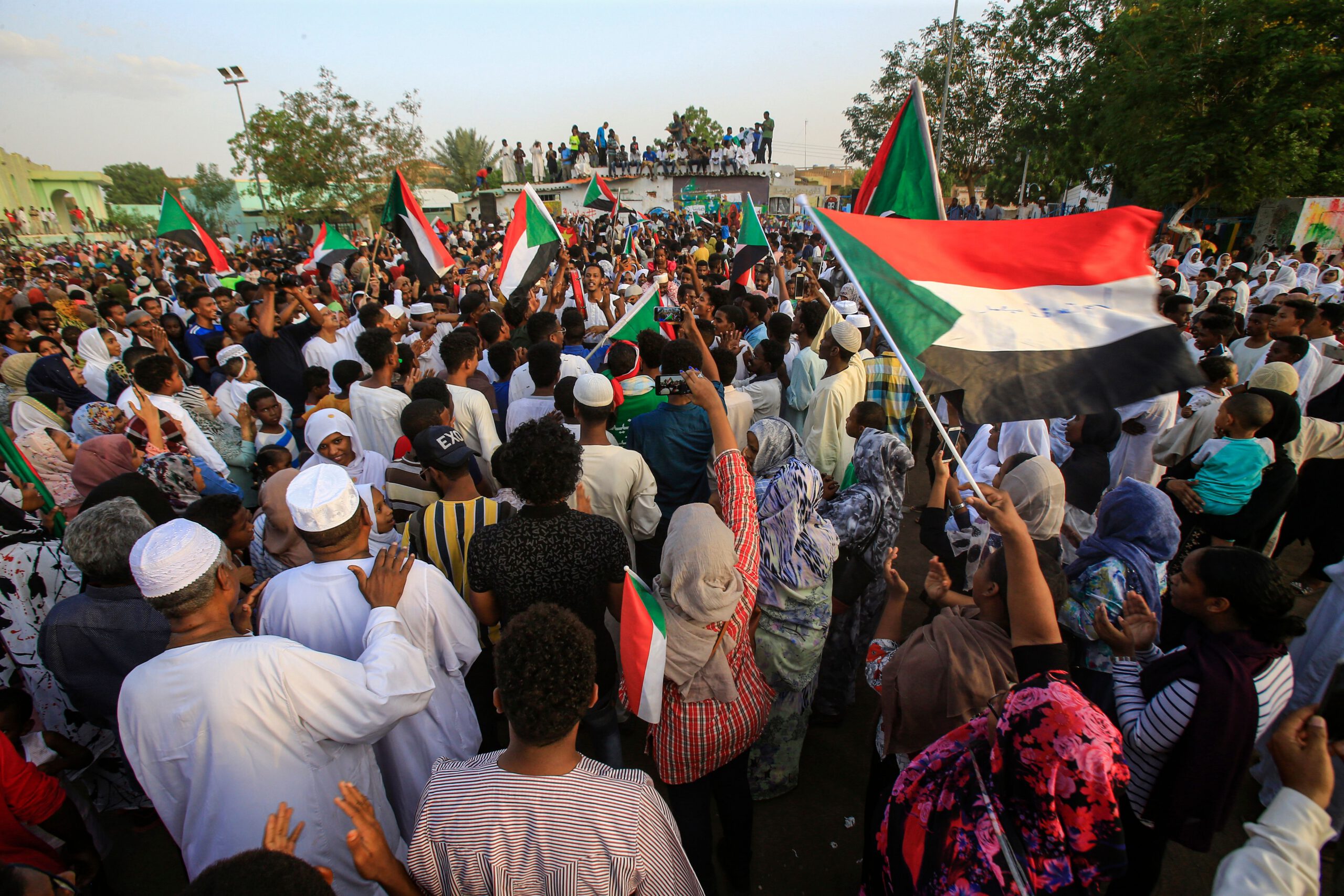
The celebratory scenes in Khartoum last month were a marked contrast from the bloodshed in Sudan’s capital earlier this year. After eight months of unrest following the ouster of former Sudanese President Omar al-Bashir in April, Sudan’s military council and the Alliance for Freedom and Change — represented by Ahmed al-Rabie — signed a power-sharing agreement on Aug. 17. This deal offers hope that Sudan can complete a peaceful transition to civilian rule.
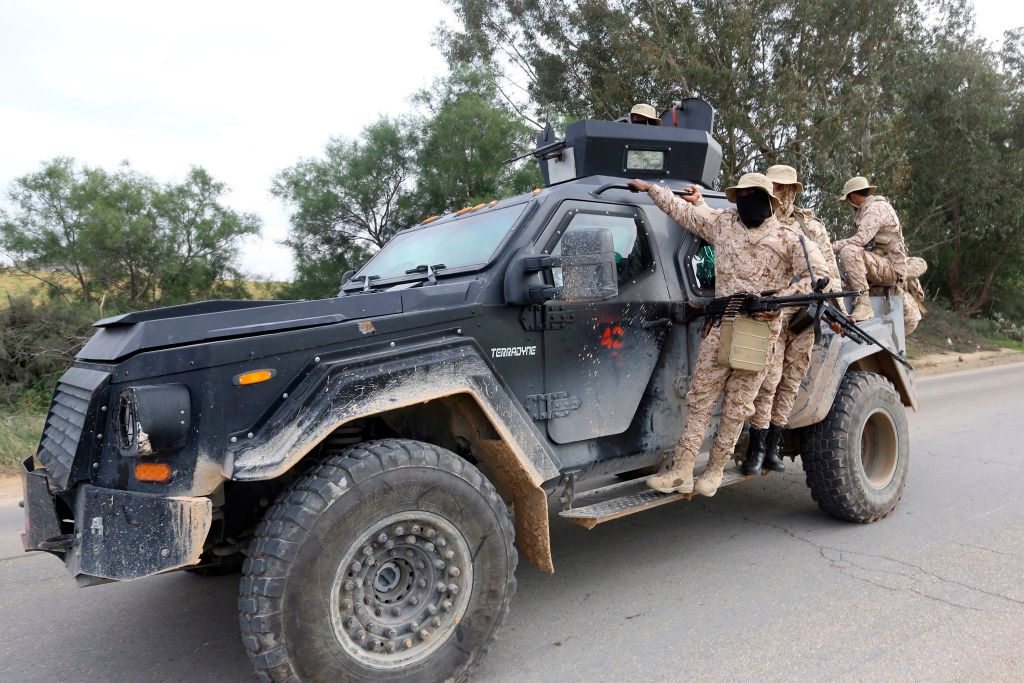
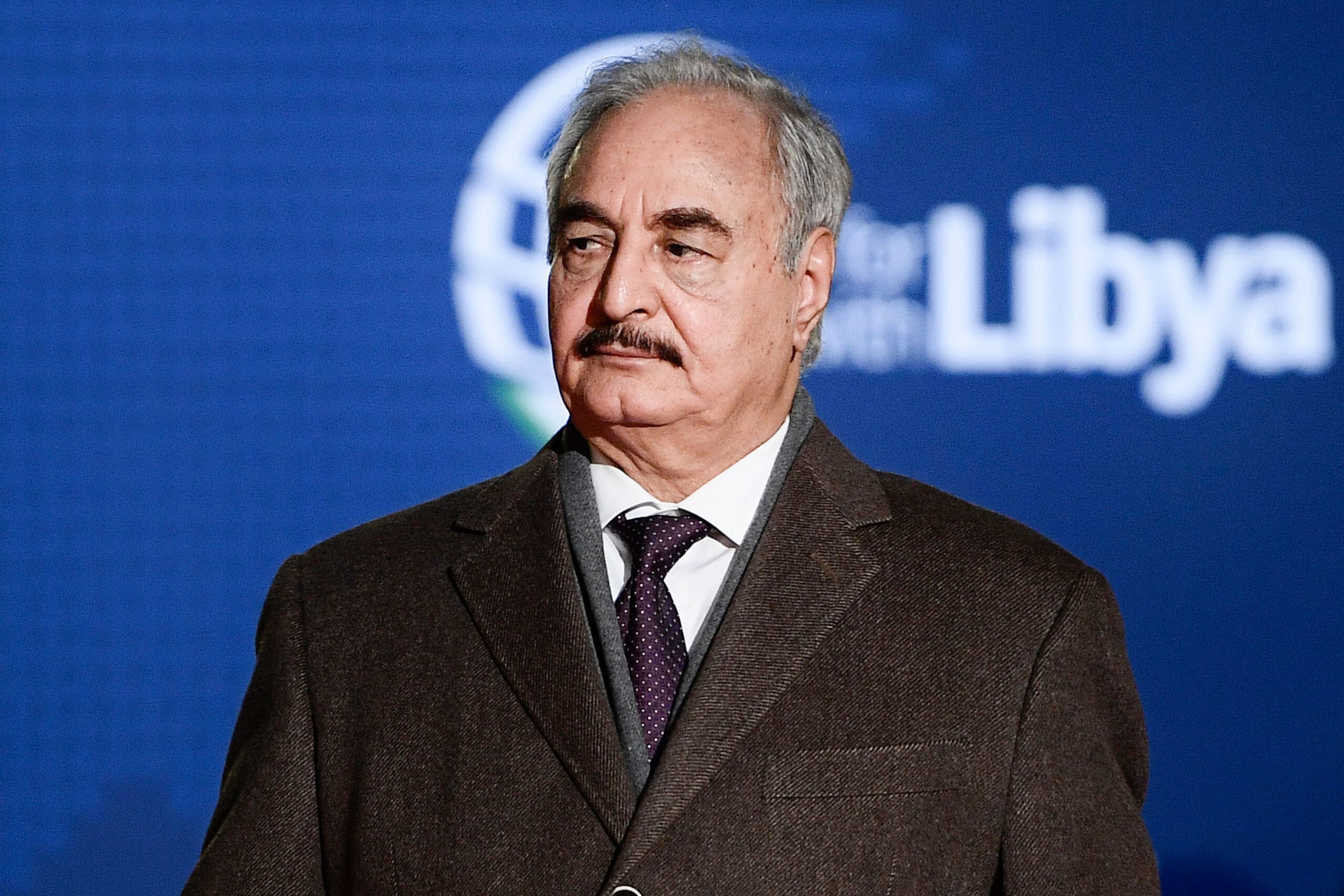
Libya’s Hifter and the false narrative of authoritarian stability
Khalifa Hifter has managed to garner outside support by appealing to foreign states’ desire for a stable Libya, but this rogue former general and would-be authoritarian has proven a troublesome proxy. In supporting his ongoing offensive on Tripoli, foreign states are undermining their own narrative of authoritarian stability.
On September 15, Tunisia will hold a presidential election brought forward two months by the unexpected death of patriarchal President Beji Caid Essebsi. Much of the election analysis so far has been flawed, sometimes because of Western, Middle Eastern, ideological, or wishful analytical filters disconnected from Tunisian realities. Here are seven keys to understanding the elections that address core mischaracterizations and misperceptions.
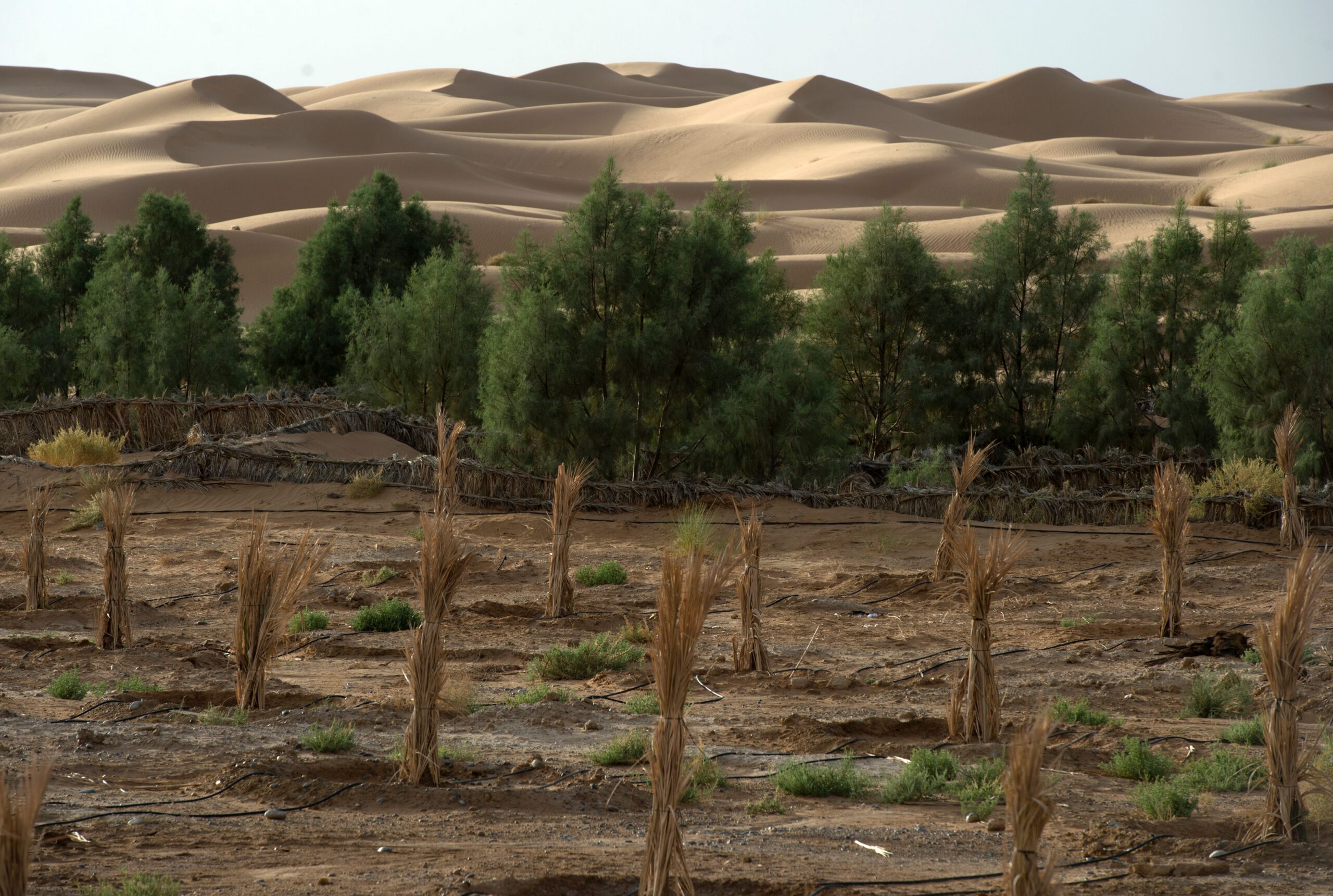
Water scarcity is a global concern that disproportionately affects the Middle East. Mirette Mabrouk, director of MEI’s Egypt program, joins host Alistair Taylor to discuss steps Egypt has taken to manage its own water resources, and what more needs to be done to mitigate the impact of climate change.
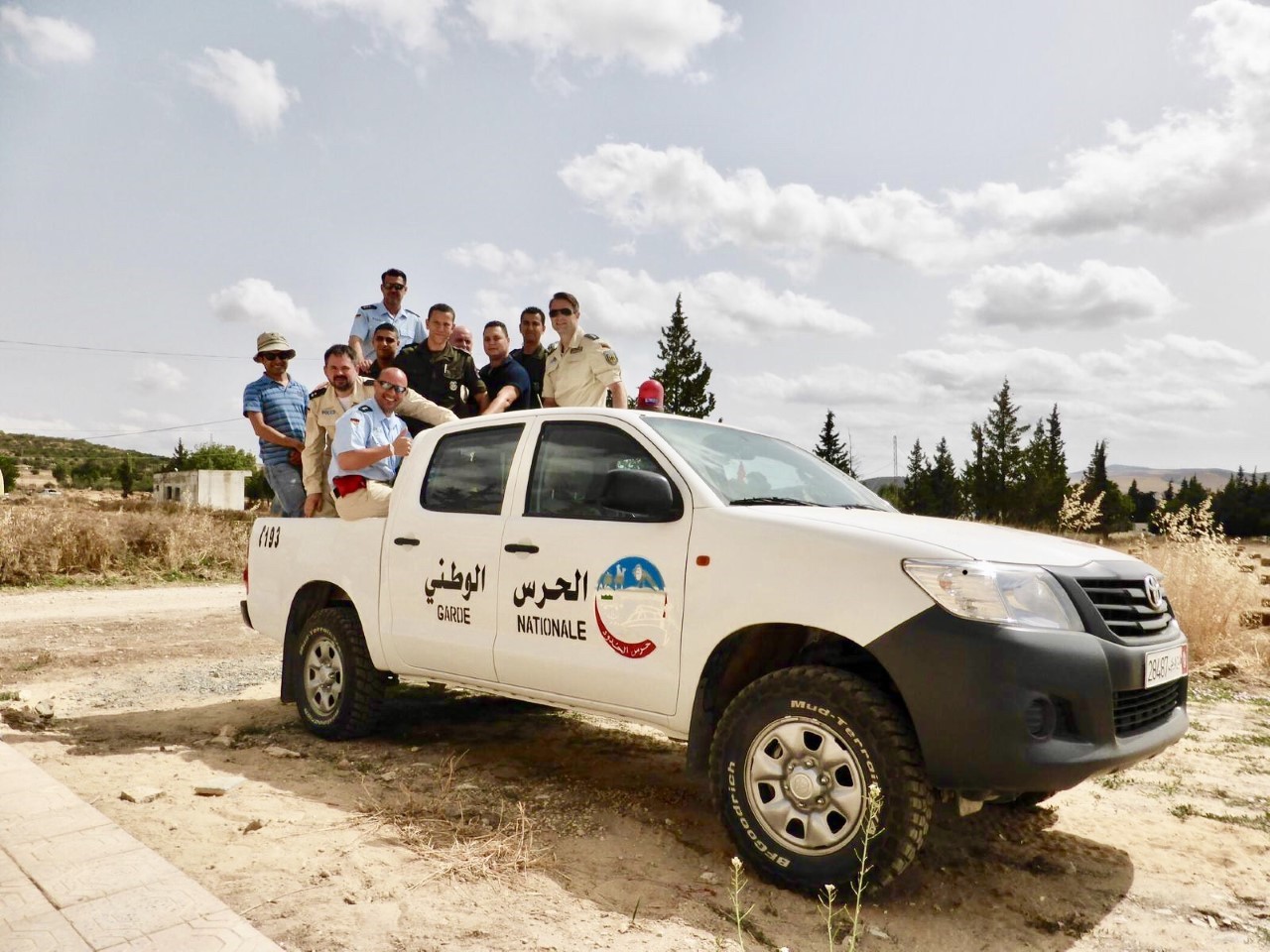
What is Germany Bringing to Tunisia’s Security Sector?
Tunisia is an important security partner for Germany, and a key part of the Federal Republic’s enhanced security involvement in the MENA region. Germany is due to release a new strategy for working on security sector assistance and reform abroad, which will give direction to work in Tunisia and elsewhere. Examining how Germany has performed according its own stated principles in Tunisia highlights policy points for this new strategy, covering greater commitment to governance, gendered security and transparency. With German security spending on the rise, there is a lot to play for.
The oldest peer-reviewed publication dedicated to the study of the modern Middle East, MEI’s flagship journal covers politics, society, and culture in the region.