This article is part of a collection of short essays written by the Fellows of the Middle East Institute to explore aspects of the ongoing war with Iran. The intent of the collection is to help readers see new and unexpected elements of the dynamics and impact of the ongoing hostilities and to think harder, deeper, and broader about the implications of the conflict.
Egypt: How the Iran War Has Affected Egypt’s Calculations
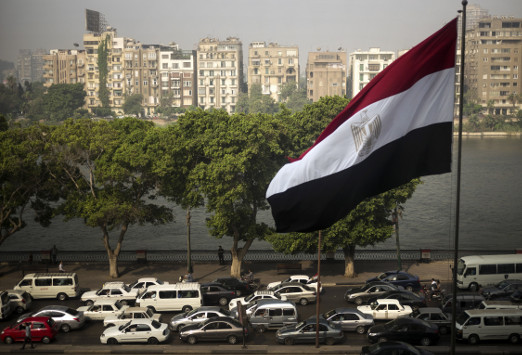
Egypt, which is not party to the war on Iran, has become a target as well as an intermediary in the conflict. As a result, the war has affected Egypt’s future calculations, particularly in three major areas: its economy, its security, and its regional alliances.
Algeria and Morocco have long been at odds, but recent diplomatic moves may signal a widening geopolitical split in North Africa. Hosts Alistair Taylor and Matthew Czekaj are joined by MEI Senior Fellow Intissar Fakir to unpack Algeria’s decision to sever diplomatic ties with the United Arab Emirates and Morocco’s warming relations with both the UAE and Israel. They also explore linkages between these diplomatic shifts and the Western Sahara conflict, Moroccan domestic concerns, particularly in light of this week’s elections, as well as broader regional stability.
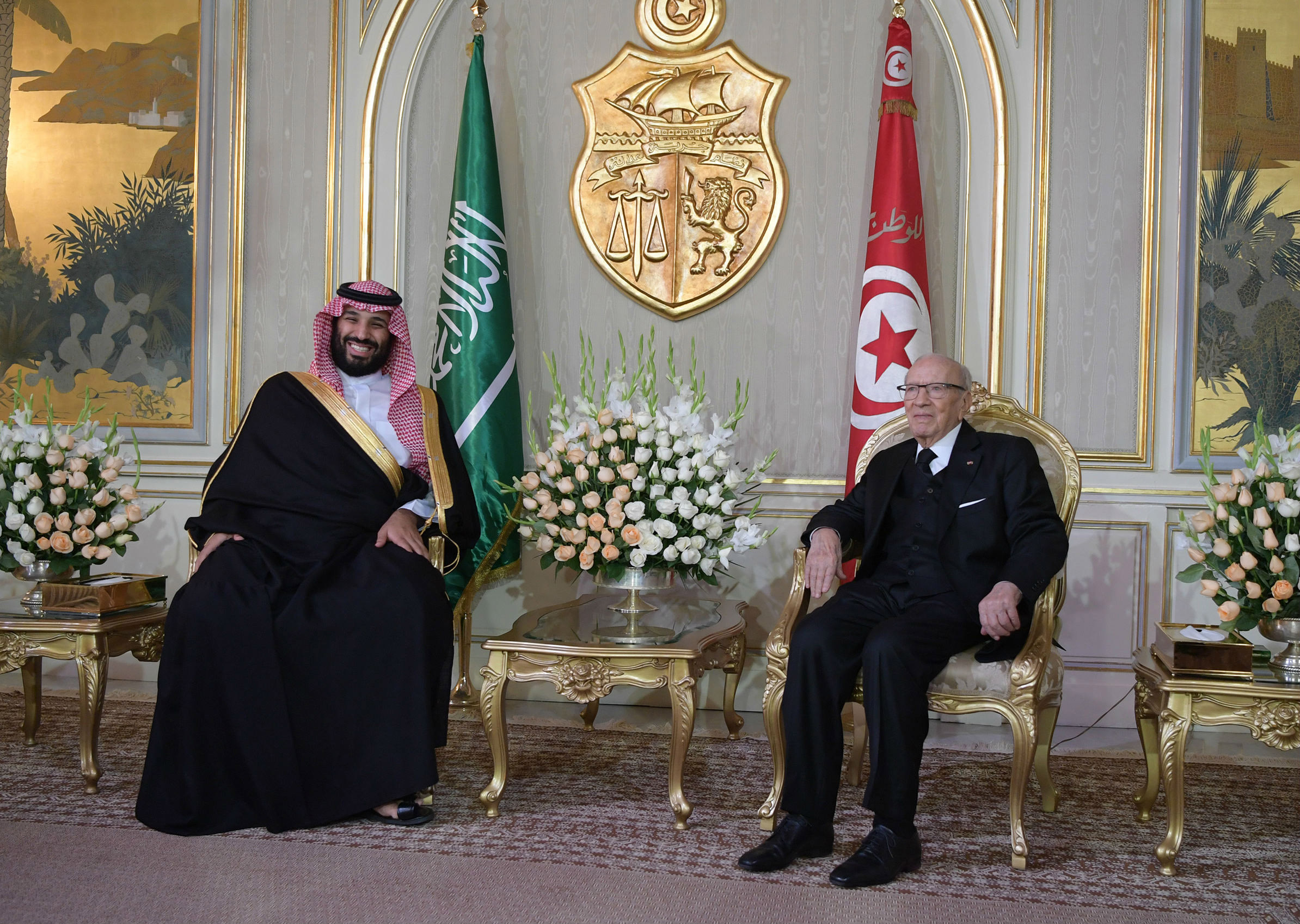
Saudi-Tunisian relations: Balancing fiscal support and foreign policy
While Tunisia remains geographically and politically distant from Saudi Arabia, its economic troubles may offer an opportunity for the kingdom to leverage fiscal aid to secure stronger bilateral ties.
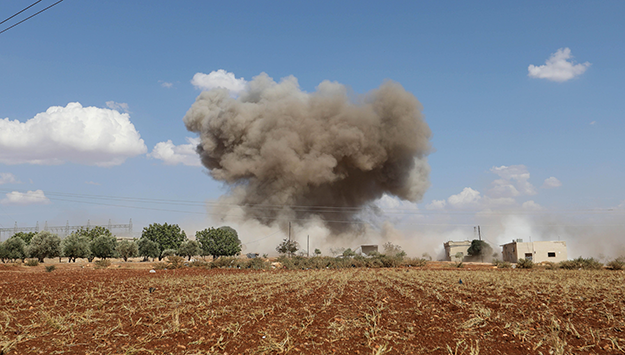
Monday Briefing: Russians launch air strikes after alleged gas attack
In this week’s Monday Briefing, MEI experts discuss recent and upcoming events including Russian air strikes in Aleppo, the elections in Bahrain, the growing international interest in Egypt’s offshore energy finds, and the appointment of a new Afghan team of negotiators for peace talks.
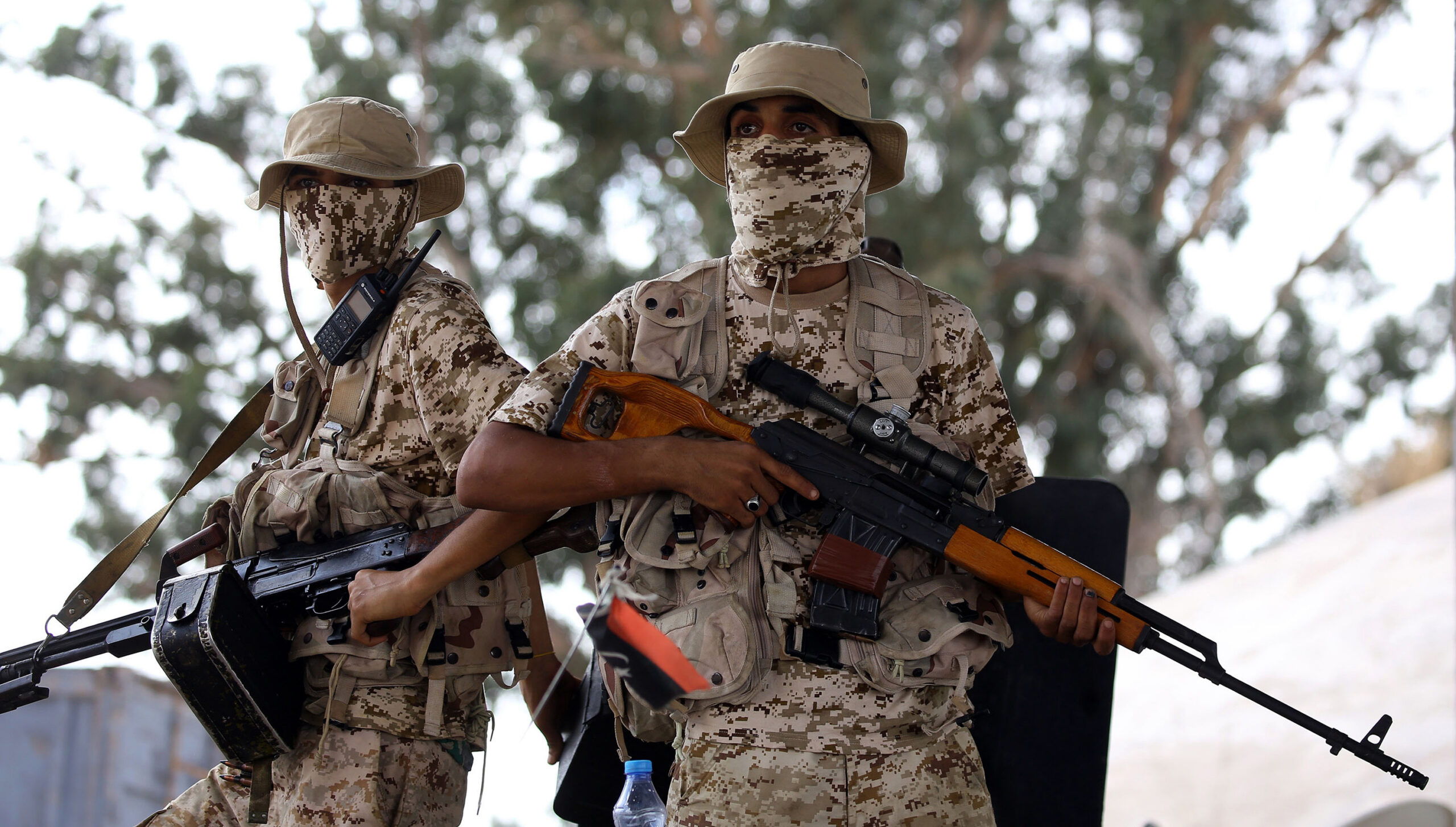
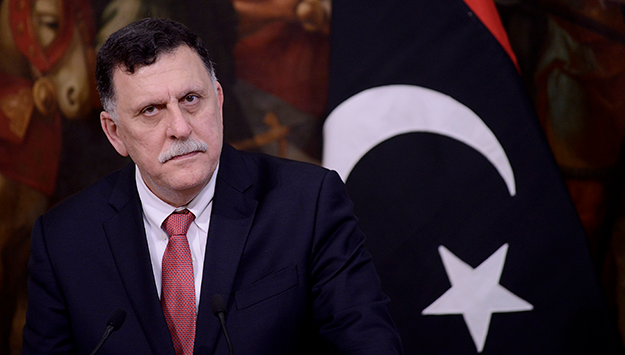
MEI’s Jonathan Winer joins guest host Alistair Taylor to discuss the conditions in Libya nearly eight years after the country’s revolution, from the situation on the ground to the prospects for elections and political settlement more broadly.
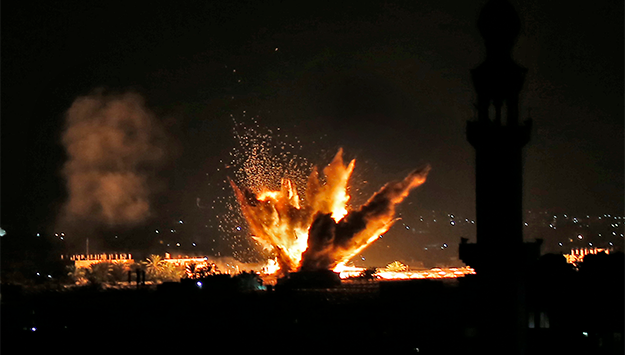
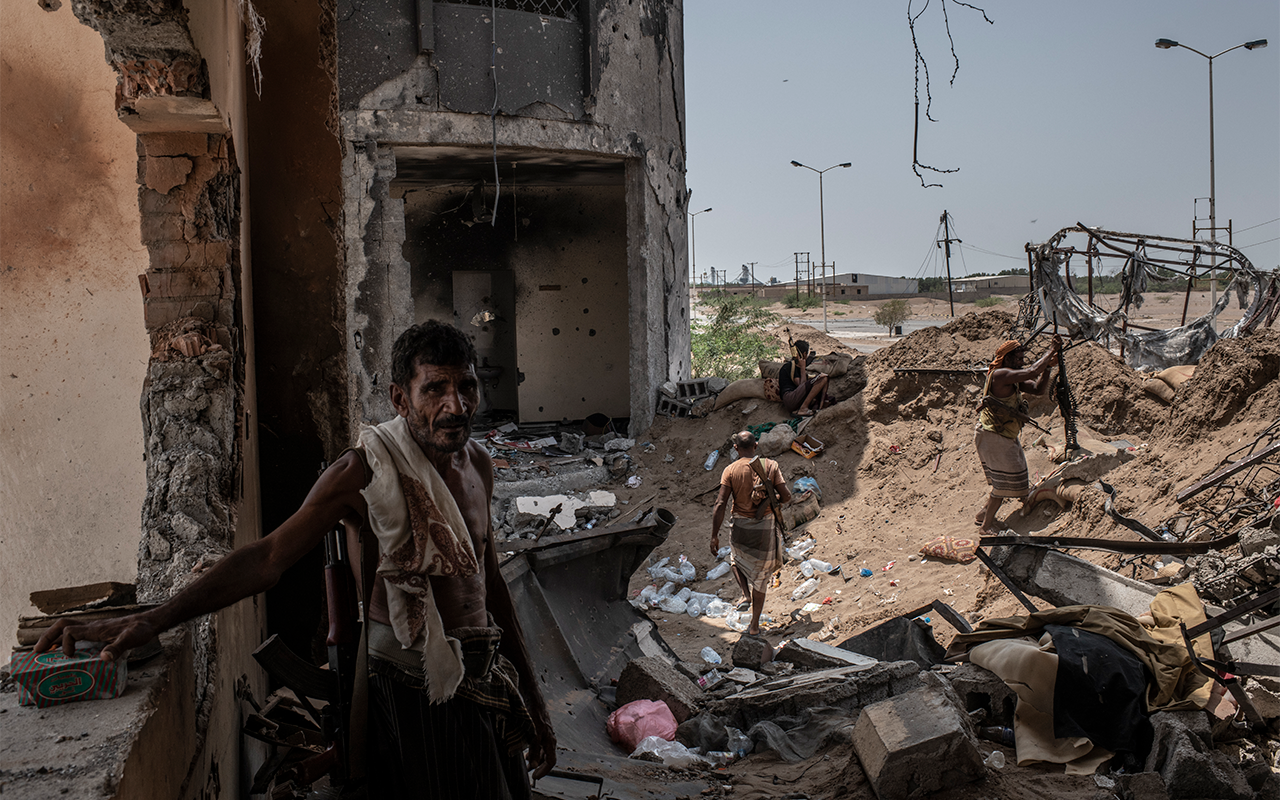
In this week’s Monday Briefing, MEI experts discuss recent and upcoming events including the Gaza flare-up and its threat to Egyptian-led negotiations, Russian-hosted Afghan peace talks, the ground offensive in Hodeidah, and rapid escalation in northwestern Syria.
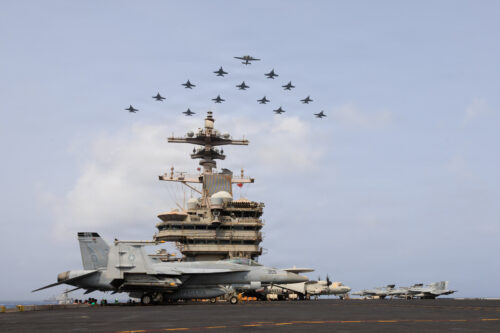
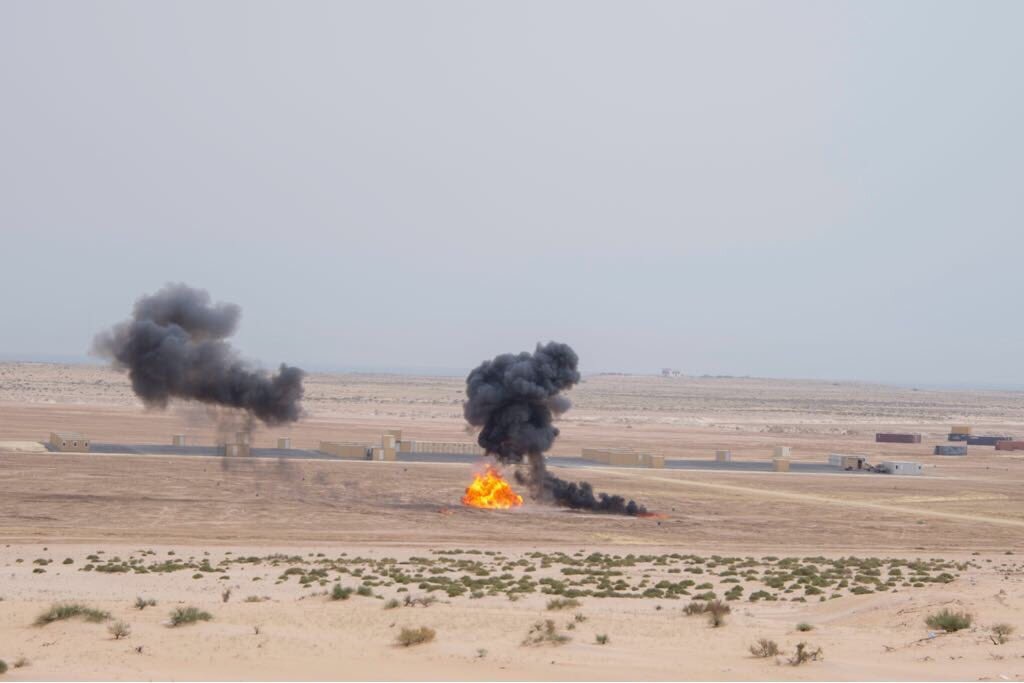
As naval, air, and ground units from Bahrain, Egypt, Jordan, Kuwait, Saudi Arabia, and the UAE conduct war games in western Egypt this month, many speculate that this could represent the birth of the so-called “Arab NATO.”
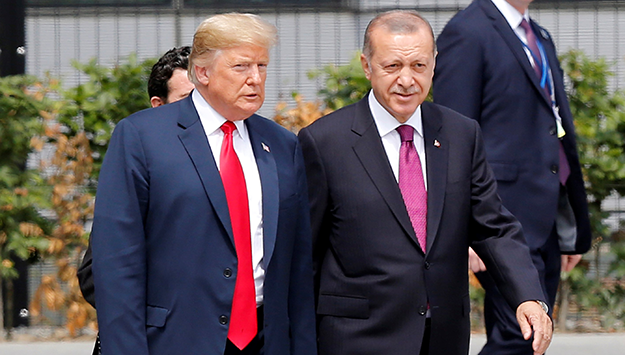
In this week’s Monday Briefing, MEI experts discuss recent and upcoming events including the ongoing conflict in Yemen, the potential impact of the midterm elections on US Middle East policy, U.S.-Turkey rapprochement, escalating tensions in northern Syria, the upcoming Palermo conference on Libya, and the potential for political fallout in Pakistan and peace talks in Afghanistan.
The UN’s “Plan B” for Libya needs a security solution, too
The UN has undertaken a series of steps to push Libya beyond the uneasy stability imposed by the militias. Together with Plan B, an economic-military-political package could provide the means to do so.
The stakes behind the story: How Egypt’s media covered the Khashoggi case
As the Khashoggi drama became to big to ignore, Egypt’s state-owned and private media coverage of the story confirmed that Egypt could not afford to harm its ties with Saudi Arabia.
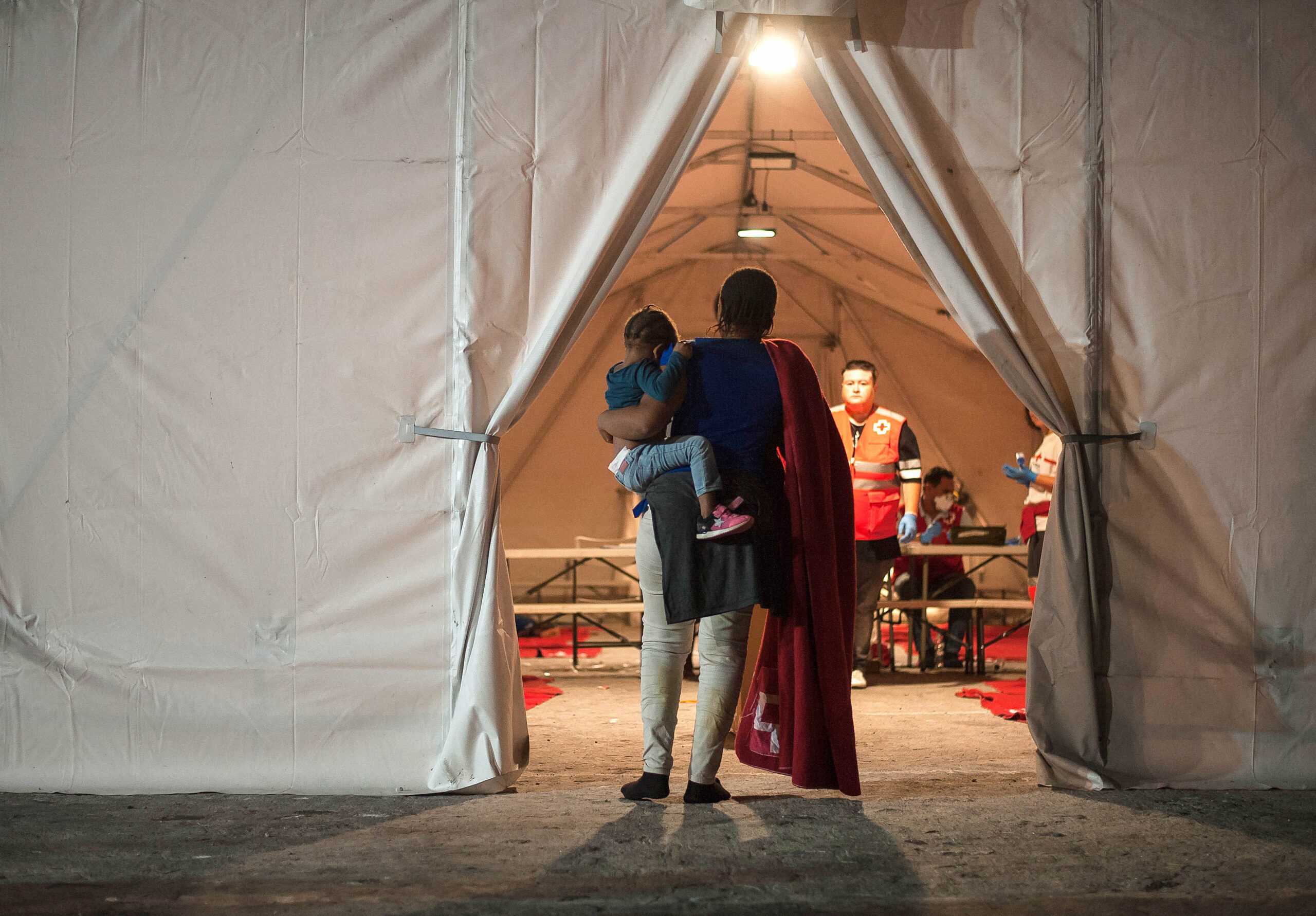
The most recent EU summit, in June 2018, only proved that the EU’s member states do not share any common long-term perspective on migration from Middle East to Europe. This lack of cohesion, as well as a lack of substantial cooperation with the U.S., are the best recipe for a humanitarian disaster in 2019.
In this week’s Monday Briefing, MEI experts Jonathan M. Winer, Robert S. Ford, and Alex Vatanka provide analysis on recent and upcoming events including political turmoil in Libya, the meeting between Turkey and Russia to discuss the fate of Idlib province, and Iran’s attempts to forge new relationships to offset U.S. sanctions.
The jihadist threat is not new to the Maghreb. However, the fallout of the 2011 Arab uprisings has fundamentally altered the political and security environment of North African countries. While states such as Egypt, Libya, and Tunisia witnessed an increase in deaths from jihadist attacks, others like Algeria and Morocco experienced a reduced impact.
In this week’s Monday Briefing, MEI experts Charles Lister, Randa Slim, Jean-François Seznec, and Mirette F. Mabrouk provide analysis on recent and upcoming events including escalating tensions in Idlib, protests in Basra and their implications for Iraqi politics, a Saudi sovereign wealth fund’s loan to help make up for Aramco IPO revenue, and Egypt’s diplomatic outreach to China.
Can the US and Turkey mend fences in Manbij? | Monday Briefing
In this week’s Monday Briefing, MEI experts Gonul Tol, Robert S. Ford, Bilal Y. Saab, and Mirette F. Mabrouk provide analysis on recent and upcoming events including Turkey-U.S. cooperation in Syria amid diplomatic tensions, talks between U.S. and Russian officials on Syria policy, the implications of a new Iranian fighter jet, and Egypt’s revitalized work in regional diplomacy.
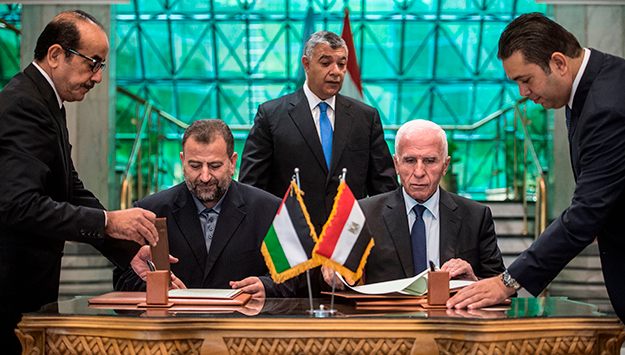
In this week’s Monday Briefing, MEI experts provide analysis on Fatah-Hamas reconciliation talks in Cairo, possible cooperation between the Syrian Democratic Council and the Assad regime, the protests in Iraq, the U.S.’s lifting of restrictions on aid to Egypt, and Imran Khan’s victory in the Pakistani elections.
The oldest peer-reviewed publication dedicated to the study of the modern Middle East, MEI’s flagship journal covers politics, society, and culture in the region.