This article is part of a collection of short essays written by the Fellows of the Middle East Institute to explore aspects of the ongoing war with Iran. The intent of the collection is to help readers see new and unexpected elements of the dynamics and impact of the ongoing hostilities and to think harder, deeper, and broader about the implications of the conflict.
Egypt: How the Iran War Has Affected Egypt’s Calculations
Egypt, which is not party to the war on Iran, has become a target as well as an intermediary in the conflict. As a result, the war has affected Egypt’s future calculations, particularly in three major areas: its economy, its security, and its regional alliances.
Algeria and Morocco have long been at odds, but recent diplomatic moves may signal a widening geopolitical split in North Africa. Hosts Alistair Taylor and Matthew Czekaj are joined by MEI Senior Fellow Intissar Fakir to unpack Algeria’s decision to sever diplomatic ties with the United Arab Emirates and Morocco’s warming relations with both the UAE and Israel. They also explore linkages between these diplomatic shifts and the Western Sahara conflict, Moroccan domestic concerns, particularly in light of this week’s elections, as well as broader regional stability.
Even though energy production and exports are the lifeblood of all Arab states in the Gulf, the present crisis between Qatar on the one hand and Saudi Arabia, the United Arab Emirates, Bahrain, and Egypt on the other has had very little influence on the economics of oil and gas either internationally or within the region. However, the countries involved have a lot to gain from a resolution of the conflict, particularly if it leads to greater energy market integration.
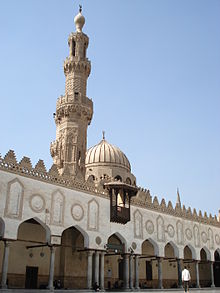
Embracing Moderation: Egypt’s al-Azhar and Indonesia’s Pesantren
Over the past 20 years, Indonesia — the world’s fourth most-populous country and the largest Muslim-majority nation — has evolved into a democracy based on tolerance and a moderate interpretation of Islam, and has emerged as one of Asia’s fastest-growing economies. This essay is part of a series on “Indonesia and the Middle East: Exploring Connections,” which examines the nature, scope, and implications of Indonesia’s ties with the MENA region.
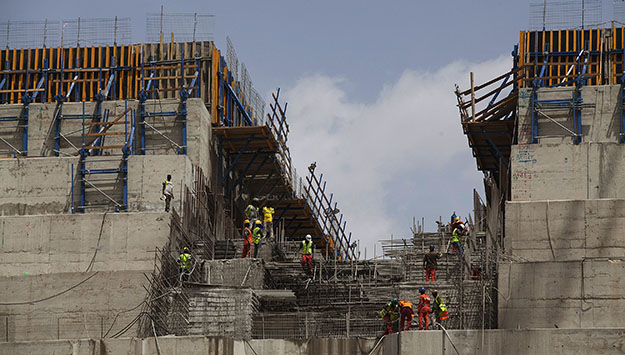
Egypt’s sustainable development threatened by Ethiopian dam
It is a travesty that in the 21st century the construction of a mega-hydropower-generation project, the Great Ethiopian Renaissance Dam (GERD) has been underway for over seven years without an independent, comprehensive transboundary Environmental and Social Impact Assessment (ESIA) conducted first.
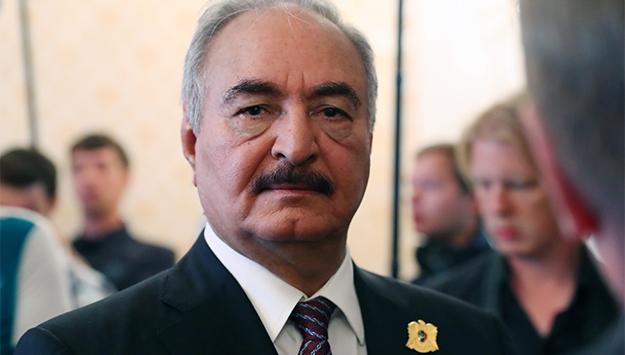
The issue for Libya is not whether 75-year-old Gen. Khalifa Hifter returns to normal health following the medical crisis that led to his hospitalization in Paris. No matter what happens to Hifter, the country must find ways to build an inclusive government in which integrated security forces at the national level are under the command of civilian, elected leaders.
The hollow war drums of the Western Sahara conflict
Every year at the end of April, like clockwork, tensions rise between Morocco and the Polisario Front, the group leading the disputed region of Western Sahara’s independence movement. The timing coincides with the U.N. secretary-general’s annual report to the U.N. Security Council on the latest developments in the conflict, which is followed by a vote to renew the peacekeeping mission—known as MINURSO—that has been in place in the territory since 1991.
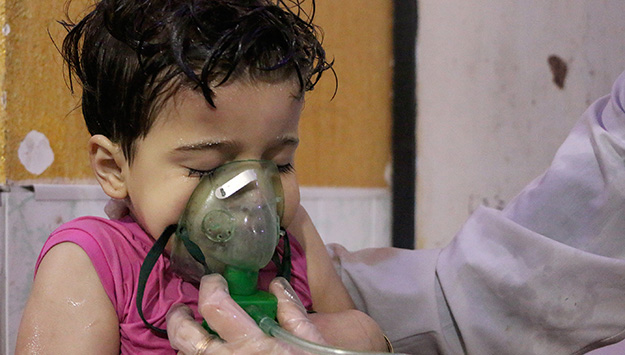
In this week’s Monday Briefing, MEI experts Robert S. Ford, Gerald Feierstein, Randa Slim, and Alex Vatanka provide analysis on recent and upcoming events including the chemical attack on Douma, Sheikh Tamim’s Tuesday meeting with Trump, Lebanese parliamentary elections, Moroccan and Algerian tension over Western Sahara, and Iran and India’s strategic partnership.
Egypt’s elections and what’s ahead in Sisi’s second term
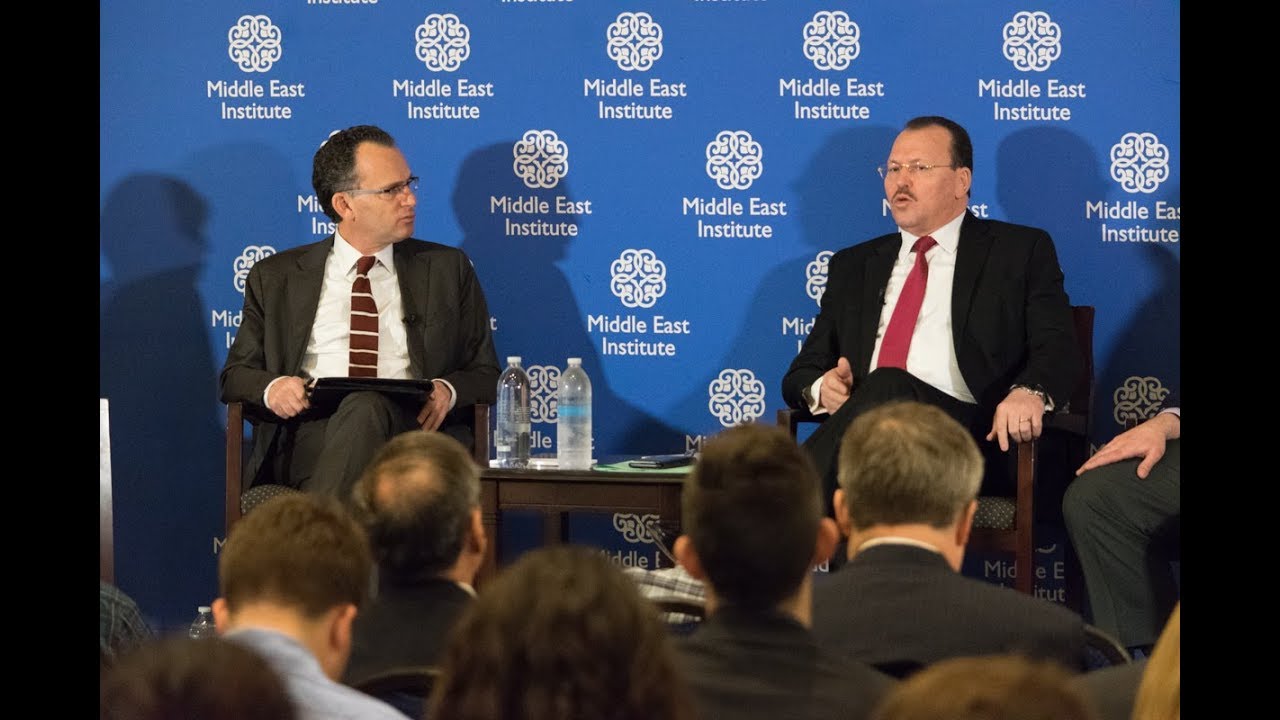
Amb. Nabil Fahmy, dean of the School of Global Affairs and Public Policy at the American University in Cairo, joins host Paul Salem to discuss the political situation in Egypt and the range of issues facing President Abdel Fattah el-Sisi following his reelection this week to a second term in office.
Elections in Tunisia and hope for democratic reform
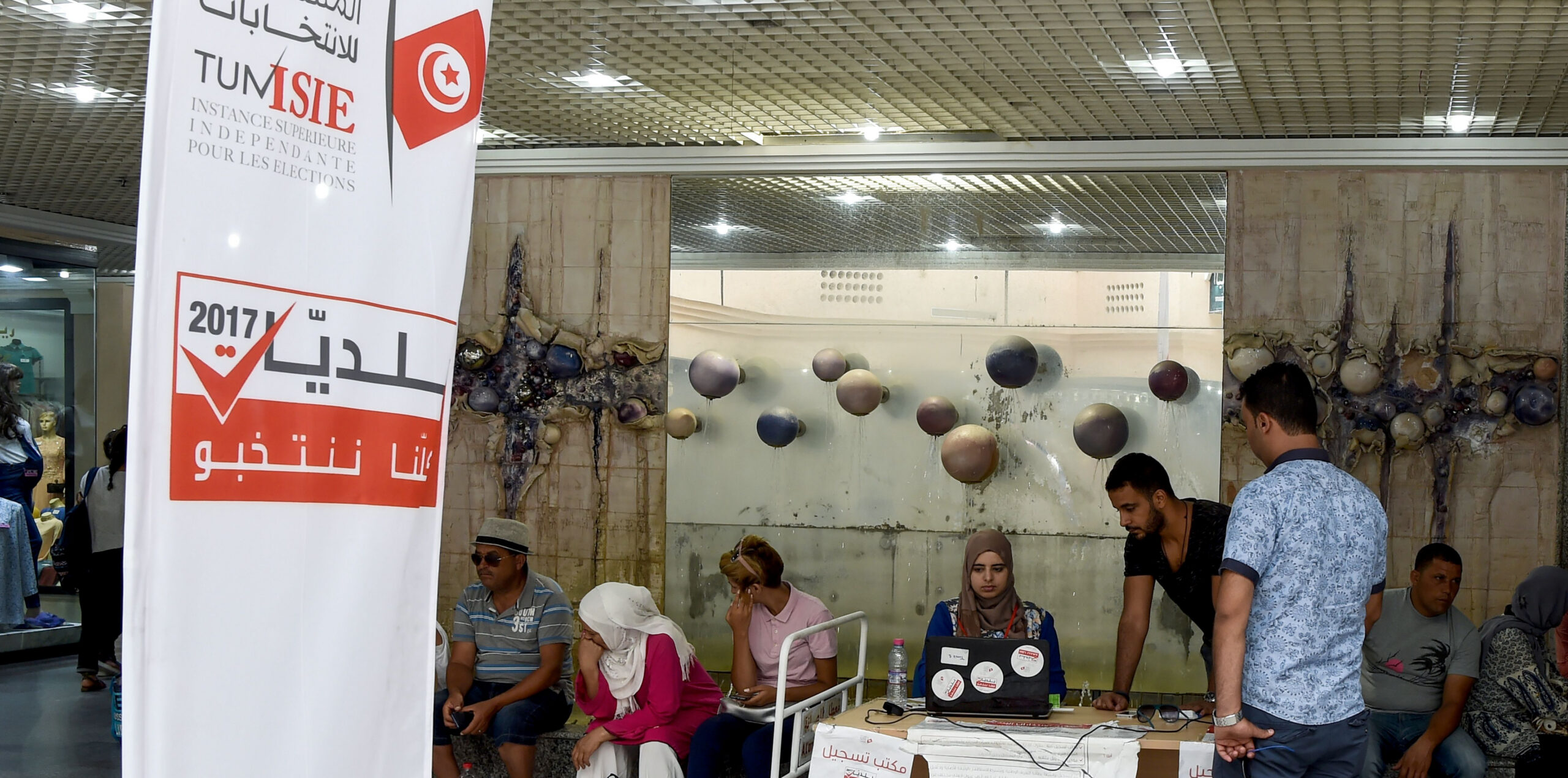
Leading up to long-awaited municipal elections, Tunisia is at a crossroads. The beginning of 2018 saw widespread protests and social unrest in both cities and rural areas, as economic stagnation and unemployment continue to worsen. However, the vote currently set for May 6 signals an opportunity for Tunisian youth, women, and minorities to make their voices heard.
In this week’s Monday Briefing, MEI experts Paul Salem, Bilal Y. Saab, Gerald Feierstein, Gonul Tol, and Ibrahim al-Assil provide analysis on recent and upcoming events including the appointment of John Bolton to national security advisor, the Houthi missile attack on Riyadh, Egypt’s regressive referendum, the Yemeni war’s third anniversary, EU-Turkey diplomacy, and the worsening crisis in Ghouta.
Monday Briefing: Mohammed bin Salman’s American charm offensive
In this week’s Monday Briefing, MEI experts Gerald Feierstein, Paul Salem, Charles Lister, Jean-François Seznec, and Jonathan M. Winer provide analysis on recent and upcoming events including the shaping of U.S.-Saudi relations, Pompeo’s appointment to secretary of state, Turkey’s capture of Afrin, the future of Saudi energy, and Egypt’s efforts to unite the Libyan military.
Monday Briefing: Senate moves to end US engagement in Yemen conflict
In this week’s Monday Briefing, MEI experts Gerald Feierstein, Alex Vatanka, Nathan Stock, and Randa Slim provide analysis on recent and upcoming events including the Senate’s decision to pull out of Yemen, enduring Iran-Pakistan political strain, Egypt’s role in Palestinian reconciliation, and America’s dissolving influence in Syria.
Sub-Saharan Africa must respect North Africa's water rights
The Middle East is the world’s most arid region and the one most dependent on renewable freshwater resources that originate outside its territories. These resources are largely contained in the Nile, Euphrates-Tigris, and Jordan river basins. An international law-based approach to transboundary watercourse development and management is vital for human security and regional stability. Applying legal principles in the Nile Basin is imperative, as unilateral actions by upstream countries can harm livelihoods on a large scale in downstream countries and destabilize their economies.
The oldest peer-reviewed publication dedicated to the study of the modern Middle East, MEI’s flagship journal covers politics, society, and culture in the region.