This article is part of a collection of short essays written by the Fellows of the Middle East Institute to explore aspects of the ongoing war with Iran. The intent of the collection is to help readers see new and unexpected elements of the dynamics and impact of the ongoing hostilities and to think harder, deeper, and broader about the implications of the conflict.
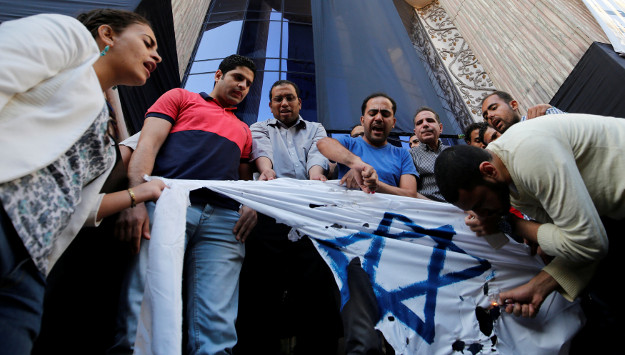
Egypt: How the Iran War Has Affected Egypt’s Calculations
Egypt, which is not party to the war on Iran, has become a target as well as an intermediary in the conflict. As a result, the war has affected Egypt’s future calculations, particularly in three major areas: its economy, its security, and its regional alliances.
Algeria and Morocco have long been at odds, but recent diplomatic moves may signal a widening geopolitical split in North Africa. Hosts Alistair Taylor and Matthew Czekaj are joined by MEI Senior Fellow Intissar Fakir to unpack Algeria’s decision to sever diplomatic ties with the United Arab Emirates and Morocco’s warming relations with both the UAE and Israel. They also explore linkages between these diplomatic shifts and the Western Sahara conflict, Moroccan domestic concerns, particularly in light of this week’s elections, as well as broader regional stability.
These days even the hint of a renewal of diplomacy on Palestine is enough to set tongues wagging. In recent months, France has led what remains an inchoate effort to fill the diplomatic vacuum created by the Obama administration’s decision two years ago to close its book on Palestine.
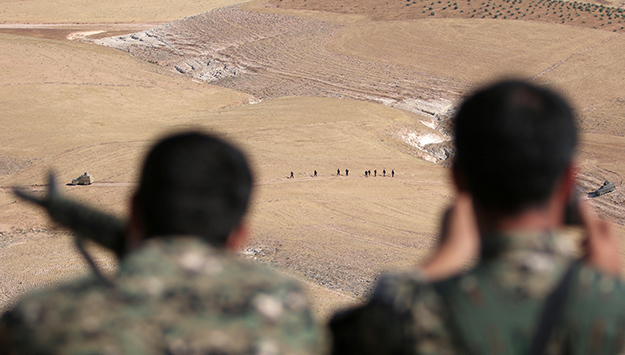
Monday Briefing: Manbij Offensive, Yemen Talks, Turkey-Israel, Tunisia Unity Government
In this week’s Monday Briefing, MEI experts Robert S. Ford, Charles Schmitz, Gonul Tol, and Mabrouka M’Barek provide analysis on recent events including Manbij offensive, Yemen talks, Israel-Turkey rapprochement, and Tunisia national unity government.
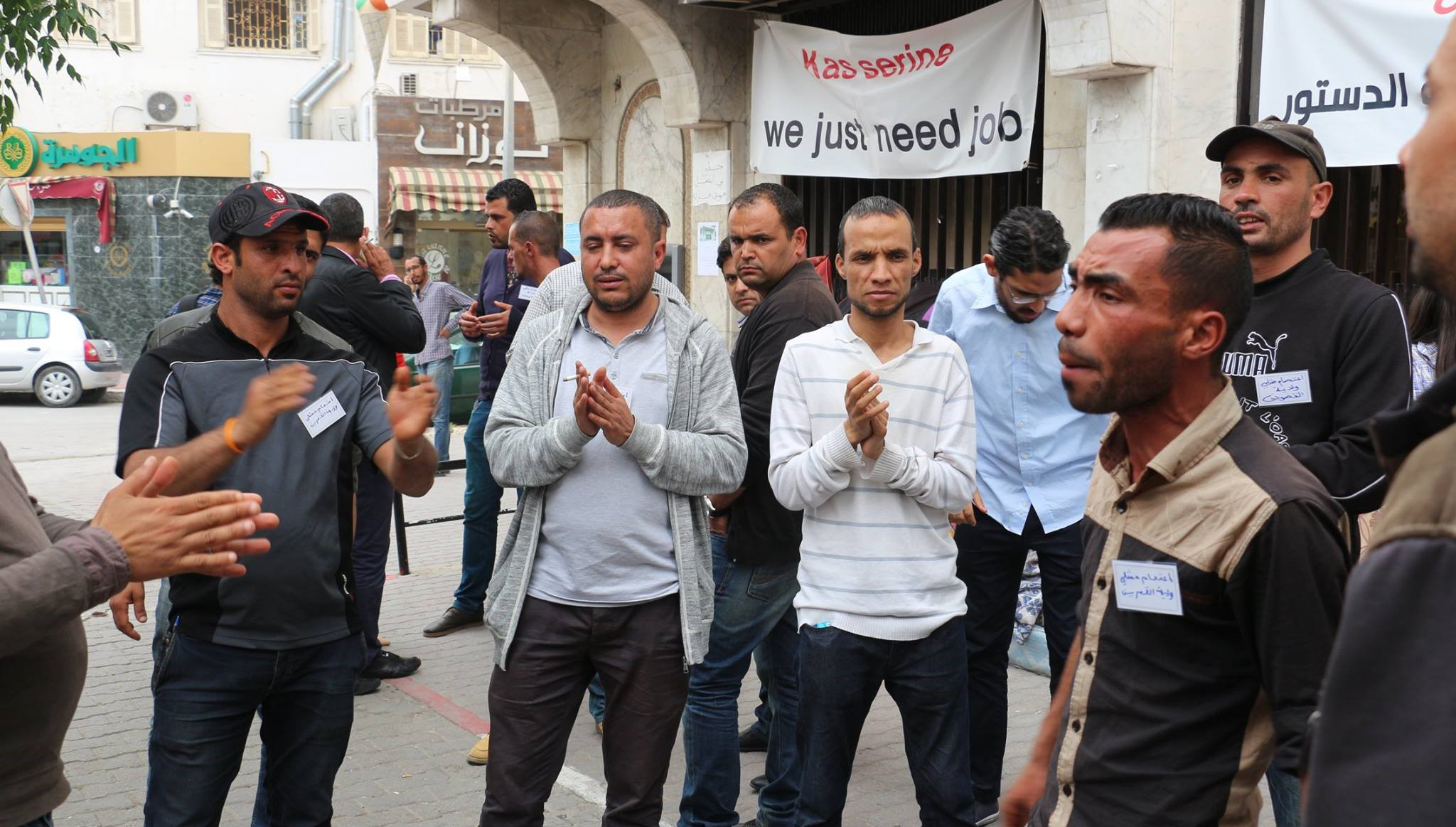
More Jobs, Higher Wages Essential for Tunisian Growth
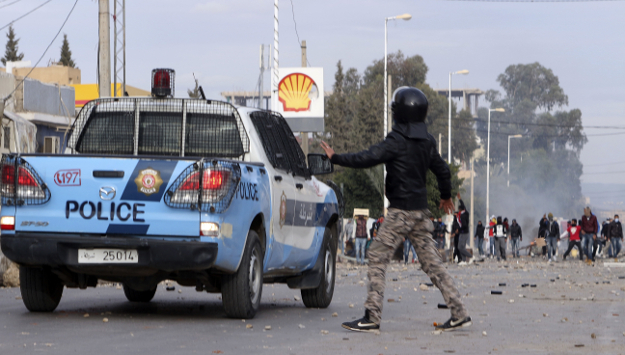
U.N. Secretary-General Ban Ki-moon was in Tunisia last month to participate in the first round of the National Dialogue on Employment, which gathered 270 representatives of the government, political parties, unions, civil society and experts.. The participation of the secretary-general underscores the international importance of preserving Tunisia’s democratic gains, as well as the U.N.’s hope to offer Tunisia as a successful model of reform for the region.
The Potential for Intra-Regional Energy Cooperation
Regional Cooperation Series
This Policy Paper is part of The Middle East Institute’s Regional Cooperation Series. Throughout 2016, MEI will be releasing several policy papers by renowned scholars and experts exploring possibilities to foster regional cooperation across an array of sectors. The purpose is to highlight the myriad benefits and opportunities associated with regional cooperation, and the high costs of the continued business-as-usual model of competition and intense rivalry.
Philip Gordon, a former Middle East policy adviser in the White House, likes to say that President Barack Obama learned three lessons from the region’s unending turmoil.
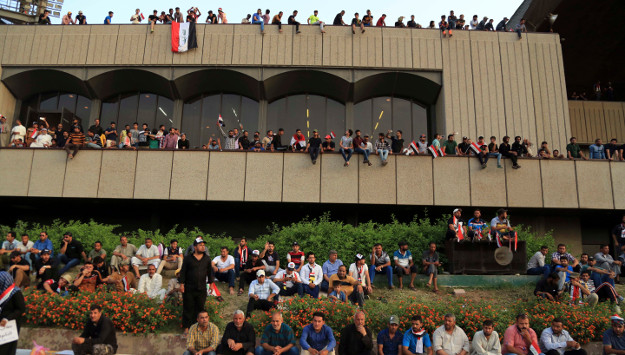
Monday Briefing: Iraq's Political Storm and U.S. Efforts to Salvage the Syrian Cease-fire
In this week’s Monday Briefing, MEI experts Hassan Mneimneh, Robert S. Ford, and Mabrouka M’Barek provide analysis on recent events including Iraq’s political storm, efforts to salvage the Syrian cease-fire, and the first Tunisia-U.S. Joint Economic Commission meeting starting later this week.
Since the mid-2000s, Egypt has developed into a main transit country for irregular migrants, either to Libya or to Israel. Now, as the traditional paths have largely been closed, many migrants and refugees are blocked in Cairo and along Egypt’s Mediterranean coast. Boarding a boat towards Europe is for many the only option to escape negligence, detention and abuse.
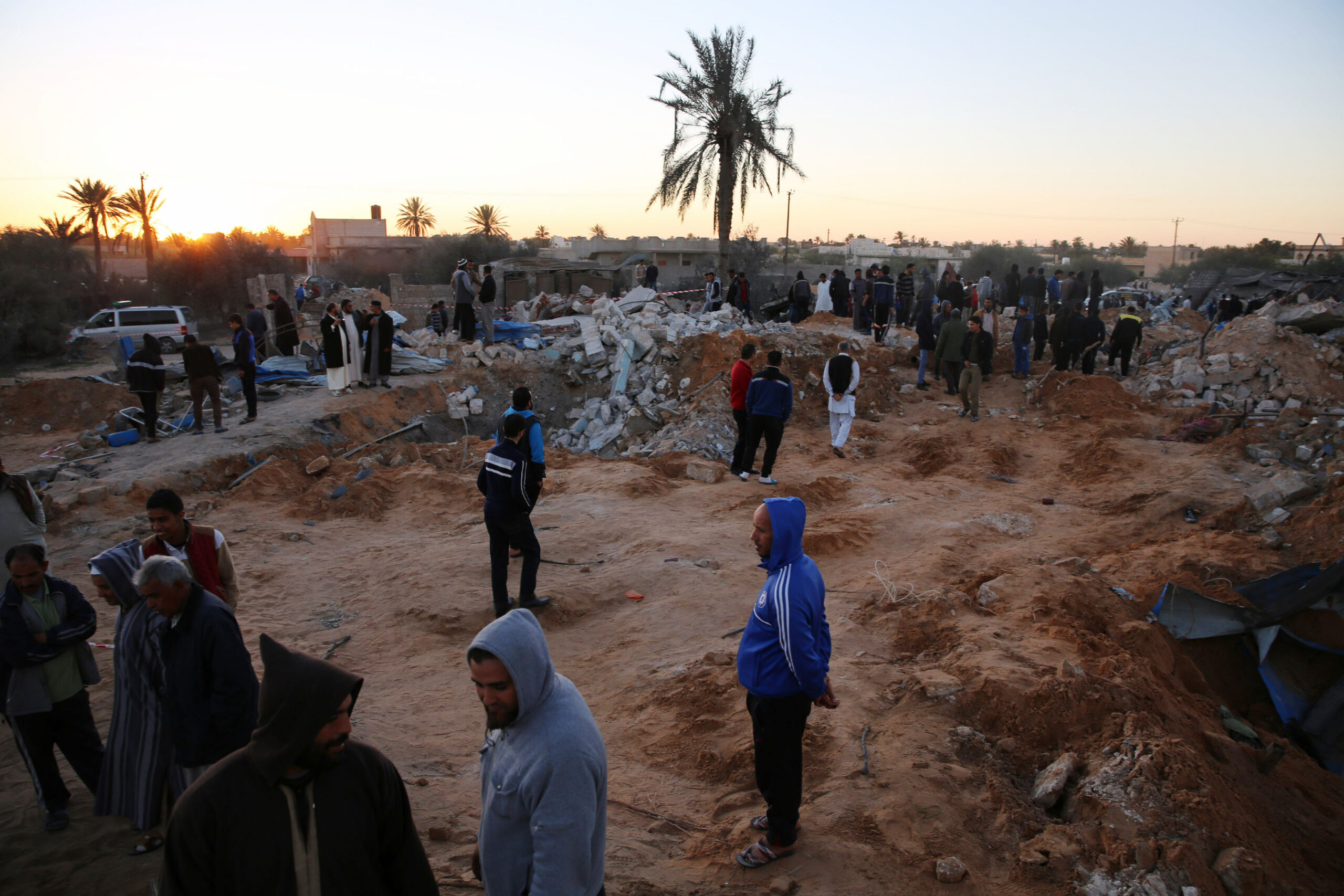
Tunisia is facing multiple pressures that, if not handled well by its current leaders, could undermine its stability as it continues to grapple with the post-Arab Spring era. The March 7 attack on Ben Gardane in Tunisia was a vivid reminder that the threat of ISIS and other extremist groups with safe haven in Libya is alive and well.
Some problems cannot be postponed indefinitely, and Libya is one of them. U.N. mediators, fronting for a hesitant and oft-divided international community, are running out of gimmicks for further talks among the feuding parties in Libya’s dysfunctional political process. Moving swiftly after his arrival in Tripoli last Wednesday, Prime Minister Fayez al-Sarraj reached out to the Libyan public, key central government institutions, and regional and municipal authorities.
Monday Briefing: Erdogan's Failed Washington Trip, Iraq's Cabinet Reshuffle, and Other Key Issues in Week Ahead
In this week’s Monday Briefing, MEI experts Gonul Tol, Robert S. Ford, Charles Lister, and Paul Salem provide analysis on recent events including Turkish President Erdogan’s visit to Washington, the reshuffling of Iraq’s cabinet, King Salman’s forthcoming visit to Egypt, and the latest attempts by Jabhat al-Nusra over the weekend to disrupt the Syrian political process.
Monday Briefing: Syria Ceasefire, Iran's Elections, and ISIS in Libya
In this week’s Monday Briefing, MEI experts Robert S. Ford, Paul Salem, Alex Vatanka, and David Mack provide analysis on recent events including the ceasefire agreement in Syria, Iran’s elections, and how the United States should respond to the growing threat of ISIS in Libya.
The oldest peer-reviewed publication dedicated to the study of the modern Middle East, MEI’s flagship journal covers politics, society, and culture in the region.