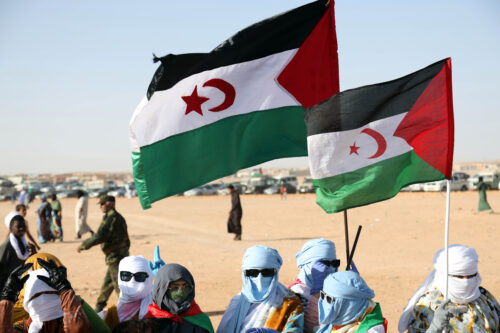
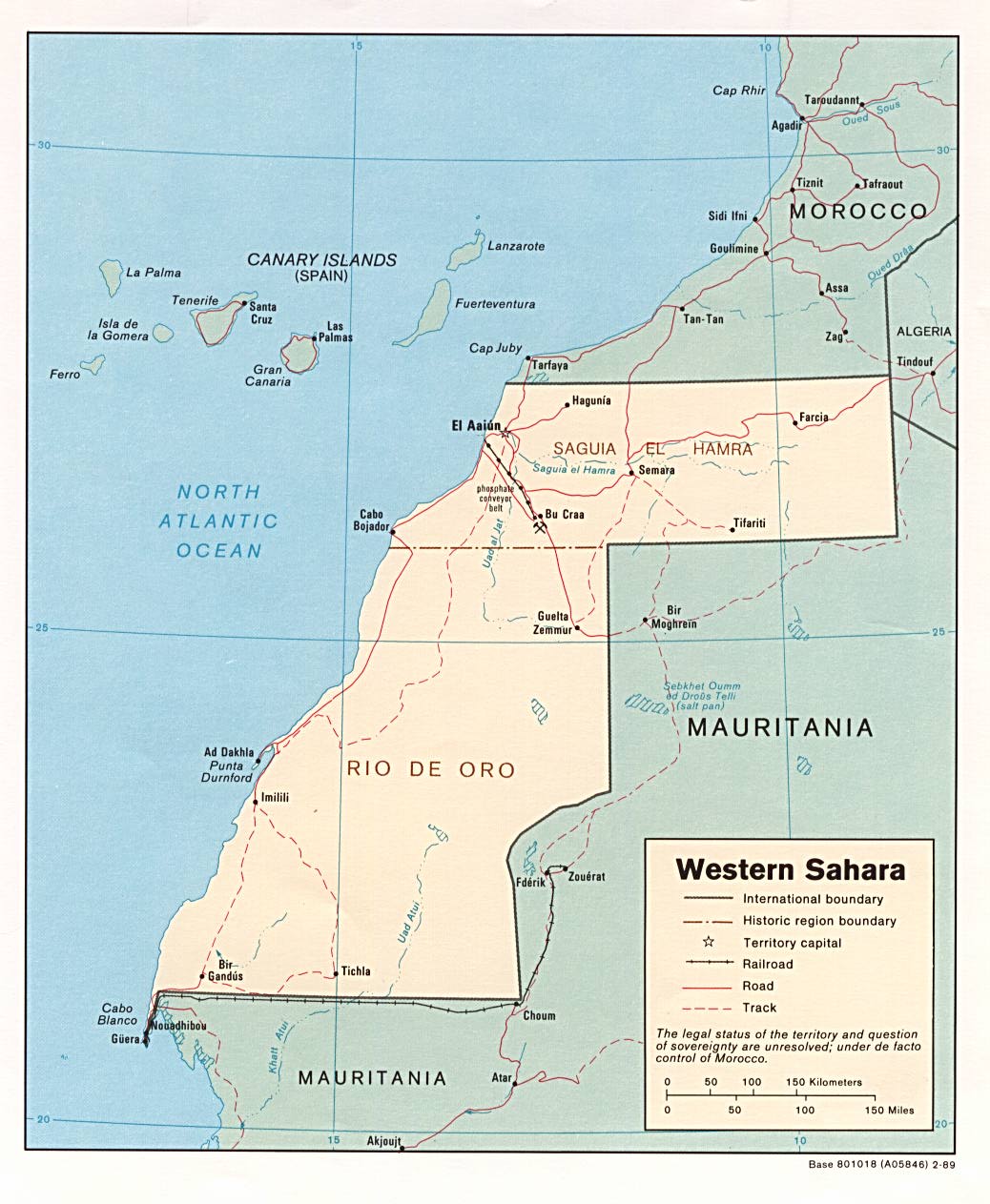
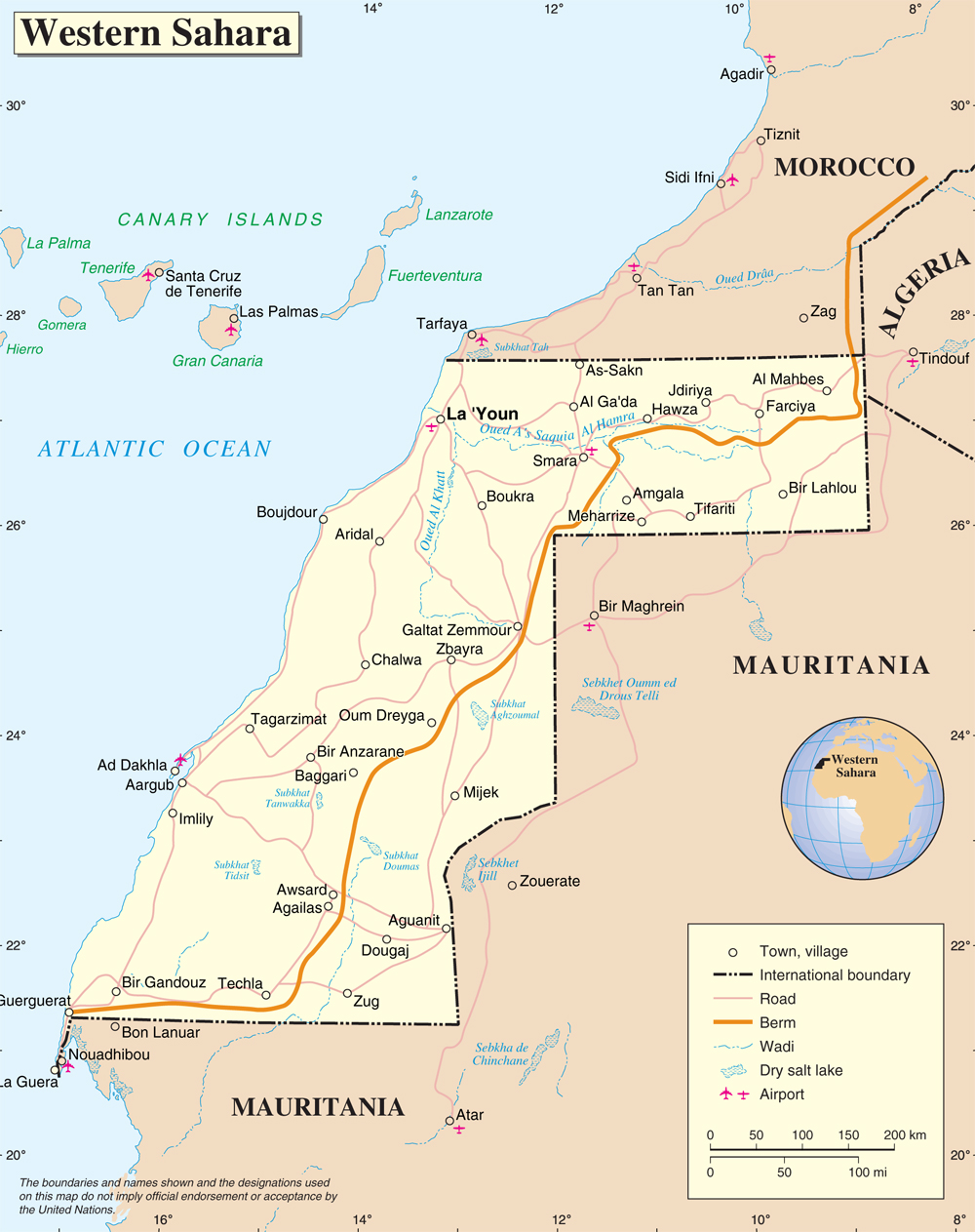
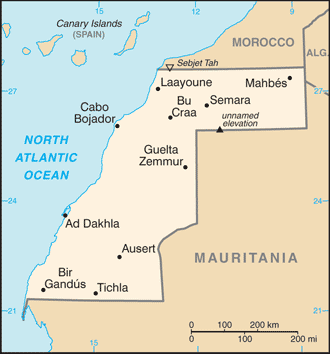
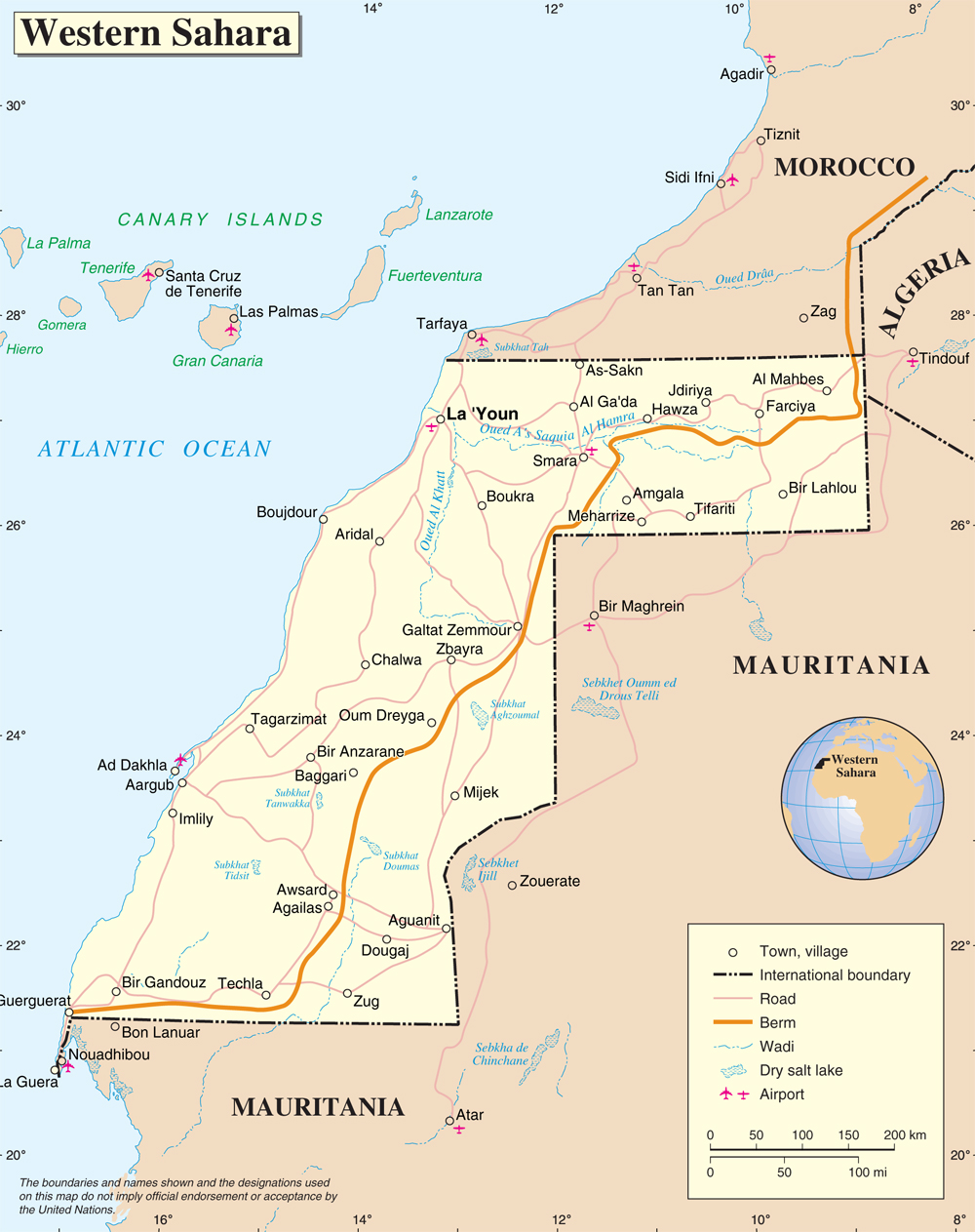
Western Sahara, a sparsely populated territory on the Atlantic coast of northwest Africa, is the site of one of the continent’s longest-running territorial disputes. The conflict dates to Spain’s withdrawal from the territory in 1975, after which Morocco Algeria, and Mauritania vied for control over the former colony.
Algeria and Morocco have long been at odds, but recent diplomatic moves may signal a widening geopolitical split in North Africa. Hosts Alistair Taylor and Matthew Czekaj are joined by MEI Senior Fellow Intissar Fakir to unpack Algeria’s decision to sever diplomatic ties with the United Arab Emirates and Morocco’s warming relations with both the UAE and Israel. They also explore linkages between these diplomatic shifts and the Western Sahara conflict, Moroccan domestic concerns, particularly in light of this week’s elections, as well as broader regional stability.
This summer, brutally hot temperatures, deepening water scarcity, and spiking fertilizer costs have put North Africa’s agricultural sector under intense pressure. Host Alistair Taylor is joined by Mohammed Mahmoud, CEO and founder of the Climate and Water Initiative and lead for Middle East Climate and Water Policy at the United Nations University Institute for Water, Environment, and Health, to unpack the region’s food and water security challenges. Drawing on Mahmoud’s new report card on agricultural sustainability in North Africa, they explore the diverging picture across the region, why some countries have weathered the strain better than others, and what it will take to build a more resilient and secure food system.
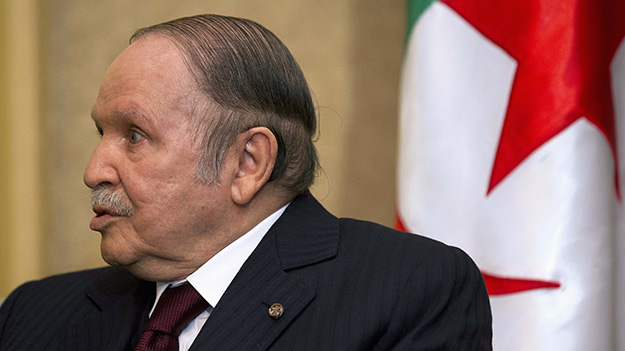
As in many other authoritarian regimes in the region, the Algerian elections are not meant to facilitate a change of leadership through voting, but are merely a vehicle to give some token electoral “legitimacy” to the regime’s candidate. Disqualification of opposition candidates, administrative and financial hindrances, backroom deals, and political cooptation, as well as media control and poll fixing, have been the most common electoral tropes in Algeria since the mid-1990s.
“Compromise” is the word repeated 25 times in this three-voice dialogue with opposing views on what could be the best solution to the Western Sahara dispute. The settlement options that emerged from the three contributors to this series have accepted either autonomy for the Western Sahara territory (subject to a referendum) or a referendum on self-determination that would include independence as well as other possibilities, including autonomy.
Environment and Sustainable Development in the Maghreb
The Maghreb extends about 2,000 kilometers on either side of the Greenwich meridian (-13° West from Cabo Jubi and 11.08° East to Kelibia) and is located on the same longitude as Europe. Although the Maghreb forms a single climatologic and geographical unit, it is a diverse landscape of mountains, fertile areas, and steppes. Nevertheless, the similarity of climate, geography, and culture in the Maghreb provides a solid foundation for developing a common environmental strategy.
Innovating Ways to Face the Effects of Environmental Degradation
The environmental degradation process in the Maghreb is mainly of natural origin, but has been accelerated by human activities. The most dangerous threats caused by environmental degradation are soil degradation and desertification, pollution, droughts, floods, and water scarcity.
Action is urgently needed to return lands to their original vocation, to implement large-scale reforestation, to rehabilitate the steppe and oasis, and to ensure the stability of rural communities. But what kind of action, and action by whom?
Western Sahara: Self-Determination and International Law
Originally posted April 2008
The failure of the Kingdom of Morocco and the Polisario Front to agree on the modalities of the long-planned United Nations-sponsored referendum on the fate of Western Sahara, combined with a growing nonviolent resistance campaign within the territory against Morocco’s 31-year occupation, has led Morocco to propose granting the former Spanish colony special autonomous status within the kingdom.
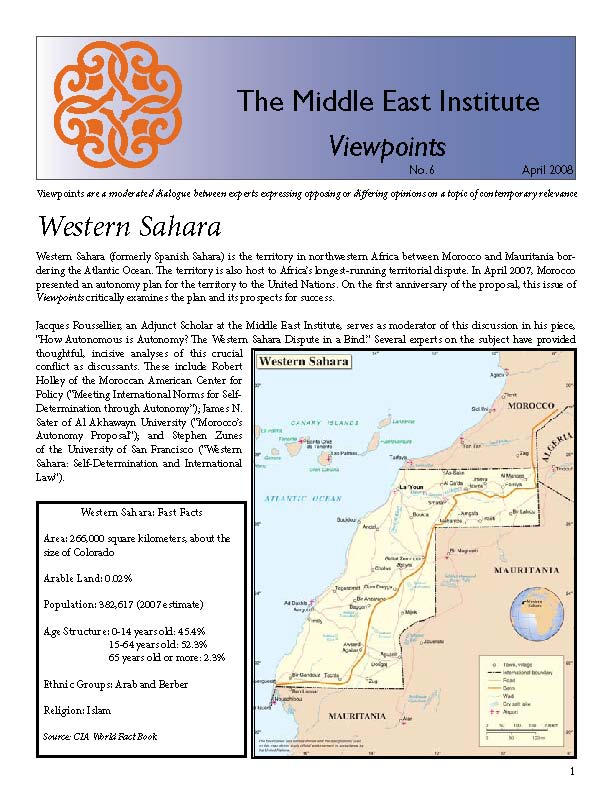
Western Sahara (formerly Spanish Sahara) is the territory in northwestern Africa between Morocco and Mauritania bordering the Atlantic Ocean. The territory is also host to Africa’s longest-running territorial dispute. In April 2007, Morocco presented an autonomy plan for the territory to the United Nations. On the first anniversary of the proposal, this issue of Viewpoints critically examines the plan and its prospects for success.
Read the Middle East Journal
The oldest peer-reviewed publication dedicated to the study of the modern Middle East, MEI’s flagship journal covers politics, society, and culture in the region.