Reflections on a Diplomatic Career in the Middle East: A Conversation With Ambassador Yael Lempert
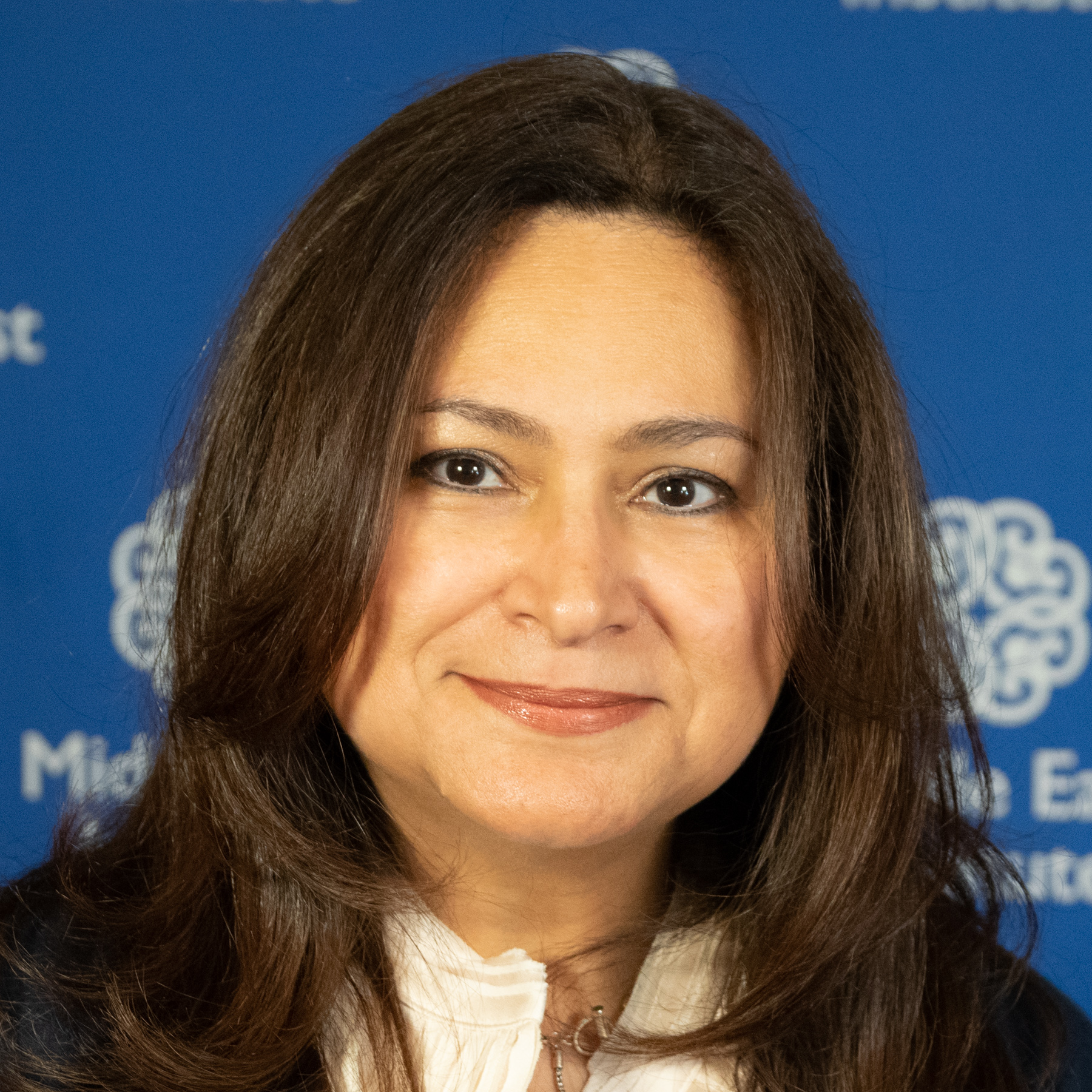
Brian is joined by Amb. (ret.) Yael Lempert, Vice President for Outreach at MEI, to discuss her career in diplomacy and the importance of US diplomatic efforts abroad. She shares stories from postings across the Middle East in Baghdad, Cairo, Tripoli, Jerusalem, and Amman and examines how her personal and professional experiences shaped her approach to the work. Together, Brian and Yael discuss the realities of life in the Foreign Service, the core tenets of American diplomacy, and why it matters in today’s Middle East.
This summer, brutally hot temperatures, deepening water scarcity, and spiking fertilizer costs have put North Africa’s agricultural sector under intense pressure. Host Alistair Taylor is joined by Mohammed Mahmoud, CEO and founder of the Climate and Water Initiative and lead for Middle East Climate and Water Policy at the United Nations University Institute for Water, Environment, and Health, to unpack the region’s food and water security challenges. Drawing on Mahmoud’s new report card on agricultural sustainability in North Africa, they explore the diverging picture across the region, why some countries have weathered the strain better than others, and what it will take to build a more resilient and secure food system.
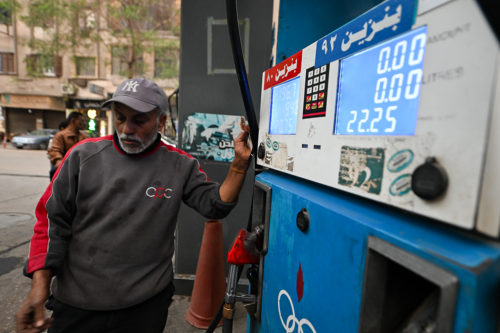
Battered but Still Standing, Egypt Tries to Weather the Economic Ravages of the Iran War
While Egypt is not in the direct line of fire in the US-Israeli war with Iran, its economy is acutely vulnerable to the conflict. In addition to the rising energy prices and shortages that have affected much of the world, it also struggled with issues that reflected its economy’s own underlying structural vulnerabilities.
Many participants and leaders of the January 25 revolution hoped for a new Egypt to emerge, one that respected freedom of speech and freedom of religion, amongst other liberties. More than two years later, it has become glaringly obvious that such hopes were pipe dreams, and that the “New Egypt” will respect neither, in part thanks to the mounting number of blasphemy cases and trials that have taken place.
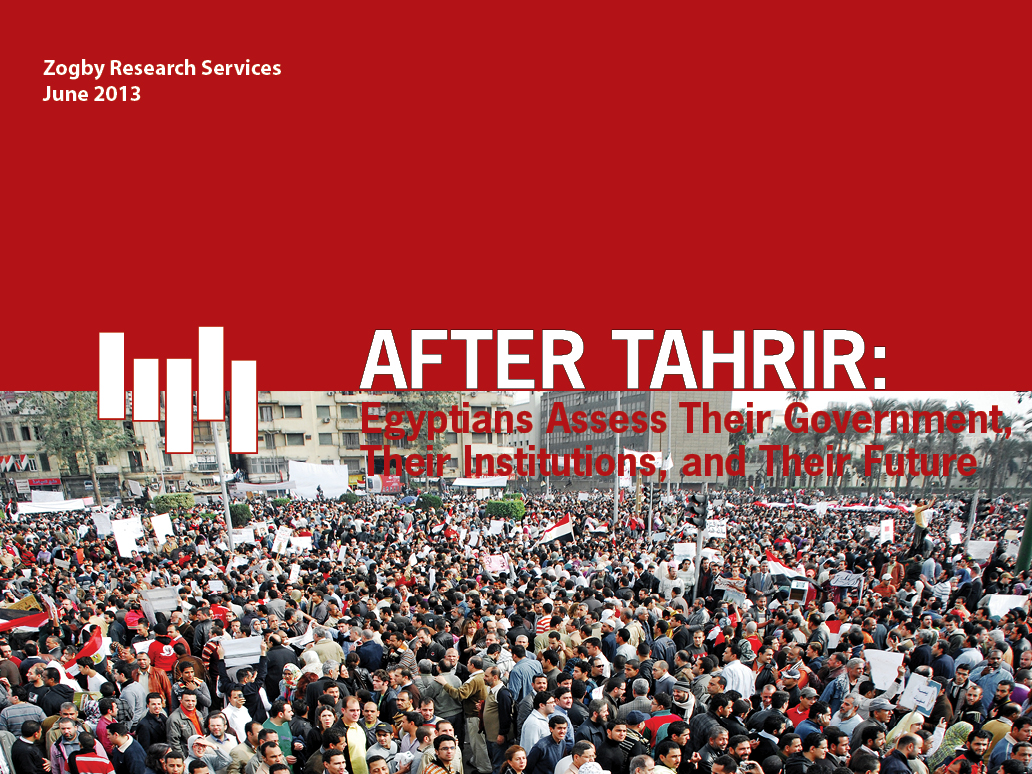
Egypt is in trouble. And Egypt’s trouble is bad news both for Egypt and for the United States. With a withering economy, continued political unrest, and poor institutionalization of new and ever-evolving political rules, many Egyptians have lost hope in the ultimate success of the country’s political transformation. Given the sacrifices and optimism associated with the removal of President Hosni Mubarak in 2011, the failure of governance in Egypt, though not entirely unexpected, has the makings of tragedy.
The Middle East Institute is pleased to welcome Sarah Margon of Human Rights Watch and Nancy Okail of Freedom House for a timely discussion about the implications of Egypt’s controversial draft NGO law submitted for vote to the Shura Council last week. The law, which seeks to restrict the funding and operation of non-governmental organizations, is being slammed by human rights groups both inside Egypt and around the world as a blow to the free and full expression of Egyptian civil society.
The Middle East Institute is pleased to welcome Sarah Margon of Human Rights Watch and Nancy Okail of Freedom House for a timely discussion about the implications of Egypt’s controversial draft NGO law submitted for vote to the Shura Council last week. The law, which seeks to restrict the funding and operation of non-governmental organizations, is being slammed by human rights groups both inside Egypt and around the world as a blow to the free and full expression of Egyptian civil society.
The Middle East Institute is pleased to welcome Sarah Margon of Human Rights Watch and Nancy Okail of Freedom House for a timely discussion about the implications of Egypt’s controversial draft NGO law submitted for vote to the Shura Council last week. The law, which seeks to restrict the funding and operation of non-governmental organizations, is being slammed by human rights groups both inside Egypt and around the world as a blow to the free and full expression of Egyptian civil society.
The Middle East Institute is pleased to welcome Sarah Margon of Human Rights Watch and Nancy Okail of Freedom House for a timely discussion about the implications of Egypt’s controversial draft NGO law submitted for vote to the Shura Council last week. The law, which seeks to restrict the funding and operation of non-governmental organizations, is being slammed by human rights groups both inside Egypt and around the world as a blow to the free and full expression of Egyptian civil society.
The Middle East Institute is pleased to welcome Sarah Margon of Human Rights Watch and Nancy Okail of Freedom House for a timely discussion about the implications of Egypt’s controversial draft NGO law submitted for vote to the Shura Council last week. The law, which seeks to restrict the funding and operation of non-governmental organizations, is being slammed by human rights groups both inside Egypt and around the world as a blow to the free and full expression of Egyptian civil society.
It was with customary gusto that Egyptian President Mohamed Morsi proudly announced that he had submitted his first draft law to the Shura Council under the new constitution that came into effect in December of 2012.
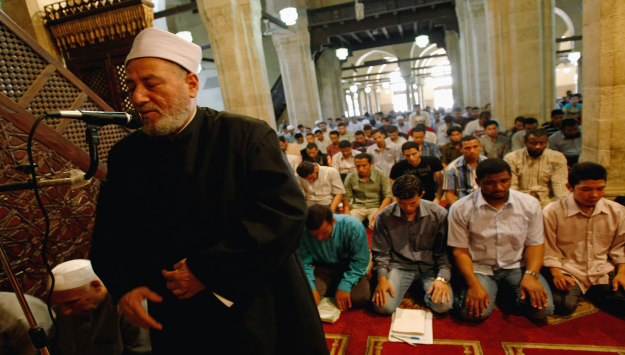
From Muhammad Ali to Mohamed Morsi, modern Egyptian leaders have understood that any attempt to control the state without the endorsement, if not blatant co-option, of key institutions such as al-Azhar is an ill-fated pursuit. The headache for President Morsi is that these institutions are trying to assert their independence and are presenting a range of direct and indirect challenges to his authority and, more broadly, to the Muslim Brotherhood and its political arm, the Freedom and Justice Party (FJP).
The oldest peer-reviewed publication dedicated to the study of the modern Middle East, MEI’s flagship journal covers politics, society, and culture in the region.