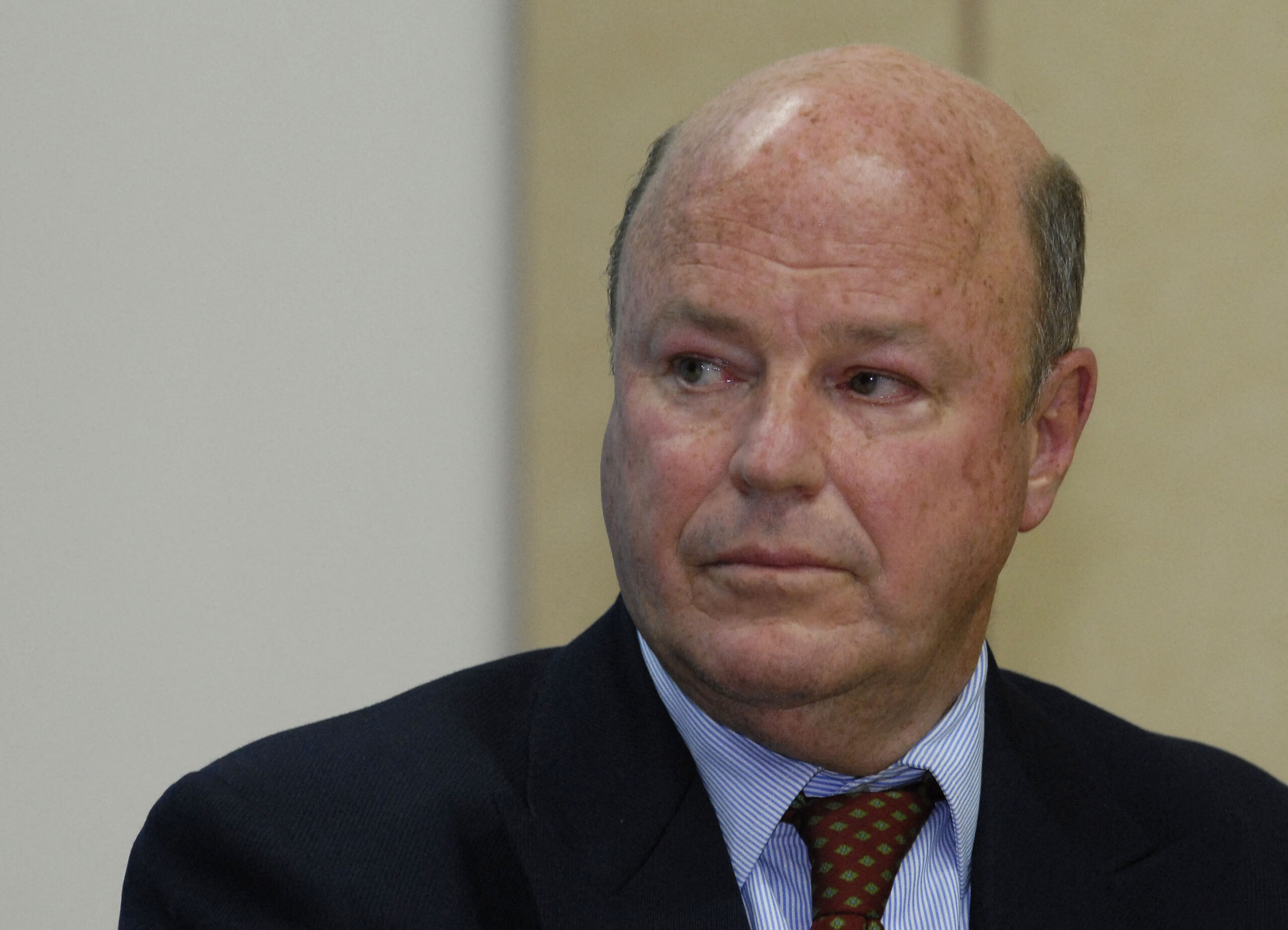
The Middle East Institute (MEI) is deeply saddened by the passing of Ambassador (ret.) Frank Wisner, a valued member of our International Advisory Council (IAC), on Feb. 24, 2025.
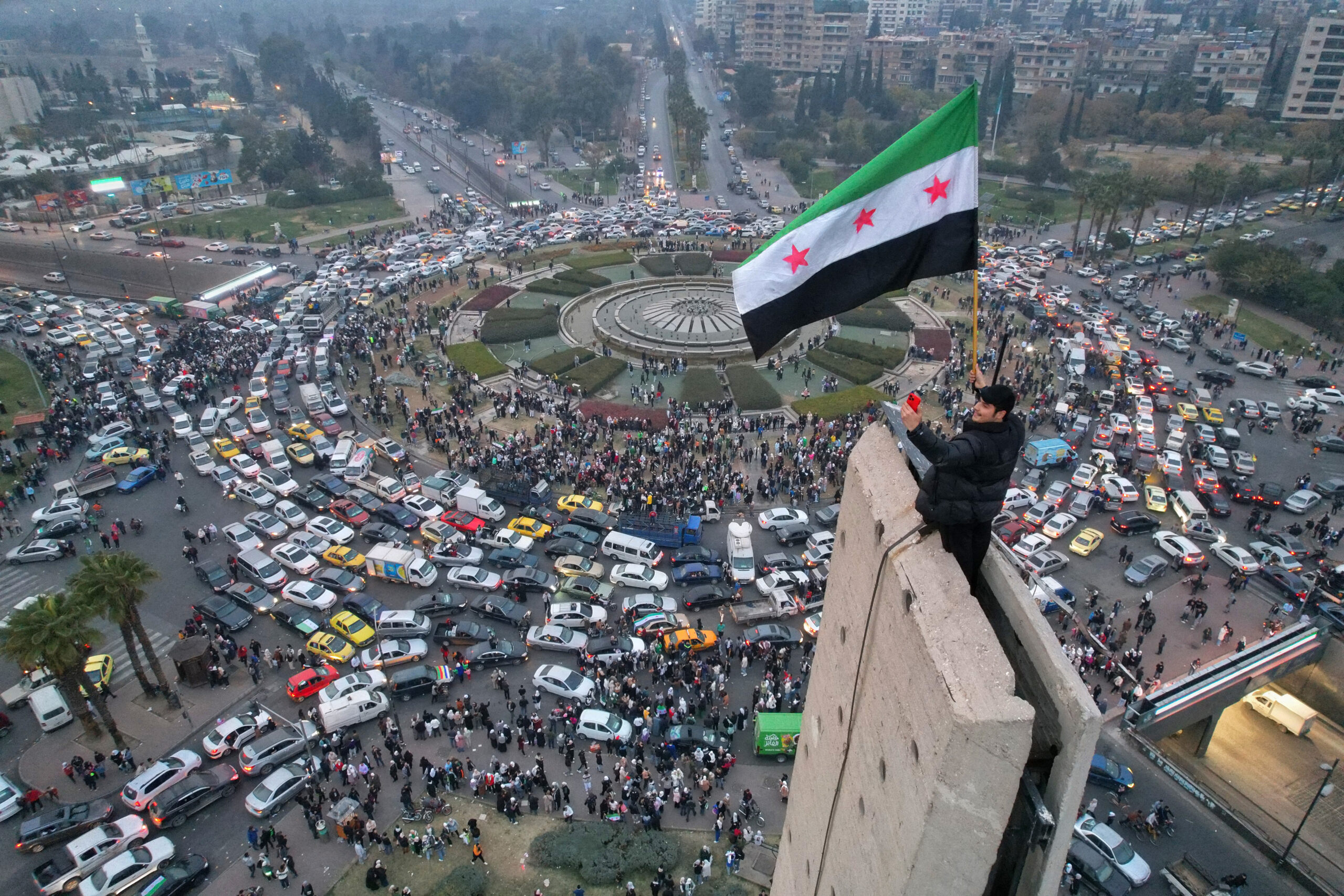
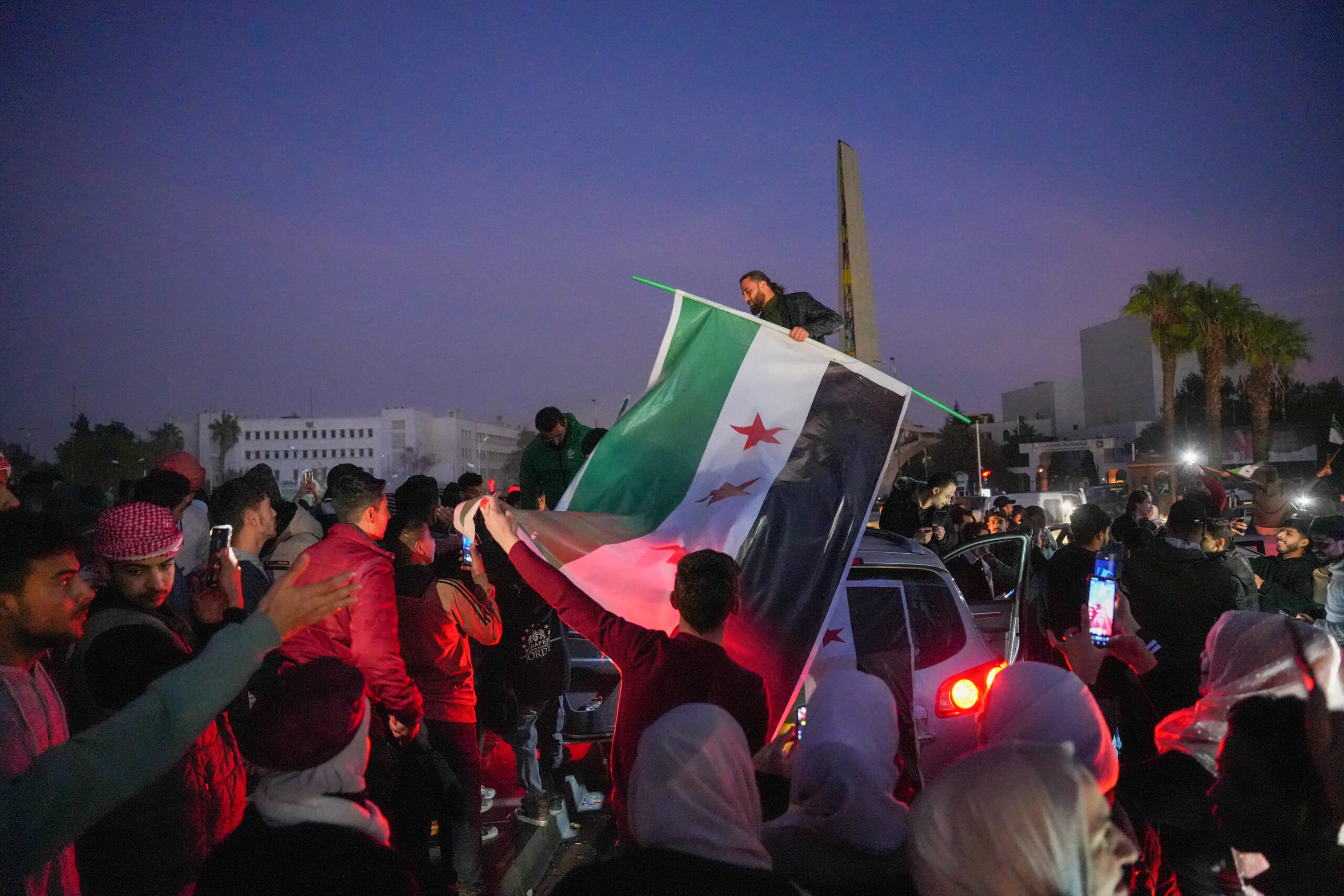
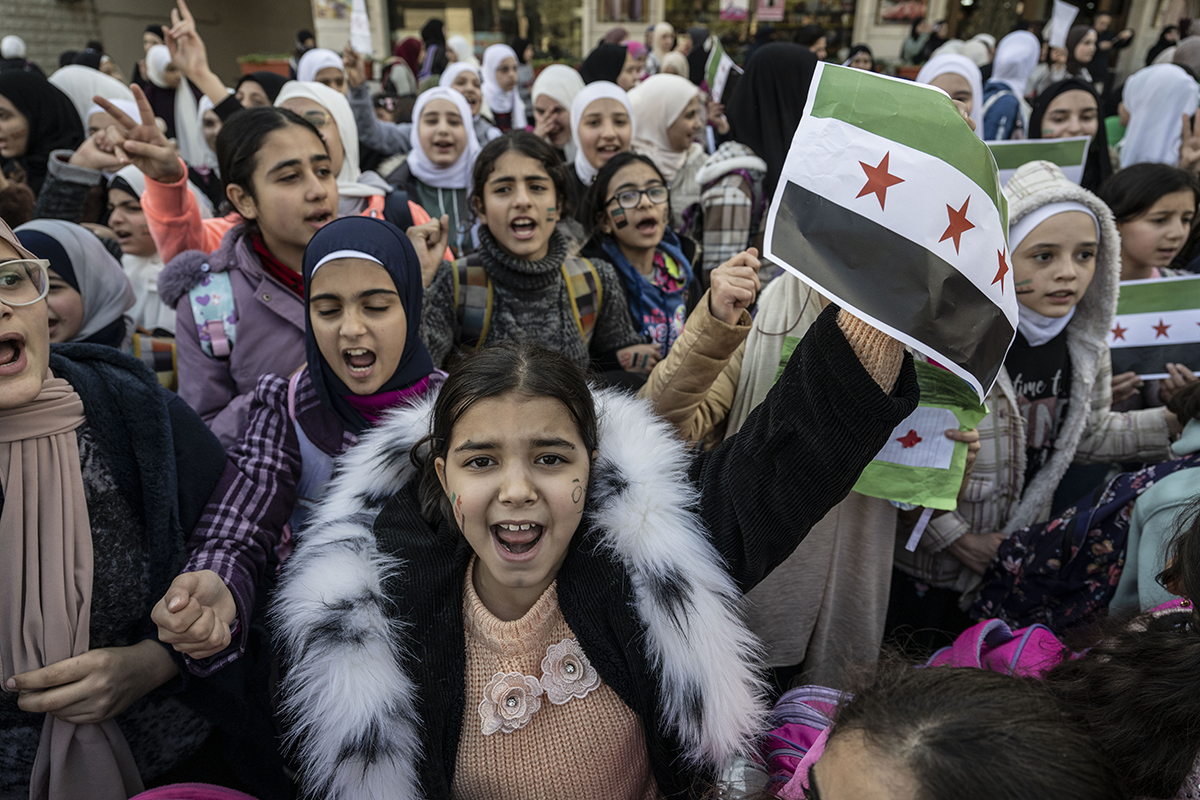
On a recent trip that I took across Syria, one thing was palpably clear: Syrians were universally elated to be free from the iron grip of Bashar al-Assad’s regime. For now, that euphoria is inspiring and sustaining a semblance of hope and national unity that had all but vanished throughout the past 13 years of brutal civil conflict.
As we look to maintain our coverage of the fast-moving changes and events in the region in 2025, here are some of the most popular articles, reports, and briefs from 2024.
MEI publishes hundreds of original articles every year. In our extremely crowded, news-driven environment, not every piece gets the attention it deserves. Below are 10 original publications from the past year that are worth another share, as selected by MEI’s Editors.
10 books to expand your knowledge of the Middle East – 2024 edition
Recommended readings selected by MEI’s book review editor from reviews published in this year’s issues of The Middle East Journal. Subscribe to MEJ to read full reviews of these and other new publications exploring the history, culture, and contemporary issues shaping the modern Middle East and North Africa region.
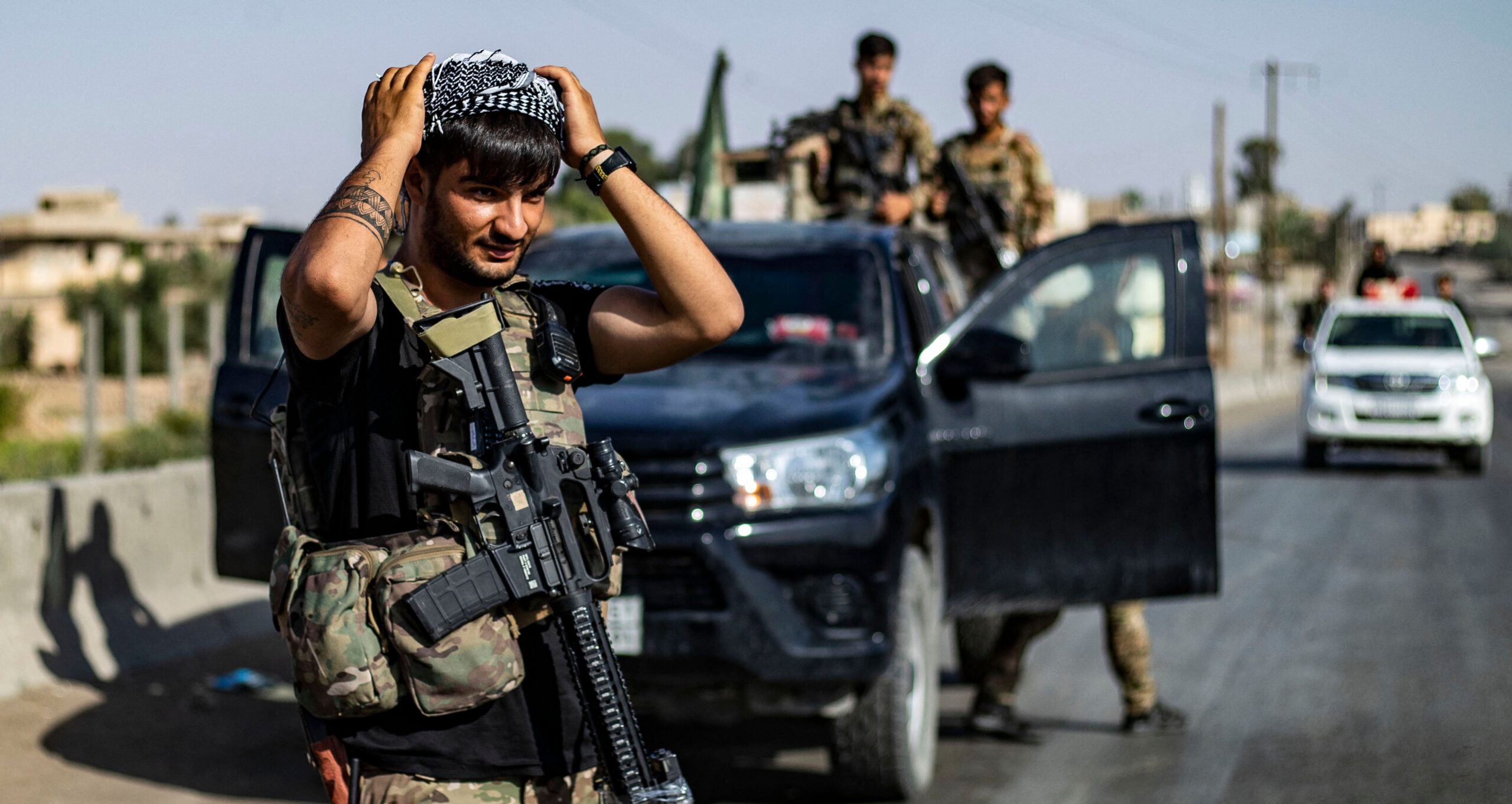
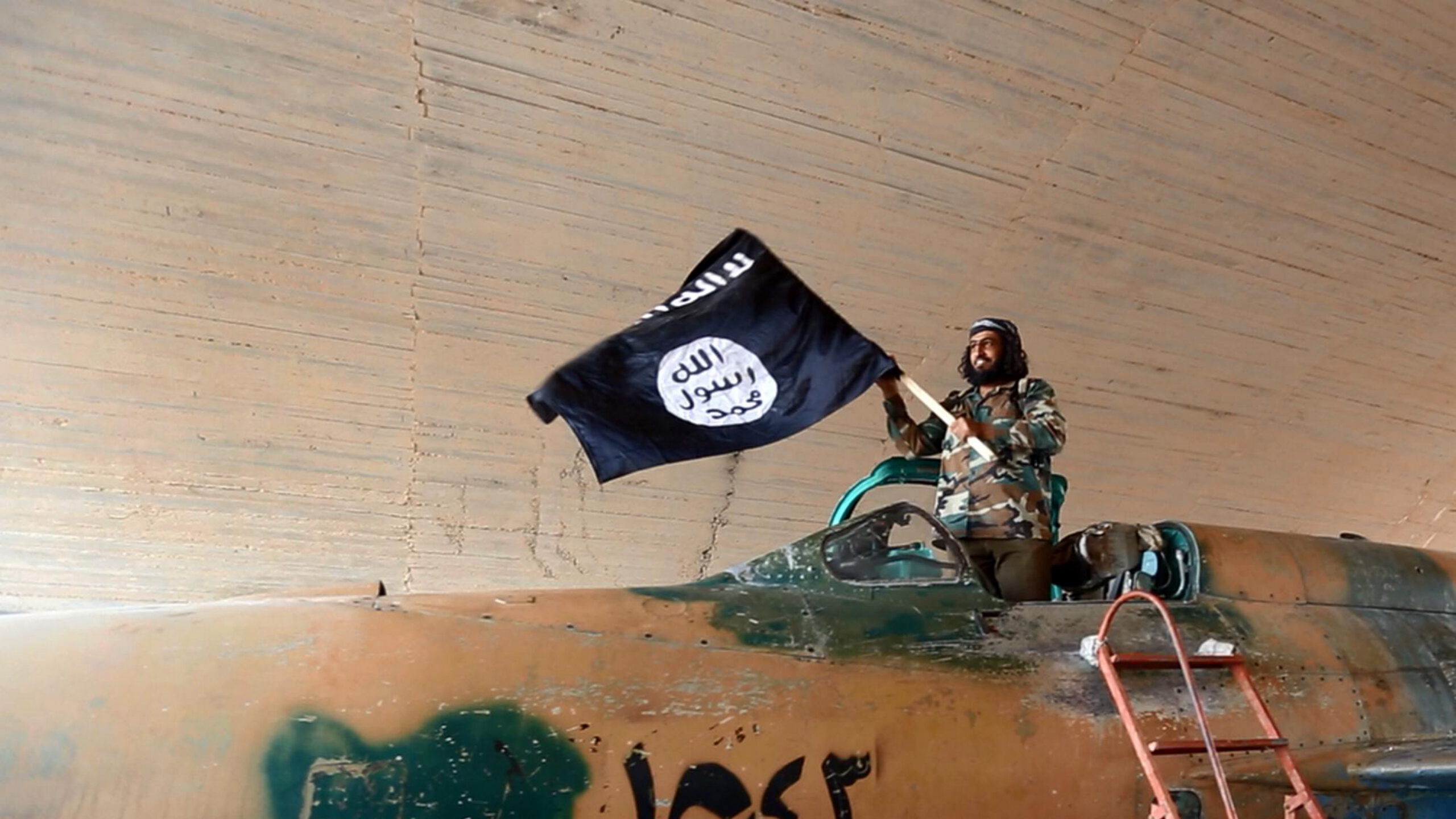
With al-Assad gone, the risk of an ISIS resurgence grows
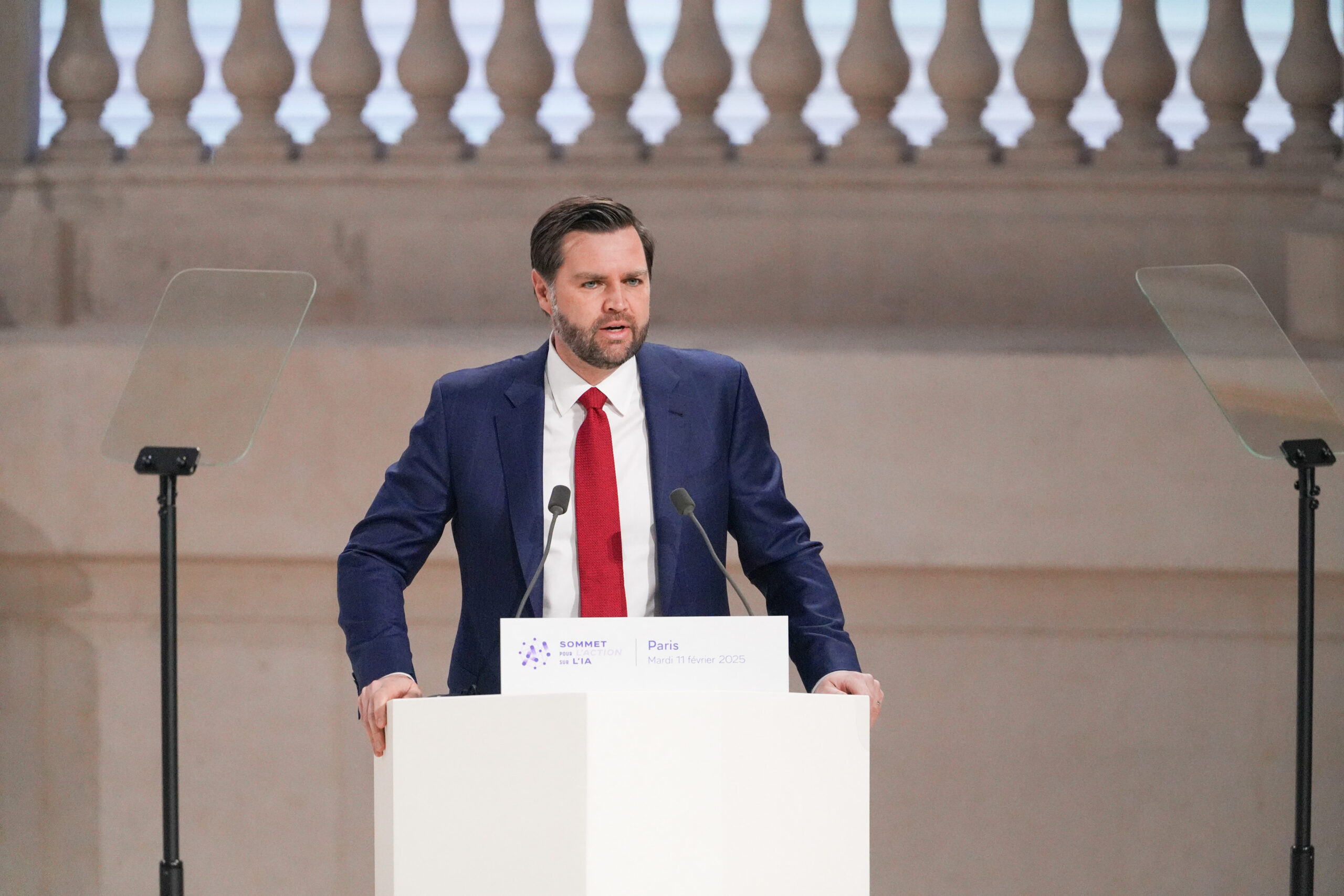
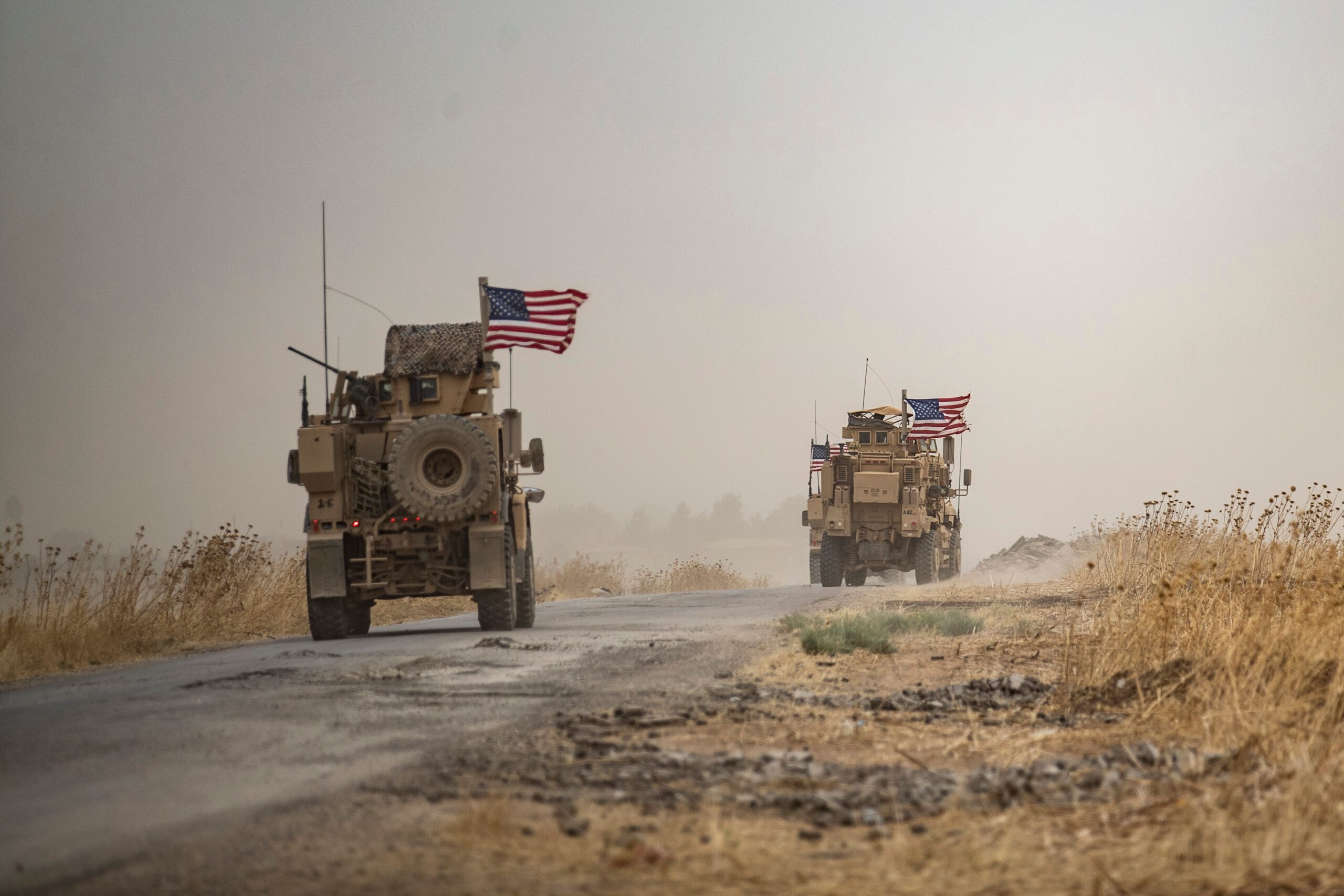
This perilous moment for Syria’s future comes at a moment when American foreign policy in the region could change on a dime. President-elect Donald Trump has already stated the United States should have “nothing to do” with Syria’s future. But to do nothing would give the Islamic State a chance to surge once again.
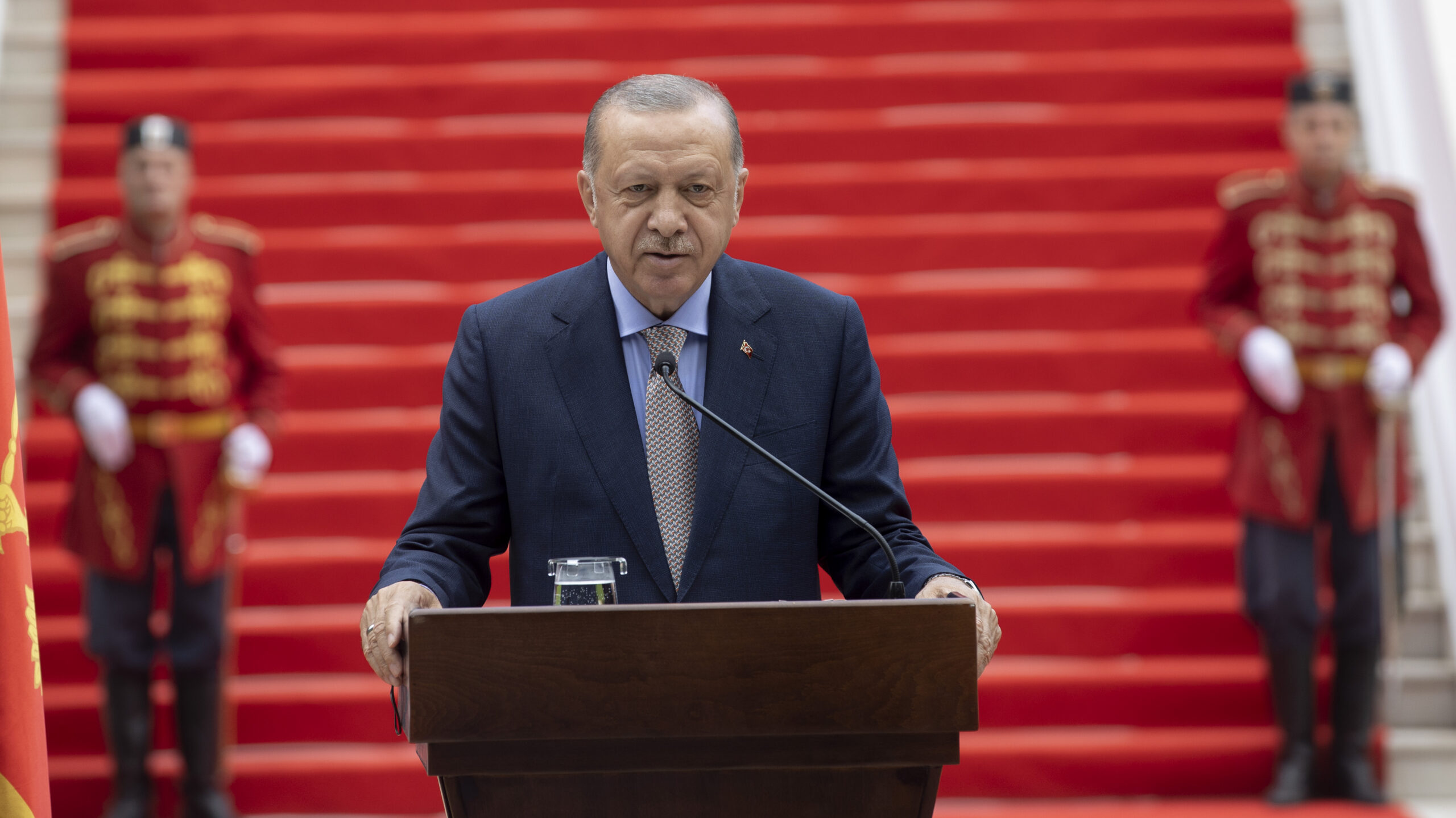
Half a century of rule by the Assad family in Syria collapsed astonishingly quickly after insurgents burst out of a rebel-held enclave and took Damascus in a matter of days. For Turkish president Recep Tayyip Erdoğan, however, it was not fast enough. He has been waiting for this moment since the Syrian uprising in 2011 and is determined to reap the benefits of Bashar al-Assad’s ousting ahead of Turkey’s 2028 elections.
In most capitals across the Middle East, the news of Syrian President Bashar al-Assad’s fall sparked immense anxiety. Ankara is not one of them. Rather than worrying about Syria’s prospects after more than a decade of conflict, Turkish President Recep Tayyip Erdogan sees opportunity in a post-Assad future. His optimism is well founded: out of all the region’s major players, Ankara has the strongest channels of communication and history of working with the Islamist group now in charge in Damascus, positioning it to reap the benefits of the Assad regime’s demise.
Assad's departure surprised Biden, US leaders. Now America must step up and seize the moment
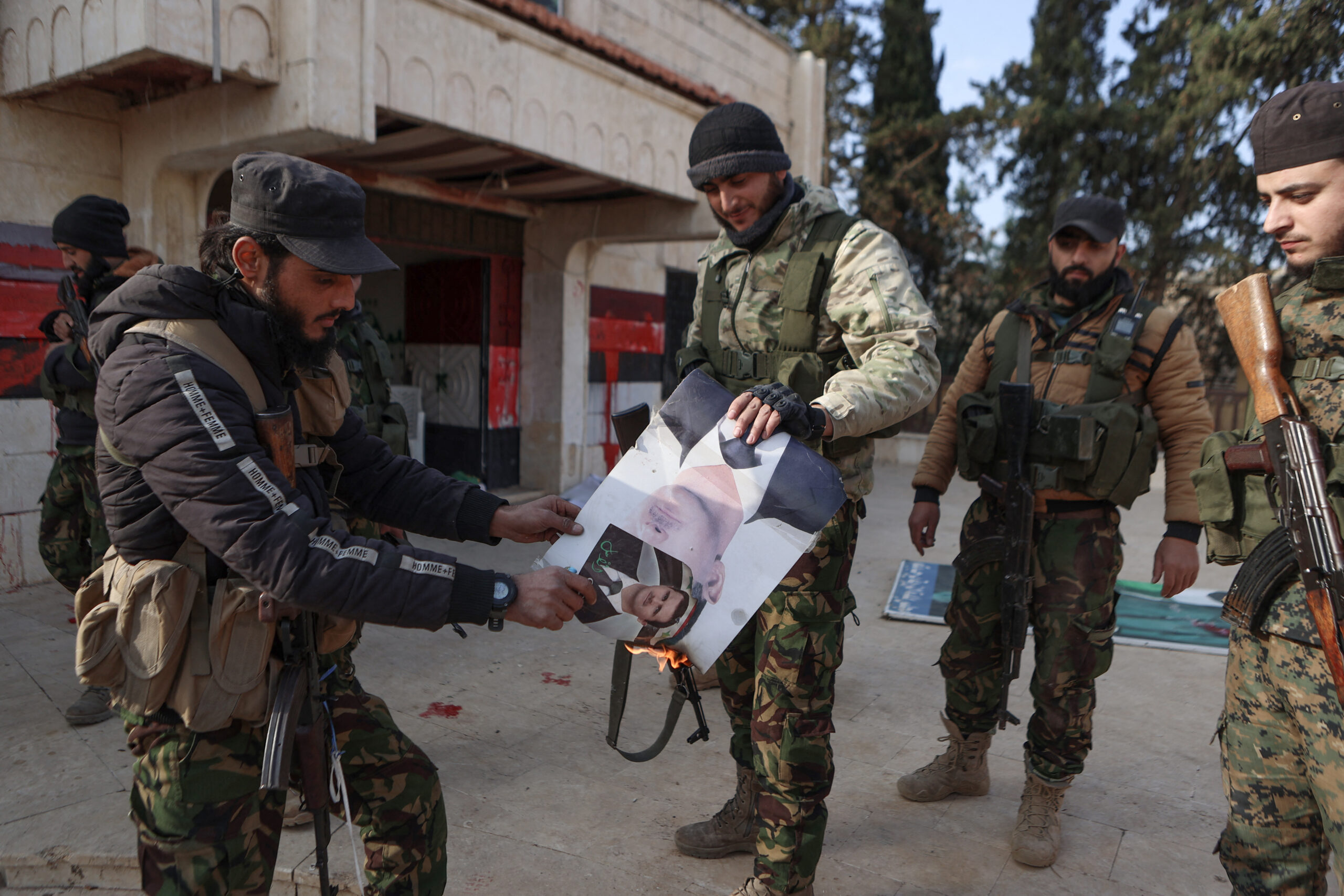
For nearly 14 years, Bashar al-Assad’s regime pursued a maniacal campaign of brutality against its own people, in order to suppress opposition through terror and mass killing. Beginning very early on, Assad’s military and security apparatus embraced what they called an “Assad or we burn the country” approach – but in truth, it was more Assad and we burn the country.
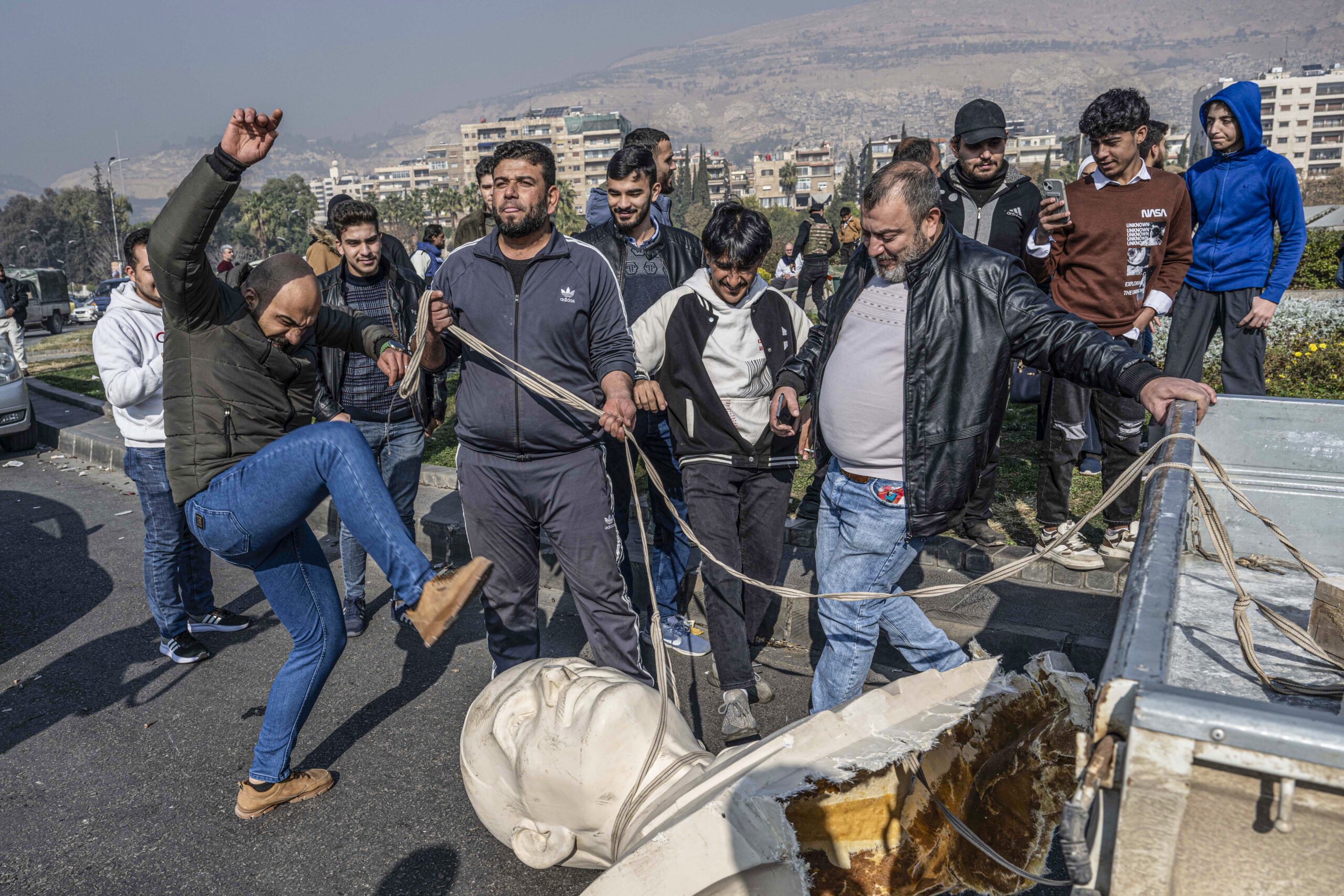
On Dec. 8, President Bashar al-Assad fled Syria, bringing an end to nearly 54 years of his family’s rule and sending millions of Syrians at home and abroad into a state of euphoria and relief. Over a dramatic 12 days, an armed opposition offensive that had begun west of Aleppo on Nov. 27 triggered the precipitous crumbling of regime front lines, one after the other. As rebels began to advance south, Syrians across the country began to rise up. By the night of Dec. 7, Assad’s defeat had been sealed.
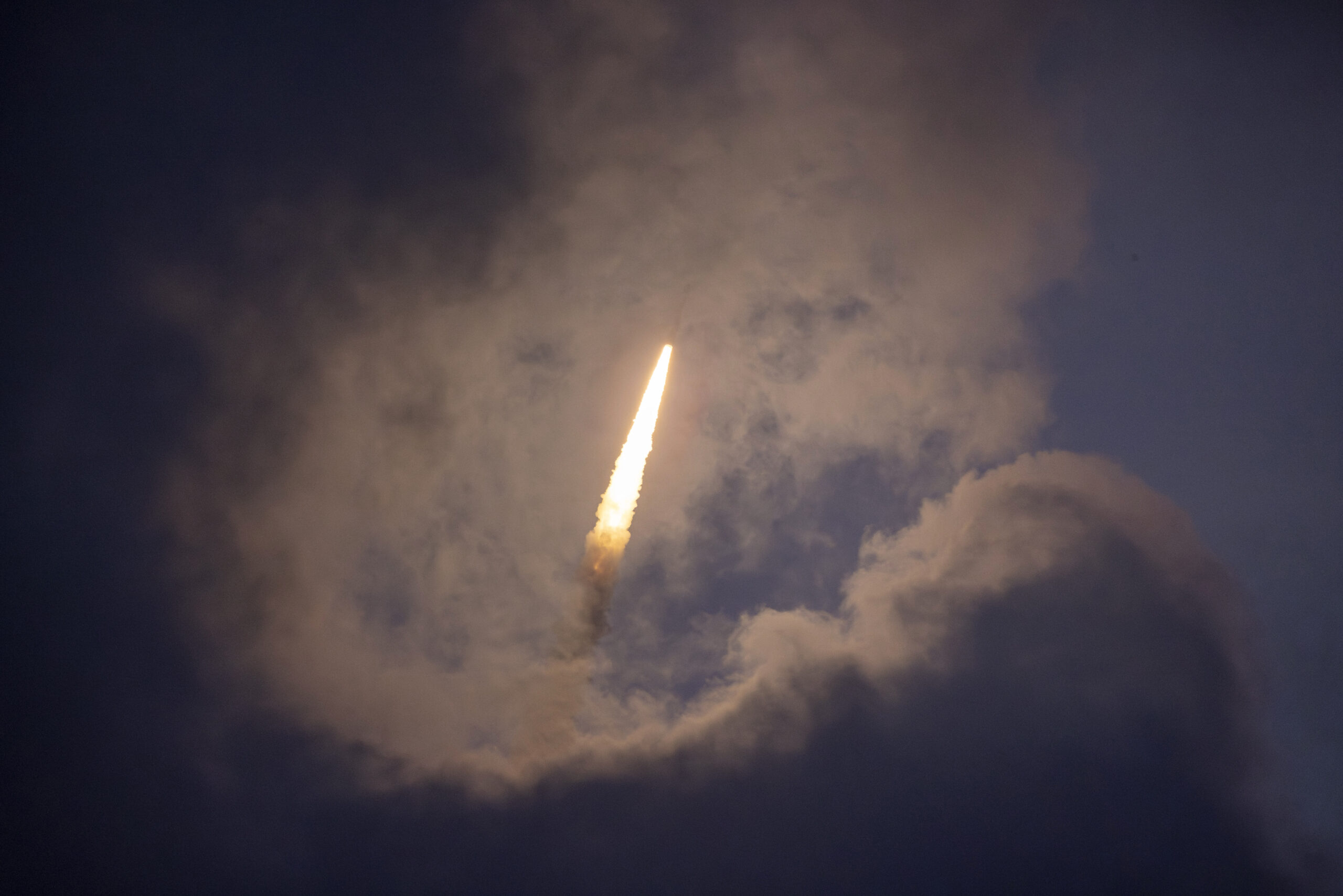
Europe must look beyond its borders to strengthen its position in space. Emerging spacefaring nations, especially in Asia, offer an opportunity for Europe to build “space power”.