Netanyahu’s US visit highlights strains over Gaza war and an opportunity for a new approach
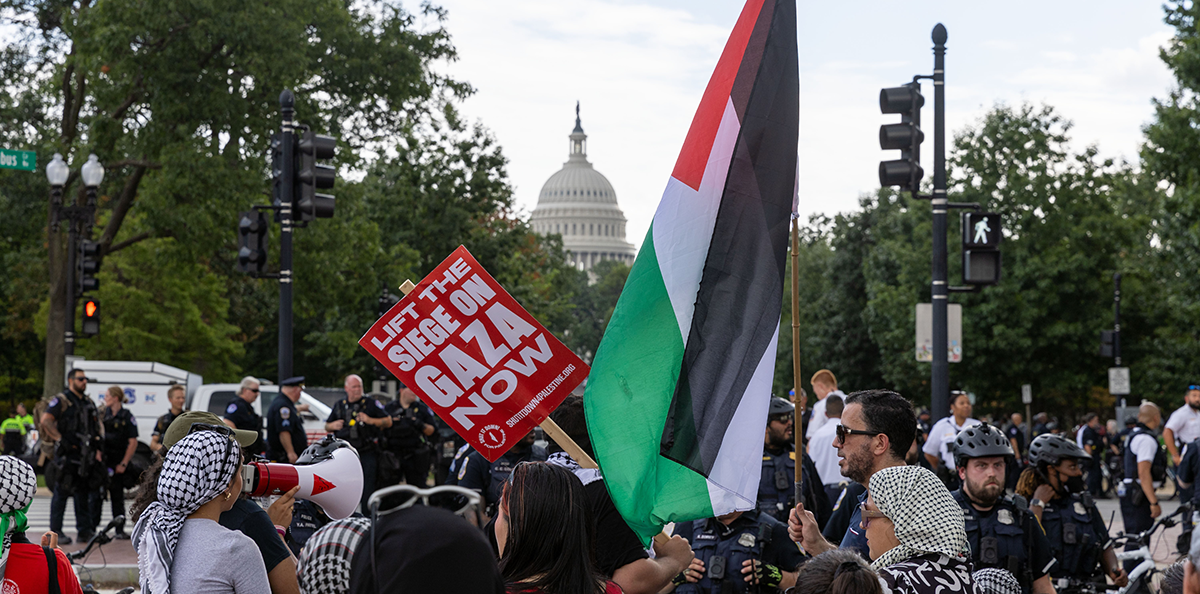
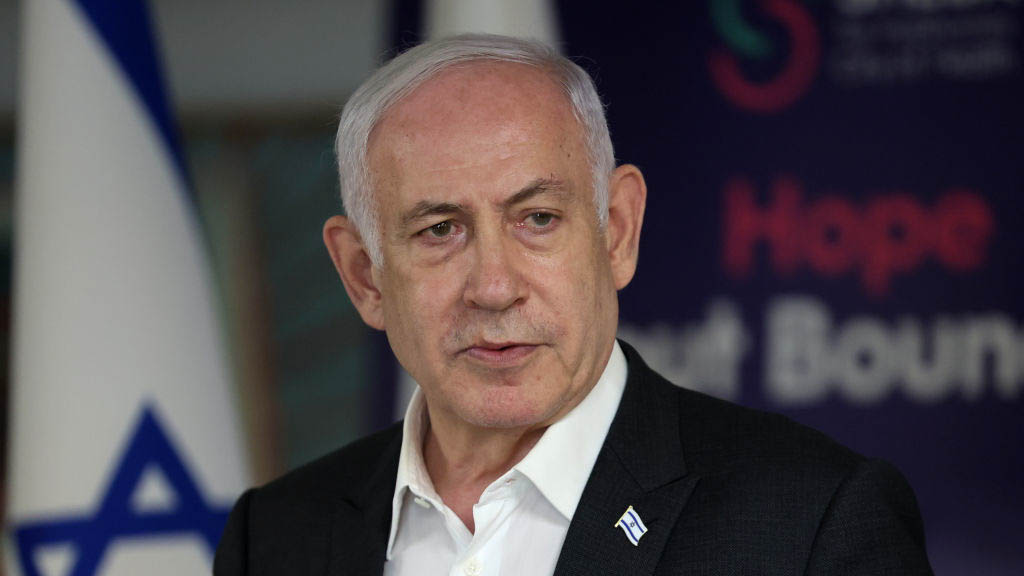
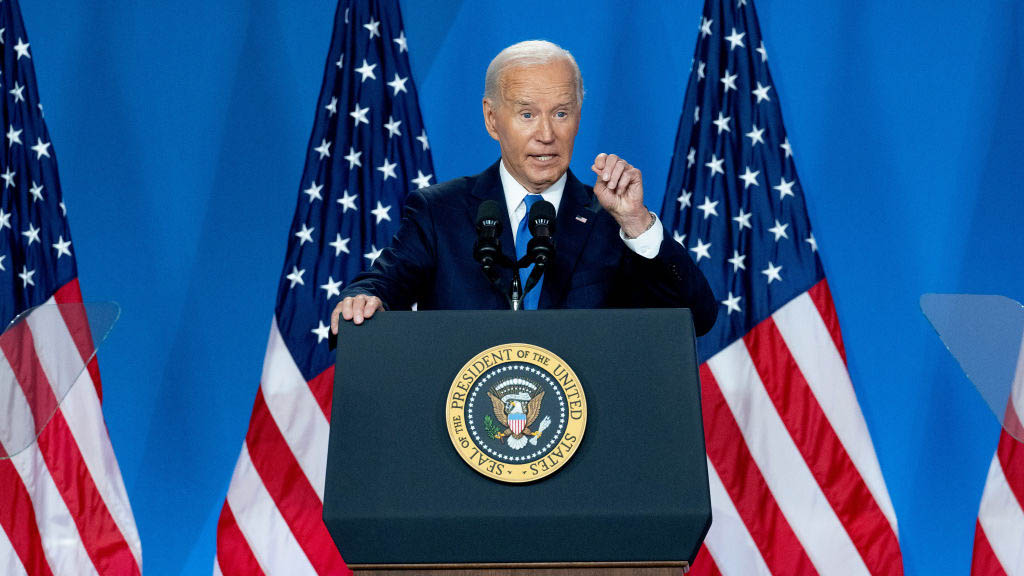
Prime Minister Benjamin Netanyahu’s recent visit to Washington highlighted the growing rift between Israel and the United States, particularly within the Democratic Party. This alliance, once solid, now faces significant discord over three critical issues: ending the war in Gaza, addressing the humanitarian crisis, and recognizing Palestinian self-determination.
Houthi drone strike on Tel Aviv illustrates unstoppable “democratization” of high-technological capabilities
The recent Houthi drone attack on Tel Aviv, which struck an Israeli apartment building near the Embassy of the United States, killing at least one person, should surprise no one. And the fact Israel’s state-of-the-art air defense could not prevent it will probably embolden future attempts.
The situation in the Red Sea is not getting better
The current situation is not only intolerable – it is unsustainable. It is time to recognize that the Houthis, with strong and persistent support from Iran, are in a position to hold not only the US but virtually the entire global system hostage.
The common understanding of the state of economic integration in the Maghreb is that it is victim to geopolitical rivalries and poor economic management, both of which prevent the region from flourishing to the same extent as other regional blocs. The forgone conclusion is that greater economic integration would generate trade, boost levels of growth and increase the region’s bargaining position.
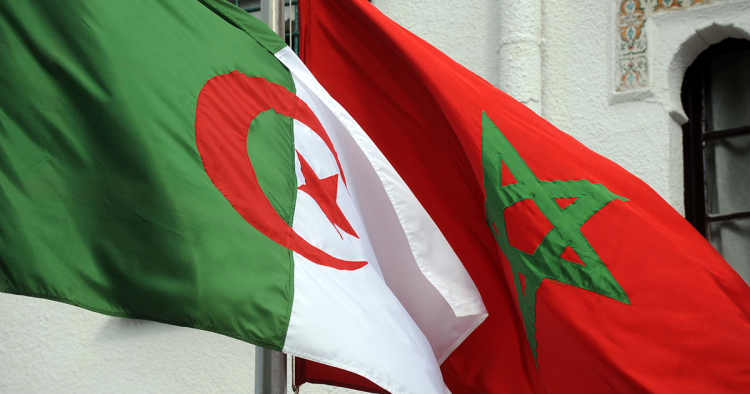
Morocco, Algeria and the Western Mediterranean tension game
As the aftermath of the earthquake that struck Morocco in early September unfolded, one notable aspect of the response to the devastation was the geopolitical element of aid and disaster relief. Specifically, what drew attention was Algeria’s offer of assistance and whether it might signal an implicit desire to reduce tensions between the hostile neighbours. Yet, mistrust between the two continues to run high, and a single gesture of offering support is unlikely to undo decades of animosity.
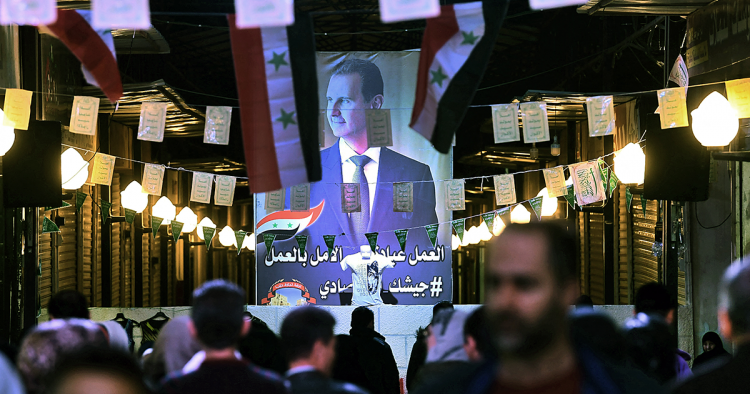
Six years ago, the Syrian regime conquered the southern province of Daraa, popularly known by millions of Syrians as the “cradle of the revolution.” That military victory represented a pivotal moment for Syrian President Bashar al-Assad. After all, it was the last time the regime captured a sizable swath of opposition territory, and in doing so in July 2018, its impunity was laid bare for all the world to see. On paper, Daraa had been designated a “de-escalation zone” after months of intensive international diplomacy in which the United States had played a central role.
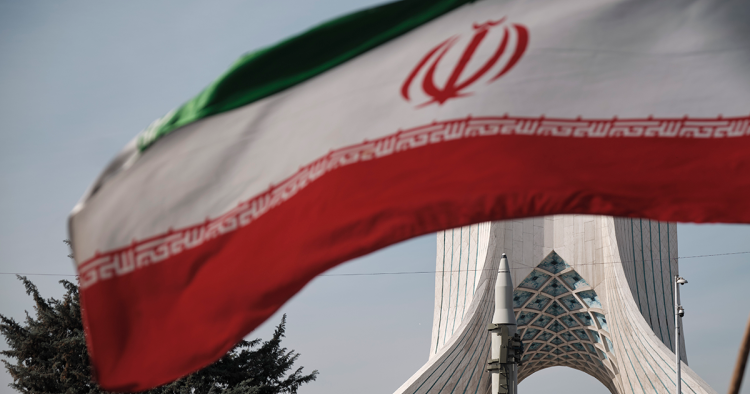
Iran’s foreign policy has generally been characterized by continuity in the postrevolutionary period, yet its motives have transformed over time. This research paper argues that Islamic fundamentalism goaded and motivated foreign policy in the first decade of the Islamic Republic of Iran. After the death of Ayatollah Ruhollah Khomeini, the country’s foreign policy maintained a fundamentalist posture, but was forcefully driven by policies to guarantee its political survival.
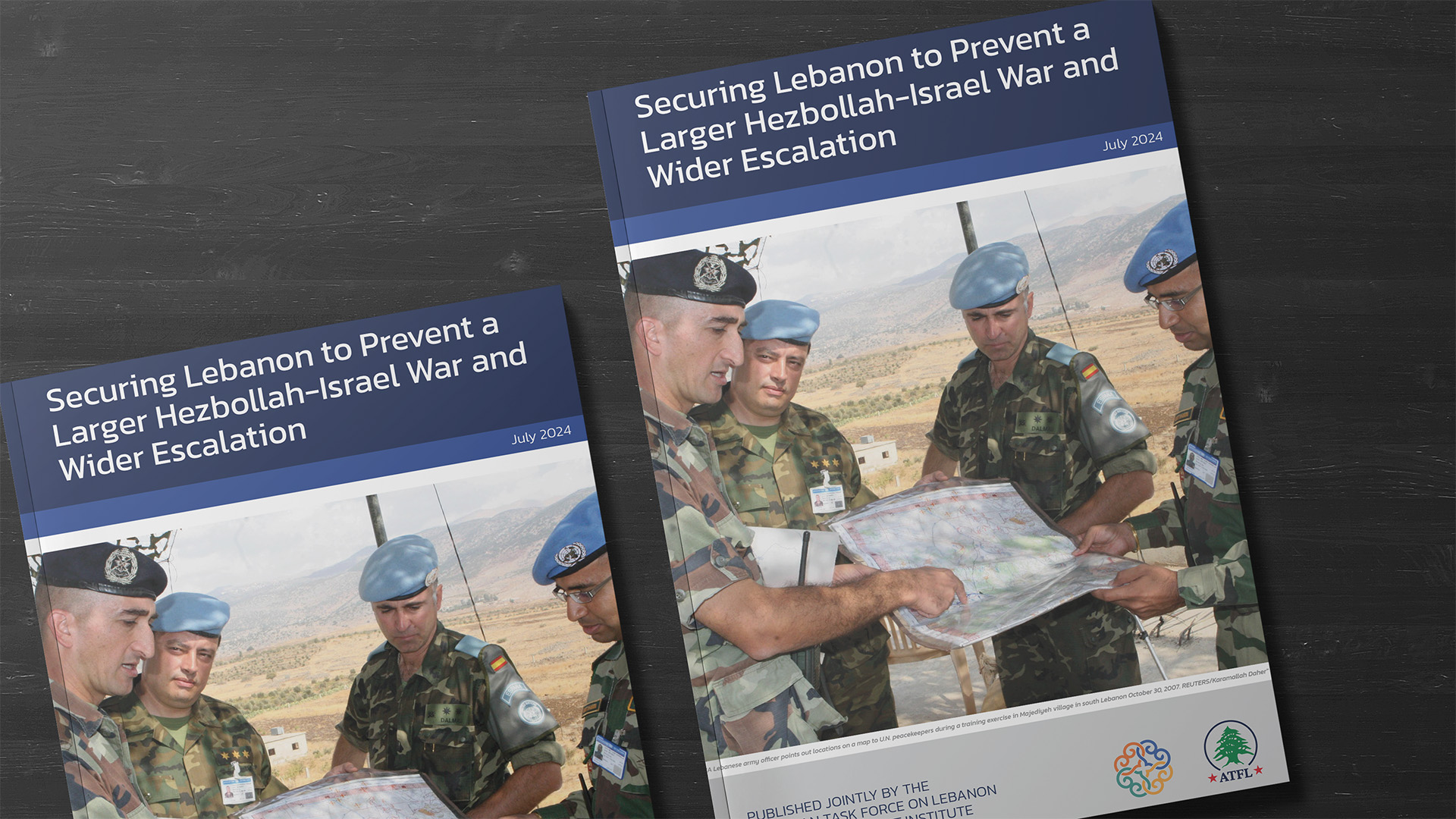
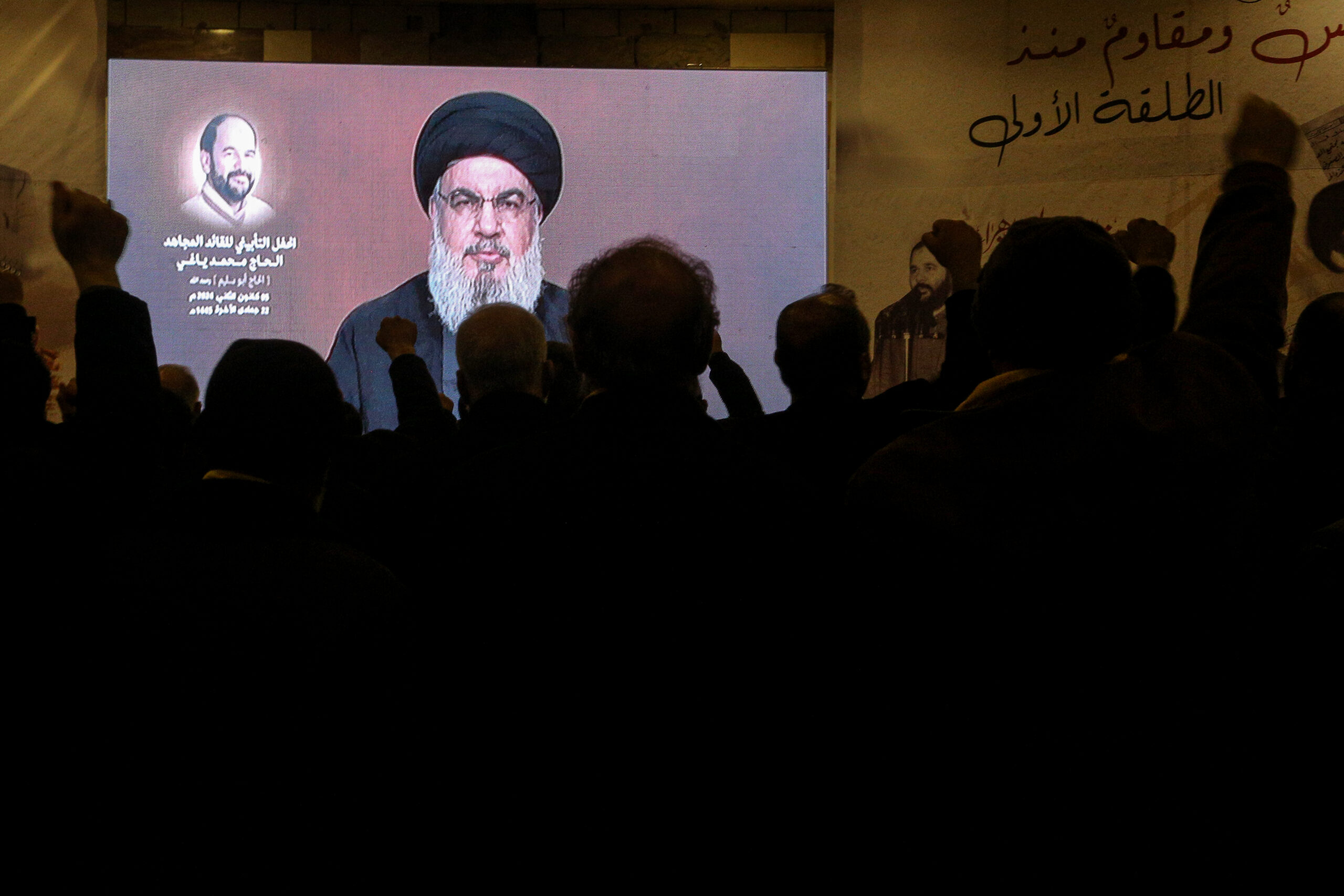
Securing Lebanon to Prevent a Larger Hezbollah-Israel War and Wider Escalation
The Middle East Institute (MEI) and the American Task Force on Lebanon (ATFL) convened a group of experts on Lebanon who co-authored this policy brief.
Executive Summary
As tensions between Israel and Hezbollah escalate, the specter of a full-scale war, with the potential to draw in the United States and Iran, demands the US’s immediate attention. The Biden-Harris Administration has tasked, in response, White House Senior Advisor Amos Hochstein with mediating efforts to de-escalate the conflict and bring stability to the Lebanon-Israel border.