Circus of Parties: The COP is broken but it is the only show in town
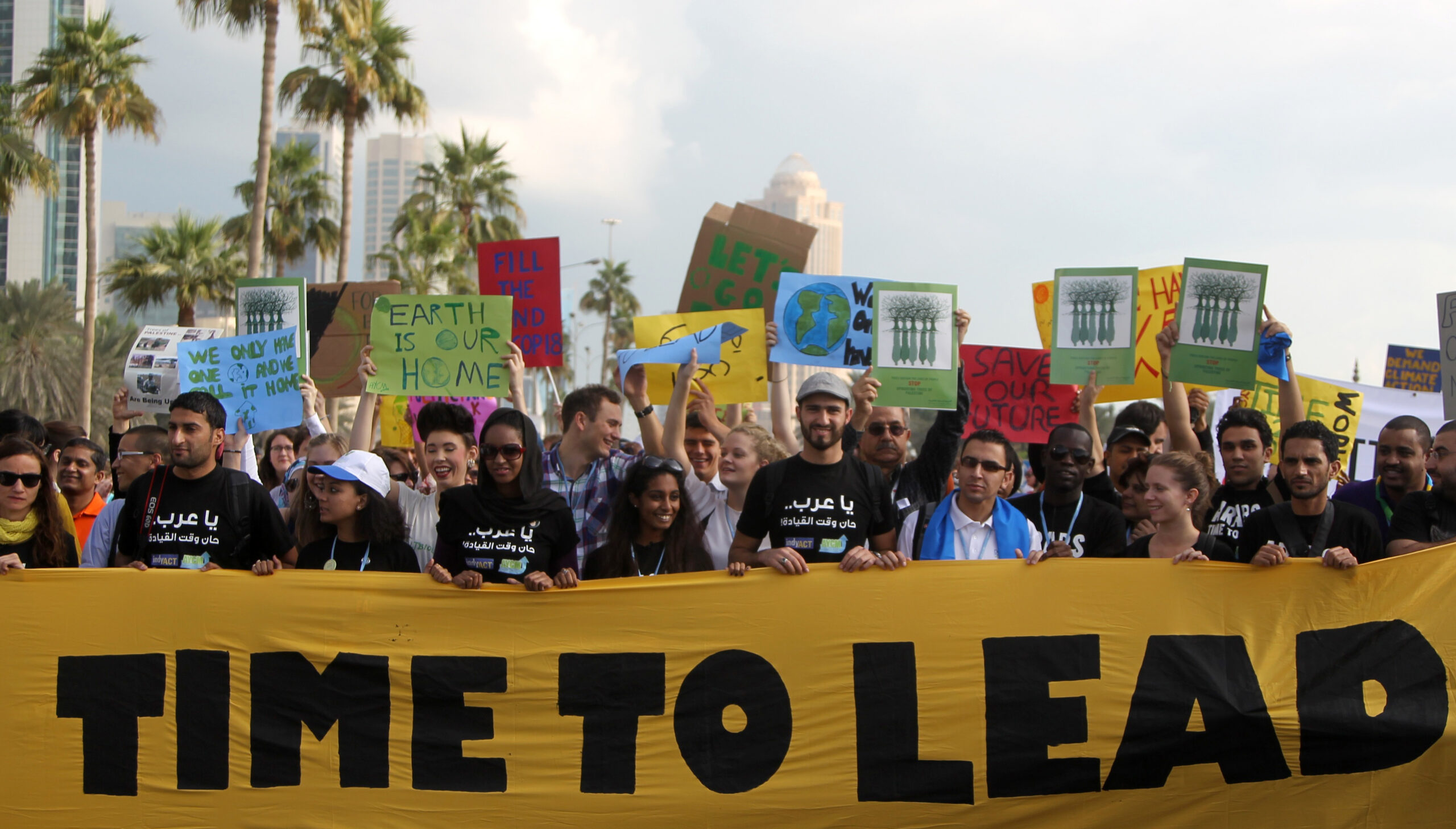
COP28 was billed as our last best chance to get the world’s act together and save our chances of limiting warming to 1.5 degrees Celsius. However, the final outcome fell far short of the commitments so desperately needed to keep the target alive. The future of COP lies in refocusing on its fundamental objective: ensuring that countries are held accountable to science-based targets that prioritize the needs of vulnerable communities most affected by climate change.
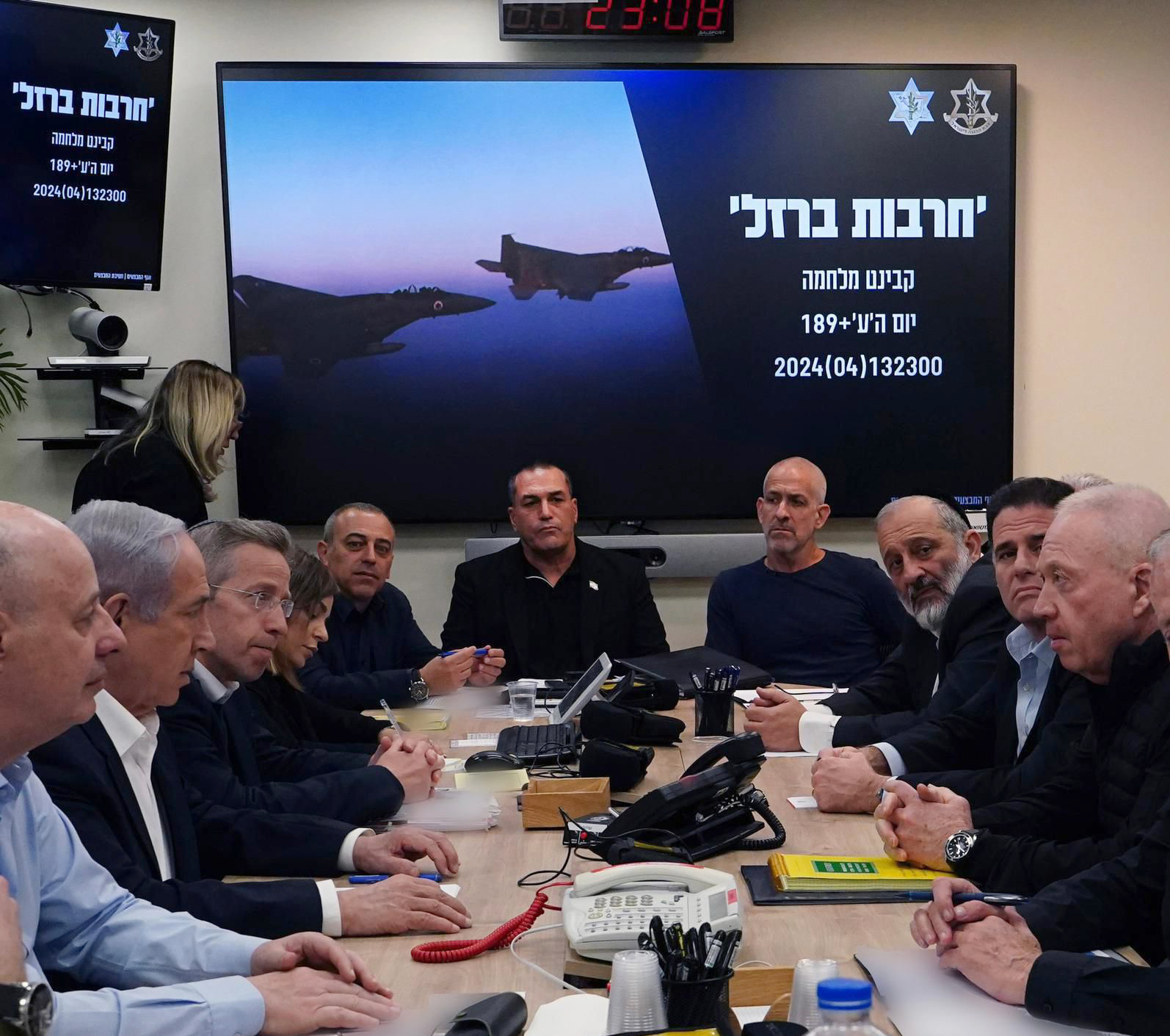
After scoring important points by blocking Iran’s attack, Israel should draw the right lessons from its success
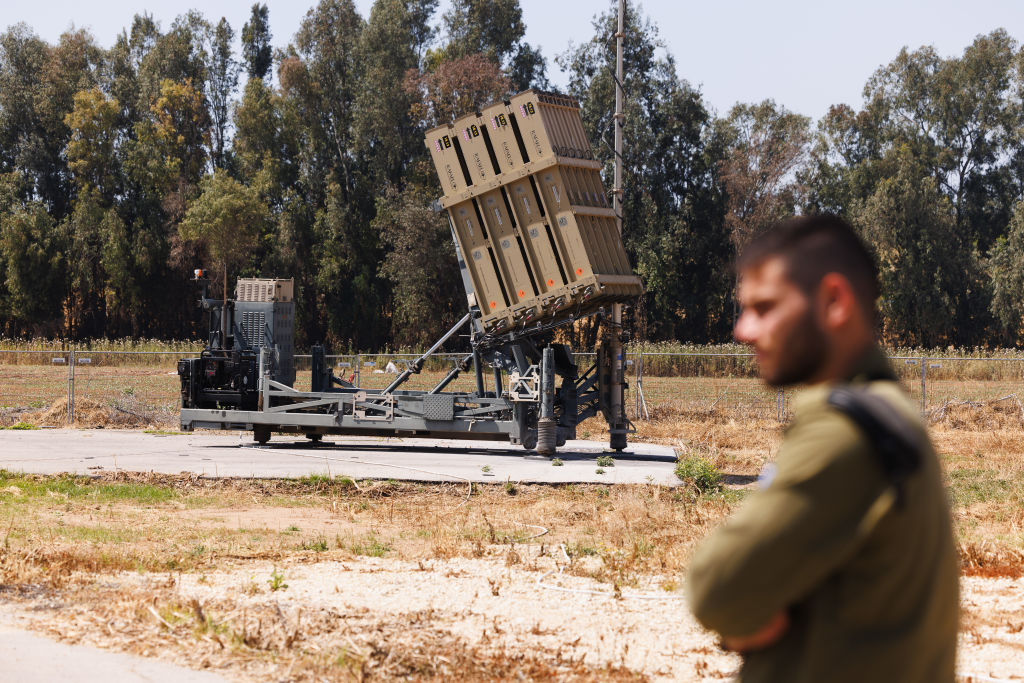
The Iranian strike against Israel was a first of its kind. Its mere occurrence sets a precedent that will have a long-term impact and require Israel to weigh new considerations when planning future military operations against Iranian assets.
Journalism out, hasbara in: How Israeli TV news joined the Gaza war effort
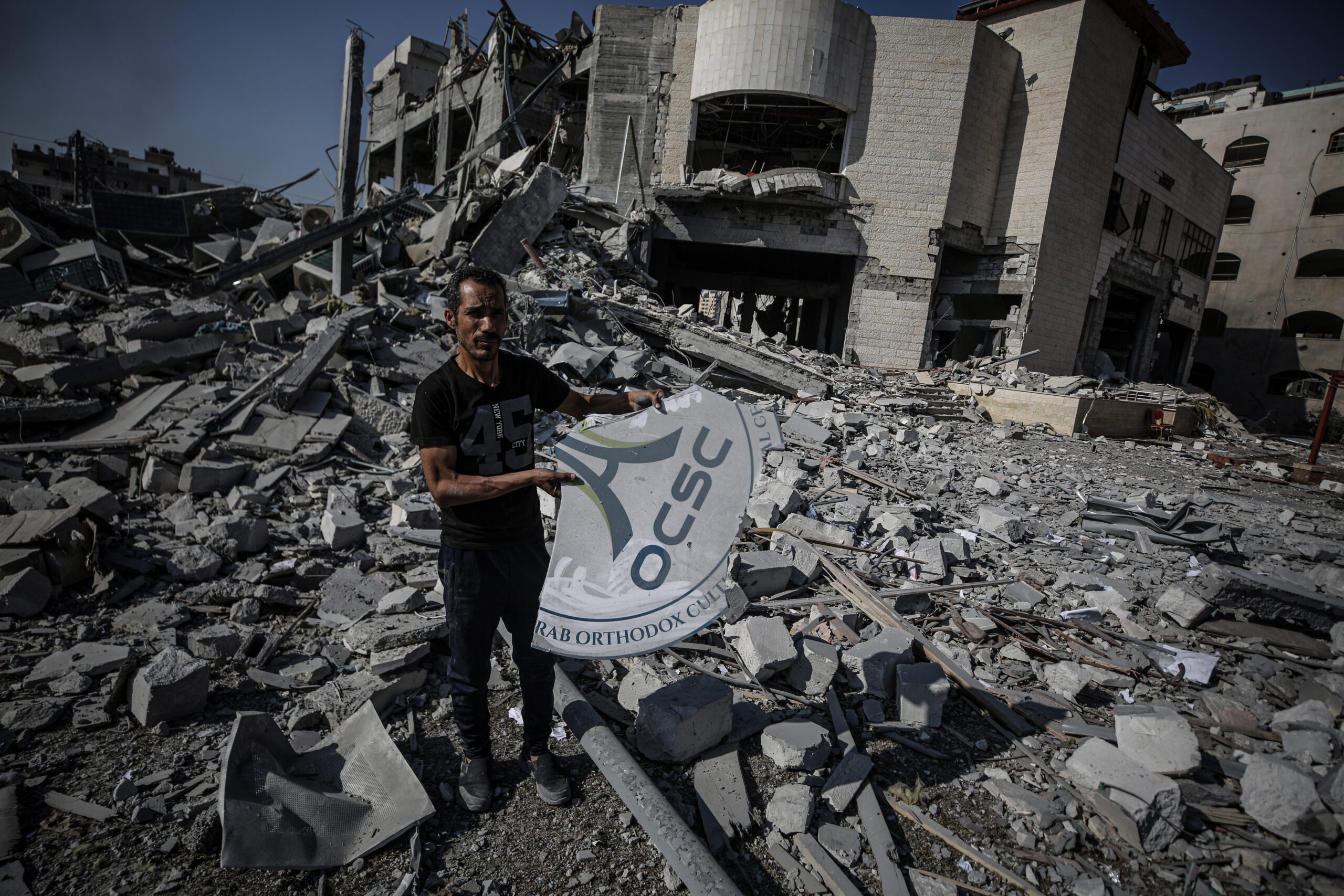
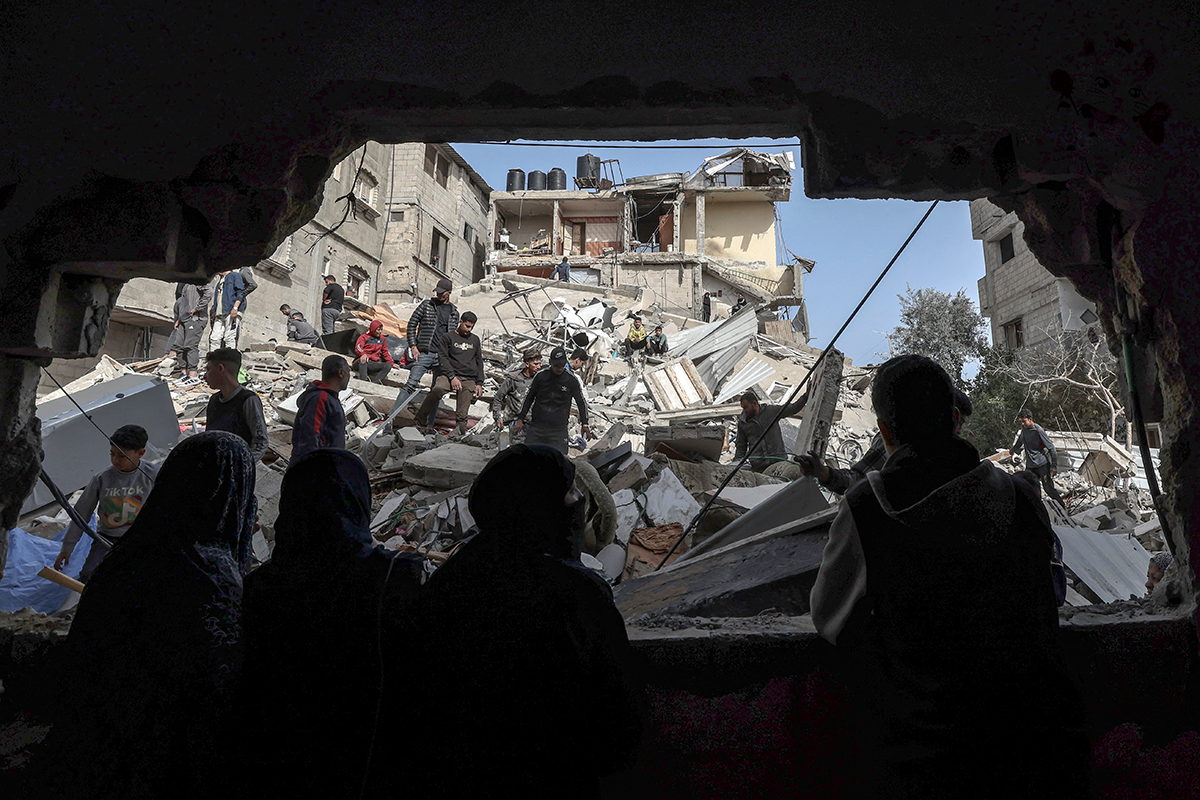
For the last few months, people around the world have been closely following the ongoing brutality of the war in Gaza. Pictures of Palestinians fleeing south and looking for relatives under the rubble, videos of children searching for food and water — these and more have been circulating on social media and news networks every day since October 7.
In recent years, the settler movement discovered a winning strategy: Attack the Israeli military
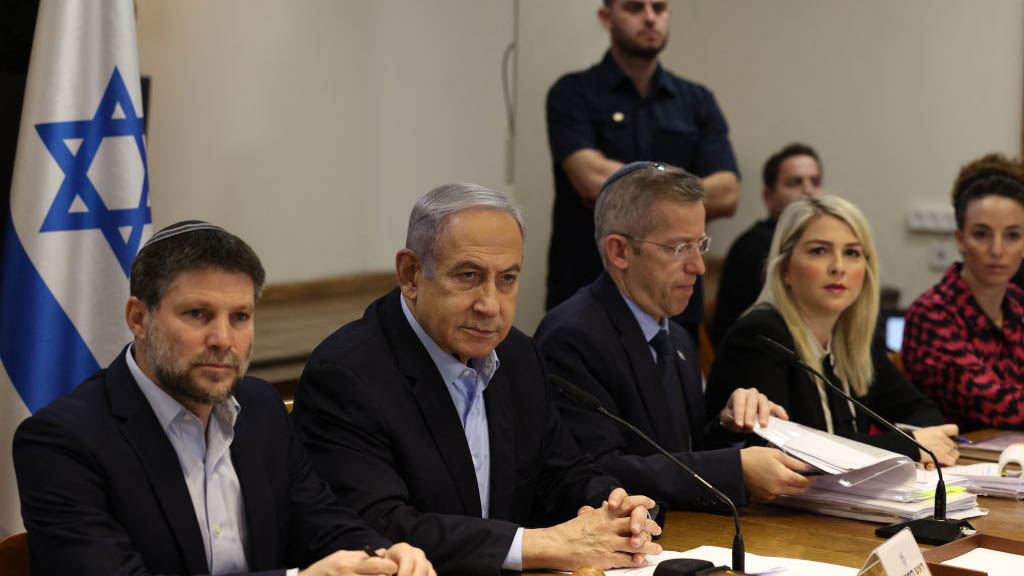
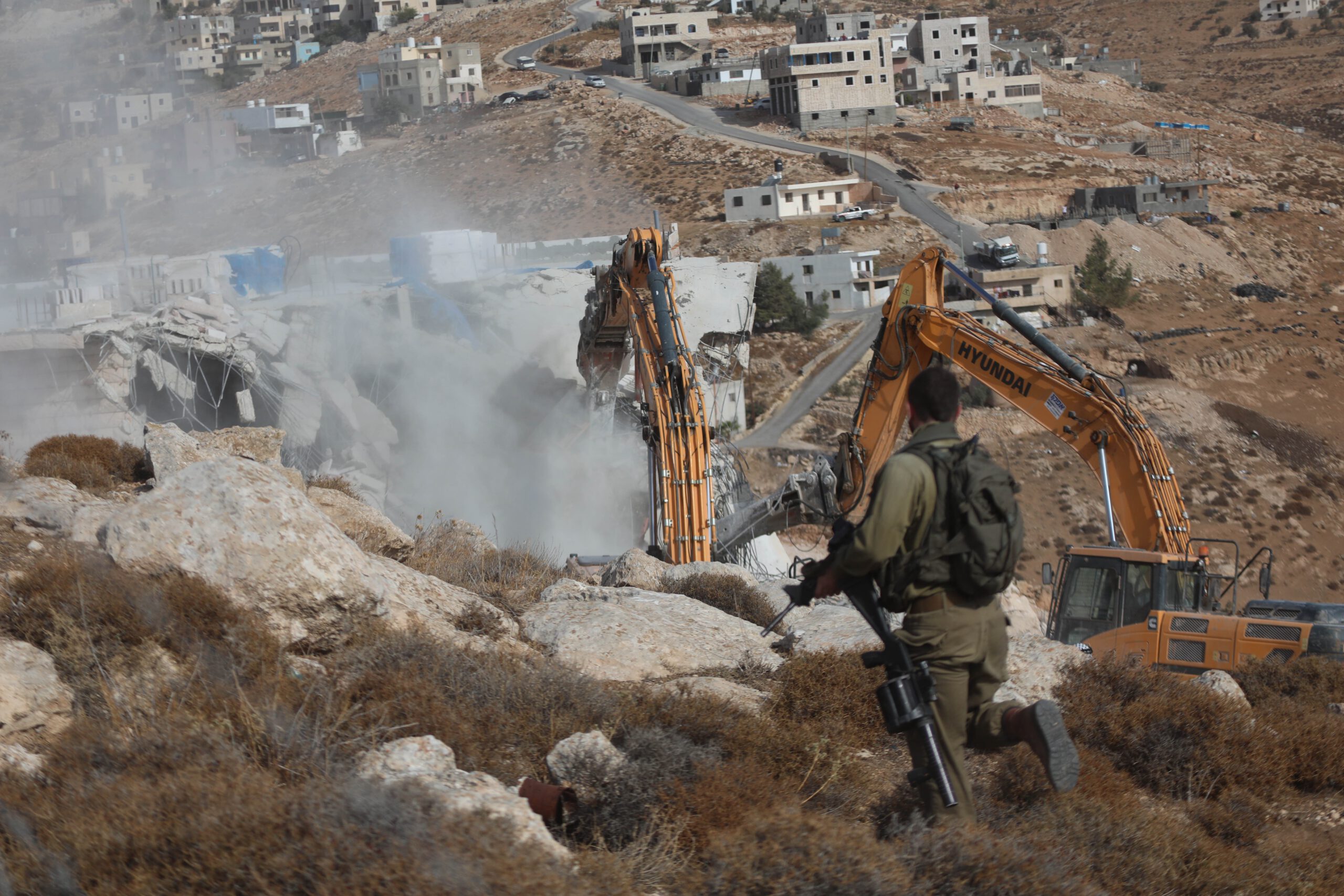
As the war in Gaza approaches its seventh month, the settler movement has been raging its own separate war against none other than the Israeli military itself. While Israeli society is still healing from the devastation of Oct. 7 and tens of thousands of Israelis are displaced from their homes near the Gaza Strip and the northern border, the settlers have launched campaigns against the Head of the Central Command, advocated for resettling Gaza, and escalated tensions with the Israeli military.
After Attack in Russia, Focus Turns to ISKP in Afghanistan and Central Asia
The March 22 terror attack in Russia, on the outskirts of Moscow, which killed 139 people has brought attention back to the Islamic State Khorasan Province (ISKP). Notwithstanding the Kremlin’s proclivity to link the attackers to Ukraine and not ISKP, the group’s involvement in the attack is clear from its claim and the evidence that has emerged in the aftermath.
Strategic foresight is helping create Arab futures
On March 5-7, 2024, the United Nations’ Economic and Social Commission for Western Asia (ESCWA) hosted the annual Arab Forum for Sustainable Development (AFSD). The inclusion of a special session on “Collaborative Futures: Strategic Foresight for Sustainable Development in a World of Crisis” is another example of the growing attention to foresight-driven analysis and decision-making among leaders in the Arab world.
The Second War for Palestine has continued longer than any Israel-Palestinian conflict since Israel’s establishment. Neither Gamal Abdel Nasser’s army nor Hafez al-Assad’s tanks fought as long as the Izzedine al-Qassam Brigades still battling in Gaza.