The Saudi Aramco IPO: Short-term success, long-term loss
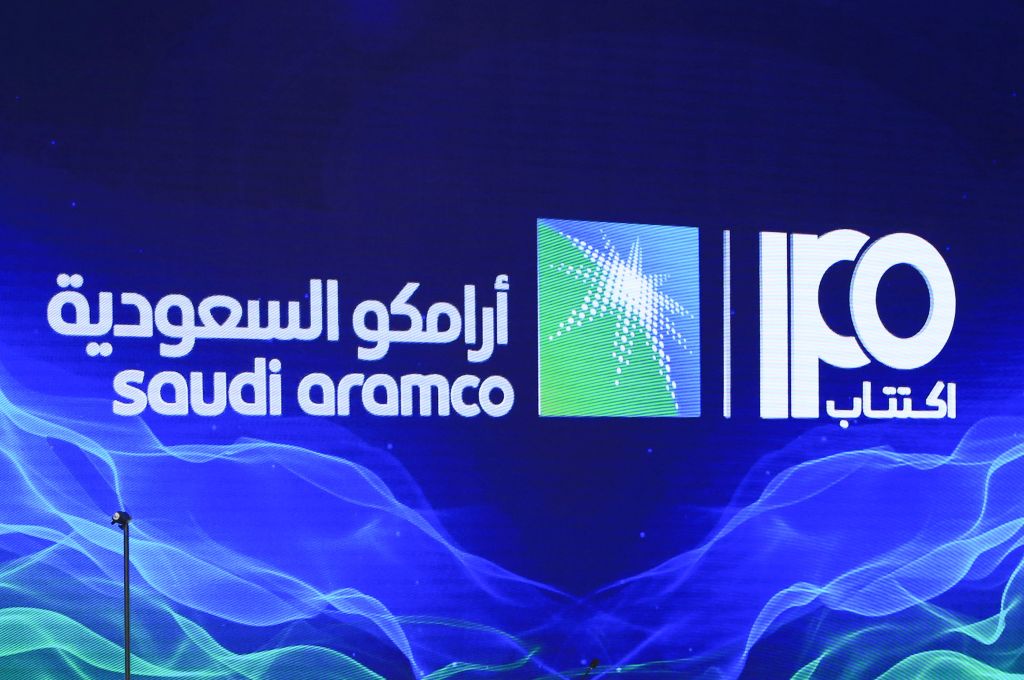
The Saudi Aramco IPO got started this Sunday morning with shares priced at SAR 30-32 ($8-8.50) each, valuing the company at $1.7 trillion, $300 billion below the original estimate. The lower valuation has been expected for some time by most investment banks and many financial analysts. The proceeds are expected to fund the Public Investment Fund’s forays into non-energy-based companies, advanced technologies, and even robot-filled cities.
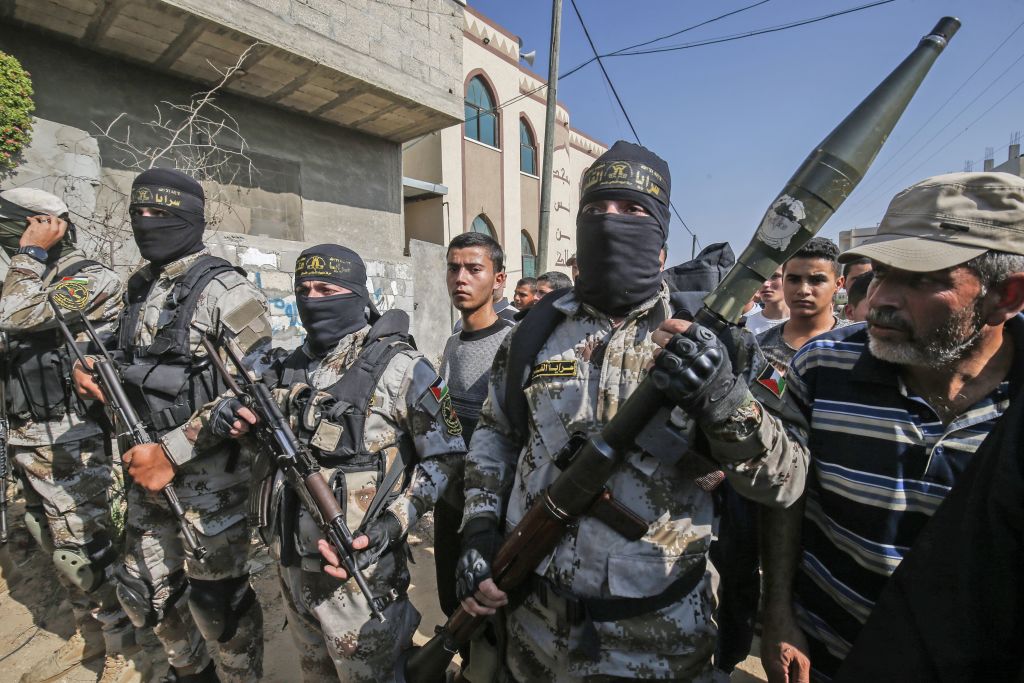
A Nov. 12 Israeli airstrike on the Gaza Strip killed Baha Abu al-Ata, a commander with the Palestinian Islamic Jihad (PIJ) militant group. Over the ensuring 48 hours, the PIJ launched some 450 rockets from Gaza into southern and central Israel. Hamas, the Palestinian political party/militant group that acts as the de facto government of Gaza, stayed out of the fighting — despite relatively high civilian casualties and the killing of one of its fighters.
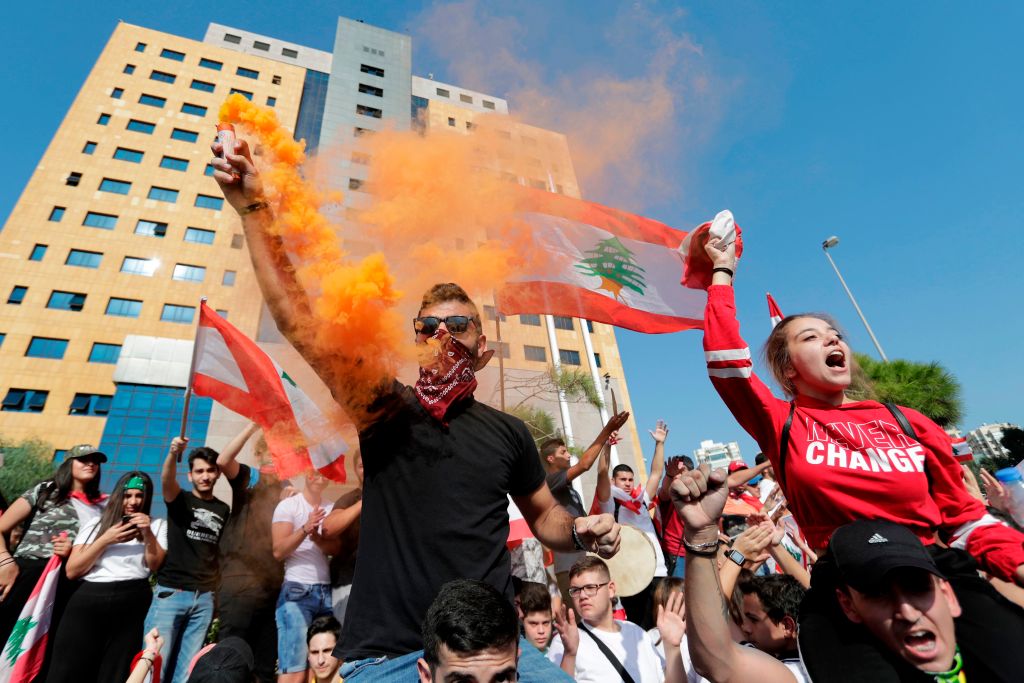
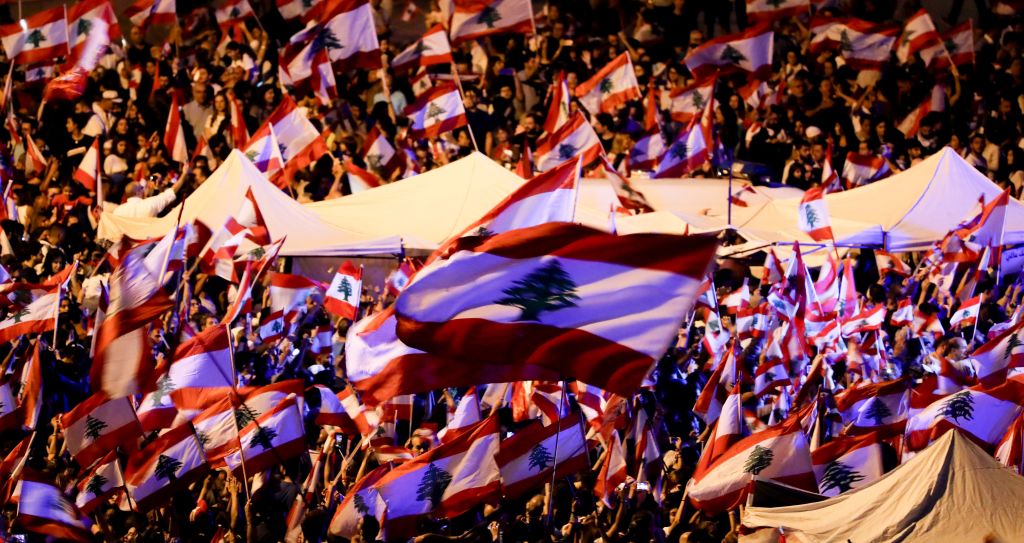
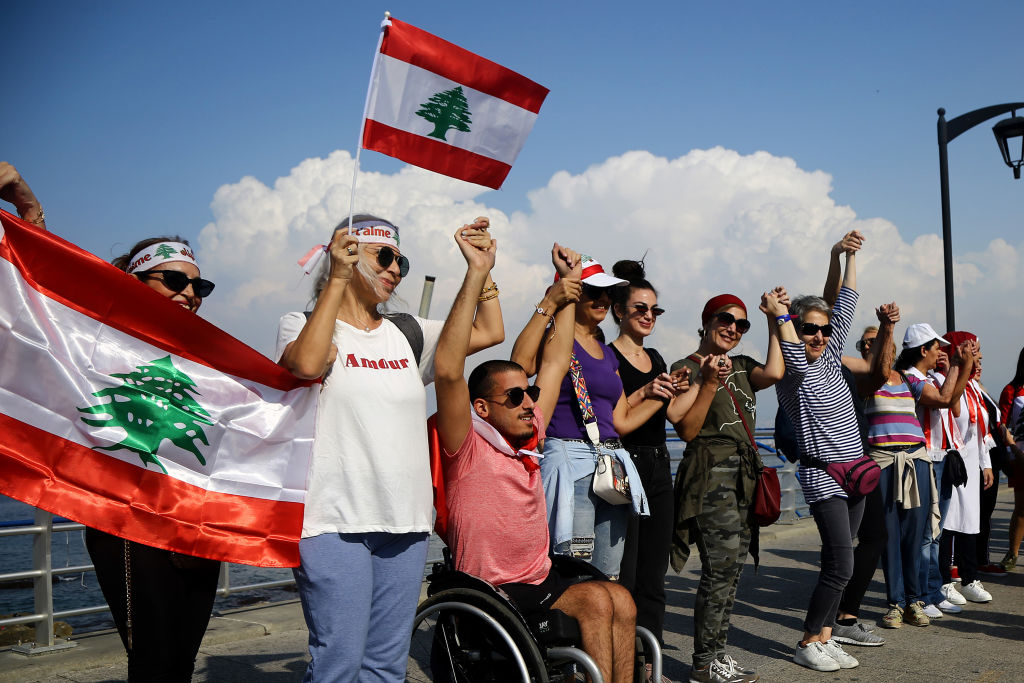
Lebanon protests enter their second month amid stalemate and uncertainty
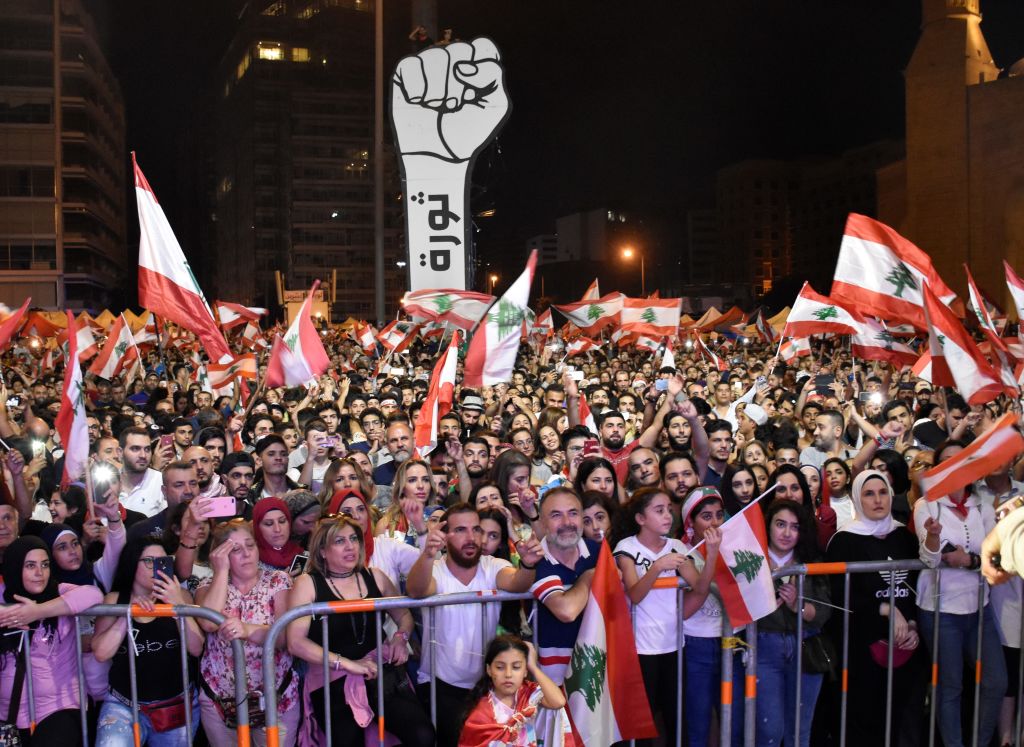
In Lebanon, the protests have entered their second month with contending parties stuck in a stalemate that is not hurting enough to incentivize concessions from any party. Ruling elites are at a loss what to do.
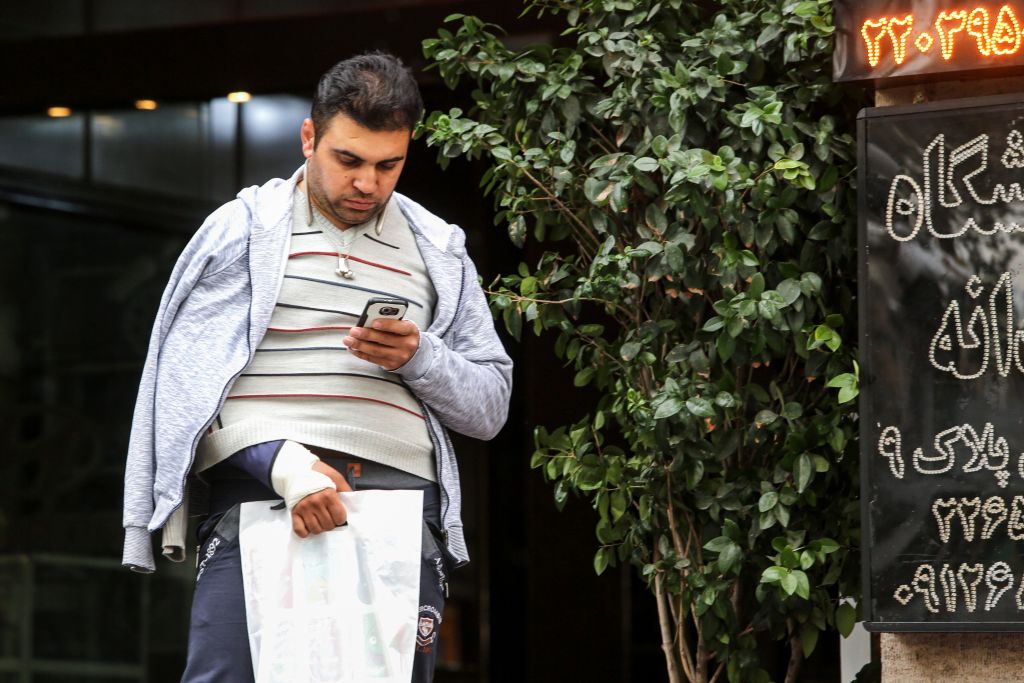
Iranian government cuts internet access amid protests
Amid widespread protests over an abrupt decision to hike gasoline prices by 50 percent, Iran’s internet is out again. The government cut access in what is widely seen as an attempt to stem the flow of information, pictures, and videos of protests that reportedly took place in at least 100 cities and towns and involved an estimated 87,000 Iranians.
Morocco seeks to position itself on the world stage
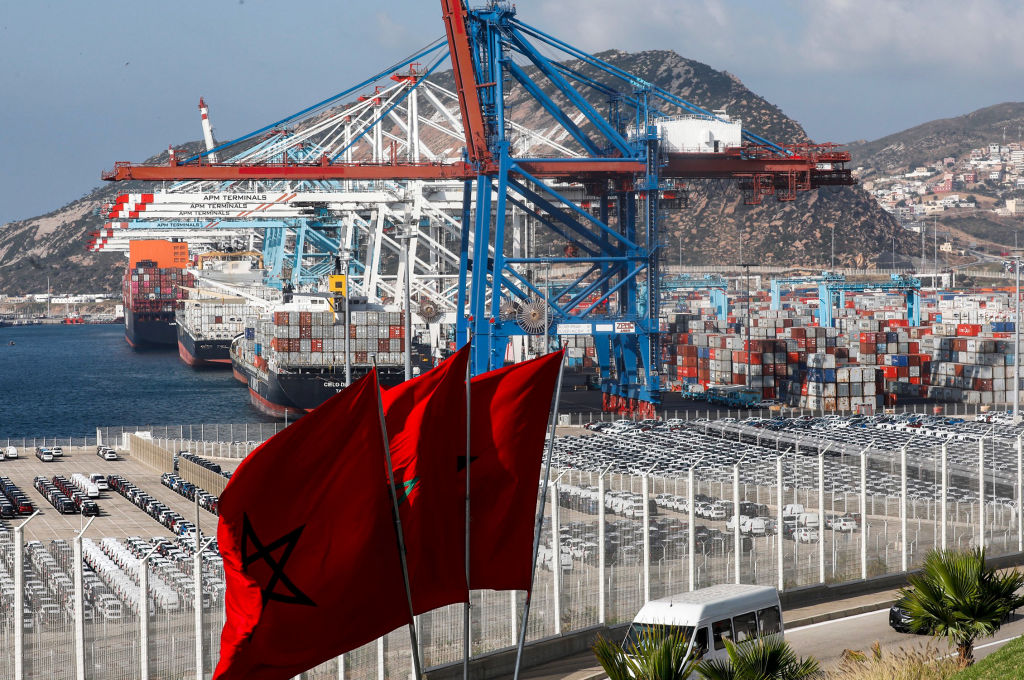
The Royal Institute for Strategic Studies (IRES), charged by the Government of Morocco with analyzing and monitoring the country’s external relations, turned its attention to the U.S.-Morocco relationship at a conference conducted at its Rabat headquarters on Oct. 29. Taking note of the long history of the bilateral relationship — Morocco was one of the first countries in the world to recognize the new American republic in 1777 — panelists reviewed the current state of political, economic, and cultural engagement between the two nations.
Syria tops the agenda as Erdogan heads to Washington
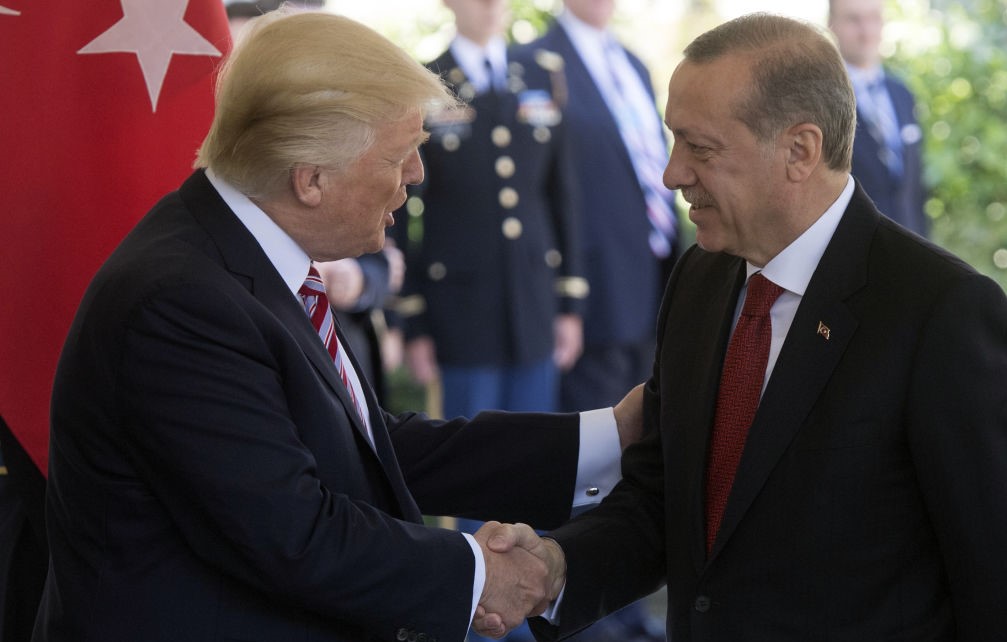
Turkish President Recep Tayyip Erdogan is set to meet with his U.S. counterpart, Donald Trump, in Washington on Wednesday. While there are doubtless other items for discussion on the agenda, at the top of the list is, at least on Turkey’s side, Syria — or more specifically, what U.S. policy is and should be in Syria.
US and World Bank host talks on long-running Egypt-Ethiopia-Sudan water dispute
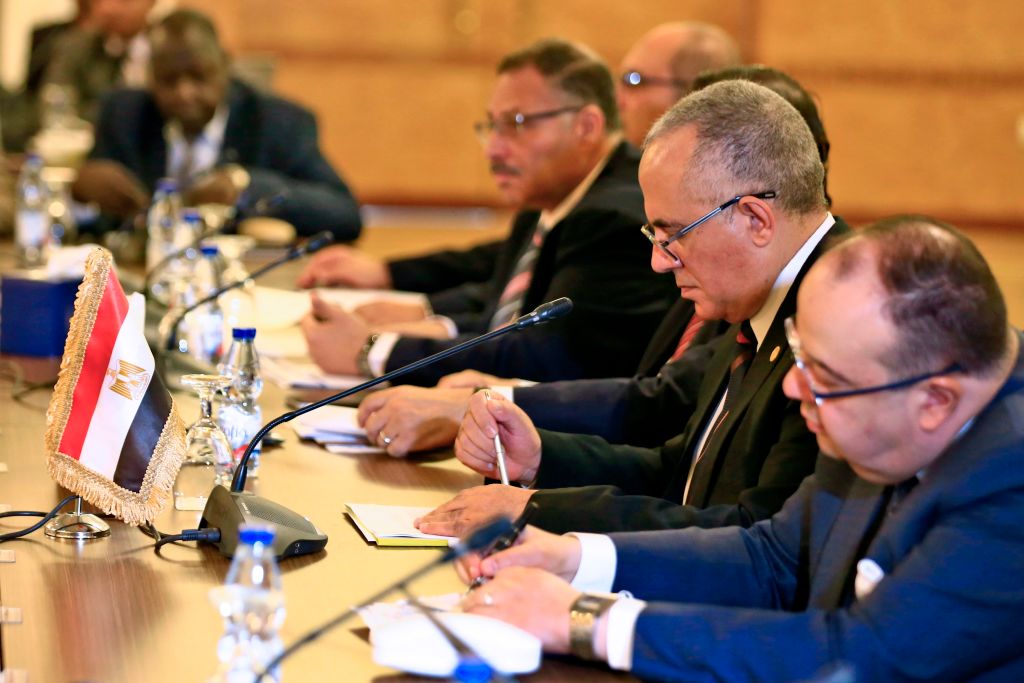
The U.S. and World Bank sponsored talks last week between Egypt, Ethiopia, and Sudan, over the Great Ethiopian Renaissance Dam – the latest developments in a regional soap opera that’s been running since 2010, when Ethiopia first announced the construction of the dam.
Lebanon’s popular uprising seems to be moving into a long and painful standoff between, on the one hand, a new generation along with a wide spectrum of the population demanding wholesale accountability and profound change, and on the other a ruling class mired in an interdependent web of corruption, intent on protecting its interests and waiting out the populace.
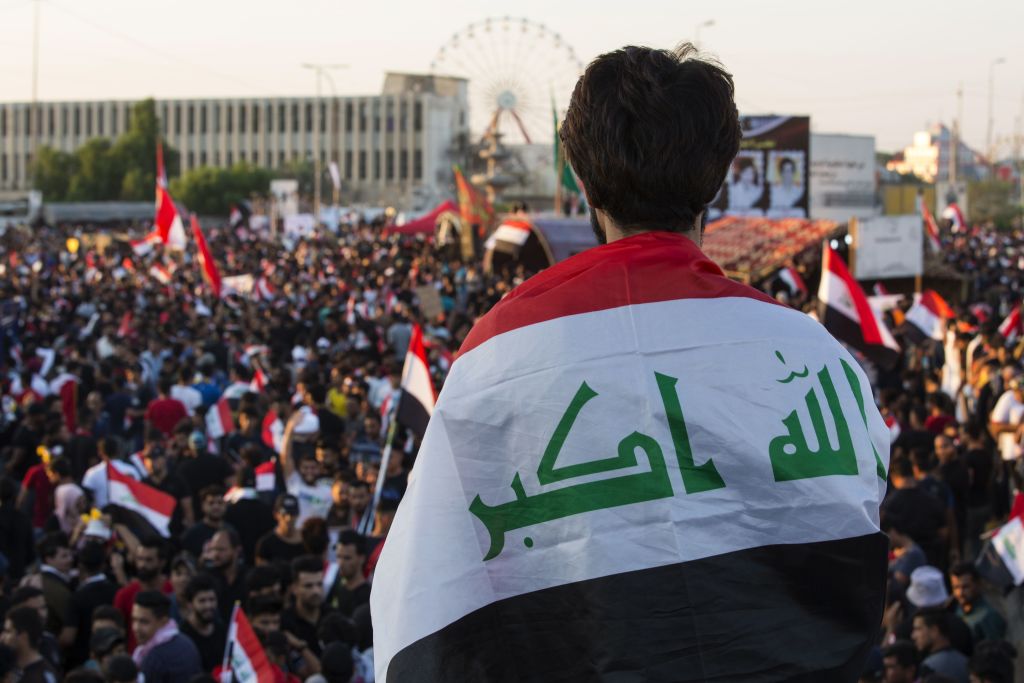
Iraq: Protests and violence continue amid a deepening political crisis
Iranian mediation might bring the two big political blocs to an agreement on a new government, but the protest movement demands only new, clean faces and won’t readily accept another cabinet drawn from discredited political blocs.
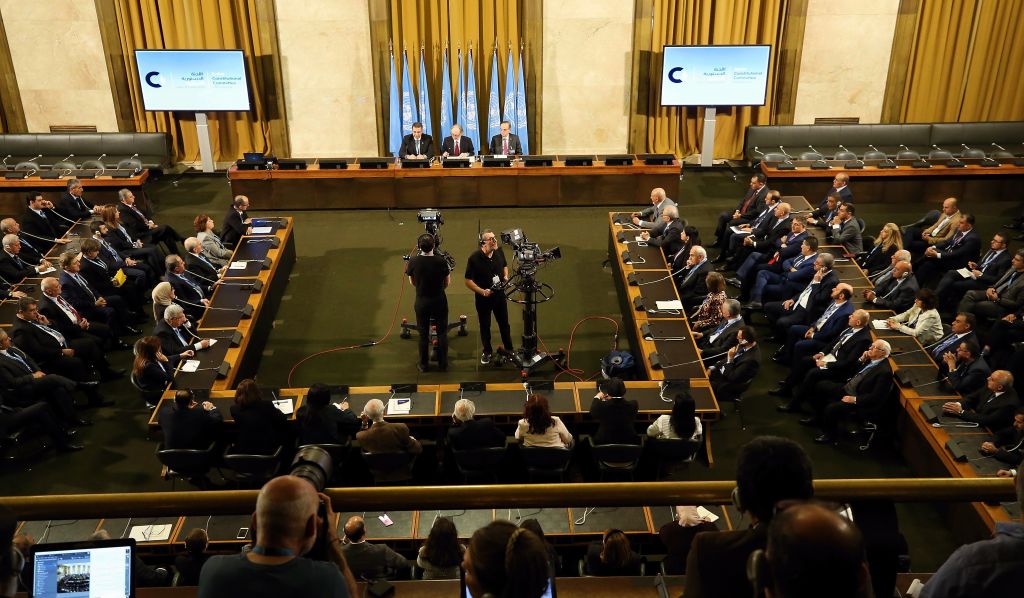
Syria: The most important issues are not yet on the table in Geneva
If the Syrian Constitutional Committee does not address the oppressive security and military apparatus, which are the primary root causes of the Syrian crisis, then its work will not actually effect change in Syria — and so far, reforms of those two sectors are not yet on the table.
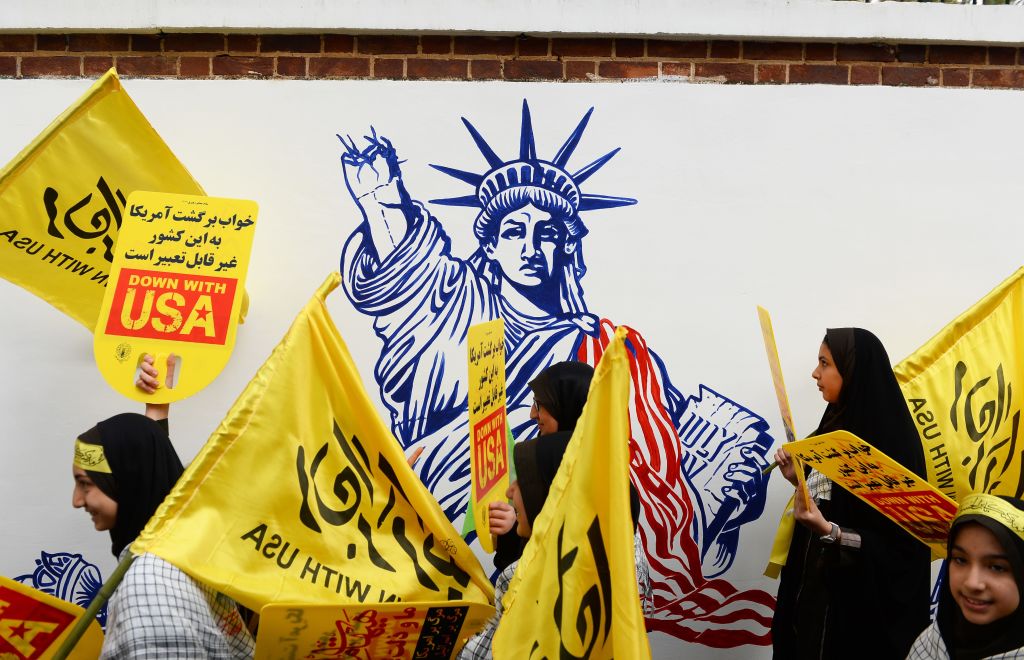
40 years on from the moment that forever changed US-Iranian relations
Taking the American diplomats hostage for 444 days consolidated the Iranian revolution around the Khomeinists, but very few people in Tehran today will deny that it came at the great expense of isolating Iran internationally for the past 40 years.
Facebook’s lawsuit against Israeli tech firm: The private sector and new cyber tension in the Middle East
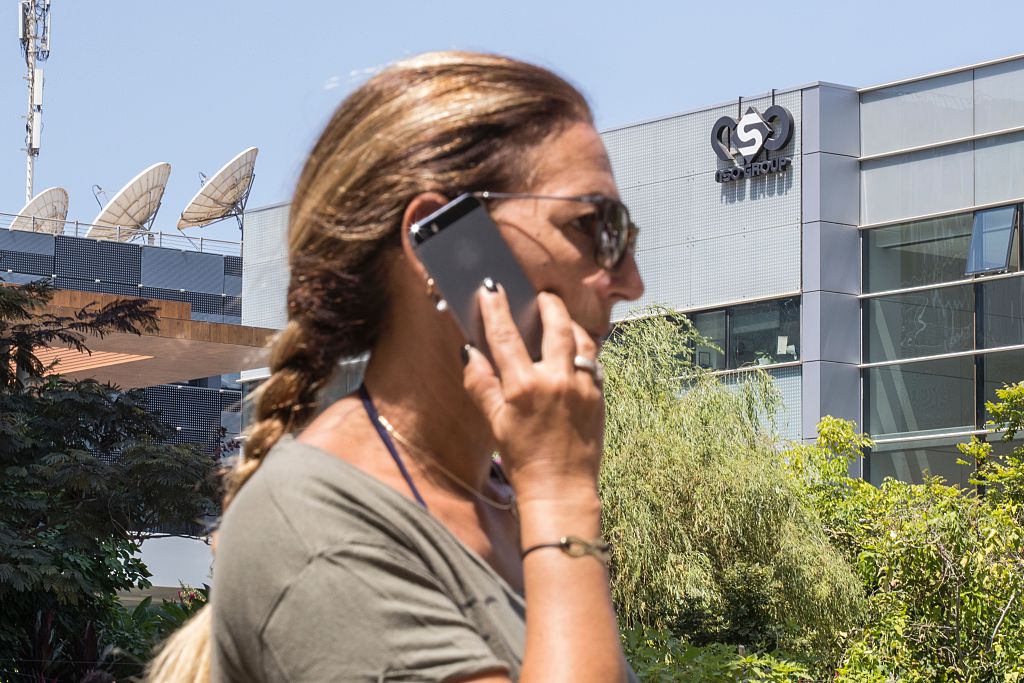
Recent legal action by tech giant Facebook has critical implications for the rise of private sector actors in the fight for dominance and security in the Middle East cyber domain. On Oct. 29, Facebook filed a lawsuit against the Israel-based company NSO Group for allegedly breaching users of the Facebook-owned communications platform WhatsApp.
A crisis of confidence as Iraq’s protests continue amid violence
Only one leader has the moral standing and mass appeal to be able to move Iraq out of the deadly stalemate in which it now finds itself and which may degenerate into more violence and chaos if the status quo is not upended: Grand Ayatollah Ali al-Sistani.
A need for mediation in Lebanon as the government and protestors reach a standstill
It remains to be seen how resilient the protest movement is and how long it can remain mobilized for, especially if political leaders refuse to change their stance.