Skip to Content

Analysis

Filter by
5932 Results
The US-Morocco quid pro quo
Photo by AFP via Getty Images
  • Analysis
  • The US-Morocco quid pro quo

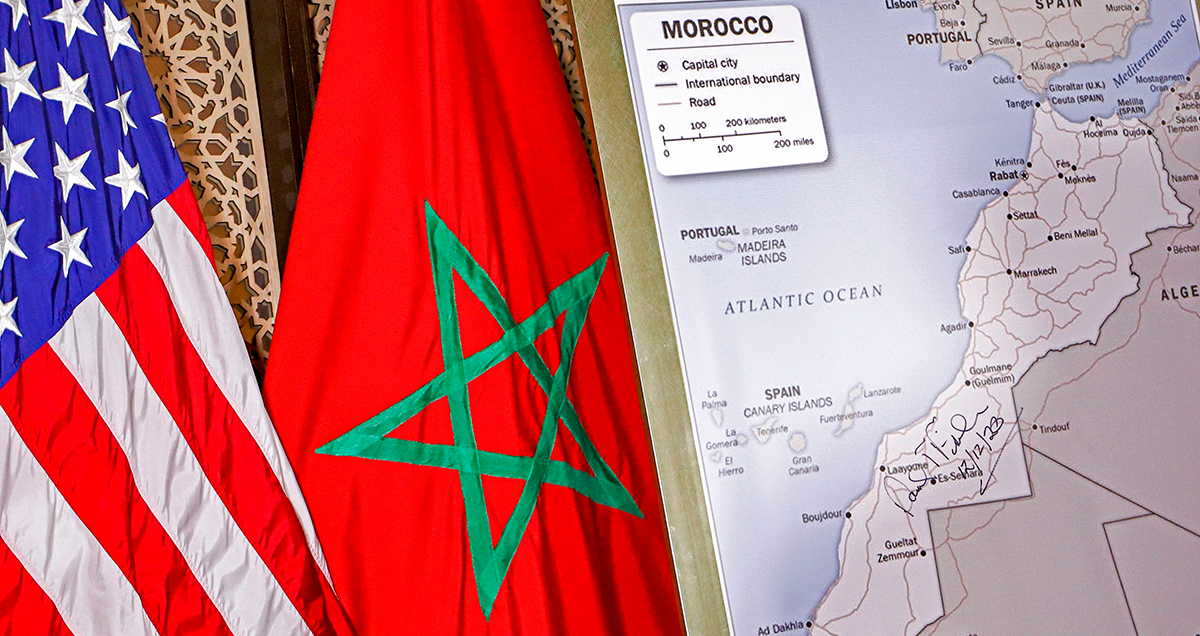
    The recent exchange of quid pro quos between the U.S. and Morocco has been handled well by both sides, despite the ritual carping to be expected from opponents of the quid and the quo.

    December 21, 2020

    How can China mediate between Israel and Pakistan?
  • Analysis
  • How can China mediate between Israel and Pakistan?

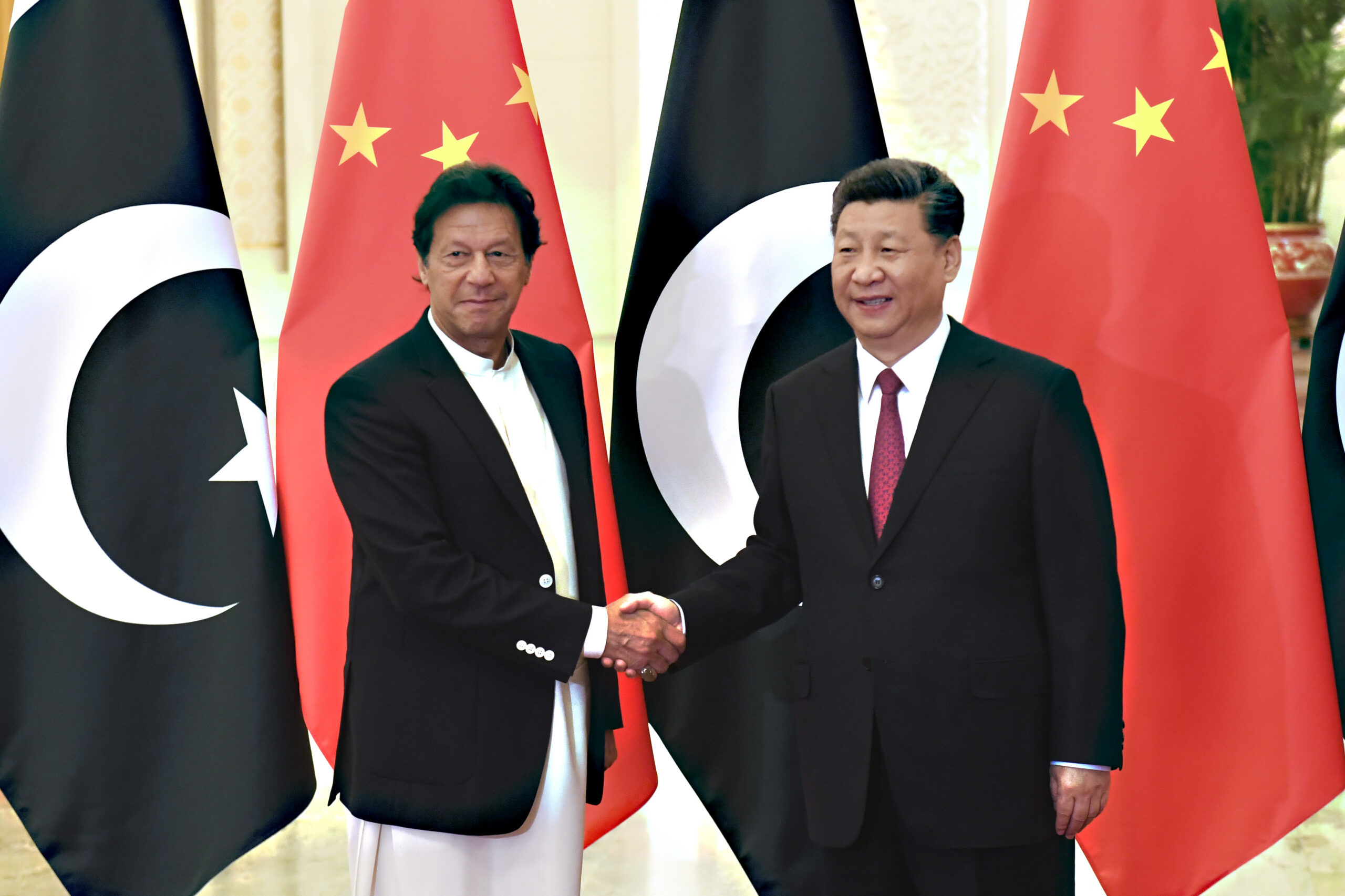
    Pakistan’s Prime Minister Imran Khan recently revealed that several countries are pressuring Islamabad to follow in the footsteps of the Gulf states by recognizing the state of Israel. Khan, however, expressed opposition to this idea, at least until there is a political settlement that meets Palestinian demands. While full normalization between Israel and Pakistan may still be out of reach, China could mediate between these two countries which have never established a diplomatic relationship.

    December 18, 2020

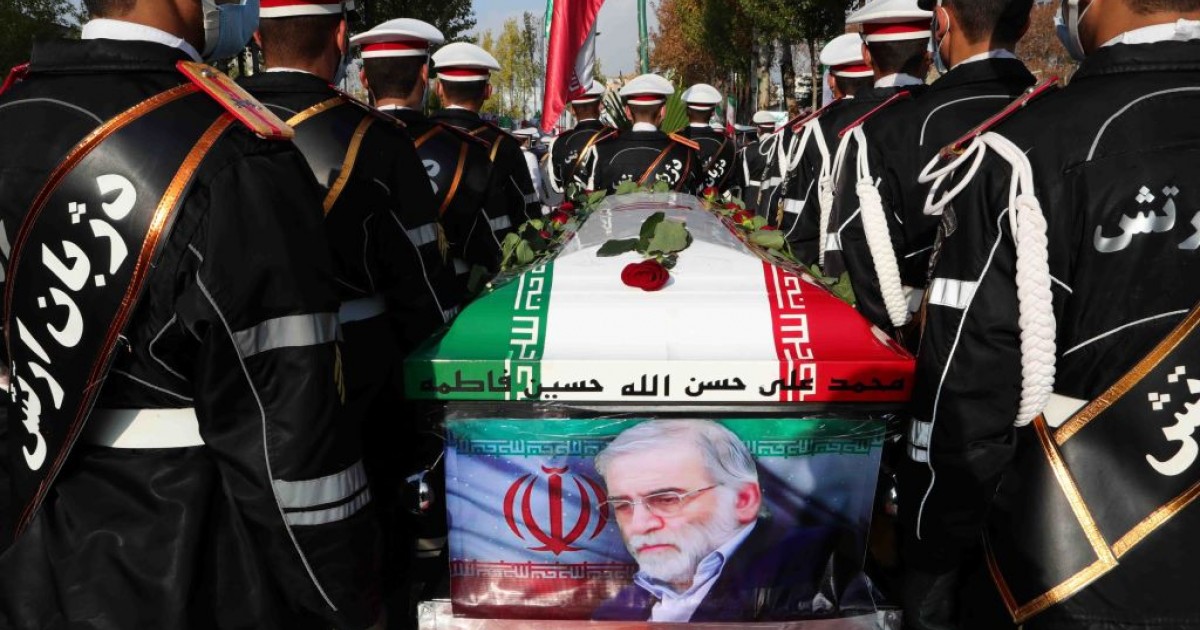
    The Fakhrizadeh assassination: A major failure for Iranian intelligence
    A funeral ceremony of Iranian Top nuclear scientist, Mohsen Fakhrizadeh Mahabadi, held at Defense Ministry of Iran in Tehran, Iran on November 30, 2020. Fakhrizadeh, who headed research and innovation at the defense ministry, was attacked Friday in Damavand county near Tehran.
  • Analysis
  • The Fakhrizadeh assassination: A major failure for Iranian intelligence

    The assassination of Mohsen Fakhrizadeh, the most important figure in Iran’s nuclear program, in late November 2020 is a major failure for Iran’s intelligence services. Despite all the secrecy and the emphasis on protecting Fakhrizadeh, however, he was still assassinated in the Absard area, about 70 km from Tehran, on Nov. 27. Why was he killed despite such a high level of protection, and what effect will his death have on the Iranian regime’s intelligence and security structures?

    December 18, 2020

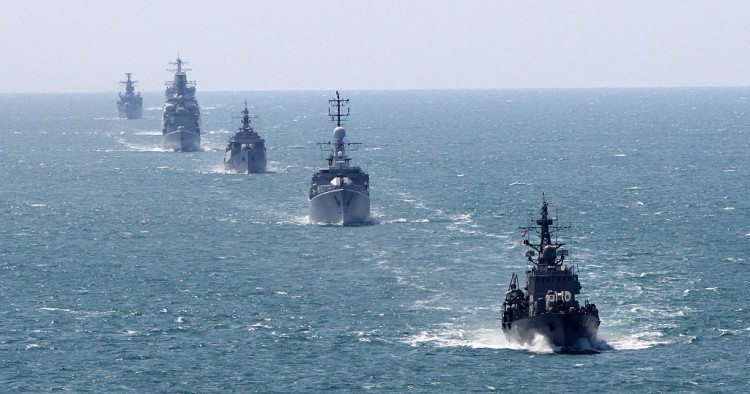
    The Black Sea: How America Can Avoid a Great-Power Conflict
  • Analysis
  • The Black Sea: How America Can Avoid a Great-Power Conflict

    Many Americans find the whole swath of territory in eastern Europe, near Russia, very far away and hard to conceptualize. This part of the world involves a number of countries, small and large, that are generally not the most frequently discussed in American news nor frequented by American tourists. To make sense of much of this remote region, it can be helpful to take a perspective that centers on the Black Sea and views that body of water as the key point of reference for much of the region. Doing so not only helps clarify what Russia is up to in its near-abroad, but also shines a spotlight on Chinese activity, and what is required of America in response.

    December 16, 2020

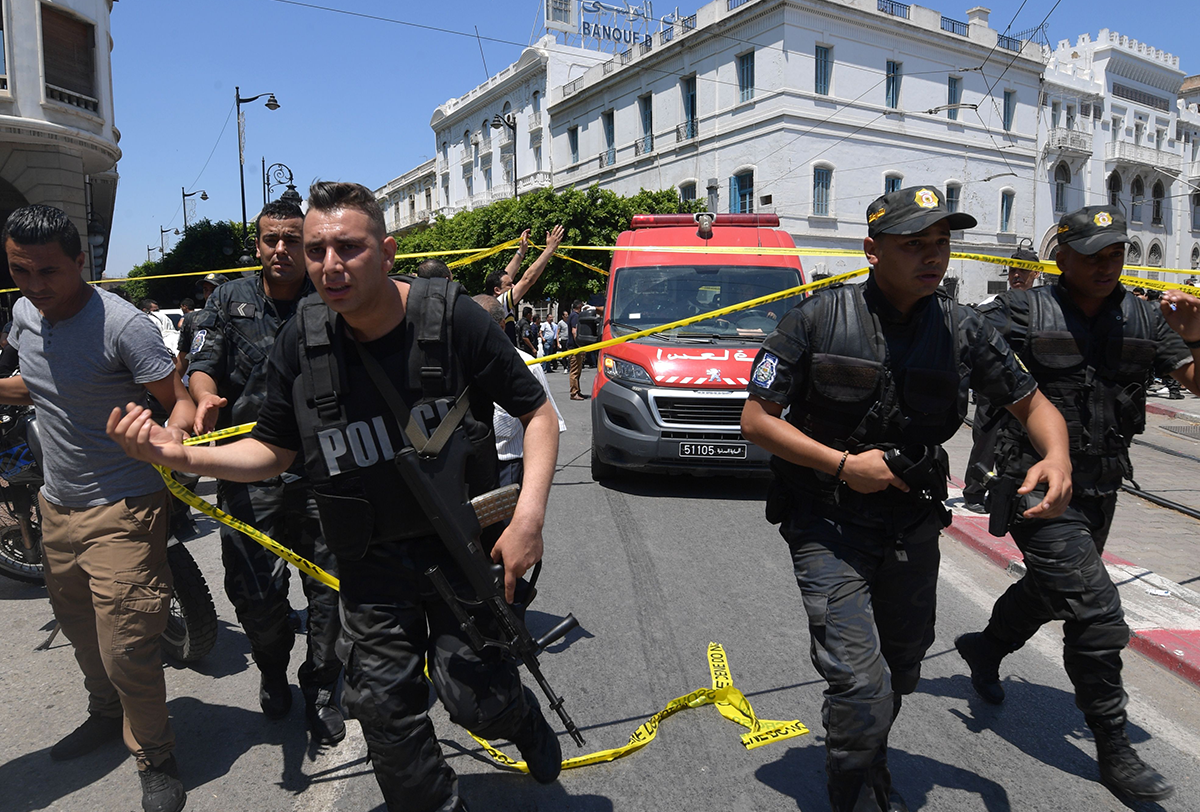
    Putting up a fight: Tunisia’s counterterrorism successes and failures
    A suicide attack targeted police on the main street of Tunisia's capital morning, wounding a civilian and several police personnel, a police officer at the scene told AFP. (Photo by Fethi Belaid / AFP) (Photo credit should read FETHI BELAID/AFP via Getty Images)
  • Analysis
  • Putting up a fight: Tunisia’s counterterrorism successes and failures

    Alongside a stalled economy and a messy political transition, the decade since the 2011 revolution has left Tunisia with an intermittent yet ferocious terrorism problem. The frequency of terrorist attacks highlights the dangers posed by an uncertain political environment, widespread economic problems, and regional instability. But the fact that they have become less deadly over time also seems to underline the improvements that successive governments have made to Tunisia’s security apparatus.

    December 16, 2020

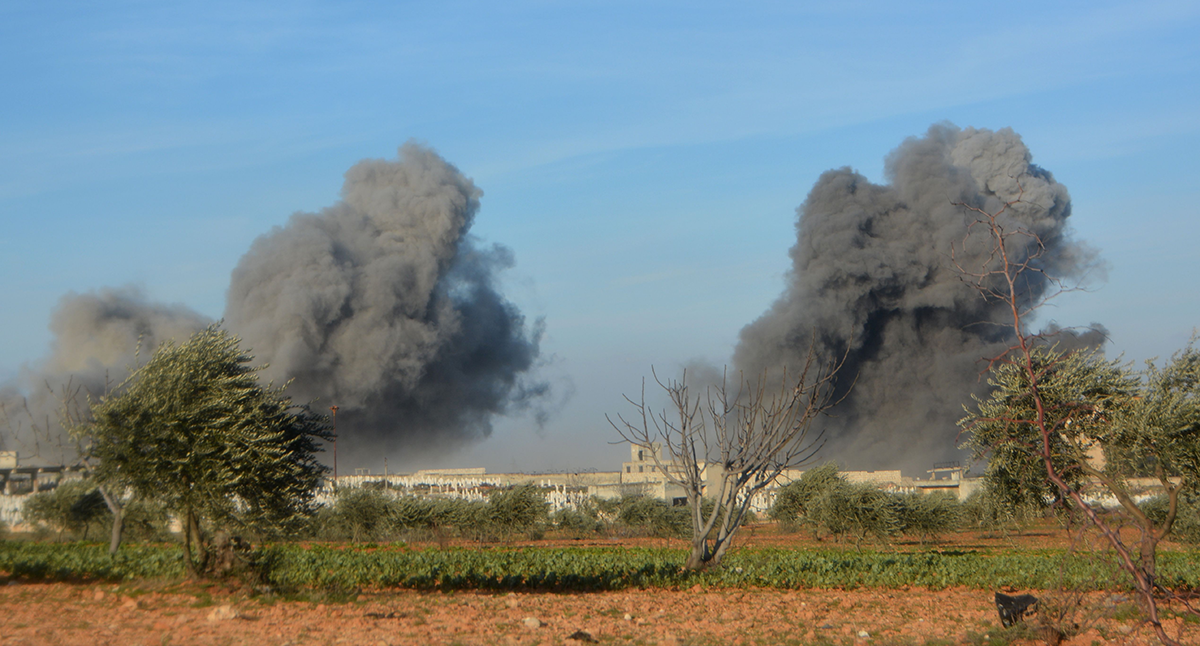
    Weighing the scales of violence in northwest Syria
    Photo by MOHAMMED AL-RIFAI/AFP via Getty Images)
  • Analysis
  • Weighing the scales of violence in northwest Syria

    When looking at a map of all artillery and airstrikes in the period from November 2019 through November 2020, first, it is quite clear that the majority of attack are carried out by either Syrian, Russia, or pro-government forces across the northwest of the country, save for northern Aleppo, where the Turkish military is more active.

    December 16, 2020

    Up for Debate: US Yemen policy
    Photo by Mohammed Hamoud/Getty Images
  • Analysis
  • Up for Debate: US Yemen policy

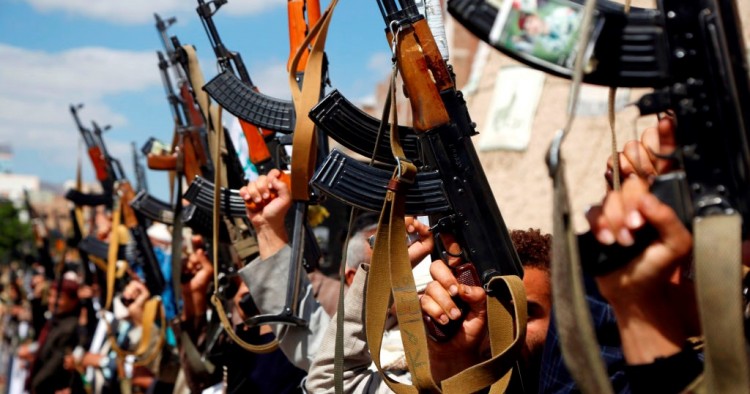
    Now in its sixth year, the war in Yemen shows no signs of abating. The country faces what is widely considered the world’s worst humanitarian crisis — a situation that has only been exacerbated by the global coronavirus pandemic. As a new administration prepares to take over in Washington, it is a natural time to assess U.S. policy toward the country. We asked 9 experts to provide their perspective and answer the following question: How should the Biden administration approach Yemen?

    The US and China: Getting Beyond the COVID-19 Blame Game
    Middle East Institute
  • Analysis
  • The US and China: Getting Beyond the COVID-19 Blame Game

    As the world grapples with the devastation being wrought by the COVID-19 pandemic, US and Chinese officials have seemed unable to resist hurling accusations at one another. The purpose of this article is to show that even a nascent understanding of what unites both cultures, in the way ideas are passed down and how thought progresses through the centuries in both the West and the East, can be most helpful in adopting the concept of “scientific globalism,” through which nations can join together to overcome this emergency and those to come.

    December 15, 2020

    NATO's Energy Security Rests on a Fragile Ceasefire
  • Analysis
  • NATO's Energy Security Rests on a Fragile Ceasefire

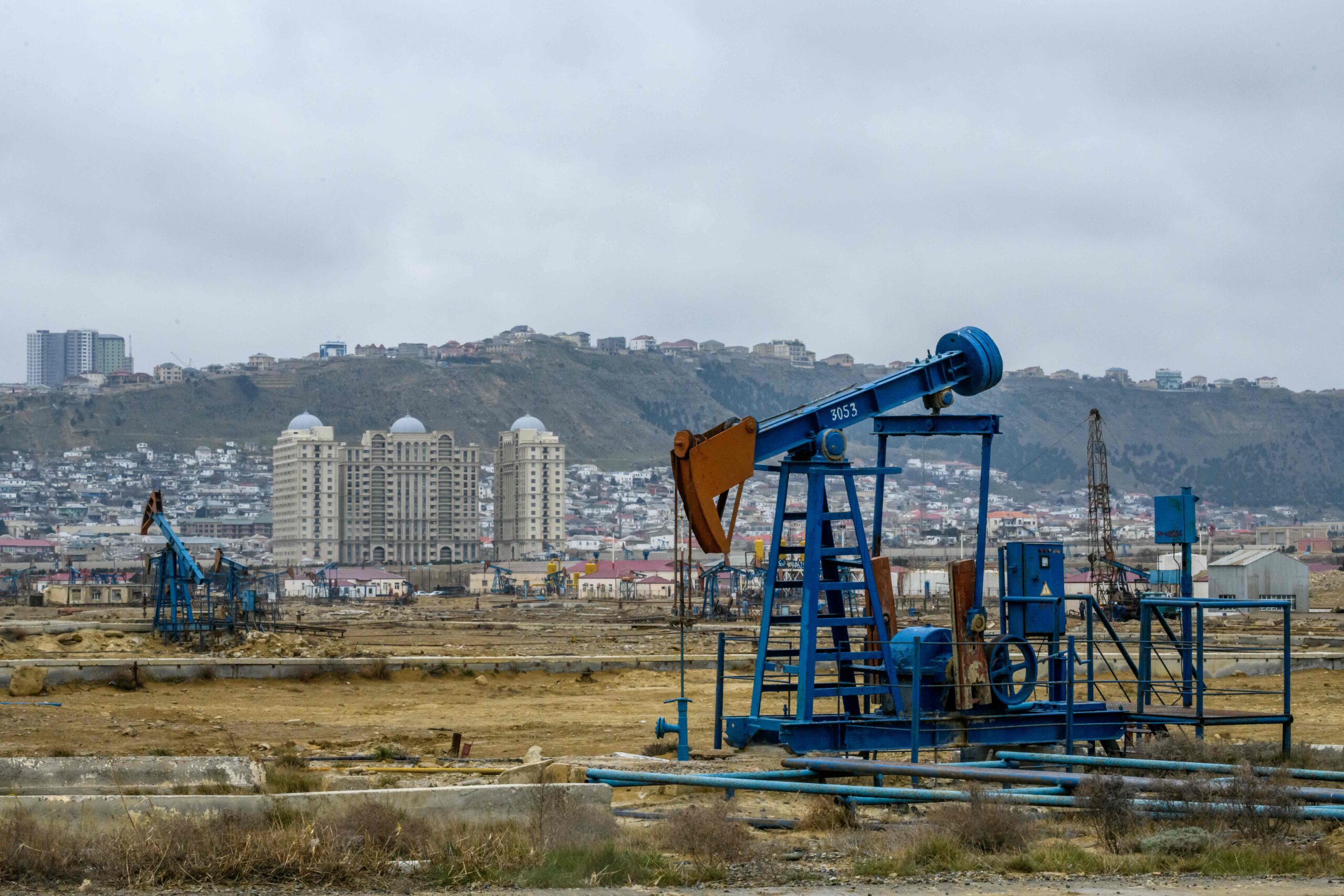
    There is a lot riding on the success of the recent cease-fire agreement between Azerbaijan and Armenia. NATO’s energy security is now intertwined with the fragile deal. Fueled by Russian arms and military training, the Armenia-Azerbaijan conflict threatens to shake confidence in Europe’s drive to reduce its energy reliance on Moscow.  

    Our Shared Humanity, Middle Eastern Hospitality, and Authentic Georgian Wine Reinterpreted for Our Covid Christmas
  • Analysis
  • Our Shared Humanity, Middle Eastern Hospitality, and Authentic Georgian Wine Reinterpreted for Our Covid Christmas

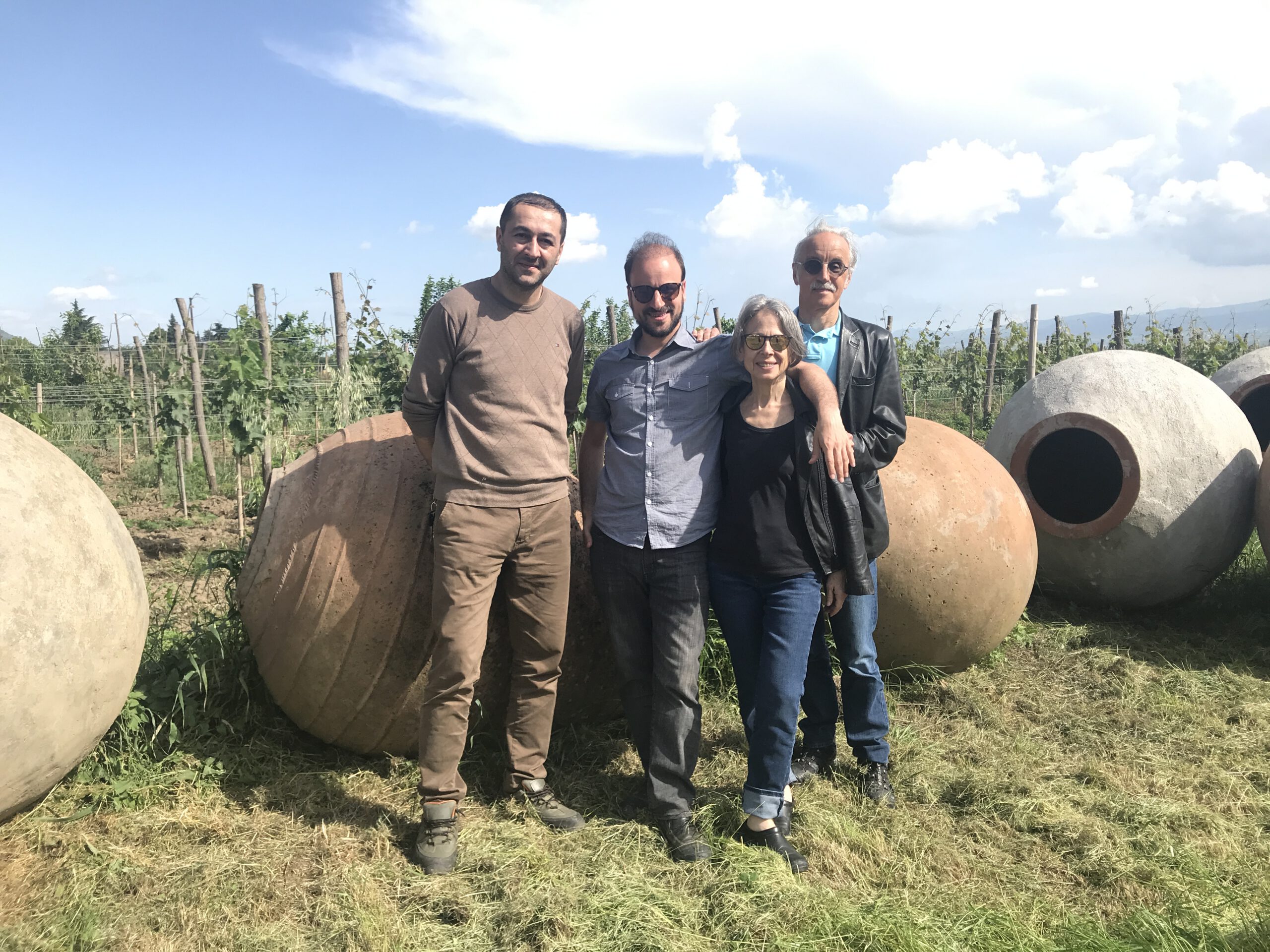
    Therefore, this holiday season – dear reader – might I suggest a return to the essentials? The greater Middle East is the birthplace of Christianity, Judaism, and wine. This year, why not return to basics with some Georgian wine at the holiday table? Wine is central to Judeo-Christian rituals. It is a requirement for the Eucharist – as well as for Shabbat and Passover. A more secular property of wine is its ability to encapsulate a sense of place and epitomize the traditions of a culture.

    December 15, 2020

    Shatter the web: Internet fragmentation in Iran
  • Analysis
  • Shatter the web: Internet fragmentation in Iran

    Iran’s internet shutdown last year was an exercise of its digital power that had been years in the making. Since 2013, the Iranian government has invested heavily in developing its domestic internet known as the National Information Network (NIN). With critical internet infrastructure under its control, the Iranian government can isolate its citizens from the global internet by filtering content, restricting communications, and controlling which platforms they can use.

    December 14, 2020

    Black Sea Gas Campaigning 2020
  • Analysis
  • Black Sea Gas Campaigning 2020

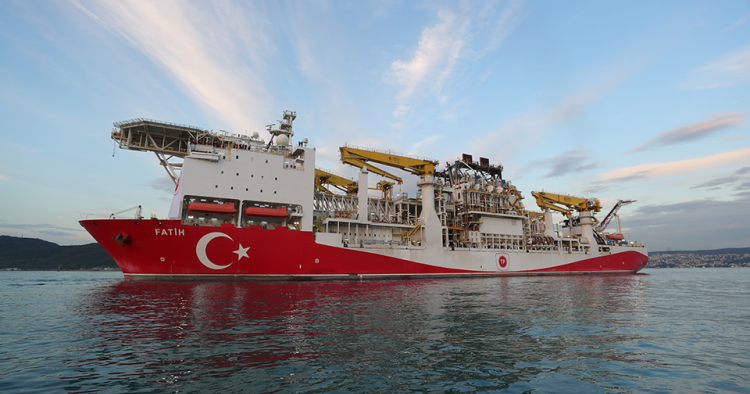
    Less widely reported are other offshore discoveries in the Black Sea being made by various regional players, some more overtly than others. Given the not insignificant hurdles posed by limitations of technical capacity, a bounty of market supply, and unresolved conflicts leaving borders and exclusive economic zones (EEZs) in question, many are asking who’s campaigning for new Black Sea gas, and why? And just as importantly, whose national security interests stand best to gain?

    Covid-19 in India and Sri Lanka: New Forms of Islamophobia
    Middle East Institute
  • Analysis
  • Covid-19 in India and Sri Lanka: New Forms of Islamophobia

    In recent years, Islamophobia has been on the rise both in India and Sri Lanka. The spread of the Covid-19 pandemic in South Asia has also produced new forms of Islamophobia in New Delhi and Colombo. While governments around the world have played the blame game and typecast one ethnic group or community as the “super spreaders,” the stigmatization of the Muslim community in India and Sri Lanka has become normalized, cutting across different demographics.

    December 12, 2020

    Syrian opinion split on decentralizing power in new constitution
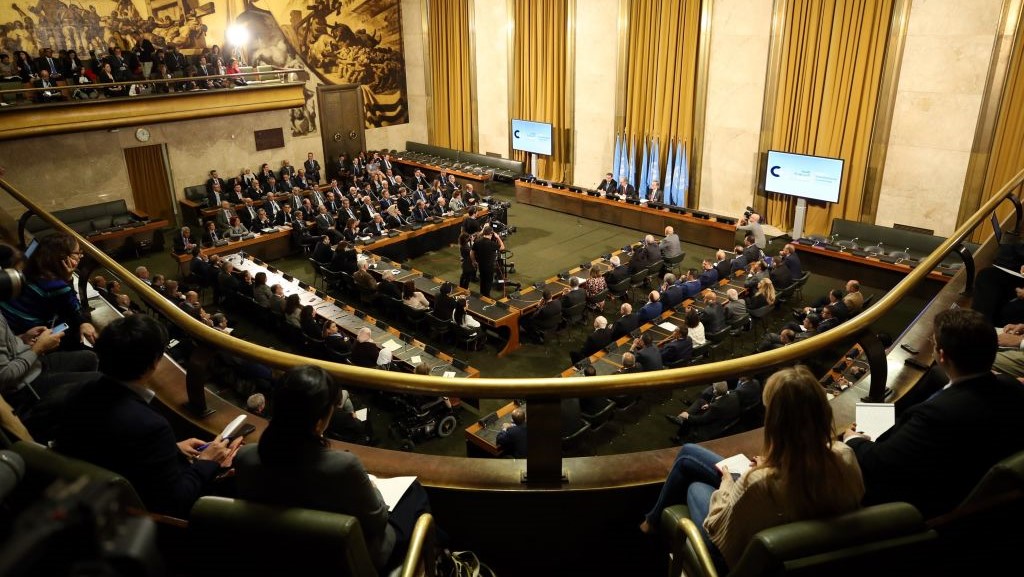
    An view from the balcony of the Syrian Constitutional Committee held in Geneva in 2019.
  • Analysis
  • Syrian opinion split on decentralizing power in new constitution

    Under U.N. Security Council Resolution 2254, a critical step toward a political solution to the Syrian crisis is the drafting of a new Syrian constitution. To that end, the Constitutional Committee in Geneva has conducted three rounds of discussions, with little to show for it. One of the key components of the new constitution is the decentralization of power. The issue is hard for Syrians to approach objectively, however, because — depending on their class, ethnicity, and religion — they have been impacted by the highly centralized system of governance in vastly different ways. In order to understand the different views of Syrians on the issue of decentralization in a new constitution, The Day After (TDA), a Syrian organization that works toward empowering civil society, democratic transition, and justice in Syria, conducted a survey of 2,966 persons between June and July 2020, including Syrians within the country as well as in the diaspora. In general, support for a decentralized political system is on the rise. Compared to a survey conducted by TDA two years earlier, there was an increase of over 20 percentage points among all respondents for a decentralized system in Syria.
    December 10, 2020

    What could environmental cooperation between Iran and the GCC look like?
  • Analysis
  • What could environmental cooperation between Iran and the GCC look like?

    The Persian Gulf states are among the most vulnerable on earth to the effects of climate change, which makes environmental cooperation necessary for their survival. Located in one of the hottest and driest parts of the planet, the region is vulnerable to extreme heat waves, dust storms, and water scarcity. All of these will increase in frequency and severity with further climate change. Protecting the natural environment of the region is not just an ecological concern, but a security one as well. Unmitagated climate change could spur conflict over limited resources and produce waves of migrants. While the future may seem bleak, environmental cooperation also presents a unique opportunity for improving the relationship between the Gulf Cooperation Council (GCC) states and Iran. Successes from cooperation on essential environmental issues could be the start of a more general rapprochement.

    December 10, 2020