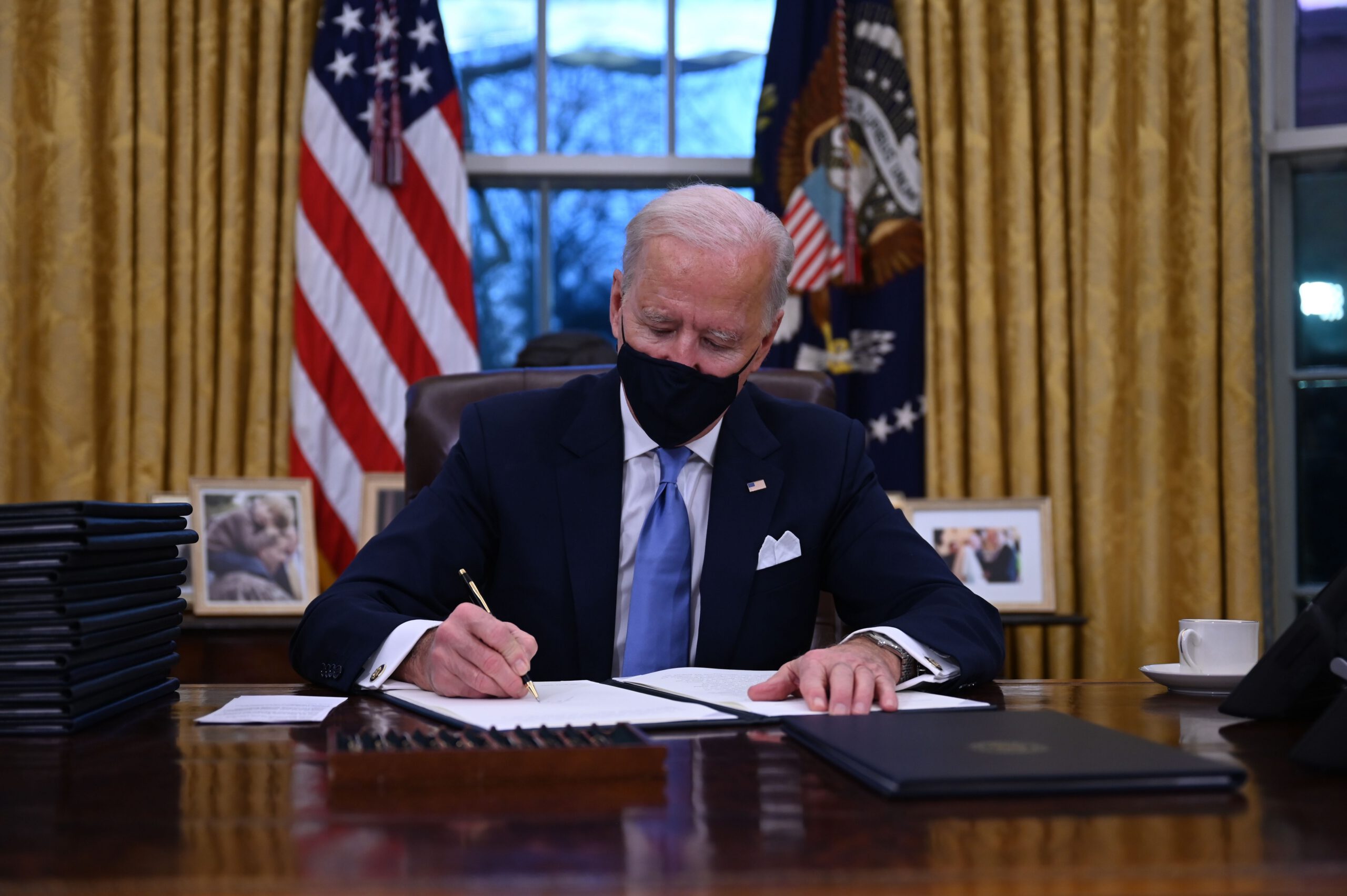
Can President Biden rescue America’s democratic legacy in the Black Sea?
Following a tumultuous period in Washington, during which the Capitol was stormed by rioters and Donald Trump became the first president to be impeached twice, many in the United States and around the world were left feeling concerned and unsettled.As a Georgian who has seen the U.S. play a transformative role in building my country’s young democracy, the attack on Capitol Hill was something I could never have anticipated. My fear stemmed not from feeling unsafe in downtown DC, but rather from the consequences of U.S. instability and fragility on those countries that rely on its support to build democratic institutions and adopt western values.
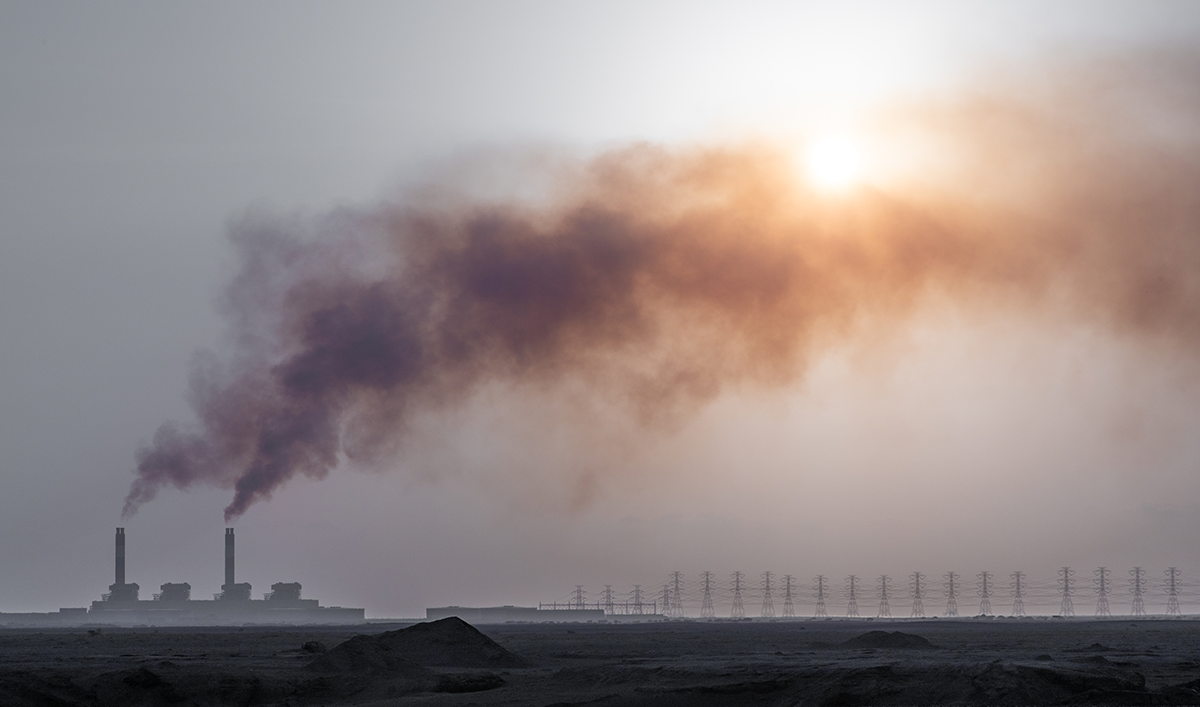
Finding common ground: Fostering environmental cooperation in the Persian Gulf
When it comes to the Persian Gulf, saving the environment might seem like it would be the last item on the to-do lists of the region’s Iranian and Arab rivals. It is an urgent matter, however — and one that could help turn these foes into friends. The United States can play an important role in this: It has helped the region to resolve conflicts over water in the past, and it could do so again.
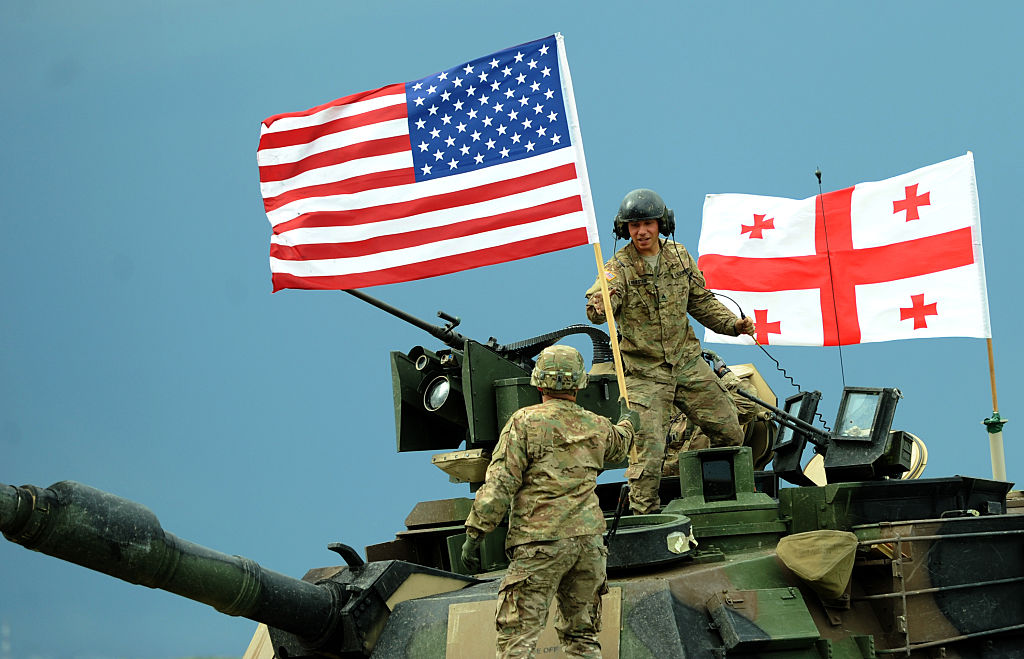
Biden’s Challenge: Continuing Progress in Eastern Europe Despite Russian Adventurism
The Biden Administration has a firm foundation upon which to build in Eastern Europe. As part of its focus on great power competition in the region, the Trump Administration sharply increased funding for the European Deterrence Initiative (EDI), covering costs for U.S. troops in Europe and security support for strategic allies, while repositioning some U.S. forces in Europe to the eastern flank. We have made important steps to support our strategic allies in Eastern Europe, but this administration needs to stay the course and increase its focus and commitment to the Black Sea region. Russia must understand the costs of their adventurism in order to prevent further reckless behavior.
Challenges of a Six-Country Regional Cooperation Platform for Georgia
In the aftermath of the second Nagorno-Karabakh war, bolstered by Turkey’s growing influence in the South Caucasus, President Recep Tayyip Erdogan proposed the controversial idea of establishing a six-country regional cooperation platform. Speaking from the Azerbaijani capital Baku, where he was attending victory celebrations, Erdogan noted that new opportunities for regional cooperation are possible for the Caucasus region. Turkey’s leader envisages a platform that would bring Turkey, Russia, Azerbaijan, Iran, Georgia, and Armenia together. In his words, it would provide a win-win opportunity for all sides, including Armenia, which could use the platform as a first positive step toward establishing bilateral relations with Turkey.
The Riyadh Agreement: Yemen’s new cabinet and what remains to be done
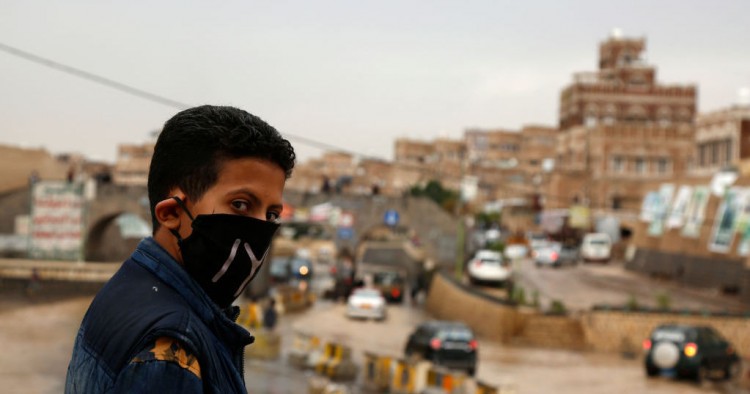
On December 18, Yemeni President Abed Rabbu Mansour Hadi announced a new cabinet as part of his efforts to implement the political annex of the Riyadh Agreement (RA) signed on November 5, 2019 between the Republic of Yemen Government (ROYG) and the UAE-backed Southern Transitional Council (STC). The agreement included several political, security and economic provisions such as: the formation of a new government that includes the STC; the disarmament and integration of militias and military formations under the auspices of the ministries of defense and interior; support of the Yemeni economy; and the demilitarization of Aden.
The Turkey-Pakistan entente: Muslim middle powers align in Eurasia
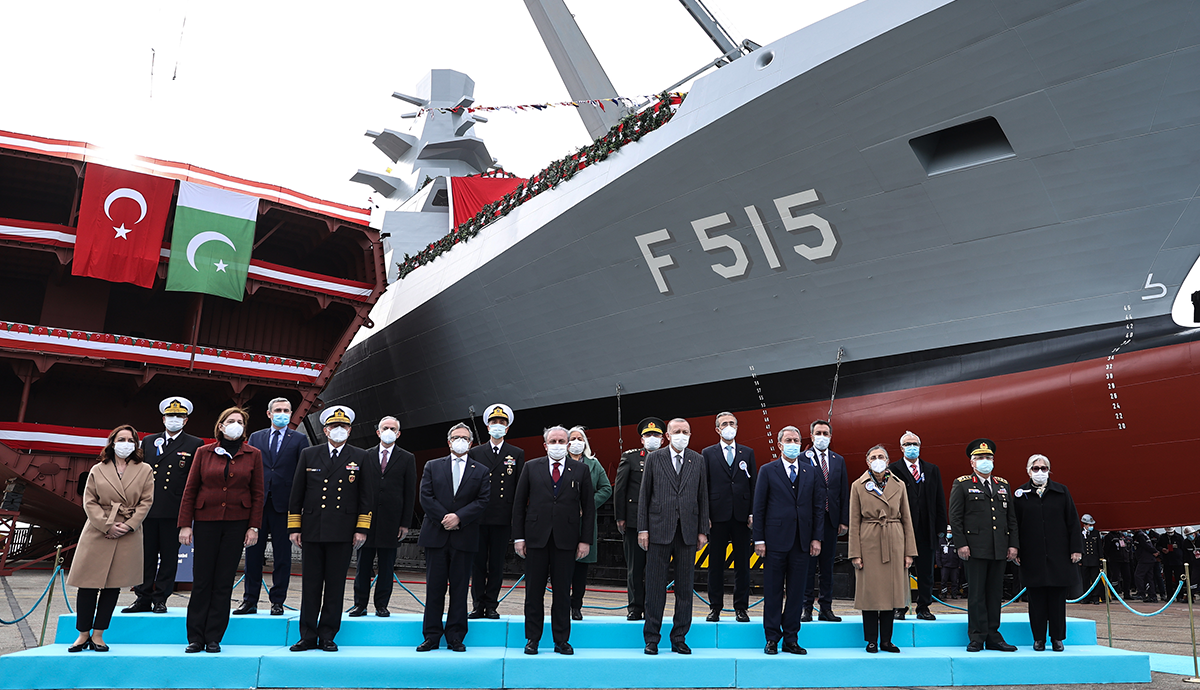
In the 1950s, at the onset of the Cold War, Pakistan and Turkey were part of the Central Treaty Organization or CENTO, a pro-Western bloc of Muslim-majority states. Today, the two countries — both with troubled relations with the United States — are Muslim middle powers with a growing entente in a multipolar Eurasia. In recent years, cooperation between Pakistan and Turkey has strengthened not just in the defense, diplomatic, and economic realms, but also in the cultural space, causing geopolitical ripple effects in the Himalayas, the Arabian Peninsula, and the South Caucasus.
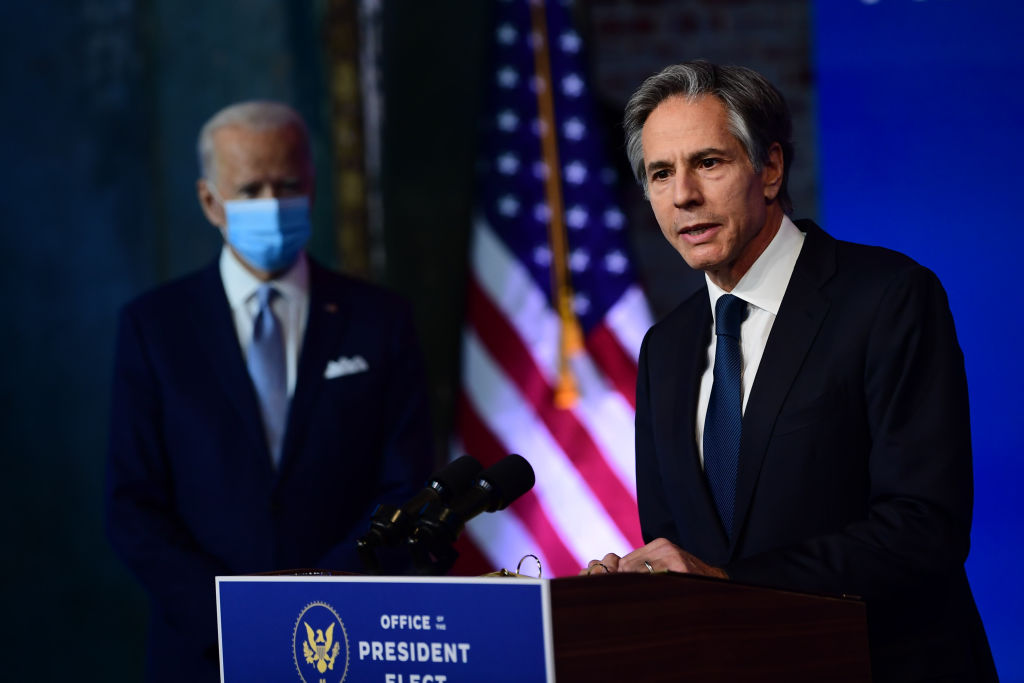
The Biden Administration’s Eastern Europe Policy: New Hope for Georgia?
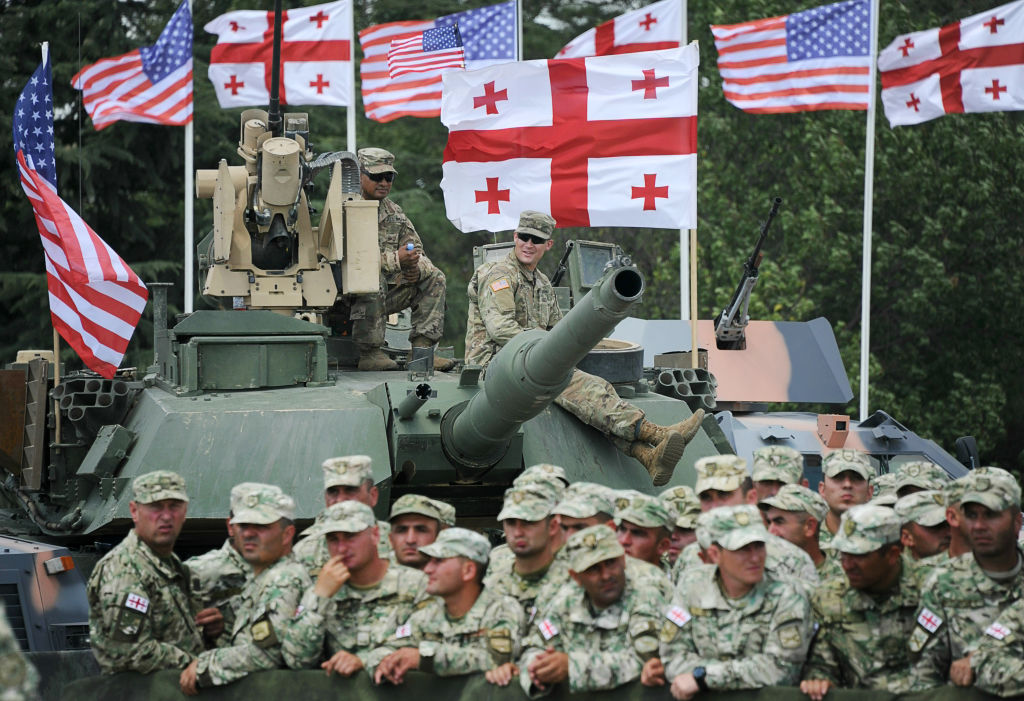
Georgia’s Western future became a central part of U.S. foreign policy last week. During his confirmation hearing, Secretary of State Antony Blinken reiterated that Georgia should join NATO as soon as it meets the criteria. Blinken’s remarks are timely. Georgia faces increasing Russian political pressure and military presence, exacerbated by the recent second Nagorno Karabakh war. At the same time, and following a decade of stalemate, there have been significant breakthroughs in the cases brought by Georgia against Russia in front of the European Court of Human Rights (ECHR) and the International Criminal Court (ICC). With Georgia’s Western path resurfacing on the international agenda, Eastern European countries will be watching to see if the Biden Administration’s foreign policy can make a difference to regional security.
The inaction trap: Paralysis and denial in Lebanese politics
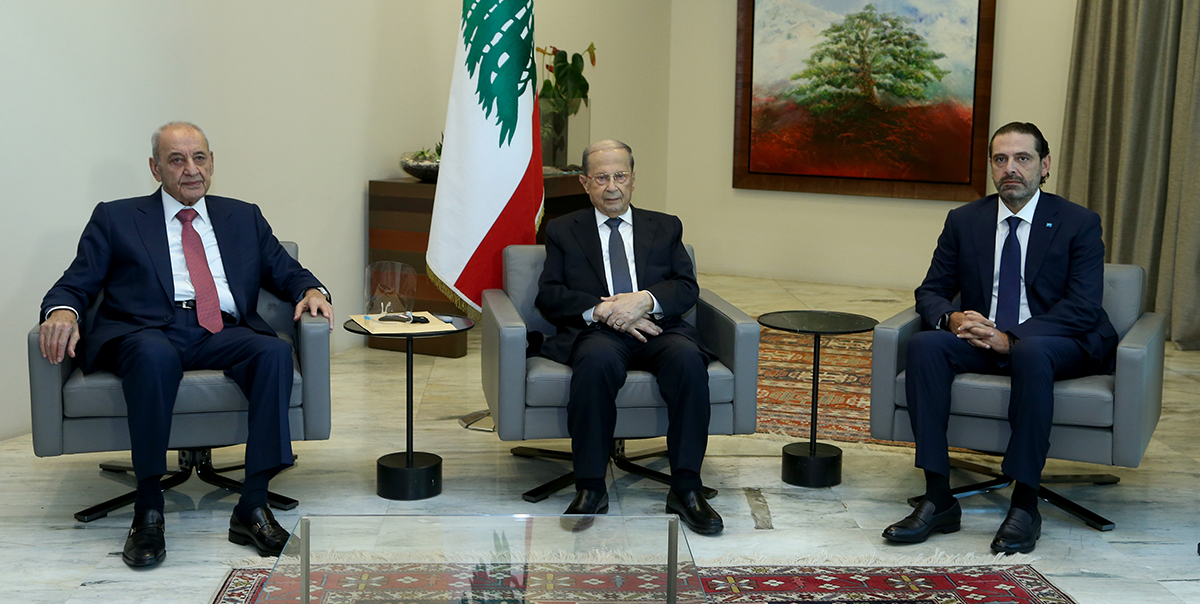
Saturday marks the 100th day since Prime Minister-designate Saad Hariri secured a razor-thin majority nomination to form a new cabinet — his fourth in 11 years. In October 2019, street protests had forced his “national unity” government to resign. His comeback a year later was a cause for disillusionment among protesters and a signal that politics as usual, in its collusive and inefficient nature, was there to stay. The absurdity of the Lebanese debacle lies in how easy and acceptable it was — and still is — for the established political class to shy away from crucial and courageous decisions when the country needed them most.
Inside Syria's Clapping Chamber: Dynamics of the 2020 Parliamentary Elections
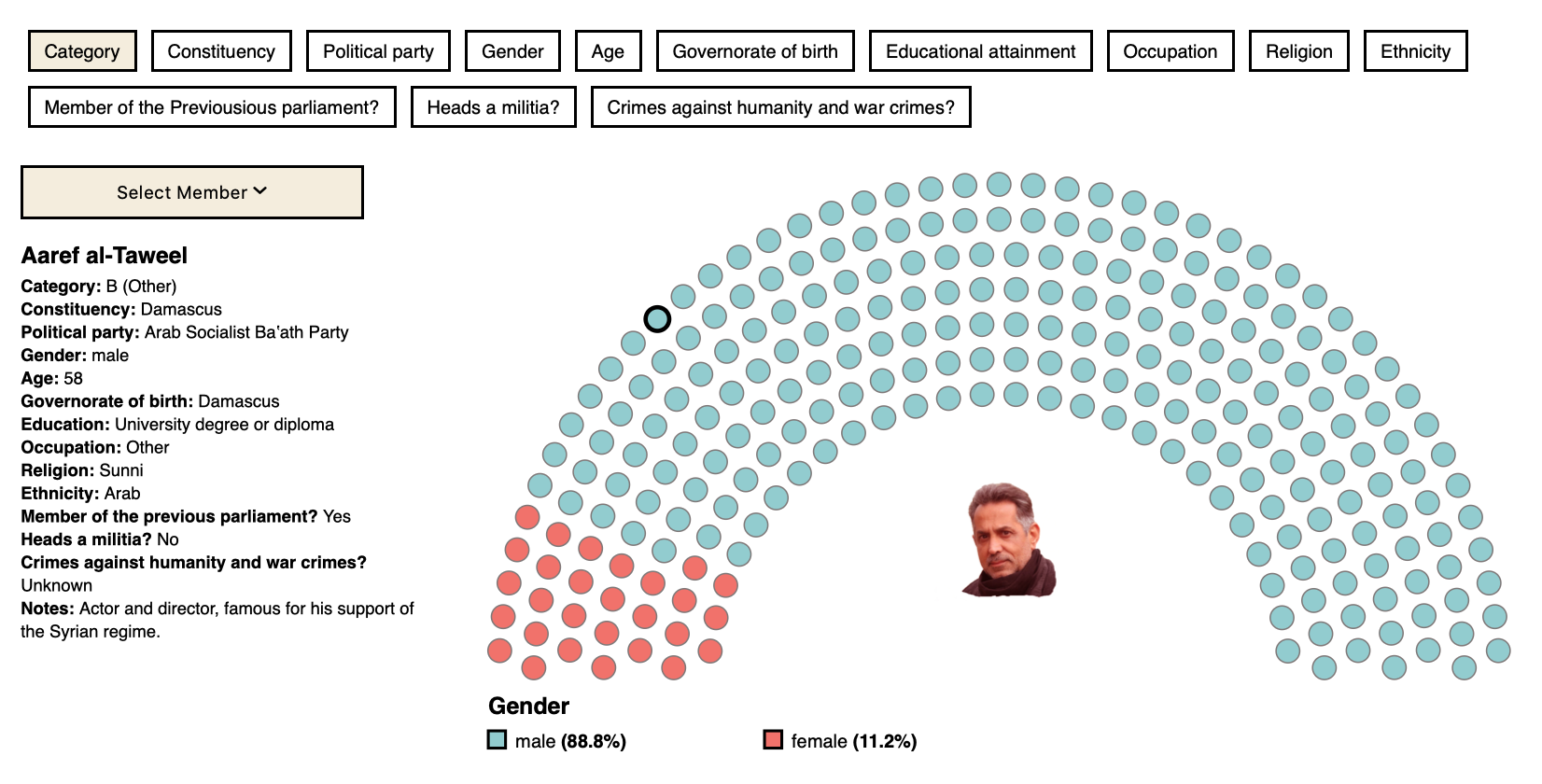
This report discusses the results of the 2020 Syrian parliamentary elections to illuminate shifts in the al-Assad regime’s strategy to restore and maintain control over the country. Using evidence gathered from a range of sources, it sheds light on recent changes in the ethnic, religious, political, commercial, and military networks through which Syria’s dictatorship is sustained, and the future directions these shifts imply.
Ethiopia’s domestic problems risk becoming international
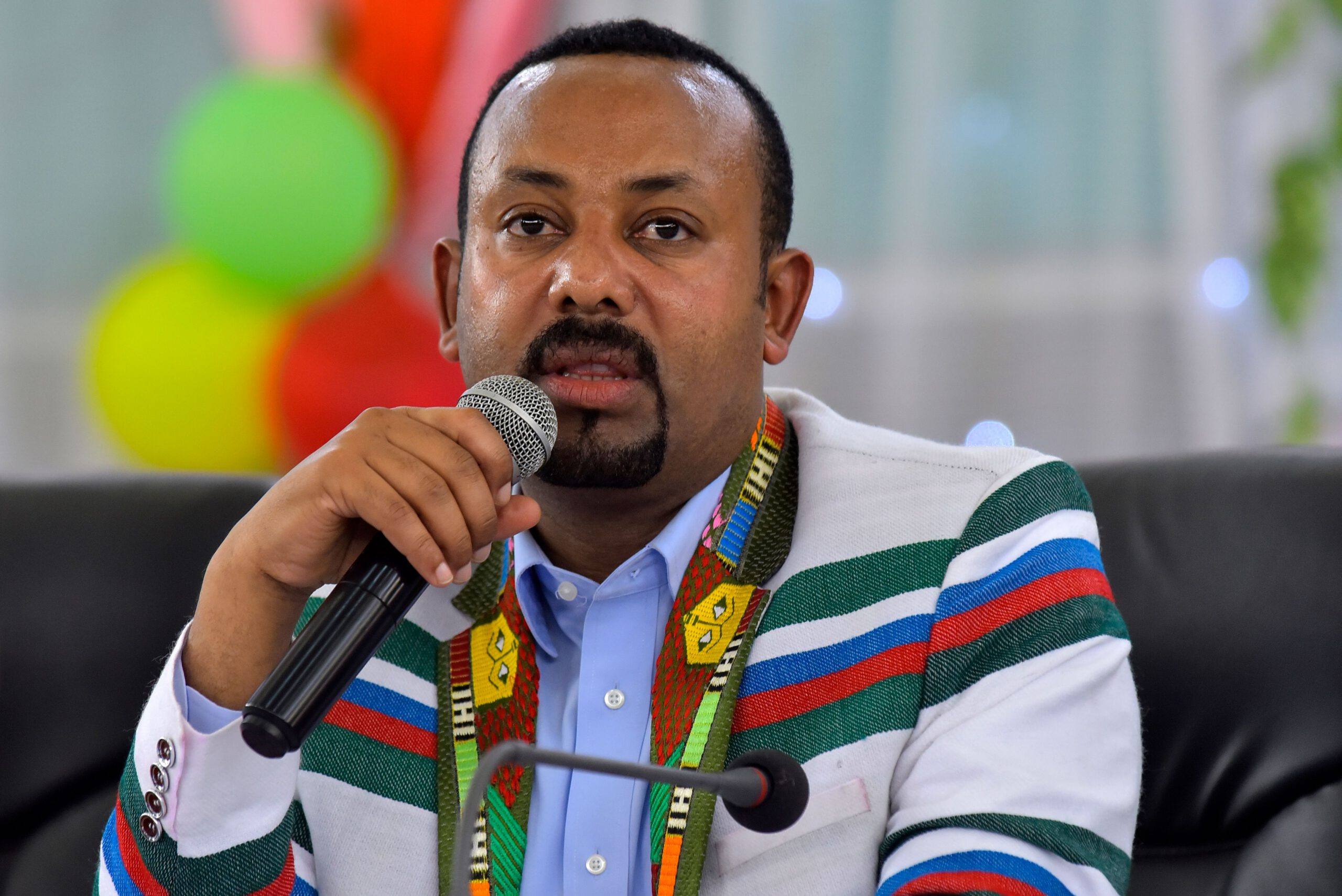
In Egypt, Ethiopia, and Sudan, coverage of negotiations around the Grand Ethiopian Renaissance Dam (GERD) has tended to consistently be in the news over the past few years. The events of the last few weeks, however, have easily pushed GERD talks to the side. On Nov. 4, 2020, Ethiopian federal government forces started pounding the Tigray region, one of 10 semiautonomous regions in the country, after Prime Minister Abiy Ahmed accused the Tigray People’s Liberation Front (TPLF) of attacking a federal base. Relations had been disintegrating after Abiy cancelled elections, due to COVID, that would have marked the end of his term. While most of Ethiopia’s ethnic minorities took umbrage, the TPLF went a step further by holding their own elections, the results of which were declared null and void by the federal government.
The Challenge of Foreign Fighters: Repatriating and Prosecuting ISIS Detainees
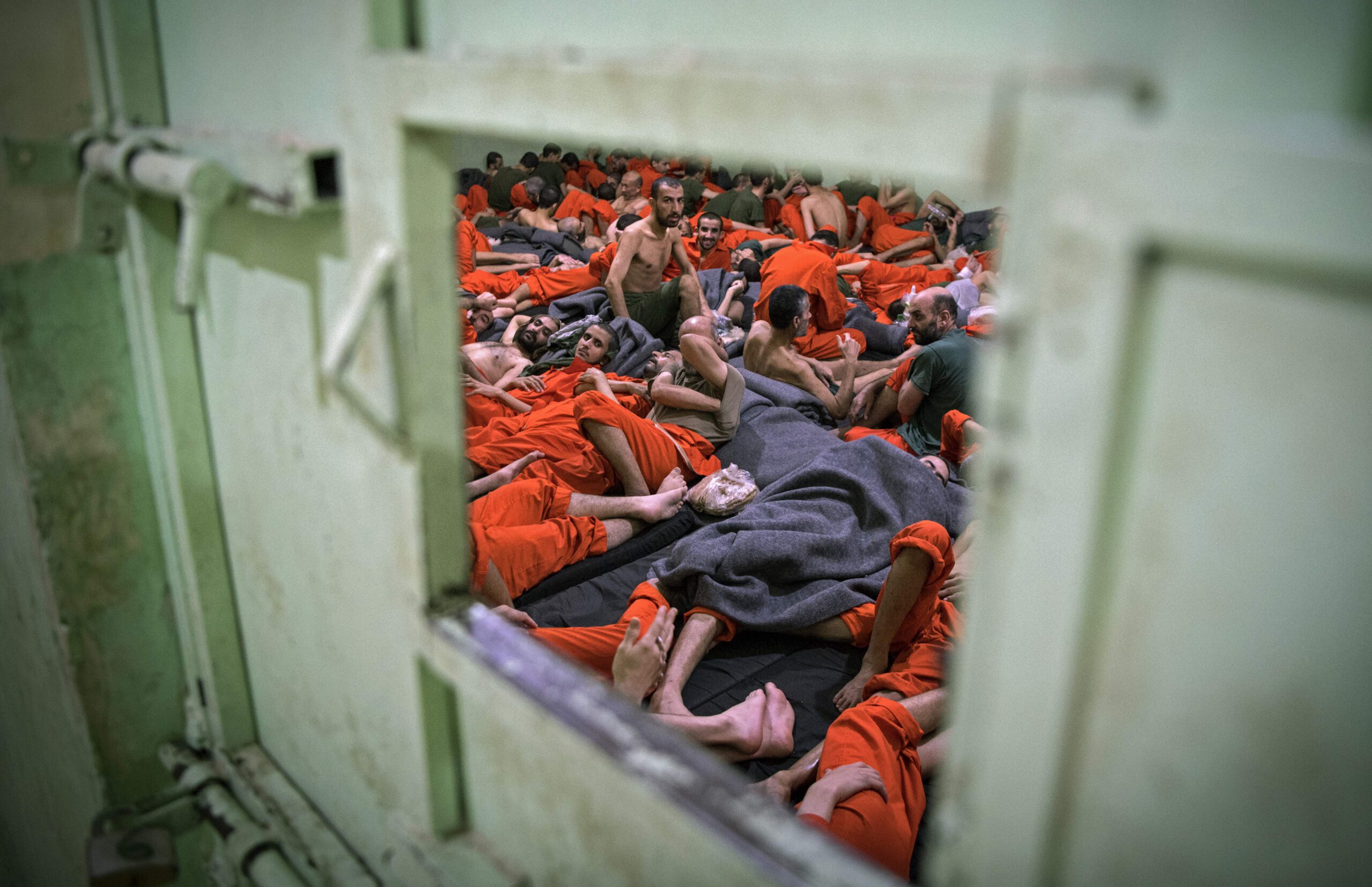
From the U.S. and the U.K. to Iraq and Syria, the way countries are handling the repatriation and prosecution of accused ISIS members echoes the policies that drove their citizens to seek a utopian Islamic State in the first place. Not only are the policies that pushed people to start joining the group in 2013 continuing, but in many cases they have increased in both scale and scope. While the current repatriation and prosecution policies are arguably counterproductive, they may also be fueling future terrorist activity and support for radical anti-government groups. To reduce the chances of such negative consequences, foreign governments must switch gears and adopt an entirely different approach before it is too late.
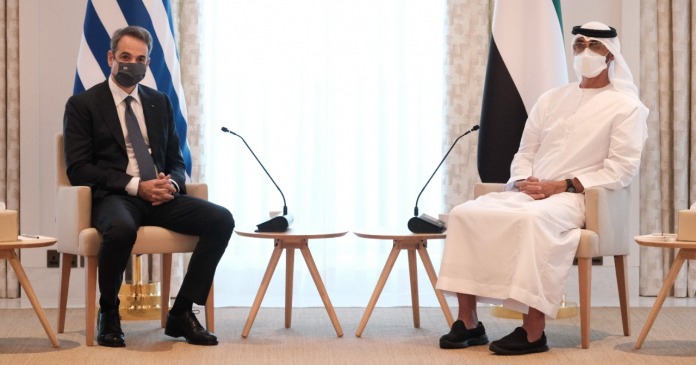
In mid-January the press reported that the United Arab Emirates (UAE) will soon participate in a joint military exercise with the United States, Canada, Slovakia, Spain, Cyprus, and Israel. While Israel’s inclusion is certainly newsworthy, it is also quite significant that the drill will take place in and be coordinated by Greece. This is just the latest step in a long process of engagement between Athens and Abu Dhabi.
At least they’re talking: Turkey and Greece resume negotiations, but don’t hold your breath on a breakthrough
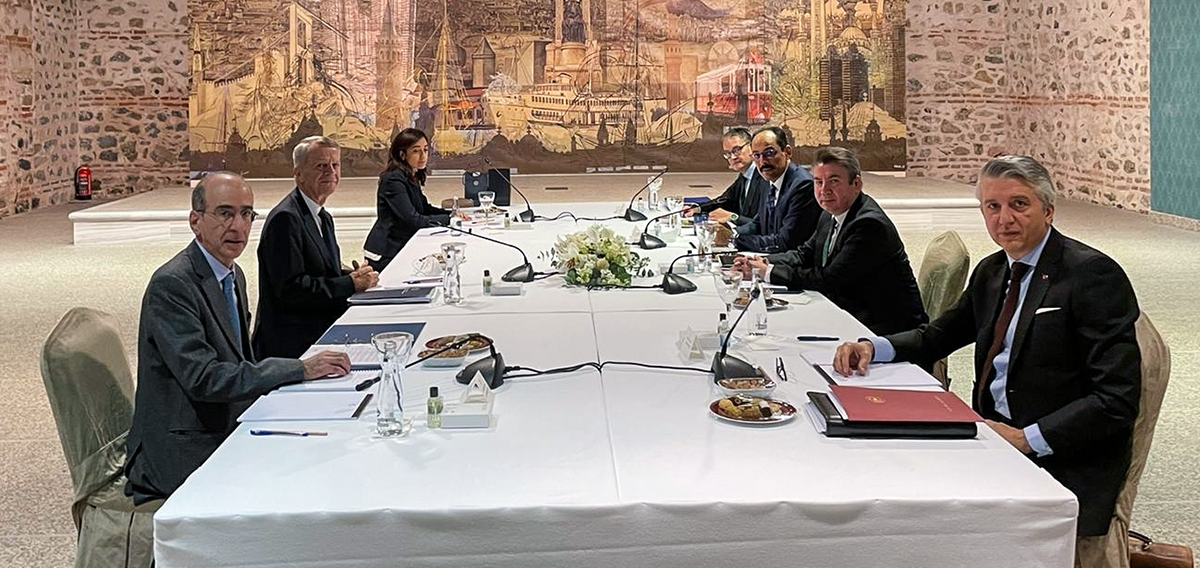
Turkey’s efforts to strike a different tone were apparent on Jan. 25 in Istanbul, when Greek and Turkish officials resumed talks after a five-year gap to calm tensions in the Aegean and Mediterranean. The fact that the parties met is welcome news after the two came to the brink of war recently over offshore energy exploitation rights, but no one expected a breakthrough. The tensions between the two countries have a long history and the issues dividing Athens and Ankara are too deep to bridge.
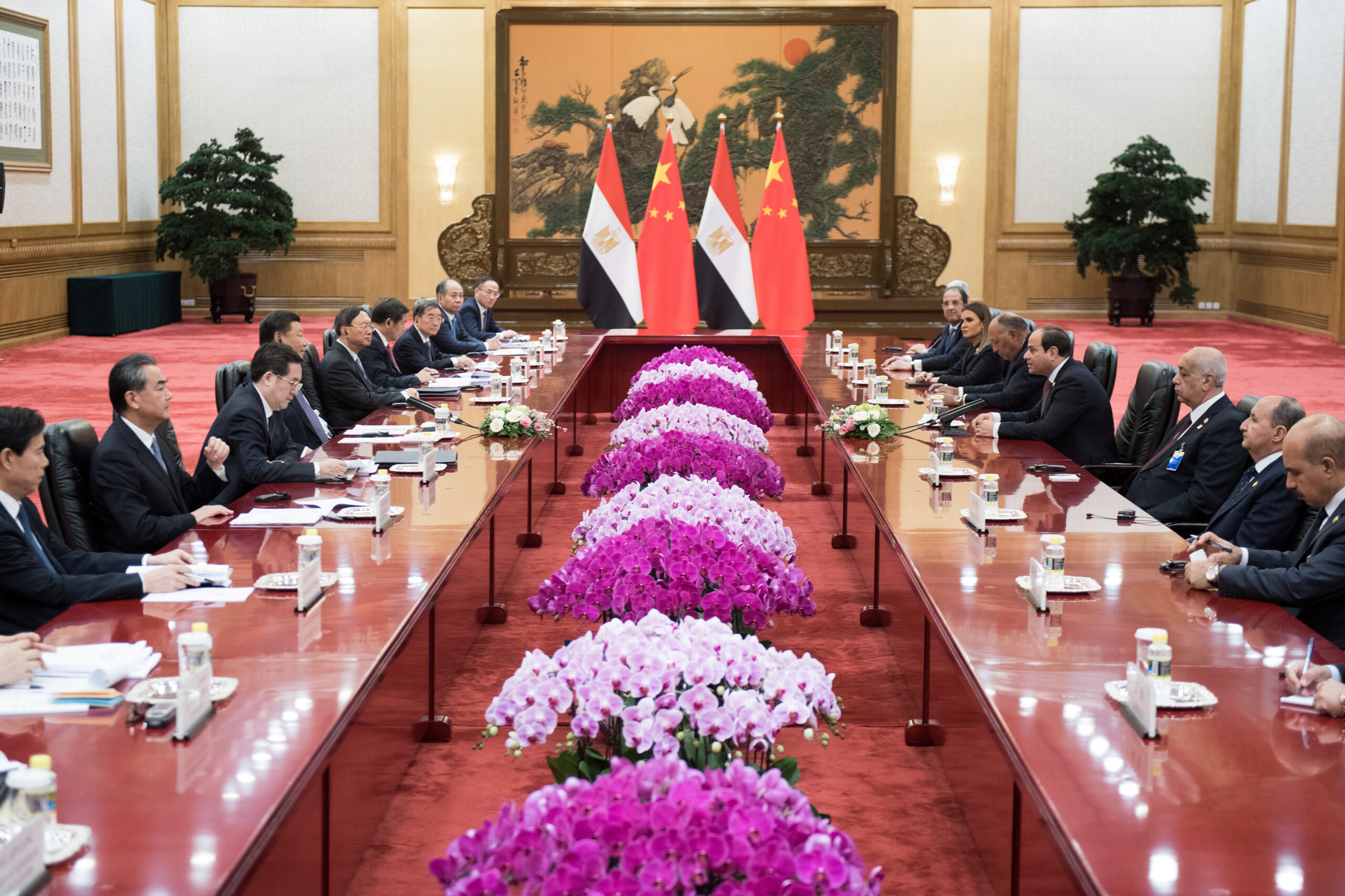
Given the host of challenges that Algeria currently faces and consistent with past efforts to diversify its foreign relations, Algeria could seek to deepen its relationship with China — a rising global power with deep pockets and an expanding footprint in the Middle East and North Africa (MENA) region and a country with which Algeria has already established a comprehensive strategic partnership. Yet, even under a scenario in which Beijing answers the call, it should not be assumed that the scale and contours of Chinese engagement will fundamentally change, will consist mainly of predatory economic activities and malign influences, or can rescue Algeria from structural problems of its own making.