As Tehran looks East, can it forge stronger ties with Moscow?
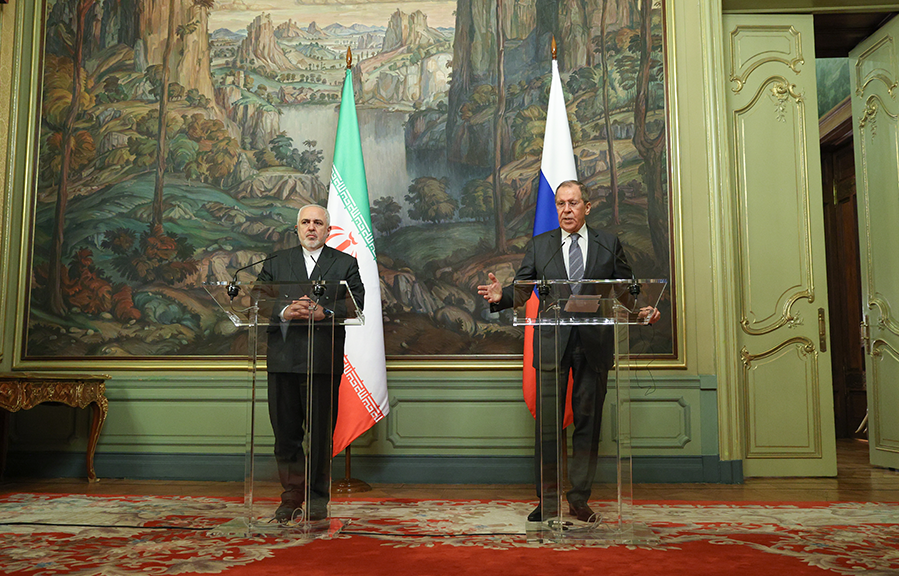
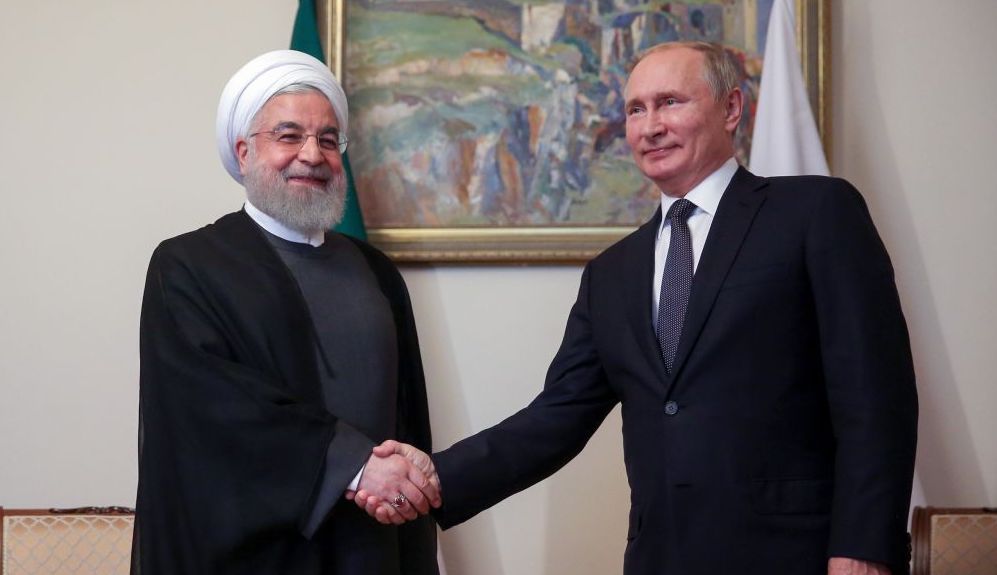
Iran’s high leadership has come to a consensus on an eastward shift in its foreign policy, and Russia is a salient part of that. Recent indications suggest that, at least for now, the Russians do not want to enlarge their footprint in Iran. Yet Iran wants a more proactive Russia.
Jordan’s apparent neutrality conceals deeper discomfort with UAE-Israel deal
The leaders of the Hashemite Kingdom of Jordan have traditionally been known as masters at staying as neutral as possible, especially when it comes to inter-Arab relations. This was on clear display in Amman’s response to the recent UAE-Israel rapprochement.
Russia, Iran, and economic integration on the Caspian
In recent weeks, reports of a potential 25-year, $400-billion deal between Iran and China have dominated the conversation about Tehran’s options for freeing itself from the punishing U.S.-imposed sanctions regime on the country. But China is not alone in seeing an embattled Iran as a major geopolitical and commercial opportunity — Russia too has ambitions of strengthening ties with Iran.
Special briefing: Regional reactions to the Israel-UAE deal
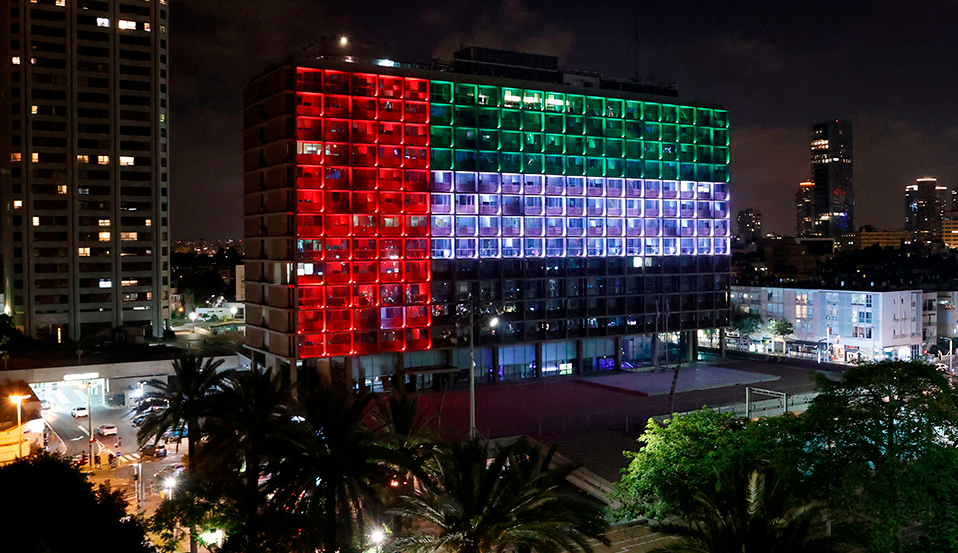
On Aug. 13, Israel and the United Arab Emirates (UAE) reached an agreement for “full normalization of relations,” ostensibly in return for an Israeli suspension of formal annexation of parts of the occupied West Bank. U.S. President Donald Trump announced the deal, which he called “a significant step towards building a more peaceful, secure, and prosperous Middle East.” To better understand the agreement and how it is being perceived across the region, we asked seven MEI experts to weigh in with their thoughts.
Turkey’s democratic resilience under populist authoritarian rule
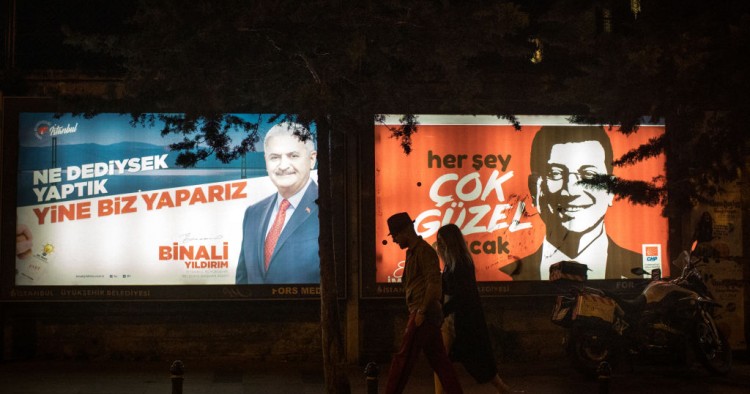
After almost two decades of rule by the AKP and its leader President Recep Tayyip Erdogan, Turkey has experienced major institutional, political, and social transformations, including a dramatic autocratization in recent years. There is another side to the story, however, one that still gives us hope for the re-establishment of democracy and the rule of law in the near future.
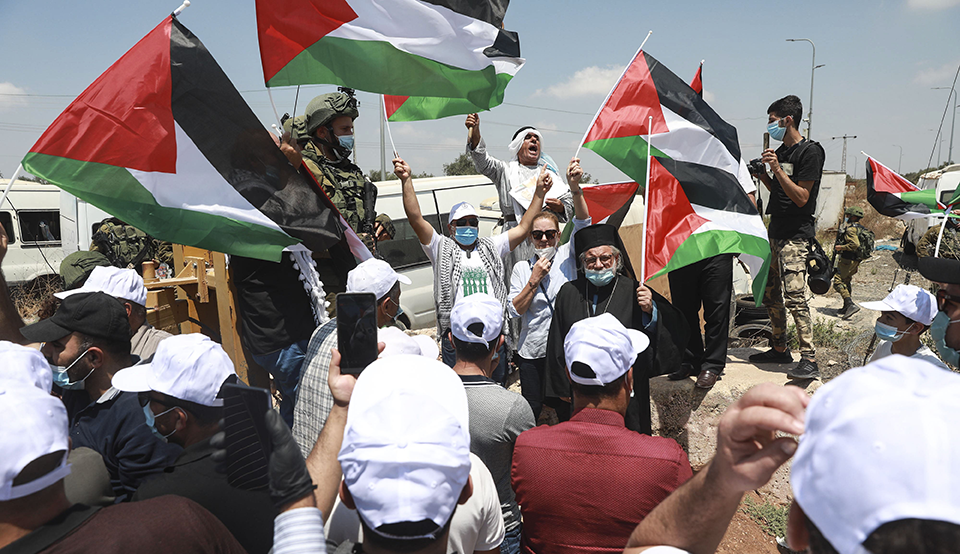
The agreement signed yesterday by Israel and the United Arab Emirates (UAE), in which the two countries agreed to a “full normalization of relations” in return for Israel suspending moves to formally annex parts of the West Bank, has reminded the Palestinians that they cannot count on the Arab states to deliver their freedom or safeguard their rights.
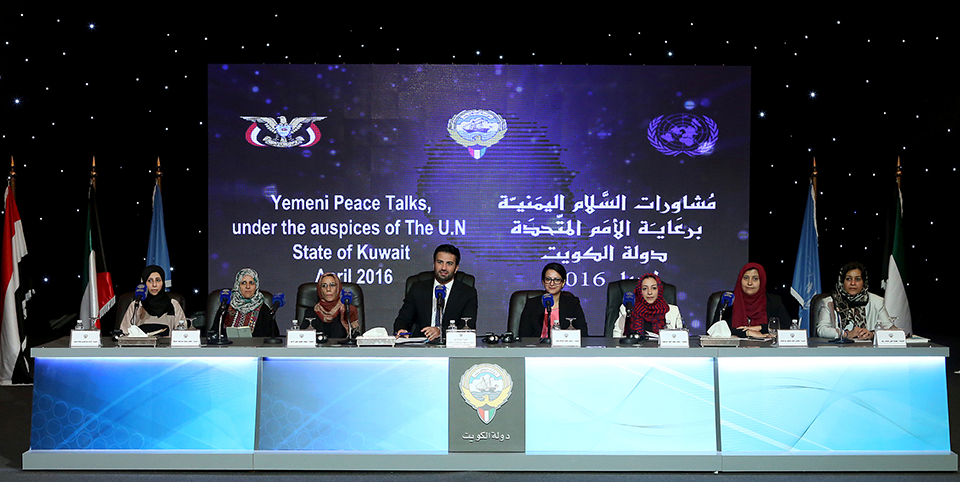
When the Saudi-led coalition launched military operations against the Houthi insurgents on March 26, 2015, all of the Gulf Cooperation Council (GCC) states, except for Oman, joined the multinational force. As has become clear, each of the Arab Gulf sheikdoms has its own national interests and unique history of relations with Yemen and Yemeni factions, and these have shaped their changing perceptions of the war over the past five and a half years. Kuwait’s role in Yemen’s multidimensional conflict is a case in point.
5G adoption and its implications in the Gulf states
As many of the Gulf states pivot away from oil and gas, they have turned to digital development as a way to attract foreign investment and spur domestic growth. A critical part of these digital transformations is the widespread adoption of 5th generation mobile communication networks (5G). Large-scale investment in 5G rollouts in Saudi Arabia, Qatar, the United Arab Emirates (UAE), and Bahrain reflect this reality.
Iraqi Kurdistan in the US-Iraq strategic dialogue: Re-evaluating security sector reform
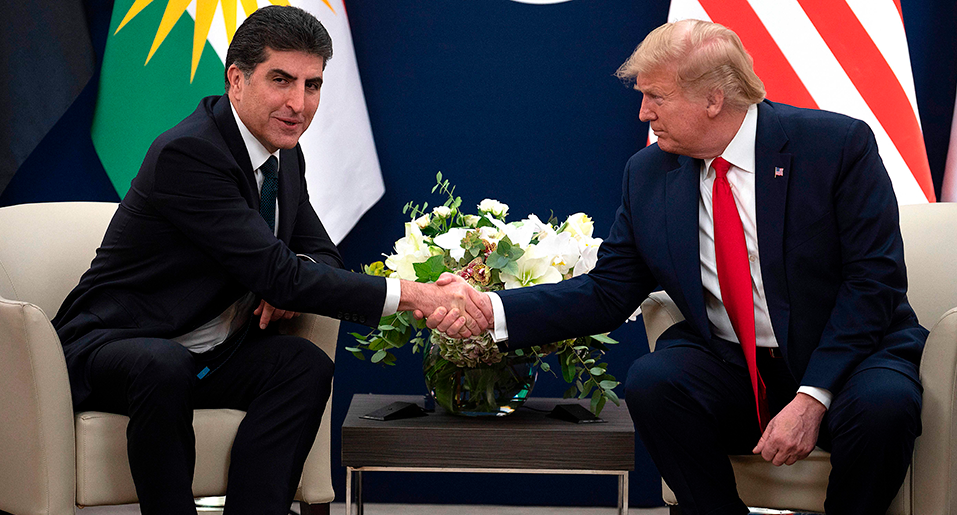
The United States’ primary focus on maintaining stability in the Kurdistan Region of Iraq (KRI) has been detrimental to the region. Channeling military aid to partisan militias has entrenched the duopoly rule of the Kurdistan Democratic Party (KDP) and the Patriotic Union of Kurdistan (PUK) while preventing meaningful democratic reforms that could bring long-term stability.
Censorship, streamlined: Turkey’s social media law and the future of free speech online in the Middle East
In an unexpected and disappointing turn of events, Turkey’s ruling Justice and Development Party and its parliamentary ally, the Nationalist Action Party, rushed through a stifling social media amendment to Turkey’s Internet Act.
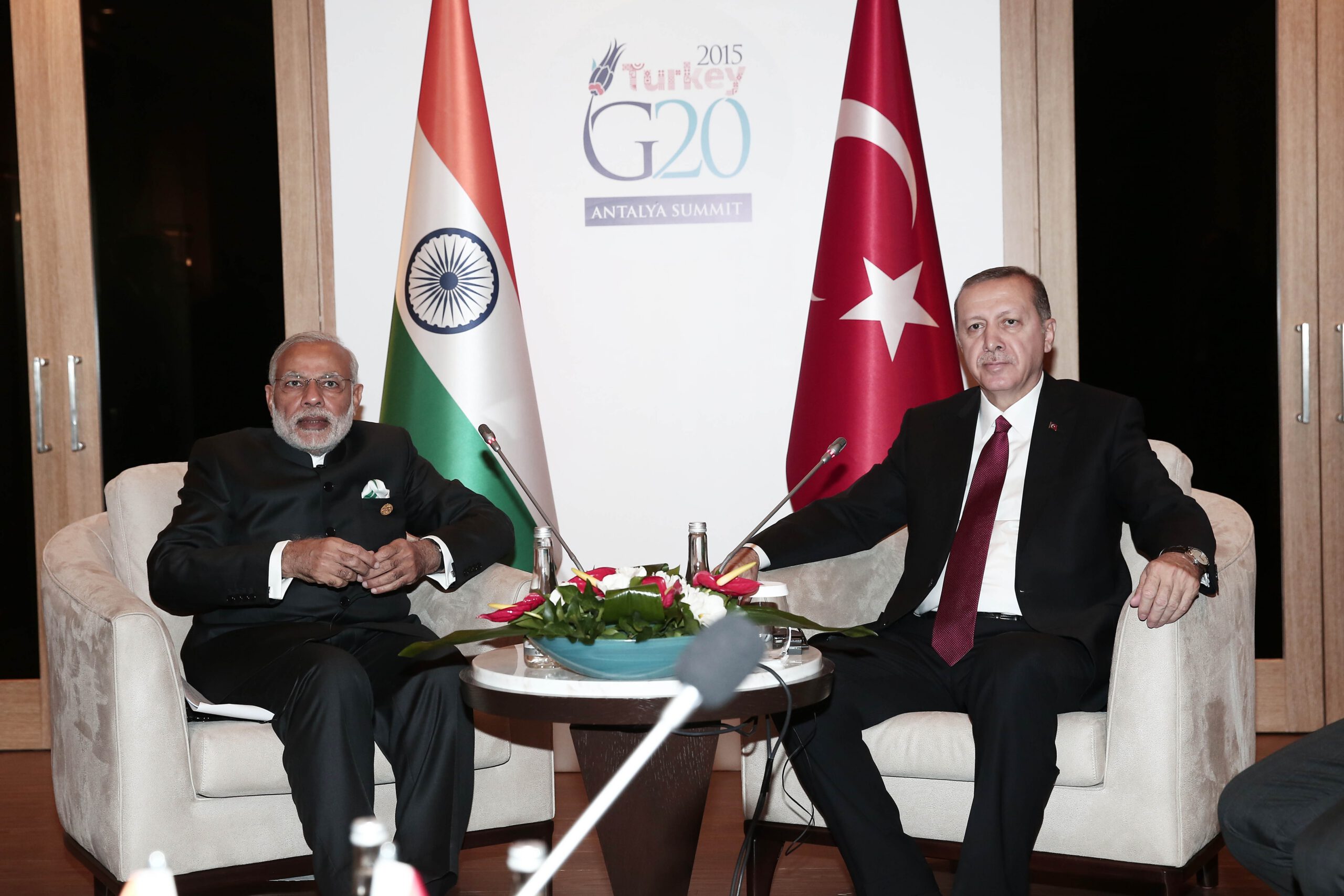
Both Turkey and India are middle-income secular democracies with deep historical connections, leading one senior Turkish lawmaker recently to refer to the two countries as “natural allies.” However, there has long been an impediment to developing more fruitful ties with India: Turkey’s pro-Pakistan orientation. The origins of this friction point date to the early 1950s, namely the inception of the Cold War and the early stages of the Indo-Pakistan conflict. This stumbling block has yet to be overcome. In fact, the “Pakistan factor,” specifically the Kashmir conflict, has lately resurfaced as a source of Turkey-India contention.
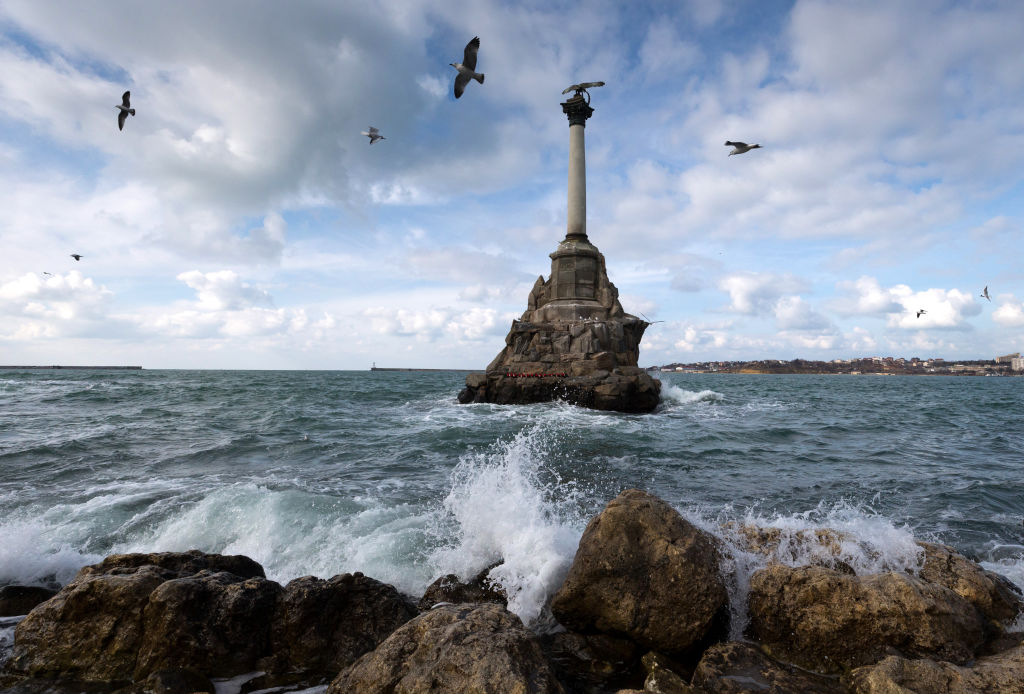
For those who study the countries and regions that surround it, the Black Sea is many things — a global trade thoroughfare, a zone of contestation, a cradle of civilizations, and a dying ecosystem. But, curiously, one of the more opaque factors is whether the Black Sea region — the states and polities on its littoral and immediate hinterland — is a region at all.
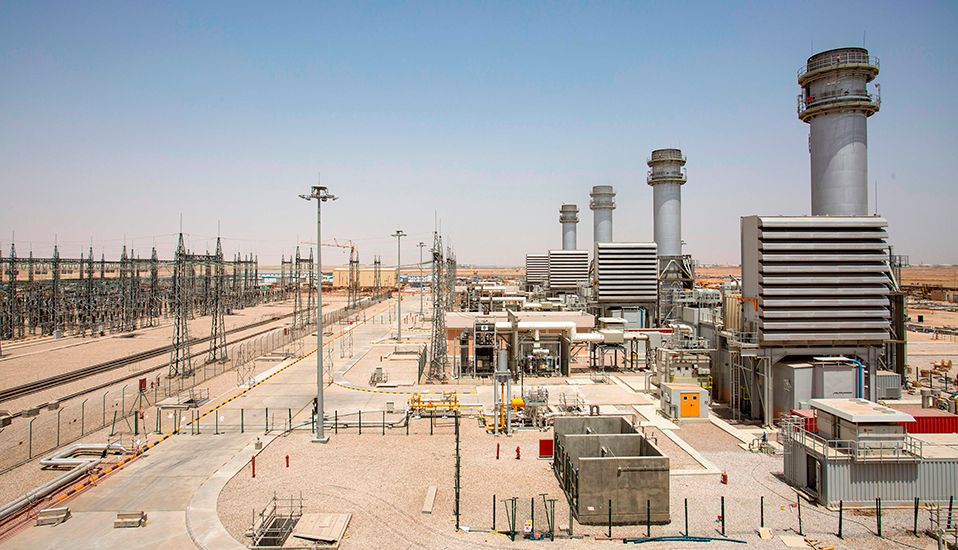
Iraq’s long-running electricity dilemma is now a daily source of public misery. The struggle of the power generation and distribution system to keep up with relentless demand caused by almost free electricity, especially as temperatures soar to record levels of over 120 degrees, is likely to get worse without reforms.
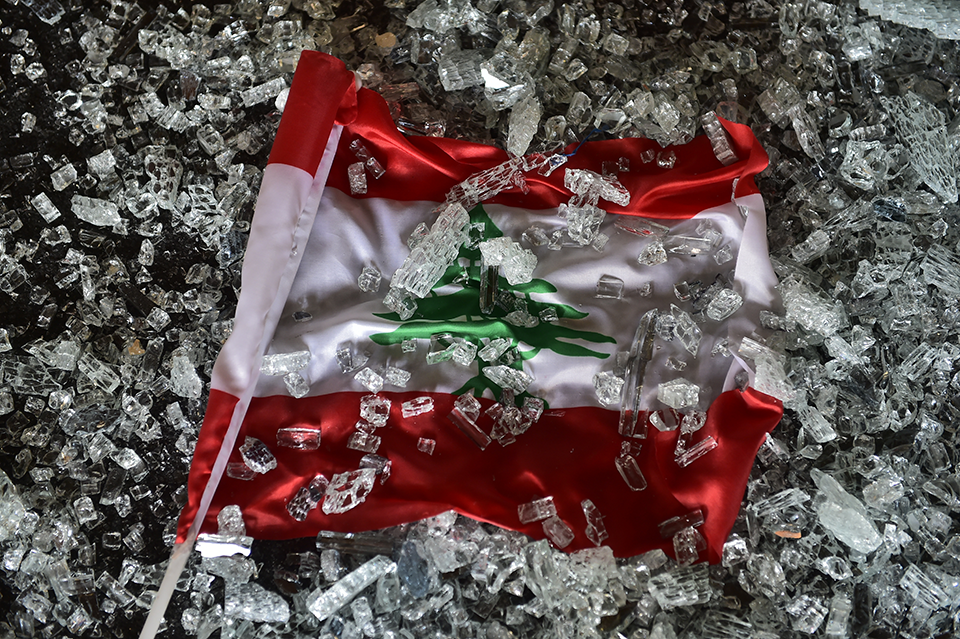
Beirut will rise again from the ashes, like it always has. But the real rebuilding that must occur is not physical in nature. It is political. Nothing will truly change in Lebanon unless the country’s corrupt and incompetent leaders, who have been in power for decades, are unseated.
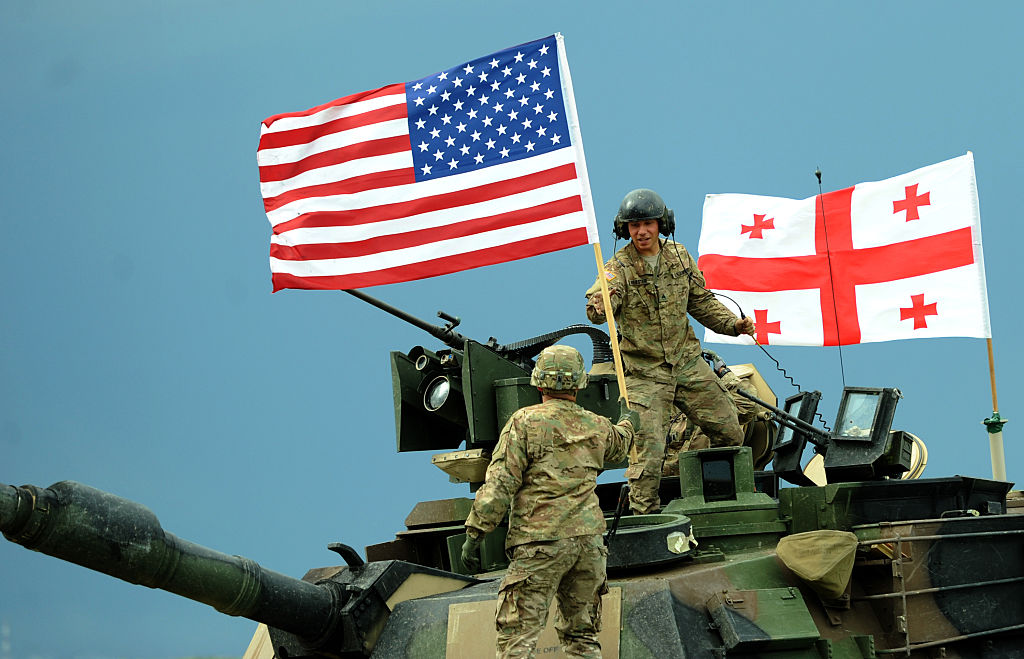
America must stay focused on Georgia's de-occupation and transatlantic path
This week marks the 12th anniversary of Russia’s wonton invasion of Georgia. While the world was fixated on the Summer Olympics in Beijing, an invasion force comprised of hundreds of Russian tanks and armored vehicles passed through the Roki tunnel on the Russian–Georgian border.