Resilience amid turmoil: Russia and Sudan maintain strong ties despite political upheaval
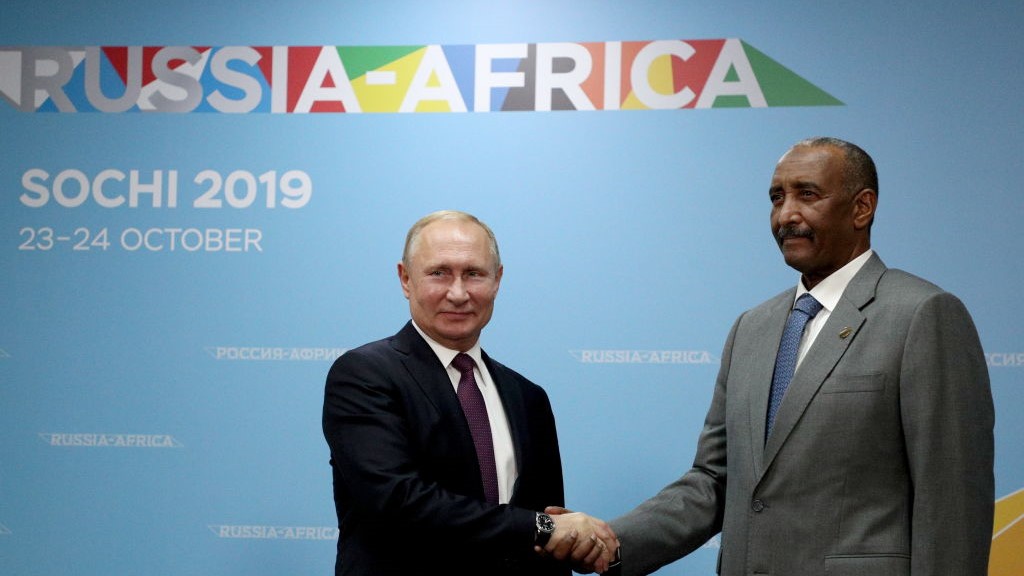
On Oct. 23, Russian President Vladimir Putin met with Chairman of Sudan’s Sovereign Council Abdel Fattah al-Burhan in Sochi. After their meeting, Putin praised Sudan’s reliability as a Russian ally and said that the formation of the council was a critical step toward a path of “sustainable development” in Sudan. The cordial meeting between Putin and Burhan came less than one month after Russian Foreign Minister Sergey Lavrov met with Prime Minister Abdalla Hamdok on the sidelines of the UN General Assembly and underscored the resilience of the Russia-Sudan bilateral relationship.
The constitutional committee must be part of a holistic Syrian peace process
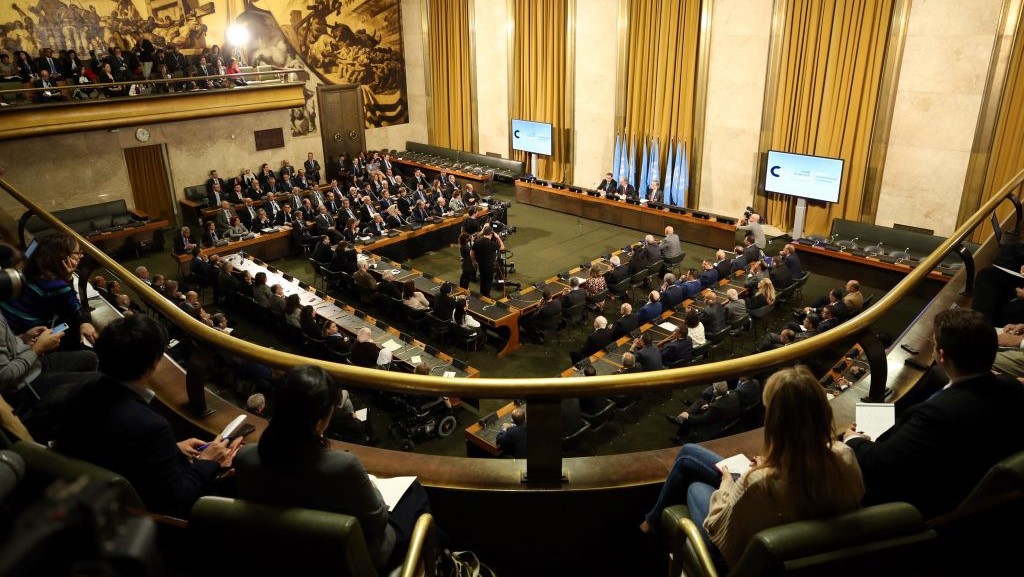
This week marks the second round of constitutional committee negotiations in Geneva, Switzerland convened by UN Special Envoy to Syria Geir Pedersen. The committee is convened under the auspices of UNSCR 2254, which requires the drafting of a new constitution among many other important obligations. The fact that only one of those requirements is being pursued seriously by the international community is — understandably — beyond frustrating for Syrians. Attempting to solve the Syrian conflict by addressing only one of so many outstanding issues is not only a mistake, but will also do little to bring any lasting peace to this war-torn country.
Déjà vu all over again: The three “I”s of gasoline subsidies and social unrest in Iran
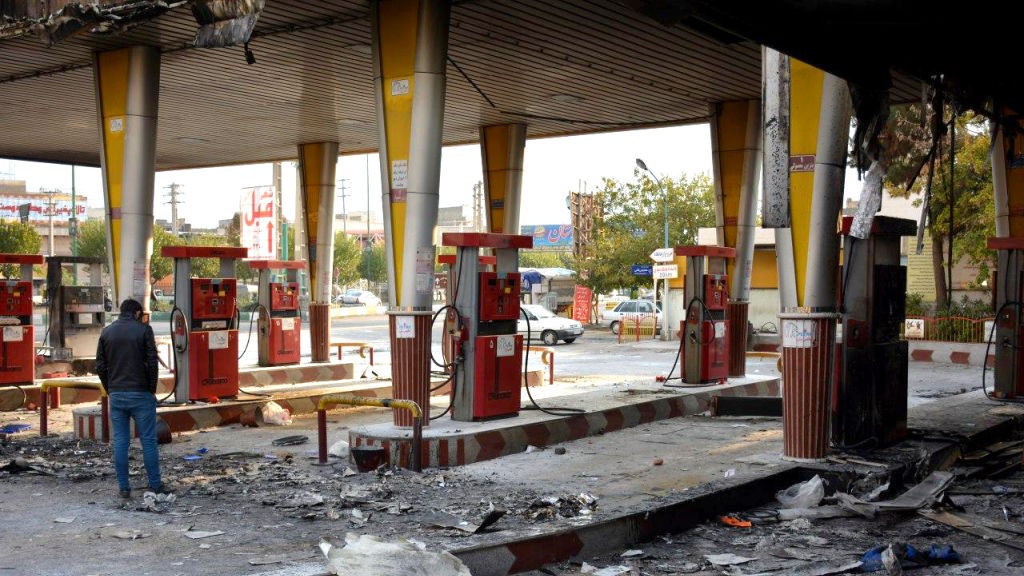
Adding to the backdrop of economic mismanagement, corruption, and increasing rates of poverty and inequality, the recent gasoline rationing and price hikes have ignited widespread and violent protests inside Iran. Despite recent changes, the country’s energy subsidy regime remains highly inequitable, ineffective, and inefficient.
Why the Gulf states are investing in Central Asia and the South Caucasus
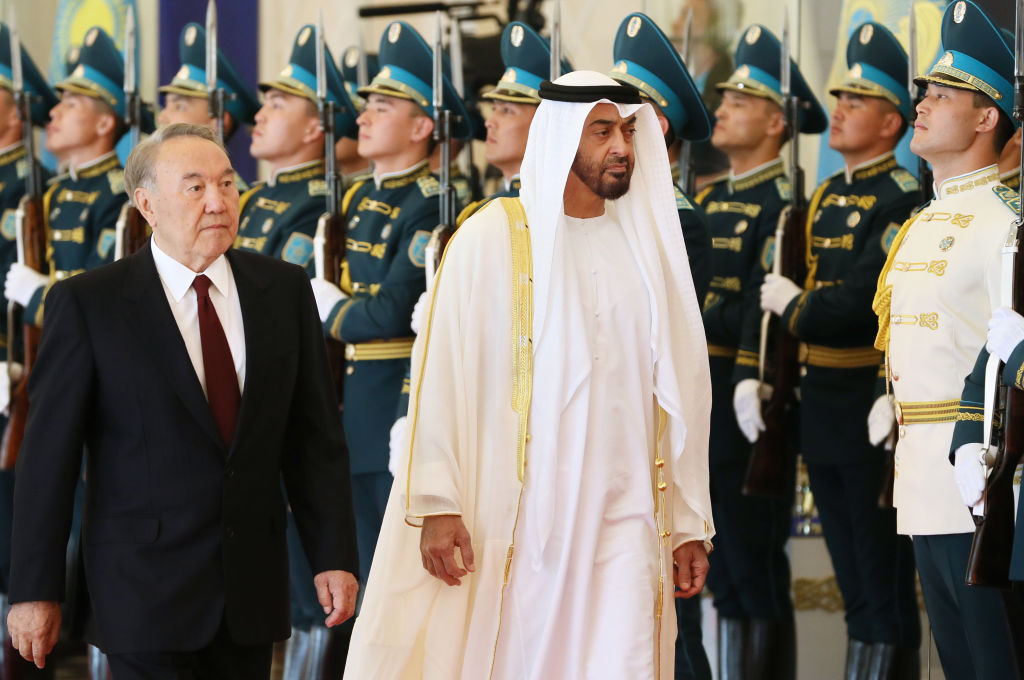
Following the sharp decline in oil prices in recent years, Central Asian and South Caucasus countries accelerated their efforts to diversify their economies away from oil and gas.They also began looking for additional investors. The wealthy states of the Persian Gulf were a natural fit, as they had the financial resources and were also interested in diversifying their economies away from petroleum. The United Arab Emirates (UAE) and Saudi Arabia have led the overseas investment charge.
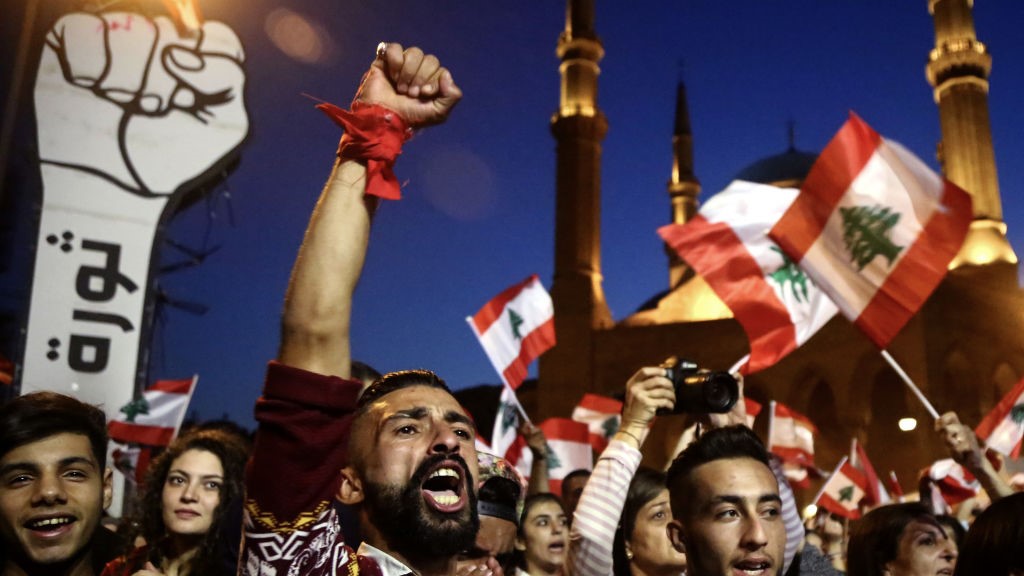
Leveraging the Current Uprising for Sustained Political Change
The nationwide protests are the most significant domestic political development in Lebanon since the end of the civil war. It would be useful to examine both the short and long term political potential of this new awakening.
In the short term, the protests have already mobilized the power of the public to bring down a corrupt and ineffective government, and to gain great leverage on the rejection or acceptance of any new government. They have also raised urgent national demands and forced the ruling class to confront these demands.
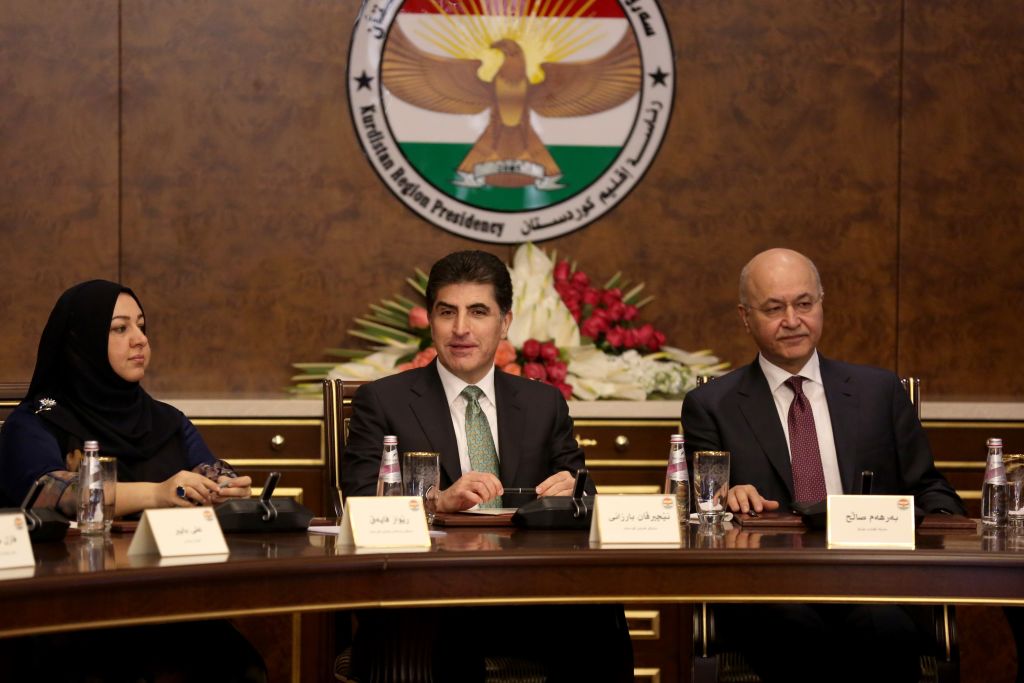
Breaking each other’s fingers: Kurdish parties nervously watch Baghdad — and one another
Since early October, the southern provinces of Iraq have been consumed by protests and strikes. While ruthlessly attempting to suppress protests, the Iraqi government has promised legal and political reforms. Yet some of the Kurdistan Region-Iraq’s elites are suspicious that the government’s reform agenda is a “conspiracy” against Kurdish entitlements masquerading as a good faith effort to placate the protestors. The region’s hegemonic parties are concerned that legal, constitutional, and procedural reforms may overhaul the institutions that guarantee their positions of influence in the federal government and secure their territorial claims.
On a recent trip to my native Lebanon I looked on its ongoing, unprecedented protests with both wonder and worry. The country is a month into widespread anti-government demonstrations. The protests’ scale ebbs and flows but the relative calm during my stay had a fleeting if not sinister quality to it. That calm is unraveling. However this chapter of Lebanon’s history unfolds, this complicated country has changed irreversibly.
Russia’s military police face their toughest challenge yet in north Syria
Russia’s ability to control the pace and scope of developments in Syria has been a moving target ever since its intervention four years ago. At varying times, Moscow has found itself both firmly in the driver’s seat and a helpless bystander — the latter most vividly illustrated by events such as the regular Israeli airstrikes on Russia’s Iranian and Syrian regime allies.
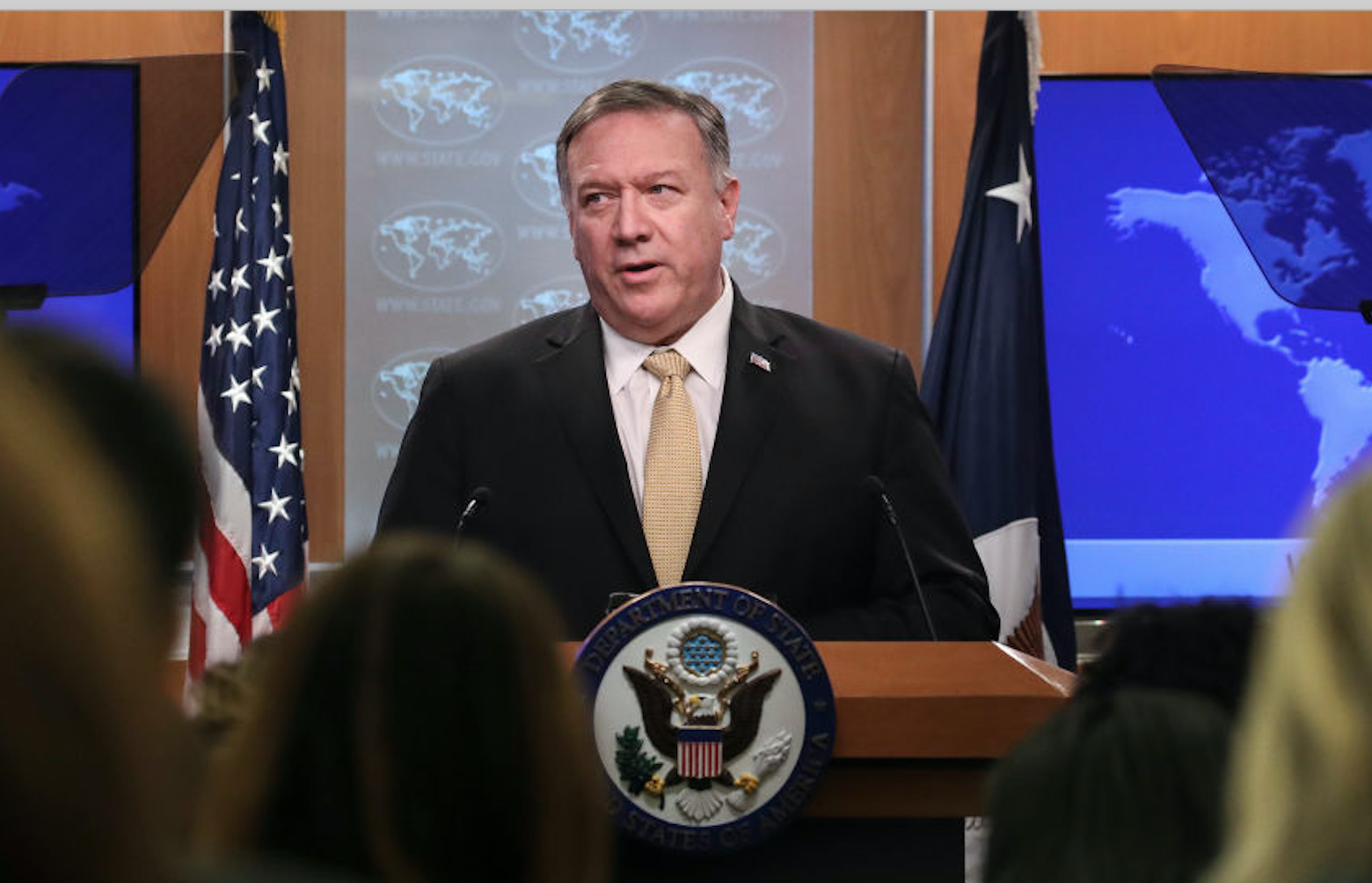
It is not always recognized that Secretary of State Mike Pompeo’s Nov. 18 declaration that Israeli “settlements are not inconsistent with international law” was primarily political, not diplomatic, designed for domestic American consumption as part of the president’s reelection campaign. Secondarily, it was intended to strengthen Israeli Prime Minister Benjamin Netanyahu’s hand in the current coalition negotiations and/or the likely upcoming Knesset election, if coalition negotiations fail. Third on the list, almost an afterthought, is the effect on the Palestinians, whose future state’s boundaries it purports to impact.
Secularism and the Islamophobia Zeitgeist in India and Sri Lanka
Islamist terrorism tends to normalize Islamophobia. For instance, Pakistan’s willingness to use jihadi forces to destabilize India in disputed Kashmir and the renascent Islamism connected to extremism worldwide cause anxiety and promote Islamophobia in states like India and Sri Lanka. In these instances, Islamophobia is induced from abroad. But a nationalist ideology rooted in religion can also fan it and unleash massive violence. This is what the Hindu nationalist ideology in India does by framing the country’s Muslims as a dangerous, predatory, and destabilizing “other.” Post-civil war, Sinhalese Buddhist nationalists resort to similar accusations as they seek to extend majoritarianism and manipulate Islamophobia for political gain.
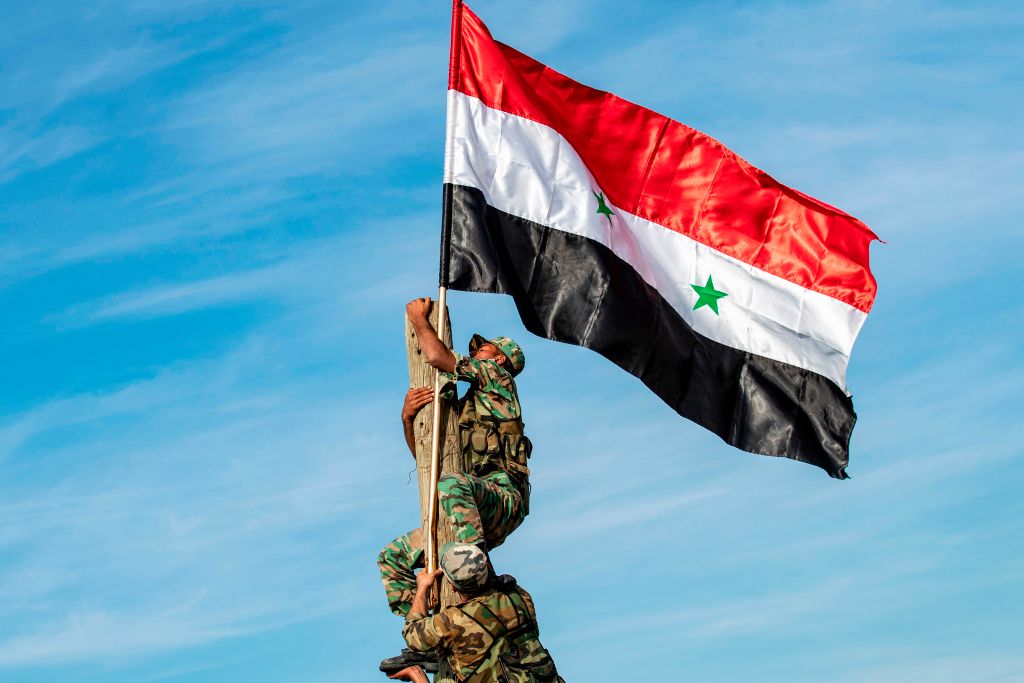
Return to the northeast: Syrian Army deployments against Turkish forces
In mid-October, five years after it was expelled from most of eastern Syria as ISIS swept in, the Syrian Arab Army (SAA) returned to much of the northeast as part of a deal between the Syrian Democratic Forces and Damascus struck just days after Turkey launched an offensive against the region. By examining the distribution and make-up of units sent to the northeast we can better understand the strength of the SAA in the region and the current state of its broader deployments across the country.
Why Doha should worry: The case for an Iran-Qatar non-aggression pact
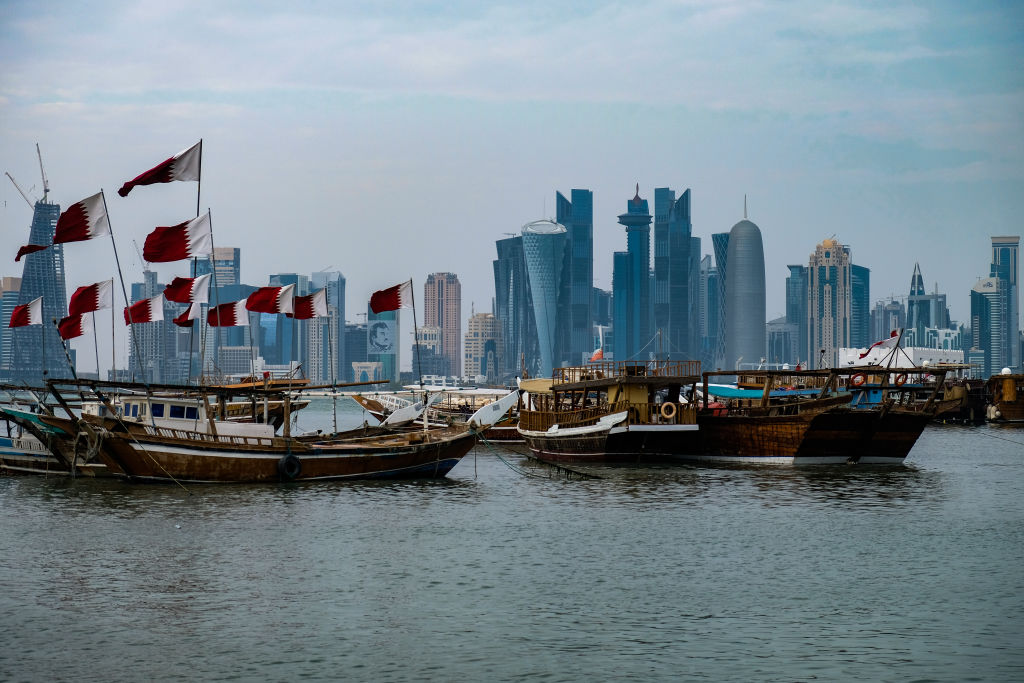
Fears of a large-scale war in the Middle East remain heightened as the U.S. continues ratcheting up sanctions against Iran while Tehran takes measures to scale back its restrictive commitments under the Joint Comprehensive Plan of Action (JCPOA). The latest sign of Iranian retaliation against the U.S. withdrawal from the 2015 nuclear accord was its decision, confirmed by the International Atomic Energy Agency (IAEA) on Nov. 11, to begin refining uranium at its Fordow underground enrichment facility.
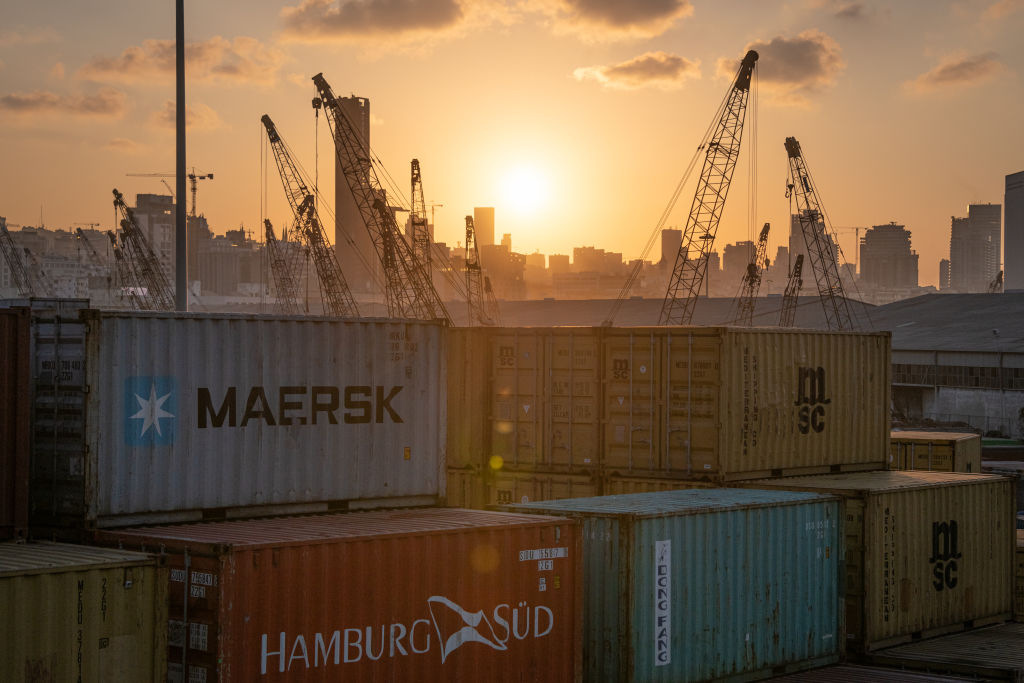
China’s Belt and Road Initiative (BRI) has been a powerful driver of the development of existing and new Eurasian rail routes. A web of competing and complementary rail lines has begun to form across the Eurasian landmass. Railway cargo service between China and Europe has fast become a compelling “middle option” — cheaper than air and faster than sea.
Tearing down the walls of vested interests in the Middle East and North Africa
The MENA region needs bolder and deeper economic reforms. GDP growth is projected to be 0.6 percent in the region in 2019, a fraction of what is needed to create enough jobs for its fast-growing working-age population. Even in the few countries that have had periods of higher growth since the 2011 Arab Spring, poverty rates have failed to drop, suggesting the need for reforms to instill fair competition and promote more inclusive patterns of growth.
Punching above their weight: Cyber lessons for small states
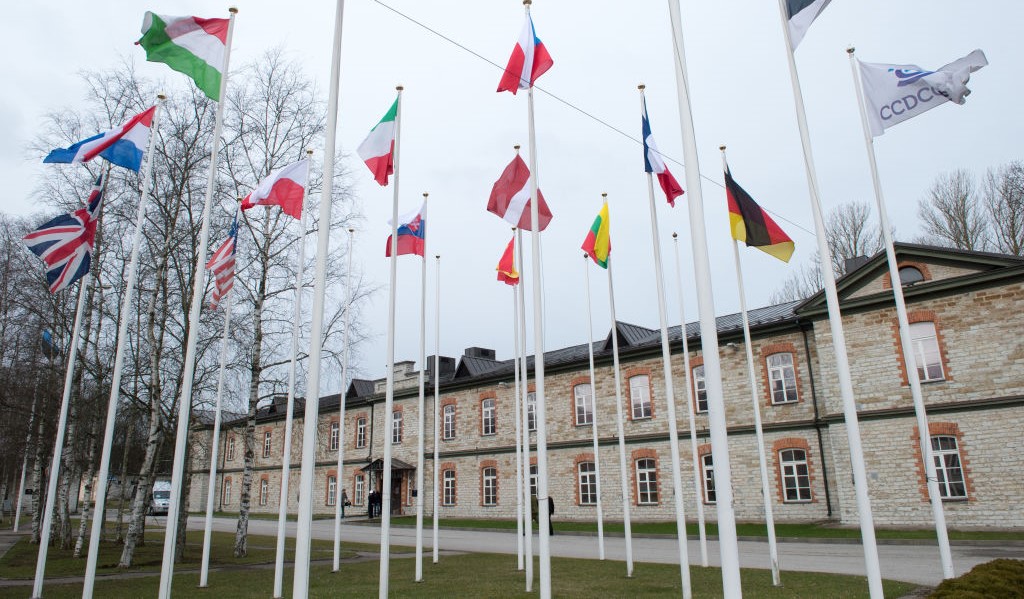
The role of cybersecurity in the future of geopolitics in the Middle East and the surrounding regions will have much to do with individual state and enterprise preparedness. With cyber threats a growing source of interstate tension, governments must take measures to increase national cyber preparedness that are tailored to their vulnerabilities and cyber ecosystems. Israel and Estonia are examples of states that prove this rule. Despite their relatively small size, both have demonstrated an exceptional capacity to deter or defend against cyber aggression from their much larger, more aggressive neighbors.