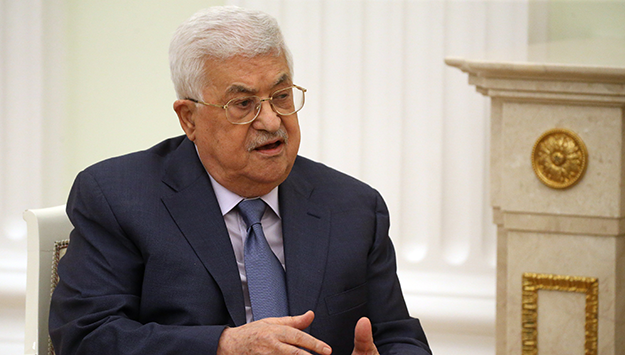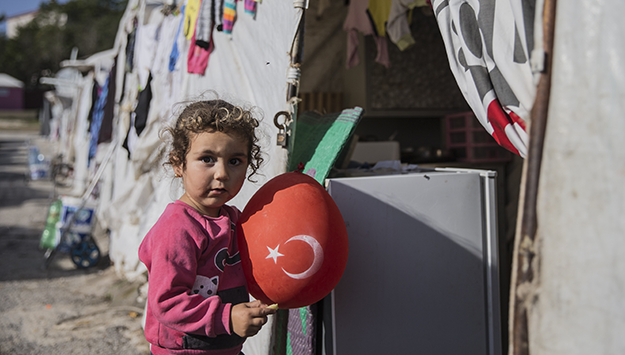
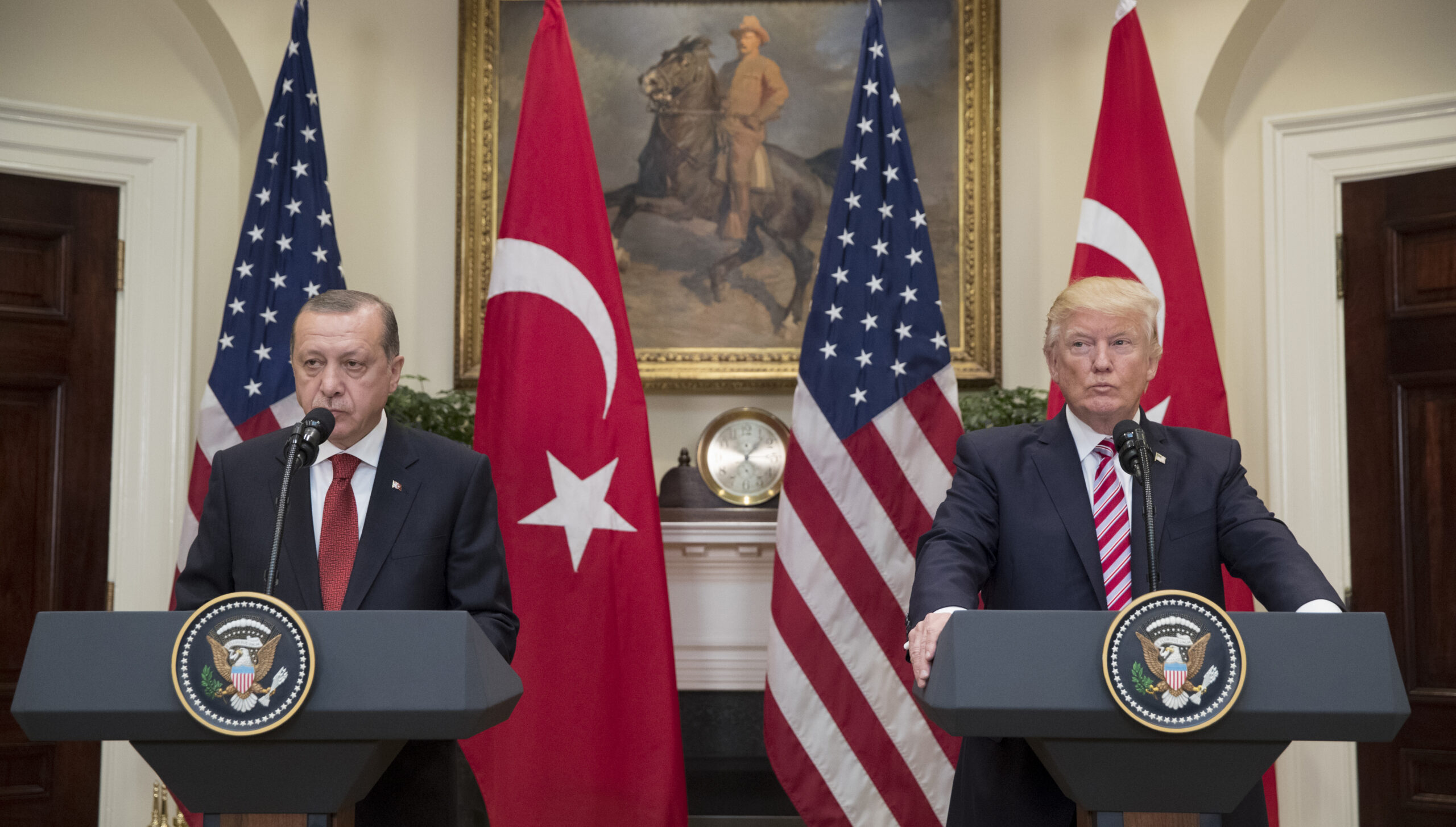
Iran sanctions may see US-Turkey ties get a lot worse
This week, the Trump administration reimposed economic sanctions on Iran, targeting mainly financial transactions with and commercial airline sales to Iran. Tougher sanctions to stop the sale of Iranian gas and oil will go into effect in November. In a tweet, President Donald Trump issued a strong warning to those trading with Iran: “Anyone doing business with Iran will NOT be doing business with the United States.” Its NATO ally Turkey is defiant. In a Jul.
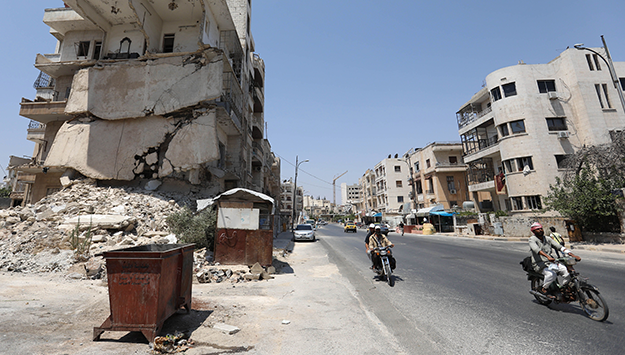
The urgency of Idlib: The impending regime offensive and the delicate balance in Syria’s northwest
Read the full article at War on the Rocks.
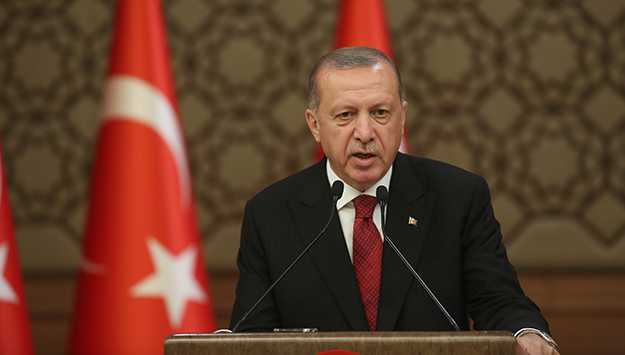
US sanctions on Turkish ministers require recalibration
This piece was co-authored by Aykan Erdemir. Read the full article on The Globalist.
The Trump administration has now made good on its threat to sanction Turkey if Ankara refused to release an American pastor from custody.
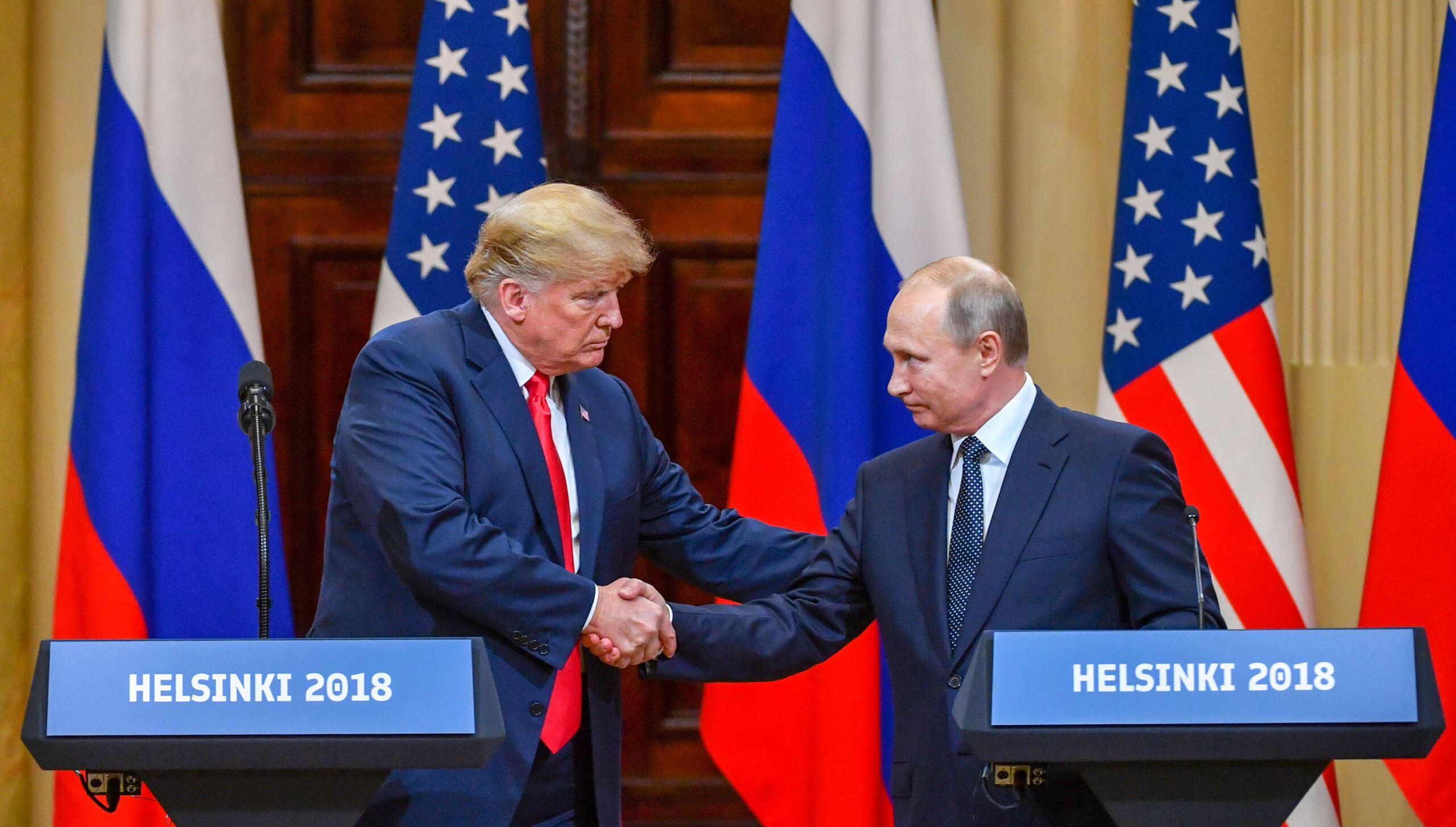
What does Helsinki mean for Jordan?
Despite the absence of a public and formal account of what transpired during the meeting between Presidents Trump and Putin in Helsinki on Jul. 16, it seems that there is at least tacit agreement that effectively endorses the Syrian regime’s takeover of southern Syria and limits Iranian presence in Syrian areas near the Jordanian and Israeli borders.

Oman’s Transition to a Post-Oil Economy: Arching Toward Asia
The development of Duqm Port and Special Economic Zone (SEZ) is at the forefront of Oman’s efforts to transition to a post-oil economy. The Malaysian economic transformation management model, the Singaporean example of achieving prosperity through combining free trade and business-friendly policies with its role as a trans-shipment and logistics hub, and an initial infusion of substantial Chinese investment capital and project participation all have played central roles in how this process has unfolded — and will likely remain key determinants of its future progress.
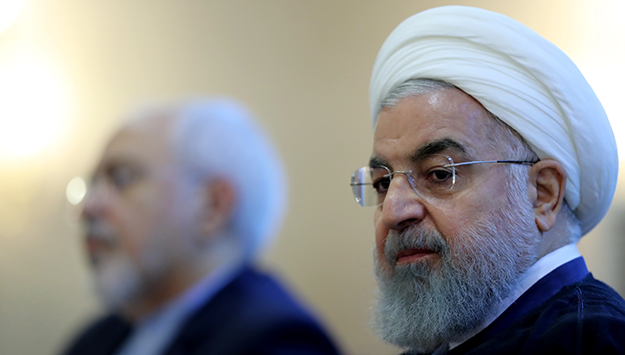
Will US sanctions bring Iran back to the negotiating table?
In this week’s Monday Briefing, MEI experts Ahmad Majidyar, Gerald Feierstein, and Charles Lister provide analysis on the first batch of U.S. sanctions on Iran, leaked emails that may undermine the Trump administration’s Mideast peace plan, and the assassination of a Syrian military scientist.
Will US sanctions bring Iran back to the negotiating table?
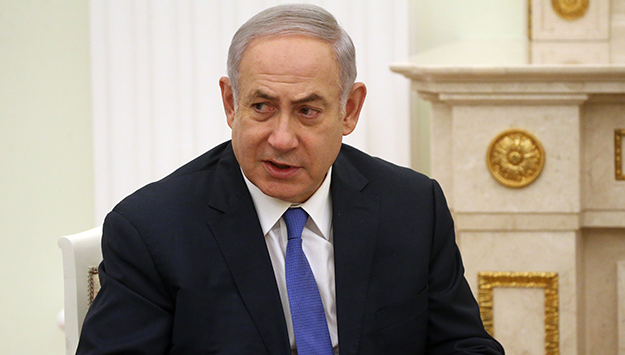
From Facebook to YouTube, Netanyahu is actively courting the Iranian people. There couldn’t be a worse messenger
Read the full article on Haaretz.
Trump’s unconvincing "hearts and minds" strategy on Iran
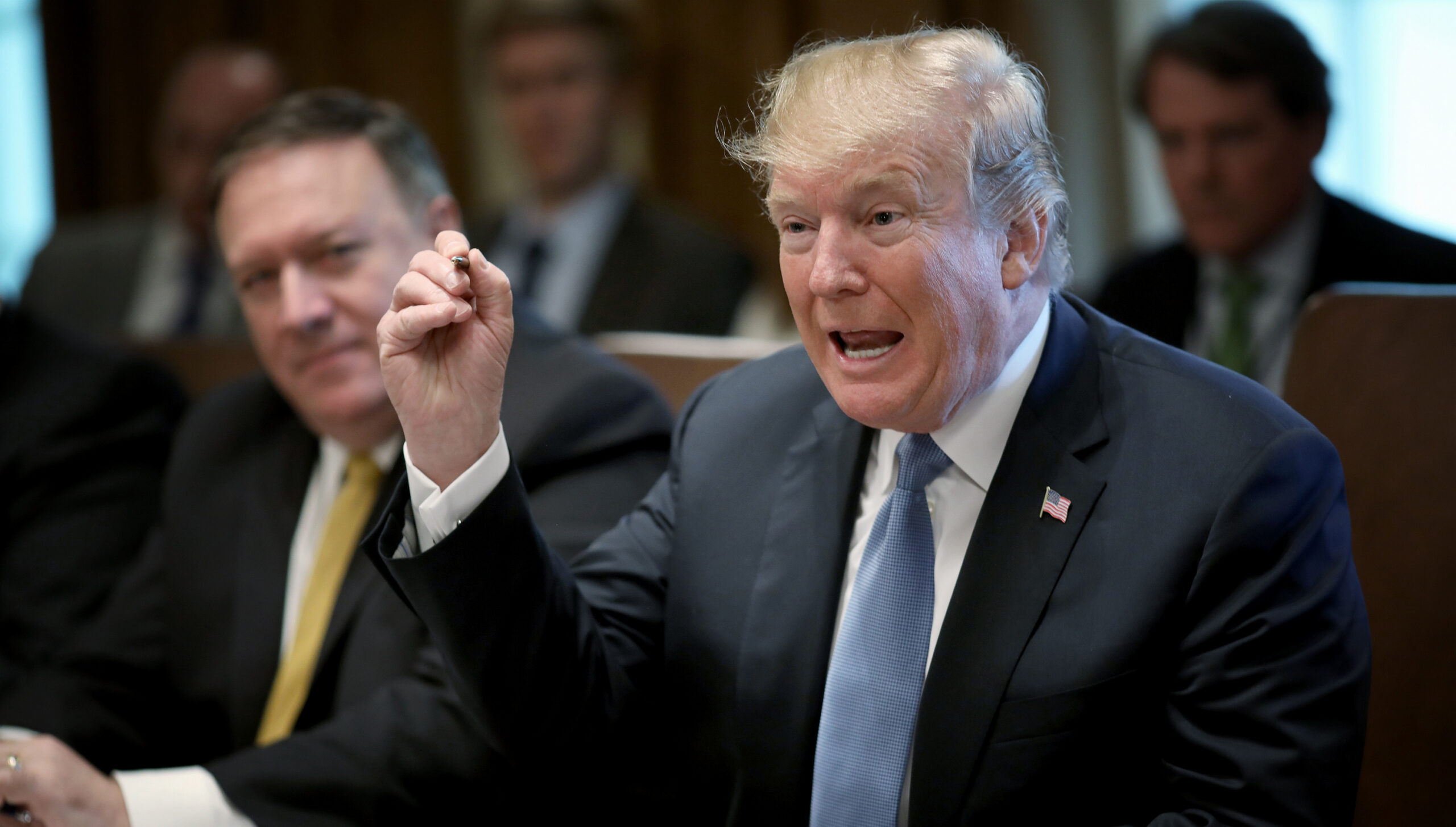
In the span of one week, President Donald Trump both warned Iran’s leaders of a calamitous response to any belligerence from Tehran and offered Tehran a “real” nuclear deal if they come back to the negotiation table. It is just the latest example of the Trump administration’s disjointed Iran policy.
A step forward for Palestinian reconciliation?
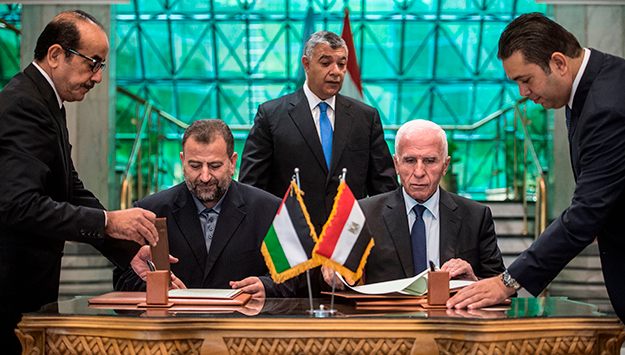
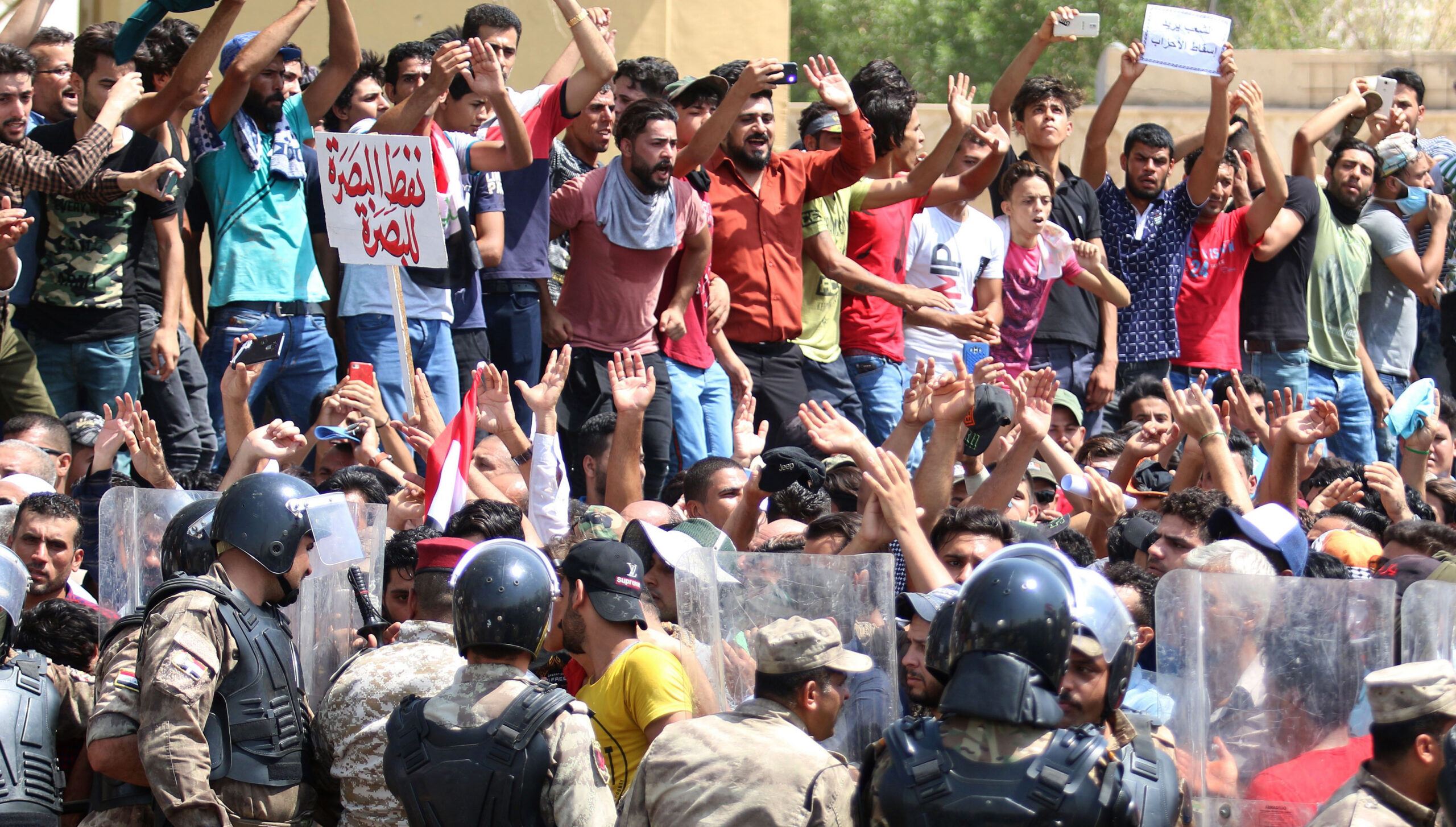
In this week’s Monday Briefing, MEI experts provide analysis on Fatah-Hamas reconciliation talks in Cairo, possible cooperation between the Syrian Democratic Council and the Assad regime, the protests in Iraq, the U.S.’s lifting of restrictions on aid to Egypt, and Imran Khan’s victory in the Pakistani elections.
A step forward for Palestinian reconciliation?
Nathan Stock, MEI Scholar
Why cutting military aid to Lebanon would be a mistake
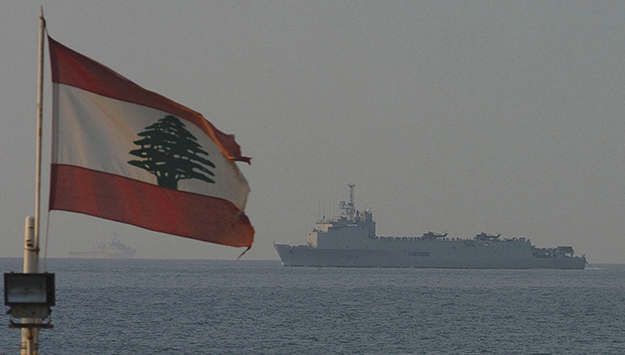
Read the full article on the American Interest.
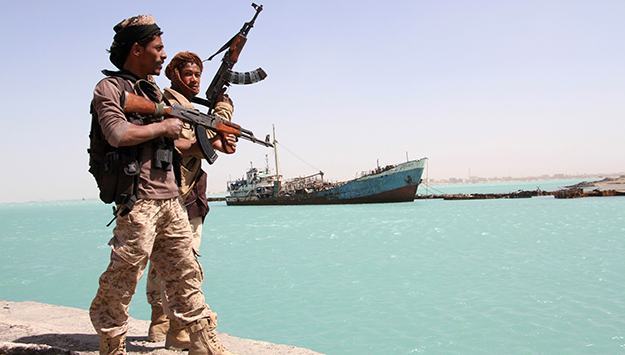
Houthi attack in strategic shipping lane could undermine oil markets
Saudi Arabia temporarily halted all oil shipments through the Bab al-Mandab strait on Wednesday, Jul. 25, after two of its very large crude carriers were attacked by Houthi rebels. According to Saudi and Yemeni officials, the attack was launched from the besieged port city of Hodeida.
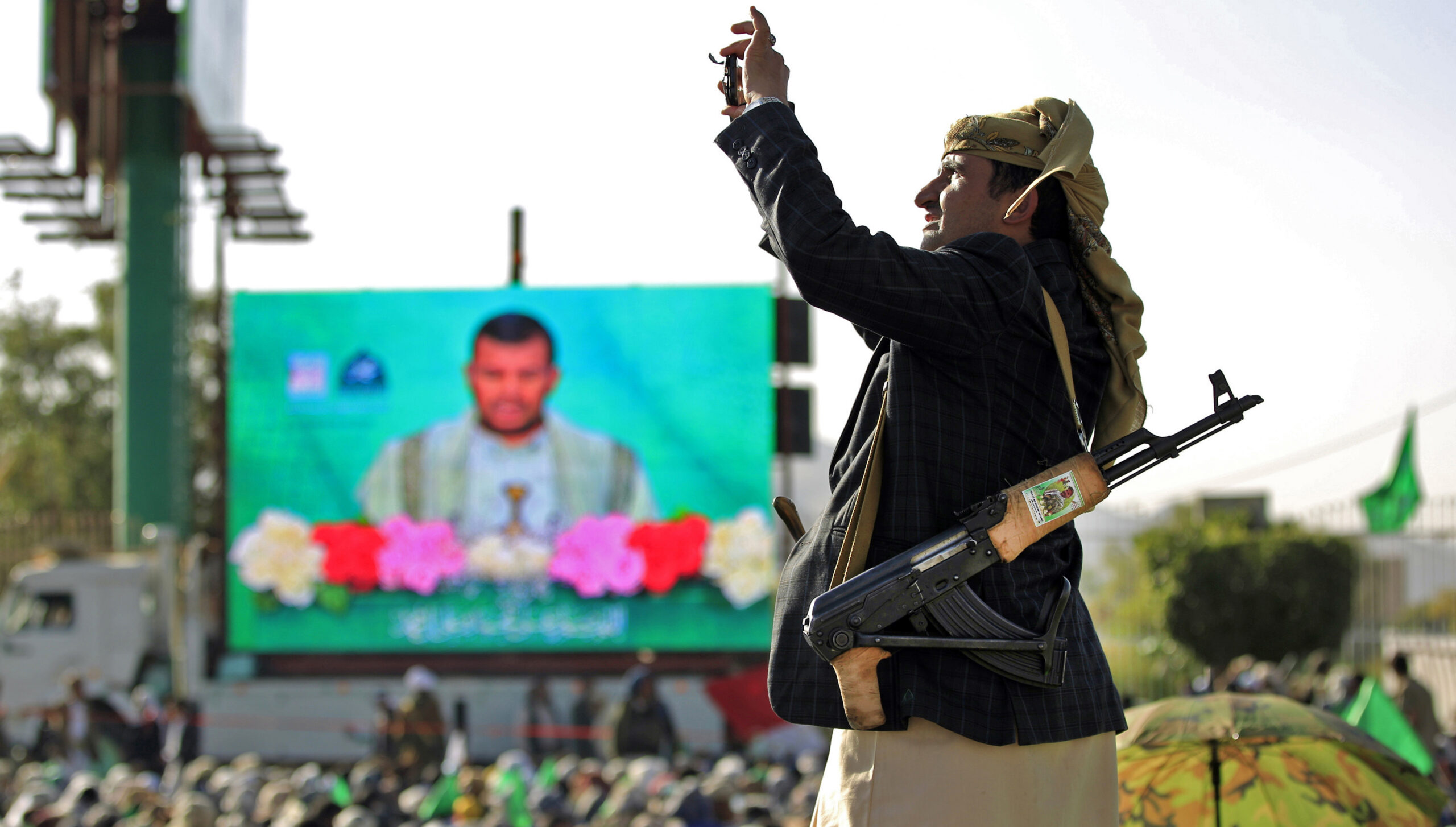
How is jihadi militancy in Yemen evolving?
Regional conflict and internal chaos have allowed militant jihadi groups to rise and flourish in Yemen. This paper analyzes two of the most prominent such groups, al-Qaeda in the Arabian Peninsula (AQAP) and the Islamic State in Yemen (ISY), by scrutinizing the factors that led to their respective ascents and examining the challenges and pressures that have caused their respective declines.