Iran’s Fars News Agency (FNA) reports that Syria’s army has formed a new elite force called the Al-Filq Al-Khamis-Eqteham (Fifth Assault Corps) and is calling on volunteers to join the group.
New Findings about Iran’s Arms Aid to Houthis Alarm Gulf Nations
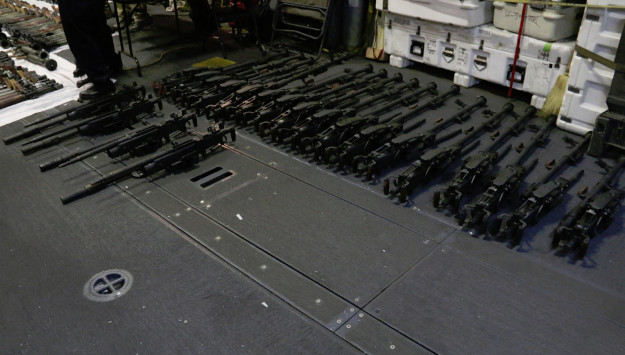
It is no longer a secret that Iran assists Shiite Houthi group to fight the Saudi-backed government of Abdrabbuh Mansur Hadi in Yemen. But a new report published on November 30 provides new evidence of an arms “pipeline” originating from Iran and extending to Yemen and Somalia.
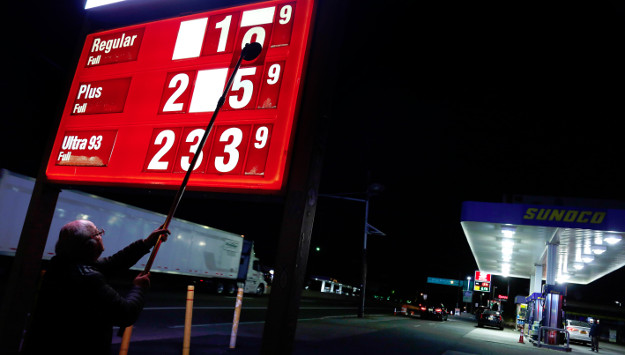
After months of protracted discussions, OPEC members reached a consensus on November 30 to cut collective oil production next year by about 4.5 percent. The news about the first reduction in eight years pushed up oil prices by eight percent to above $50 a barrel. According to the deal, Iran will keep its production level at 3.8 million barrels per day (bpd) – almost the same amount as its pre-sanctions output.
Islamists in Government: Lessons from their Successes and Failures
The question of whether Islamist groups are compatible with democracy has been a topic of serious discussion for some time, especially considering the claims that Islamists have structural impediments when it comes to adapting to various social and political contexts.
IRGC Hails Shiite Militias’ Success but Sunnis Voice Concern
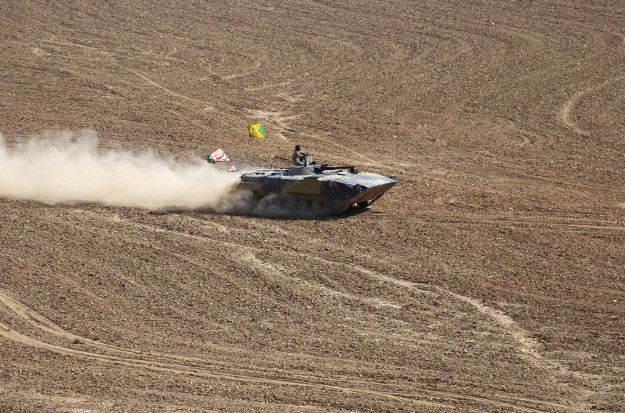
With Shiite militia forces scoring territorial gains in Iraq and Syria, the Islamic Revolution Guards Corps (IRGC) feels vindicated. In numerous interviews with Iranian media outlets, senior IRGC officials claim that their support for the Popular Mobilization Forces (PMF) in Iraq and Shiite militant groups in Syria has not only saved the two countries from “terrorists and takfiris” but has also warded off the threat of terrorism from spilling over into the Iranian territory.
Iran Continues to Arrest Dual-Nationals for Ransom
Richard Ratcliffe, the husband of a British-Iranian woman jailed in Iran’s notorious Evin Prison, says that Islamic Revolution Guard Corps (IRGC) officials are using his wife as a “bargaining chip” to secure a decades-old £500 [$620] million debt for a tank deal from the British government.
Erdoğan’s Syria Remark Angers Iran, Russia and Syria
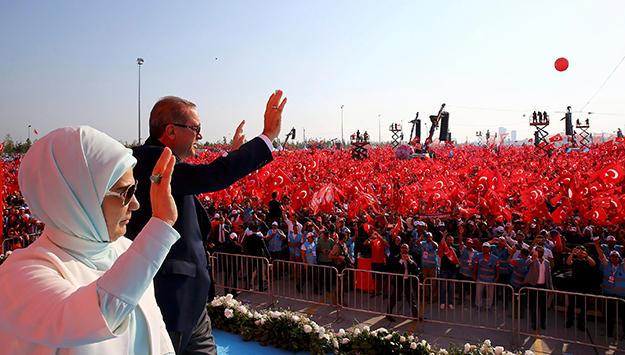
Turkish President Recep Tayyip Erdoğan’s November 29 remark that Turkey intervened in Syria to topple President Bashar al-Assad has drawn a sharp rebuke from Tehran, Damascus and Moscow.
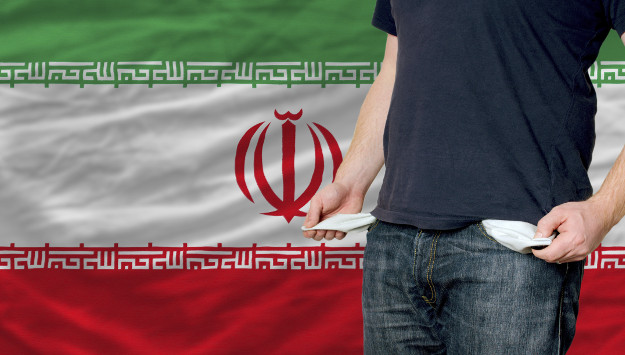
For Rouhani’s Reelection, It’s Still the Economy, Stupid
The Central Bank of Iran (CBI) has announced that the inflation rate for the past 12 months stood at 8.6 percent – down from 11.9 percent from the same period the year before. Previously, the Statistical Center of Iran had put this year’s figure at 7.5 percent.
Are Syrian Men Vulnerable Too? Gendering The Syria Refugee Response
This essay examines the place of Syrian men in the refugee response, with a focus on the situation in Jordan. It questions the prevailing understandings of vulnerability, and outlines how the assumption that women and children are ‘the most vulnerable’ affects the distribution of aid and services. The essay demonstrates that, contrary to the perceptions of many in the humanitarian sector, work with refugee men is not only necessary, but can be extremely successful. Syrian men can be vulnerable too.
On November 28, Iranian President Hassan Rouhani and his Russian counterpart Vladimir Putin agreed in a telephone conversation to coordinate steps about global oil and gas prices as well as on the war in Syria.
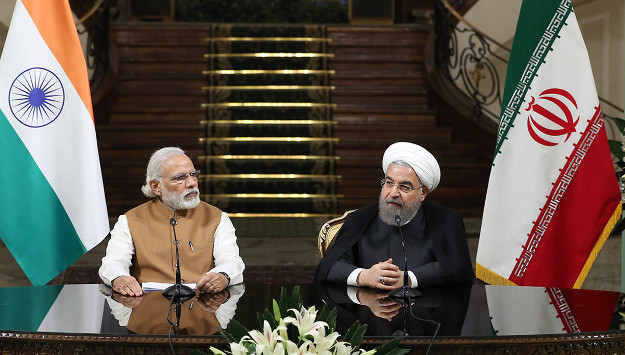
Iran Overtakes OPEC Rivals as India’s Top Oil Supplier
In another sign of Tehran’s improving trade and economic ties with regional countries, Iran has overtaken OPEC-member rivals Saudi Arabia and Iraq as Indi
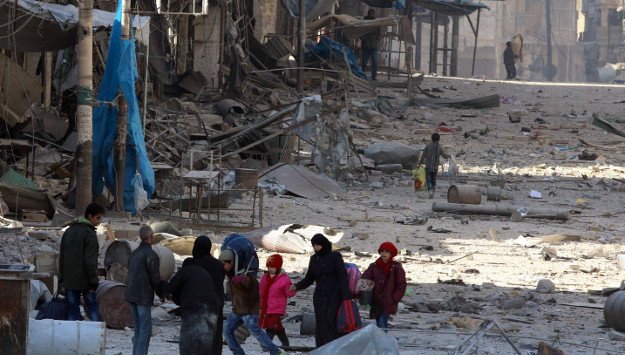
In this week’s Monday Briefing, MEI experts Charles Lister, Yousef Munayyer, and Mabrouka M’Barek provide analysis on recent and upcoming events including the Assad regime’s advances in Aleppo, Fatah’s annual conference, and Tunisia’s upcoming conference for its economic plan.