The Dangerous Stipulation of Islamic Exceptionalism
Is the religion of Islam “exceptional” in how it relates to politics? The argument at the center of Shadi Hamid’s new book is that it is. This is not a novel argument, but one likely to be misused.
After the Boats: Refugee Reception and the Production of Irregularity in Italy’s Migration Crisis
This essay discusses the reception, protection and integration of refugees and migrants in Italy, where there has been widespread entry of people into positions of precariousness and vulnerability, living in informal settlements, often without humanitarian protection or residence permits. It is a situation that highlights the longer-term implications of the crisis and the shortcomings of the responses that have so far been put in place.
Resolving Egypt’s Housing Crisis Crucial to Long-Term Stability
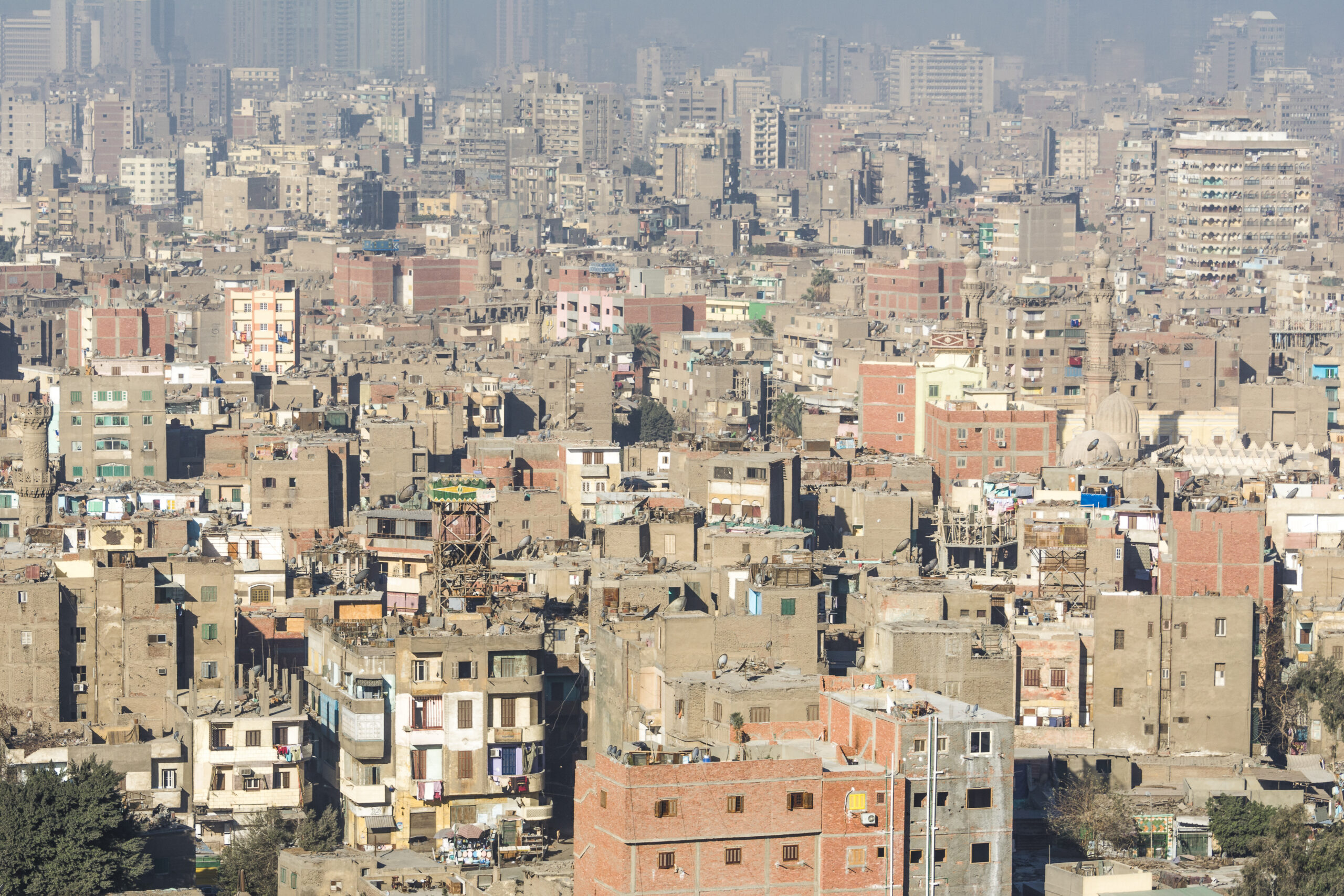
With a population growing at a rate of approximately 2 percent per year, Egypt is faced with an urbanization crisis, as many of its cities find themselves increasingly overcrowded. Egypt’s housing crisis affects millions across the country, and, if the Sisi government is looking to further consolidate its power, it must ensure that it maintains the support of the country’s poor urban communities, which have historically revolted against worsening living conditions.
Much has been made, particularly by Israelis, of the expanding horizons for collaboration between the Jewish state and Arab Gulf states. Israeli ministers and business people lose no opportunity to tout Israel’s interest in expanding ties of all sorts in a region viewed as a valuable market for Israeli industry and an intelligence gold mine.
The Middle East & Southeast Asia Collection at the Oman Library
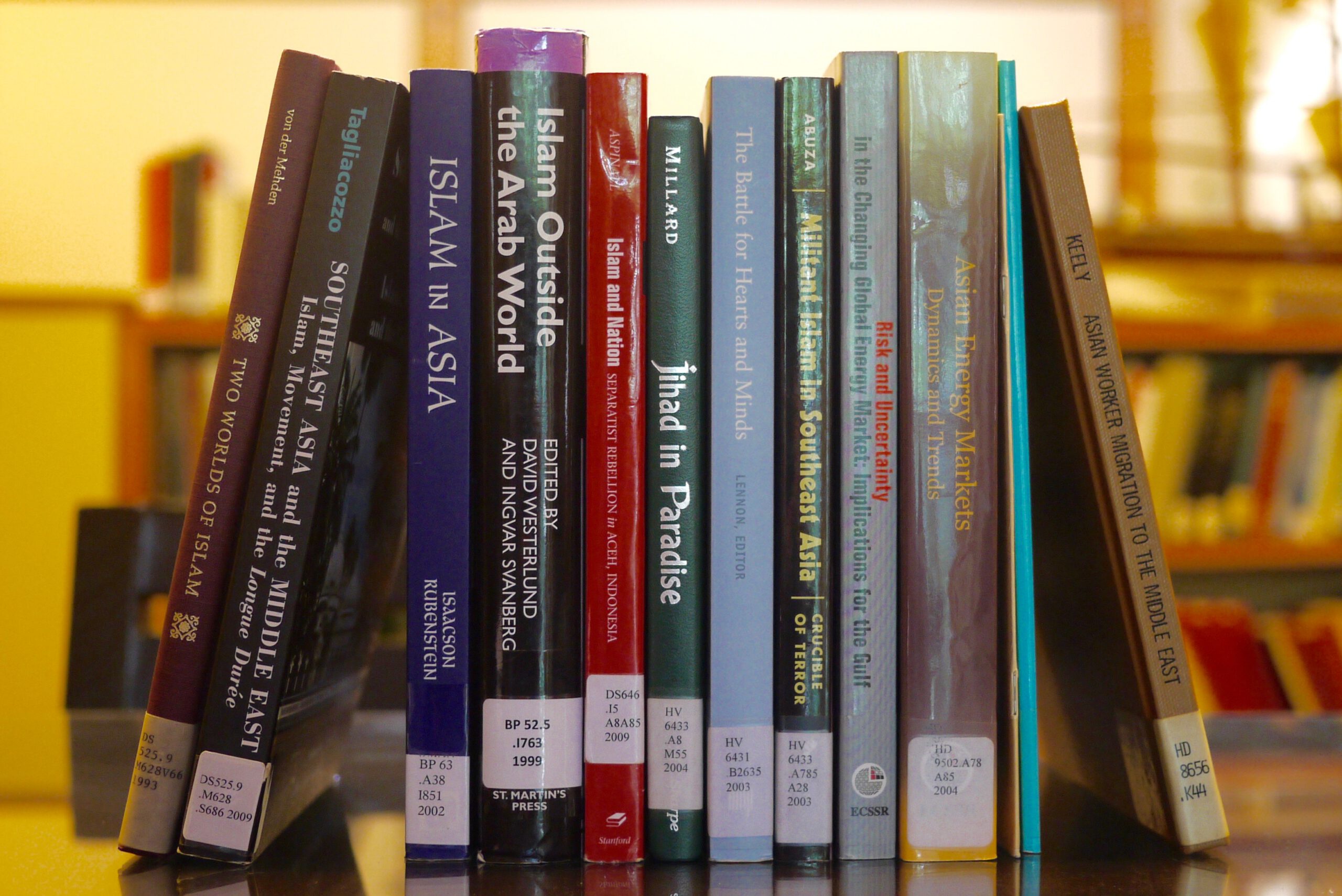
The Middle East and Southeast Asia are two distant regions that are not usually associated with one another. However, there are, in fact, a number of topics that transcend the geographical space between the two regions. For scholars who are interested in the relations between two of the most dynamic regions in the world today, the Oman Library at the Middle East Institute is home to a sizable collection of resources focused on this relationship.
Adaptation Actions, Migration and Disaster Vulnerability of Bangladeshi Coastal Communities
This essay discusses the impact of climate change on livelihoods and documents the current and future adaptation strategies of Bangladeshi coastal communities. The findings of the research conducted for this essay indicate that those who migrated to another area were able to secure new places to reside, but in locations that made them susceptible to other forms of disaster.
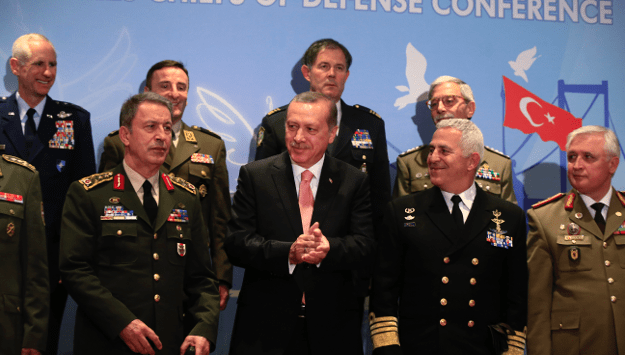
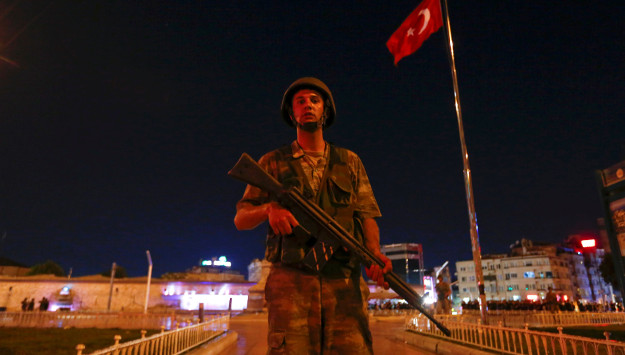
Monday Briefing: Turkey's Post-Coup Military Restructuring and US-Russia Meeting in Geneva on Syria Coodrination
In this week’s Monday Briefing, MEI experts Gonul Tol and Randa Slim provide analysis on the restructuring of Turkey’s military following the recent failed coup attempt and the meeting between U.S. and Russian officials in Geneva tomorrow to discuss counterterrorism coordination in Syria.
Last month’s massacre at an LGBT nightclub in Orlando launched a heated debate about the relationship between Islam and homosexuality, and more acutely, about the prevalence of a virulent homophobia in the Islamic world. But in the Middle East, this debate began long before Orlando. LGBT people in this part of the world have been battling for their rights for years, and not without casualties.
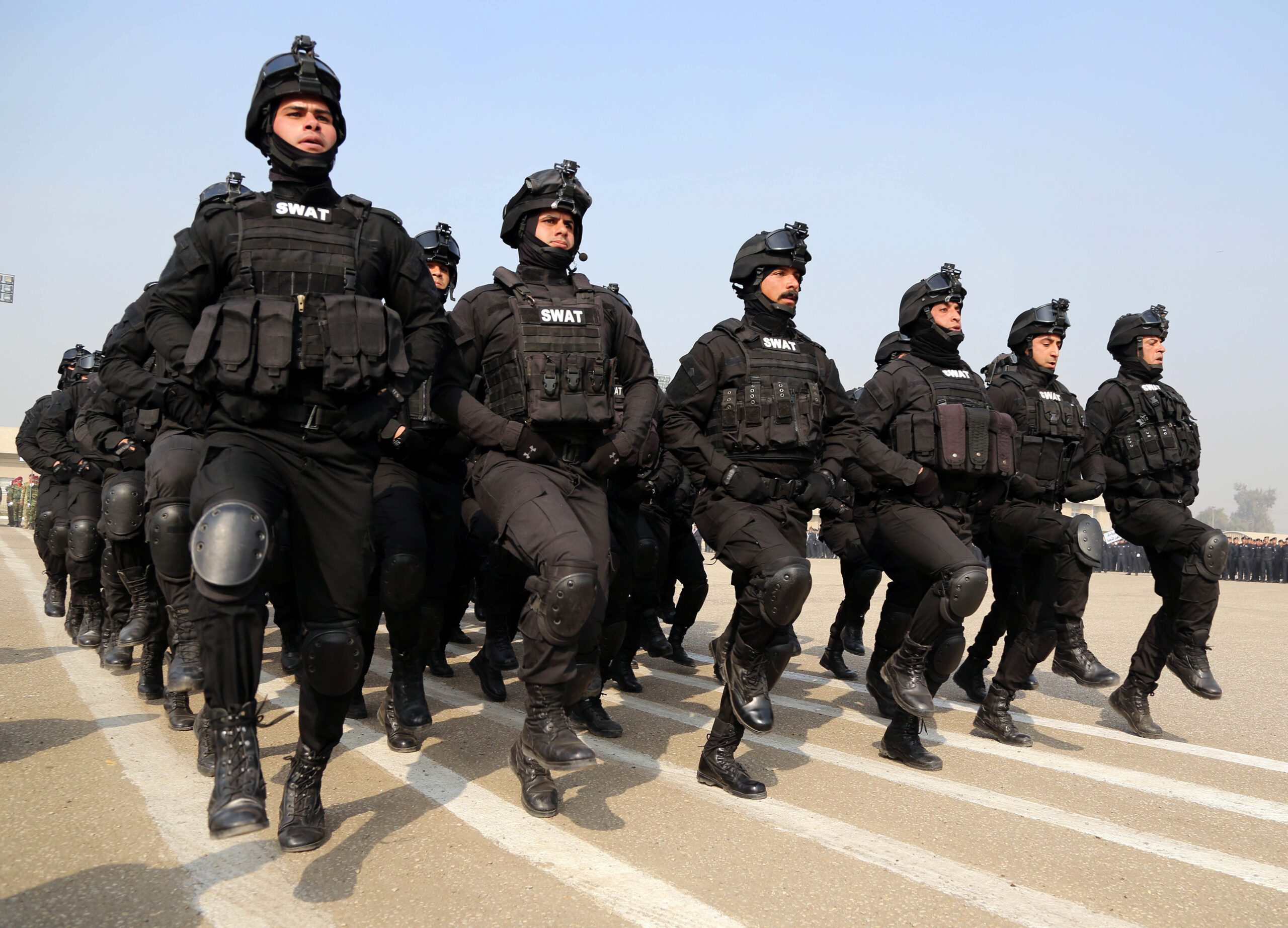
Toward Regional Cooperation: The Internal Security Dimension
Regional Cooperation Series
This Policy Paper is part of The Middle East Institute’s Regional Cooperation Series. Throughout 2016, MEI will be releasing several policy papers by renowned scholars and experts exploring possibilities to foster regional cooperation across an array of sectors. The purpose is to highlight the myriad benefits and opportunities associated with regional cooperation, and the high costs of the continued business-as-usual model of competition and intense rivalry.
Turkey is a country of ironies. A president who has called Twitter “the worst menace to society” and frequently expressed his “hatred” of the Internet, used both to prevent the coup against his rule when he called on his followers to take to the streets using Twitter and Facetime. The first TV network he called to reach out to his followers was CNN Turk, a channel he repeatedly accused of “terrorism propaganda” and “supporting coup against his government” and that has been the target of physical attacks by pro-Erdogan supporters.
Thinking Beyond “Crisis”: Population Displacement and State Building in the Middle East
War and displacement—for those who are caught up in them—are always a tragedy, one that they carry with and within them far beyond the limited attention spans of international media and scholars. However, not every tragedy becomes a crisis. This essay discusses the intellectual, policy, and human consequences of considering the current displacements in the Middle East a “crisis.”