Less than 30 months ago Egypt was brimming with enthusiasm and optimism. Not only had it ended three decades of Mubarak rule, but it had done so essentially peacefully and at the hands of young Egyptian professionals who, it was believed, could walk Egypt toward a freer and more prosperous future. Today, the country is politically polarized and it faces the worst economic crisis since the 1930s. A severe sense of frustration and dark pessimism prevails throughout the nation.
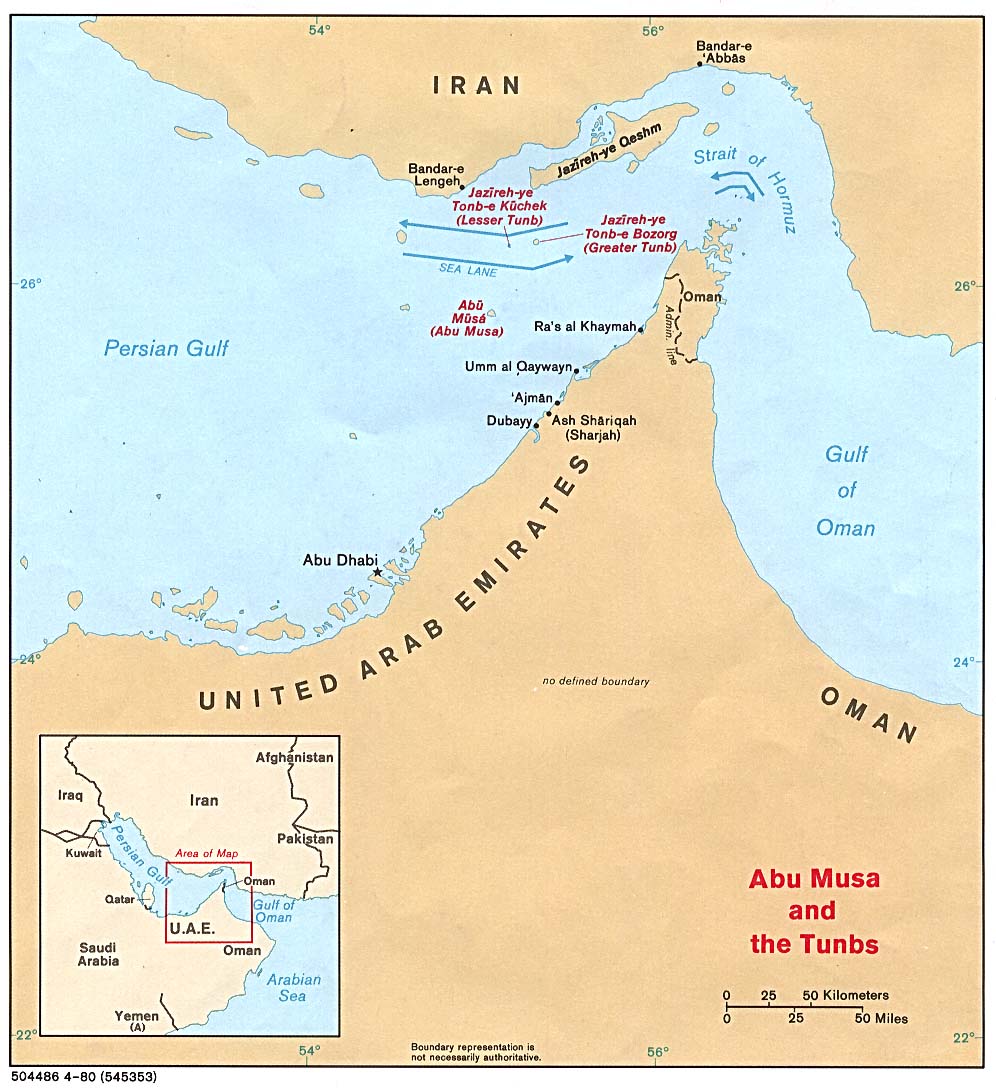
Oman is strategically positioned across the Gulf of Oman from Iran, north of Yemen, and east of Saudi Arabia. It has arguably been able to secure its rapid economic growth—spurred by oil riches—by maintaining neutral, if not friendly, relations with these neighbors, including Iran. Yet while Oman has successfully kept itself neutral, it still inhabits a precarious location. It shares with Iran the Strait of Hormuz, a waterway that Iran has threatened to close due to its charged relations with the GCC countries and the United States, who rely on the Strait to transport oil to world markets.
Malaysia-Saudi Arabia Relations: Roots, Dimensions, and Prospects
Malaysia’s relationship with Saudi Arabia has long been amicable and fruitful. Indeed, Malaysian-Saudi relations have deeper historical roots than are commonly recognized. During the contemporary period, the religio-cultural, economic, and other aspects of the bilateral relationship have expanded. In fact, Malaysian-Saudi relations are complex, multifaceted, and have significant potential for further development.
Malaysia and the GCC Countries: Fertile Ground for Further Expansion of the Takaful Industry
The Takaful industry has expanded rapidly in recent years.[1] In 2011, the industry recorded 19% higher growth than in the previous year. Takaful is generally regarded as a profitable product with ample growth potential. With strong support from industry players, government institutions and increasing awareness among customers, the Takaful industry is expected to develop further in the coming years.
Learning from SIGIR's Final Report on Iraq Reconstruction
The Special Inspector General for Iraq Reconstruction (SIGIR) recently published a final report on U.S. efforts in Iraq from 2003-2012. It provides an impressive level of detail on the thousands of projects and over $60 billion spent over those years. Until recently, when it was surpassed by the ongoing effort in Afghanistan, the U.S. project in Iraq was the single largest reconstruction effort in American history.
Many participants and leaders of the January 25 revolution hoped for a new Egypt to emerge, one that respected freedom of speech and freedom of religion, amongst other liberties. More than two years later, it has become glaringly obvious that such hopes were pipe dreams, and that the “New Egypt” will respect neither, in part thanks to the mounting number of blasphemy cases and trials that have taken place.
Egypt is in trouble. And Egypt’s trouble is bad news both for Egypt and for the United States. With a withering economy, continued political unrest, and poor institutionalization of new and ever-evolving political rules, many Egyptians have lost hope in the ultimate success of the country’s political transformation. Given the sacrifices and optimism associated with the removal of President Hosni Mubarak in 2011, the failure of governance in Egypt, though not entirely unexpected, has the makings of tragedy.
Asia-Gulf Economic Relations in the 21st Century: The Local to Global Transformation
Asia constitutes the hub of the transformation of global economic power today. The Gulf, itself part of Asia, is of increasing importance in this transformation. This book documents the growing interactions between the economies of the Gulf states and those of the rest of Asia. These relationships are critical to how the world economy develops over the next decade, and how economic (and perhaps strategic) power is distributed.
Malaysia: A Base for the Growing Asia-Middle East Market?
With the shift in the direction of Gulf Cooperation Council (GCC) countries’ trade from the West to Asia and the emphasis on the “Islamic connection” by Malaysia and many of its Middle Eastern counterparts, Malaysia-GCC economic cooperation appears to be gaining momentum. Malaysia’s strategic location at the center of Southeast Asia and the need for as well as the apparent determination of Malaysia and the GCC countries to diversify their export markets could provide the impetus for this partnership to flourish.
It was with customary gusto that Egyptian President Mohamed Morsi proudly announced that he had submitted his first draft law to the Shura Council under the new constitution that came into effect in December of 2012.