Are Iran’s leaders rational actors? This question matters when justifying any decision by Israel to preempt Iran’s acquisition of nuclear weapons. An Iranian regime seen as driven to destroy the Jewish state has to be dealt with differently than one whose objectives are mediated by calculations of costs and benefits. Deterrents that would be normally expected to restrain a state would not work with an irrational Iran.
Introduction to Revolution and Political Transformation in the Middle East: Government Action and Response
Originally posted September 2011
On August 21, 2011, rebel forces in Libya rolled into the capital Tripoli, seemingly finishing off months of armed combat and foreign intervention and bringing down yet another Arab head of state. At the same time, sporadic but violent repression of protests in Syria continues, while other states remain calm or have seen their protest movements fizzle. We open this second volume of our series, Revolution and Political Transformation¸ at a time of uncertainty and transition for the region.
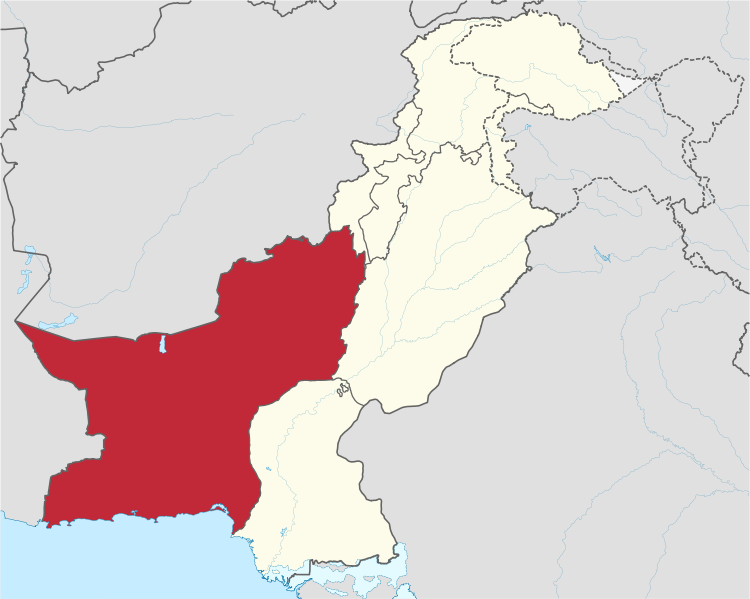
The state of Pakistan seems incapable of learning from its experiences in former East Pakistan (now Bangladesh), and seems therefore doomed to repeat history when it comes to addressing the grievances of Balochistan. Home to nearly ten million of the 180 million-strong population of the country (an estimate at best, since the last census was in 1998), the province has the smallest population in the country but the largest land area.
In his article for NPR.com, Middle East Institute scholar Greg Myre examines the new dynamics of war reporting. As the nature of warfare shifts from traditional army-to-army combat to more assymetrical government vs. non-state opposition warfare, journalists are having to embed – alone – with rebels groups in order to get the story. In the wake of multiple journalist deaths in Syria, Myre looks at the increasing risk faced by war correspondents in covering the front lines of conflict.